
At Nikko Kanaya Hotel, the meeting of Japan and the West is not a decorative theme recently applied to an old building. It is the reason the business exists. The wooden architecture, European-style dining and long tradition of receiving overseas visitors belong to the same story, one that began when an unfamiliar guest arrived at a musician’s home in the early years of the Meiji era.

The hotel’s origins lie in an encounter between Zenichiro Kanaya and the American physician James Curtis Hepburn. According to the Kanaya Hotel History House, Kanaya accommodated Hepburn in 1870; encouraged by him, he opened the Kanaya Cottage Inn for foreign visitors in 1873. A private home had become a place where travellers could find both a bed and a way into an unfamiliar country. It was a modest beginning for an establishment that would eventually become part of Japan’s international hotel history.

Two addresses, one continuous story
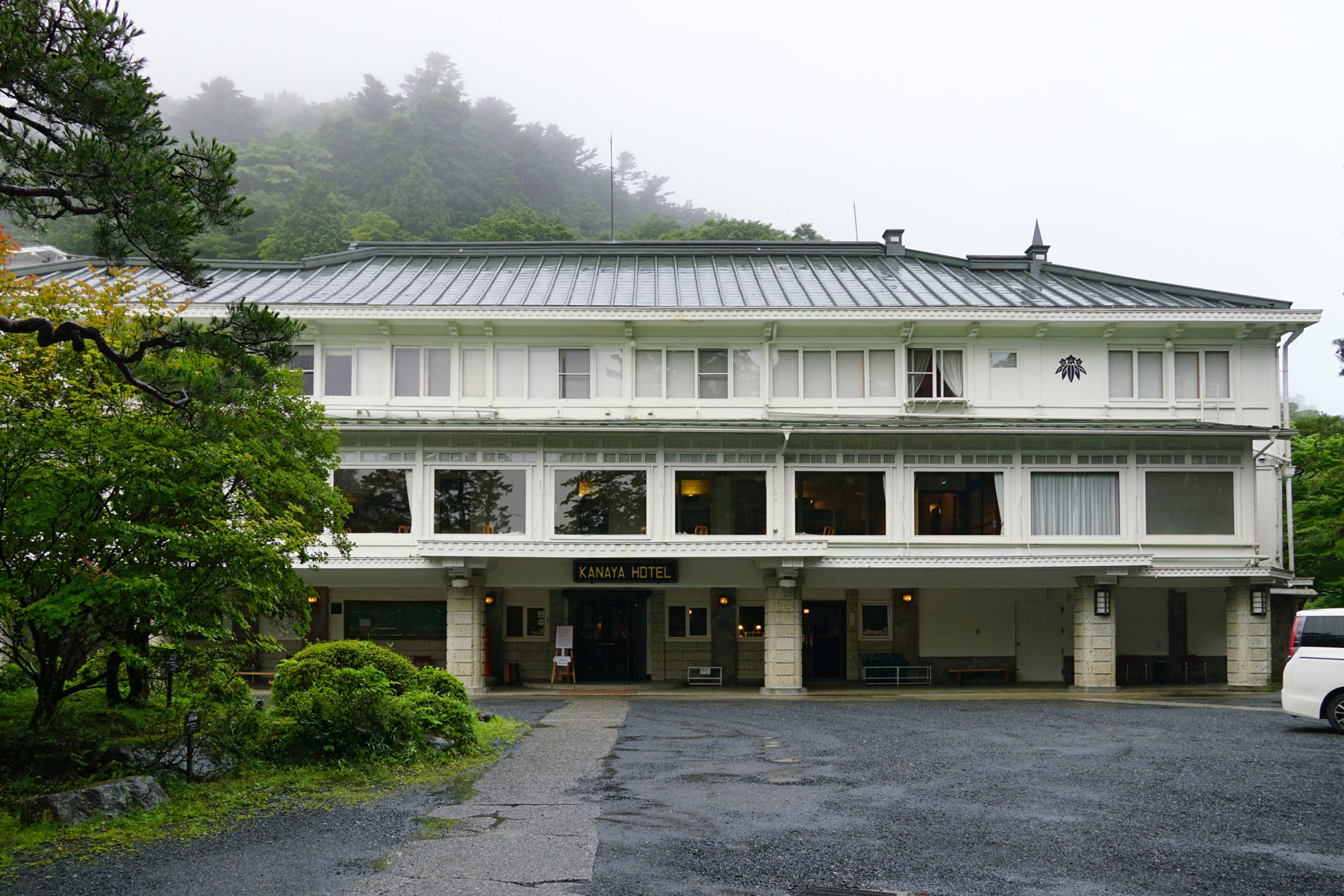
The distinction between that first inn and the present hotel is important. The business moved to the current hilltop setting above the Daiya River in 1893. The original house survives separately as a museum, preserving the domestic setting from which the venture grew. The two places tell connected stories, but they are not the same building, and a photograph of one cannot stand in for the other.
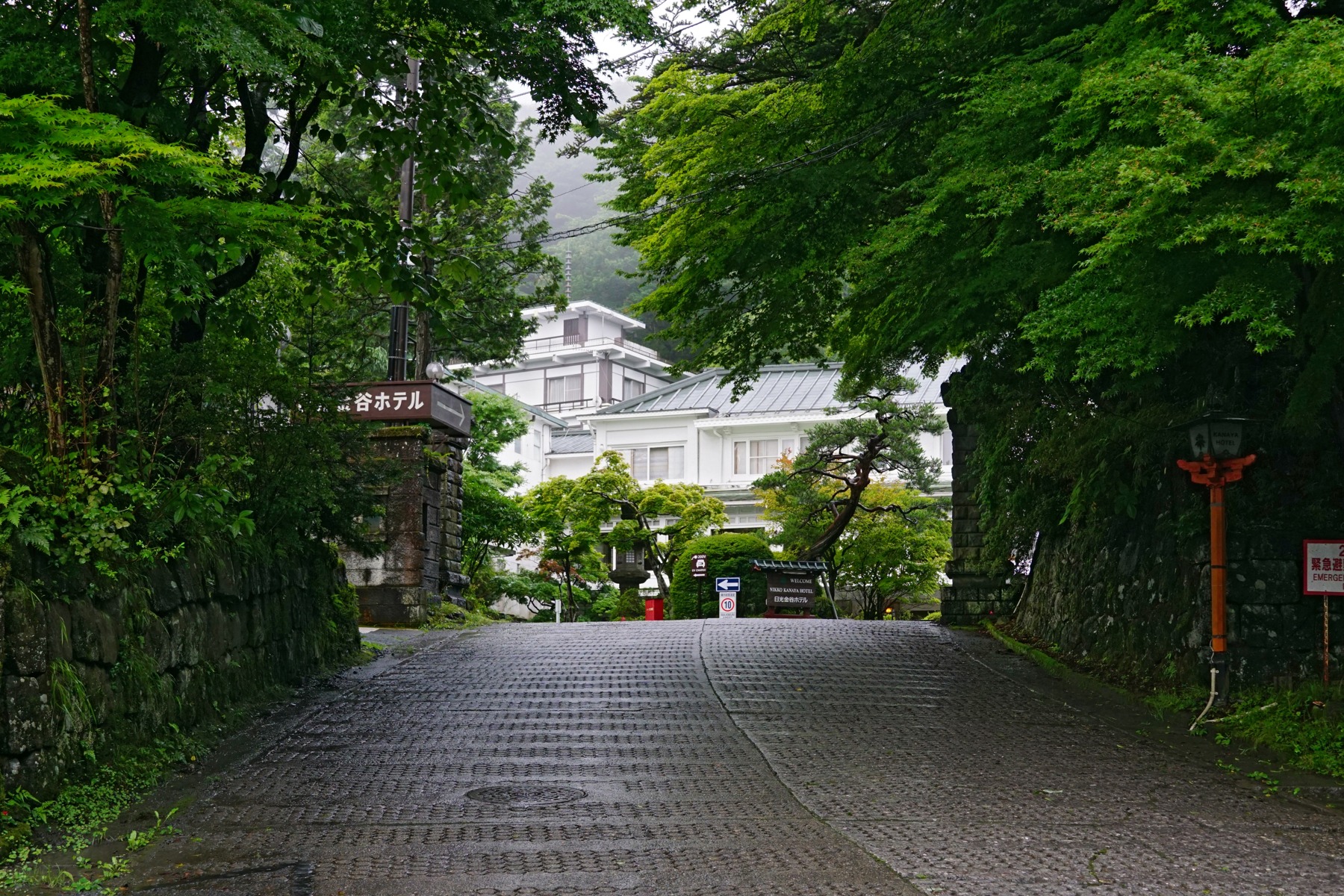

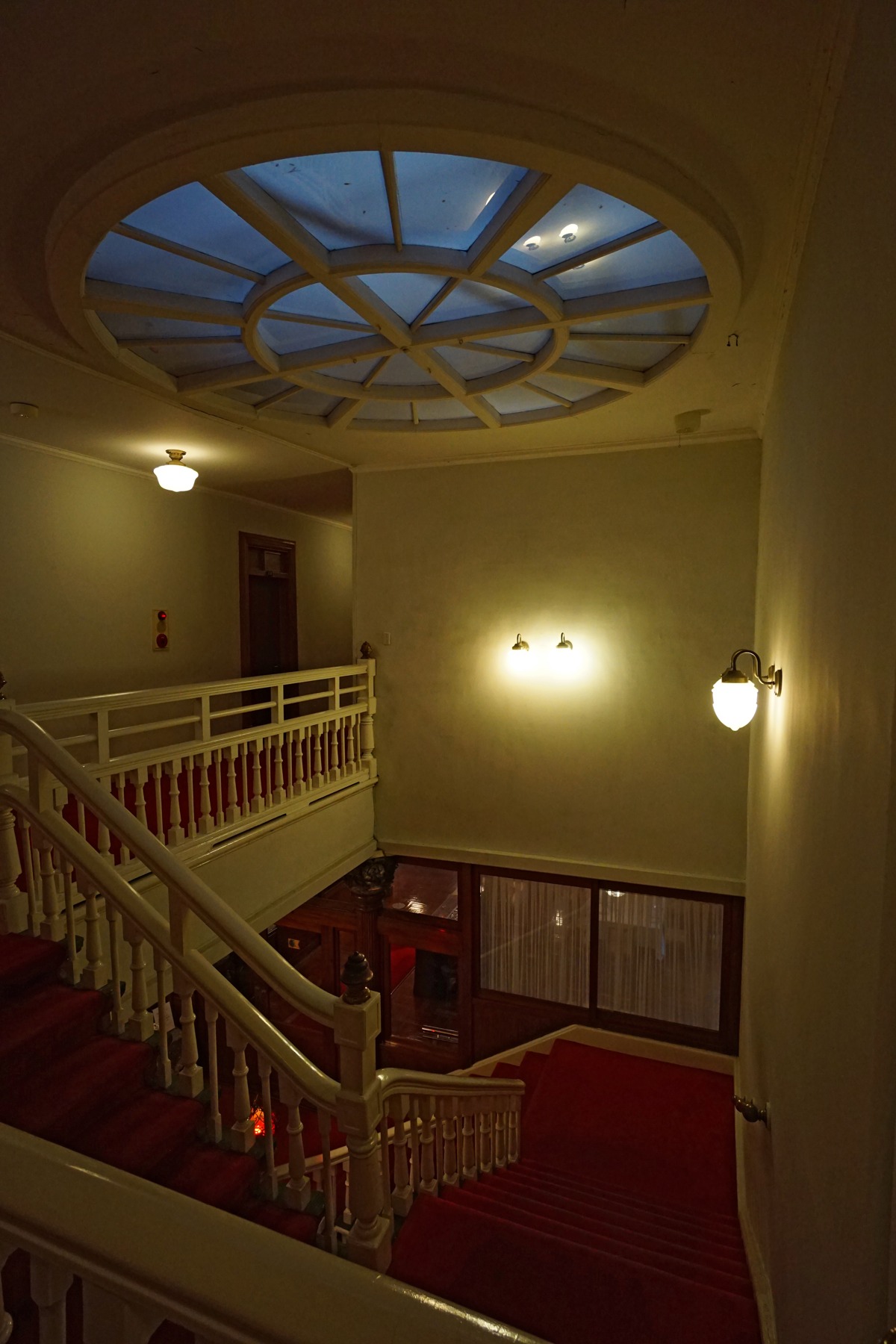
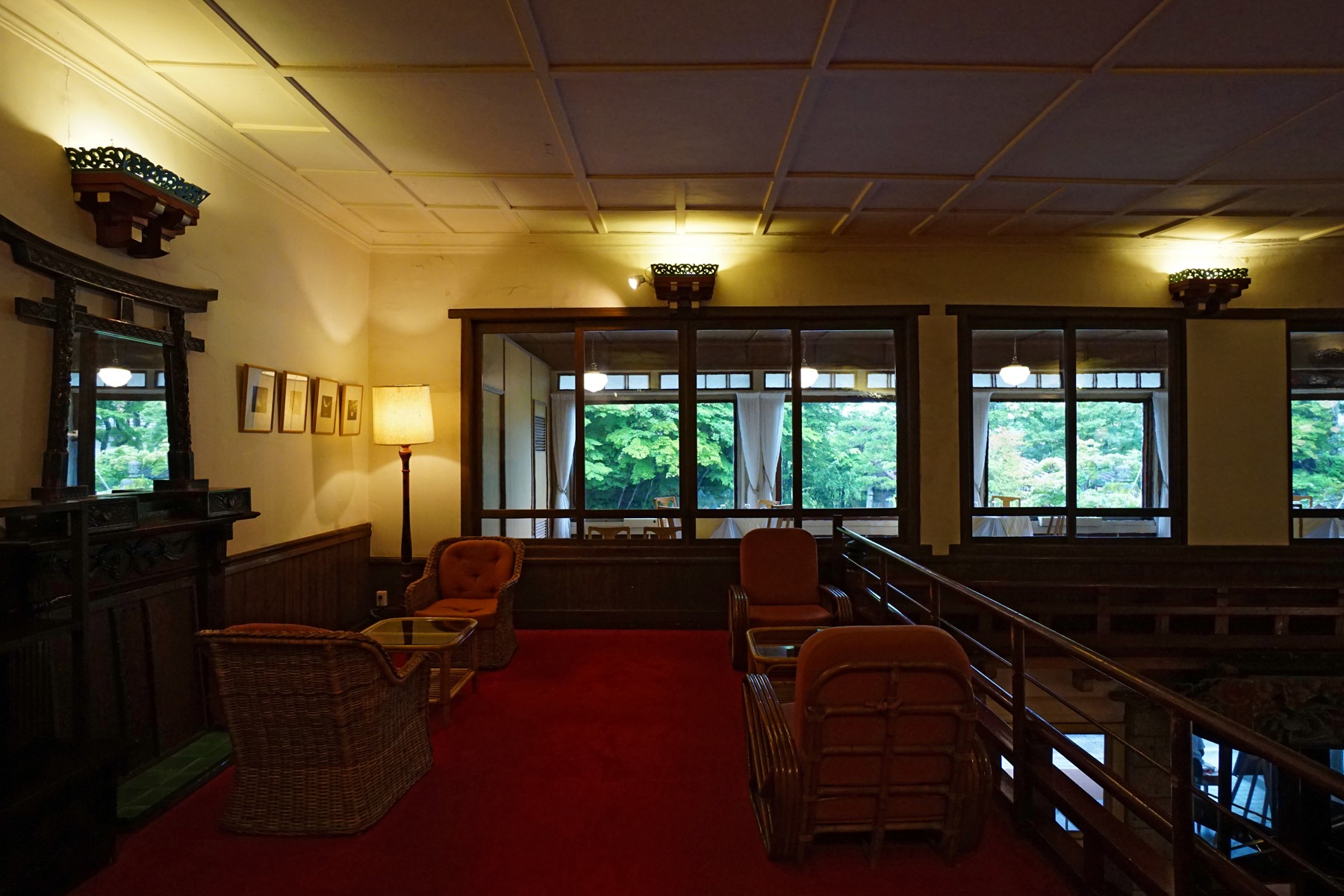
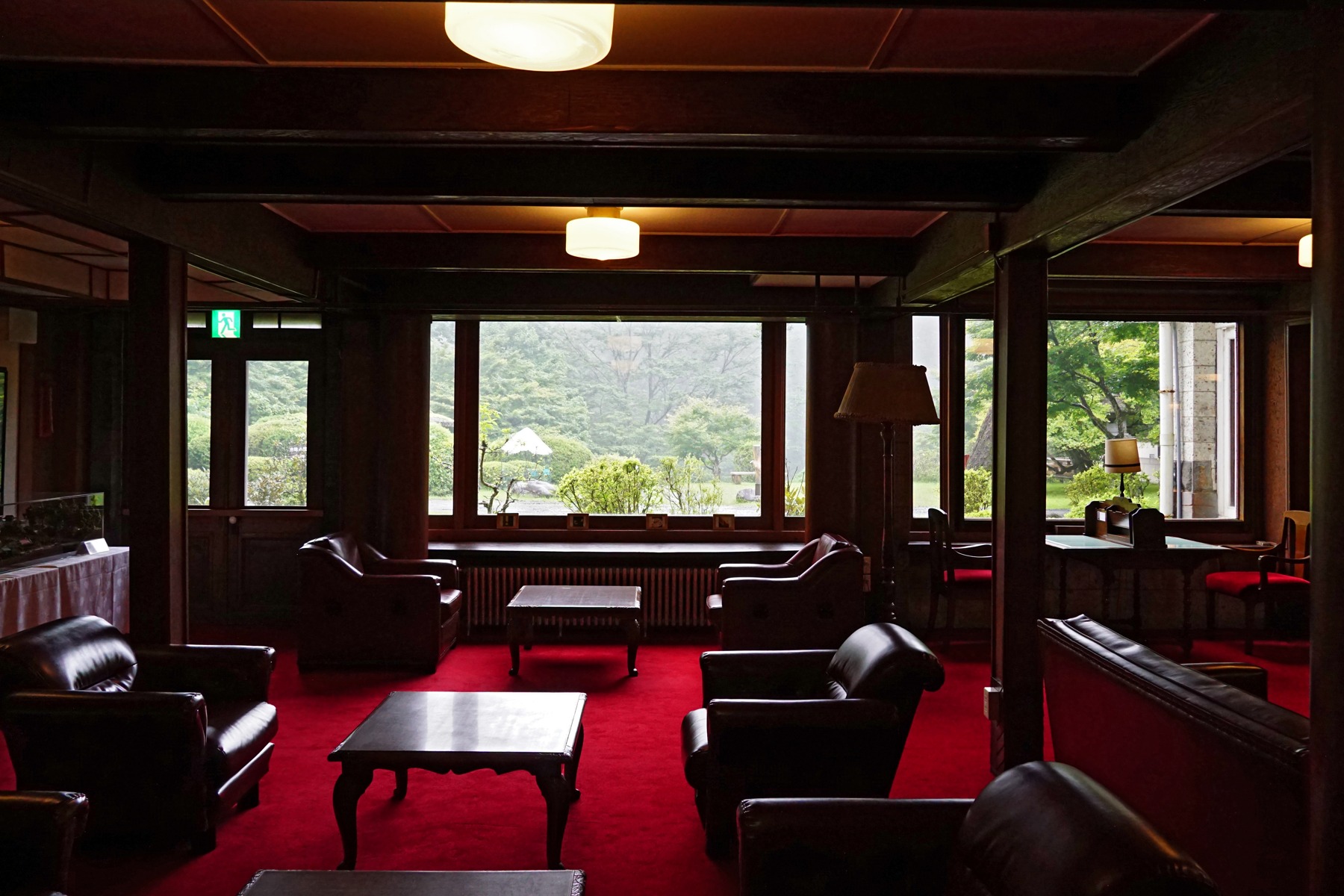
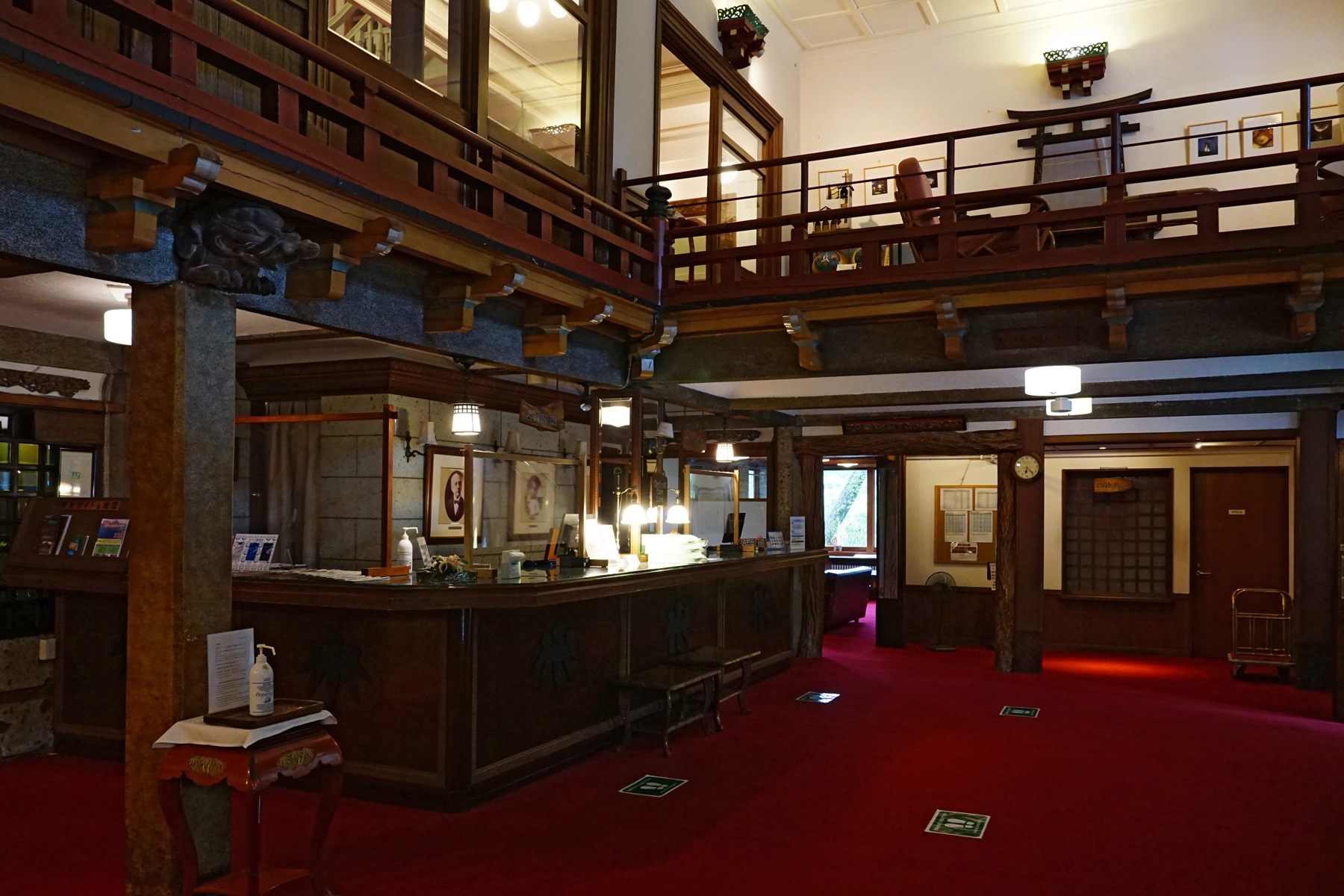
In the hotel itself, the mixture of traditions remains visible. The current official description emphasises Western furnishings within Japanese architecture, and identifies four accommodation buildings: the Main Building, New Building, Annex and Second New Building. Their accumulation gives the property a different character from a hotel conceived as a single, uniform block. Changes made over time become part of the experience, with rooms that differ even within the same building.
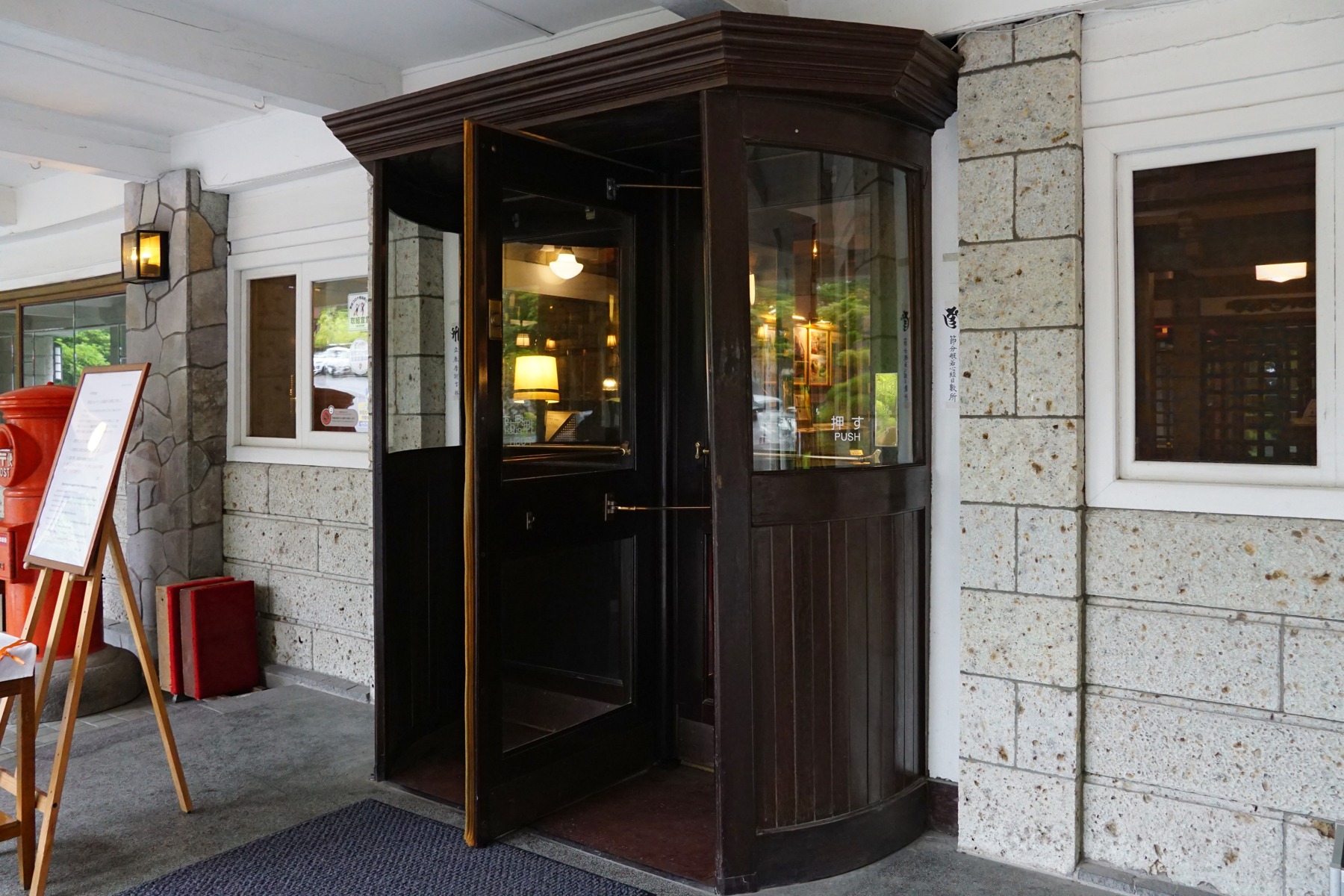

The licensed photographs accompanying this article were taken in July 2020. They document the hotel at that moment rather than claiming to show every present-day furnishing. That matters particularly at a property where conservation and renewal coexist. The hotel’s current Annex Royal House presentation describes a renewed interior language drawing on local references, including the Kanaya family crest and Nikko’s Shinkyo bridge. Its rooms are not simply a frozen reconstruction of the nineteenth century.

History carried to the dining table
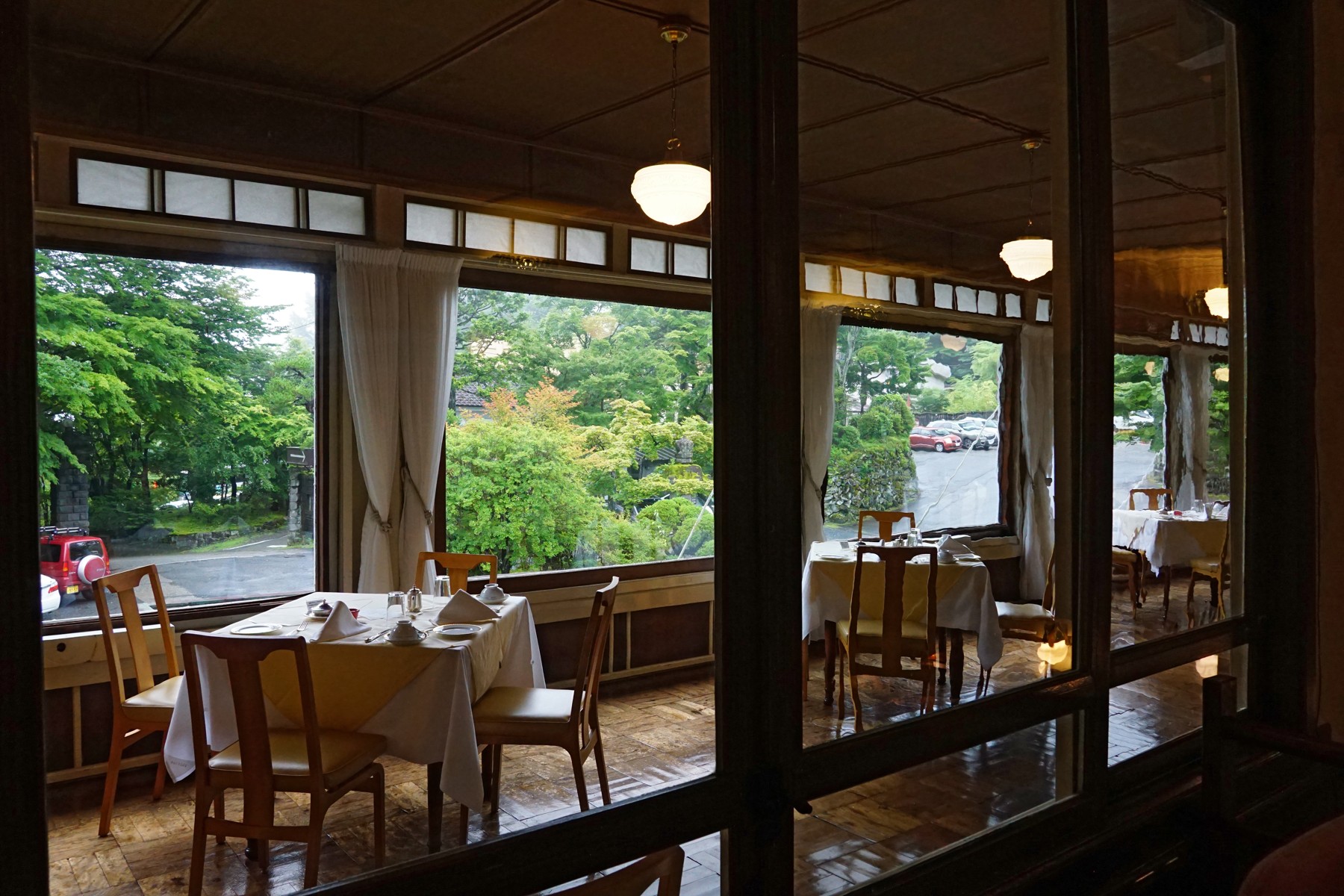
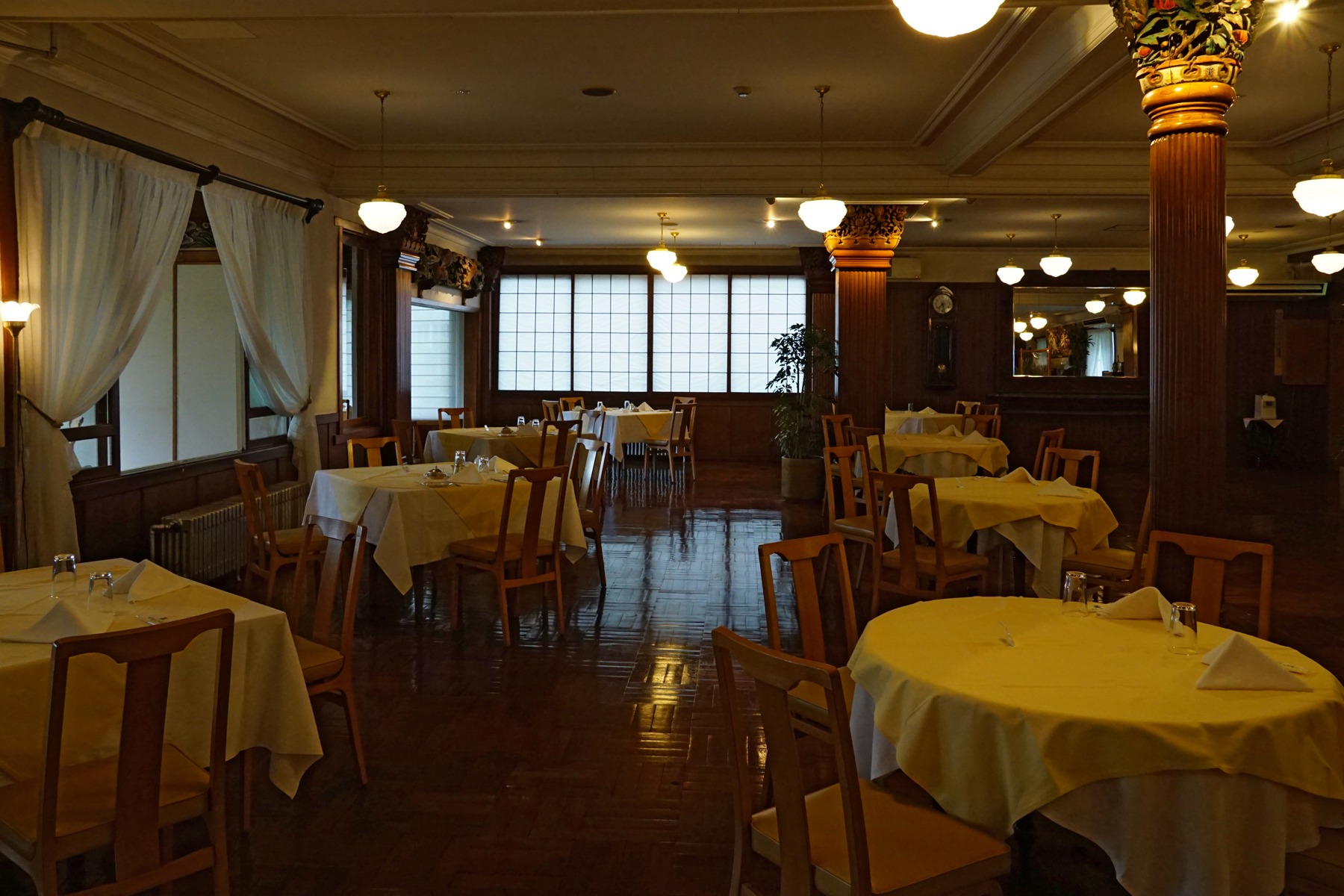
The continuity is culinary as well as architectural. In the Main Dining Room, French cuisine remains central to the hotel’s identity. The official restaurant account describes recipes passed between generations of chefs, alongside dishes associated with earlier periods of the hotel’s life. The long-running curry is especially revealing: the hotel says its recreation followed the discovery of a Taisho-era recipe in a warehouse in 2003. A menu can be an archive, but here it is also something served and eaten.
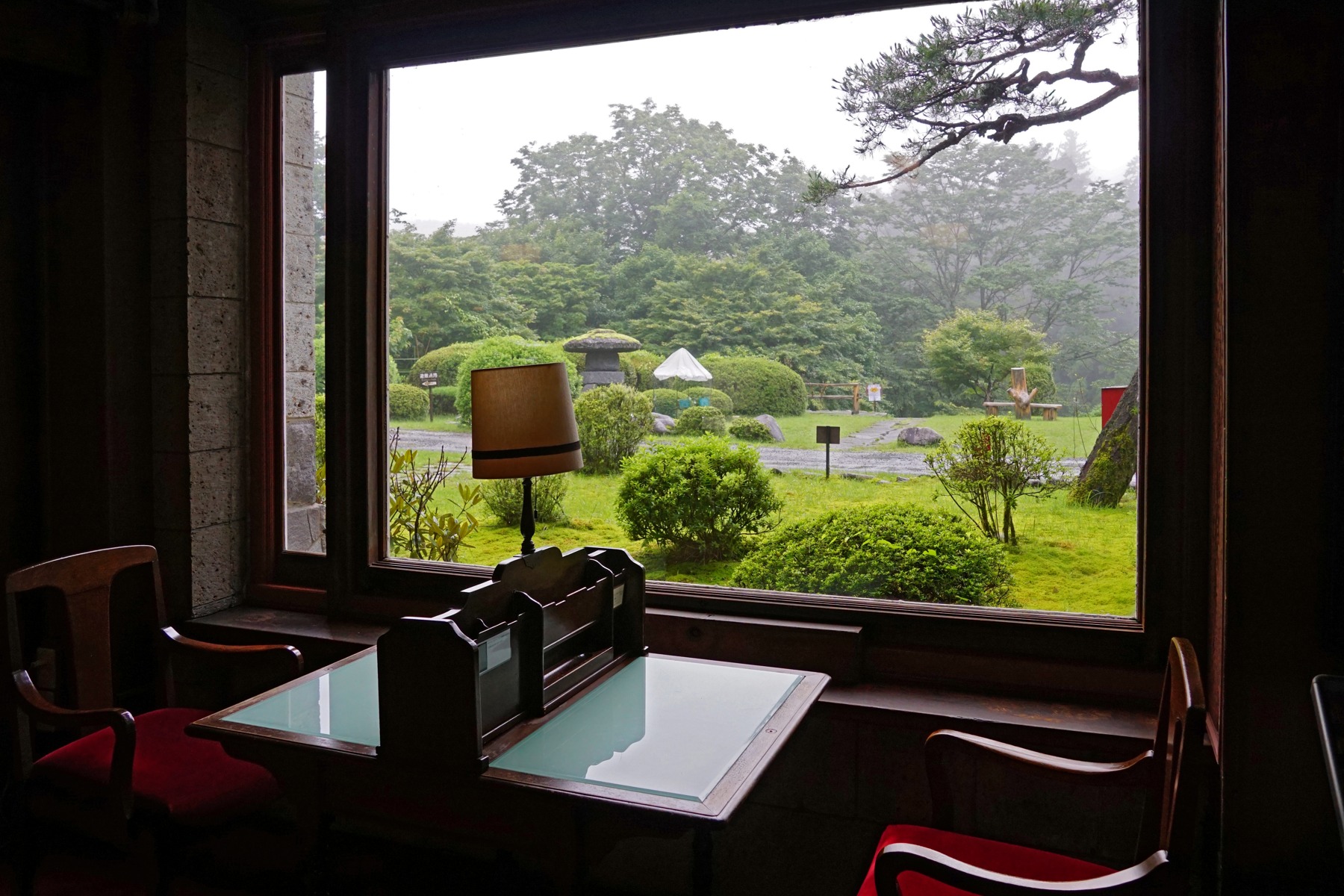

That is a more compelling relationship with the past than a collection of famous names on a wall. The Main Dining Room, lounge and bar keep different kinds of social space in use. Guests may come for the surrounding shrines, yet meals and conversations give the hotel its own daily rhythm. The building is not only a setting through which visitors pass on their way to a more important destination.

The broader history is not uninterrupted glamour. The History House records wartime disruption and American occupation forces’ control of the hotel from 1945 to 1952. Such episodes sit alongside its better-known role in welcoming travellers. A hotel that has lasted through this much change inevitably contains more than one version of the country around it.

Its relationship with Nikko’s shrines and temples is therefore especially rich: monumental sacred architecture and a working institution of hospitality occupy the same landscape without telling the same story. There are parallels with Fujiya Hotel in Hakone, another place where the encounter with international travel shaped a distinctive hotel culture. The contrast with the domestic buildings of Shirakawa-go is equally instructive. Nikko Kanaya belongs to that wider history of Japanese buildings adapted to changing lives, still accommodating new arrivals rather than merely preserving the memory of old ones.