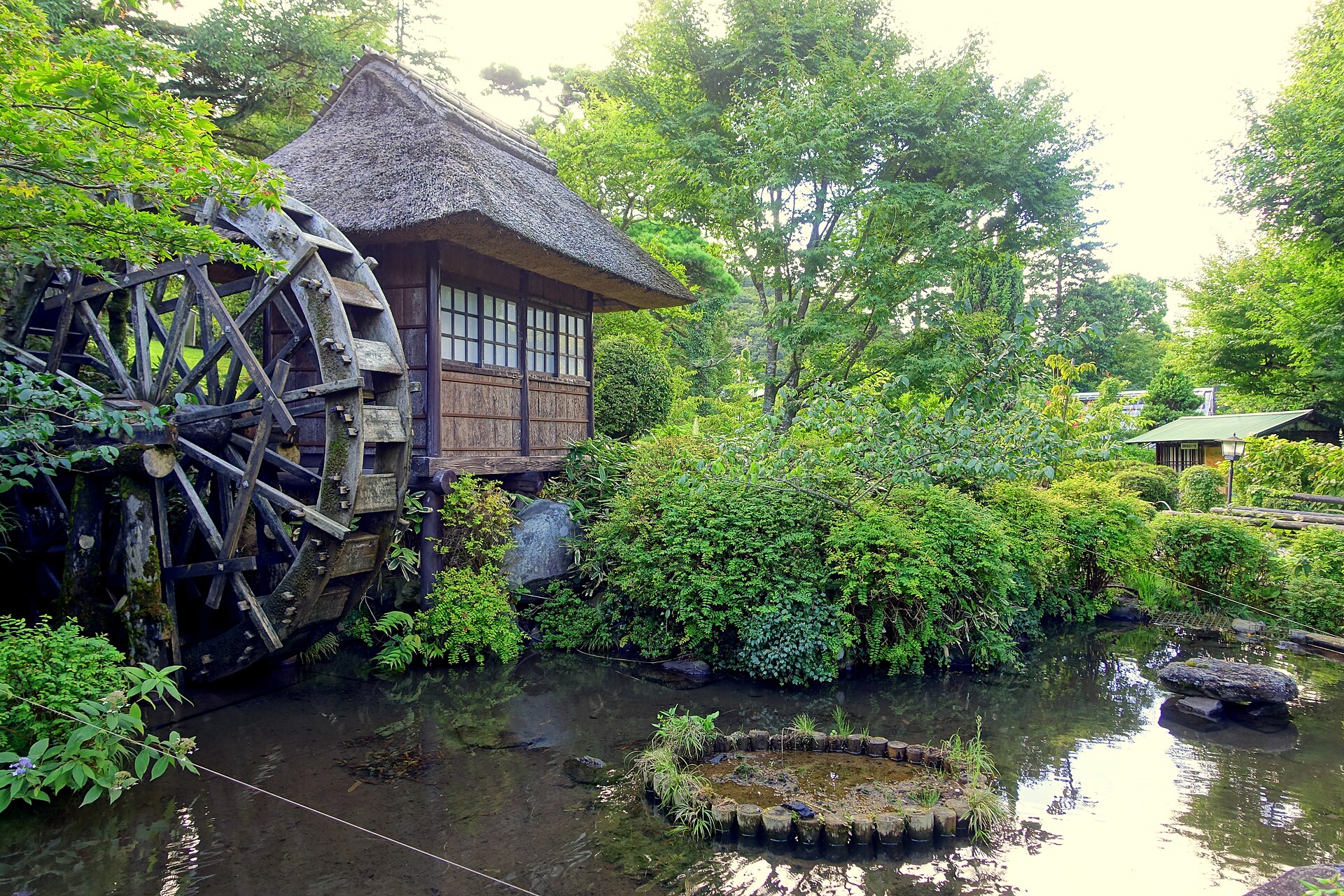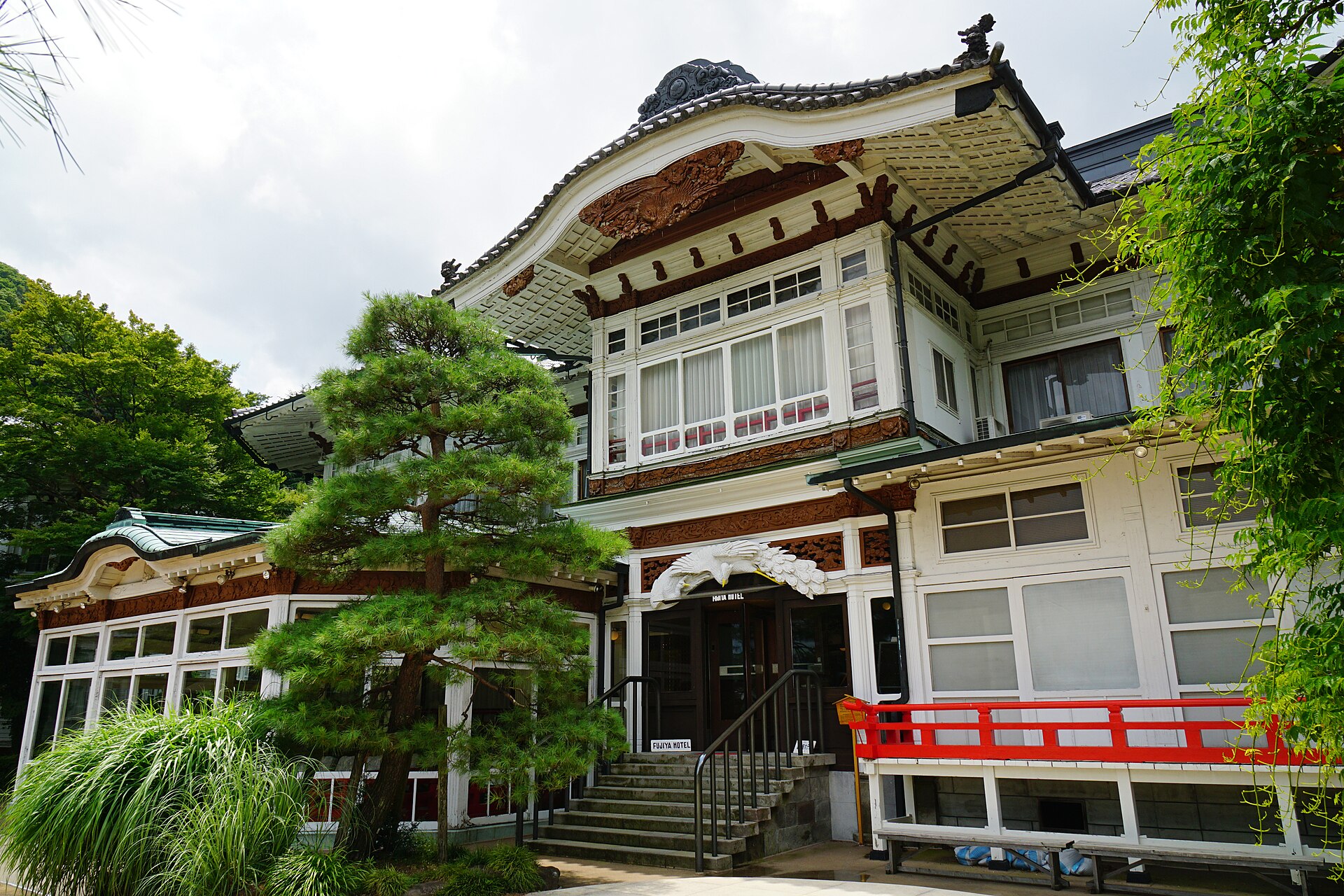
The Fujiya Hotel does not resolve neatly into one architectural language. In Miyanoshita, among the wooded slopes of Hakone, gables, balconies, carved details and Western-style windows belong to a place assembled over generations. That mixture is its identity. Rather than retreating into a single vision of traditional Japan, the hotel records a long conversation between Japanese craftsmanship and the expectations of travellers arriving from abroad.
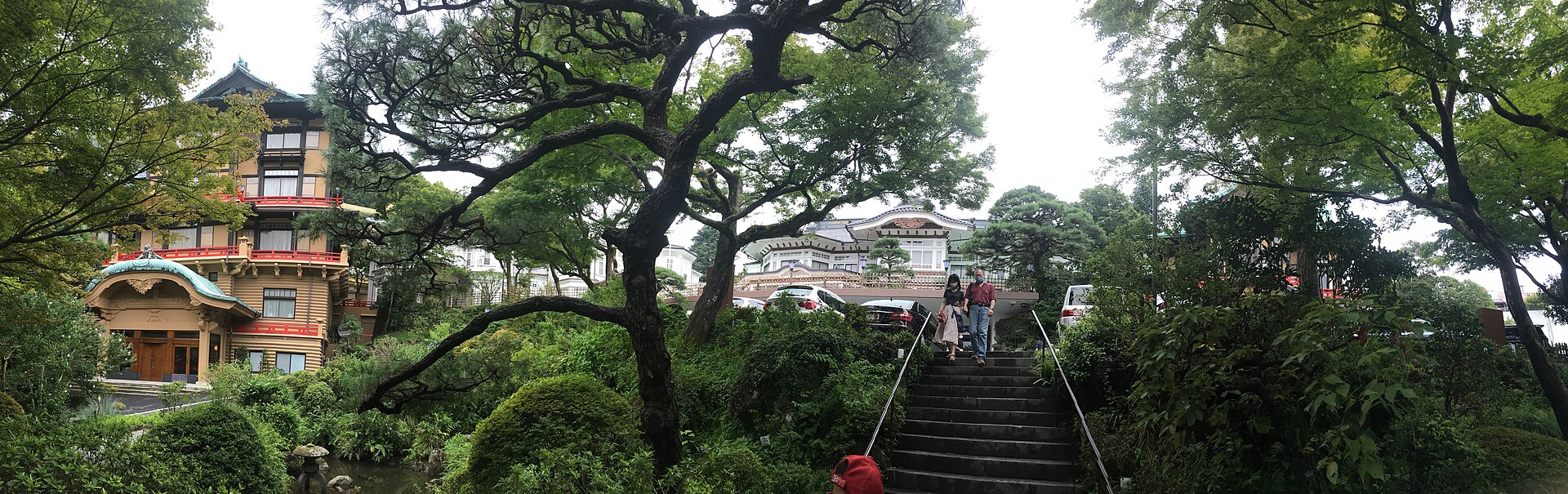

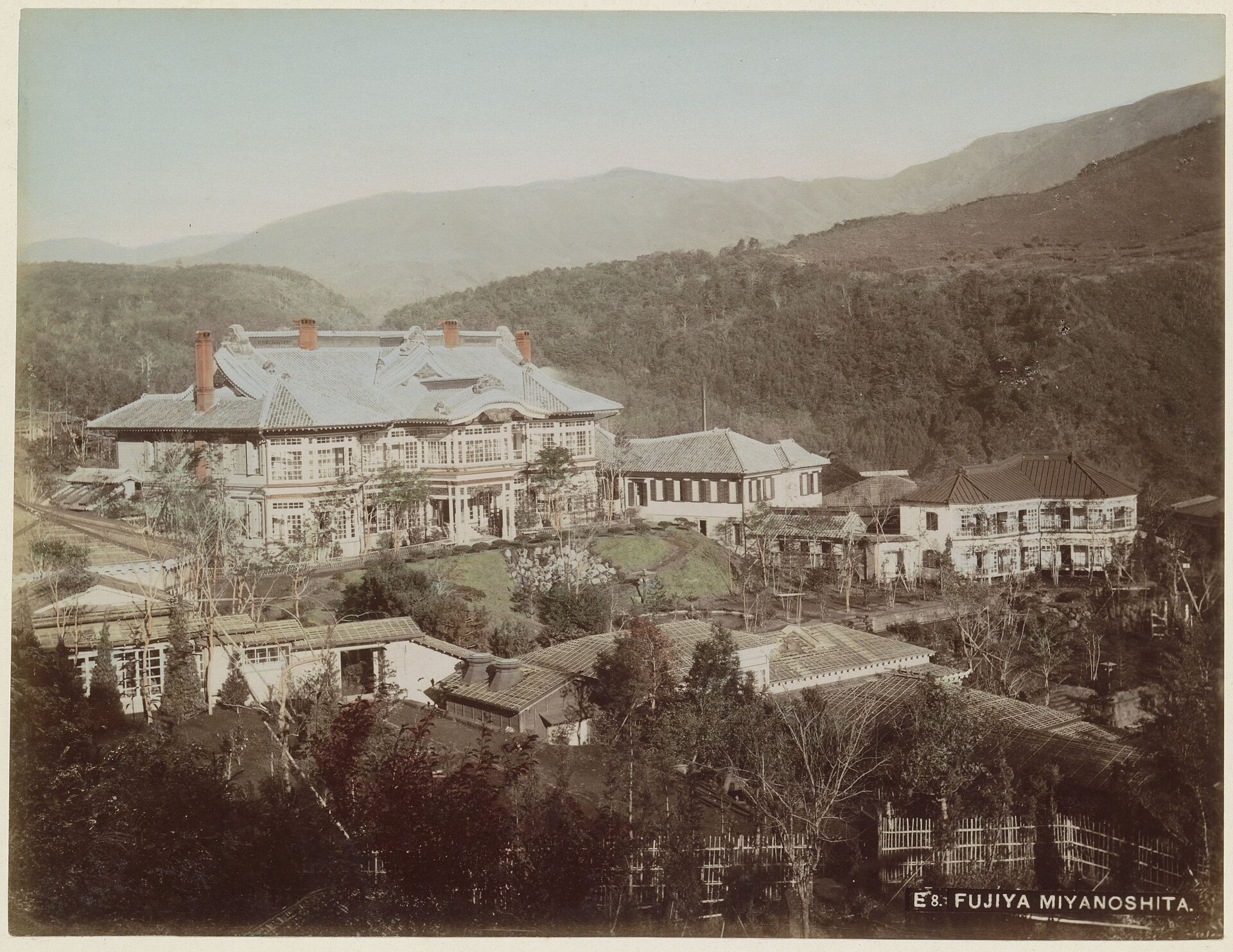
Founded in 1878, the property grew from Sennosuke Yamaguchi’s ambition to accommodate international visitors. Its official history describes the practical changes that accompanied that idea, including Western-style buildings and services. The story is not one of effortless continuity: fire destroyed the early hotel in 1883, and later generations confronted earthquakes, war and reconstruction. The Fujiya that survives is therefore not a sealed capsule from its opening year. It is an accumulation of responses to change.

A hotel with several architectural voices
The hotel’s architectural record traces those layers through distinct buildings. The Main, completed in 1891, combines a symmetrical frontage with a strongly expressed Japanese entrance roof. Comfy Lodge and Restful Cottage carry another version of the relationship between overseas influence and local construction. The Flower Palace adds a more theatrical presence. Looking across the complex, the differences are more interesting than any attempt to make everything match.

That variety also gives a stay a question worth considering before arrival: which part of the hotel is being booked? A historic name alone does not tell a guest what the room will feel like. The Japanese-language Main building room descriptions, for example, distinguish several layouts and sizes rather than presenting a uniform product. It is sensible to confirm the precise category and any access requirements directly, especially when the building’s character is a principal reason for choosing it.
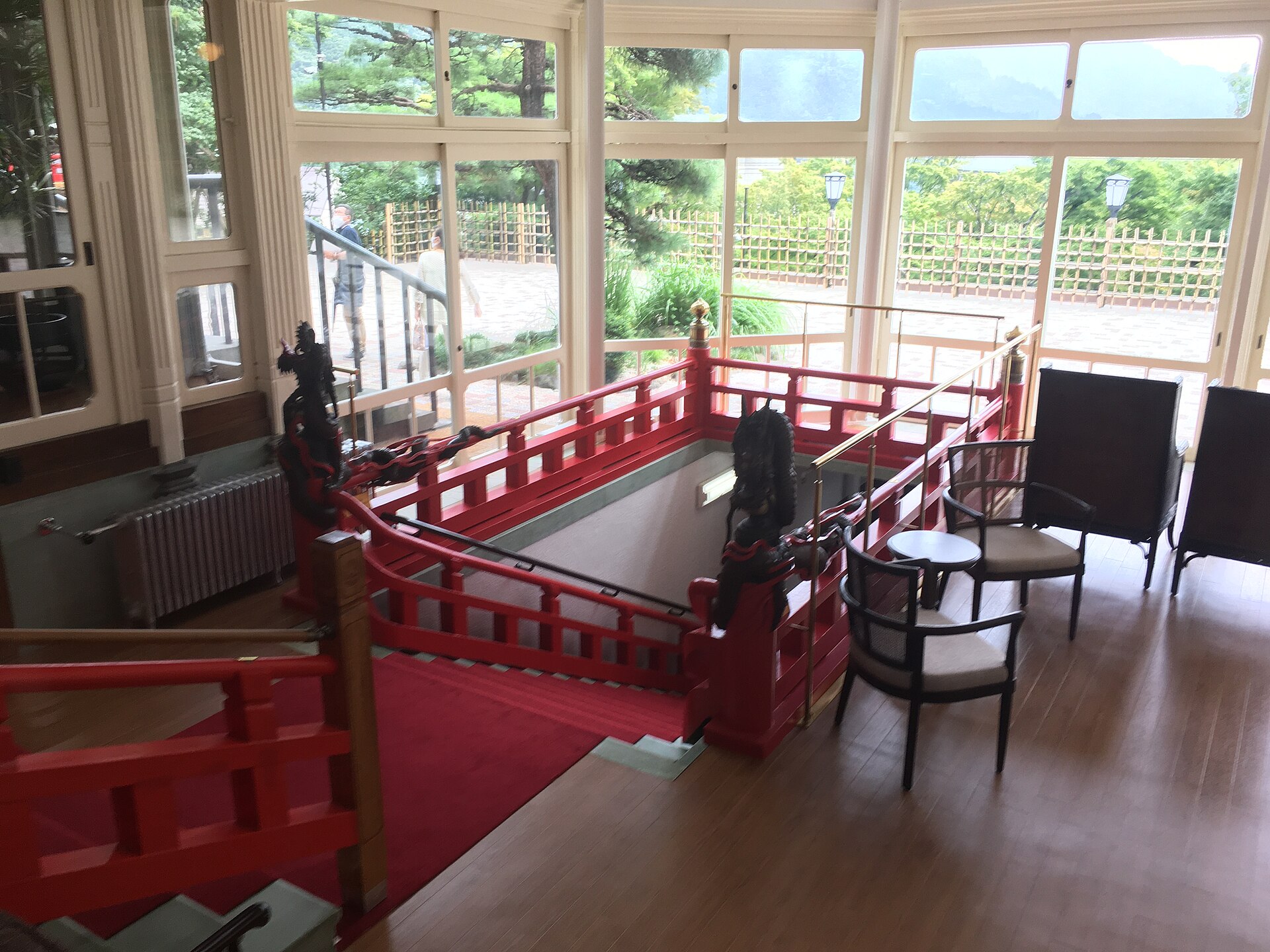

Major renovation brought the hotel back to guests in July 2020 after a two-year closure. The restoration is an important qualification to romantic pictures of an untouched old hotel. Preserving a building that people sleep, eat and bathe in requires interventions as well as restraint. The most compelling heritage properties are not necessarily those that conceal every modern requirement, but those that keep their distinctive character while making continued use possible.
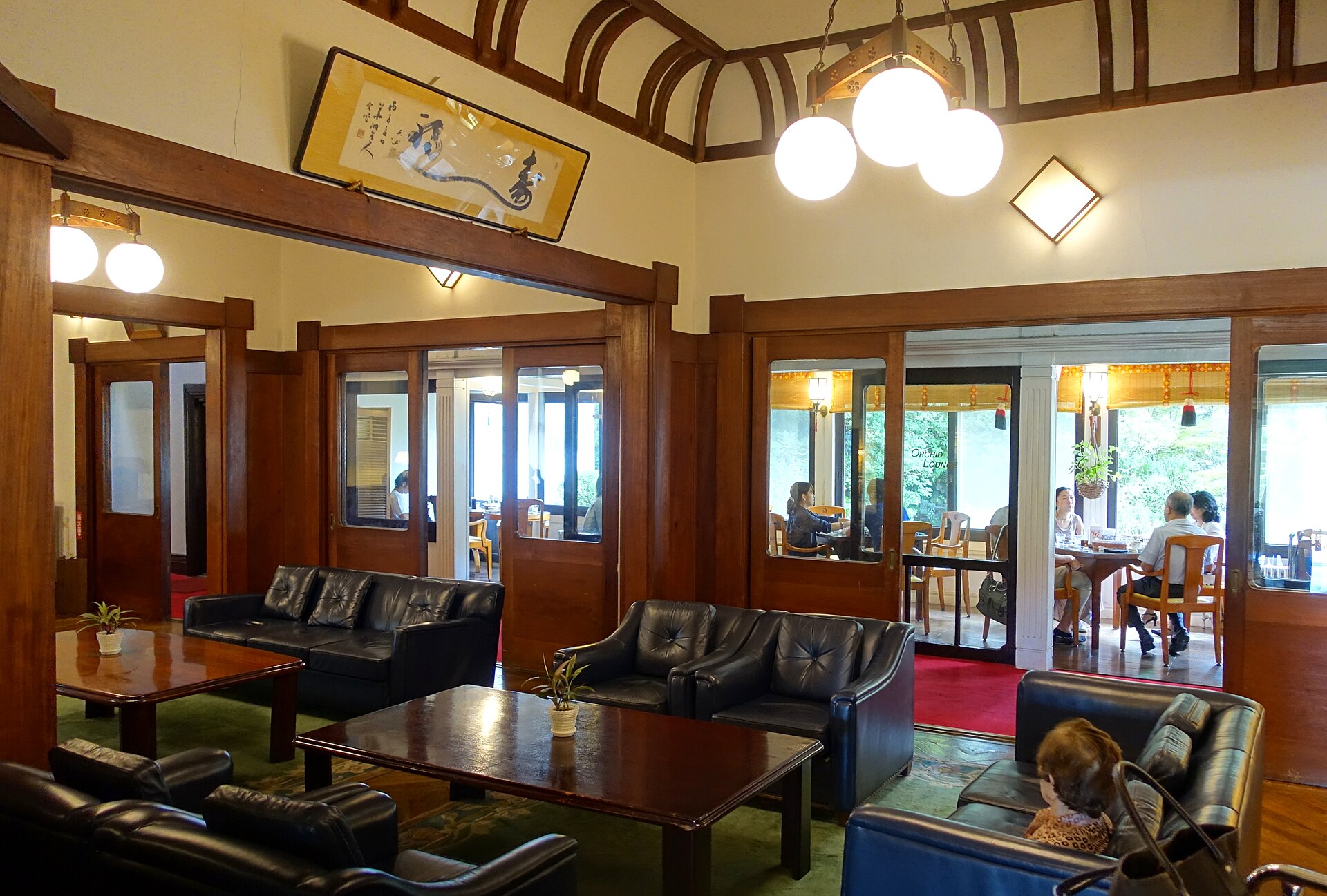

The dining room as part of the destination
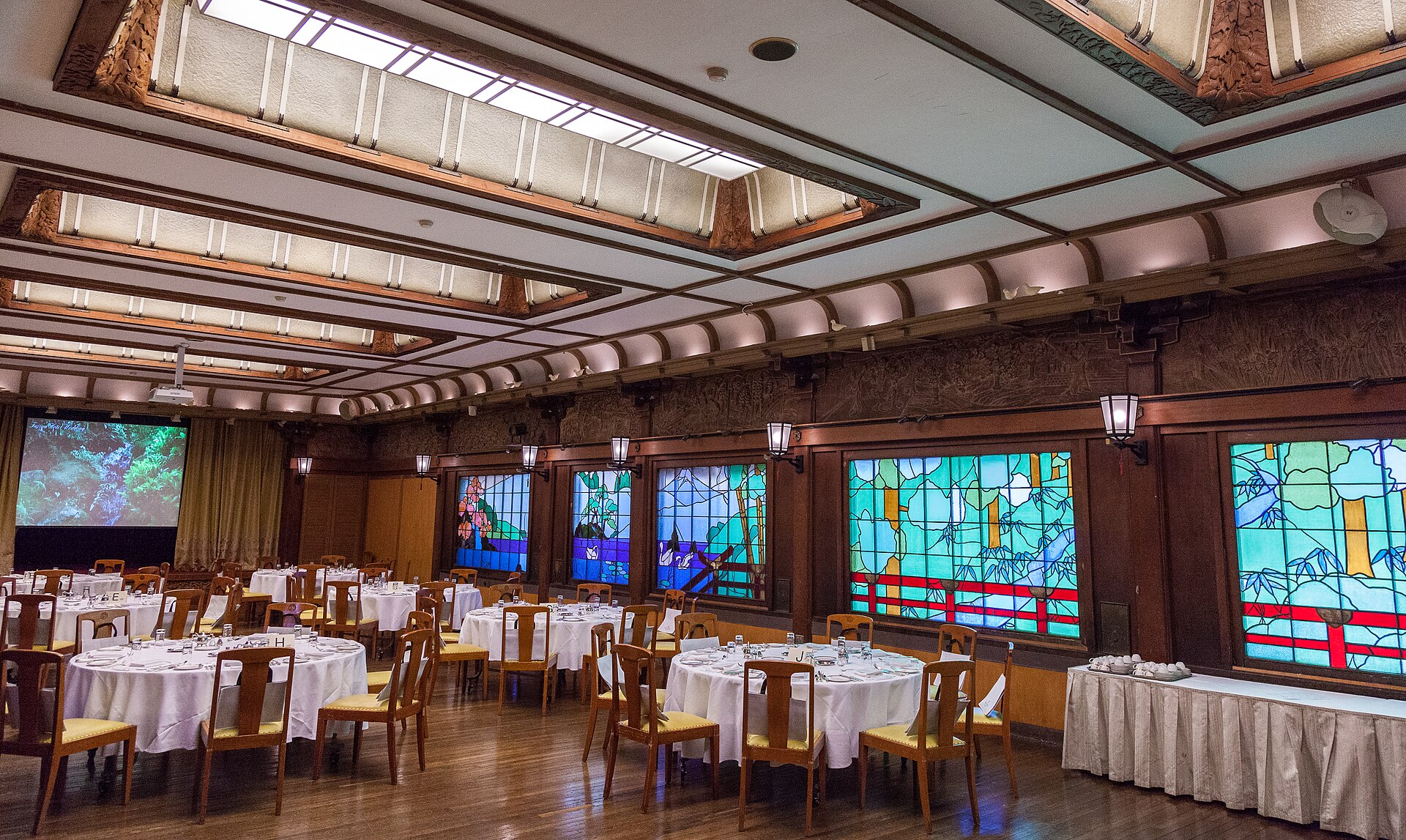
At the Fujiya, meals belong to that architectural story. The official dining page describes the main dining room’s painted ceiling panels and intricate carved decoration alongside its French cooking. The room opened in 1930, making dinner part of a tradition that has occupied this setting for almost a century. It offers a different understanding of a Japanese hotel stay from the assumption that every historic property must revolve around a ryokan-style meal.

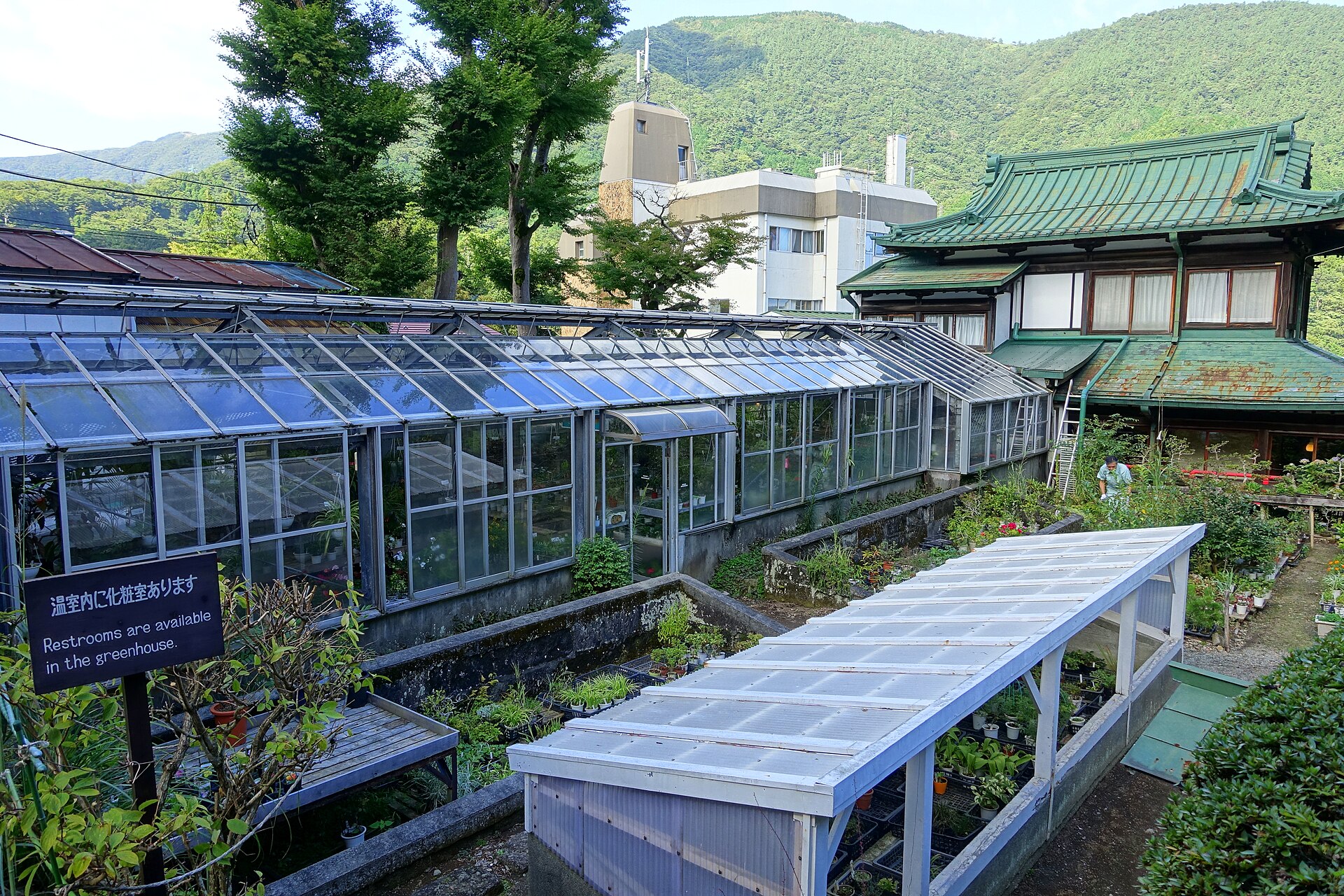
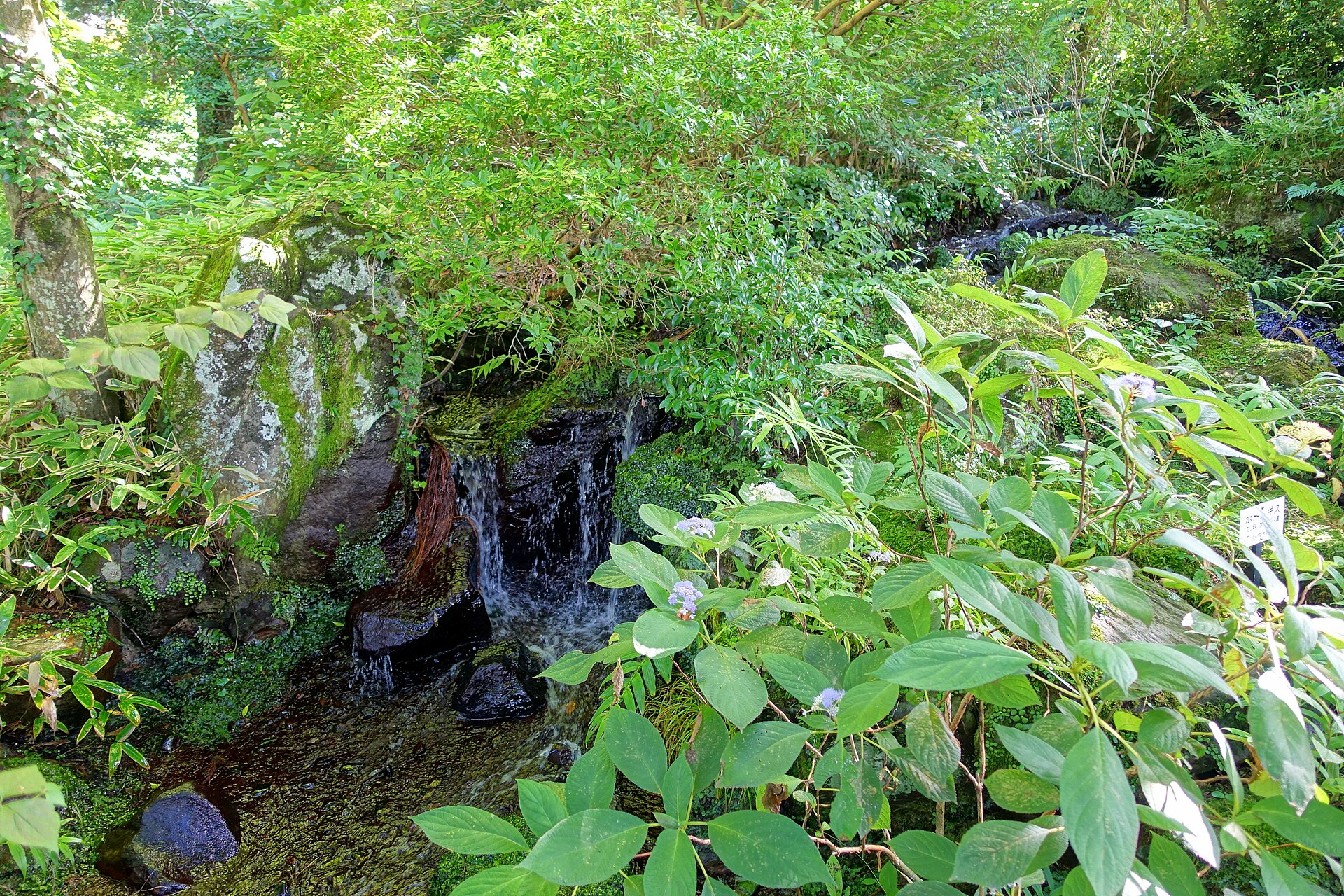
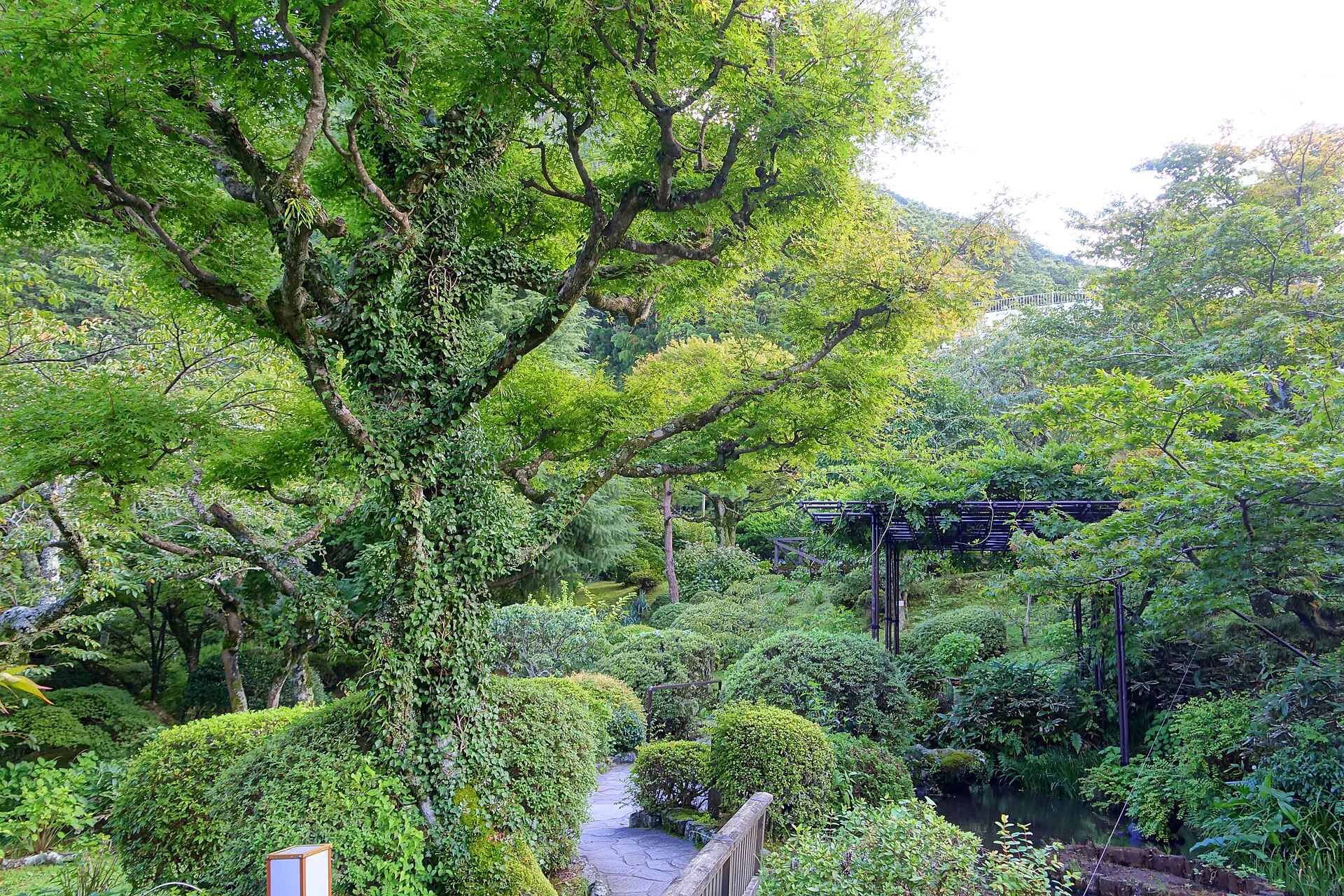
Yet the hotel’s appeal is not confined to ceremony. Its facilities information includes a bakery, museum and gardens, each offering a less formal way into the place. The garden gives the buildings space to breathe, with paths that shift attention from rooflines to planting and water. The hotel lists autumn foliage as usually appearing in the second half of November, while explicitly noting that seasonal timing varies. A date on the calendar is not a guarantee of colour.

Hakone’s water, beyond the postcard
Hot-spring bathing supplies another connection to Miyanoshita. The hotel’s wellness page describes guest bathing facilities in the Forest Wing and hot-spring water in guest-room bathrooms. This is a substantial part of the experience, but it comes with conditions: the published policy asks guests with tattoos not to use the public bathing facilities. Anyone affected should clarify their options with the hotel before booking, rather than arriving with assumptions borrowed from another onsen.

The distinction from Gora Kadan in Hakone is useful: these are different expressions of hospitality within the same wider destination, not interchangeable versions of luxury. The Fujiya’s language is that of a grand resort hotel shaped by international exchange. The intimacy associated with a stay in Ginzan Onsen, or the ceremonial architecture encountered around Nikko’s shrines and temples, illuminates other sides of a Japanese journey.

What makes the Fujiya worth lingering over is the refusal of its history to become entirely uniform. A guest can look at a roof, cross a garden and sit down to dinner without leaving the property, yet encounter several moments in the evolution of Japanese travel. The hotel is most persuasive when approached not as a collection of famous former guests, but as a place still negotiating how its past should be lived in.