
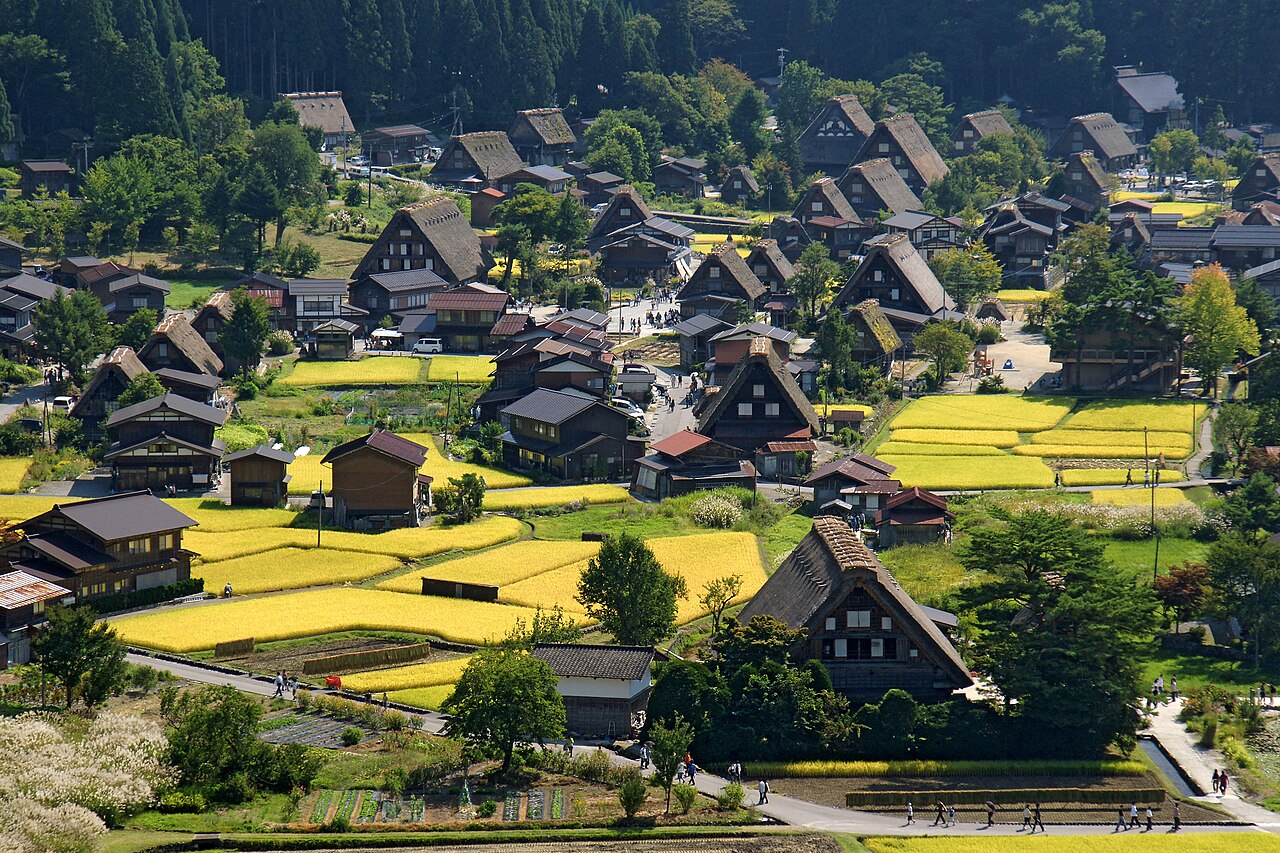
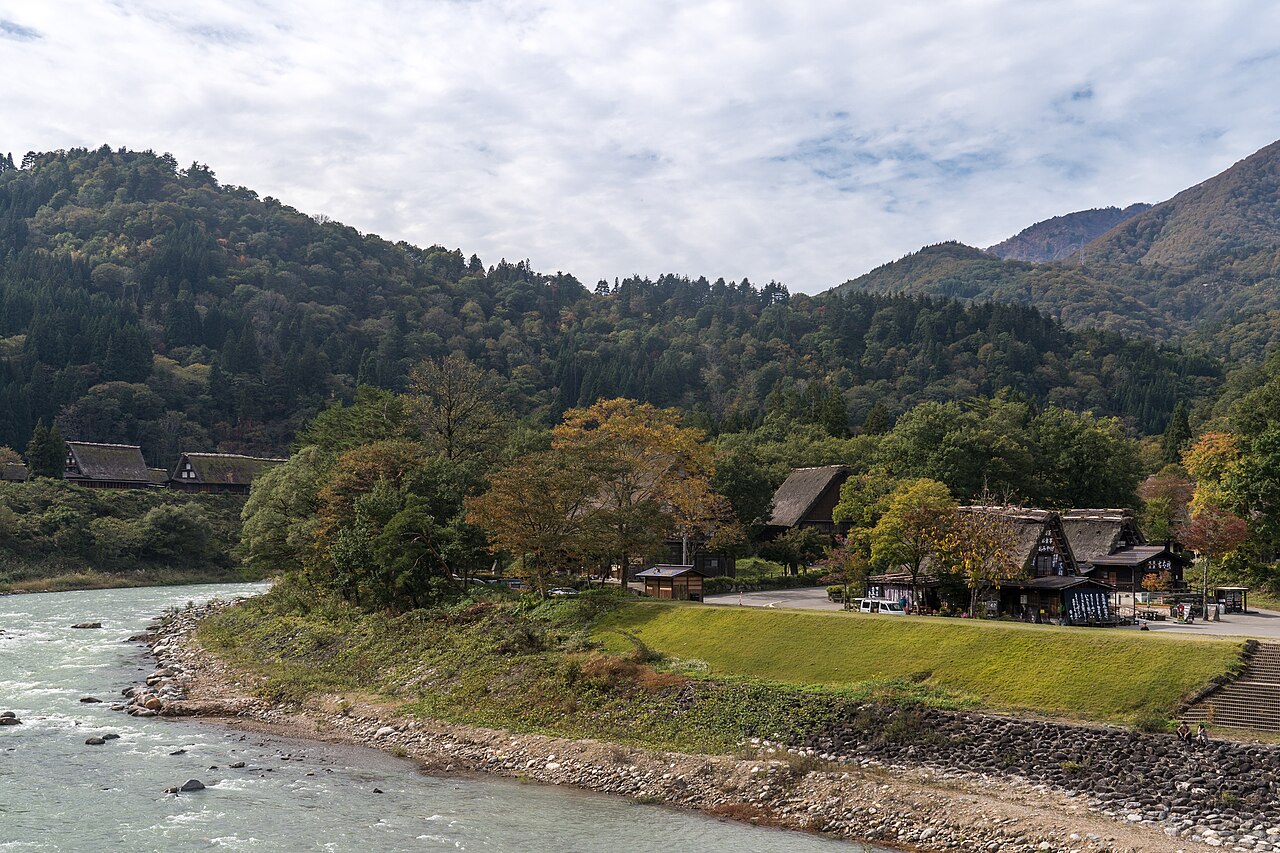
From above, the roofs of Shirakawa-go seem to repeat a single, improbable gesture: two steep slopes leaning together beneath the mountains. Seen at street level, that apparent uniformity gives way to timber, bundles of thatch, cultivated plots and houses that remain part of everyday life. The distinction matters. This is not a set built to illustrate rural Japan, but a settlement whose survival depends on the people living behind those photogenic façades.

Ogimachi, in northwestern Gifu Prefecture, is the best-known settlement in Shirakawa-go. Together with Ainokura and Suganuma in neighbouring Gokayama, it forms the UNESCO-listed Historic Villages of Shirakawa-go and Gokayama, inscribed in 1995. Their importance lies as much in the relationship between buildings, work and landscape as in the silhouettes that fill travel photographs.
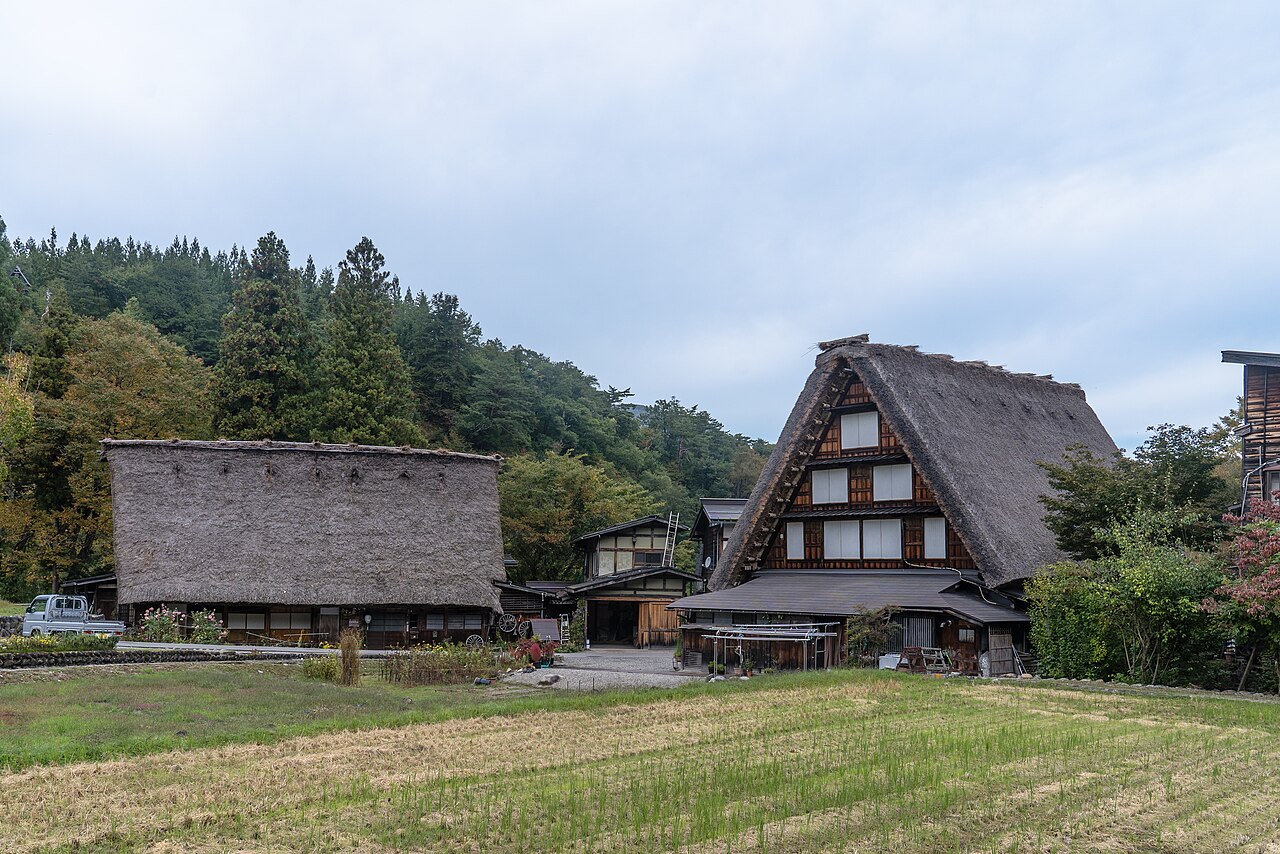

Architecture shaped by snow and silk
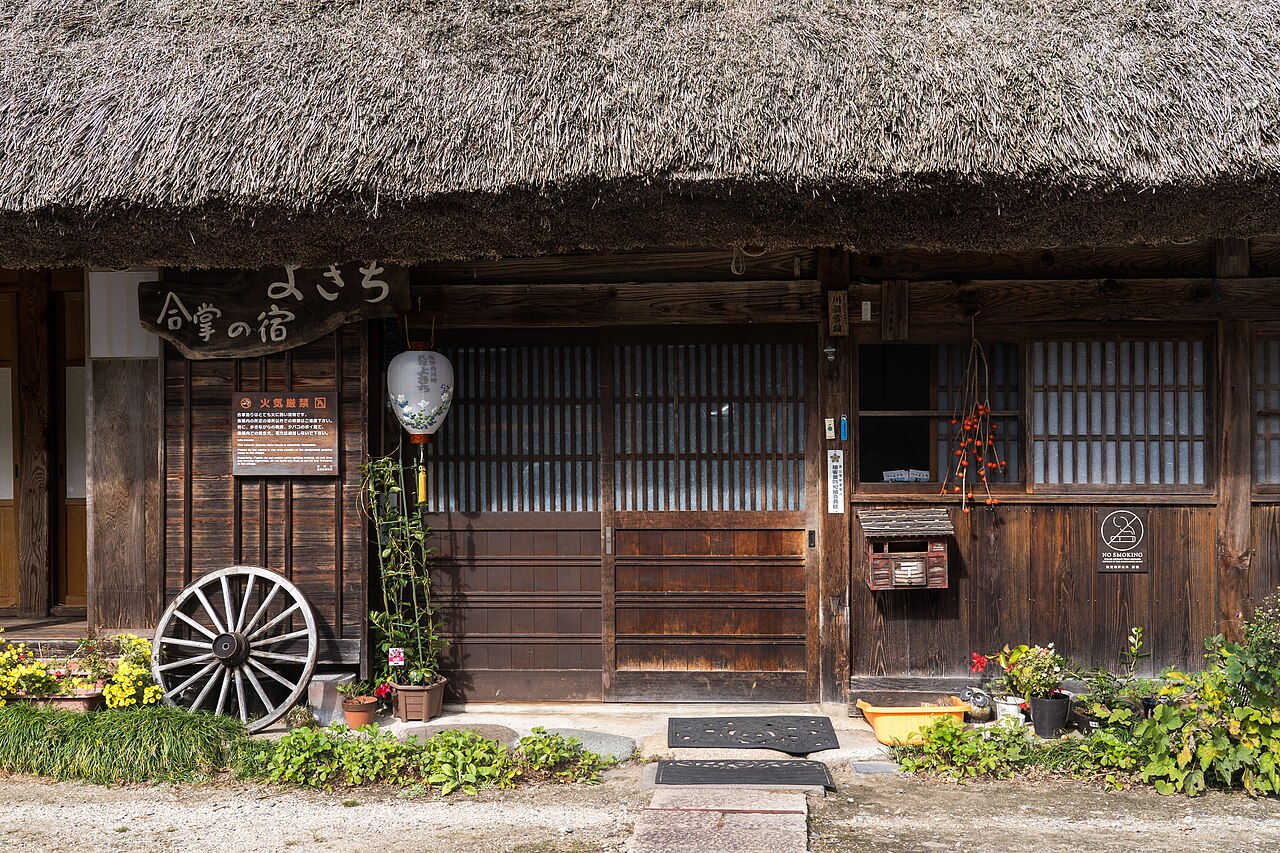
The name gassho-zukuri evokes hands joined in prayer. It is an expressive comparison, but the houses were practical responses to a demanding environment. Heavy snowfall helped shape the steep rooflines; the generous spaces beneath them supported the rearing of silkworms. UNESCO identifies mulberry cultivation and silk production as central to the villages’ historic economy.
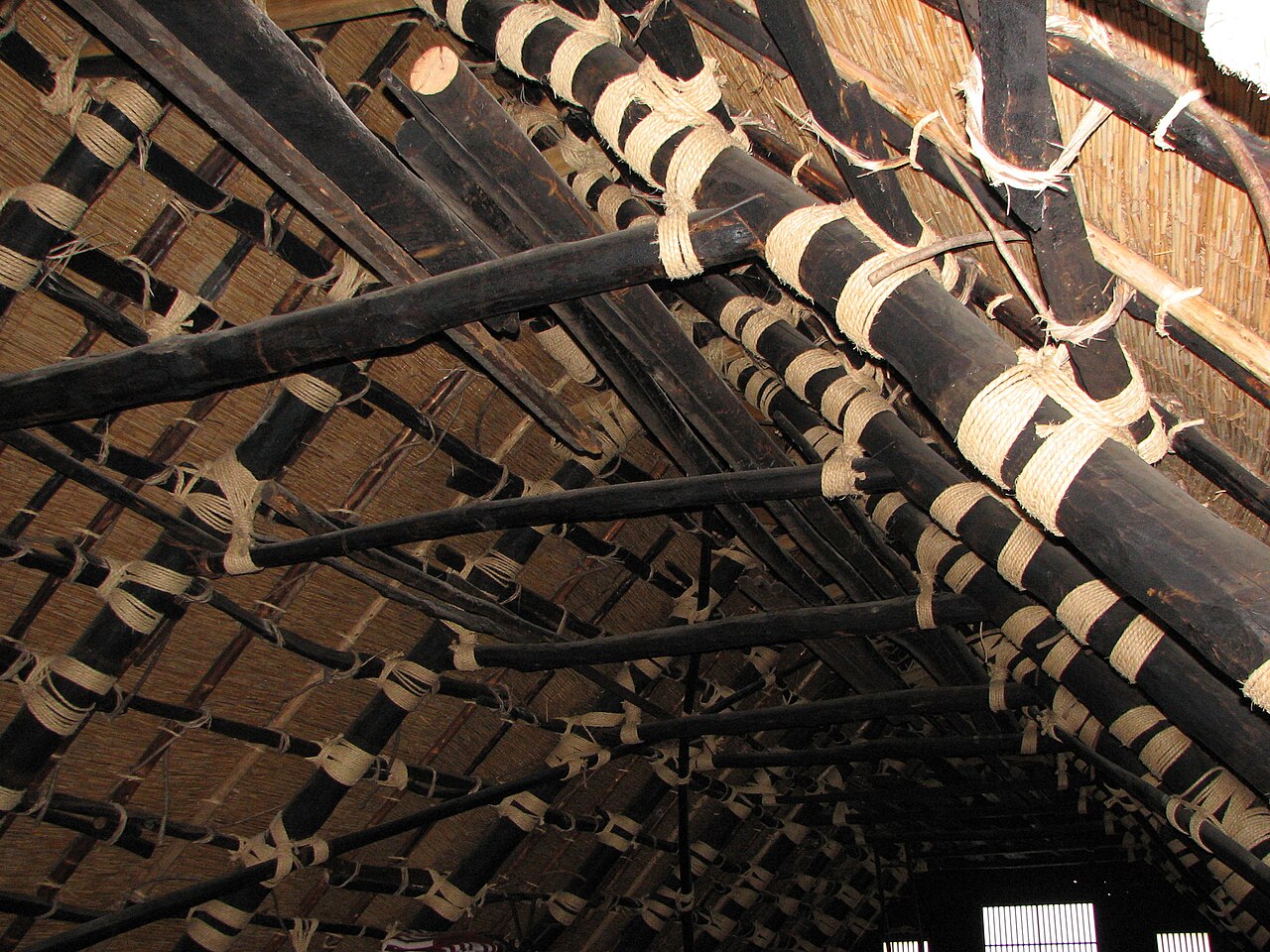

A visit inside changes the scale of the story. At Wada House, described by the local tourism association as Shirakawa-go’s largest gassho-style house, the first and second floors are open to visitors. The family held village leadership and checkpoint responsibilities during the Edo period, while silk and the ingredients used for gunpowder connected local life with trade beyond the valley. The building is therefore more than an attractive example of vernacular design: it records a household’s place in a wider economy.
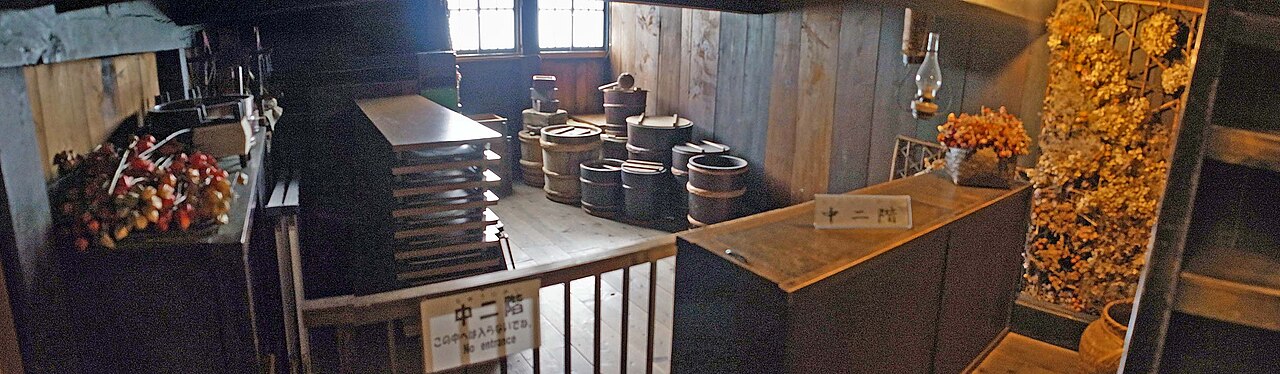

That interior perspective is worth making time for. A distant photograph compresses a house into a shape; looking at its structure allows the roof to become a working volume again. The experience offers a different kind of architectural history from the monumental buildings described in our feature on Himeji Castle.

A village held together by cooperation
Thatch is not a permanent material. Keeping these roofs intact has required repeated labour rather than simply protecting an original object behind a barrier. The World Heritage Center’s account of yui explains the tradition of mutual assistance through which villagers helped one another replace roofs. It is a reminder that the visible architecture rests on a less visible social structure.

The Gasshozukuri Minkaen outdoor museum adds another layer. Its preserved and relocated buildings allow visitors to explore historic domestic spaces beyond a single house. Here, the village landscape can be read through the functions of buildings as well as their appearance. It is particularly useful for travellers who want to understand what they are seeing rather than simply collect the familiar overview.

The picture and the place
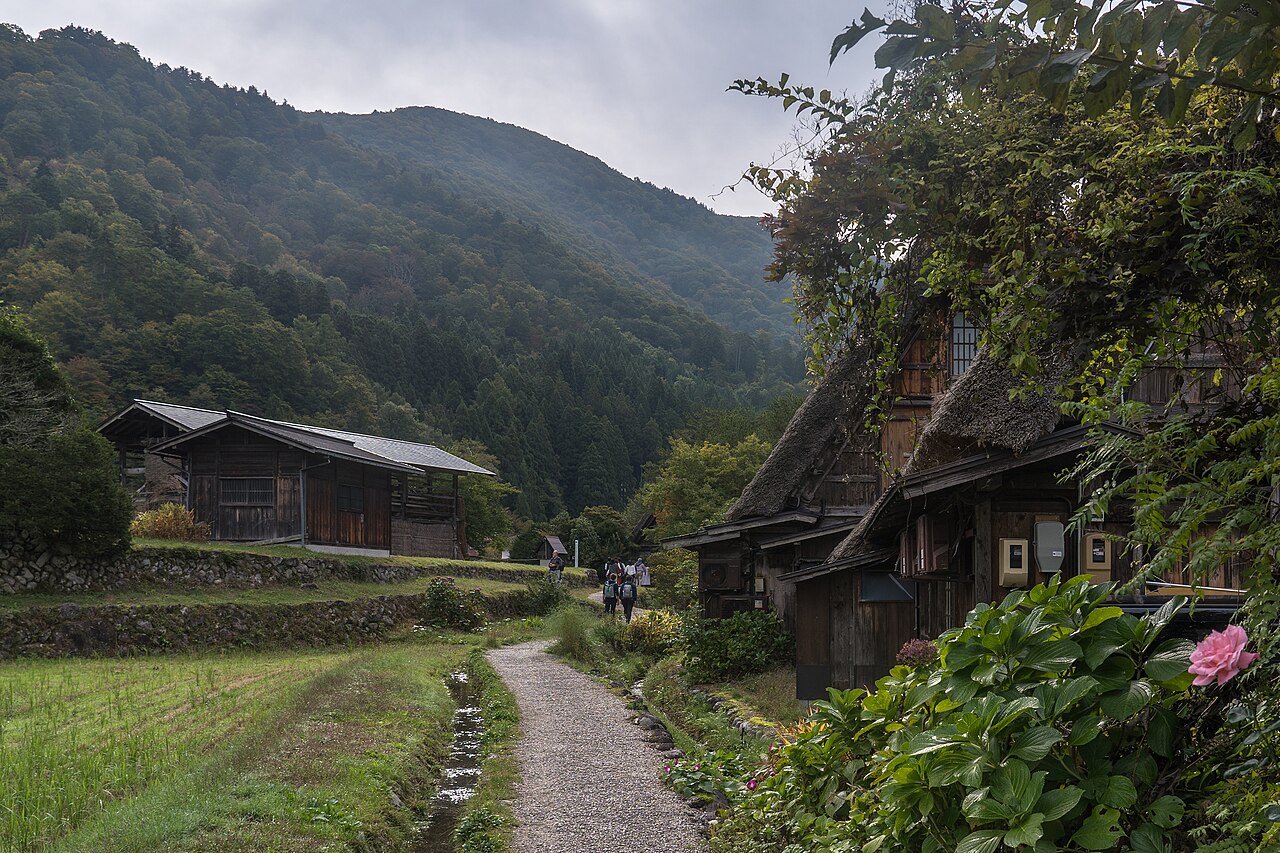
The elevated view remains compelling. Roofs, fields and mountain slopes fall into a composition that makes the settlement’s relationship with its surroundings immediately legible. Yet the photograph is only one way of looking. Closer to the houses, differences in materials, the depth of the thatch and the boundaries between public paths and private space demand a slower attention.
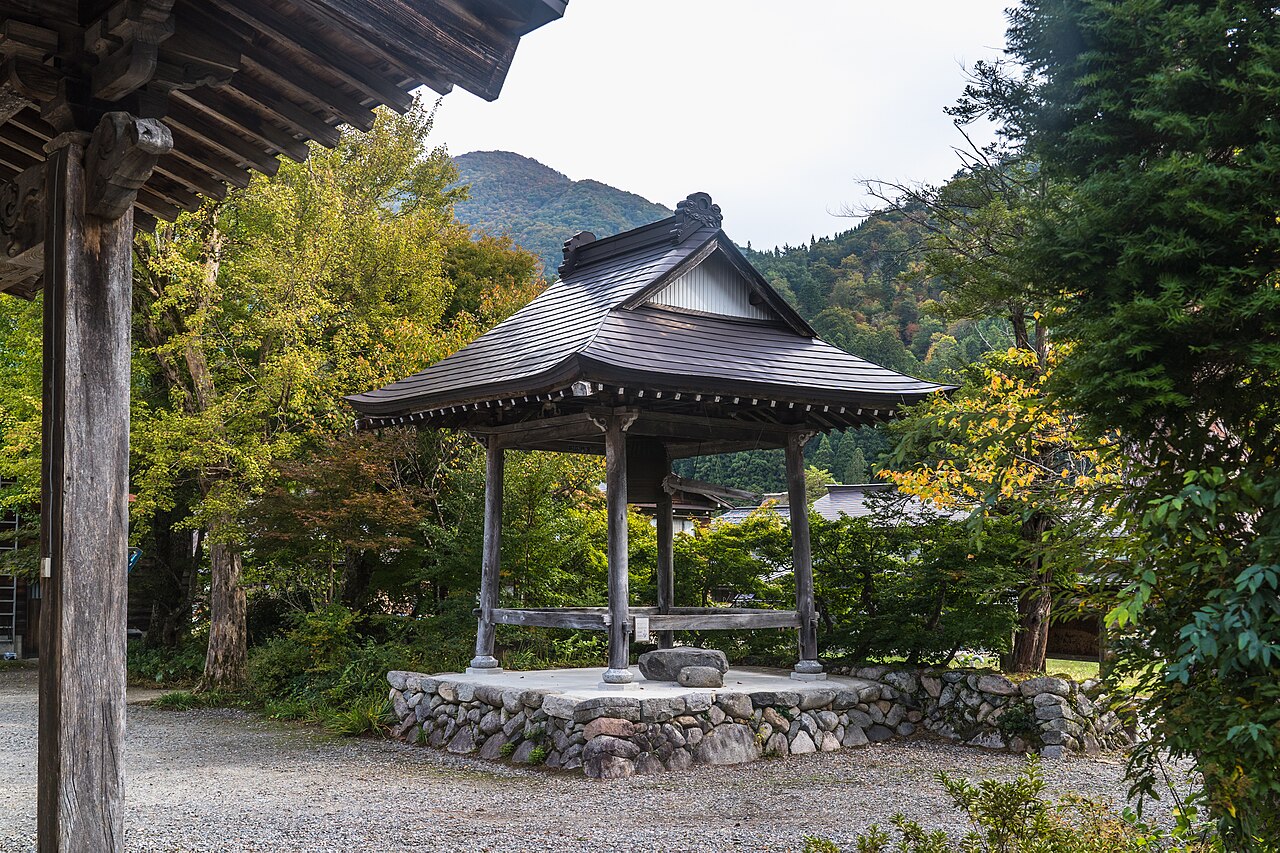

That slower pace also means accepting limits. The village’s responsible-tourism guidance is explicit: residents still live here, drones are prohibited, visitors should take their rubbish away and smoking belongs only in designated areas. Private land is not an extension of a viewing platform. Ordinary nighttime sightseeing is not offered; overnight guests staying in village accommodation have a different relationship with the early morning and evening hours.
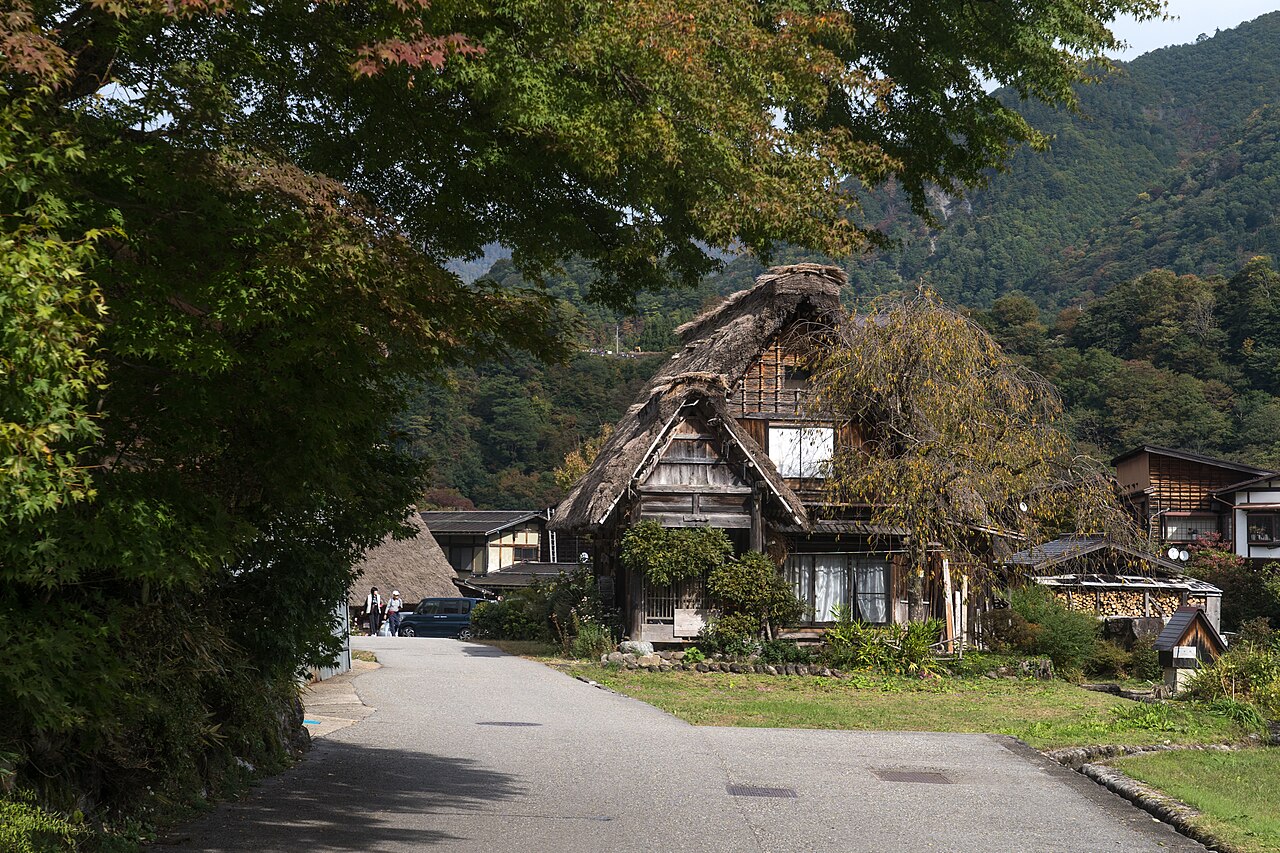

Fire precautions are especially serious in a settlement of thatched buildings. Respecting them is not a minor matter of etiquette. It is part of ensuring that the landscape visitors have travelled to admire remains intact for the families who maintain it.
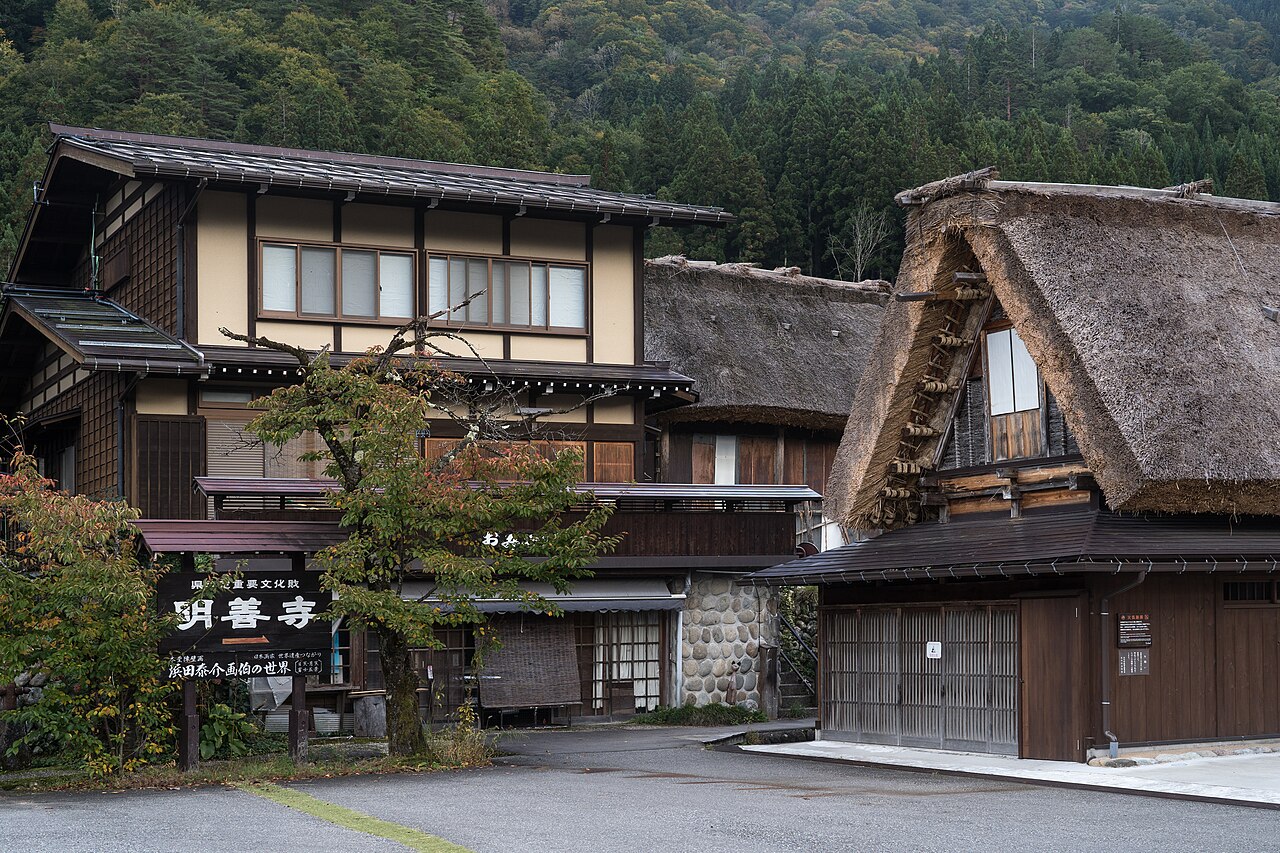

Making room for the mountain journey
Shirakawa-go has no railway station. The tourism association’s access information places it on bus connections with regional centres including Kanazawa and Takayama. Travellers coming through Kanazawa can use our article on Kanazawa accommodation to consider a base, rather than treating the village as a detour squeezed between distant cities.
Weather, seasonal conditions and transport reservations deserve attention before departure. For a broader journey, our first-time Japan itinerary provides the city-to-city framework; Shirakawa-go asks for an adjustment in pace. Its lasting impression need not be the perfect roofline. It may instead be the recognition that a celebrated landscape is also a shared responsibility.