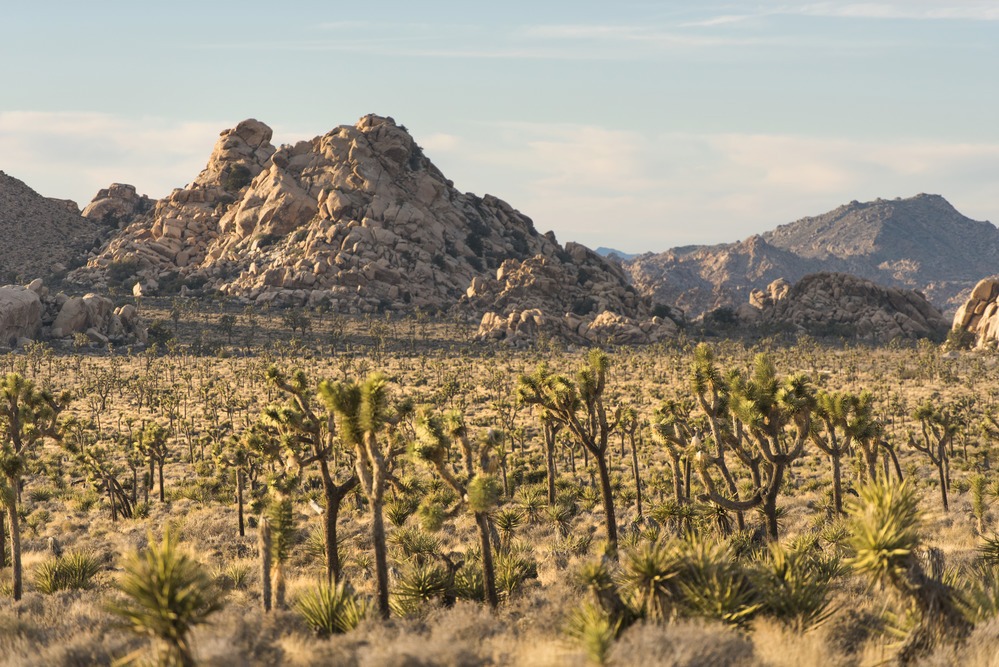
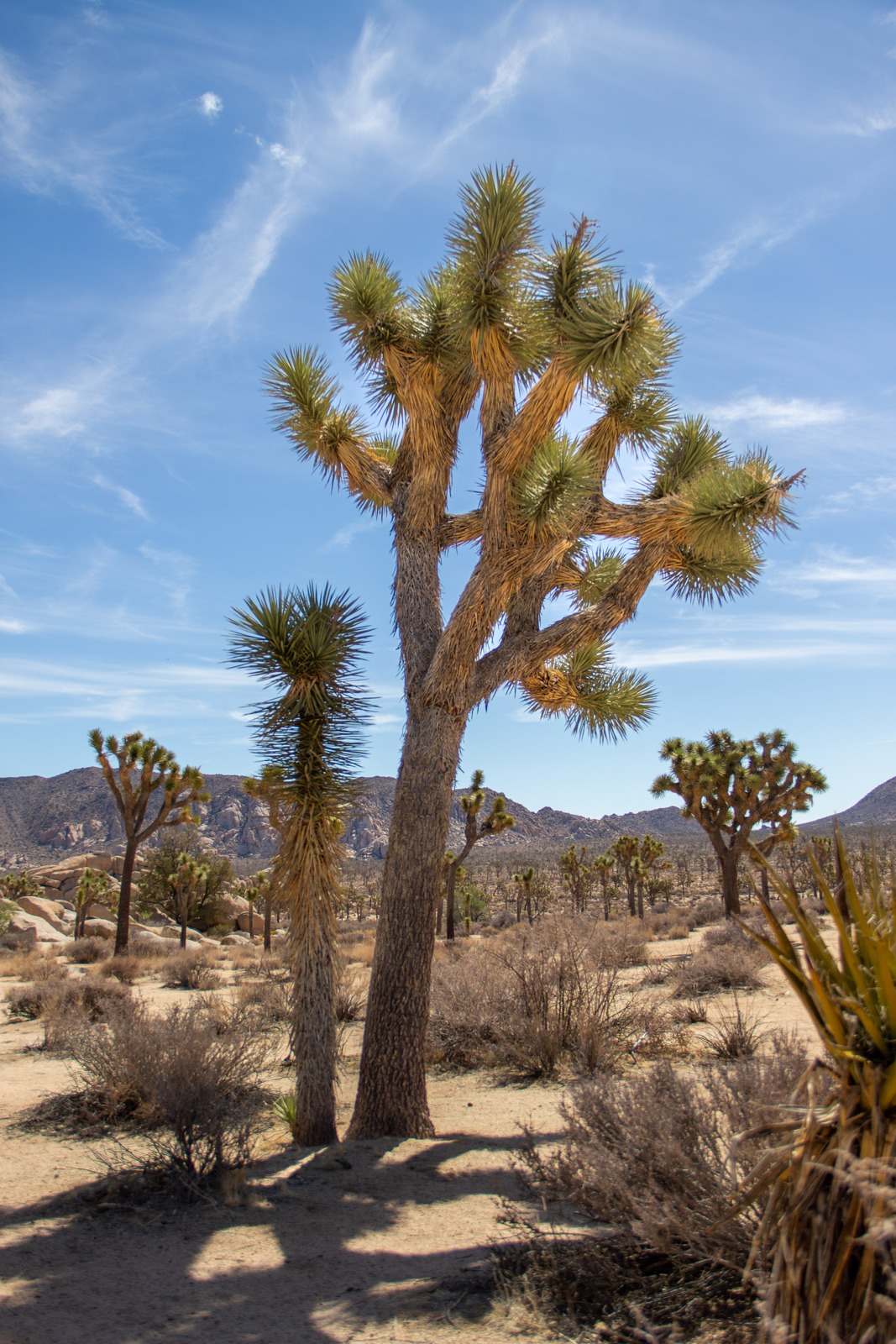
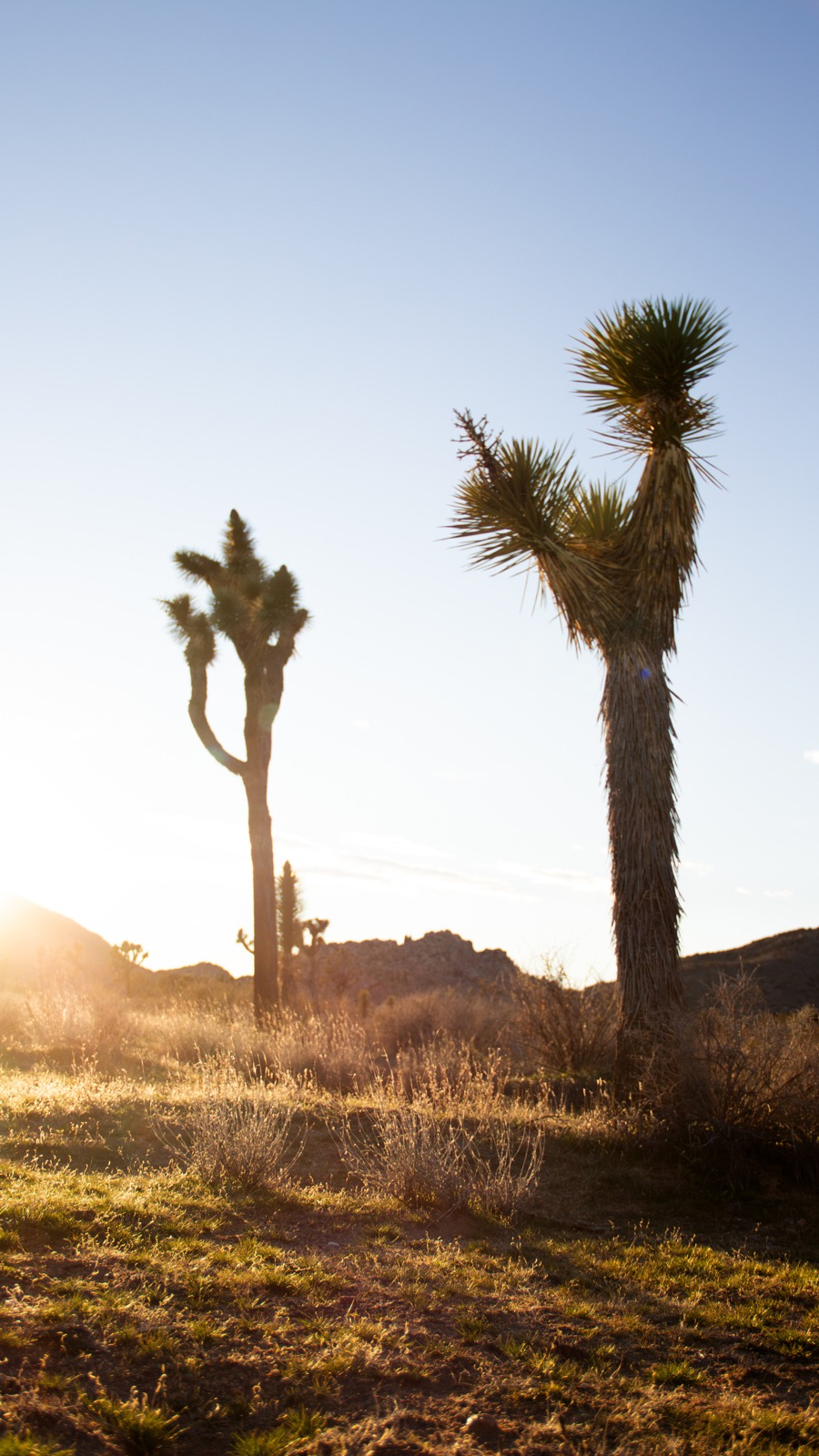
The Joshua tree looks almost drawn rather than grown. Its branches turn at awkward angles, ending in dense sprays of pointed leaves, while the spaces between them become as distinctive as the plant itself. Set against the rounded boulders of southern California, it gives Joshua Tree National Park an instantly recognisable outline. But the silhouette is only the beginning of a much more intricate story.
This is a meeting place, not a uniform stretch of desert. The National Park Service identifies two ecosystems within the park, the Mojave and the Colorado. Their overlapping presence helps explain why a landscape carrying the name of one plant also contains such different vegetation and forms of terrain. The park is larger, botanically and visually, than its emblem suggests.
A partnership hidden inside a flower
The Joshua tree, Yucca brevifolia, belongs to a botanical world that includes yuccas rather than the familiar broadleaf trees of a temperate forest. It has no annual growth rings to offer an easy record of its age. Its branching shape is the visible outcome of a life shaped by conditions that are neither generous nor predictable.
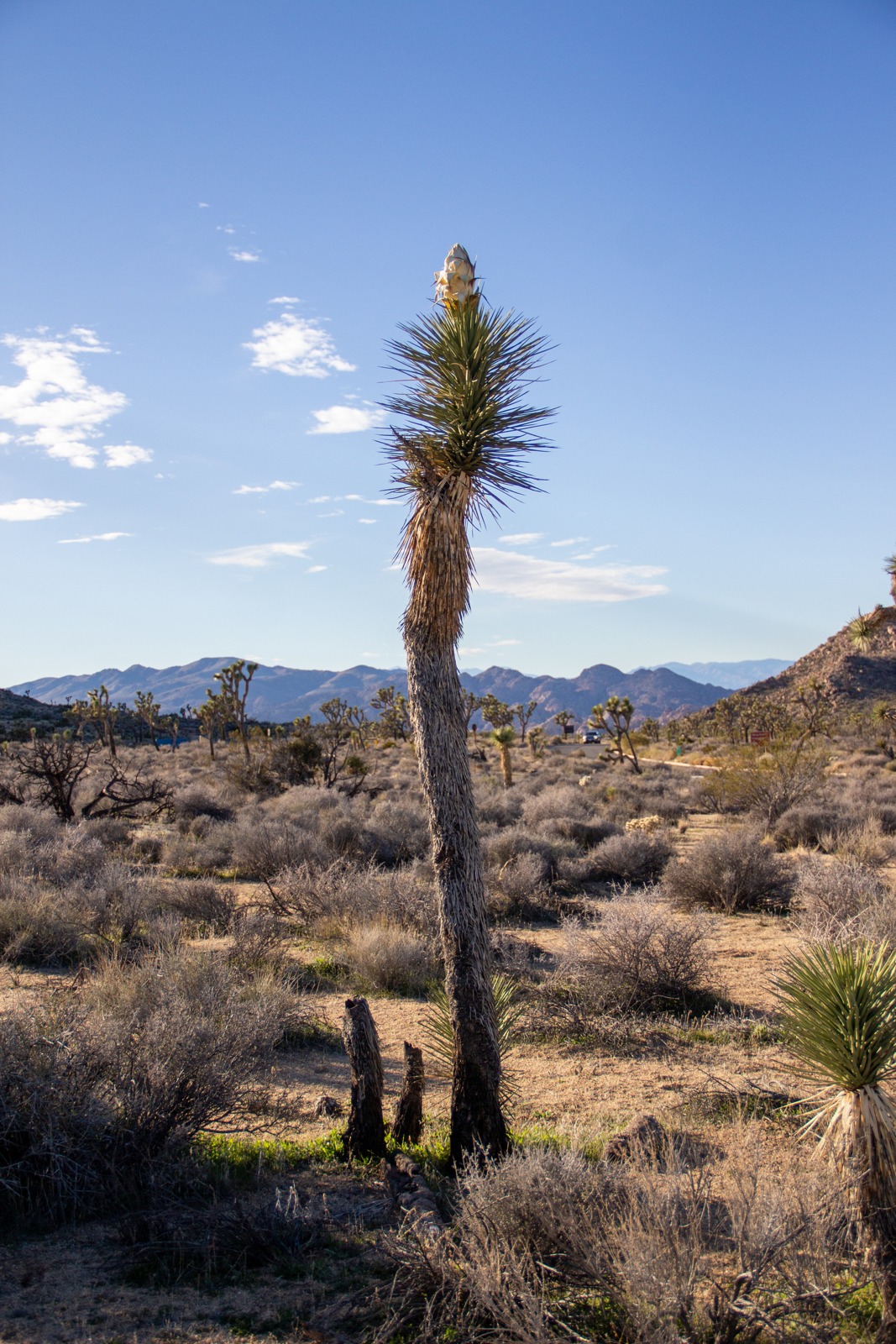
One of its most important relationships is small enough to escape casual attention. Yucca moths pollinate its flowers while laying eggs, and their larvae consume some of the developing seeds. The exchange connects the plant’s reproduction to an insect’s life cycle. An apparently solitary tree is therefore part of a close biological partnership, not simply a hardy individual standing against the desert.
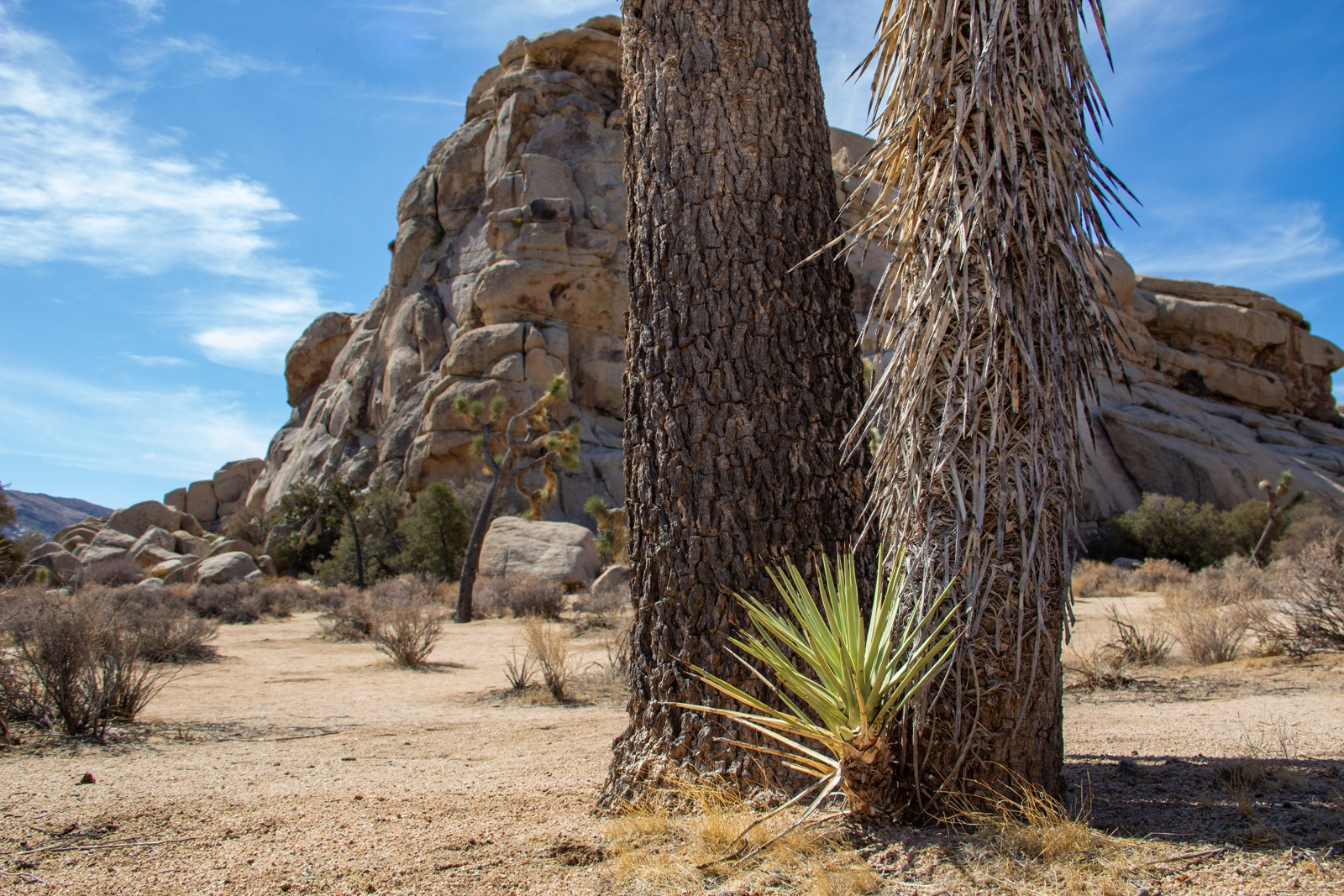
The effect is to complicate the familiar photograph. What appears eccentric or sculptural is also functional. A cluster of leaves, a flower or a fallen trunk belongs to a living system. The park’s identity rests on those relationships as much as on the dramatic shape that travellers recognise from a distance.
Rocks inherited from a wetter world
The boulders invite a different kind of misreading. Their rounded surfaces and piled arrangements can suggest that wind has spent centuries sanding them into place. The NPS geological account instead gives water a central role. Much of the characteristic rock is monzogranite, formed when molten material cooled beneath the surface.
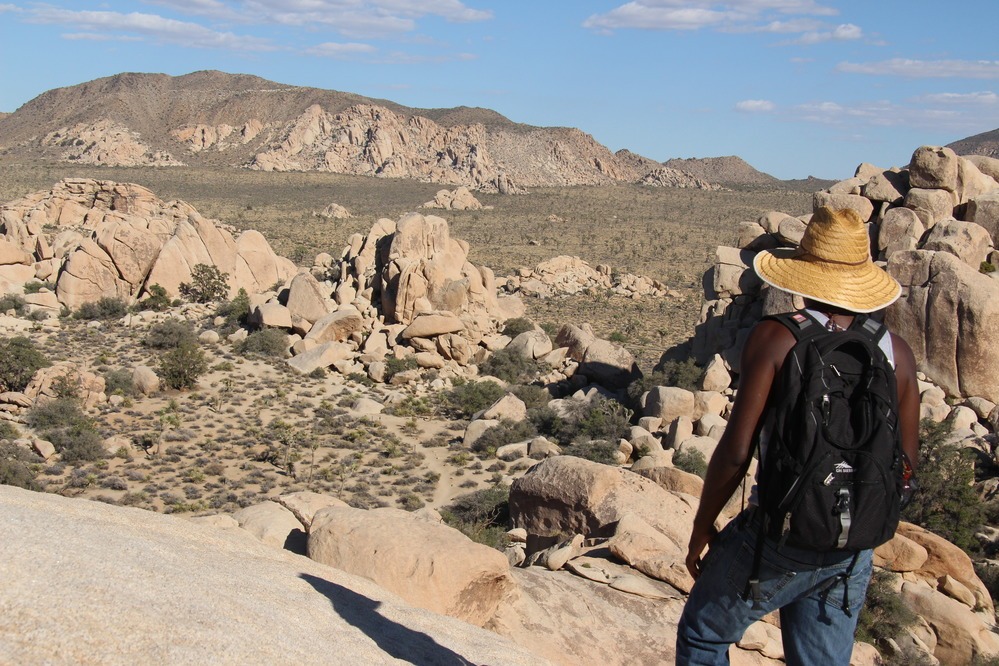
Fractures divided that rock into blocks. Groundwater worked along the cracks, altering minerals and gradually rounding the edges in a wetter climate. Later erosion removed surrounding material and exposed the forms seen today. The modern desert thus preserves features partly shaped under conditions unlike its own.
There is a useful contrast with the sandstone openings of Arches National Park. Both landscapes invite comparisons with sculpture, but their materials and histories differ. Joshua Tree’s massed boulders have a density and weight that make even an apparently precarious arrangement feel substantial.
The desert is not defined by absence
Aridity does not mean that weather is unimportant. The park’s explanation of desert conditions emphasises the timing of rainfall, evaporation and temperature changes, rather than relying on an annual rainfall total alone. A downpour can be brief and consequential. Dryness is the result of a system, not the absence of one.
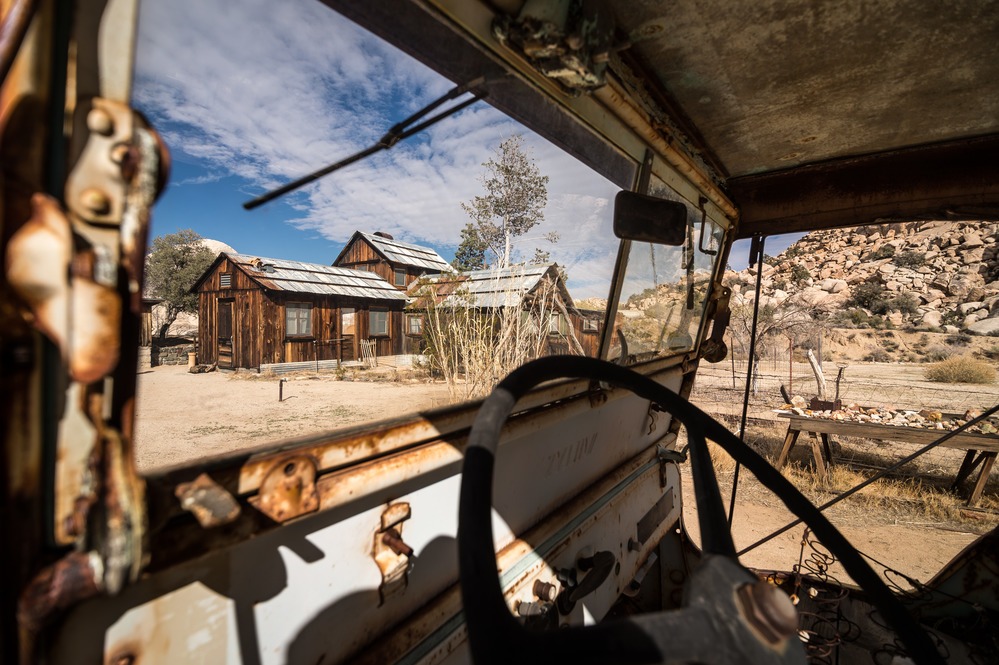
That makes Joshua Tree a revealing counterpoint to the coastal image of California. A journey through the state can move between very different versions of open space. Here, the distance between plants, the exposed rock and the changing quality of light become the organising elements of the view.
Human history also resists an empty-landscape interpretation. The NPS history and culture programme encompasses archaeological sites, historic structures and substantial museum collections. The area became a national monument in 1936 and a national park in 1994, but those designations describe stages of protection, not the beginning of its human significance.
After the outline disappears
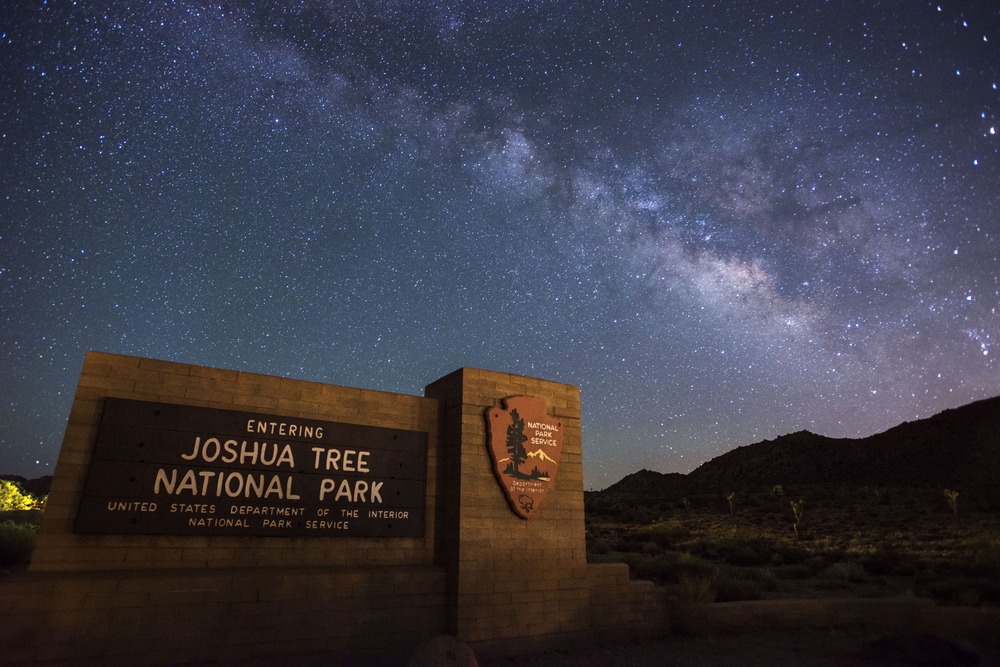
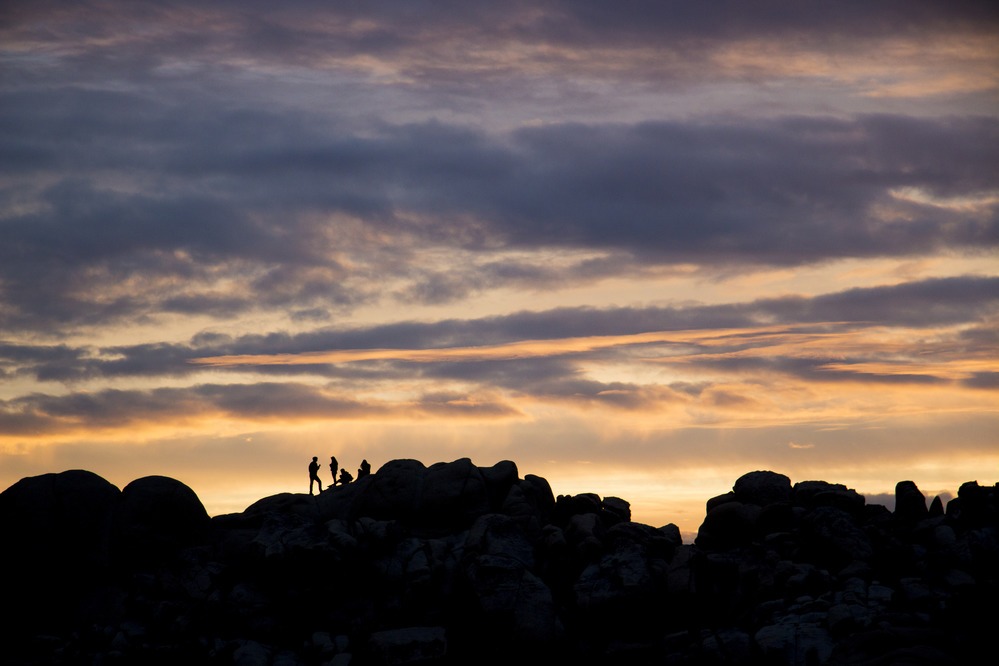
Night changes the emphasis again. Joshua Tree is an International Dark Sky Park, where the protection of darkness belongs alongside the protection of land. The NPS notes that surrounding communities still affect the sky with artificial light; darkness here is valuable, but not beyond pressure.
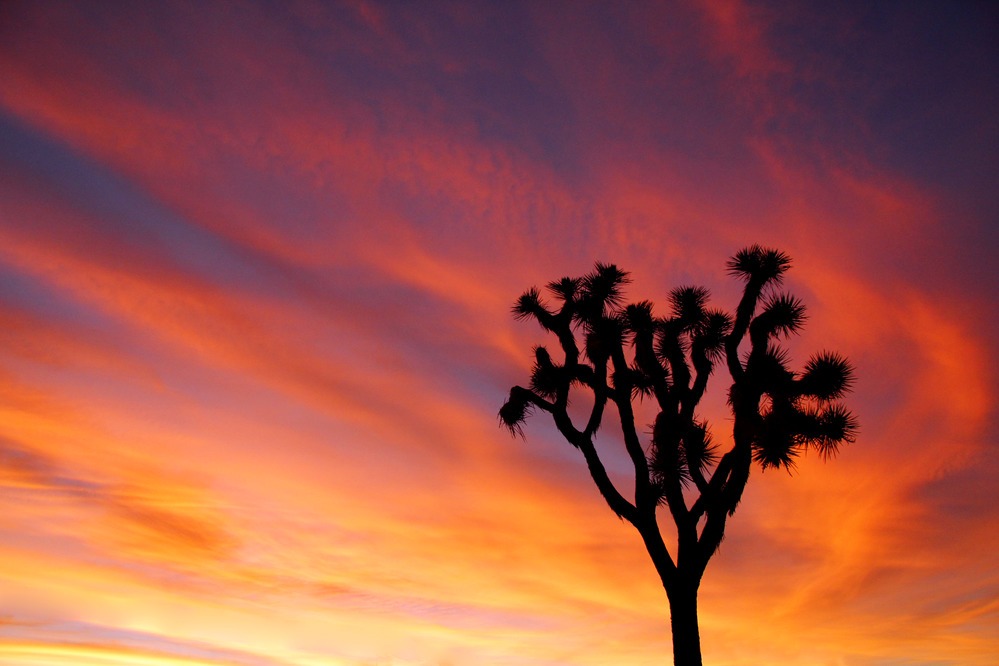
As at White Sands, desert scenery changes meaning when it is understood as more than a backdrop. A Joshua tree framed against the sky remains a compelling image. The moth, the weathered granite, the inherited history and the night above it reveal how much that image leaves outside the frame.