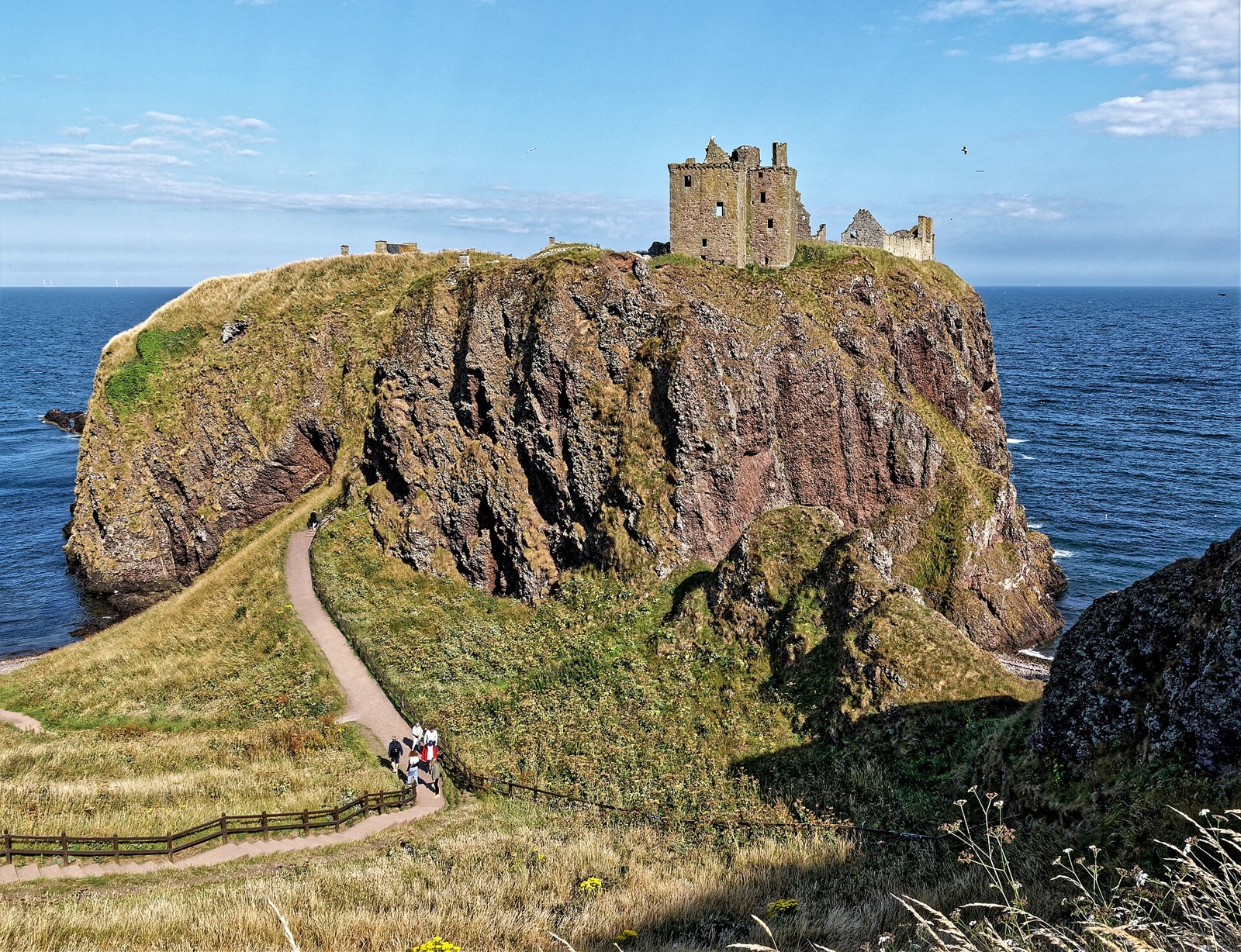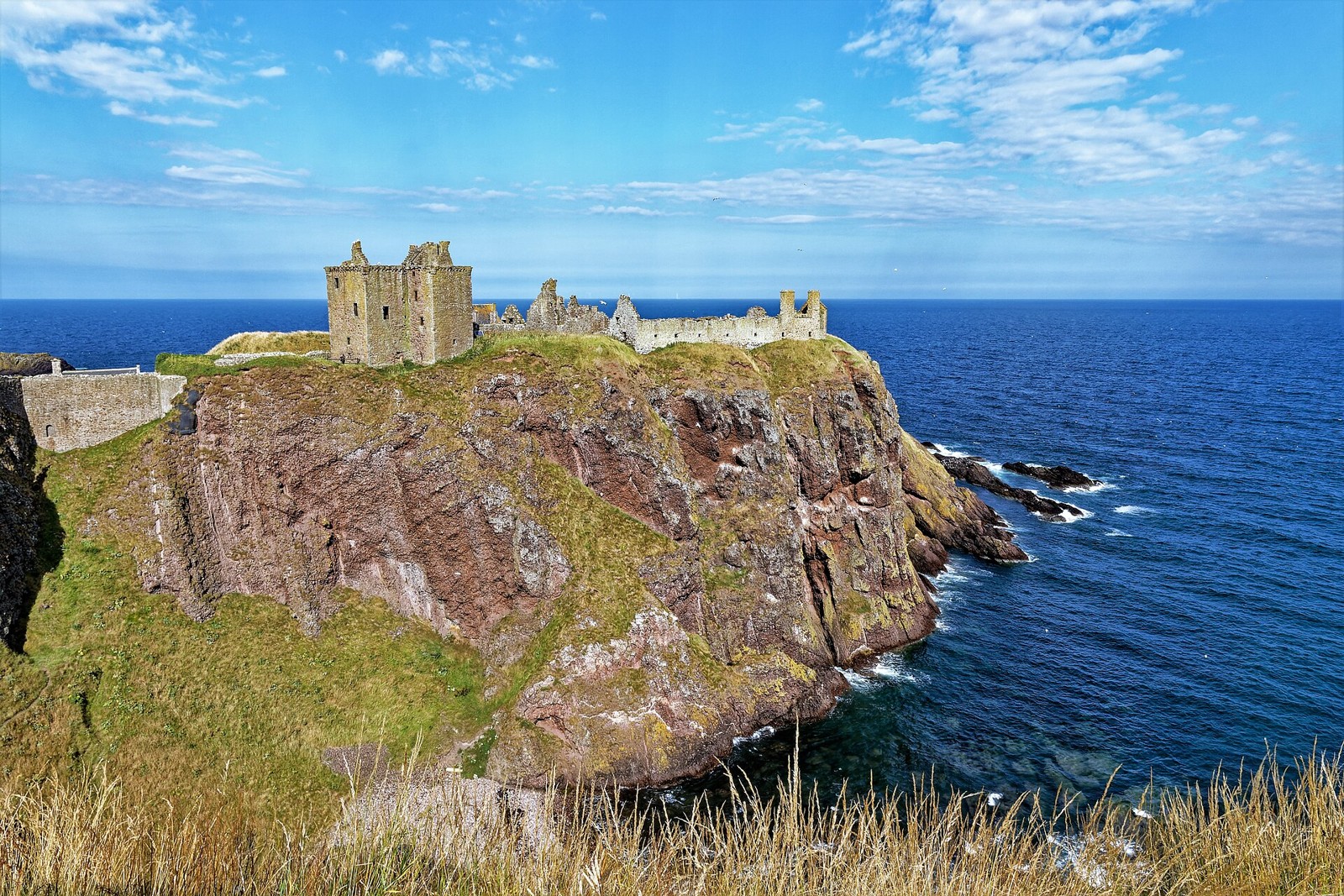
Dunnottar Castle makes its argument before a visitor reaches the gate. On the Aberdeenshire coast, south of Stonehaven, a compact settlement of ruined buildings occupies a rock almost detached from the mainland. The sea is not a distant backdrop. It is part of the defensive plan, surrounding the headland while the route inland narrows to an approach that still demands a descent and a climb.

The familiar photograph turns that arrangement into a romantic silhouette. Inside the walls, the picture becomes more complicated. Dunnottar was a residence, a working household and a prison as well as a fortress. Its most celebrated achievement involved protecting Scotland’s royal regalia. Its darker history involved people who had very little protection at all.

A stronghold with rooms for ordinary life
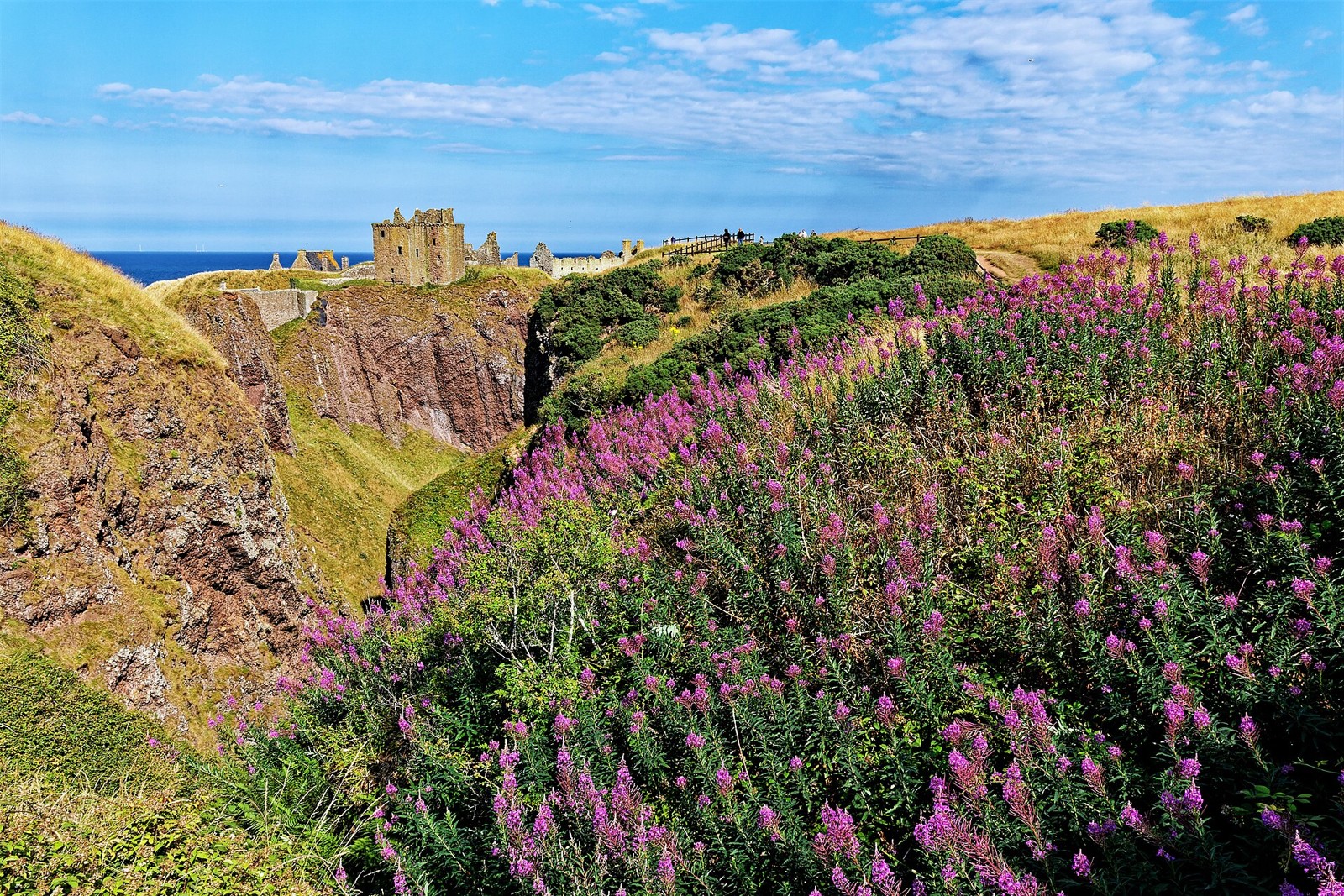
The Aberdeenshire Historic Environment Record describes a complex assembled over different periods, rather than a single medieval construction. A keep stands beside ranges associated with stables and storage; later buildings gather around a courtyard. Kitchens, religious worship and the provision of water belonged to the same enclosed world as military defence.
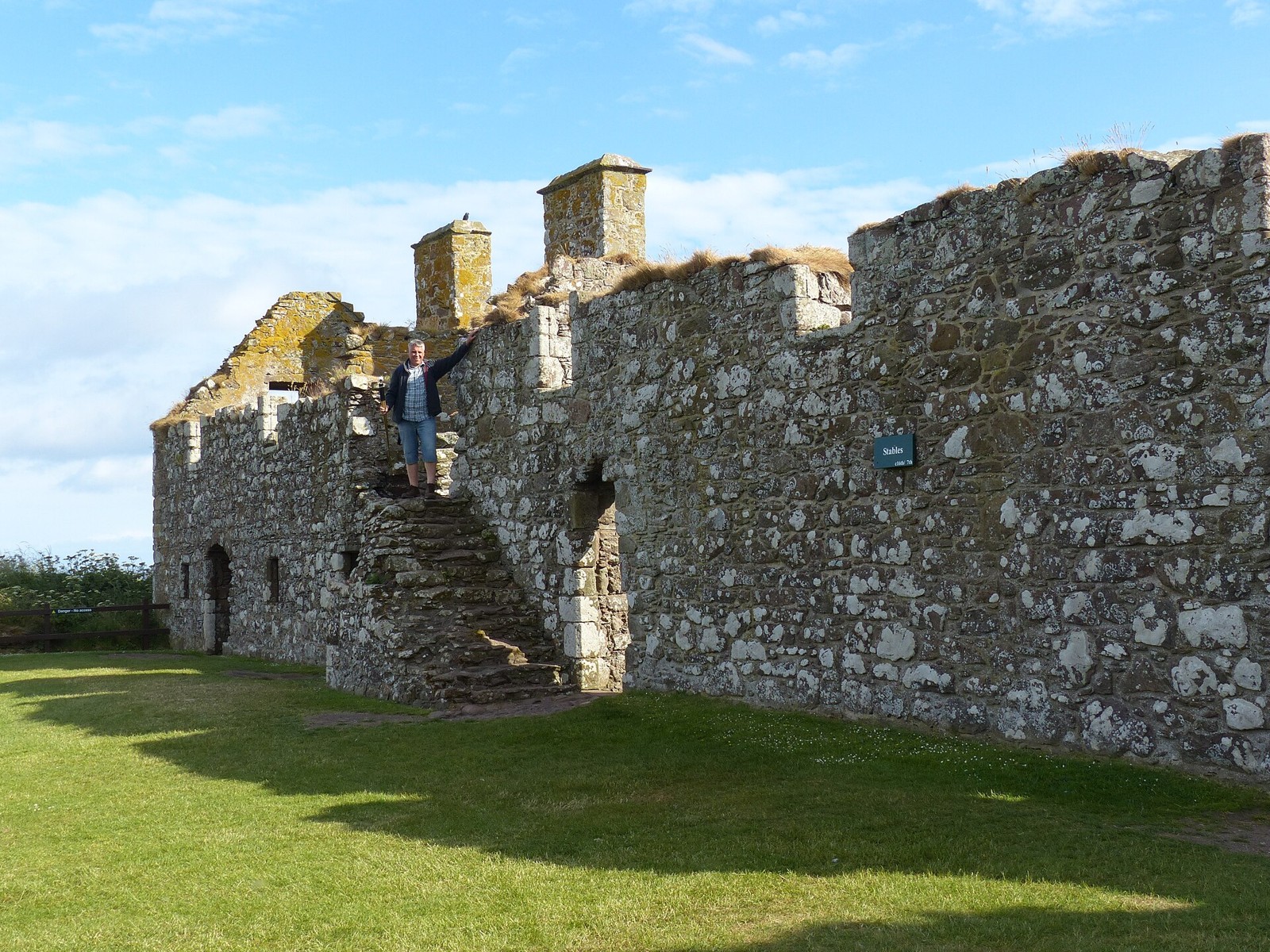

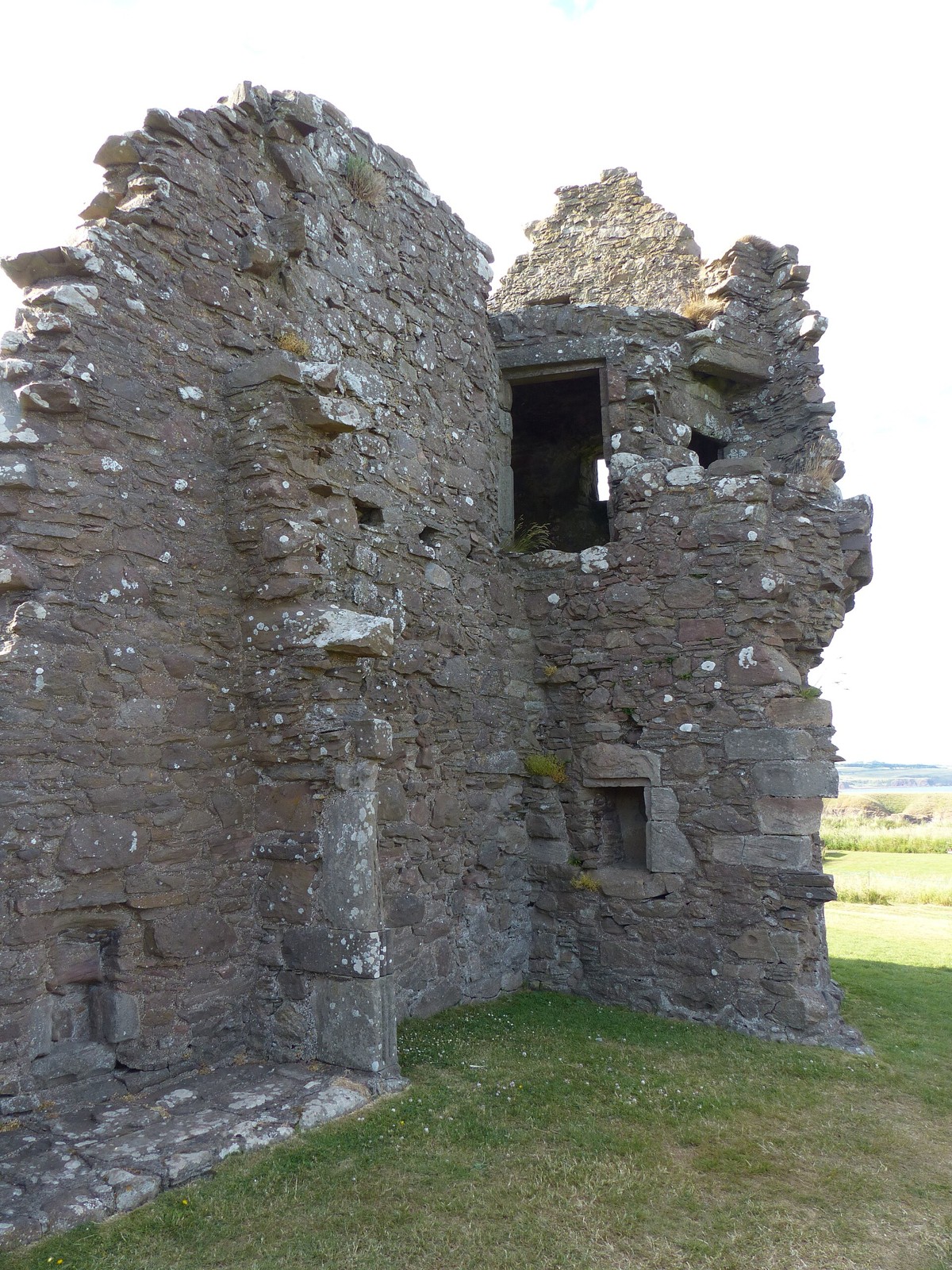
Those domestic traces change the scale of the place. Seen from outside, Dunnottar appears to be all rock and resistance. Within it, the remains suggest the daily organisation required to sustain an aristocratic household in an exposed position. Walls that make a spectacular outline also mark former rooms, routes and divisions of status. The ruins reward attention at ground level as much as the distant view.
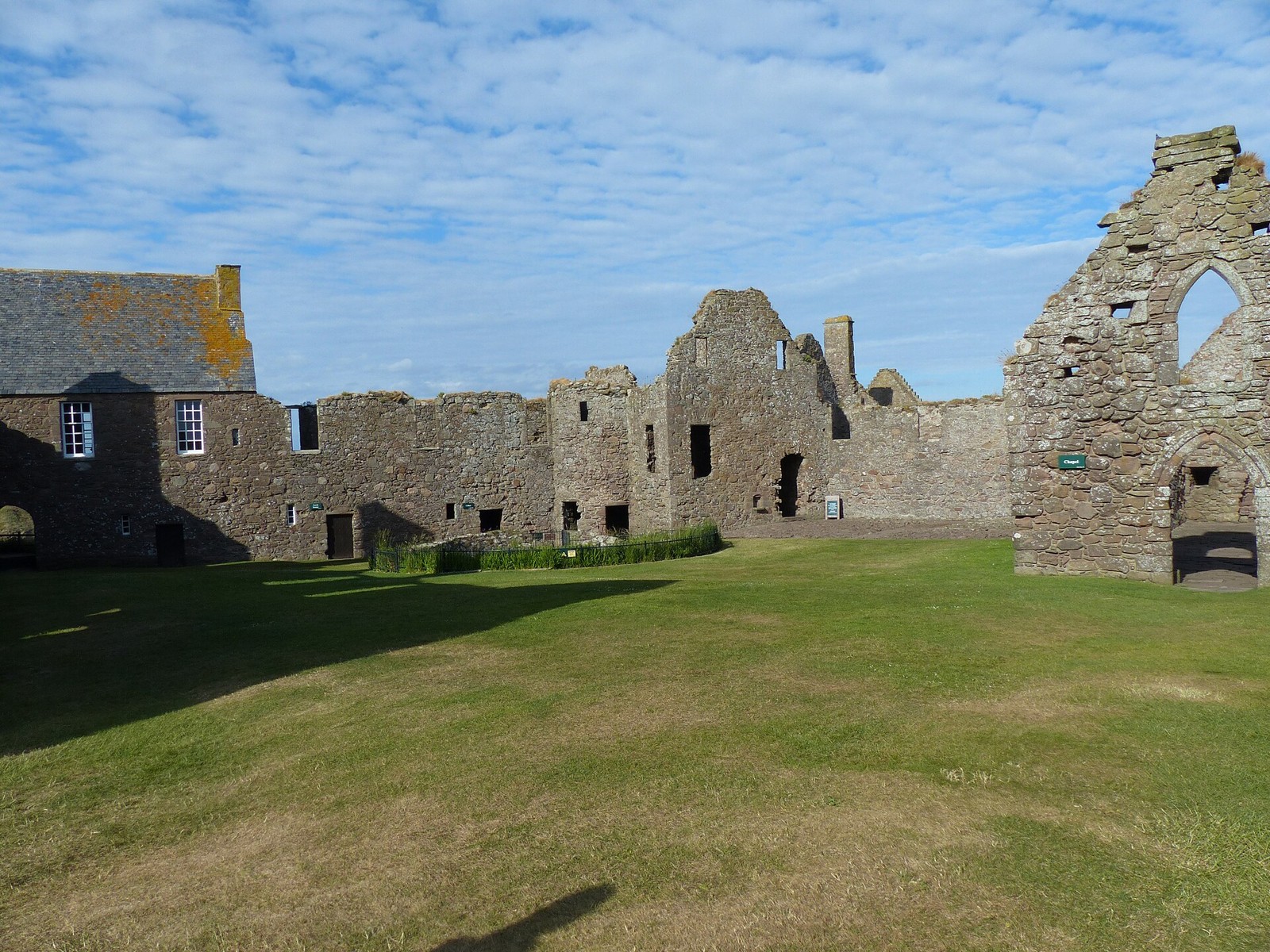

The relationship between building and landscape recalls Predjama Castle in Slovenia, although the architectural answers are different. Predjama withdraws into a cliff. Dunnottar occupies the top of its rock, relying on the difficulty of reaching it. In both, geography is less decoration than an active ingredient of power.

The royal objects that escaped
In the seventeenth century, that difficult position gave Dunnottar a national role. Historic Environment Scotland’s account of the Honours explains that the crown, sceptre and sword were taken here after Charles II’s Scottish coronation in 1651, when they could not be returned to Edinburgh Castle. During the subsequent siege, they were smuggled out and concealed at Kinneff Kirk.
The significance lies in what the objects represented as much as their material value. A fortress could be lost while the symbols entrusted to it survived elsewhere. Dunnottar’s place in that story therefore depends on escape rather than an indefinitely successful defence. The celebrated rock was a refuge, but it was not the final hiding place.
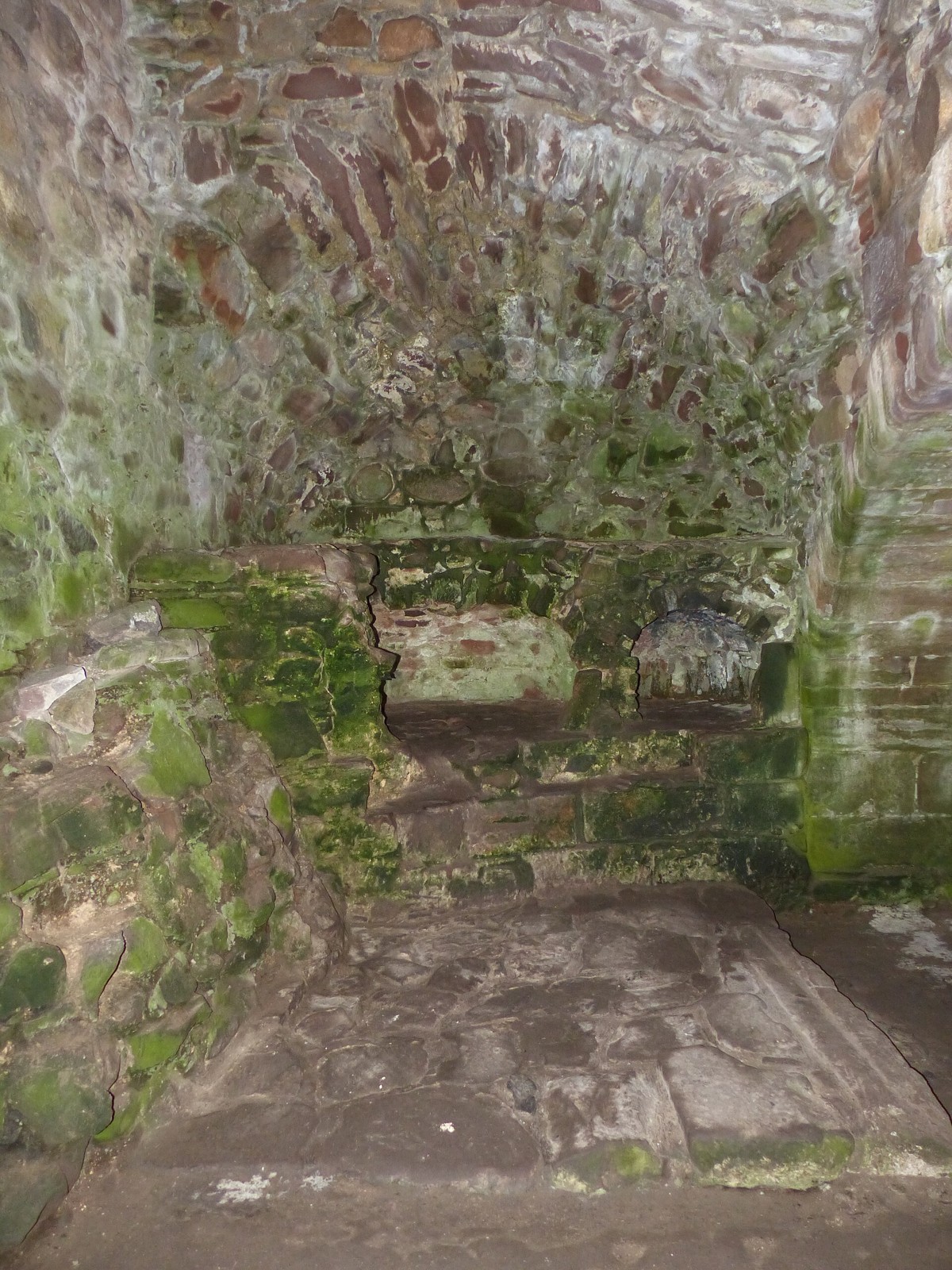

Another episode interrupts the heroic version. The council’s archaeological record describes 167 Covenanters confined in the Whigs Vault in 1685 and records nine deaths in appalling conditions. The same enclosure that could shelter royal possessions could become a place of coercion. Both histories belong in any account of the castle.
The making of a ruin
The castle’s own historical timeline traces its later decline to the Keith family’s forfeiture following the failed Jacobite rising of 1715. The stripping of valuable fittings and structural materials helped produce the roofless remains familiar today. Conservation followed the Cowdrays’ purchase in 1919, establishing another phase in the site’s life: not an inhabited stronghold, but a historic place maintained for public access.
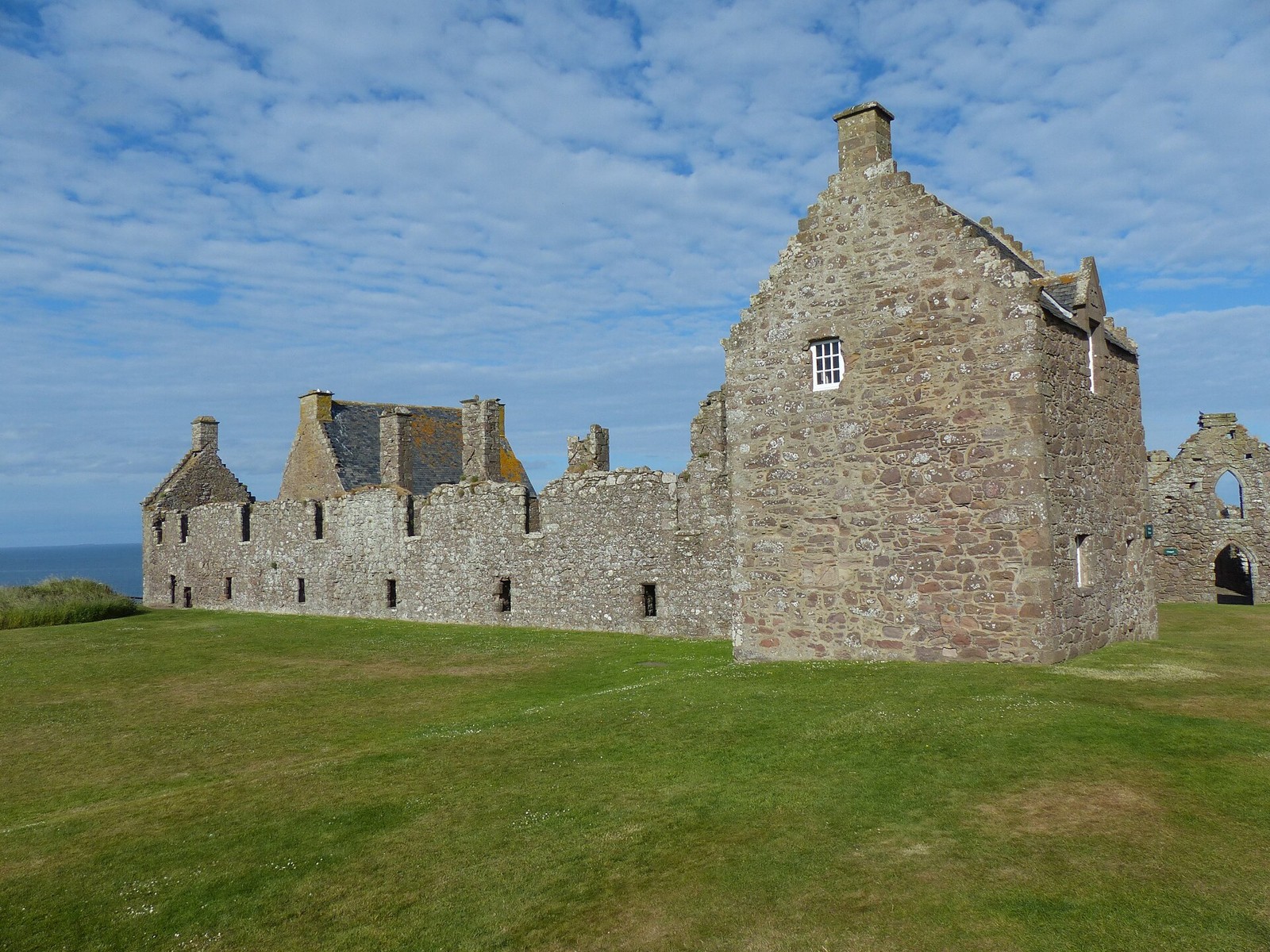

That is an important distinction. Ruins can seem like untouched survivals, when their continued legibility often depends on deliberate intervention. Scotland tells its past through very different settings, from the civic collections of Kelvingrove in Glasgow to this exposed coastal enclosure. Here, the absent floors and open sky are themselves part of the historical evidence.
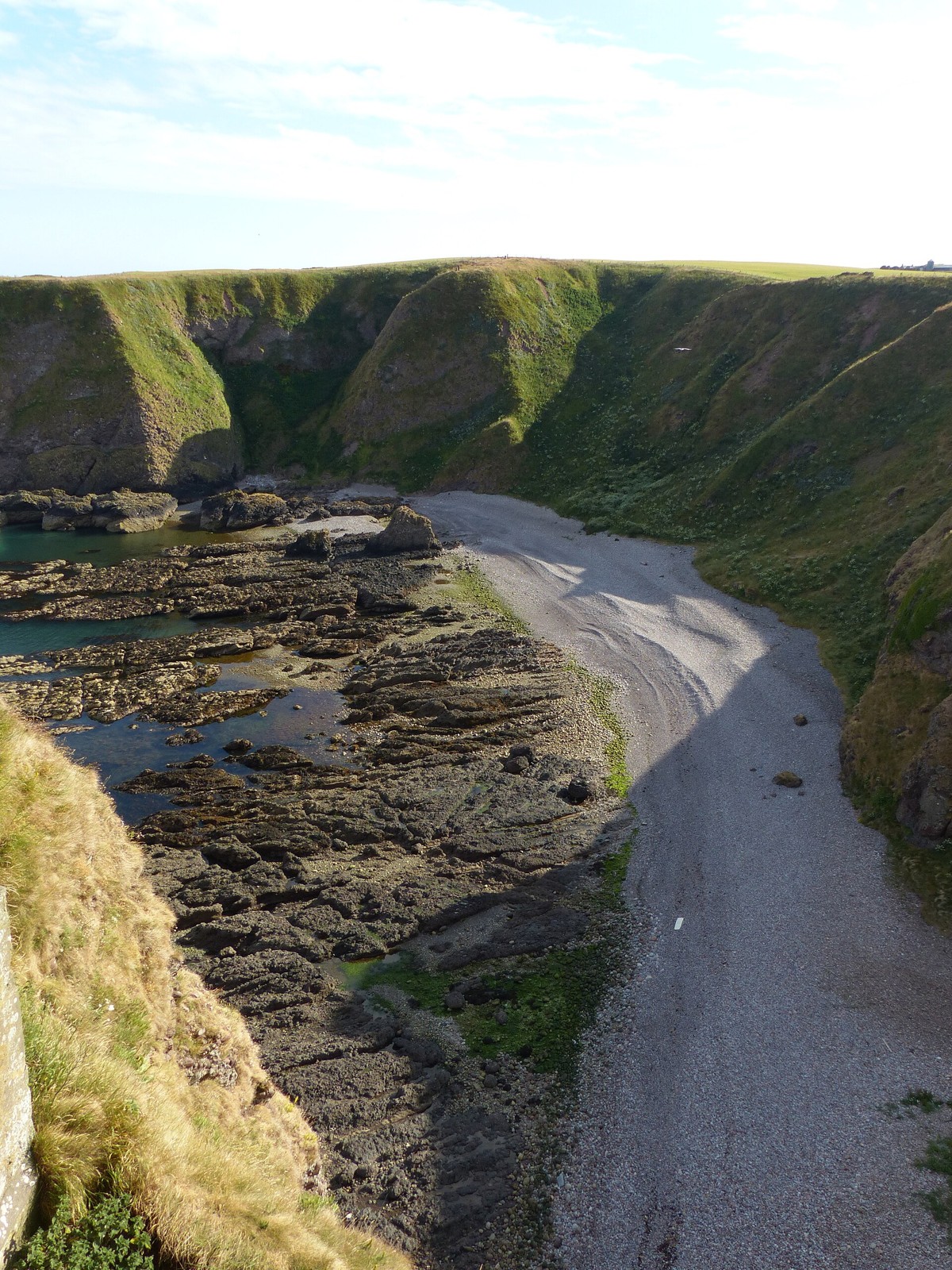

The coast still sets the terms
Dunnottar also offers a different Scottish landscape from the western glens and islands that dominate many Scottish road-trip itineraries. Its eastern coast combines open sea, agricultural land and the surviving footprint of political ambition. The distance between an elegant photograph and the physical reality is considerable.
The official access statement makes that reality explicit: reaching the interior involves numerous steps, uneven ground and no wheelchair access. A relatively level approach permits views from the mainland cliff top. Meanwhile, the published opening arrangements allow for short-notice closures in dangerous weather. The defensive setting remains a practical constraint, not simply an aesthetic attraction.
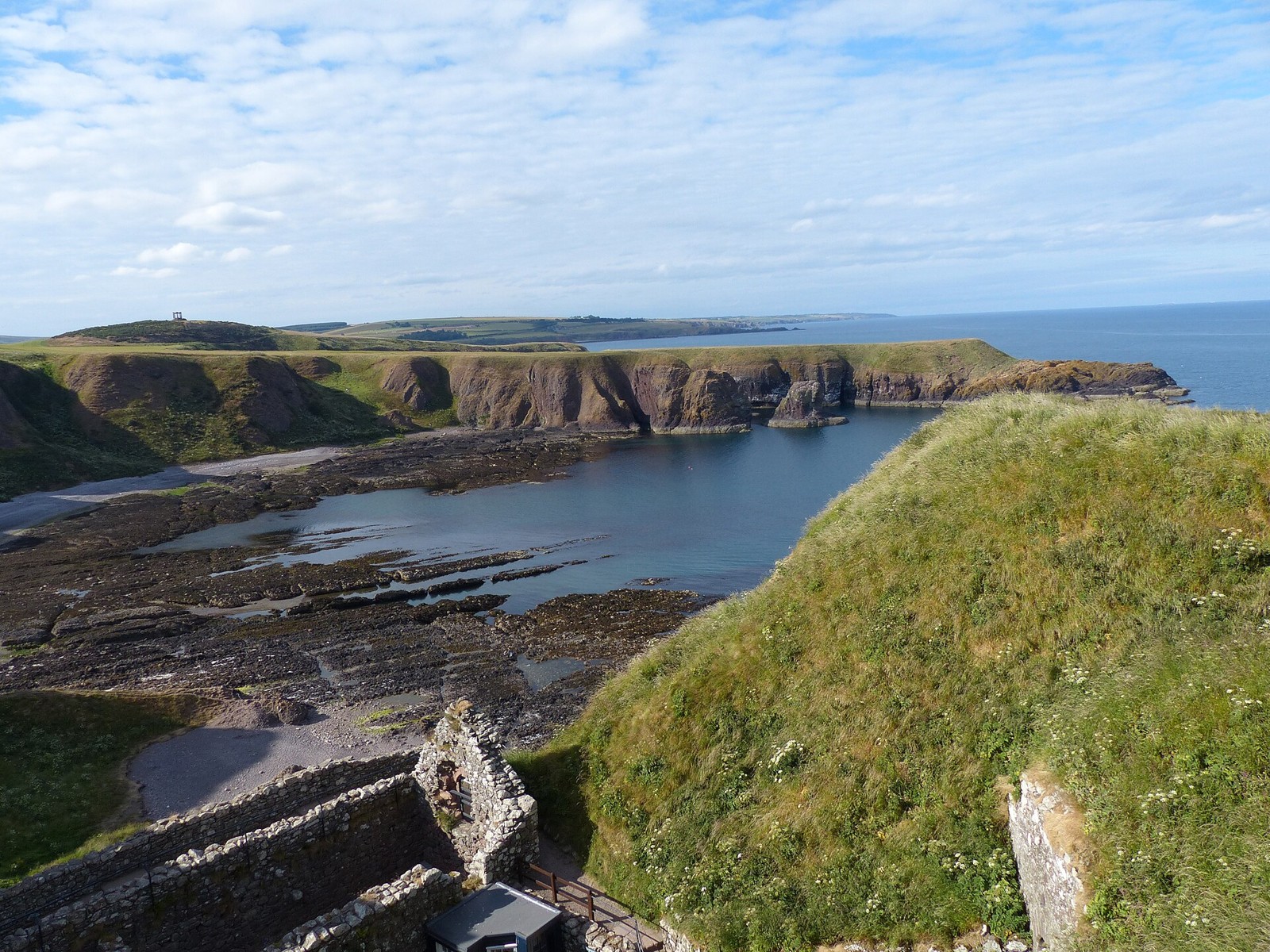

That tension gives Dunnottar its force. The buildings are no longer occupied by the household that shaped them, yet the geography has not stopped exercising authority. Above the North Sea, the castle remains a place where refuge and isolation are difficult to separate.