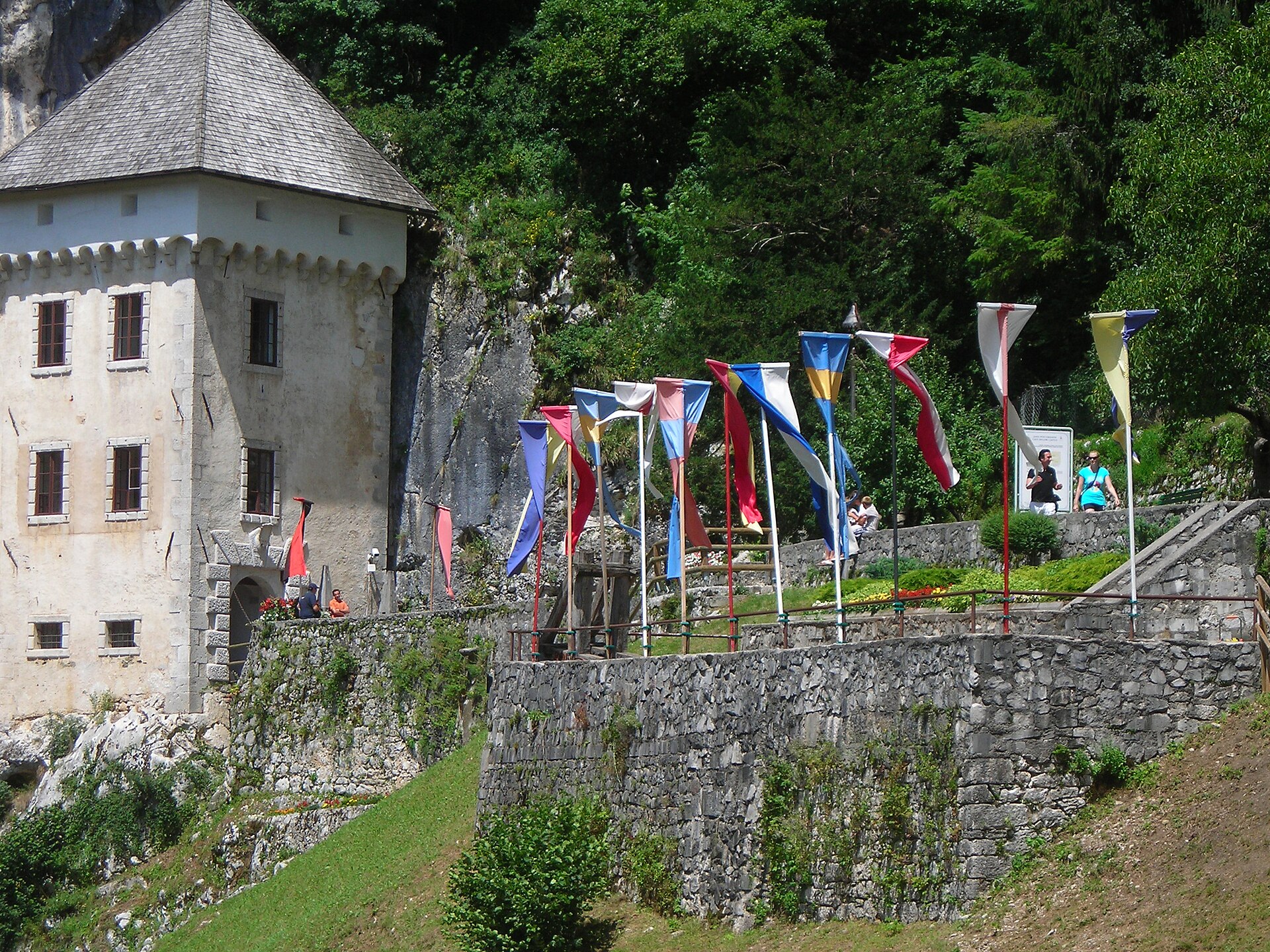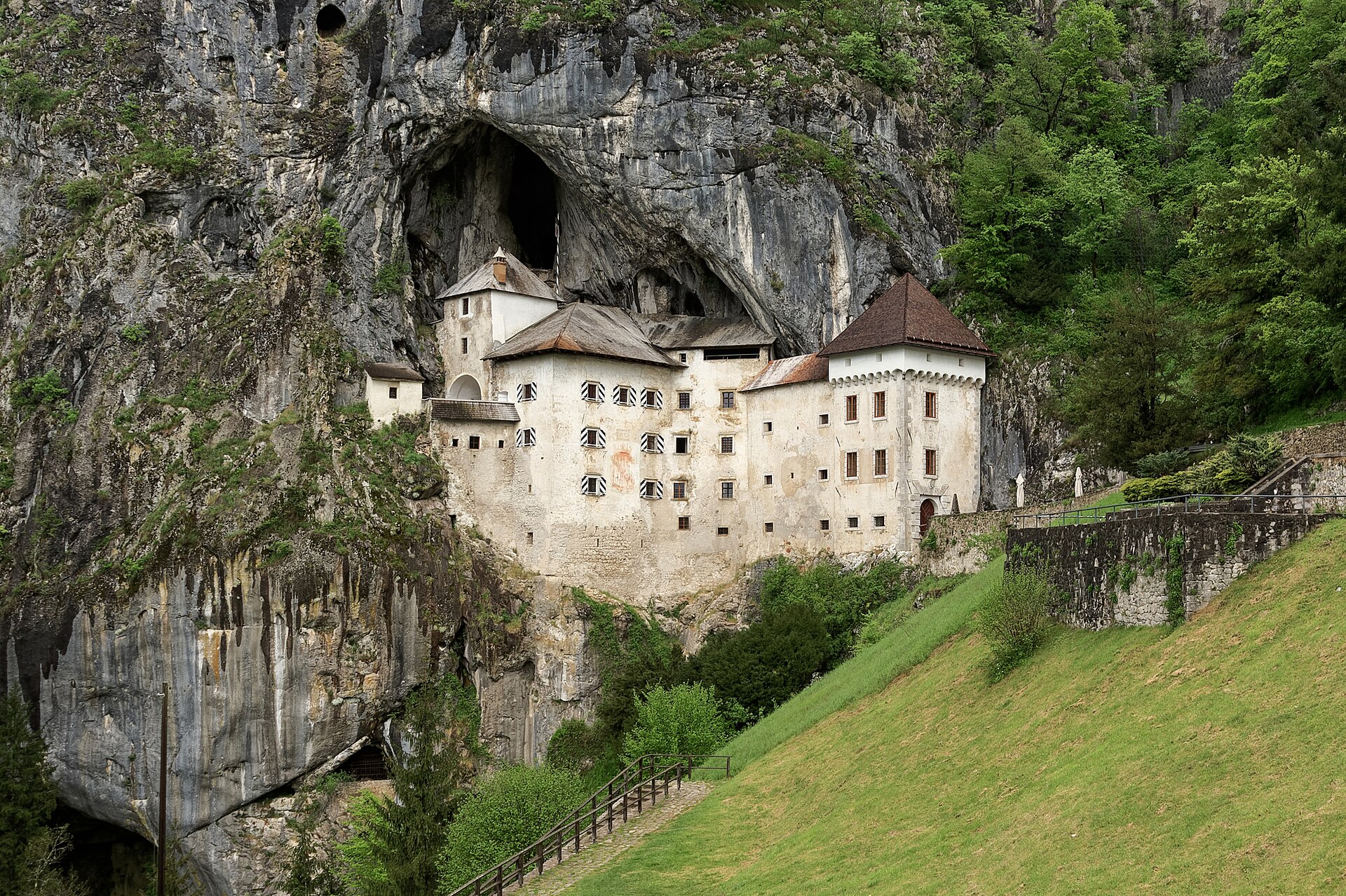
At Predjama Castle, the cliff is not a backdrop. It is part of the building. Pale walls close off the mouth of a cavern beneath a huge overhang, making the division between architecture and geology difficult to trace. The famous view from below is striking, but it also conceals the most interesting question: how does a residence function when its rear rooms lead towards a mountain rather than a garden?

The castle stands in Slovenia’s Karst landscape, nine kilometres from Postojna Cave. Its official account describes a fortress set into a 123-metre-high cliff, with a cave network behind it. Predjama’s appeal is not simply the improbable position of a handsome facade. It is the way the site turns the natural landscape into shelter, a barrier and a possible route out.
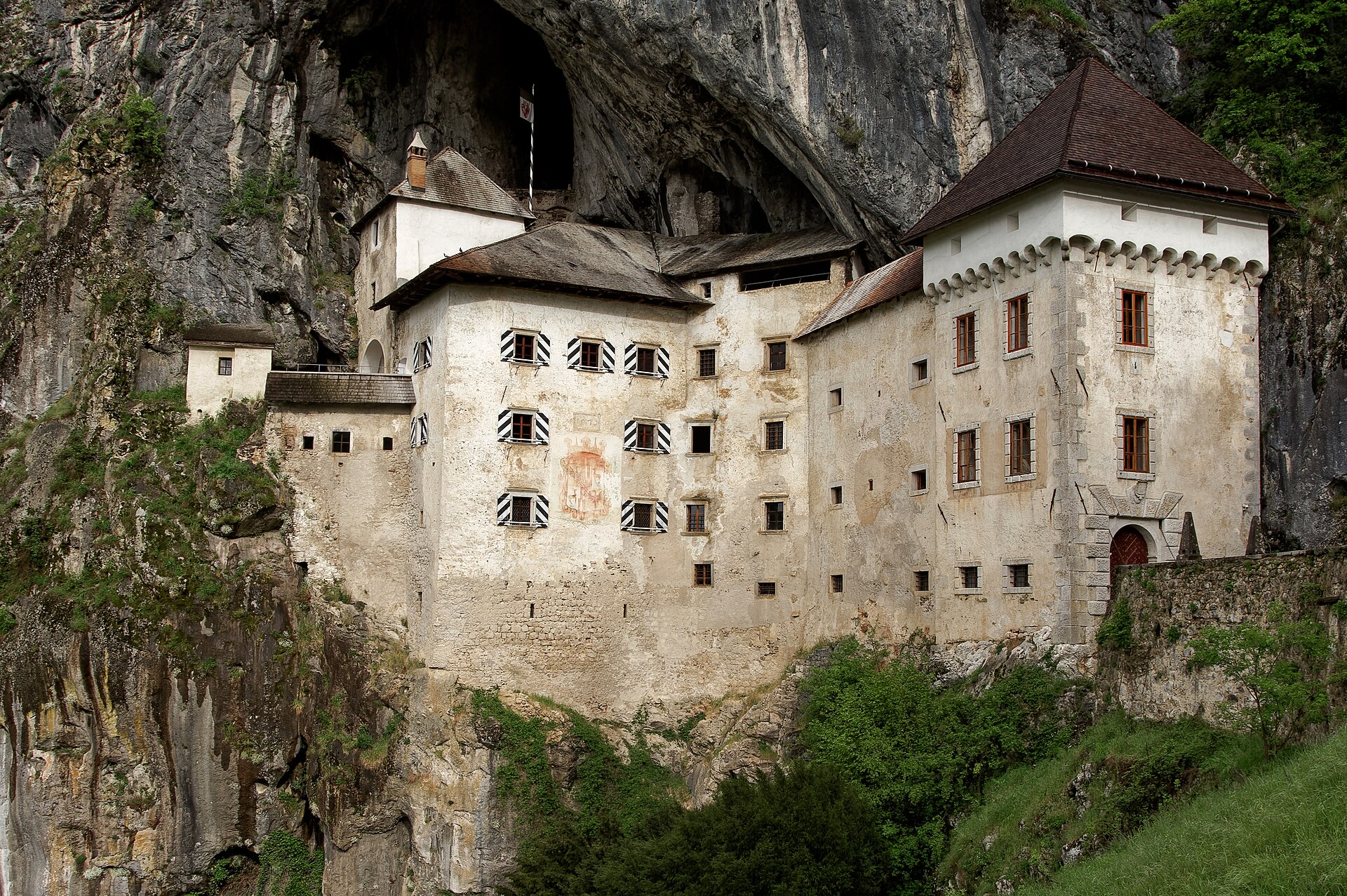

The castle that could not be starved out
Erazem of Predjama, also known as Erasmus of Lueg, dominates the stories associated with the place. The Slovenian Tourist Board recounts the tradition of a rebellious knight who knew a hidden passage leading to the surface and fresh supplies. In the familiar siege legend, the fortress resisted for more than a year before betrayal from within brought its defence to an end.
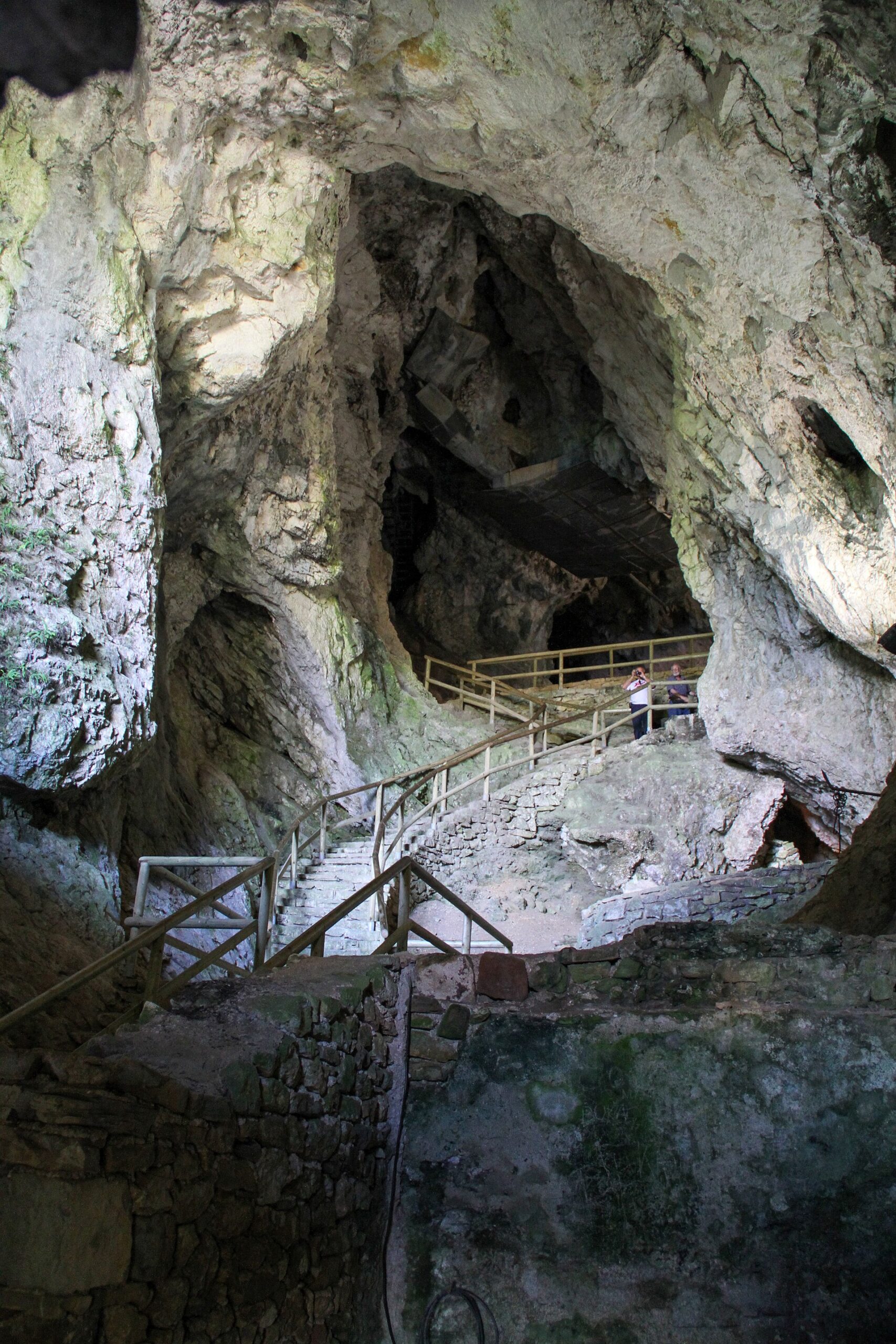

Those details belong to the castle’s storytelling tradition, not an invitation to treat every dramatic episode as documented fact. The more enduring point is visible in the site itself. A cave-backed stronghold presents a different problem to an attacker from a freestanding castle. The apparent dead end behind the facade may also be the beginning of another route.
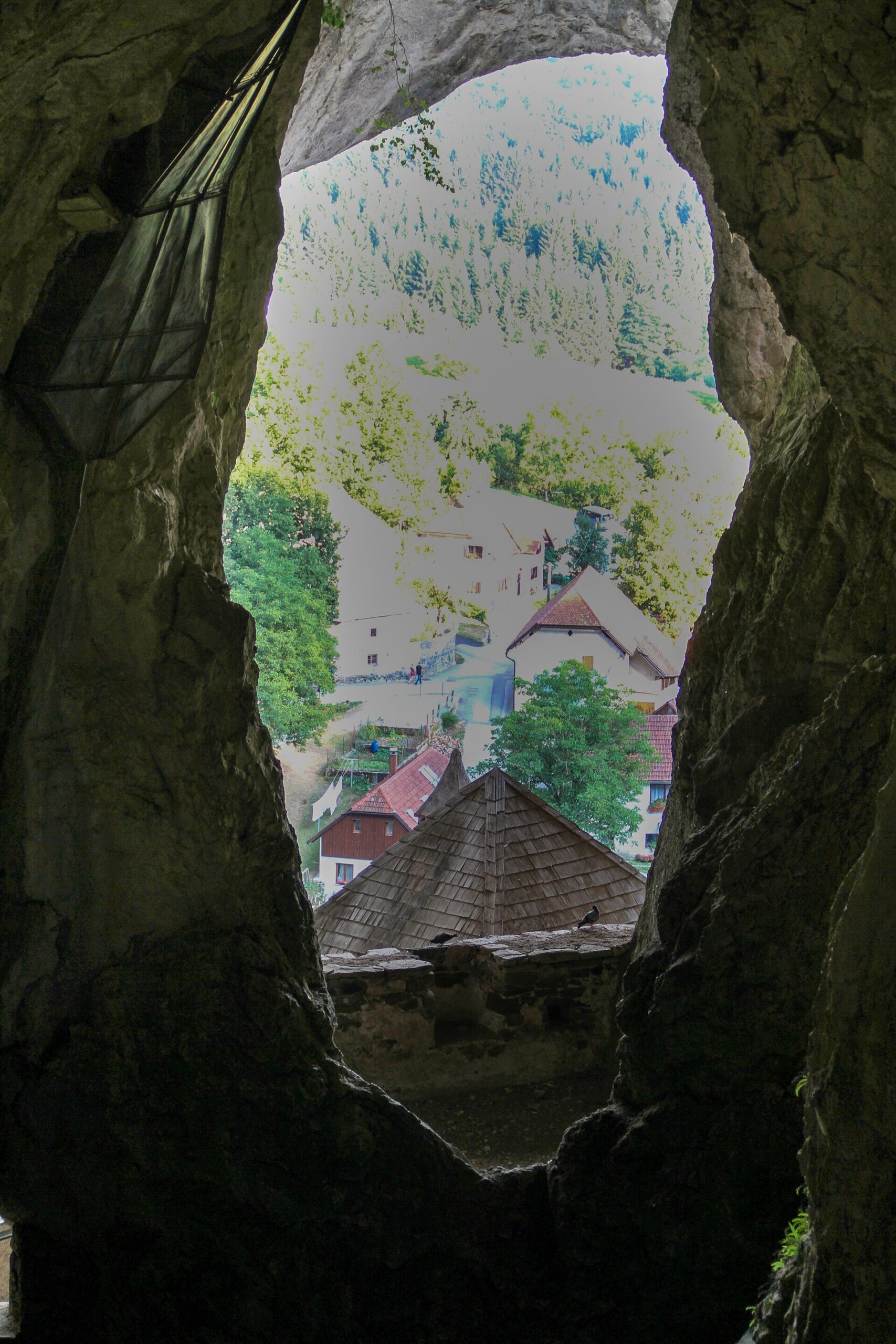

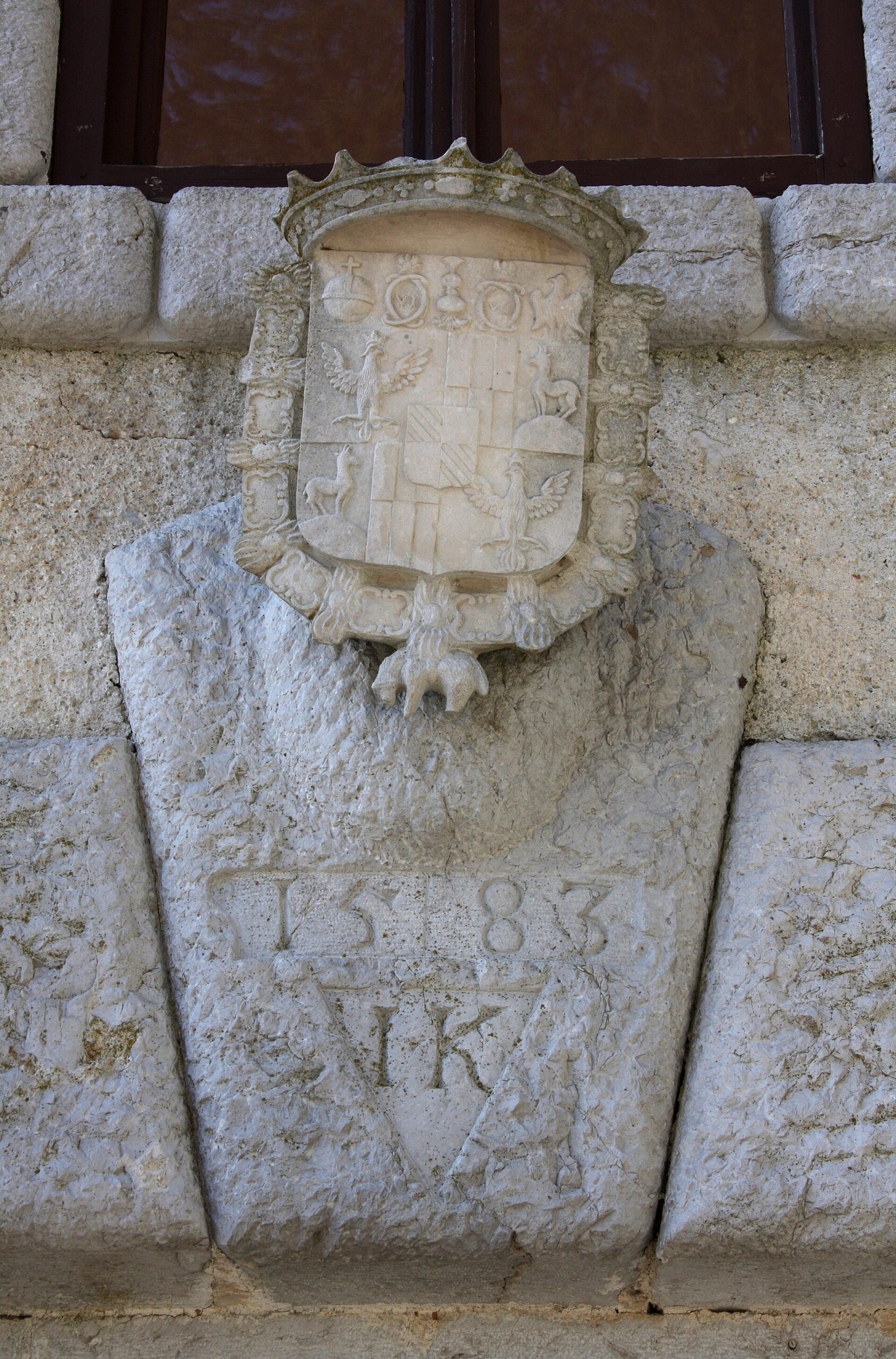
The building is not frozen in Erazem’s lifetime. An older tourism-board historical account records a renovation by the Cobenzl family in 1570. That later chapter matters when looking at the exterior: the structure seen today should not simply be read as the unaltered setting of a fifteenth-century siege.
Behind the carefully composed facade
The tour moves from the exterior’s clear arrangement of windows and walls into a more complicated interior. The operator’s description of the displays distinguishes original objects from replicas and models. It identifies a knight’s room, a dining room that introduces the late Gothic period, and a Renaissance hall with hunting trophies associated with the final owner, Prince of Windischgrätz. The exhibits are an interpretation of life in the castle, not proof that every object has stood in the same room for centuries.
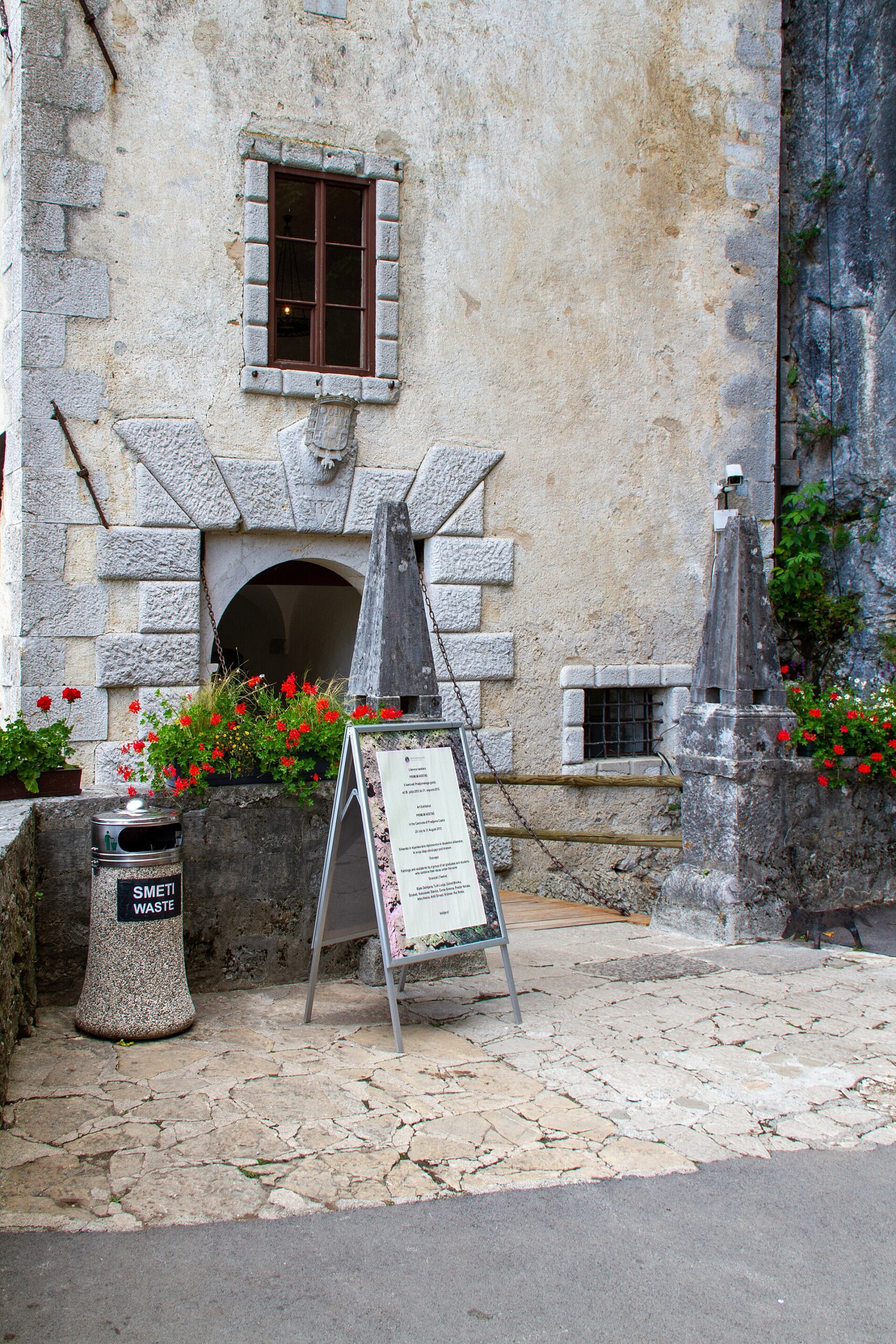

The meeting of masonry and rock is what gives that interpretation its physical force. A furnished room suggests domestic order; exposed stone reminds the visitor how conditional that order was. Defence and daily life occupied the same restricted setting. The fortress was a home, but hardly one designed around the modern expectation that a house should open generously onto its surroundings.

A second world beneath the walls
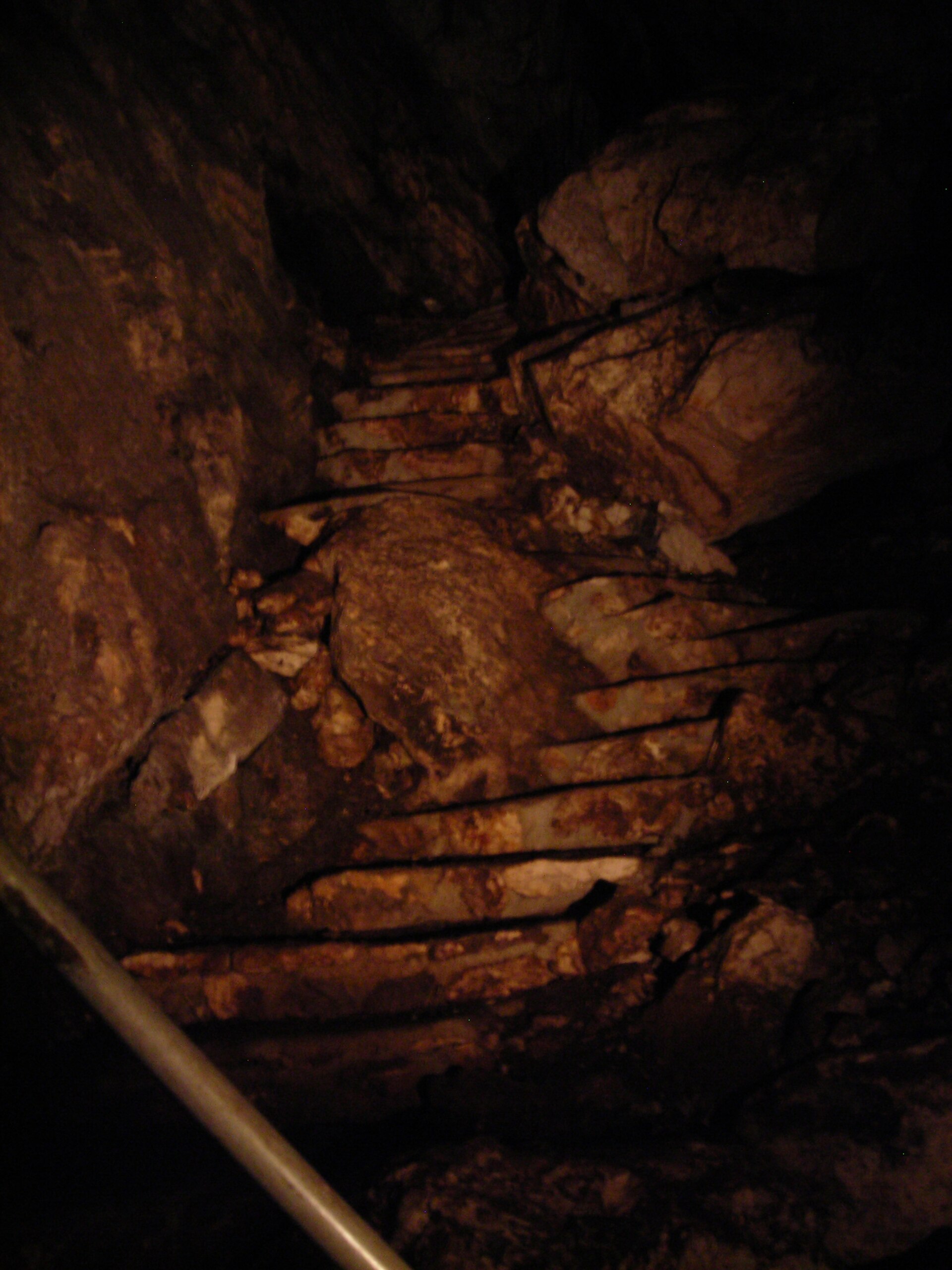
The separate Cave under Predjama Castle extends the story beyond the residence. The operator describes four levels and a tourist section of 700 metres, including the Stables, the Main Passage and the Cave of Names. Archaeological evidence reaches much further back than the castle: finds in the cavern indicate Stone Age occupation, while Roman remains have been found in the entrance section.
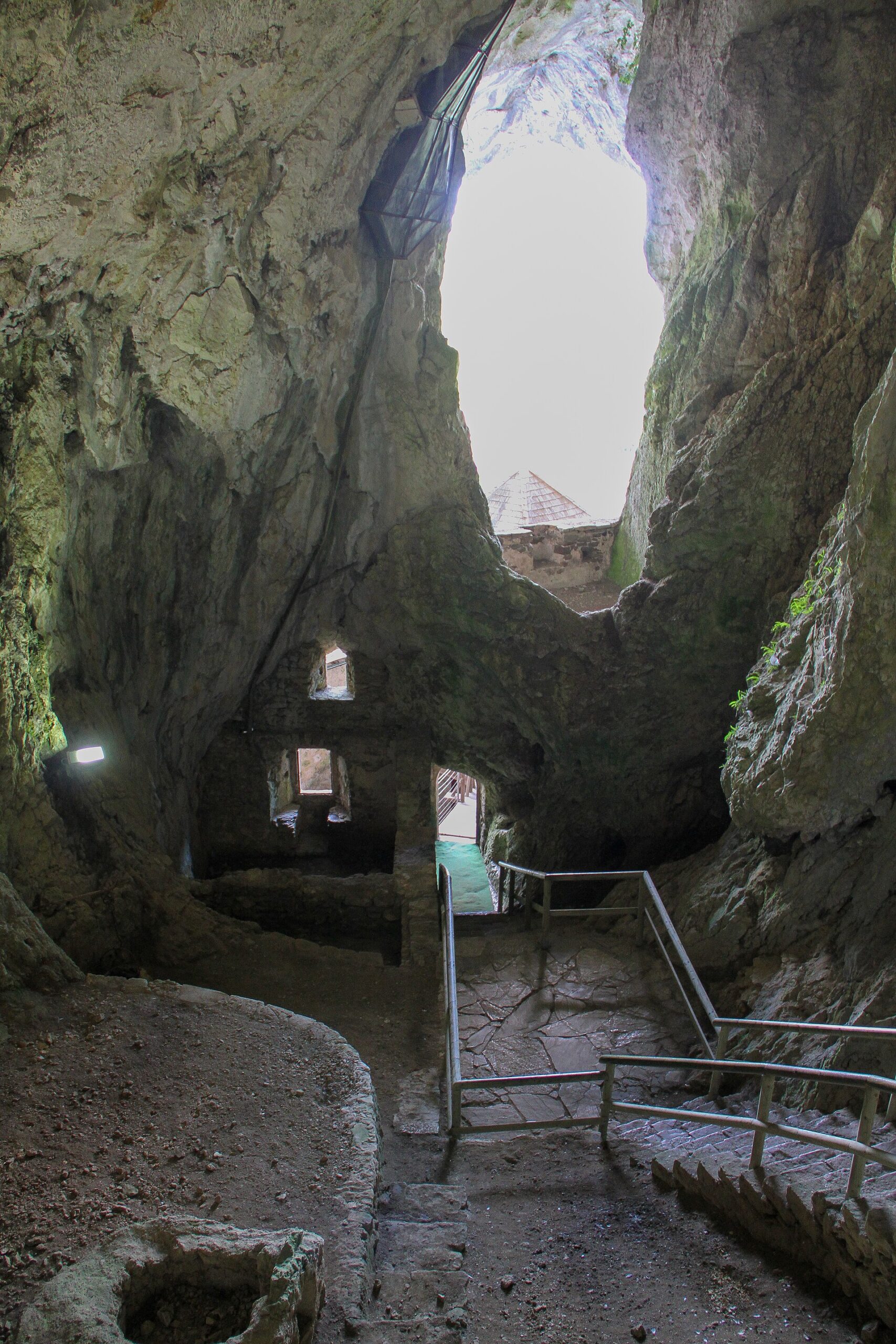

This is not an underground extension that remains available whenever the castle opens. The cave has a seasonal visiting programme and closes during the bats’ winter hibernation. Nor does it offer a brightly illuminated procession of chambers: visitors on the regular cave tour are supplied with torches. Castle rooms, the cavern connected with the fortress and the separately operated cave tour should not be confused when planning a visit.
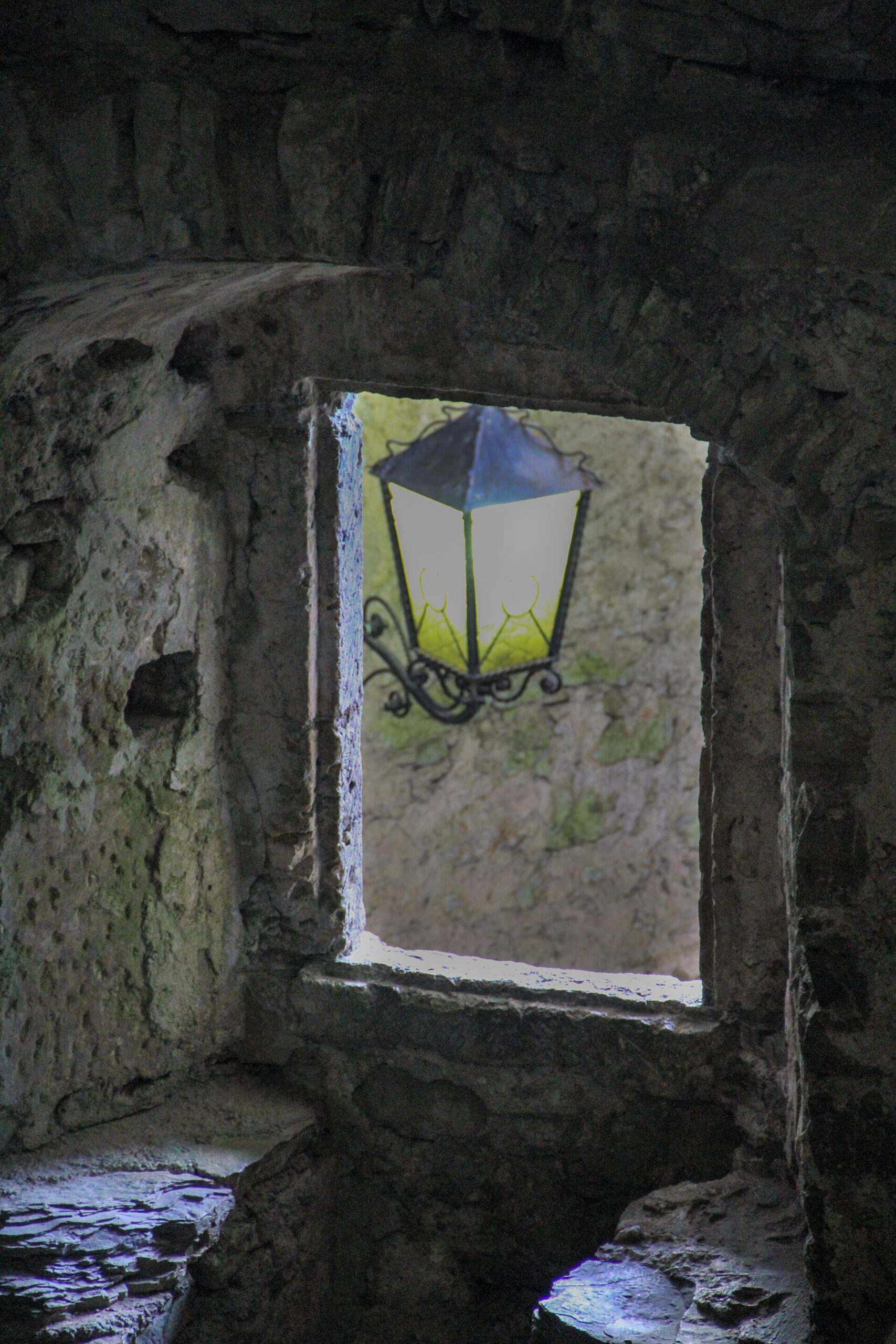

The landscape sets the terms
Predjama remains open year-round, but practical limits are part of the experience. The official tour information warns of numerous stairs and says the castle is unsuitable for visitors with mobility impairments or pushchairs. Its guided-tour app is included in admission. Transport also needs attention: the shuttle between Postojna Cave and Predjama operates seasonally, so it should not be assumed to run on a winter visit.

For a wider journey, our Slovenia road-trip feature puts the country’s changing landscapes in context. The local focus of Slovenia Unique Experiences offers another way to look beyond headline sights, while Sunrose 7 in Bohinj belongs to a different, Alpine chapter of the trip. Predjama’s contribution is more compressed: a single facade, a vast cliff and the unsettling knowledge that the building continues into the darkness behind it.