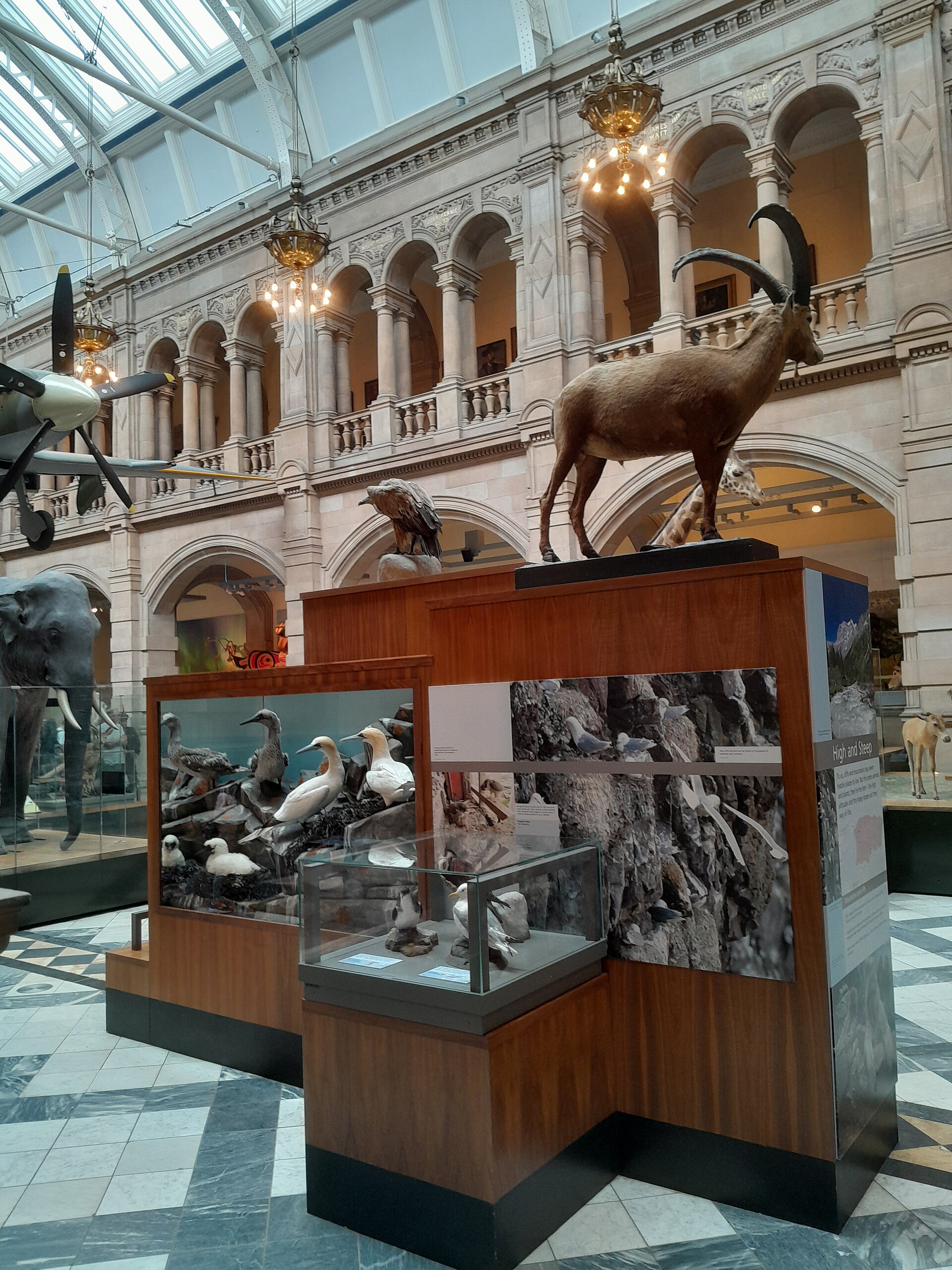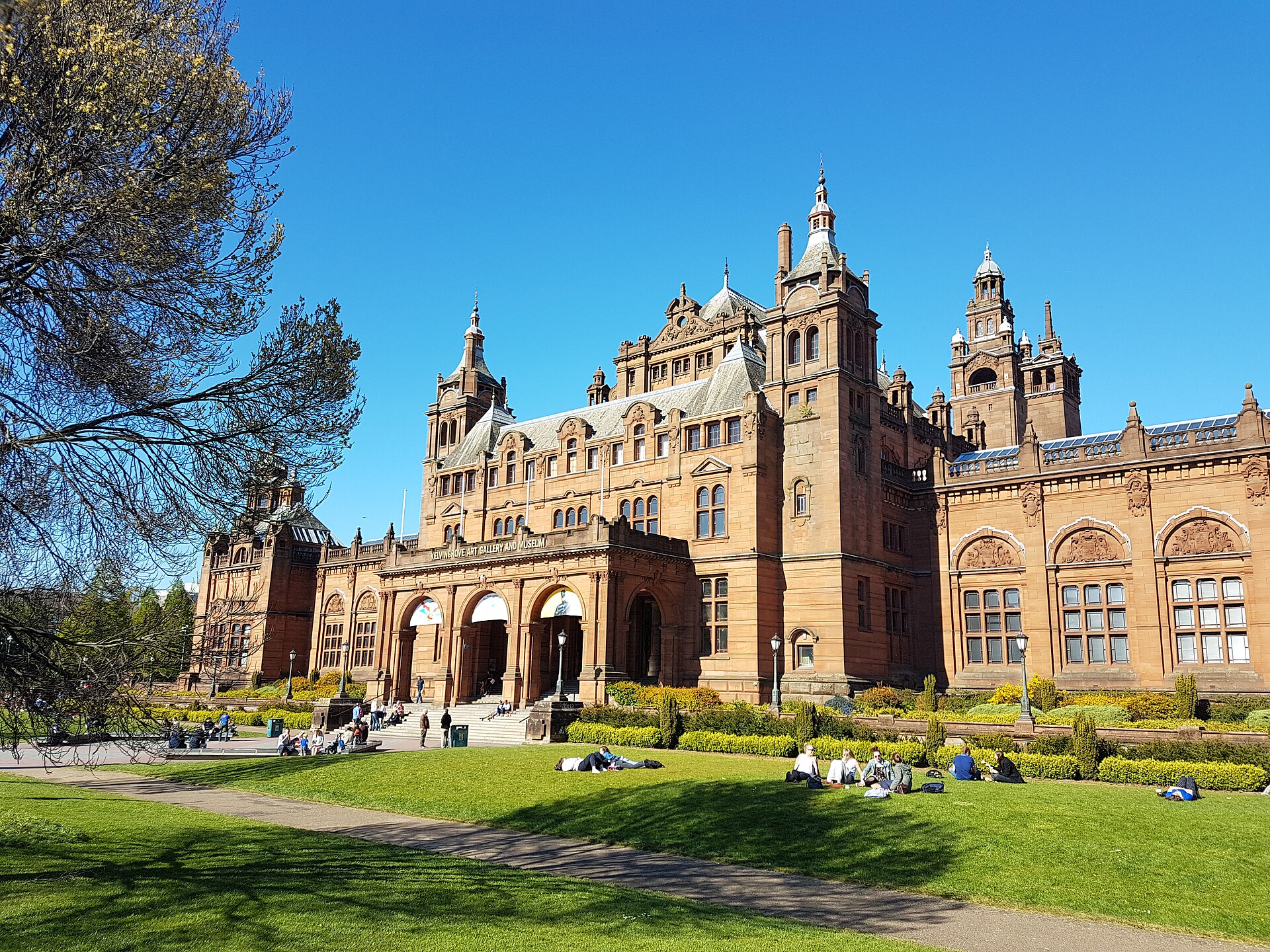
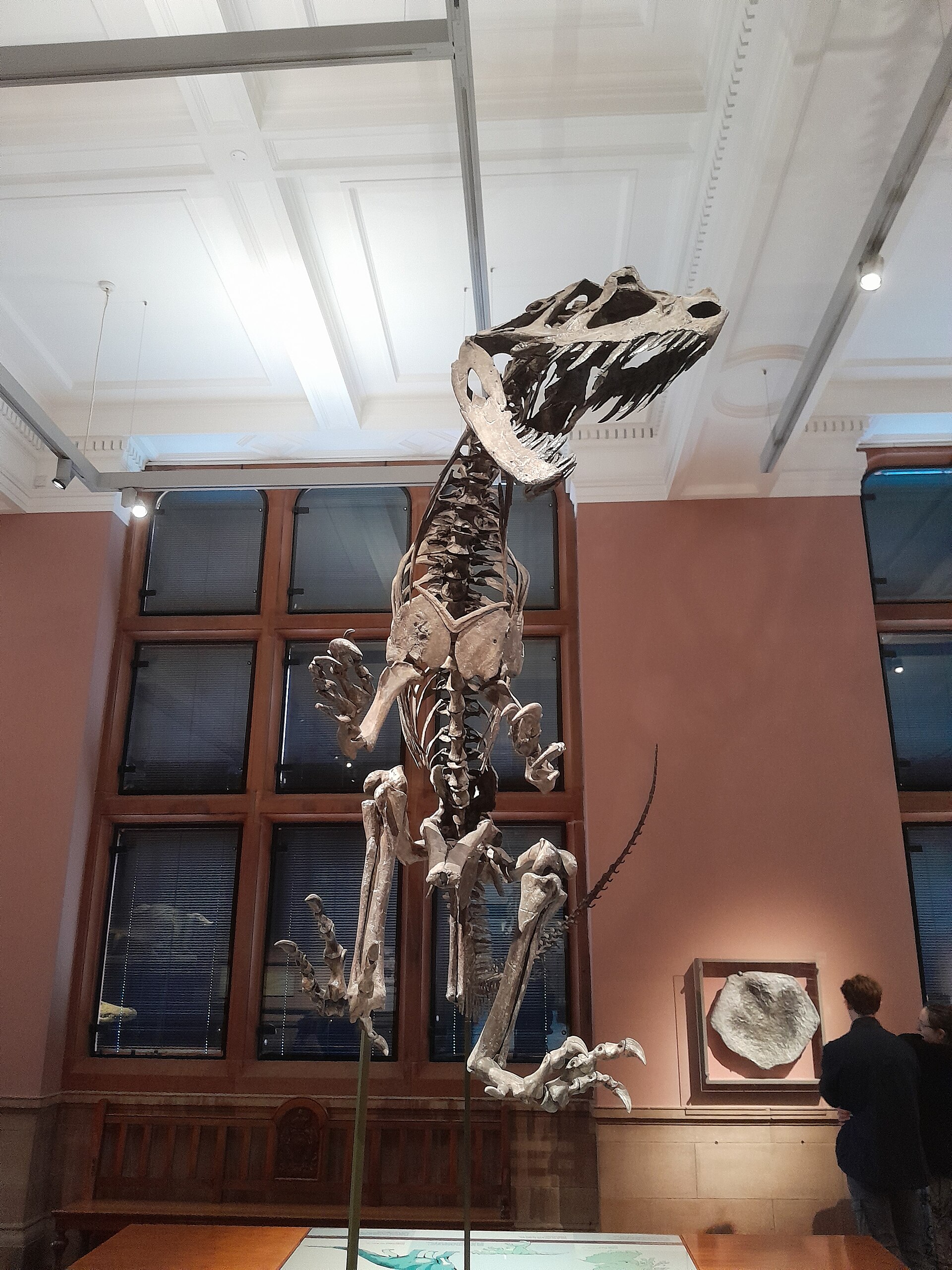
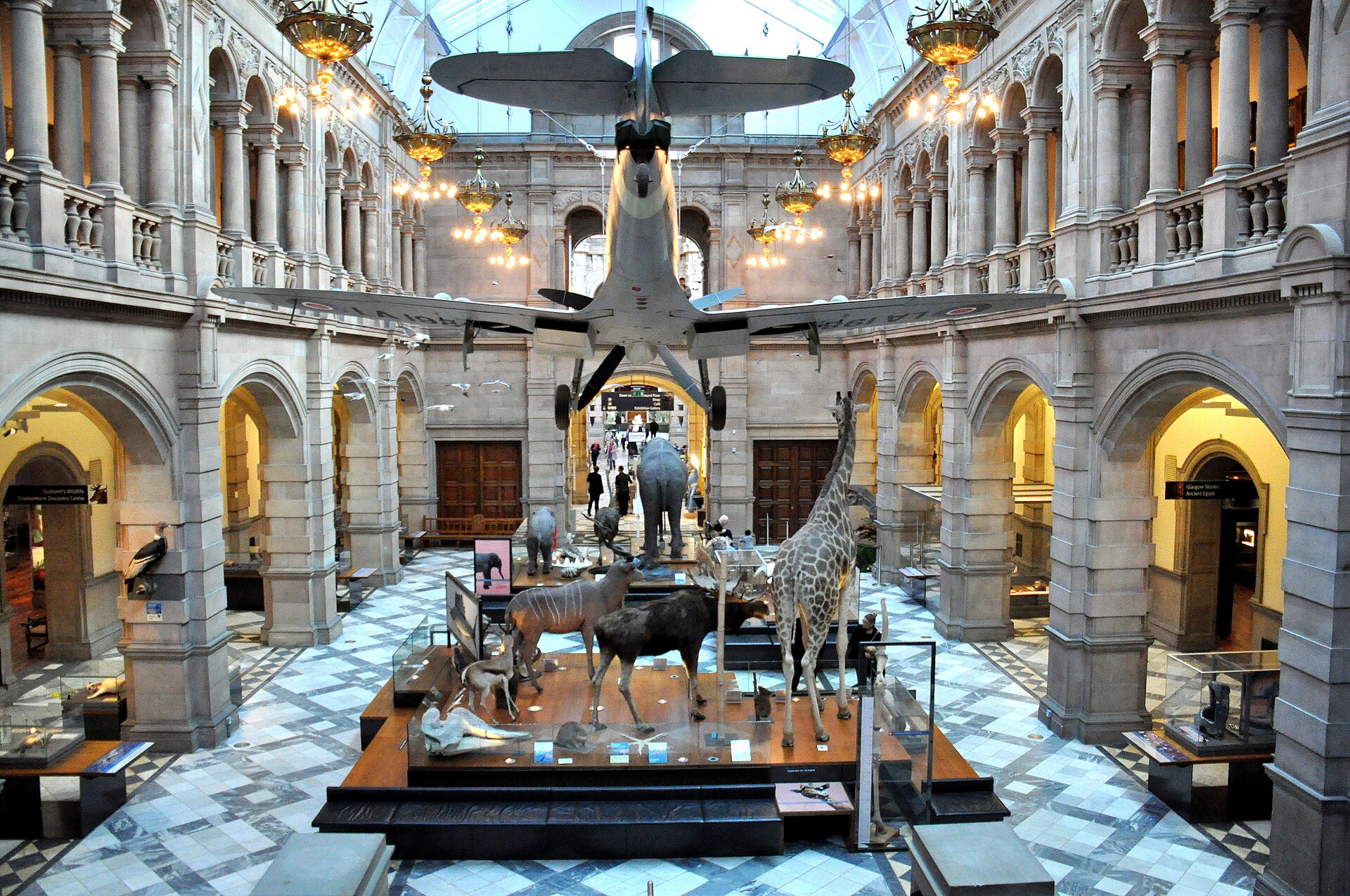
A Spitfire and a concert organ are unlikely companions for a collection of European painting. At Kelvingrove Art Gallery and Museum, the combination is the point. Glasgow’s red-sandstone landmark refuses the neat division between art museum and cabinet of curiosities, giving natural history, design and painting space in the same civic building. In its 125th year, it is also asking visitors to look again at the city that created it.

The anniversary is a useful reason to return, rather than simply tick off a familiar attraction. Glasgow Life’s 125-year programme recalls the opening on 2 May 1901 during the Glasgow International Exhibition. Today, the institution describes a display of 4,500 objects and 421 paintings across 22 galleries. Those figures are less important than the freedom they imply: this is a museum in which a visitor can arrive for one picture and leave thinking about something entirely different.
A civic palace with more than one story
Kelvingrove’s own history places its opening among the last major museum projects of the Victorian period. The following year, it became Glasgow’s civic art gallery and museum. The broad collection was never intended to speak only to specialists. Fine art sits alongside arms and armour, human history and the natural world, while the architecture gives the apparently disparate material a common home.
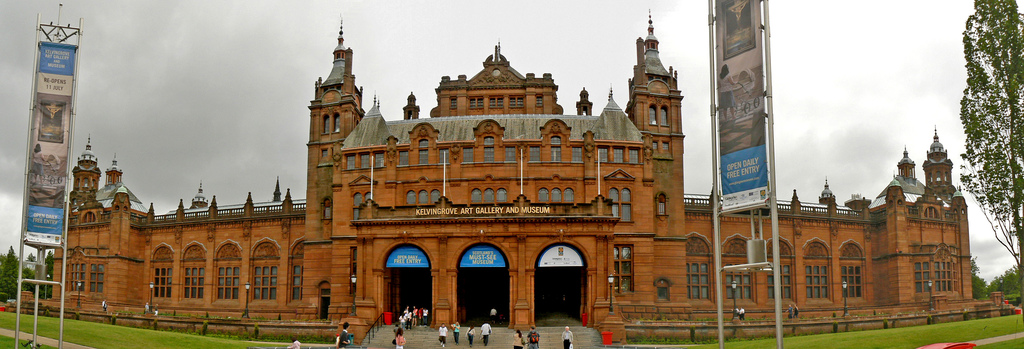

That breadth makes the building more than a rainy-day refuge. Its spaces allow different kinds of attention: the long view across a hall, the close examination of a painted surface, the pause beside an object whose purpose is not immediately obvious. A visit can follow curiosity rather than a fixed sequence. There is no need to turn the museum into a race between its best-known possessions.
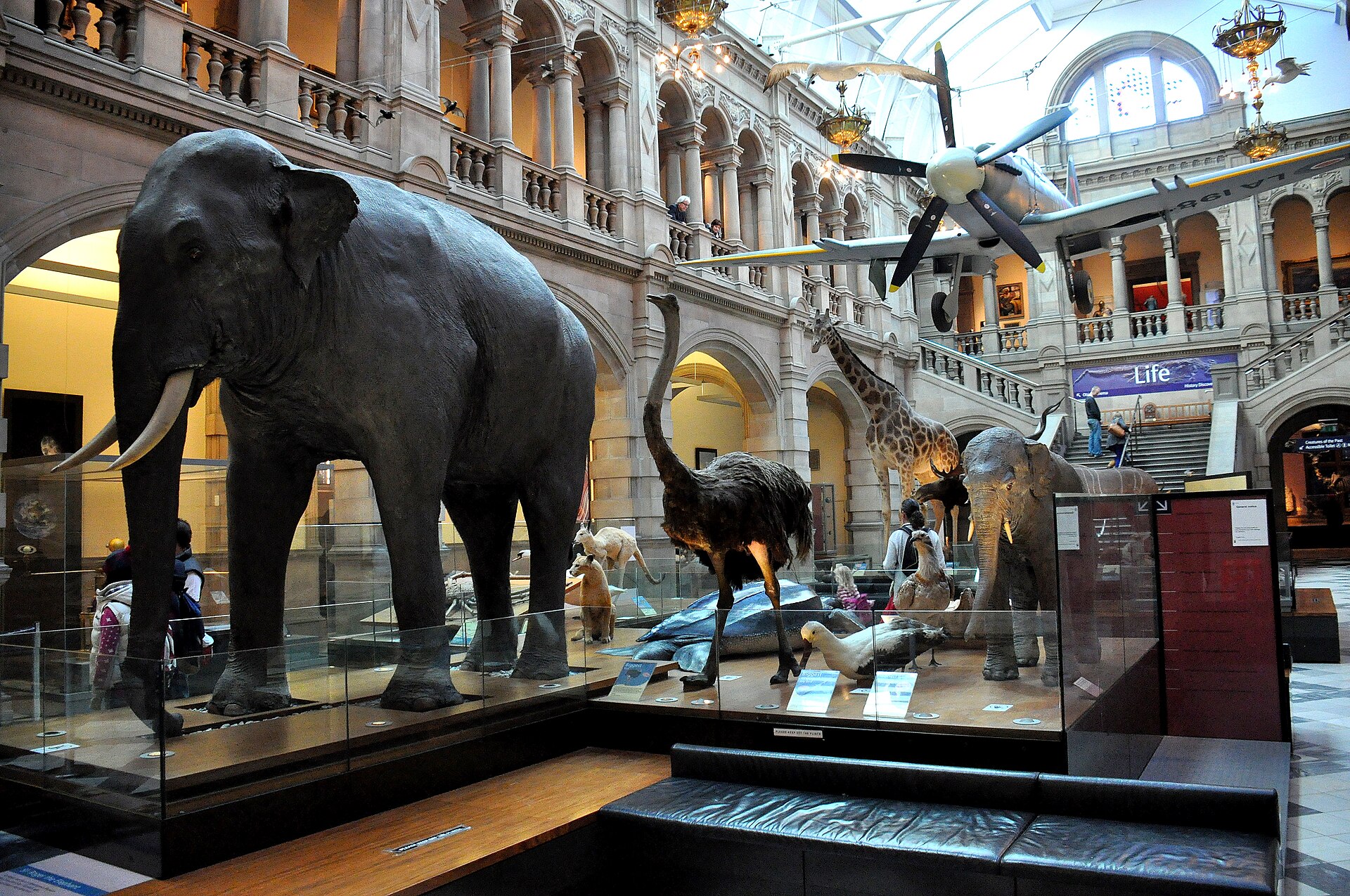

The painting collection has its own substantial history. The Contemporary Art Society traces an important part of it to Archibald McLellan’s bequest and notes work by Monet, Gauguin and Renoir, alongside Scottish Colourists and the Glasgow Boys. When the museum reopened in 2006 after a three-year restoration, the displays were organised around Life and Expression. The distinction provided a structure without stripping away the productive contrasts that make a general museum different from a single-subject gallery.
Dalí, given room to breathe
One of Kelvingrove’s most familiar works now has a different setting. Salvador Dalí’s Christ of St John of the Cross, purchased for Glasgow in 1952, has moved into a larger ground-floor gallery reached through Looking at Art. The museum’s account of the redisplay describes two approaches within the same space: quiet contemplation and digital interpretation of the artist’s ideas.

The digital sequence runs for four minutes, followed by four minutes of silence. That small curatorial decision offers an alternative to the endless movement of a screen. Visitors can watch the interpretation, then let the painting stand on its own. For an institution with so much competing for attention, the decision to make room for silence is telling.
Looking beyond the grand portrait
Elsewhere, a change in interpretation is less about the setting than about whose life is made visible. John Glassford and his Family, painted in 1767, includes an enslaved Black child behind the Glasgow tobacco merchant. Glasgow Life’s portrait redisplay puts that child at the centre of the story. Conservation in 2007 confirmed that accumulated dirt, rather than deliberate overpainting, had obscured his figure.

The difference matters. It replaces an easily repeated tale with evidence, while changing the question a visitor brings to the picture. Instead of looking only at the status of the merchant’s household, the display asks what can be known about someone whose life was barely recorded. Research and community consultation informed the new interpretation in the Glasgow Stories Gallery.
The wider Glasgow – City of Empire display, on the South Balcony, explores slavery, colonialism and their legacies through historic and contemporary objects. It was co-curated with Our Shared Cultural Heritage Changemakers. The museum is therefore not simply preserving the civic confidence of the exhibition age. It is examining the economic and political histories beneath that confidence, including the exhibitions connected with its own foundation.

The building still has a soundtrack
The Centre Hall has another way of interrupting a visit. Its historic Lewis & Co organ remains a working instrument, with free daily recitals. Glasgow Life links to the current programme rather than promising a single unchanging time. It is worth checking the schedule before arriving, particularly if hearing the organ is part of the reason for the journey.
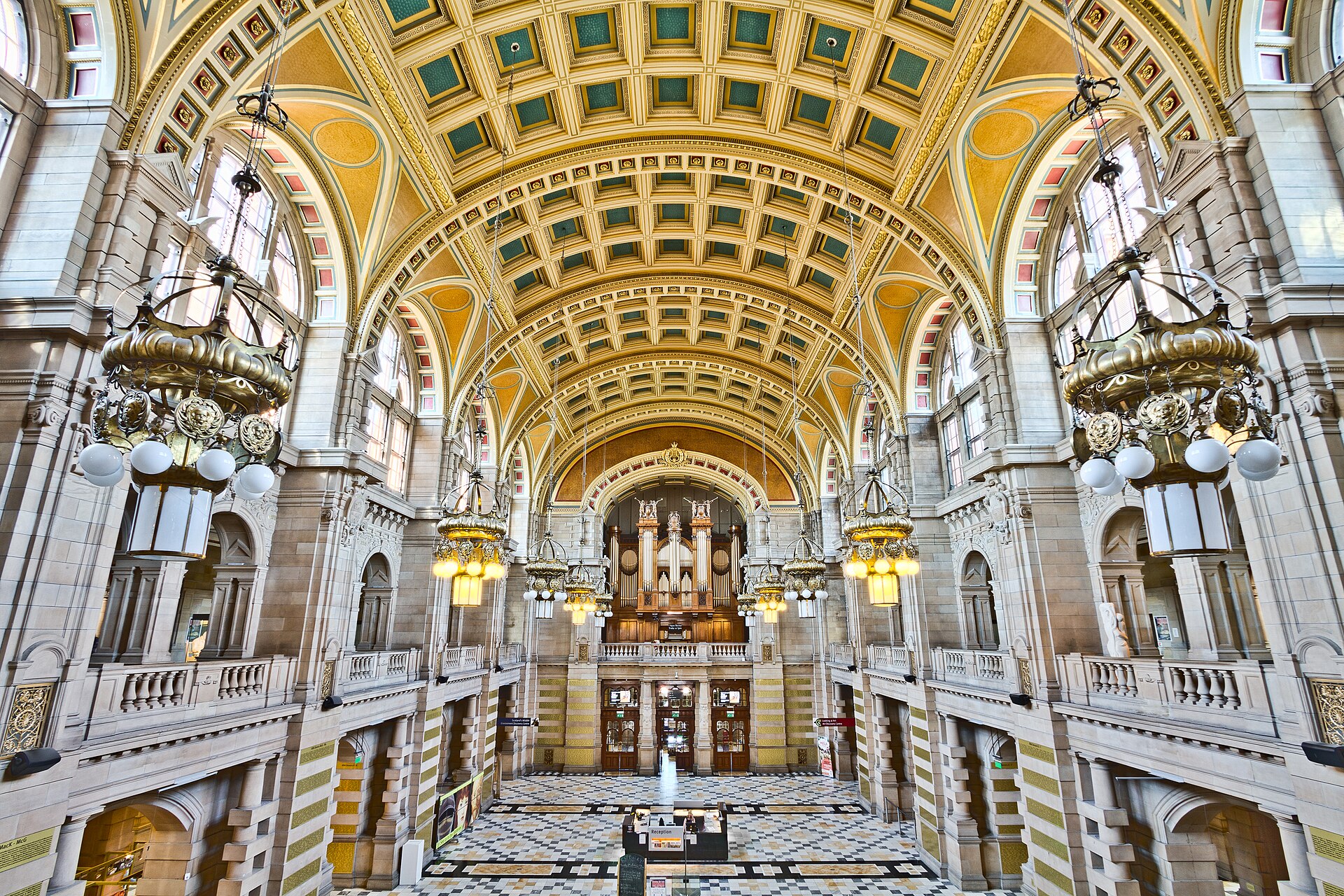

The music changes the role of the hall from a route between galleries to a place to stay. The museum credits the late Dr Jim Hunter, its honorary director of music, with developing the daily recital tradition after his work on the refurbishment appeal. In a building full of objects, the recital is an experience that cannot be reduced to a photograph.

An open museum during repairs
Kelvingrove is not being presented as an untouched period piece. Conservation and repair work that began in September 2025 includes stonework, roofs, windows and decorative details. Glasgow Life says the museum remains open, although scaffolding and reduced parking are part of the current picture. Its official visitor page is the place to check changes before setting out. Admission is free; Friday and Sunday opening currently begins later than on the other days.

For travellers building a longer Scottish journey, Glasgow offers an urban counterpoint to the landscapes in our Scotland road-trip feature. A separate Edinburgh stay might take the form of Fingal’s converted ship in Leith or the very different setting of The Witchery beside Edinburgh Castle. Kelvingrove supplies neither a hotel’s enclosure nor a road trip’s forward momentum. It offers the chance to remain in one building and discover how many versions of a city it can contain.