
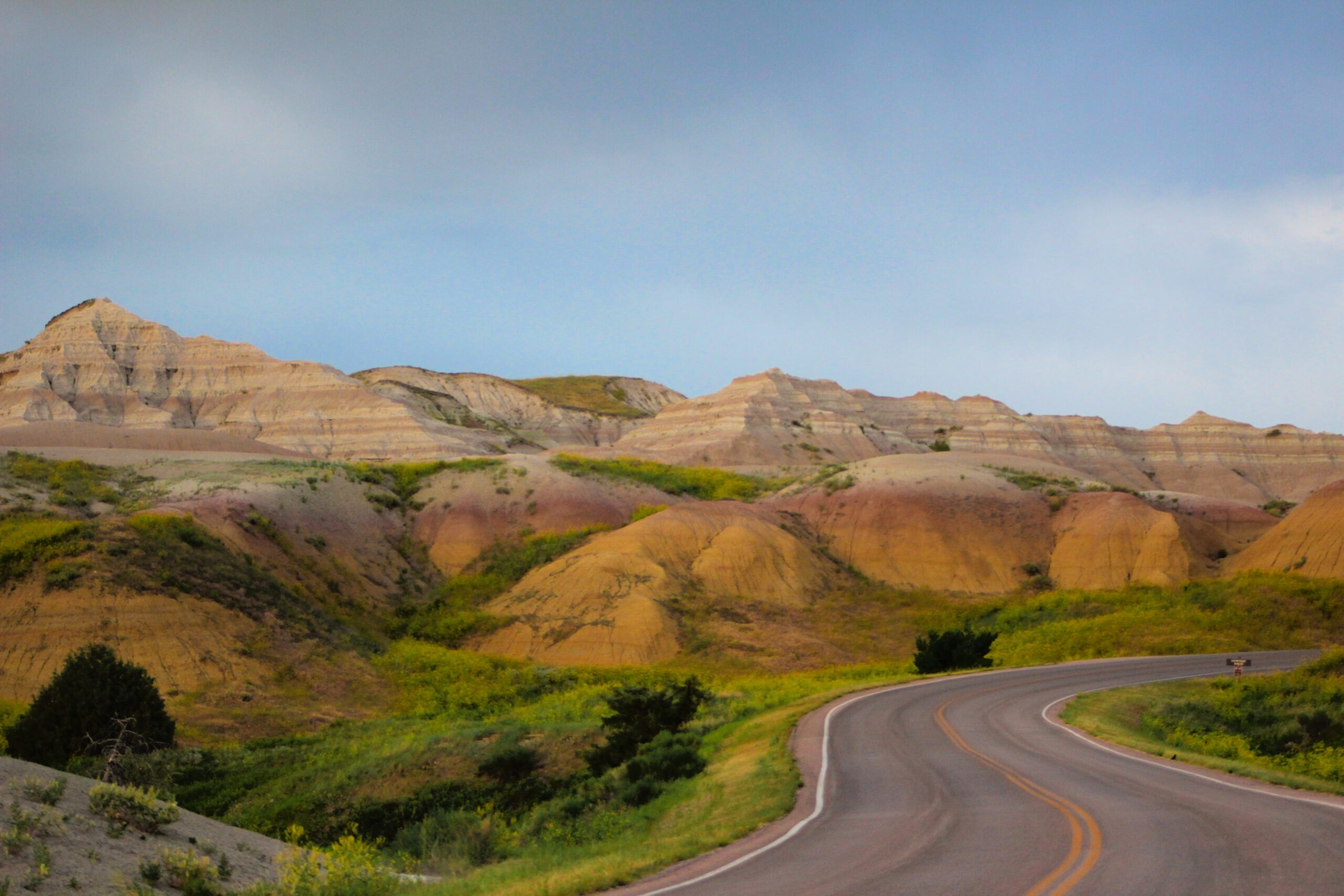
The first surprise in Badlands National Park is how abruptly the prairie gives way. Grassland meets a broken edge of pale ridges, gullies and sharply cut buttes, as though the ground has opened to reveal an older landscape beneath it. In this part of South Dakota, the horizon is not simply a distant line. It is an invitation to look down, across and into the layers.
Photographs tend to isolate the sculptural formations. The more interesting story is their relationship with the living prairie around them. Bison, prairie dogs and grasses occupy a landscape whose exposed rocks preserve evidence of radically different environments. Badlands is both an open-air record of vanished worlds and a place that continues to change.
A landscape made by subtraction
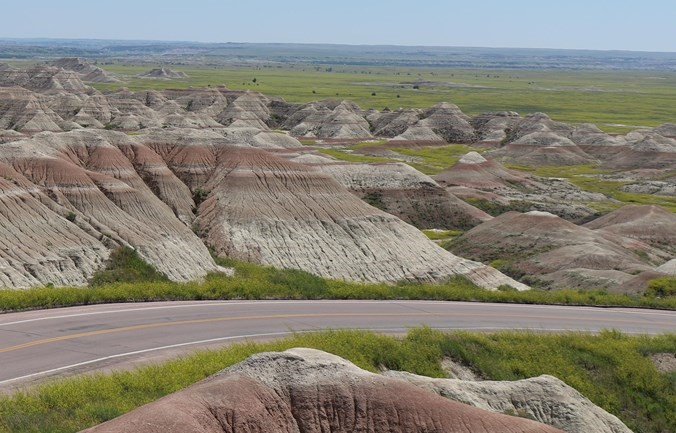
The National Park Service’s account of the formations describes two linked processes: sediment accumulated over millions of years, then erosion carved into the resulting layers. Seas, rivers and wind contributed material to the geological sequence. The jagged skyline is the comparatively recent expression of that much longer history.
This distinction changes the way a viewpoint reads. A ridge is not just an object with an attractive outline. It is a section through time. Bands of colour reveal different materials and conditions, while gullies show where water has continued the work of removing them. Even the apparently solid scene is temporary.
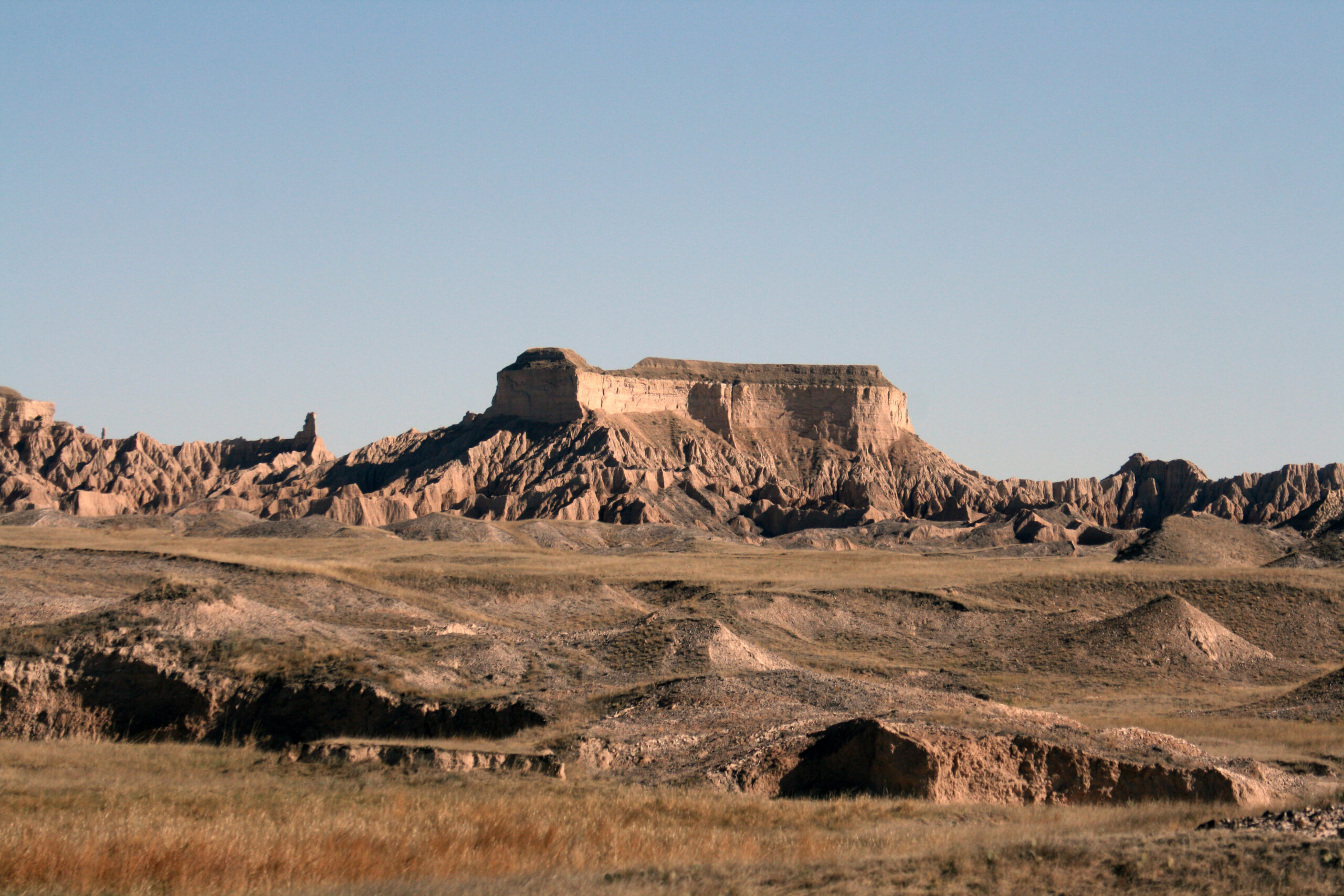
Other American parks make different chapters of this story visible. The stone trees of Petrified Forest National Park place ancient life at the centre of the experience. Here, the wider arrangement of rock, grass and exposed ground makes the landscape itself the main exhibit.
The road as a changing perspective
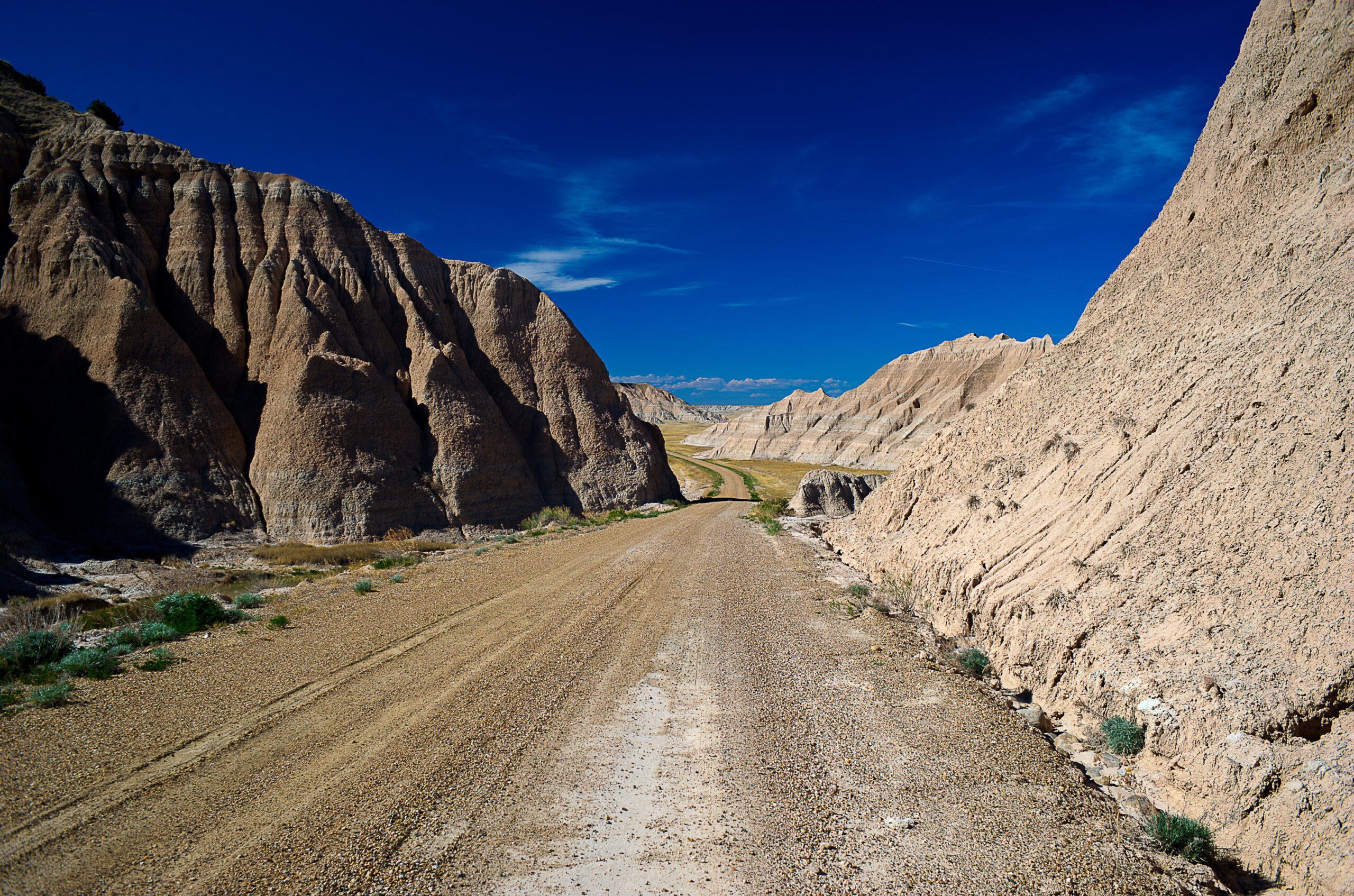
The paved Badlands Loop Road, Highway 240, brings that exhibit into view without requiring a long expedition. The park’s scenic-driving information distinguishes it from the gravel Sage Creek Rim Road. Both offer access to the landscape, but they are not interchangeable: surface conditions, weather and the kind of journey a visitor wants matter.
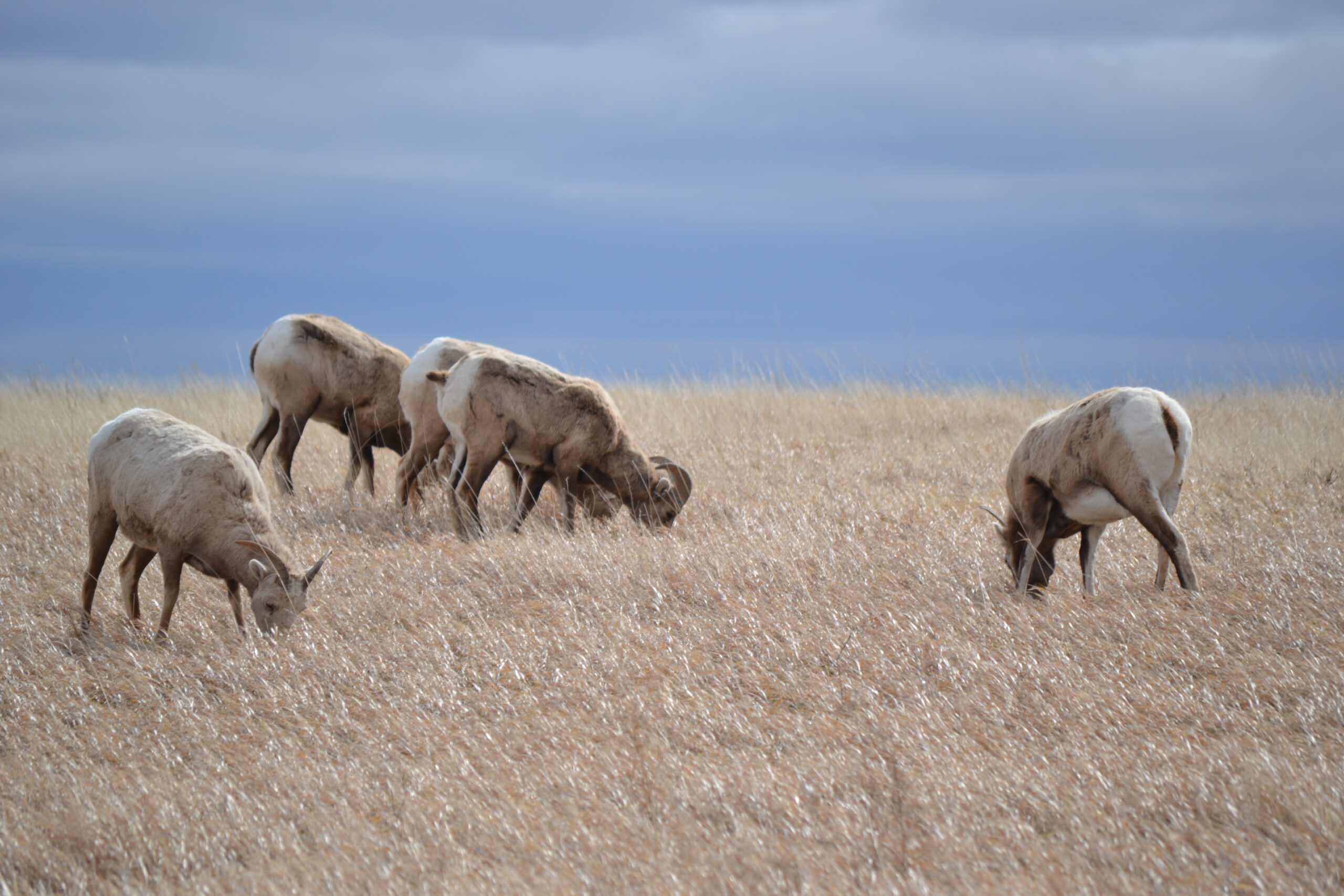
On the main loop, the value of stopping is not simply to collect another panorama. Moving from the car to an overlook changes the scale. The eye can follow a narrow channel, the abrupt edge of a grassy table or a sequence of ridges that appeared flat through the windscreen. A slower journey makes these differences legible.
For travellers drawn to sculpted western landscapes, the hoodoos of Bryce Canyon offer a useful comparison rather than a substitute. The Badlands’ meeting of prairie and exposed formations gives it a character of its own.
The prairie is not empty
According to the park’s wildlife-viewing information, Sage Creek Rim Road is a place to look for bison, while prairie dog towns occur at several roadside locations. These are opportunities, not appointments. Animals move, and a rewarding encounter depends as much on patience and distance as on choosing a location.
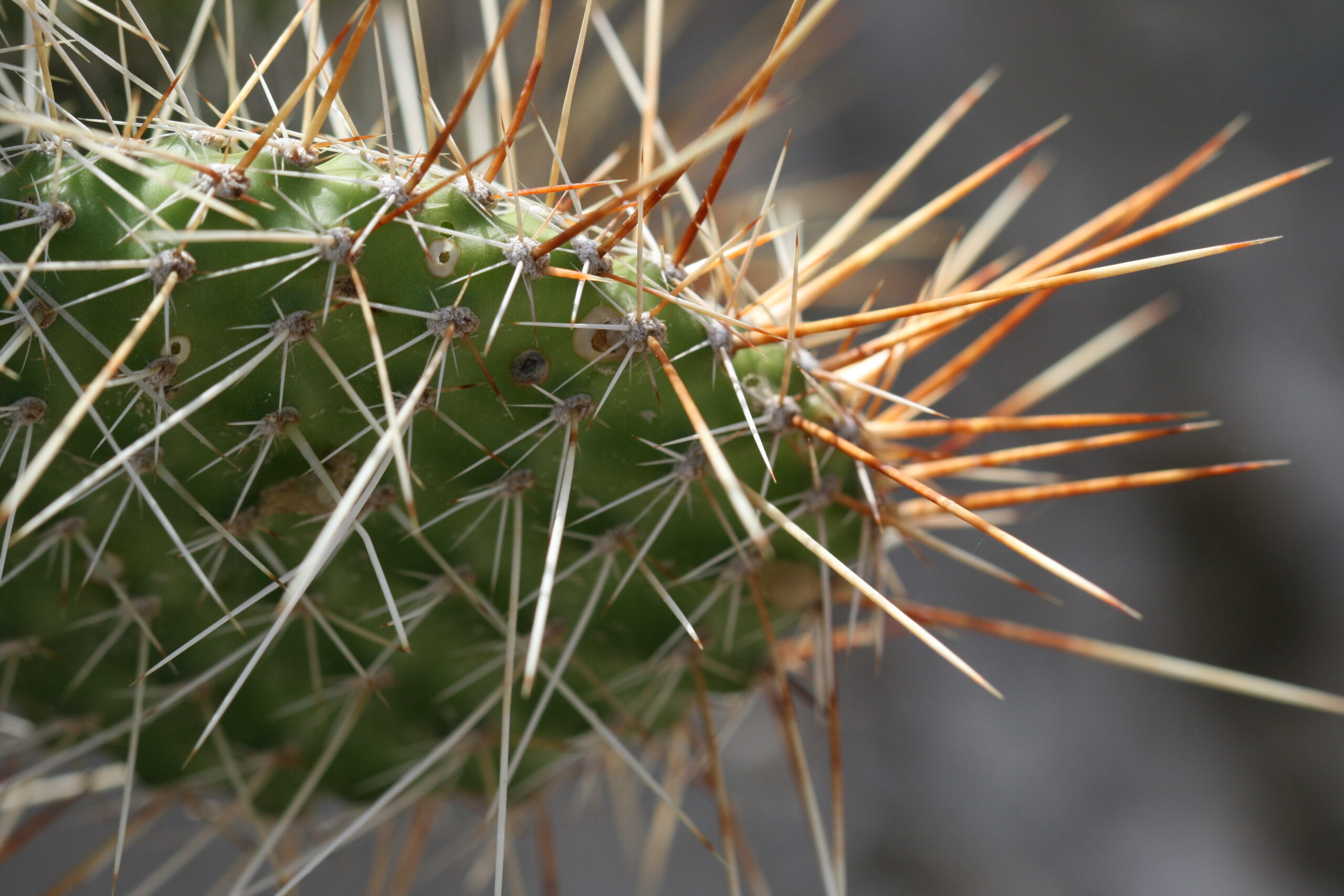
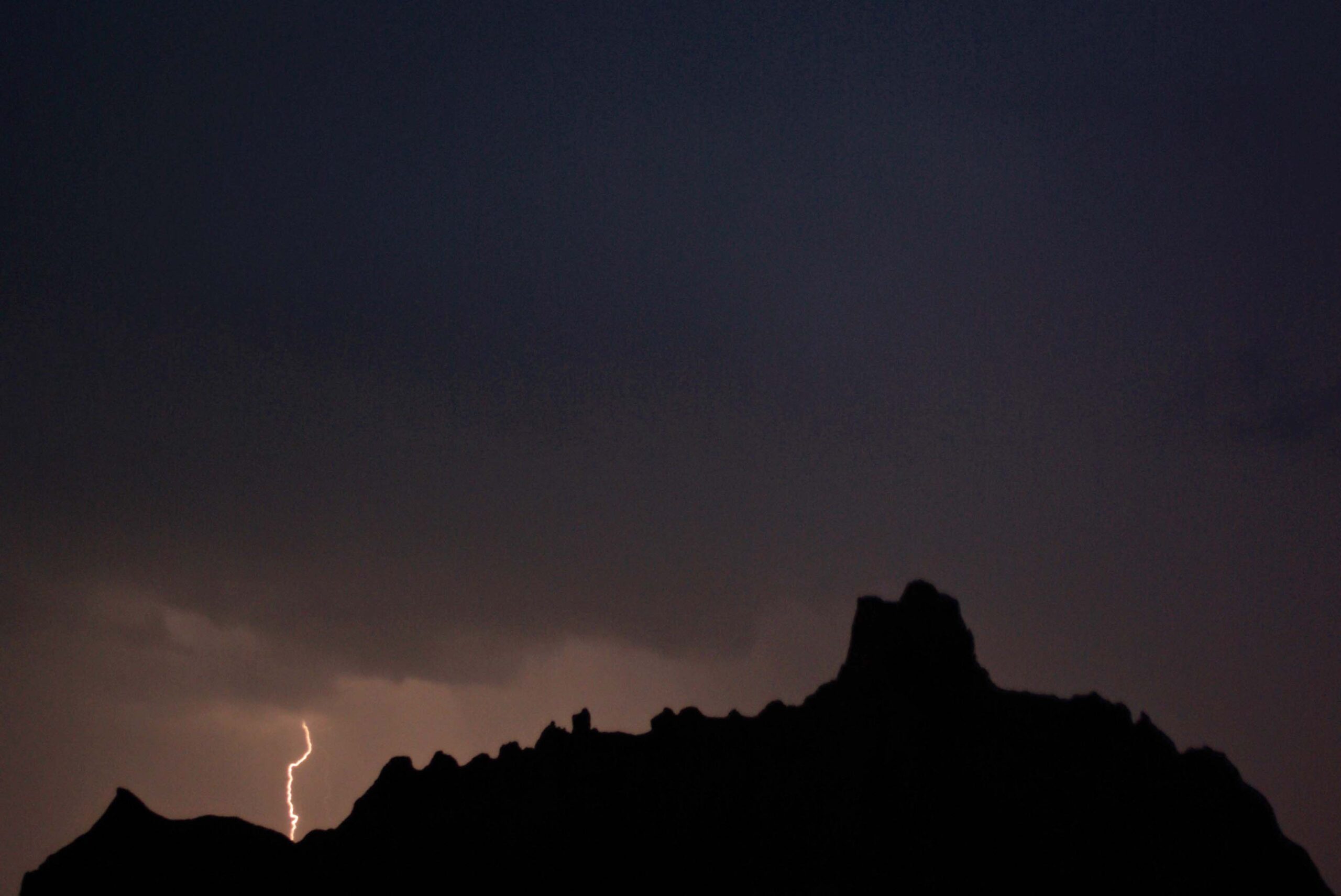
That distance is part of the experience, not an obstacle to it. The park’s safety guidance stresses that wildlife can be dangerous and that weather can change rapidly. Visitors should follow current ranger advice and posted distances, avoid approaching animals for photographs and never mistake an apparently quiet scene for a controlled one.
Reading the ground carefully
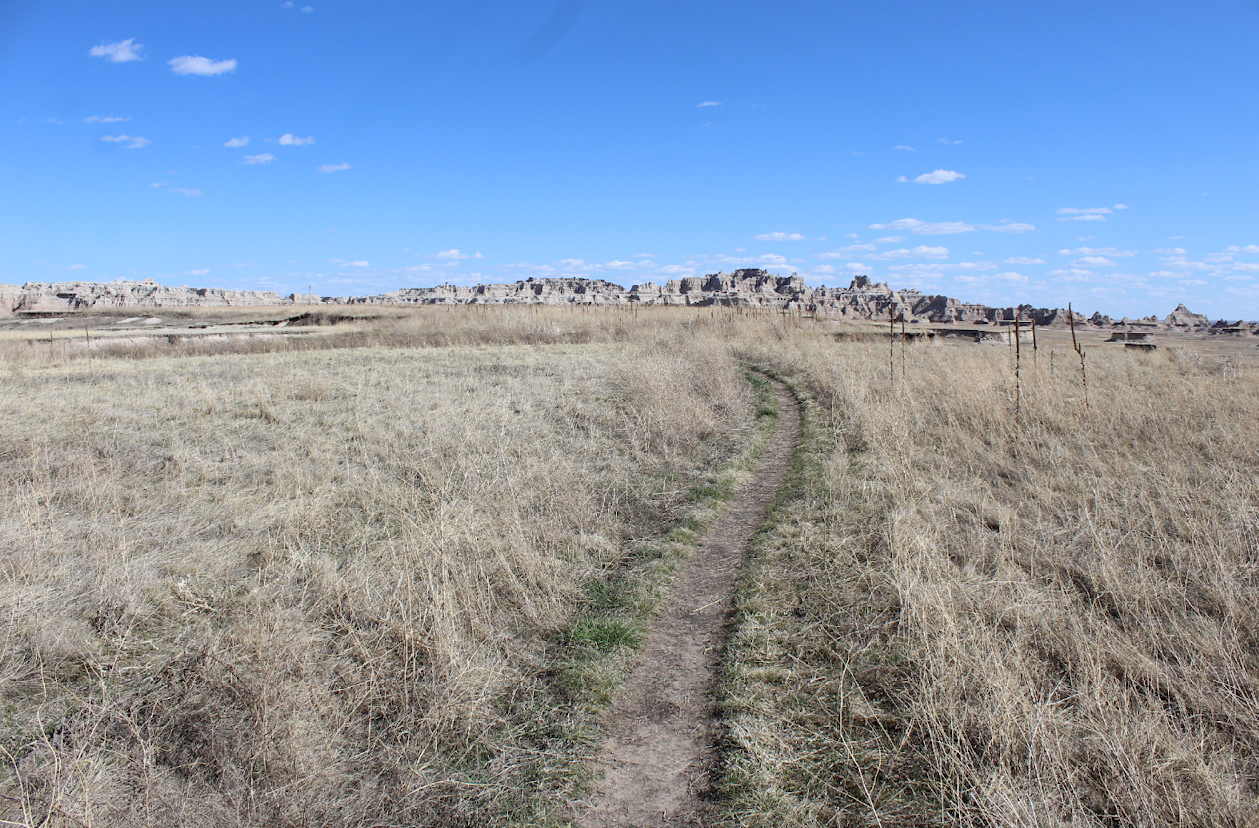
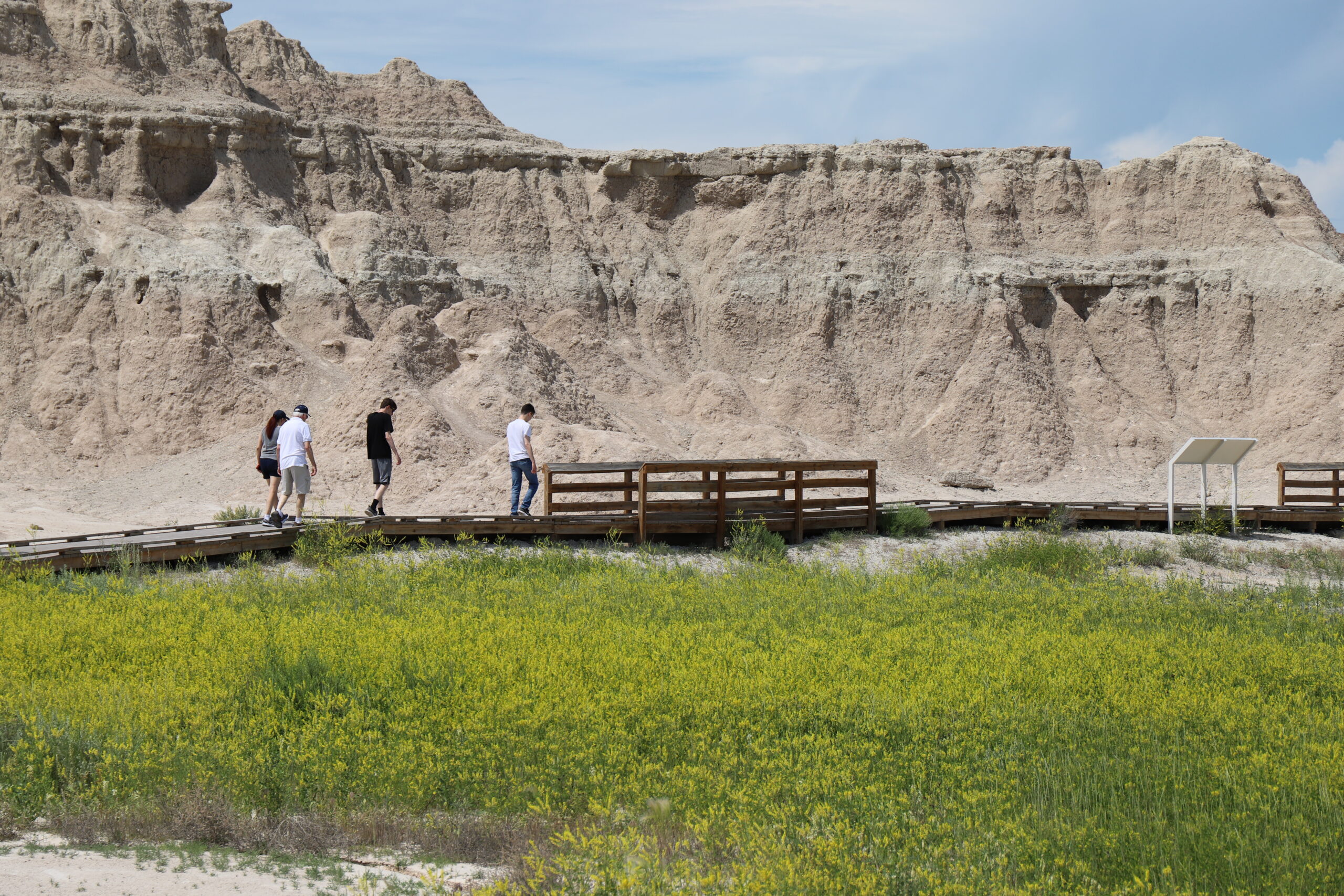
The accessible boardwalk of the Fossil Exhibit Trail introduces extinct creatures through replicas and interpretation. The current trail information also makes clear that short walks vary considerably in difficulty. A steep climb and a boardwalk can occupy the same compact area without offering the same experience.
Fossils, rocks and other park resources must remain where they are found. Understanding that boundary turns curiosity into care: the point is to read the landscape, not to take a piece of its evidence home. The same attention belongs to footwear, water and an honest assessment of conditions.
The park’s basic visitor information describes year-round access subject to weather closures. Seasonal planning therefore matters more than an image of perpetual sunshine. Like the shifting dunes of White Sands, the Badlands rewards visitors who accept that the place is more than a fixed picture. Its lasting impression is a contradiction: a landscape that looks ancient and enduring, yet is visibly being remade.
No claim to original U.S. Government works.