
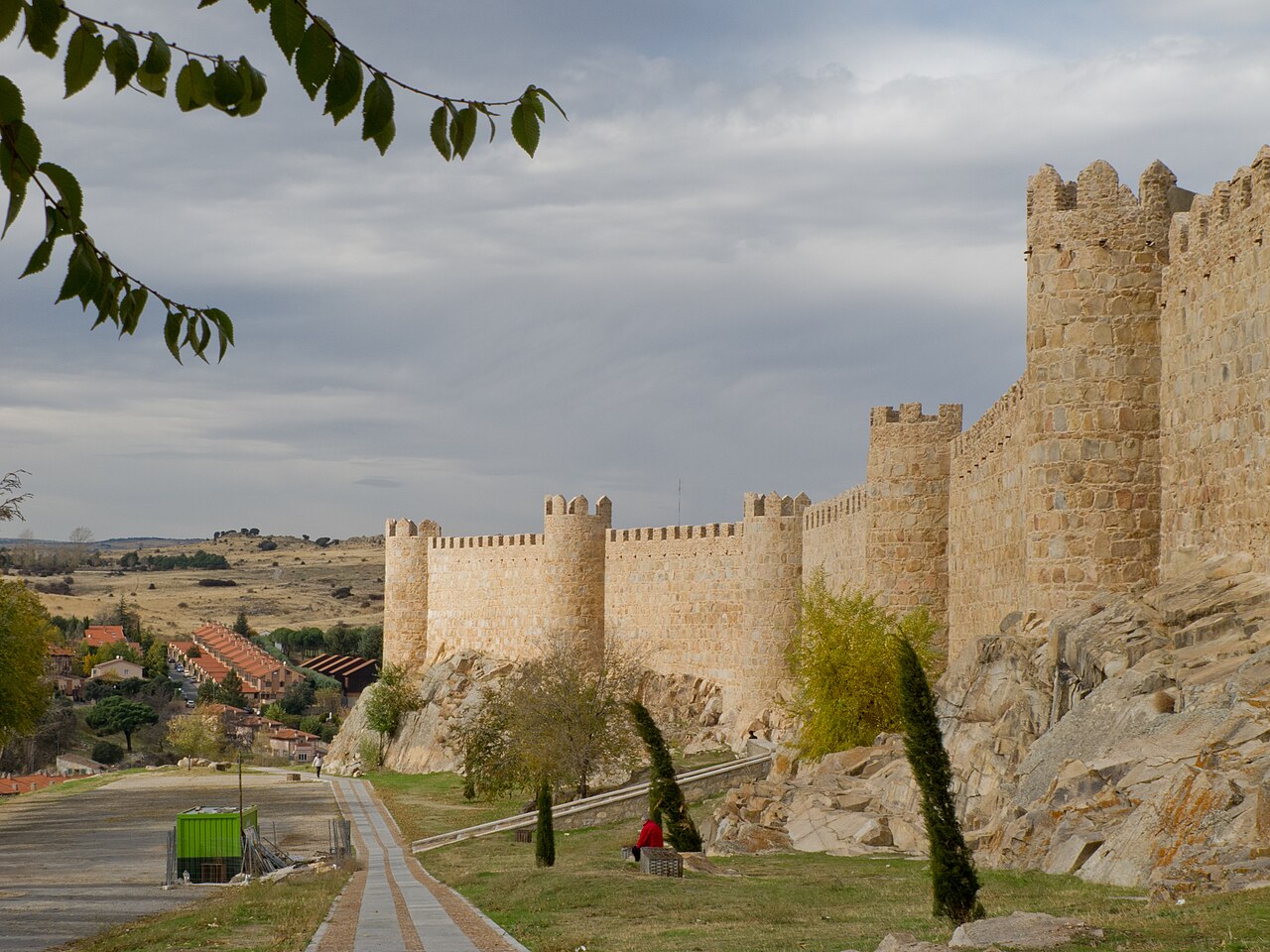
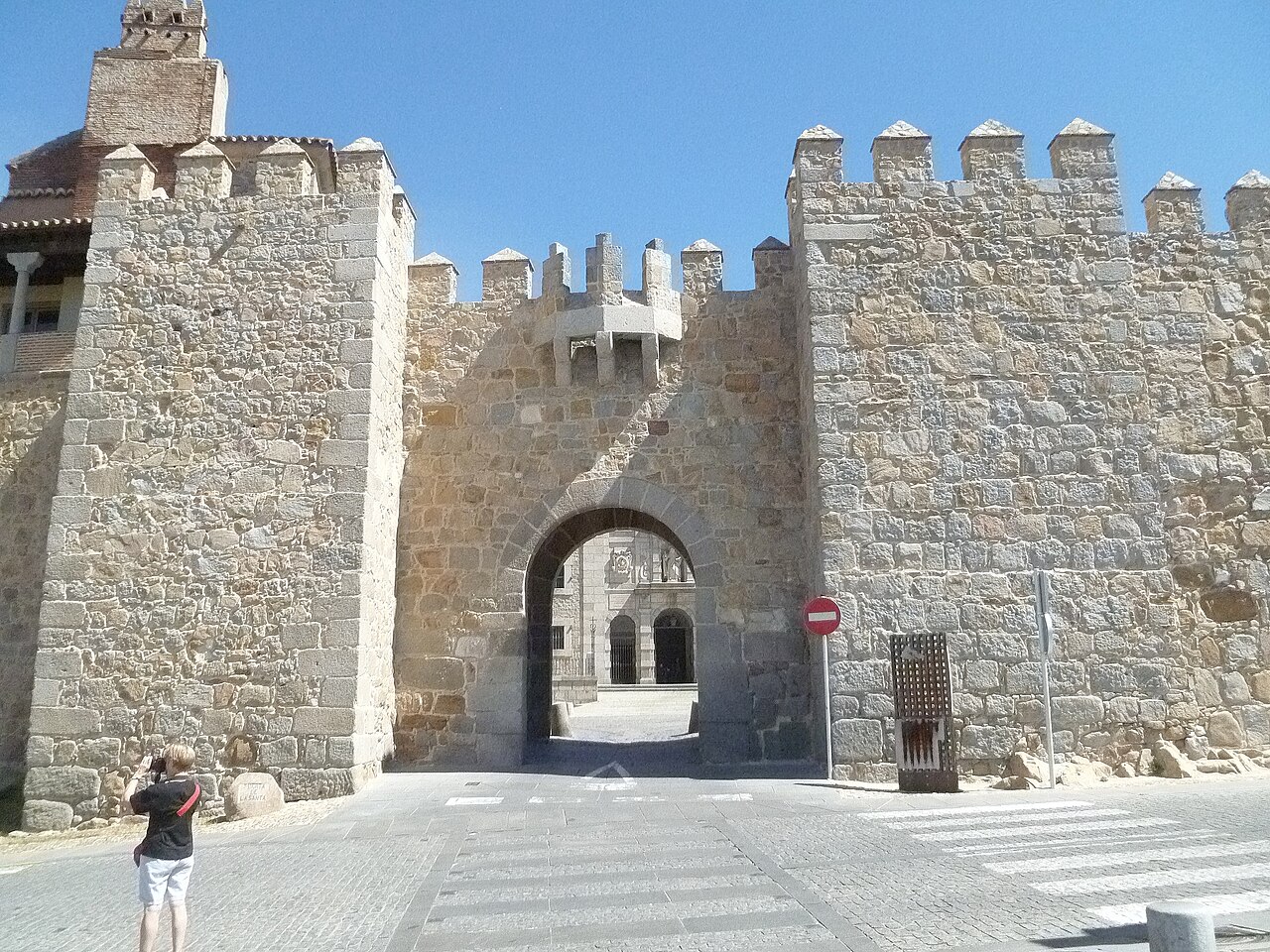
Ávila’s walls do not merely frame the old town. They decide how it is seen. Across the open ground outside the city, towers rise at intervals along a granite boundary that still makes the distinction between inside and outside unusually clear. Behind it are streets, homes and churches, not an abandoned fortress. The medieval silhouette belongs to a functioning Spanish city.

That survival is more remarkable than the familiar postcard suggests. According to Ávila’s municipal tourism authority, proposals to remove the walls circulated in the nineteenth century, when fortifications elsewhere were being sacrificed to urban expansion. Municipal resistance and the expense of demolition helped keep them standing. What could once be dismissed as an obstruction now gives the city its most recognisable form.
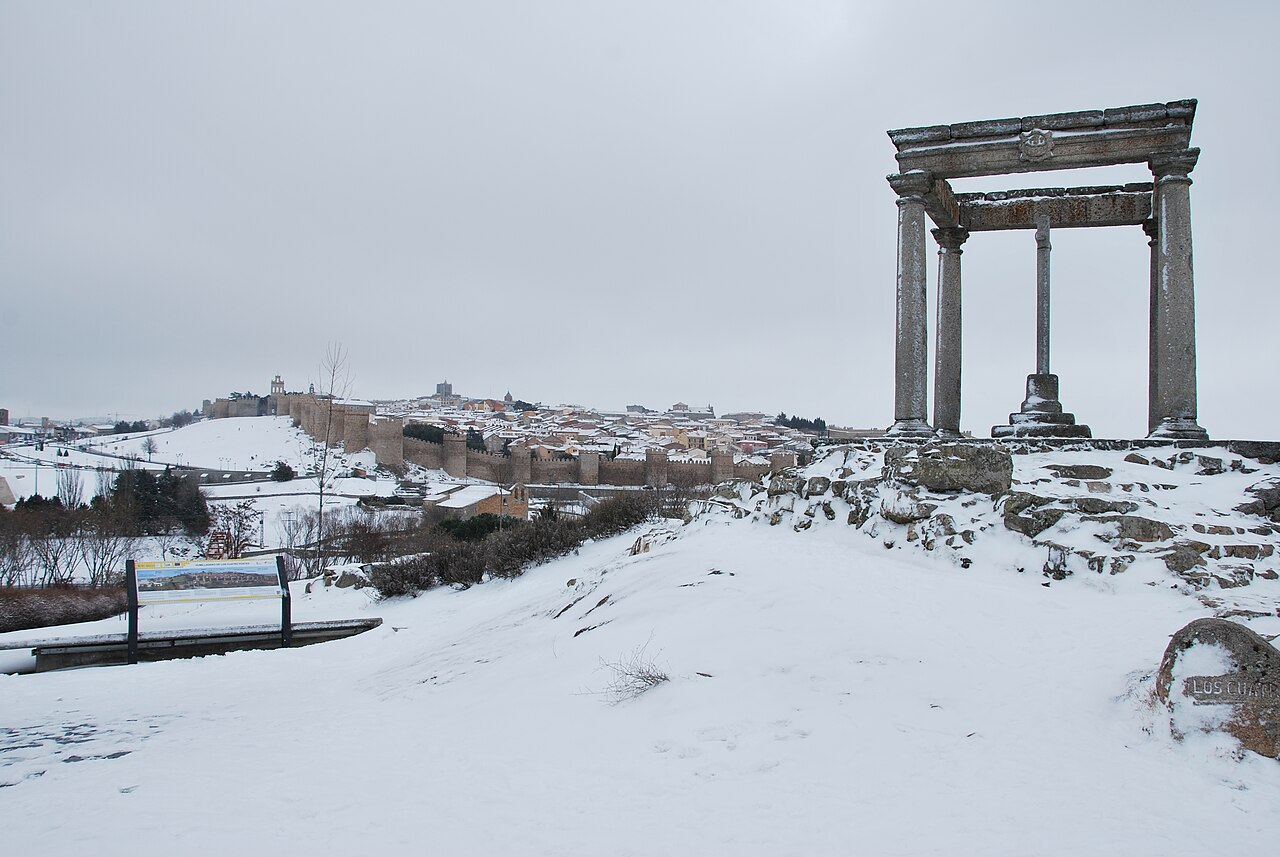

A boundary assembled over centuries
The temptation is to assign the entire circuit a single birthday. The evidence resists it. The city’s official interpretation of the walls acknowledges disagreement over their chronology, with traditions pointing to the late eleventh century and other scholarship placing much of the work in the twelfth and early thirteenth centuries. Earlier remains and reused stones complicate the picture further. This is a monument accumulated through construction, repair and adaptation, rather than a structure completed in one immaculate campaign.
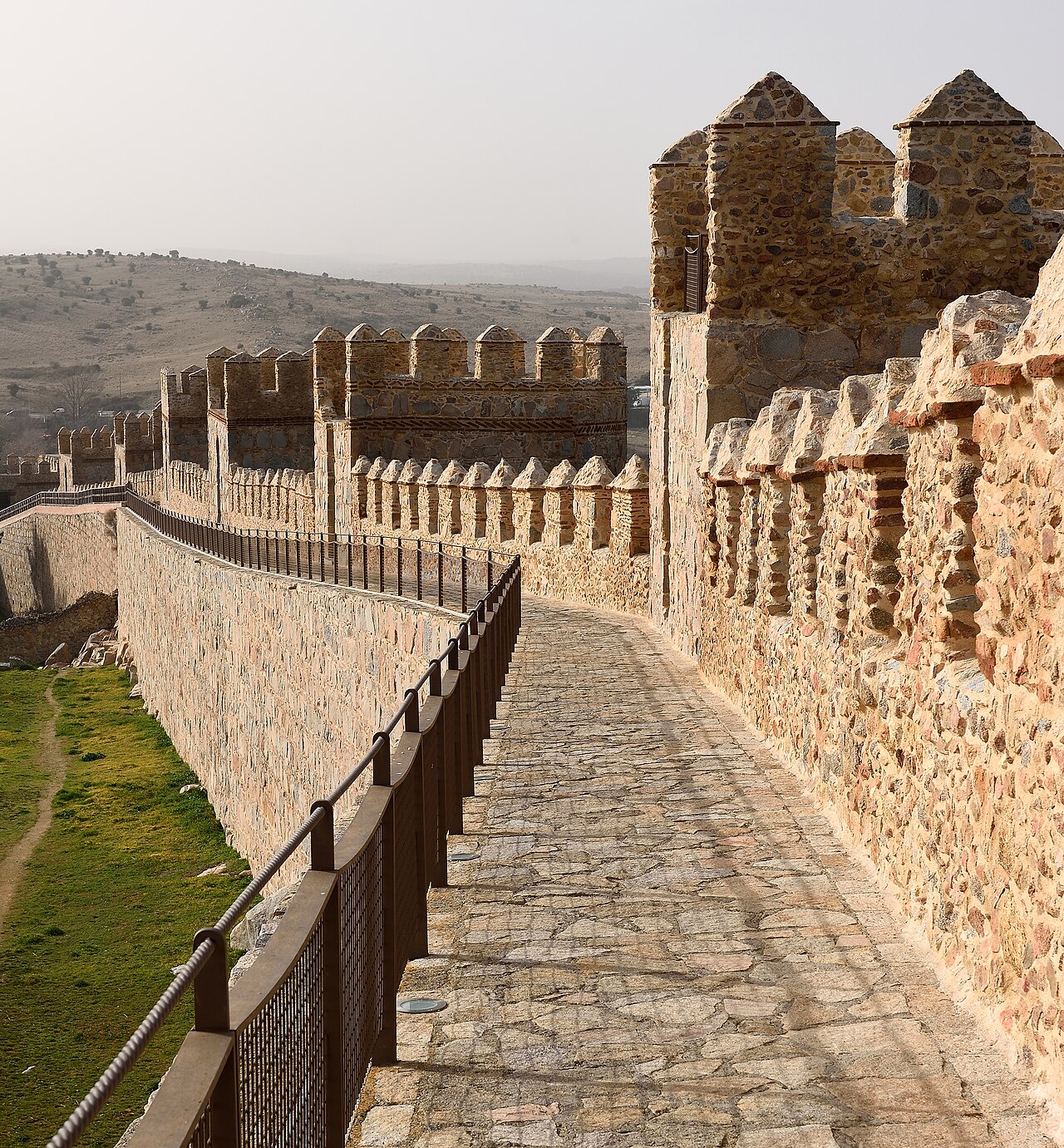

The result runs for roughly two and a half kilometres. Its apparently regular rhythm changes with the terrain. On the eastern side, where natural defences offered less protection, the architecture becomes particularly forceful. Elsewhere, the land contributes to the work of the masonry. Seen as a whole, the enclosure is less a decorative ring than a sustained negotiation between topography and military necessity.
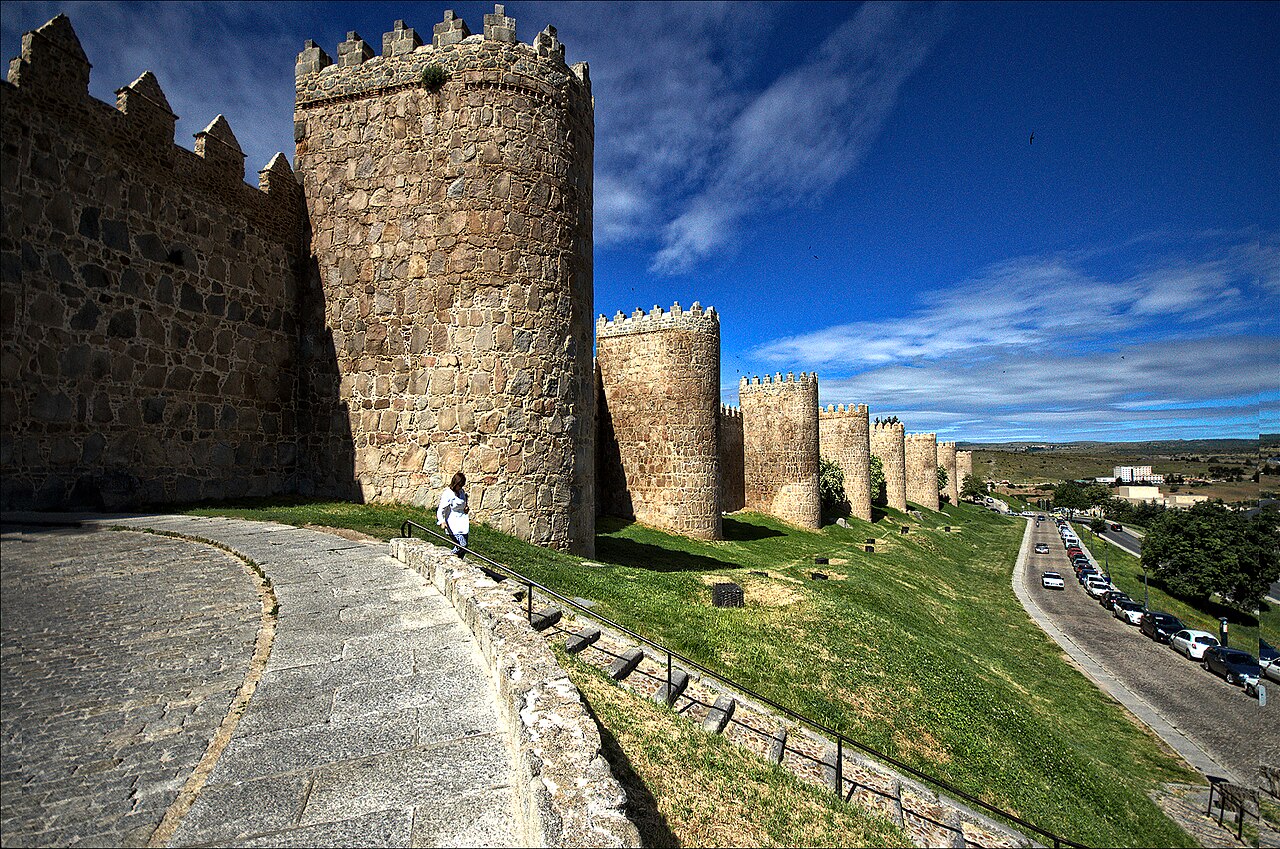

Ávila’s rise belongs to the medieval consolidation of Castile following Alfonso VI’s capture of Toledo in 1085. UNESCO’s account of the World Heritage property places it alongside Segovia and Salamanca within that strategic repopulation programme. Nearby Segovia’s old town tells a different architectural story, dominated by its Roman aqueduct and elevated Alcázar; Ávila makes the enclosing boundary itself the central character.

Where a cathedral becomes a strongpoint
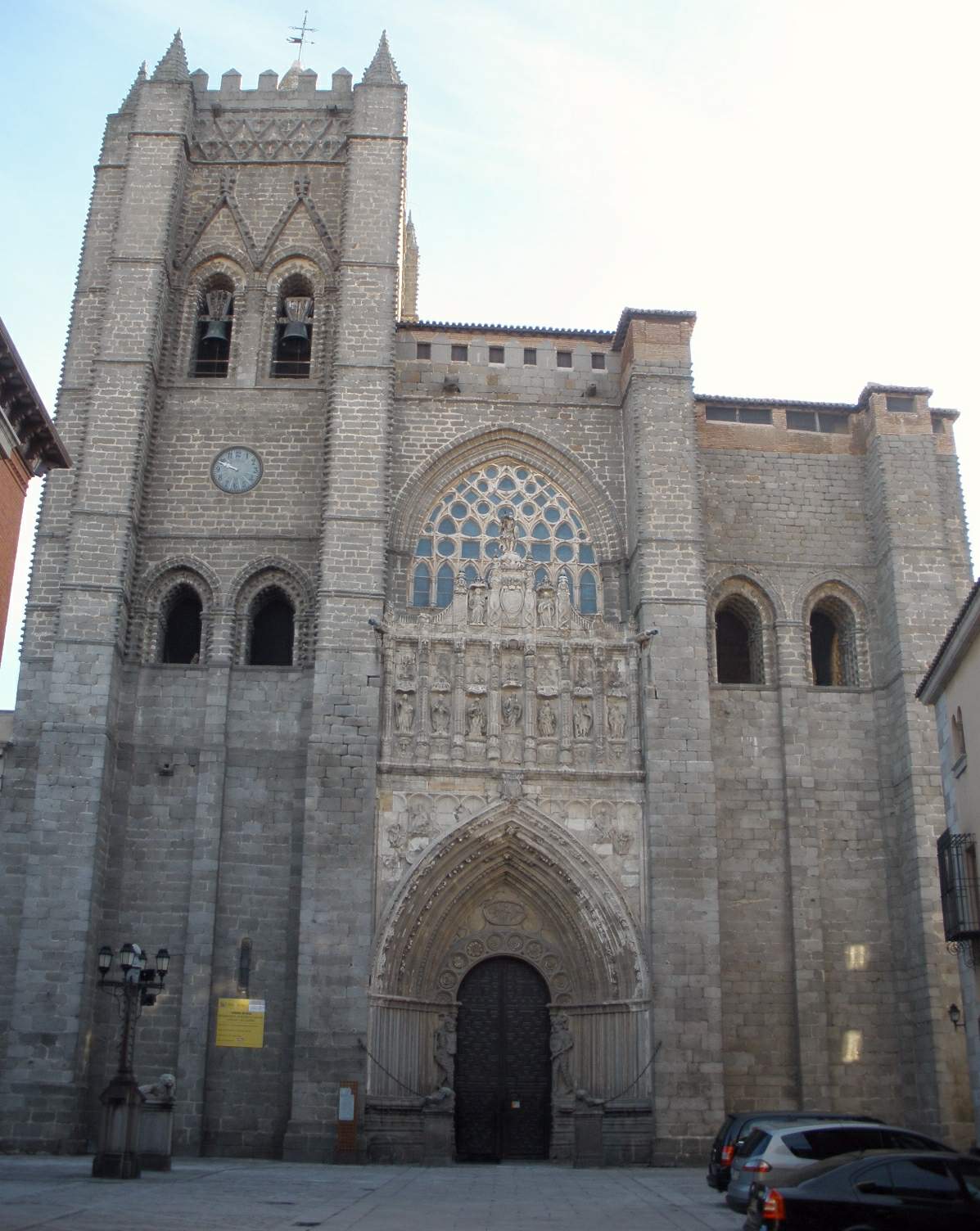
The most revealing complication is the cathedral. Its apse, known as the cimorro, is incorporated into the eastern defensive line. The municipal description of Ávila Cathedral identifies it as both church and fortress. Sacred architecture here does not simply sit safely behind the walls. It participates in them.
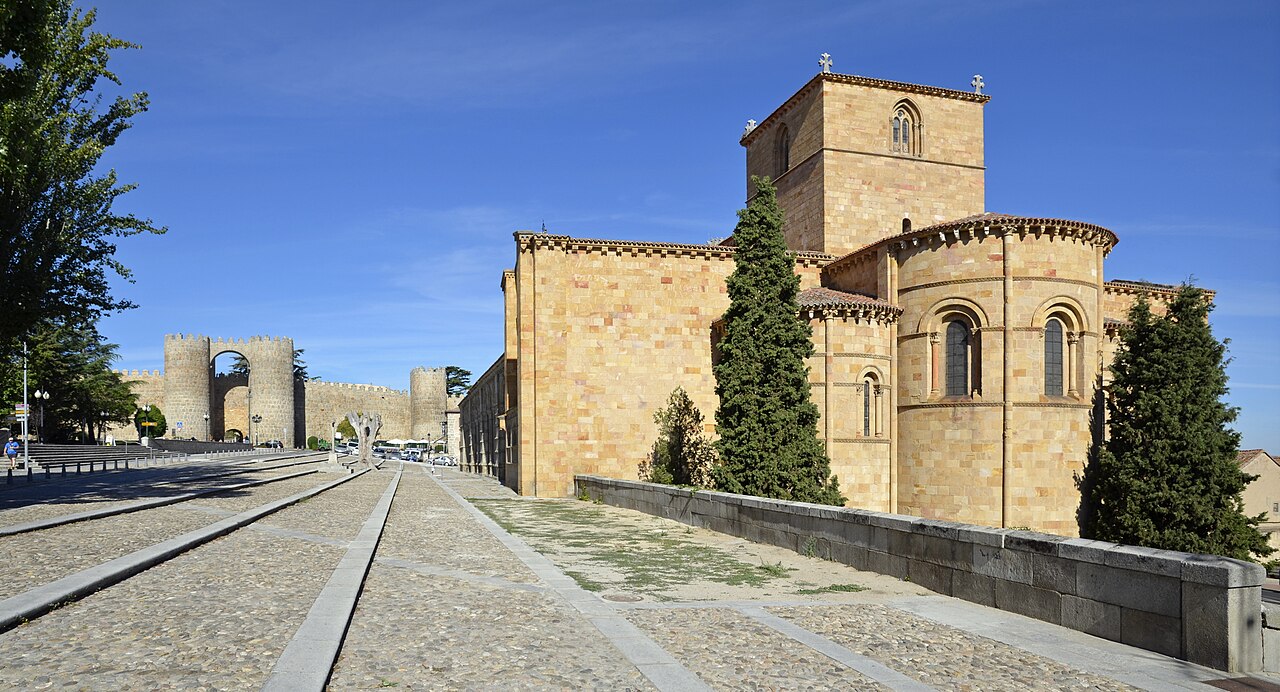

That physical overlap makes the usual division between religious and military heritage feel artificial. A rounded defensive mass can also shelter the end of a church. The skyline joins worship and protection in the same fabric, while the streets beneath it preserve the more ordinary scale of urban life. The walls’ greatest achievement as a modern sight may be that these relationships remain legible without a reconstruction of the entire medieval town.

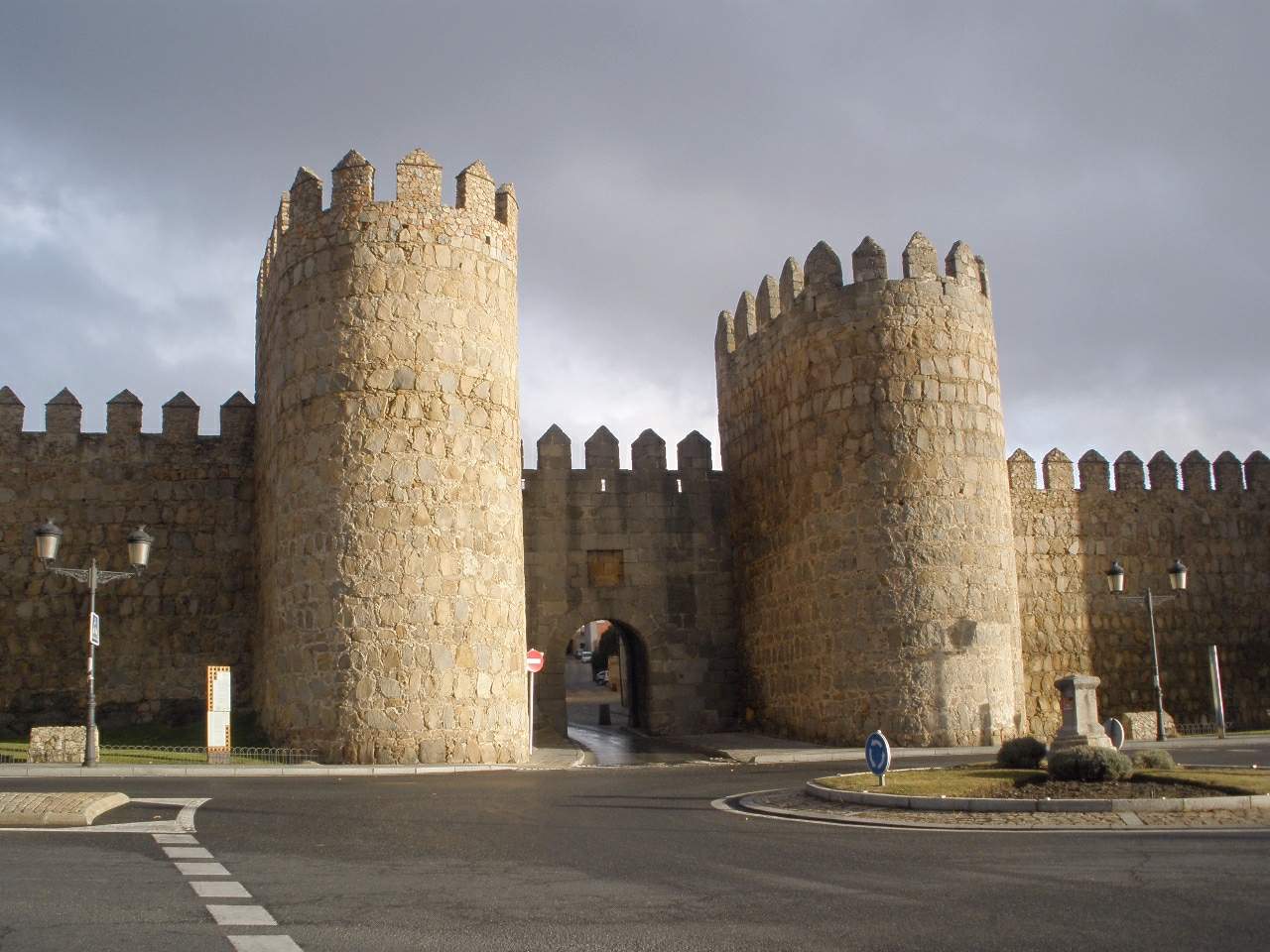
The gateways are equally important. The Puerta del Alcázar’s towers retain the memory of a fortified complex that has largely vanished. The provincial tourism authority notes that only a fragment of the former Alcázar survives beside the arch. Traffic through the openings also changes the reading of the monument: these are thresholds between neighbourhoods, not merely frames for photographs. The gate therefore marks an absence as much as a survival: what looks like a complete medieval image contains substantial losses.

The city continues beyond the stone
Nor does the heritage stop at the perimeter. The World Heritage designation includes churches outside the walls, recognising an urban ensemble rather than an isolated military shell. San Vicente’s Romanesque basilica, beyond the enclosure, is part of that wider architectural landscape. The boundary is visually emphatic, but it was never the limit of the city’s cultural life.
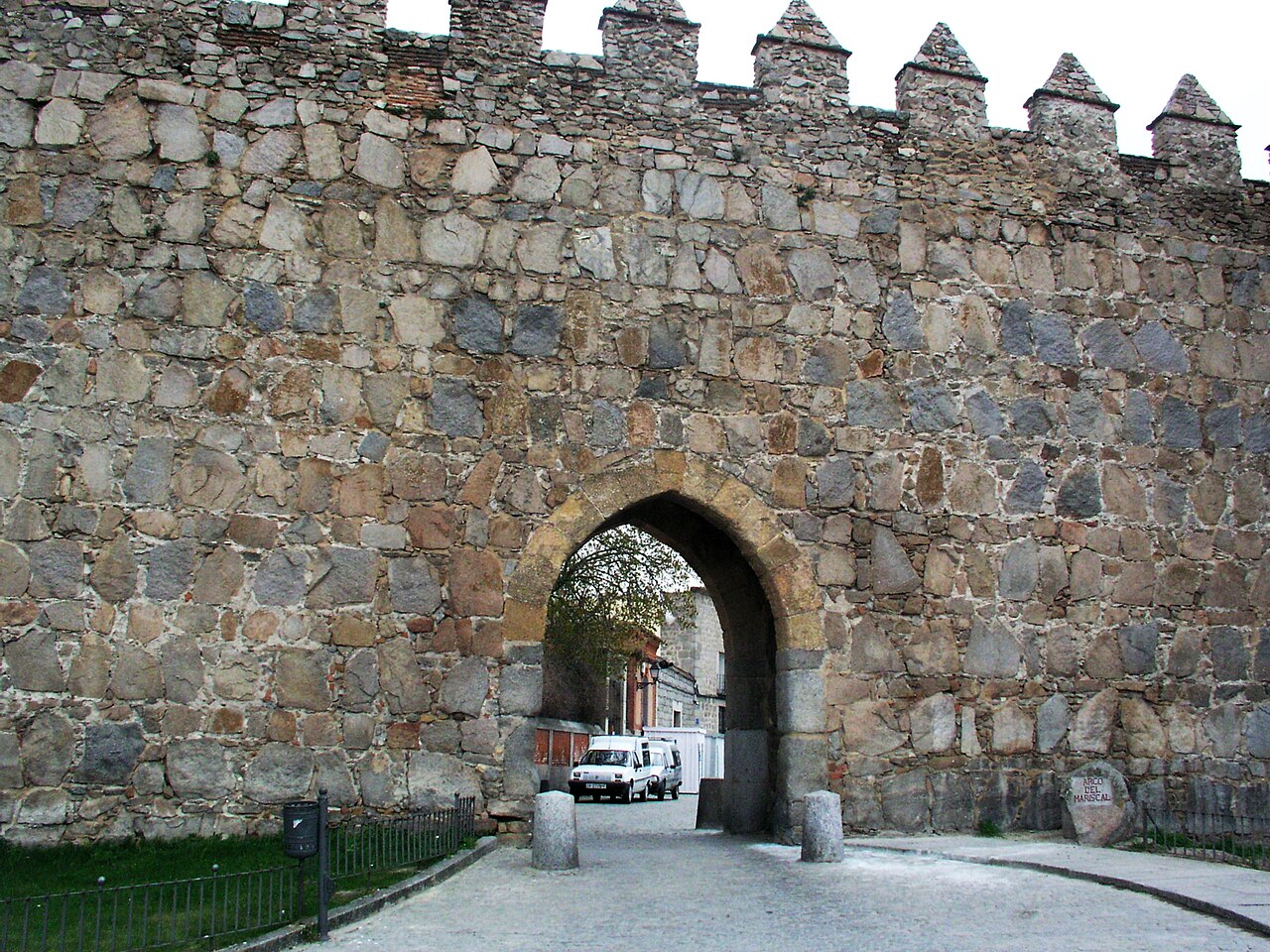

Other European fortifications create drama by occupying exceptional terrain. Predjama Castle merges with a Slovenian cliff, while Trakai Island Castle depends on its relationship with water and reconstruction. Ávila’s distinction is more continuous. Its defences remain threaded through the everyday geography of a city, shaping approaches, crossings and views.
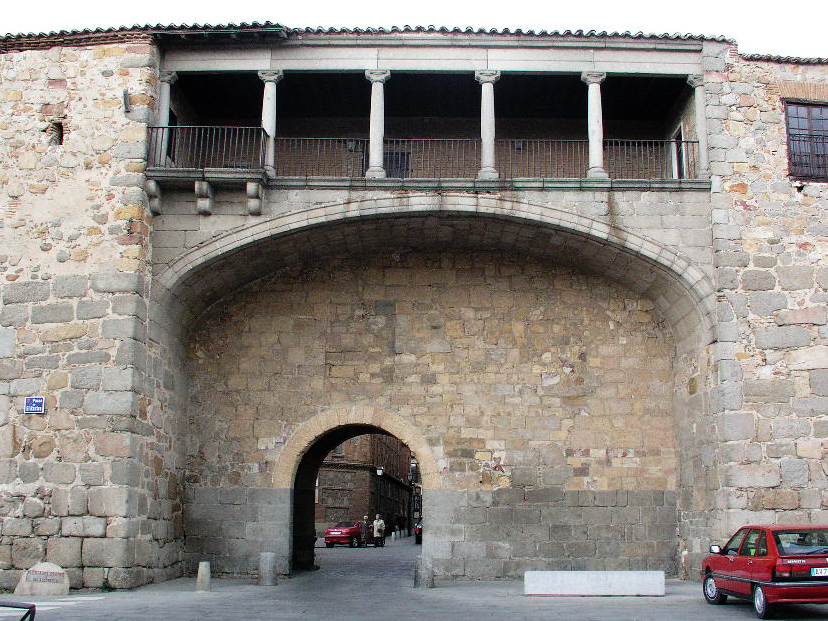

From a distance, the towers can seem to promise a place untouched by time. Closer attention produces something more interesting: reused material, disputed dates, lost structures and repeated decisions to preserve what earlier generations built. Ávila is not compelling because history stopped at its gates. It is compelling because the city kept the gates while history carried on.