
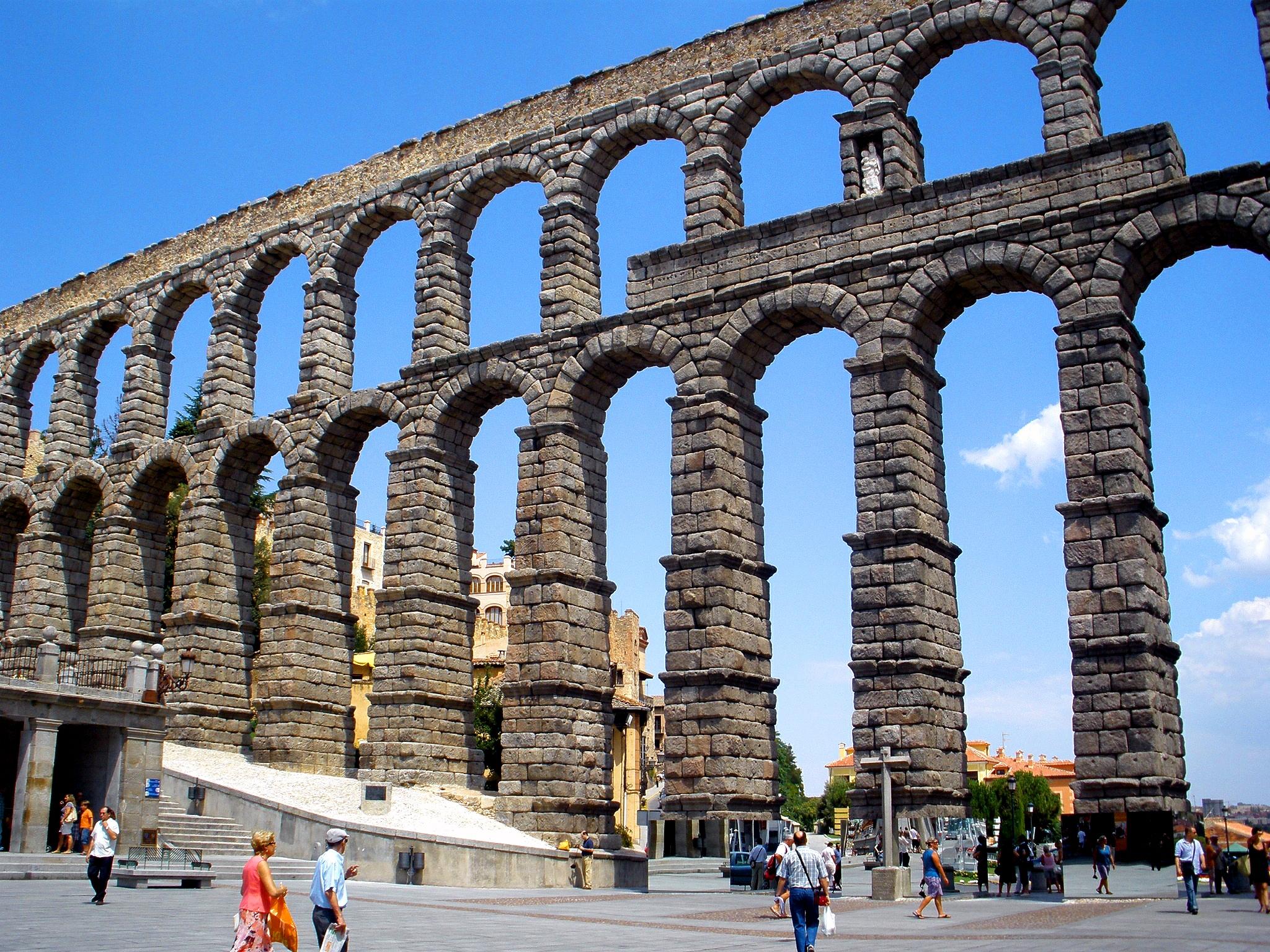
Segovia’s Roman aqueduct is reason enough to come, but the better visit continues uphill. Beyond its stacked granite arches are a cathedral, a former royal fortress, the lanes of the Jewish Quarter and paths dropping towards the River Eresma. Give the old town a full day rather than treating it as a photograph between trains.
The UNESCO-listed Old Town of Segovia and its Aqueduct belongs to Castile and León in central Spain. Its appeal is the relationship between the monuments: Roman engineering at one end, a royal residence at the other, and a living city between them. The following route is a suggested way to connect those places, not a timed guided tour.
Start at the aqueduct, then look beyond its tallest arches
Begin in Plaza del Azoguejo. The scale is immediate, but pause over the construction: the granite blocks were laid without mortar, and the water travelled through a channel above the arches. The municipal aqueduct guide explains the wider system, which brought water from the mountains rather than simply crossing this square.
The monument can be viewed from public streets; a guided experience is a separate choice. Walk far enough along its alignment to understand how its height changes with the ground. For photographs, use public viewpoints and remain behind barriers. Do not climb the masonry or sit on unprotected ledges.
If engineering is the main reason for your visit, the Aqueduct Interpretation Centre offers another way into the story. Check its schedule before adding it, since it is not simply a room beside the busiest arches.
Walk into the old town through San Martín
Spain’s official one-day Segovia route links the aqueduct with Calle Cervantes, Calle Juan Bravo, San Martín and the Jewish Quarter. Use that as an orientation aid rather than a checklist. Look up at decorated façades, step aside when groups pass and allow time for the changes in street width and level.
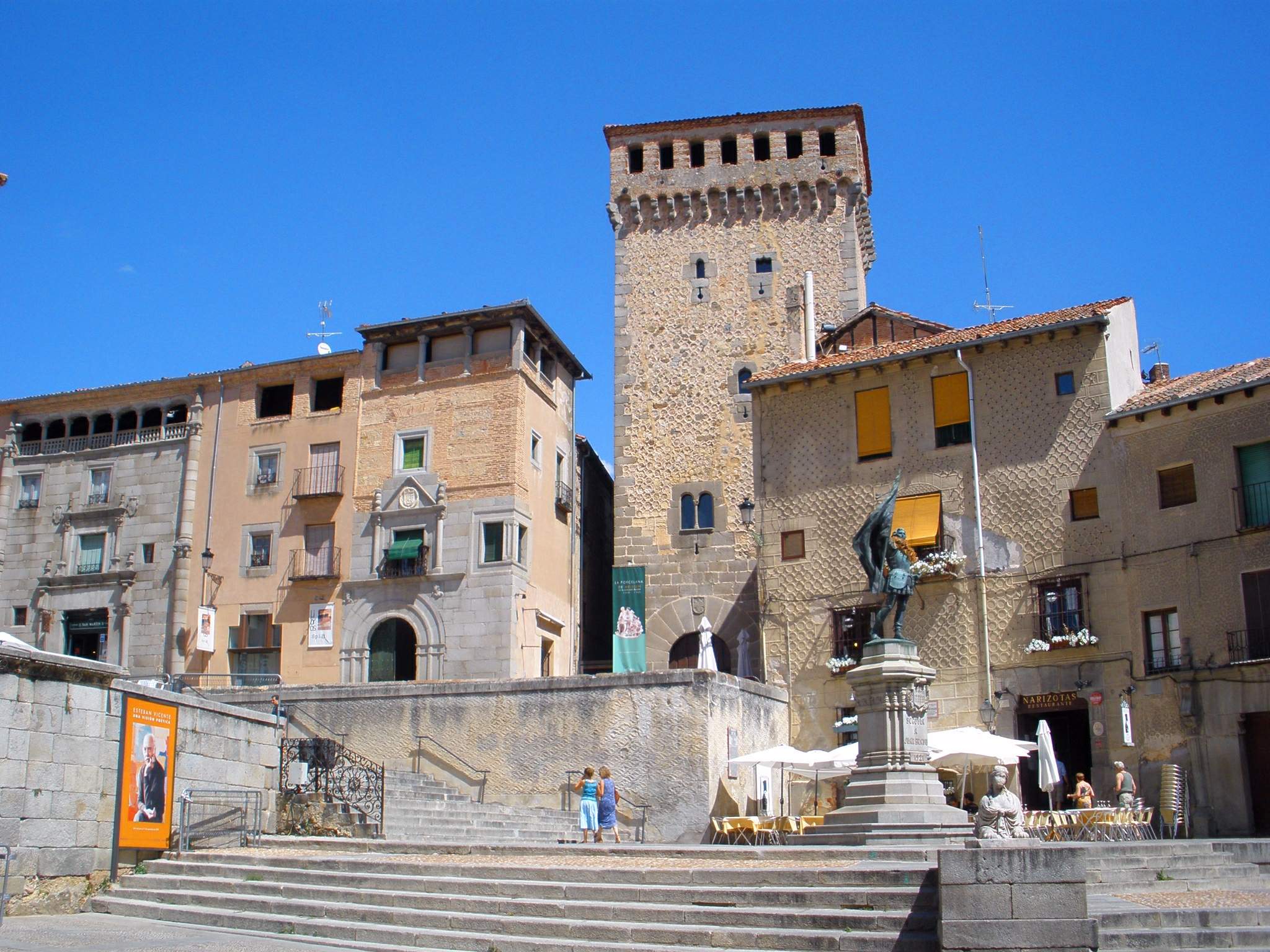
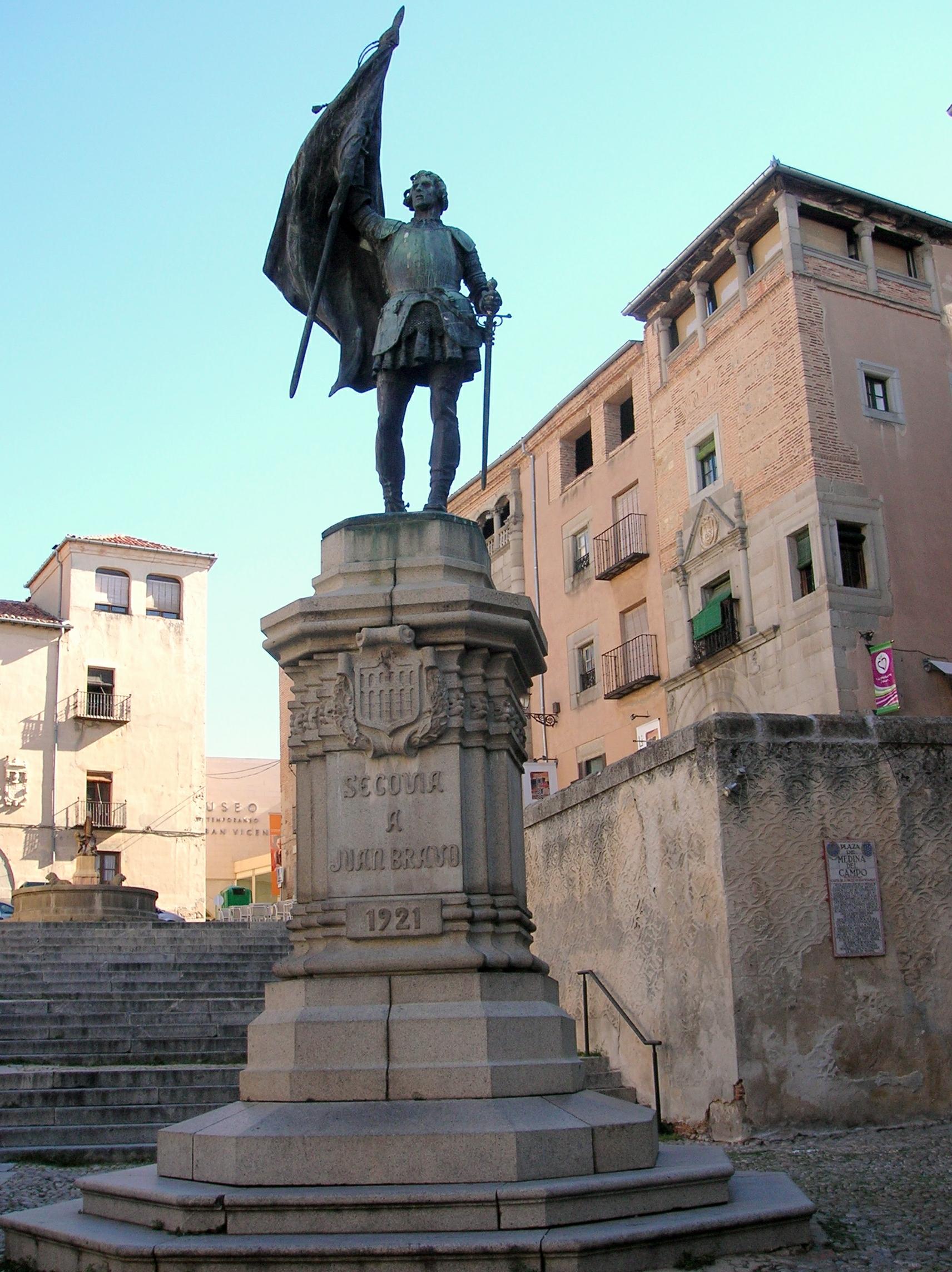
San Martín makes a natural pause before the cathedral. The square and the monument to Juan Bravo give this part of the walk an identity of its own; it is worth more than a hurried passage between the headline attractions.
Choose the cathedral visit you actually want
The Gothic cathedral is one of the old town’s major landmarks. Its exterior and the surrounding streets can fill a short stop, but an interior visit changes the pace. Instead of moving constantly uphill, spend time with the chapels, cloister and exhibition spaces.
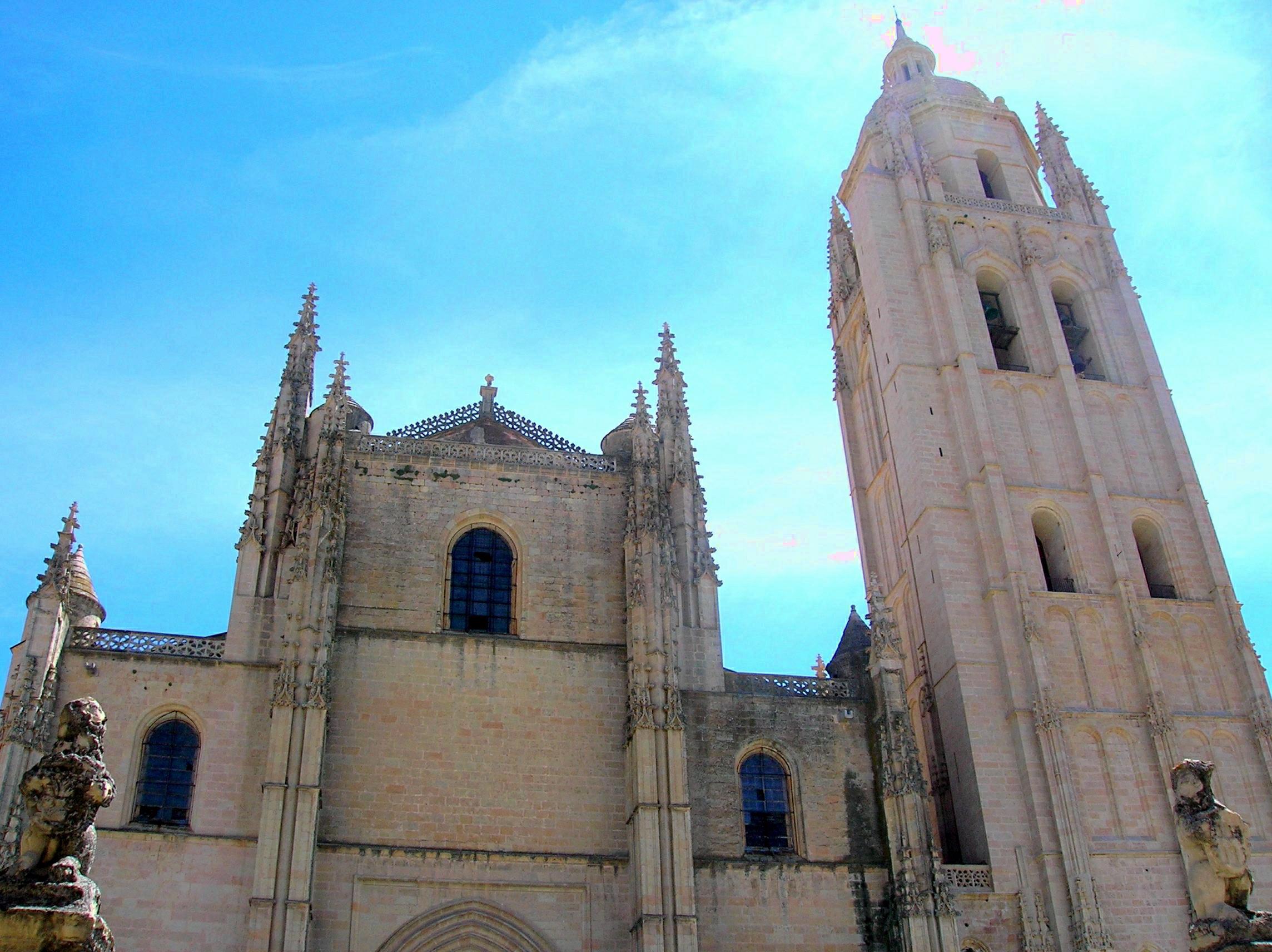
The cathedral’s official ticket page distinguishes general admission from guided visits and the tower tour. It also states that the cathedral visit includes the Episcopal Palace on the same day. Check the exact product before paying: a tower visit is not interchangeable with an unrestricted wander through every space.
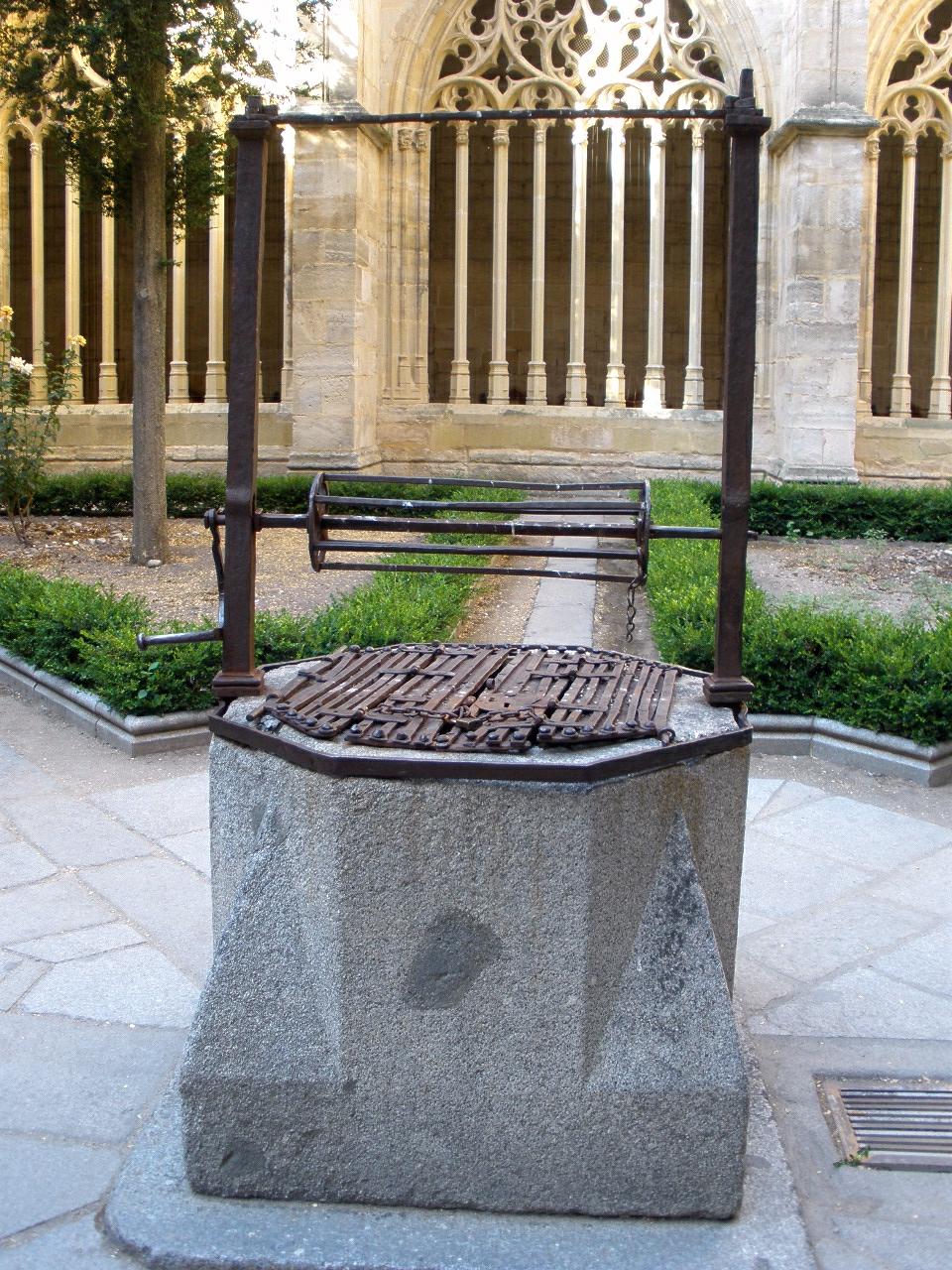
The tower involves spiral stairs. If stairs are difficult, plan around the visitable lower spaces and ask the operator about your precise access requirements. Worship can affect visitor schedules, so reconfirm the arrangements for your date rather than relying on a timetable copied into an old guide.
Leave room for the Jewish Quarter
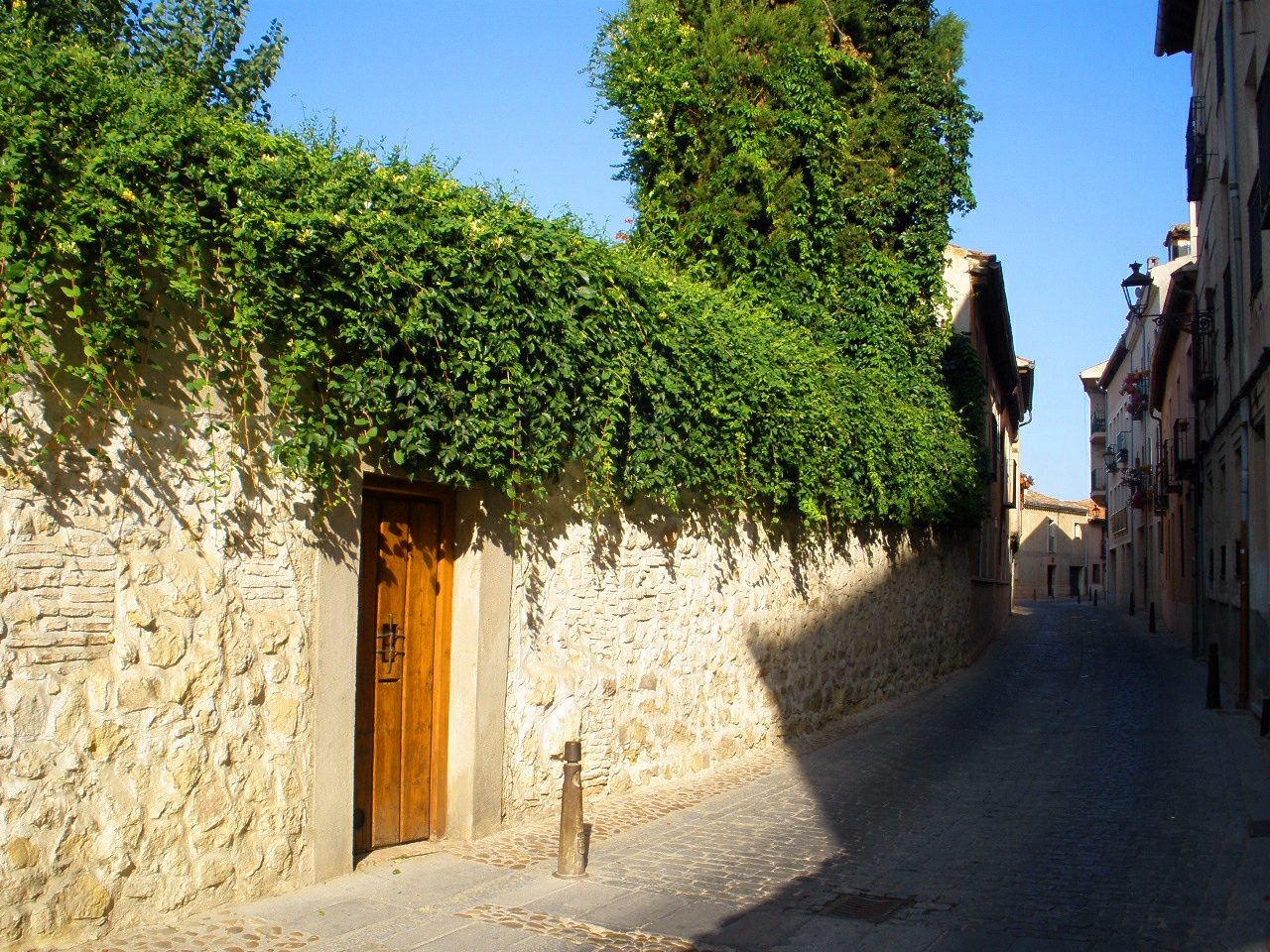
The lanes around the cathedral deserve their own part of the day. The official city route passes through the historic Jewish Quarter and connects it with viewpoints over the greener ground below. This is a useful counterpoint to the monumental scale of the aqueduct and cathedral.
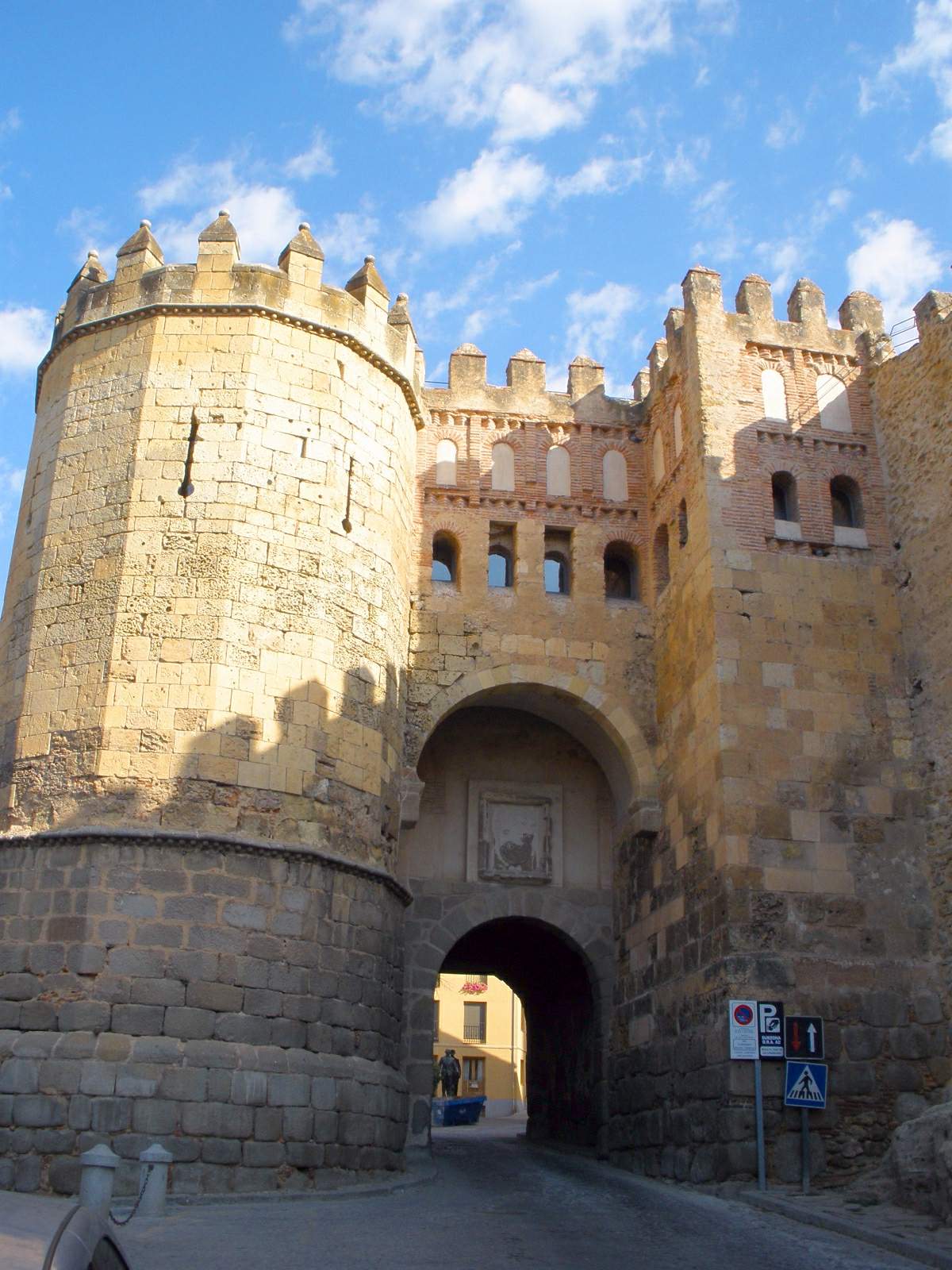
Puerta de San Andrés and the narrower streets invite a less direct walk. Keep your map available, but do not try to force every turn into the shortest possible route. A quiet lane can be a better place to pause than a congested square.
Finish the main route at the Alcázar
The Alcázar occupies a dramatic promontory between the Eresma and Clamores. Its history includes use as a royal residence, fortress and prison. The castle’s silhouette is striking, but the interior provides the reason to do more than photograph its turrets.
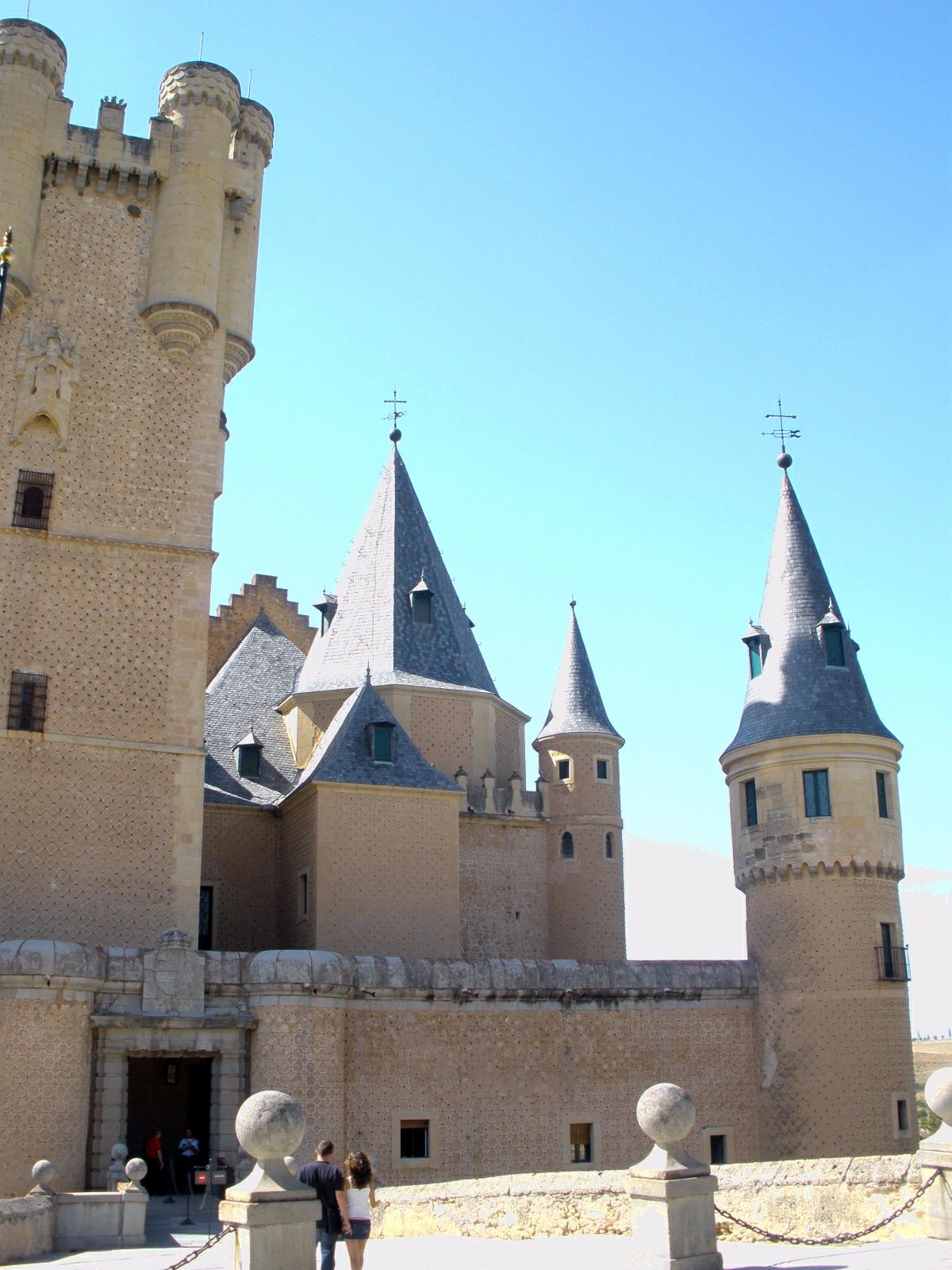
Choose whether you want the palace and museum visit alone or a ticket including the Tower of Juan II. The tower climb is steep, so do not add it automatically just because it appears in a package. The official ticket service is the place to confirm the current combinations and availability.
The building also needs to be read as a restored monument: a major fire in 1862 was followed by extensive reconstruction. That does not diminish the visit, but it makes the rooms more interesting than an undifferentiated claim that everything is medieval.
Add the river landscape only if your day has space
With time and energy left, the Eresma valley offers a different view of the city. Spain’s official route suggests continuing from the Alcázar area towards the river and religious buildings beyond the centre, including the Carmelites’ convent. This is an optional extension, not something to squeeze in before a tightly timed train.
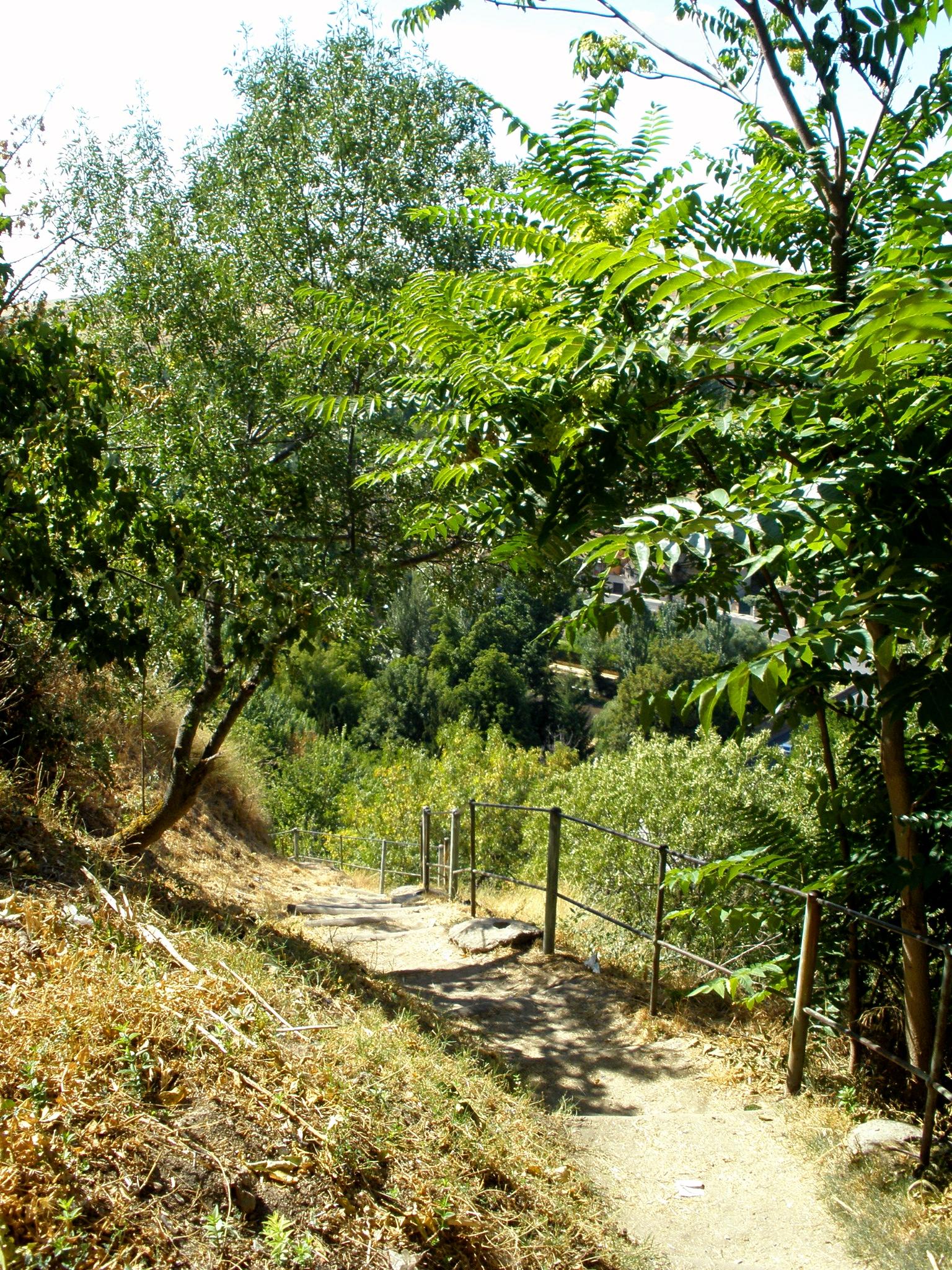
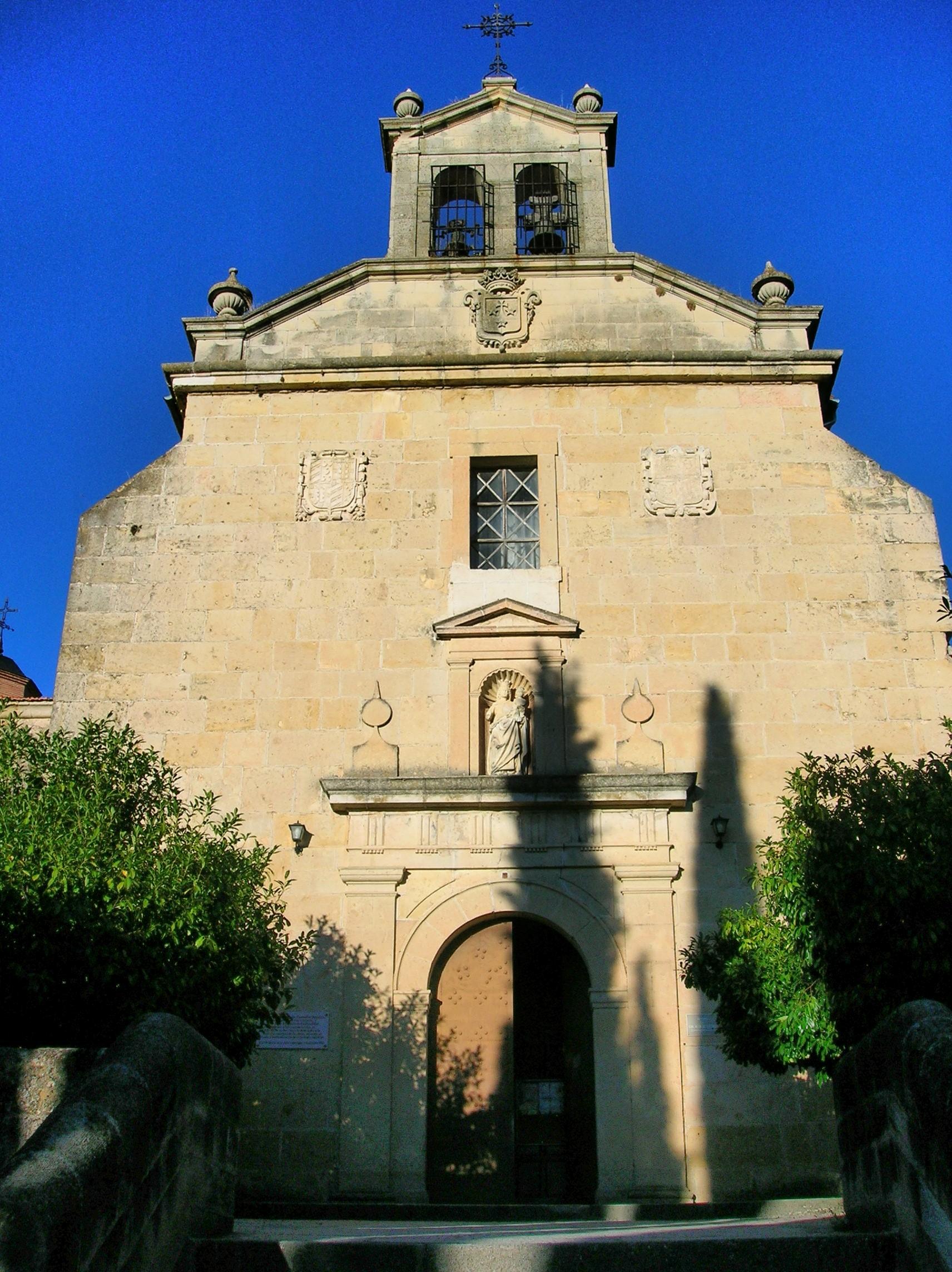
Descending means allowing time and effort to return. Wear shoes suited to uneven ground, check conditions after rain and avoid assuming that every picturesque path is suitable for a wheelchair or pushchair. A shorter walk with a comfortable return is preferable to a hurried circuit.
Getting to Segovia: the station matters
The city’s transport guide distinguishes Segovia-Guiomar, the high-speed station about six kilometres from the centre, from the other Segovia station used by the slower regional route. Include the onward transfer when comparing tickets. A short train journey does not mean the aqueduct is outside the station doors.
The bus station on Paseo Ezequiel González is closer to the centre. Compare the whole journey from your accommodation, not just the time printed beside a train service. Buy transport for your actual travel date and leave a buffer after the last monument visit.
A practical order for one day
- First: aqueduct and a slow walk through San Martín.
- Middle: cathedral, lunch and the Jewish Quarter.
- Later: Alcázar, followed by a river walk only if time permits.
For a shorter visit, choose one major interior rather than rushing both the cathedral and the castle. For an overnight stay, spread them across two days and revisit the aqueduct at a different hour. This is a pacing recommendation, not a promise of empty streets.
Build a wider heritage trip
Segovia works best as a deliberate stop, not a spare hour in a cross-country itinerary. For a separate southern-Spain chapter, our Andalusia itinerary through Seville, Granada and Córdoba offers another culture-focused route. Travelling northwest instead? Consider the Parador de Santiago de Compostela as an accommodation-led heritage stop. For another European fortified-city comparison, read our Carcassonne castle and ramparts guide. None of these is a nearby Segovia excursion; they belong to a longer journey.