
Tiwanaku asks visitors to imagine a city that is no longer fully visible. On Bolivia’s high plateau, monumental stonework survives in an open landscape, while much of the settlement that once gave it meaning has disappeared or lies beyond what a short visit can reveal. The experience is less like walking through an intact town than learning to read fragments at an enormous scale. For another Andean stay in Bolivia, see our Luna Salada salt hotel guide.
It is also a place that deserves its own history. Tiwanaku flourished long before the Inca empire and should not be reduced to an incidental prelude to it. Arrive with time to look, a willingness to ask questions and realistic expectations about what archaeology can and cannot explain.
Understand the city before the monuments
UNESCO’s description of Tiwanaku places its peak between roughly AD 500 and 900. The site stands near the southern end of Lake Titicaca, at about 3,850 metres above sea level. Those facts establish both its historical importance and one of the practical conditions of a visit.
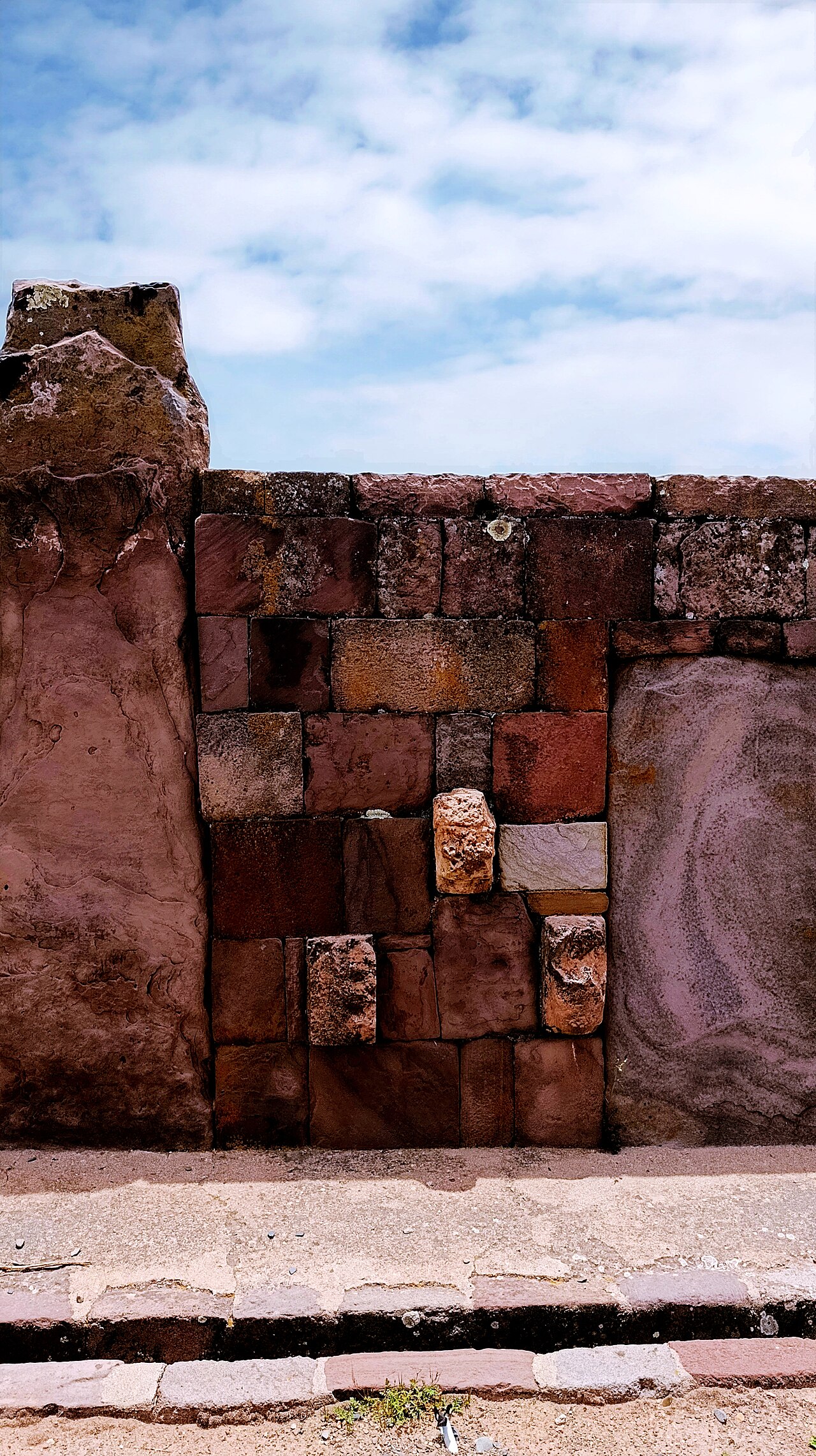
The monumental remains are only part of the former city. Much of its construction used materials less durable than the great stone blocks that dominate photographs today. Looking only for spectacular masonry can therefore produce a misleading impression of what the settlement was like.
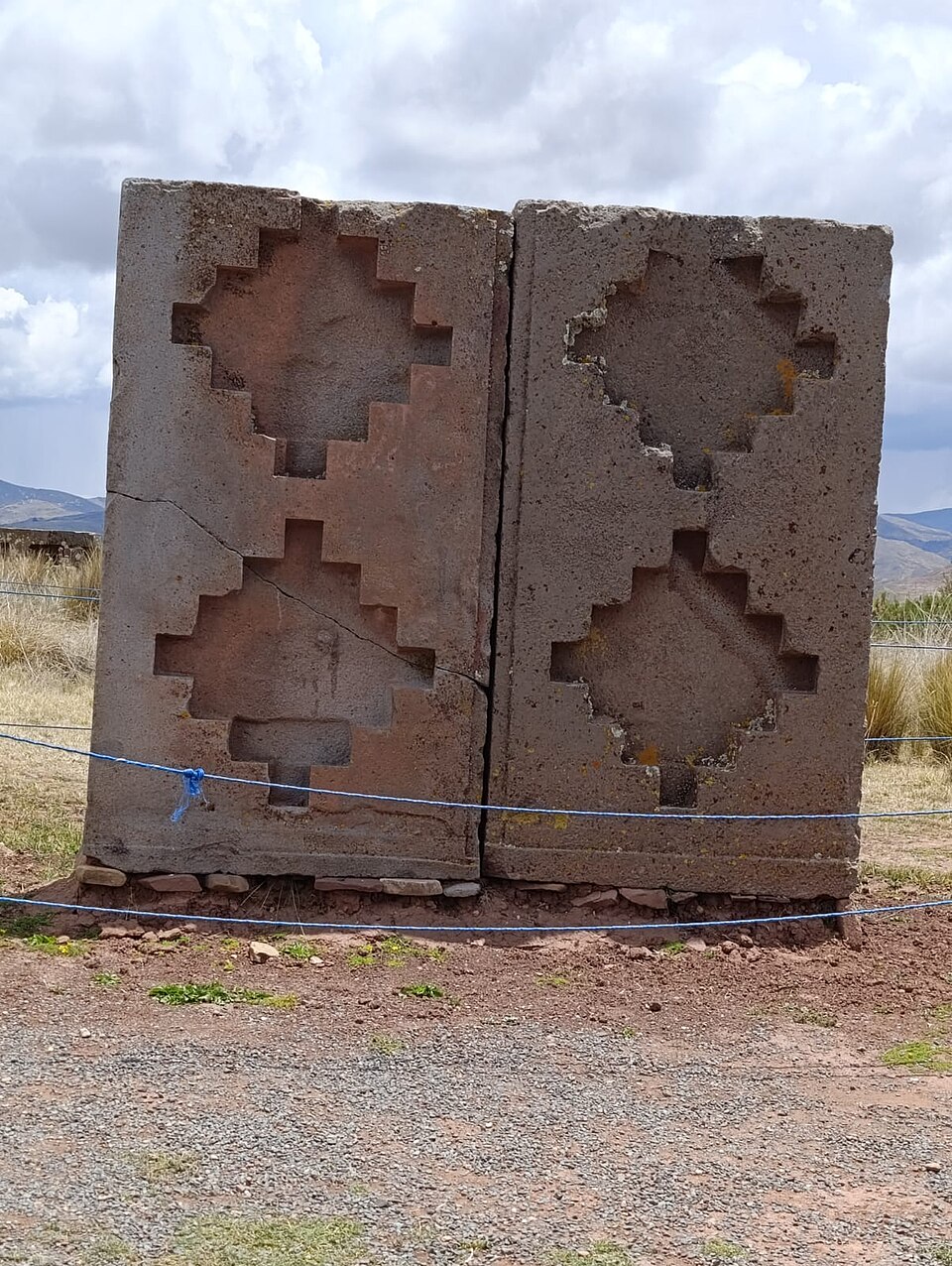
A good guide can help distinguish an excavated feature, a reconstructed element and an interpretation. Ask what evidence supports a particular explanation. The precision of the stonework is impressive without adding unsupported stories about impossible technology or mysterious builders.
Move between the major ceremonial spaces
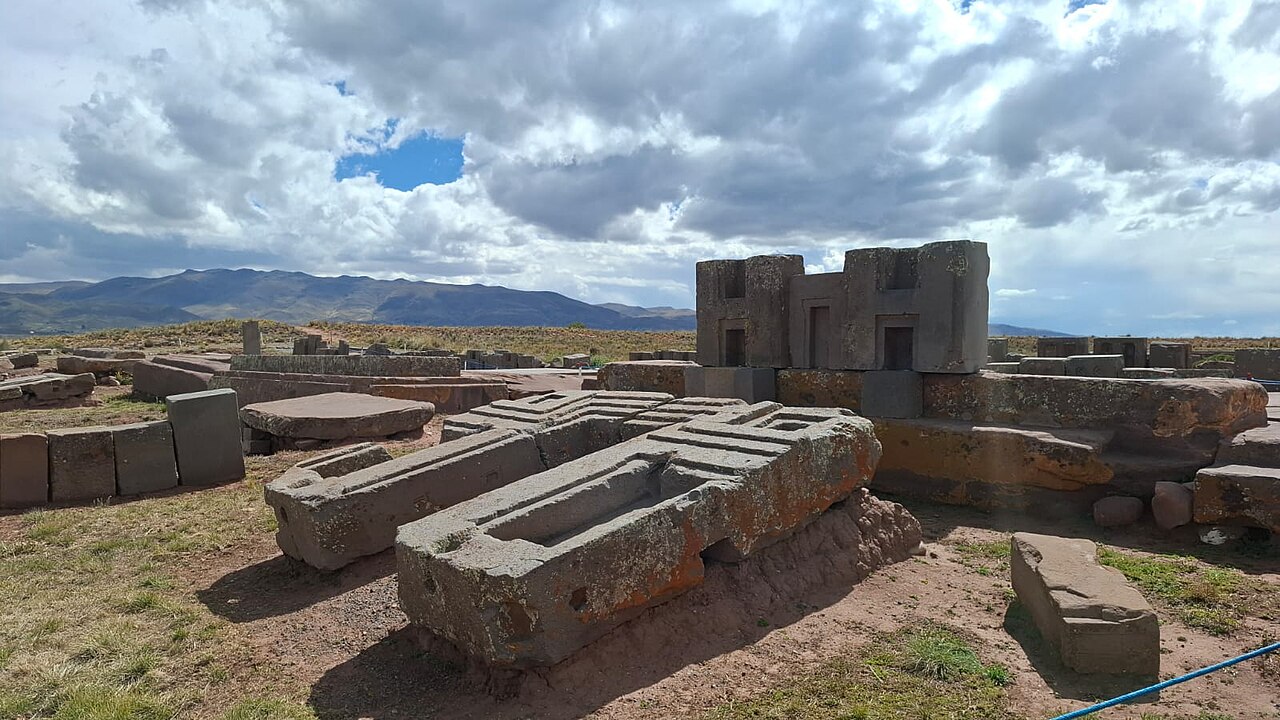
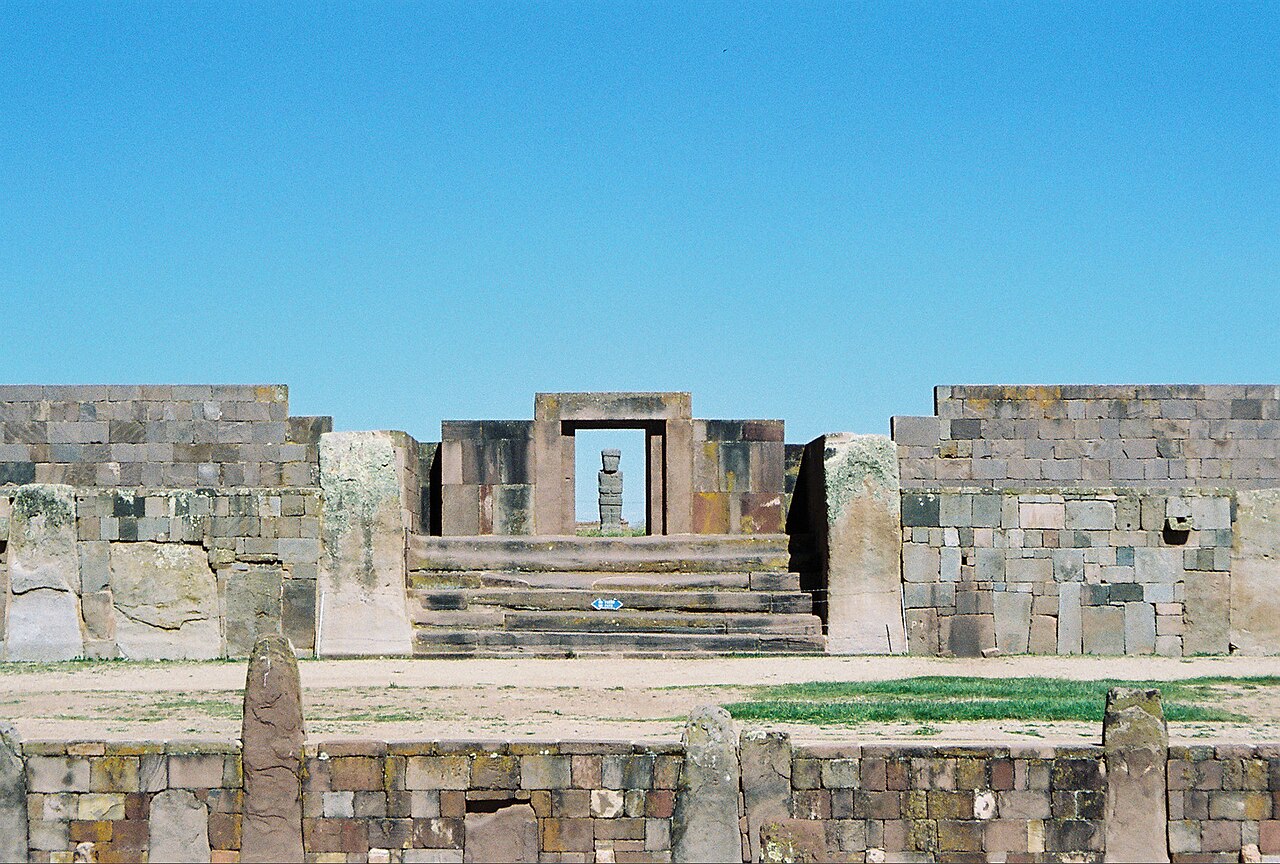
The site’s official archaeological guide introduces Kalasasaya, the semi-subterranean temple, Akapana and Pumapunku. These names describe different parts of a larger ceremonial landscape, not interchangeable labels for a single ruin.
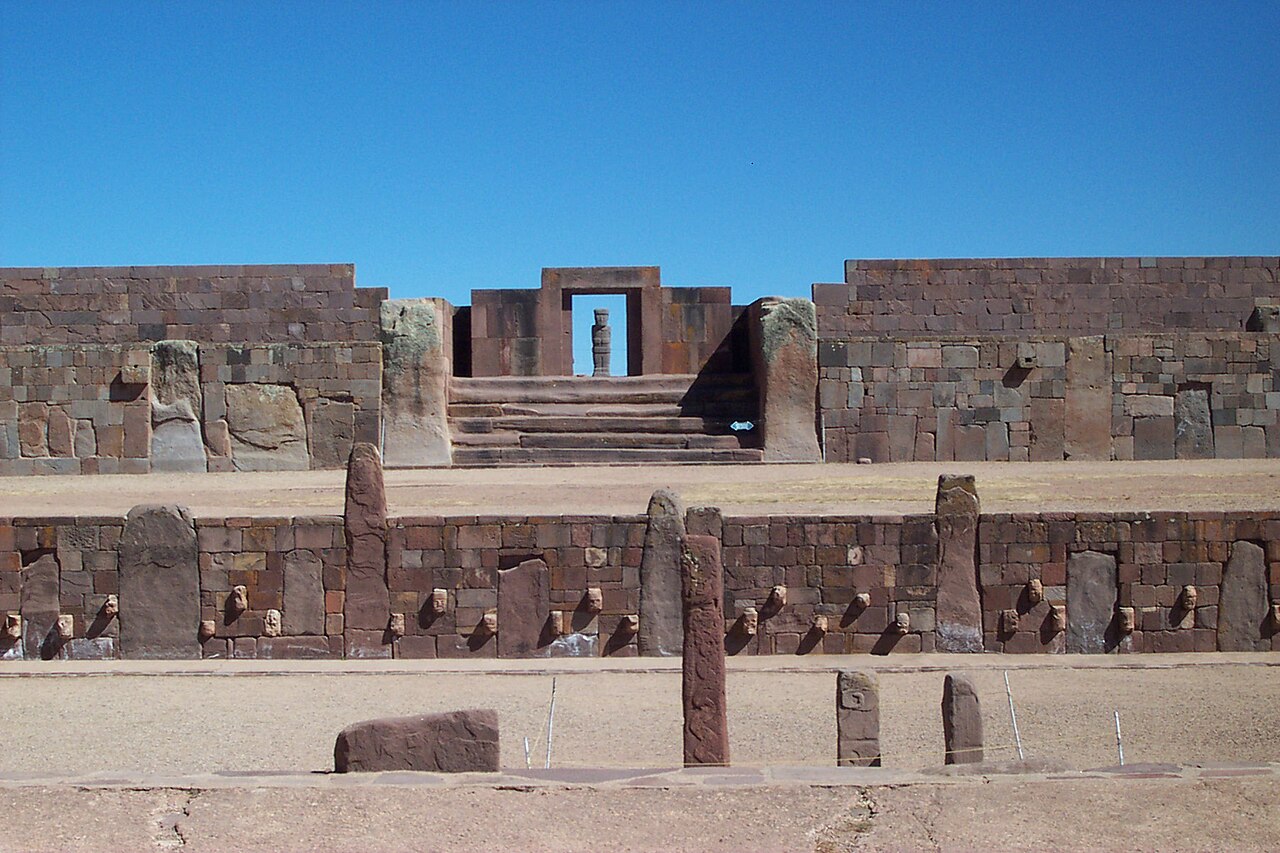
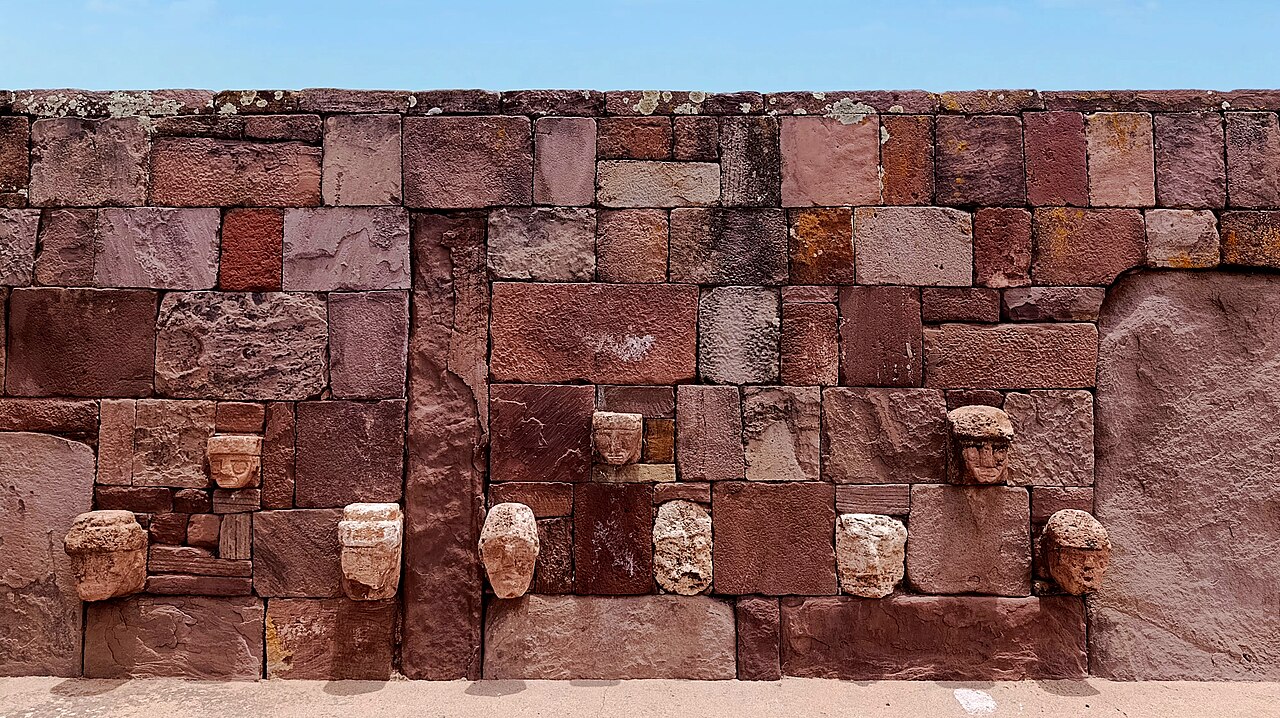
At the semi-subterranean temple, the carved stone heads set into the walls reward a slower look. Notice variation rather than assuming every face represents the same identity or meaning. The setting also changes the scale of the encounter, bringing details closer after the openness of the wider site.
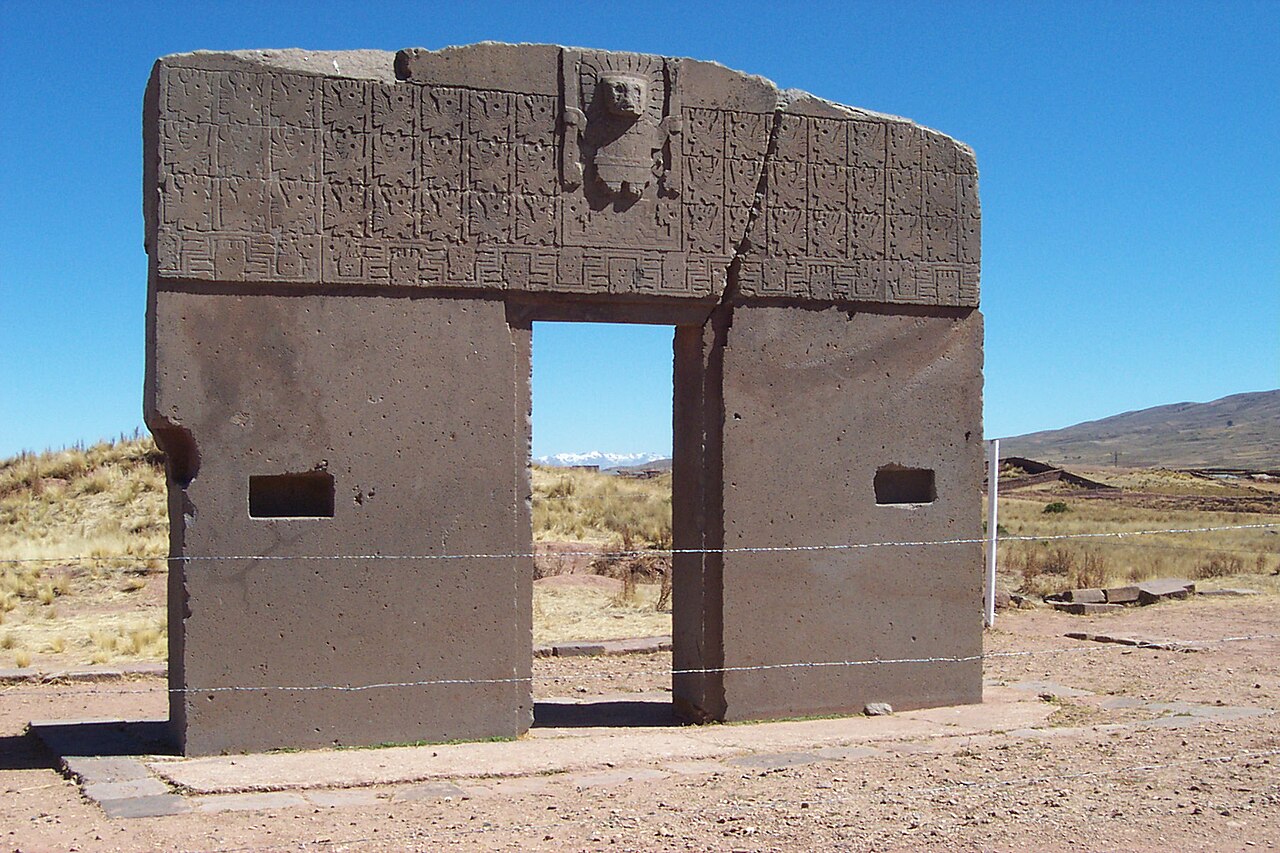
The Gate of the Sun is another natural point of attention. Its carved imagery is more interesting when studied patiently than when treated only as a backdrop. Allow other visitors space, remain outside restricted areas and resist the temptation to climb onto masonry for a better angle.
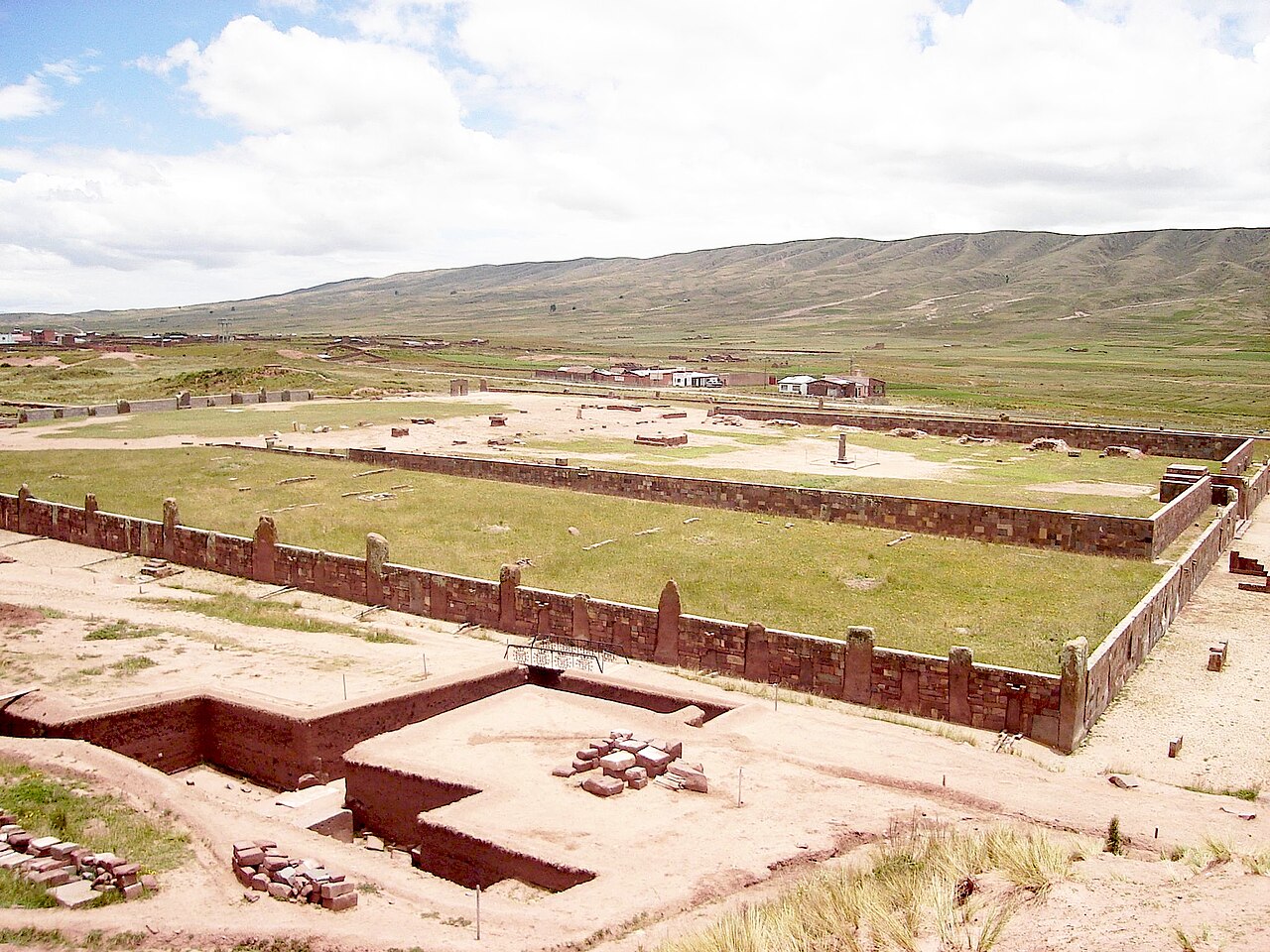
Ask how Pumapunku fits into the route before setting off. A tour advertised under the name Tiwanaku may not allocate equal time to every component, and the order of visits can affect how well the different spaces make sense together.
Use the museums to fill in the gaps
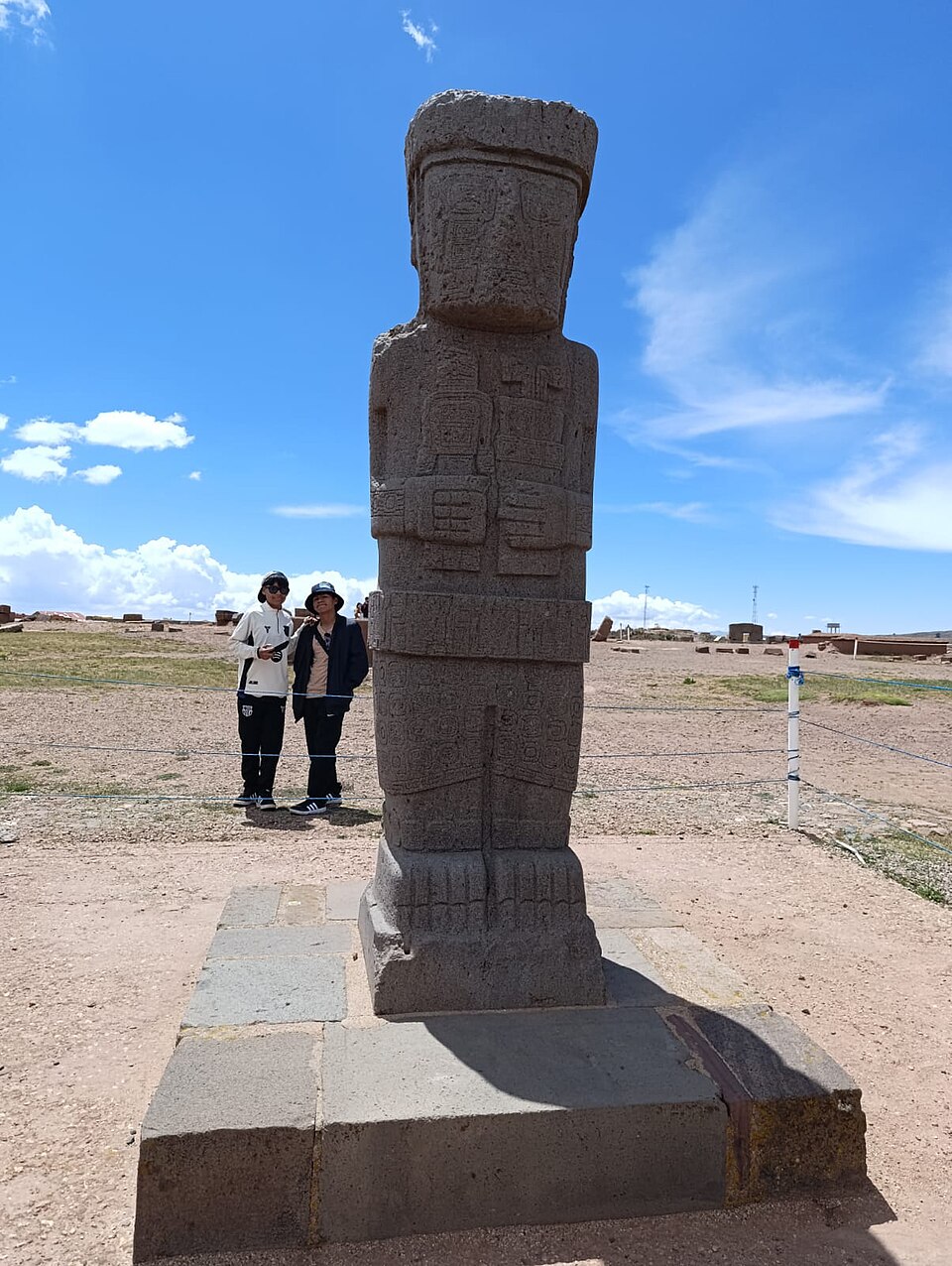
The official museum information describes archaeological material in both ceramic and lithic collections. The Bennett monolith is a major presence, but smaller objects are just as important for understanding a society beyond its monumental architecture.
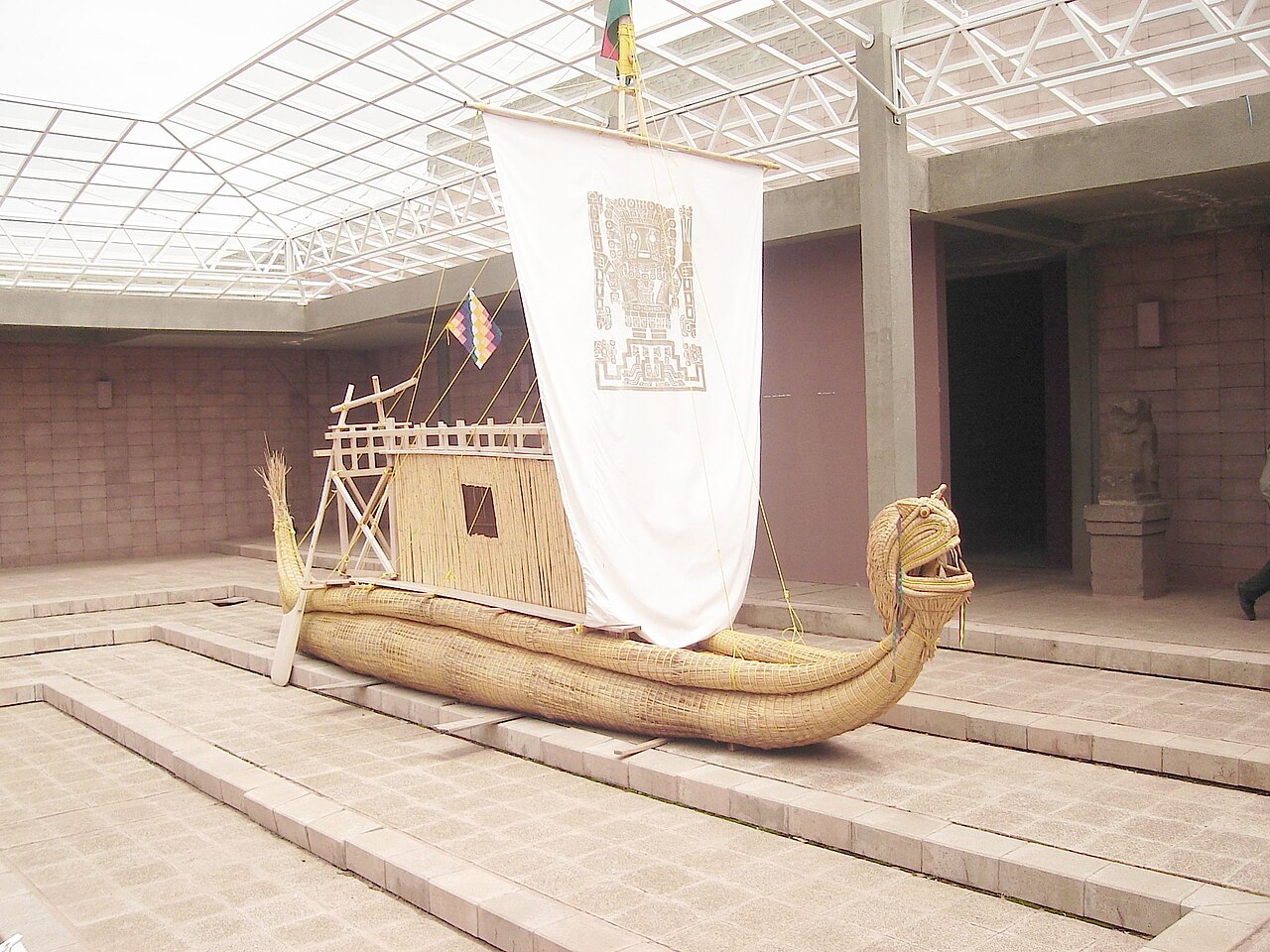
A museum visit can make the outdoor remains easier to interpret, whether it comes before or after the circuit. Ceramics, carved figures and contextual displays provide a different level of detail from the surviving platforms and walls.
Confirm which museum spaces are open and what the ticket includes. Follow the photography rules displayed on the day rather than assuming that an image found online establishes permission to make a new one. Museum access and photography are separate questions.
Respect the altitude and the exposure
At this elevation, even a modest walking route deserves a comfortable pace. The CDC’s high-altitude travel guidance recommends gradual acclimatisation and avoiding heavy exercise during the first 48 hours at altitude. Do not continue higher if altitude symptoms develop; seek medical advice, and treat worsening symptoms as a reason to descend rather than push on.
The open terrain also calls for practical preparation. Bring sun protection, water and layers for changing conditions, and choose footwear suited to walking over uneven surfaces. A clear sky at departure does not remove the need to be prepared for a cooler or windier part of the day.
Our guide to cycling in Bolivia explores a more active side of the country. Tiwanaku belongs in the same journey only if the schedule leaves enough room for altitude, transport and recovery, rather than treating every day as an interchangeable excursion.
Confirm transport and inclusions
The site’s visitor questions discuss transport from La Paz and El Alto and advise visitors about payment arrangements. Carry appropriate local cash and confirm the current admission cost before departure instead of relying on an old quoted fare.
Use the official how-to-arrive information alongside the details supplied by a transport provider. Clarify the meeting point, return arrangements, guiding language and whether museum entries are included. A low headline tour price is not informative until those details are clear.
For wider planning, browse our Bolivia travel collection and South America guides. Tiwanaku is strongest as a day with room for explanation, rather than a short stop inserted between longer transfers.
The site does not resolve every question for the visitor, and that is part of its interest. What survives is enough to reveal extraordinary ambition, while the missing city encourages a more careful way of looking. Leave with the questions grounded in evidence, not with the gaps filled by easy myths. For a different pre-Columbian site in the wider region, our Chan Chan guide covers the adobe city in Peru.