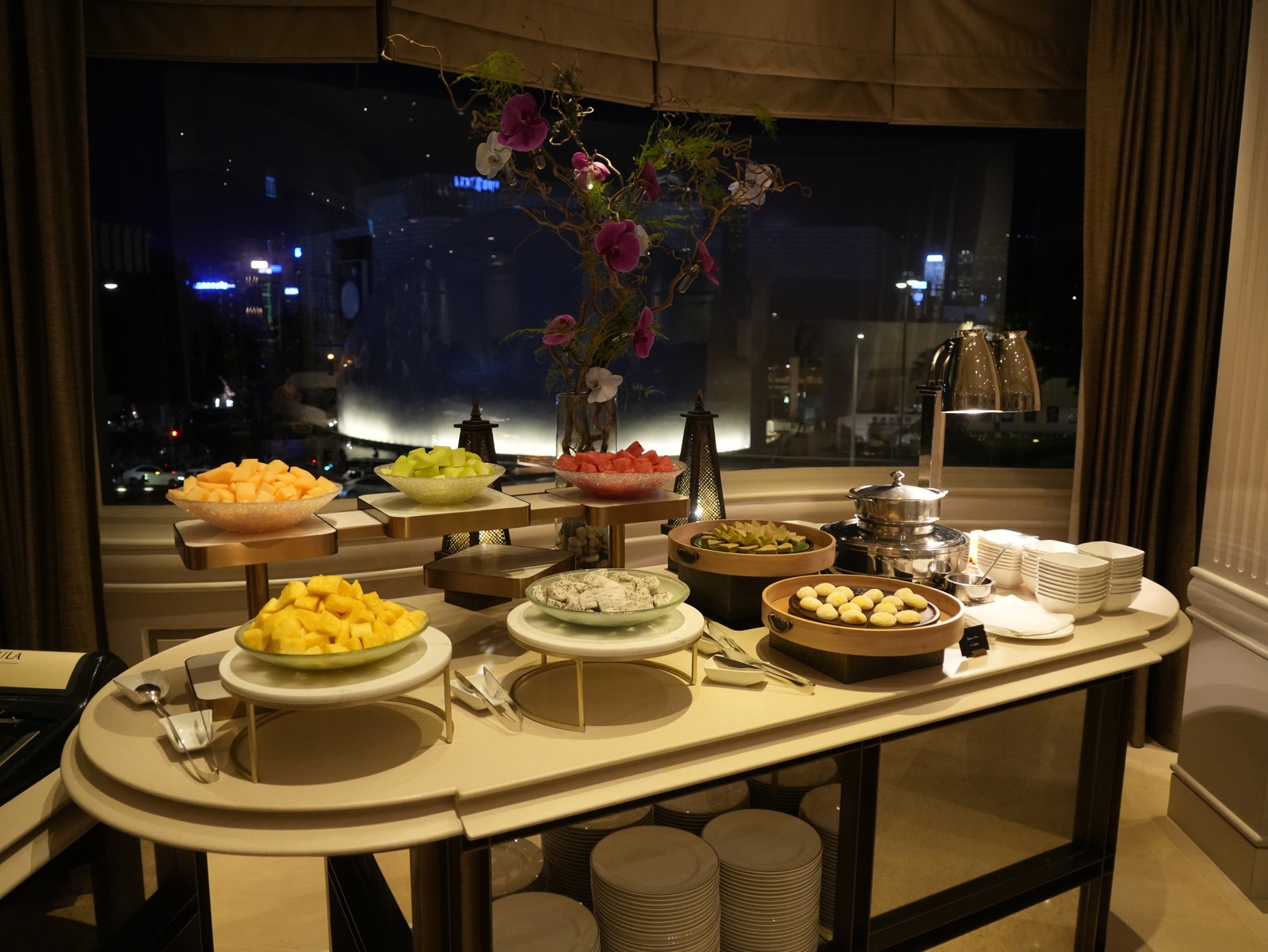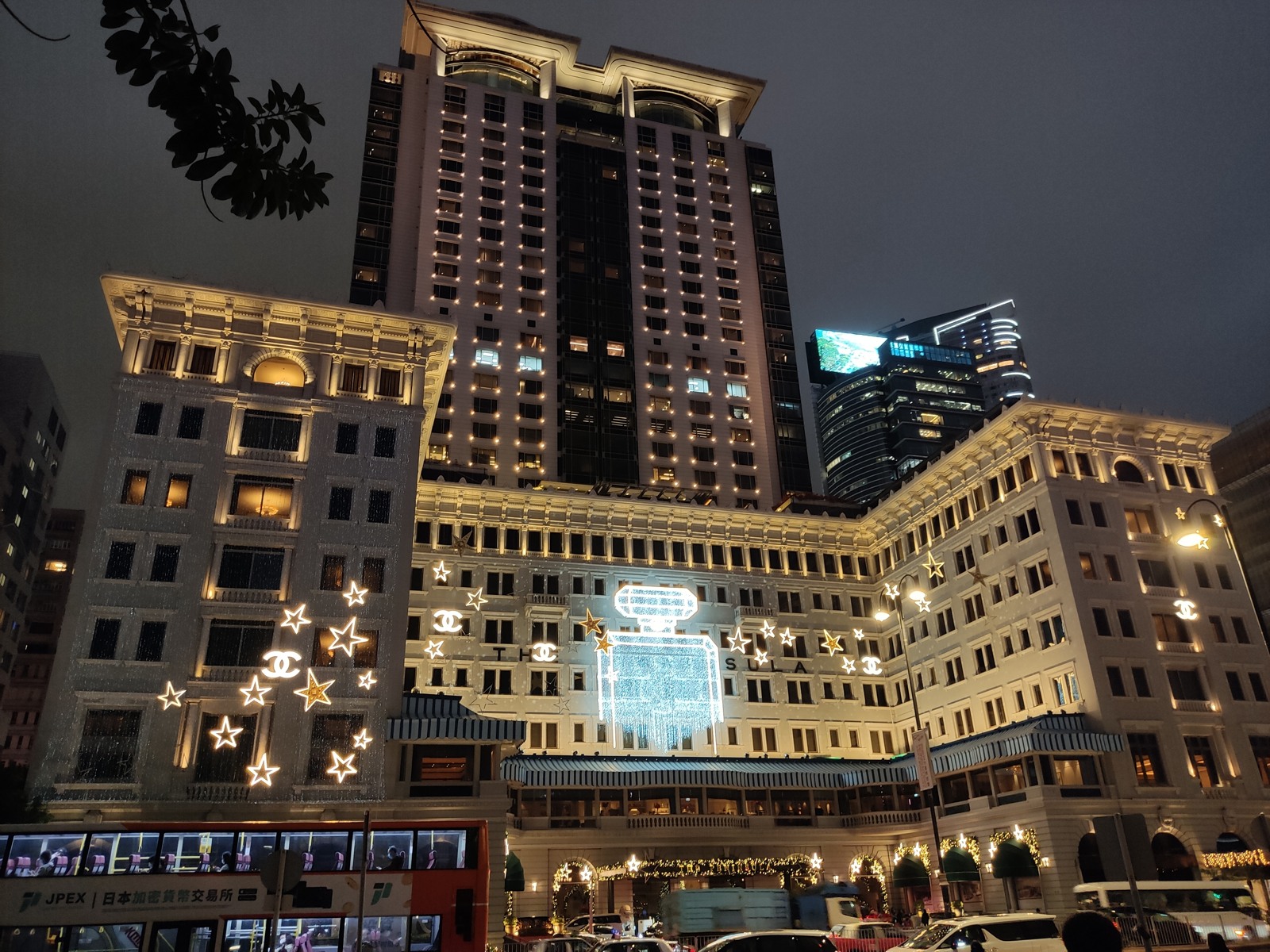
The Peninsula Hong Kong makes its first argument from across the street. In a district of towers, traffic and commercial urgency, the older hotel façade holds a measured line: pale stone, repeated windows and a forecourt that gives the building room to announce itself. It is not detached from modern Hong Kong. Buses pass, shops occupy its edges and a later tower rises behind it. That coexistence, rather than a fantasy of time standing still, is what makes the hotel interesting.
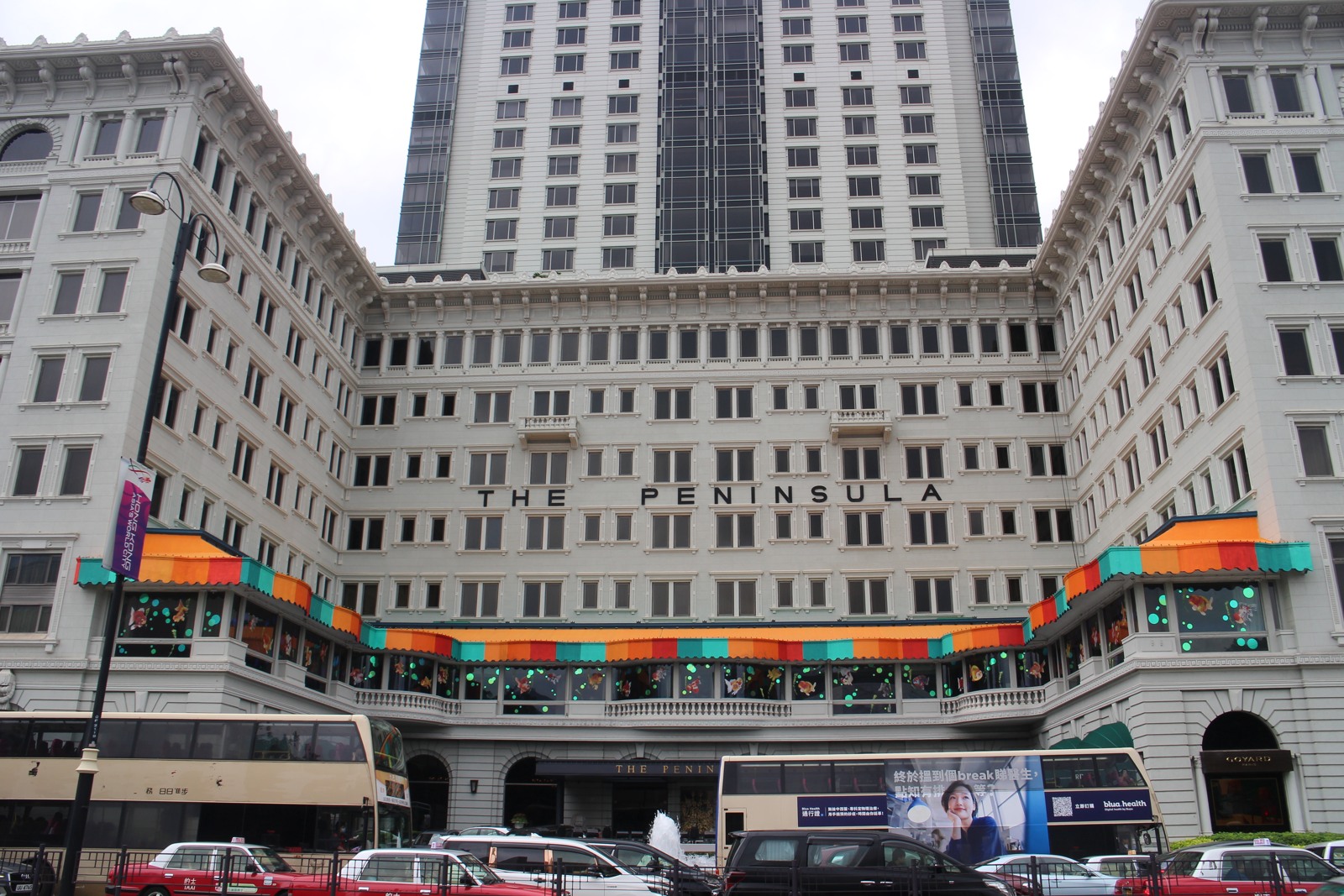

Set on Salisbury Road in Tsim Sha Tsui, The Peninsula occupies a prominent Kowloon address. The Hong Kong Tourism Board explains the logic of the original location: the railway terminus and cruise arrivals brought travellers to this side of the harbour. Although the transport landscape has changed, the hotel still reads as a place designed around arrival. Its frontage is both an entrance for guests and a familiar marker in the city.

A grand hotel with a complicated past
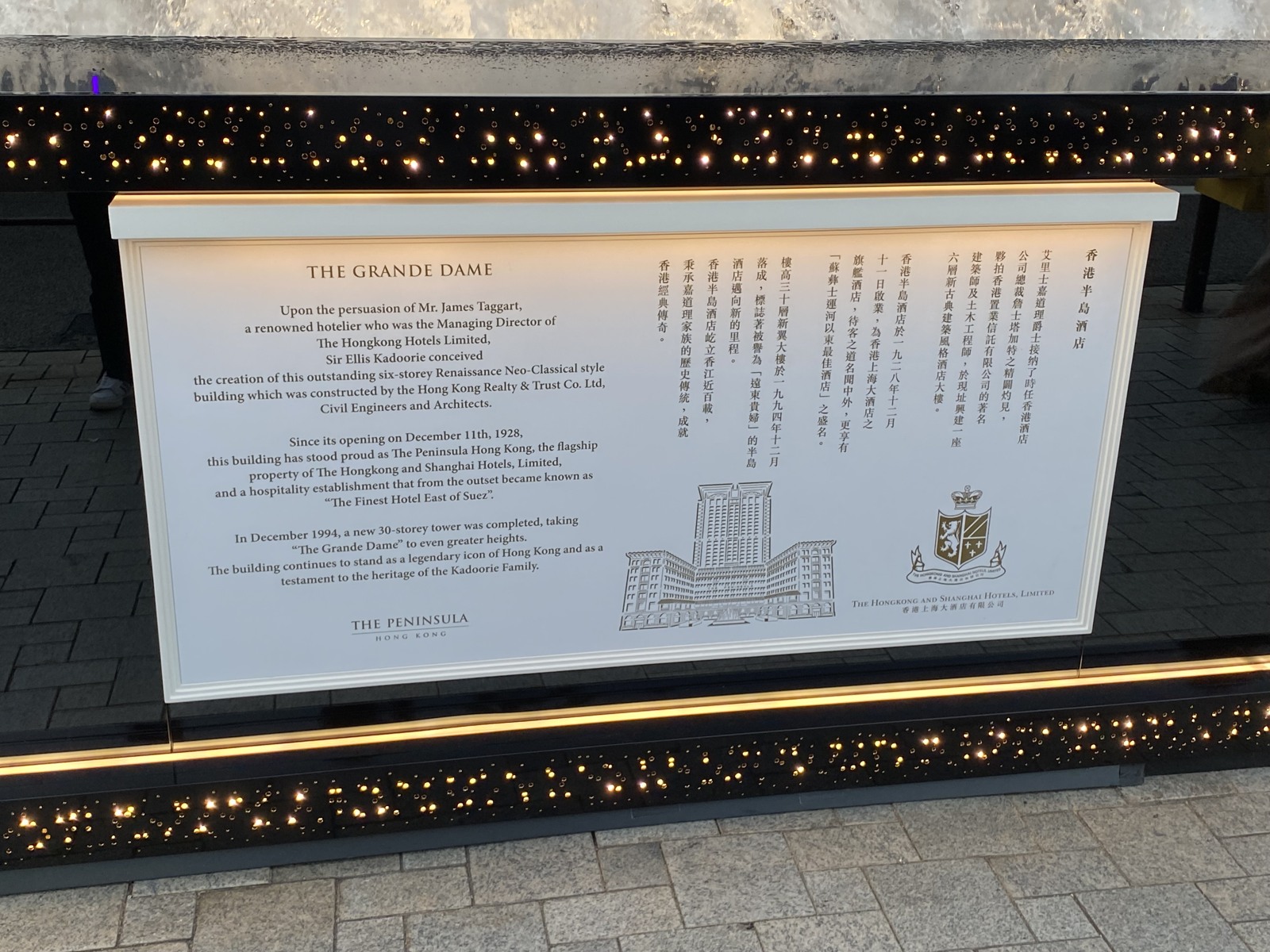
The Antiquities Advisory Board’s architectural appraisal dates construction to 1924–1927 and the opening to 1928. It describes the original seven-storey building’s H-shaped plan and its Italian Renaissance and Baroque Revival vocabulary. Those references are visible in the symmetry, arches and strong cornice rather than in any single decorative flourish. The building was intended to feel established from the beginning.
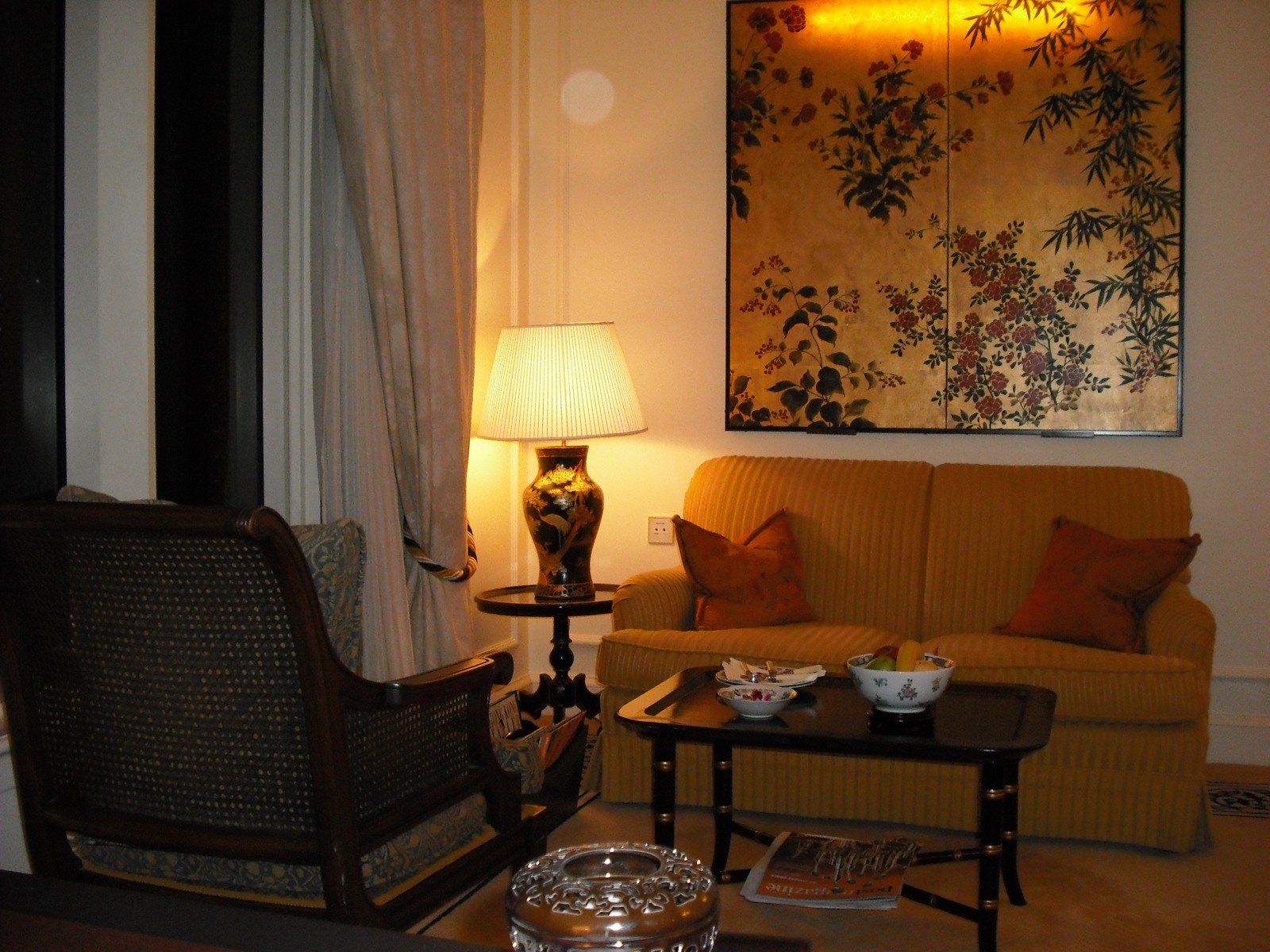

Its history cannot be reduced to afternoon tea and famous visitors. Governor Sir Mark Young signed Hong Kong’s Instrument of Surrender in the hotel on 25 December 1941. After serving the Japanese occupying administration, the building reopened as the Toa Hotel in April 1942, while the occupation continued. It regained the Peninsula name after the war. Remembering that passage gives the setting more depth than a simple celebration of glamour. A long-lived hotel carries the ruptures of its city as well as its festivities.
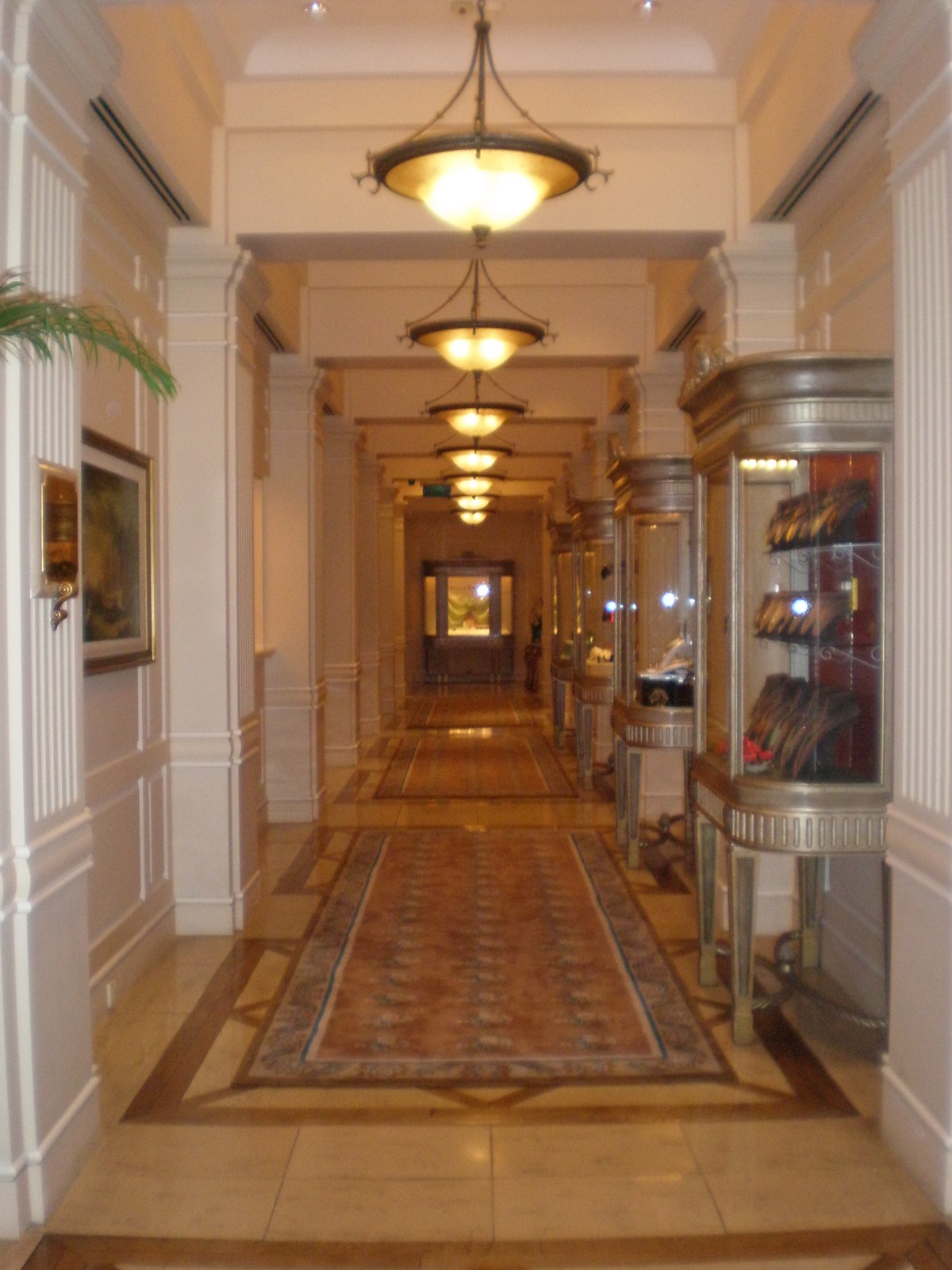

For travellers drawn to buildings that have adapted to new kinds of hospitality, Singapore’s Fullerton Hotel offers a useful comparison, though its origins and transformation are different. In Japan, Fujiya Hotel in Hakone tells another story of architecture and international travel. The Peninsula belongs in that conversation without needing to resemble either property.
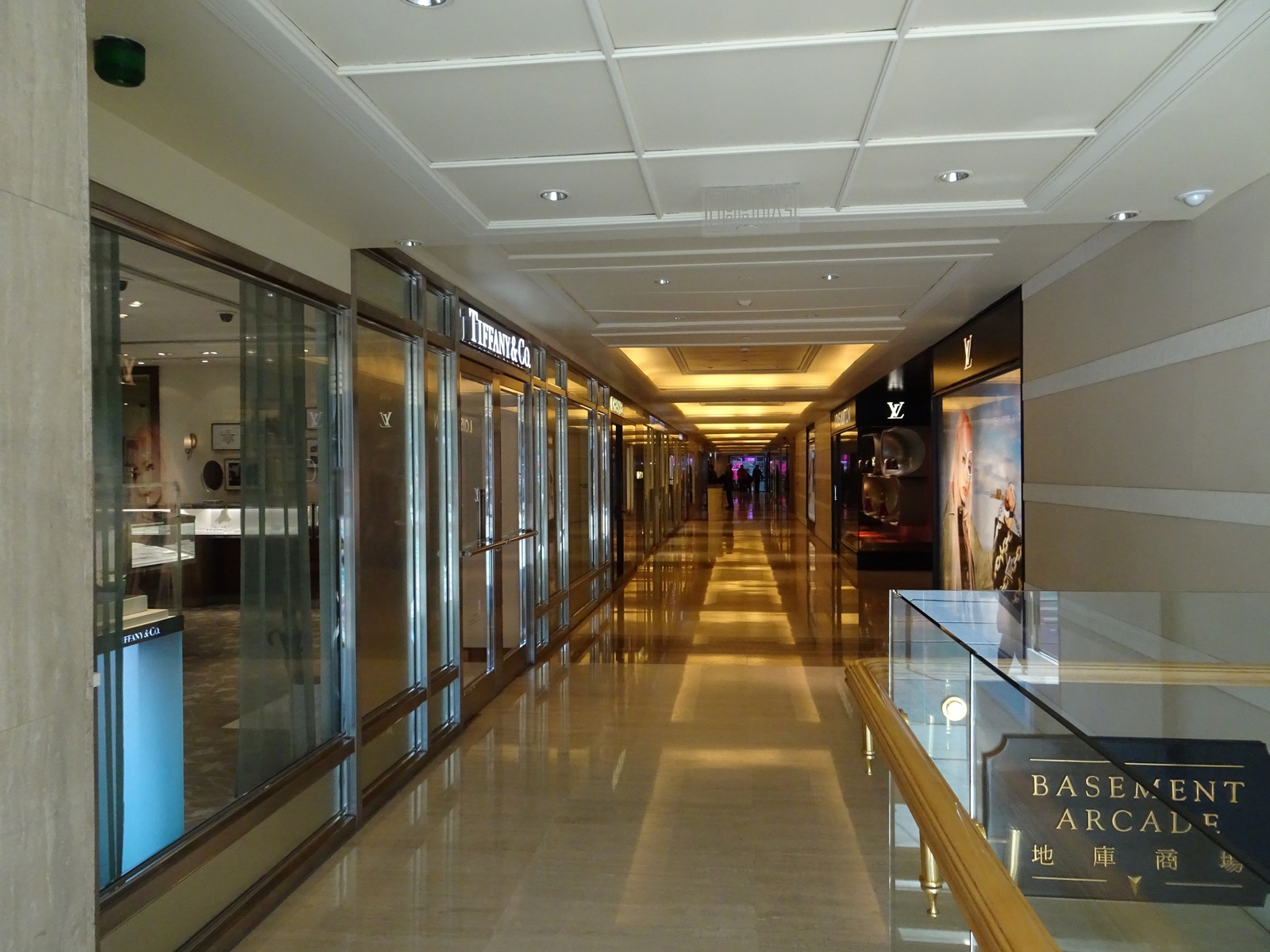

The lobby as a public stage
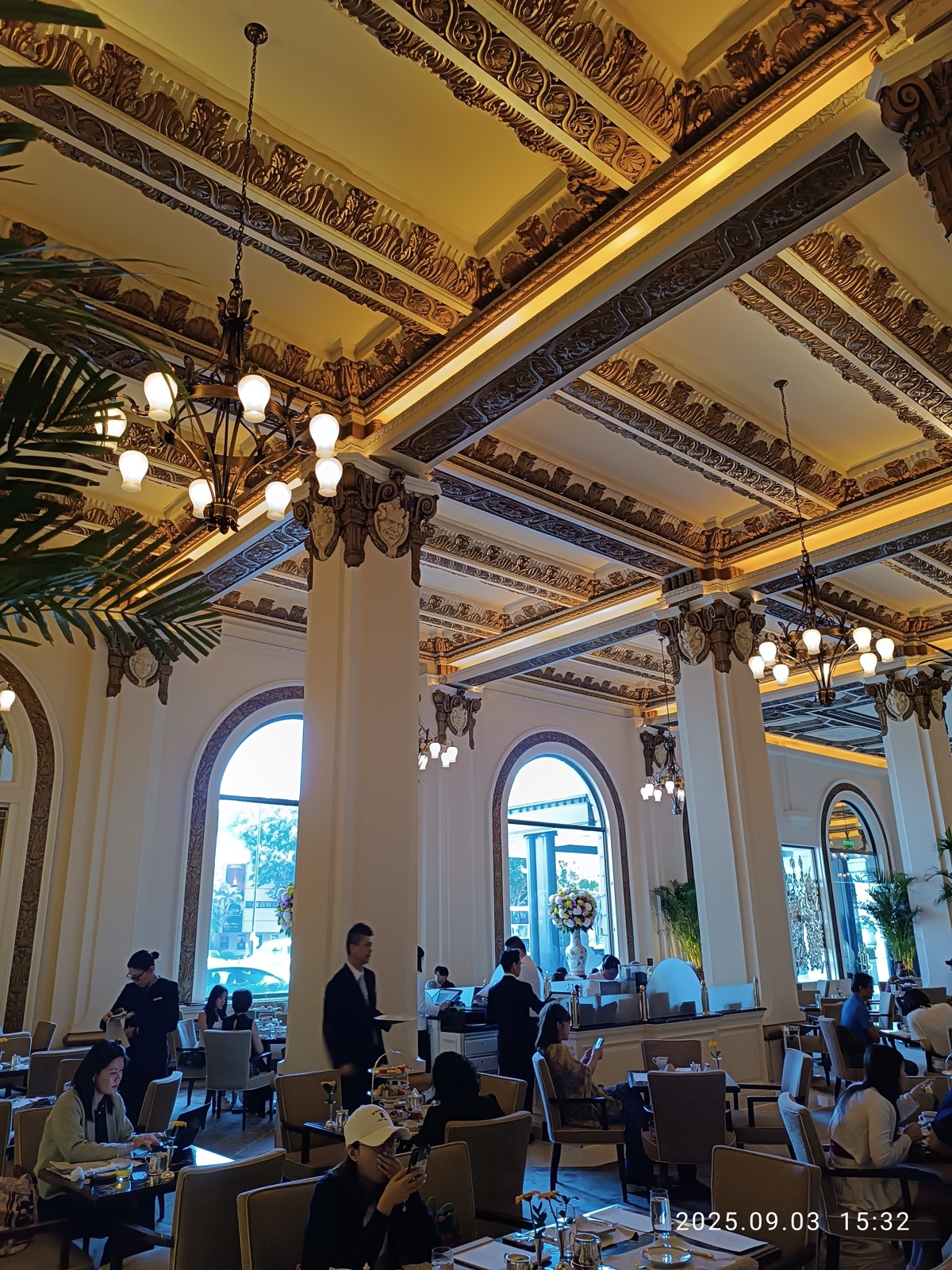
The lobby remains the hotel’s most recognisable interior. Ornate columns, balconies and a carefully framed central space create a room where looking is part of the experience. It is somewhere to sit and observe the choreography of hospitality, not merely a passage between a lift and a car. The distinction helps explain why the hotel has a presence beyond its overnight guests.
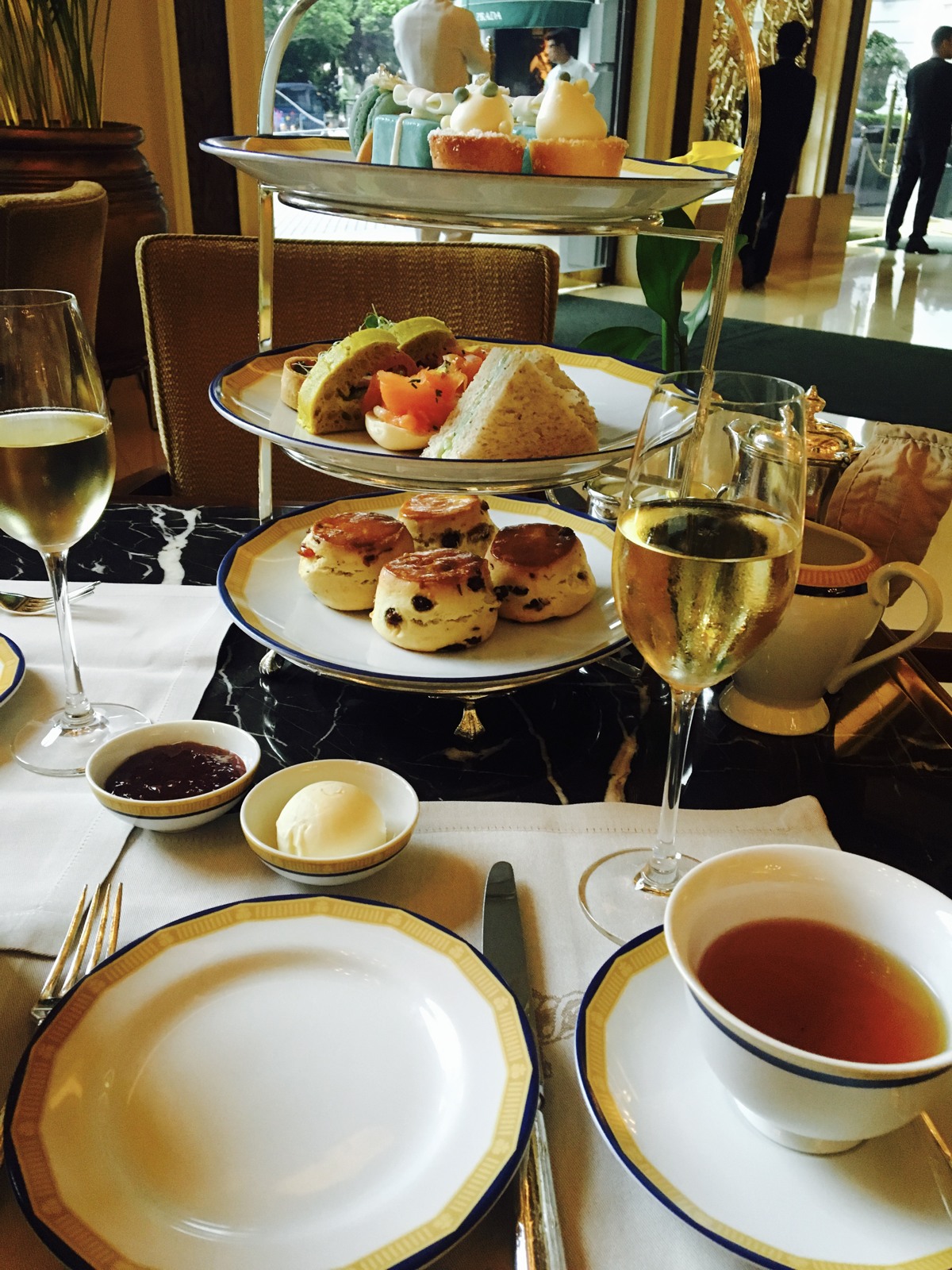

Afternoon tea is one expression of that public life. The hotel’s current presentation places the ritual in the Lobby, accompanied by music from the gallery above. Seasonal variations mean that a historical photograph of a tea stand should not be treated as a promise of today’s menu. The attraction is the combination of setting and occasion; current service details and reservations belong with the hotel itself.

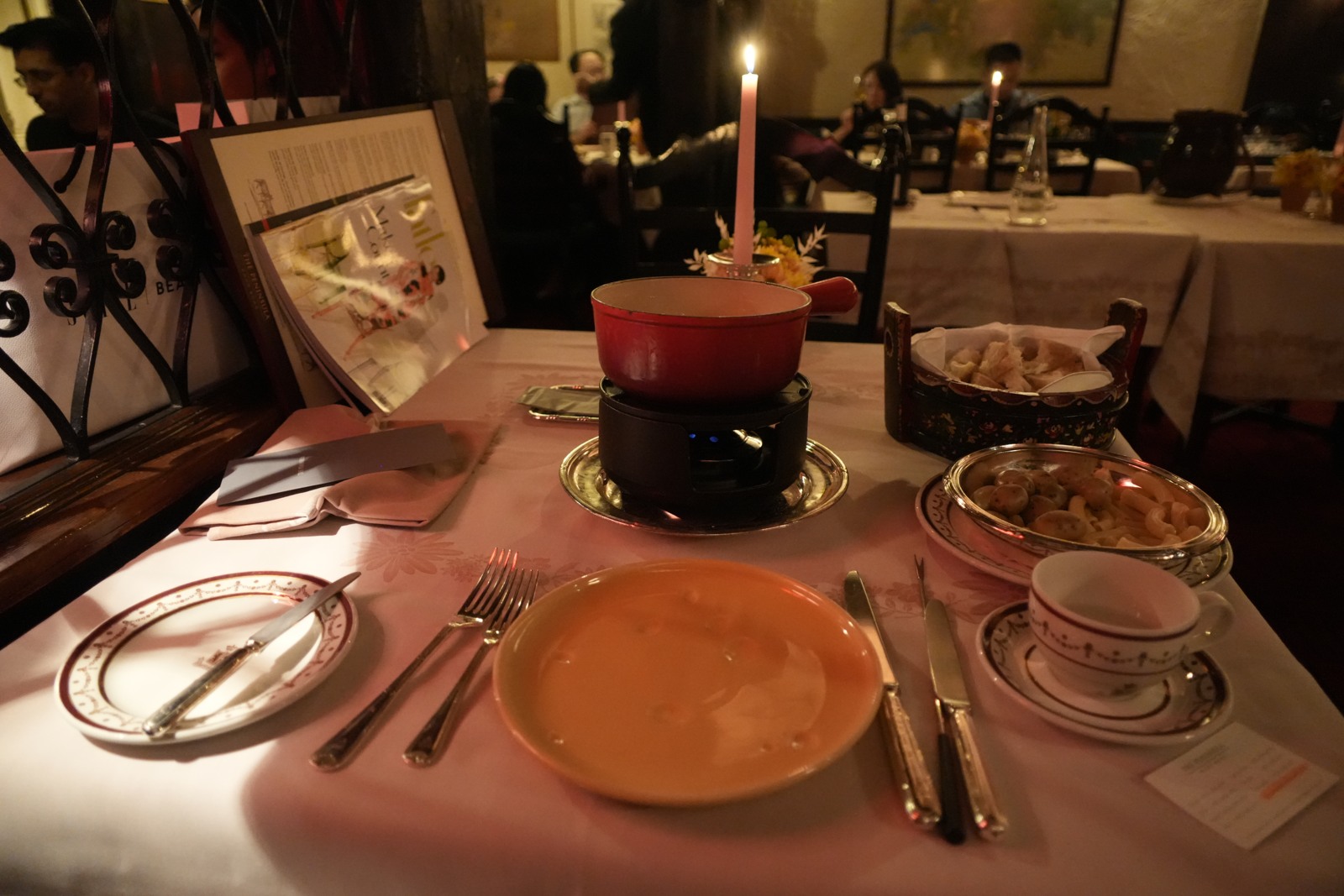
The broader dining programme reaches beyond that British-inflected ritual, describing Cantonese, French and Swiss traditions among its offerings. This breadth matters in a grand hotel: a guest can encounter different styles without the building losing its overall identity. It also means that a stay need not revolve around the one experience most frequently photographed.

Staying in the present
The Peninsula is a working hotel, not a period-room exhibition. Its current accommodation pages are the appropriate starting point for choosing a room, because outlook, layout and inclusions vary. Archival photographs in this article document the property over time; they are not a guarantee of the furnishings, view or dining arrangements attached to a future reservation.

Beyond the doors, Kowloon supplies a different tempo. The waterfront and streets around Tsim Sha Tsui place the hotel in an active urban setting rather than a sealed resort landscape. Our archival account of the Ocean Terminal Deck’s 2017 opening records another chapter in the area’s changing relationship with the harbour. The Peninsula’s appeal lies in being able to move between those scales: the private room, the social lobby and the larger city whose history continues outside.