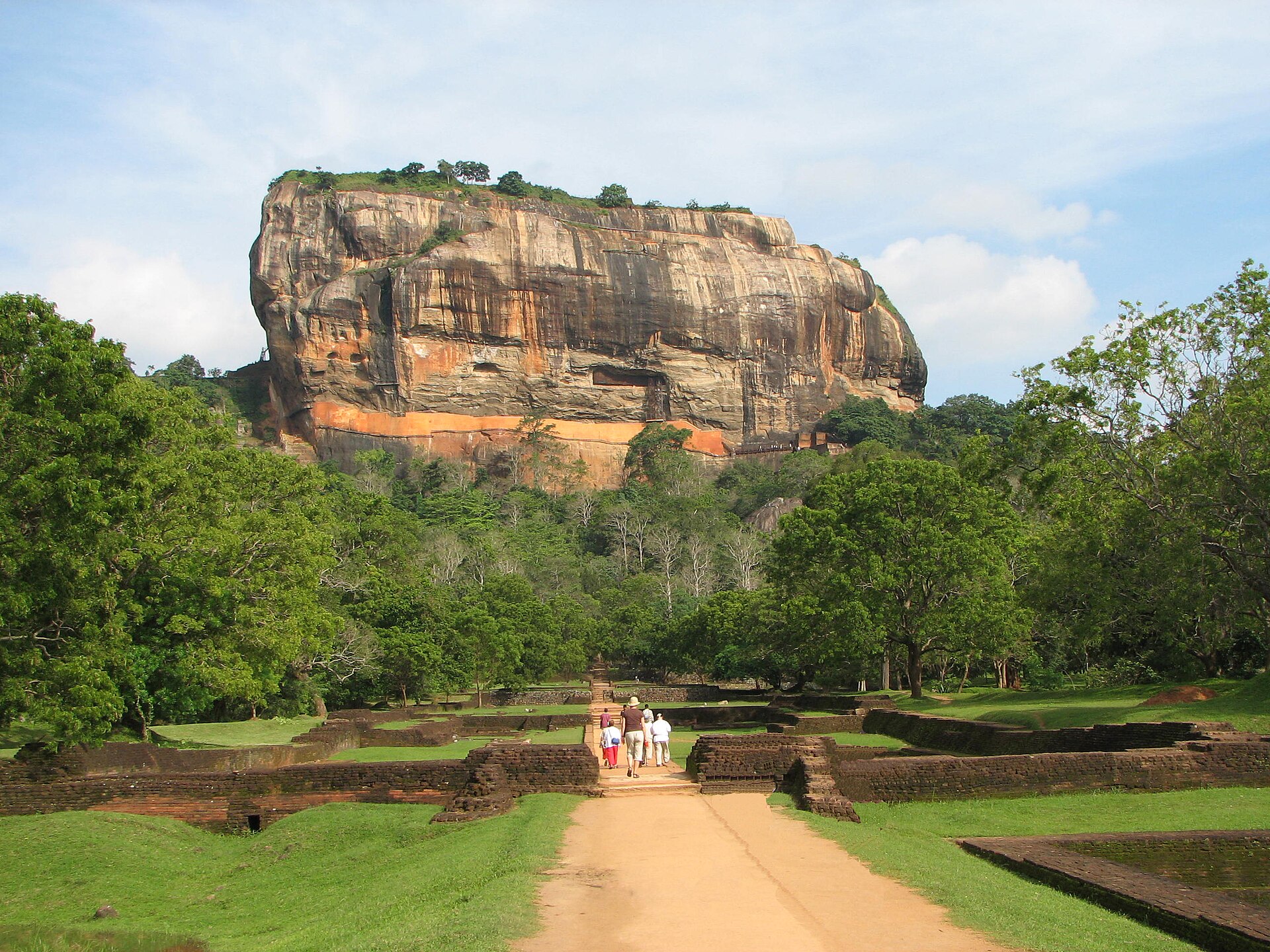
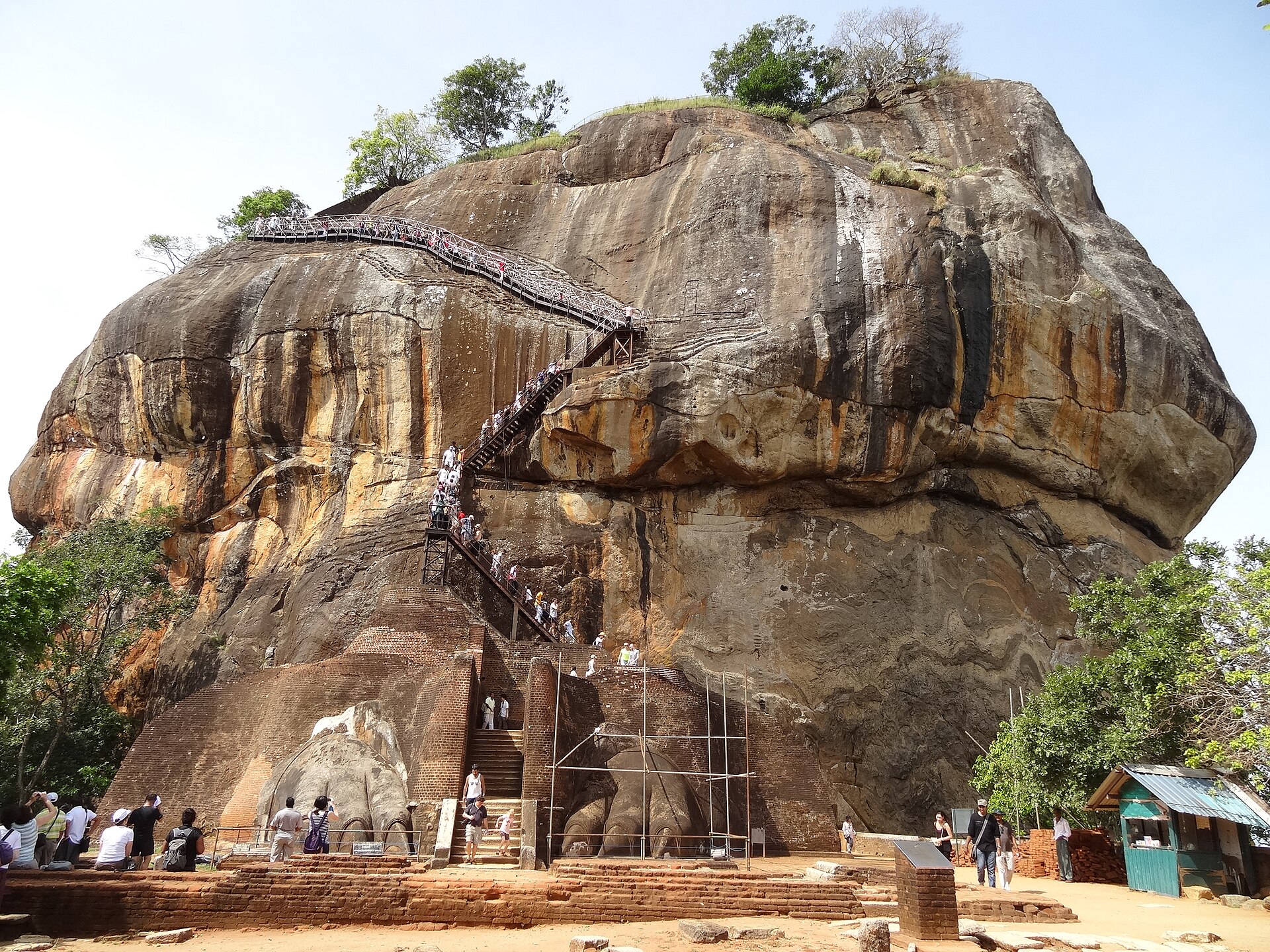
Long before the staircase begins, Sigiriya announces itself as an interruption. A blunt mass of rock rises above the trees of central Sri Lanka, too abrupt to merge into the surrounding landscape. From a distance it is an extraordinary silhouette. Closer in, the pools, channels and carefully arranged approaches change the story: this was not simply a spectacular place to build. It was a landscape made to express power.
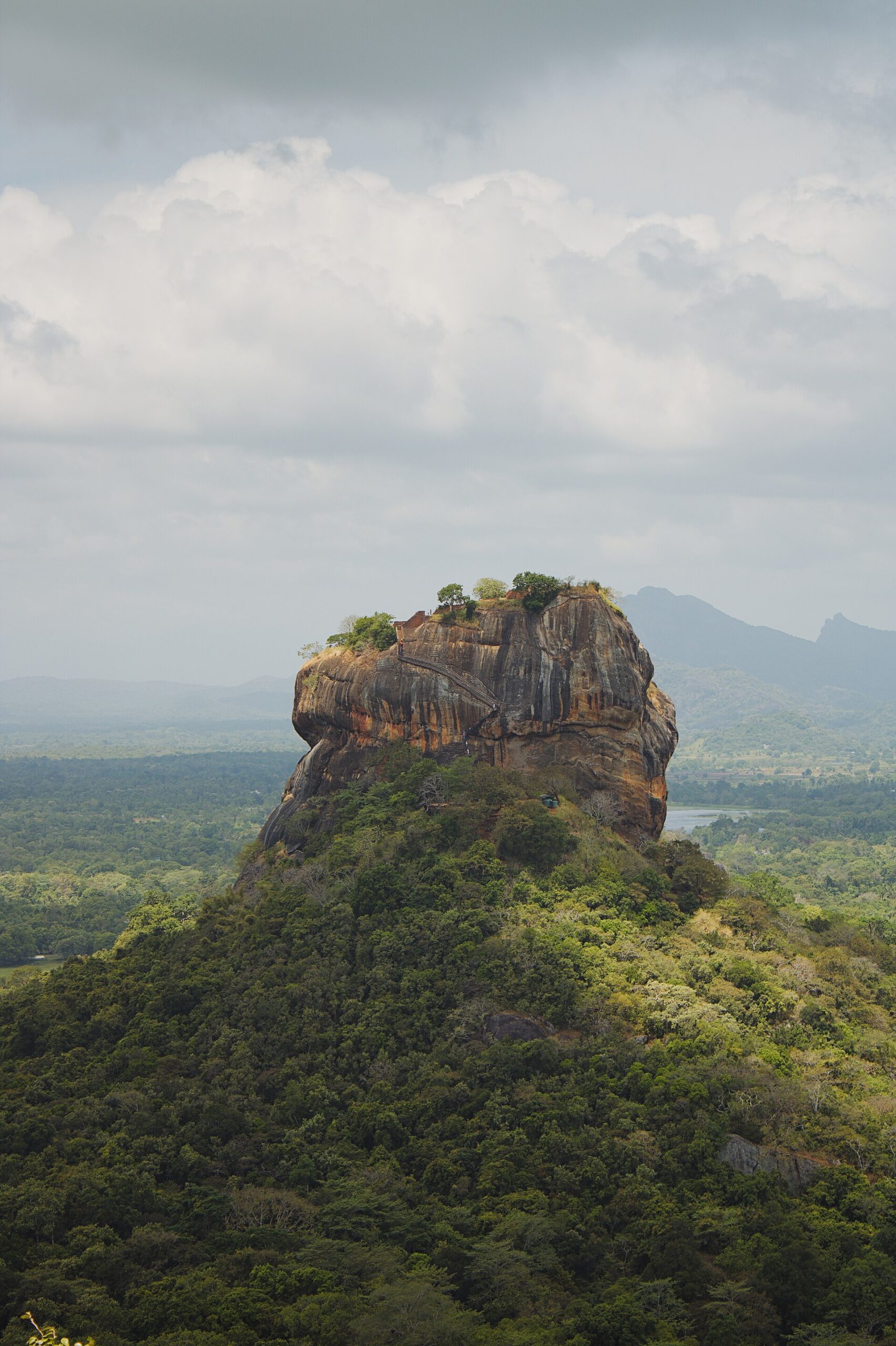

The UNESCO-listed Ancient City of Sigiriya preserves the remains of the capital associated with King Kassapa I, whose reign lasted from 477 to 495. The rock supplied both elevation and drama; architecture extended its authority into the ground below. Reading the site only as a climb to a viewpoint misses much of what makes it remarkable. Its strongest impression comes from the relationship between the summit and the ordered world spread beneath it.

A kingdom written into the landscape
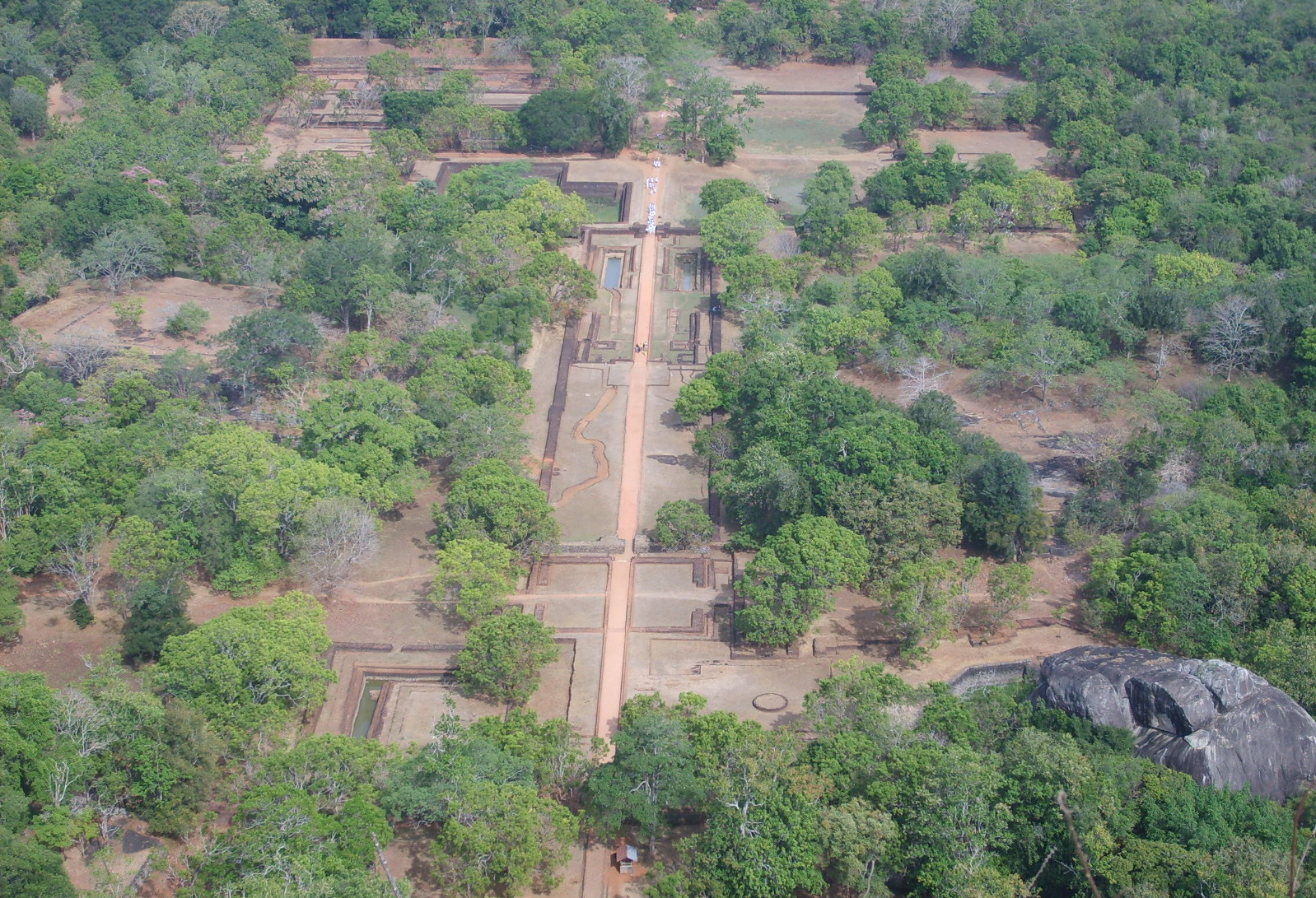
The familiar story is one of a ruler who seized power after killing his father and established himself away from Anuradhapura. Sri Lanka Tourism’s account of the royal complex places gardens, ponds, terraces and palace structures within that turbulent fifth-century episode. Yet the result is more than a monument to fear. The formal arrangement of water and stone suggests a court concerned with pleasure, ceremony and the visible command of its surroundings.
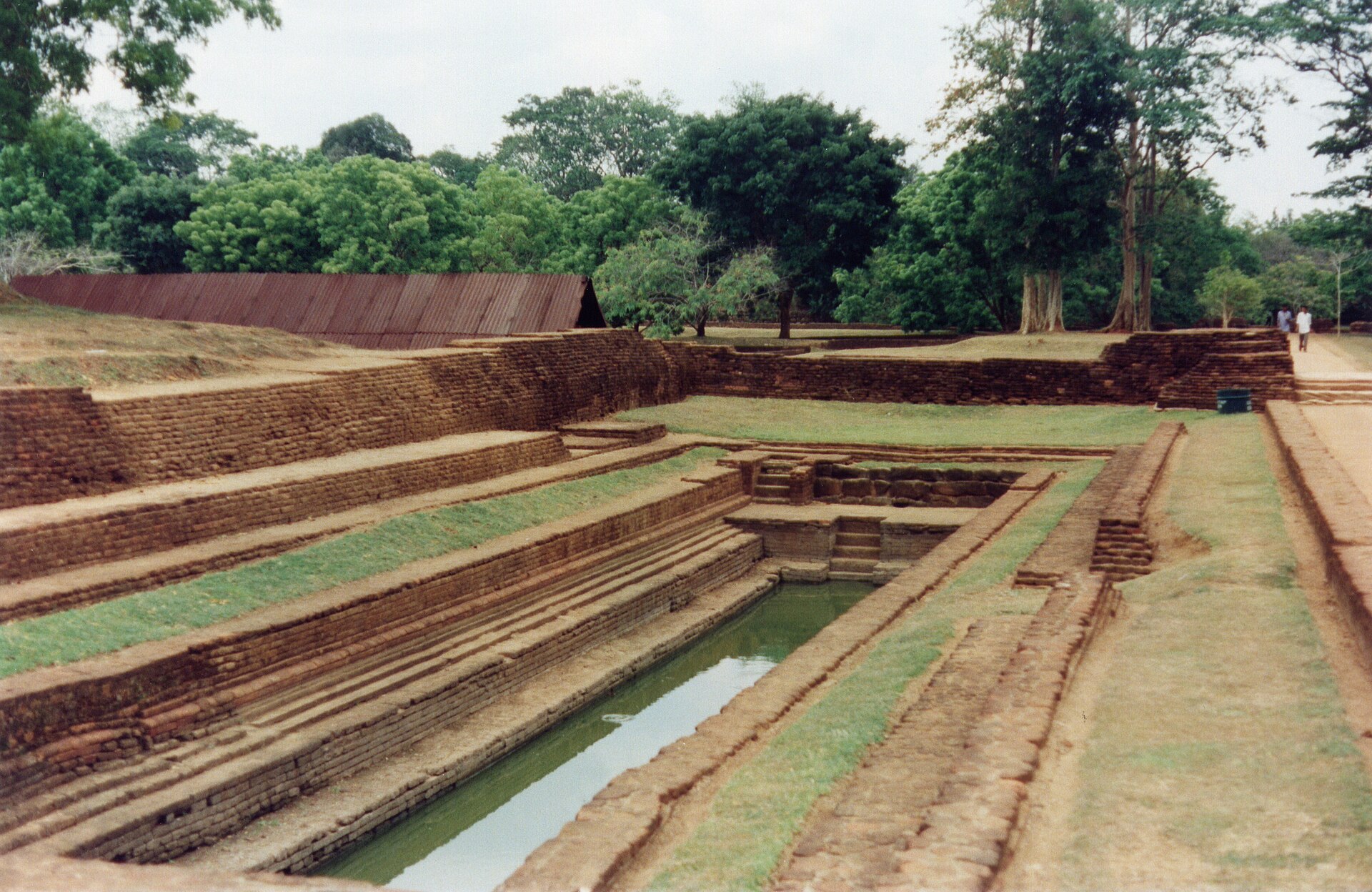

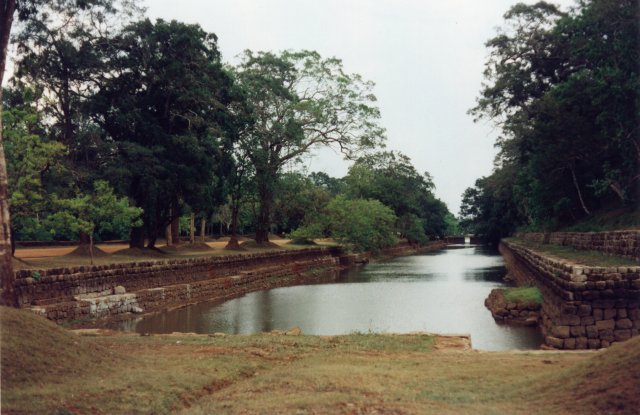
At ground level, geometry competes with the mass of the rock. Water gardens establish a deliberate rhythm, while the boulder-strewn approaches make the terrain feel less obedient. The changing scale matters: broad views give way to passages, then open again. The route reveals how architecture can control not just movement but expectation. It is worth resisting the pull of the summit long enough to notice the foundations, the edges of pools and the point at which an apparently natural landscape becomes a designed one.

The human traces below the summit
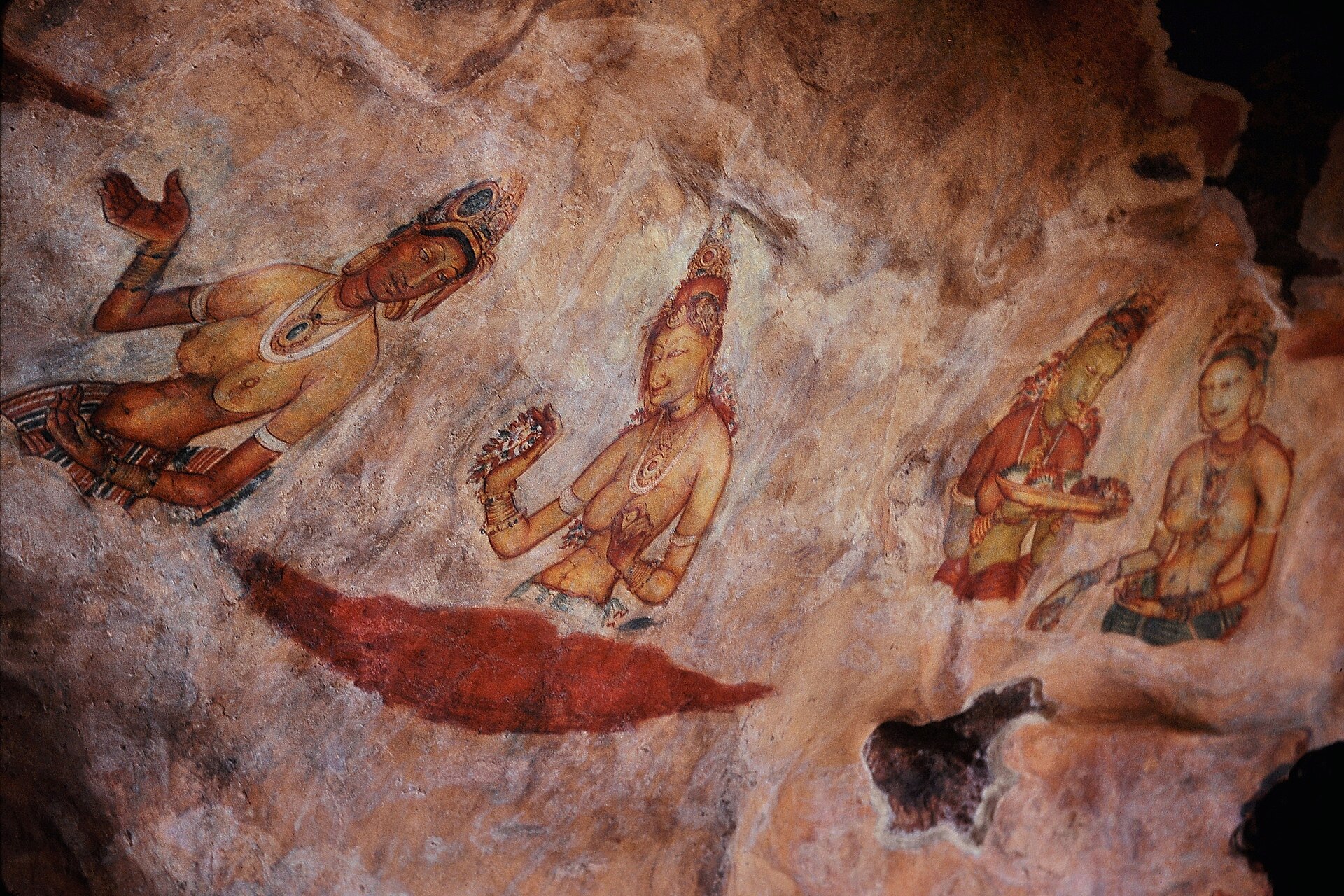
Sigiriya’s painted figures introduce another register entirely. Against the severity of stone, their colours and gestures suggest a much more intimate world. Their identities remain debated; turning them into a confidently labelled royal cast would flatten that uncertainty. The Mirror Wall offers a different kind of presence, preserving responses left by earlier visitors. Together, painting and writing make the place feel less remote than its ruined buildings initially suggest.

The Sri Lanka Tourism description of the museum points to excavated objects, reproductions of the paintings and translations of inscriptions. That context is valuable precisely because so much of the architecture survives as fragments. A low wall can tell little to an unprepared eye; an explanation of what stood around it can transform the same patch of ground. The museum deserves to be part of the experience, rather than an afterthought once the climb is over.
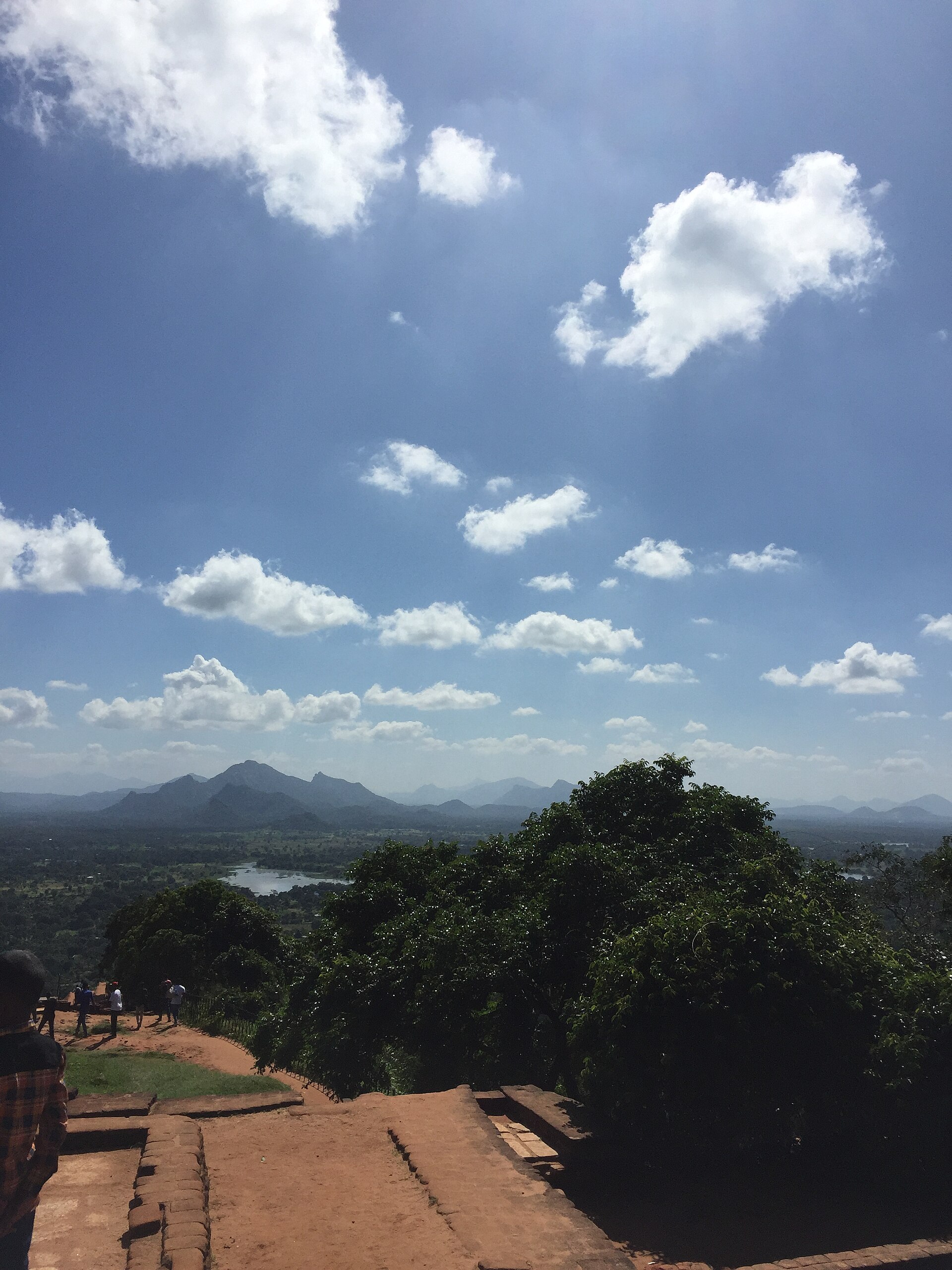

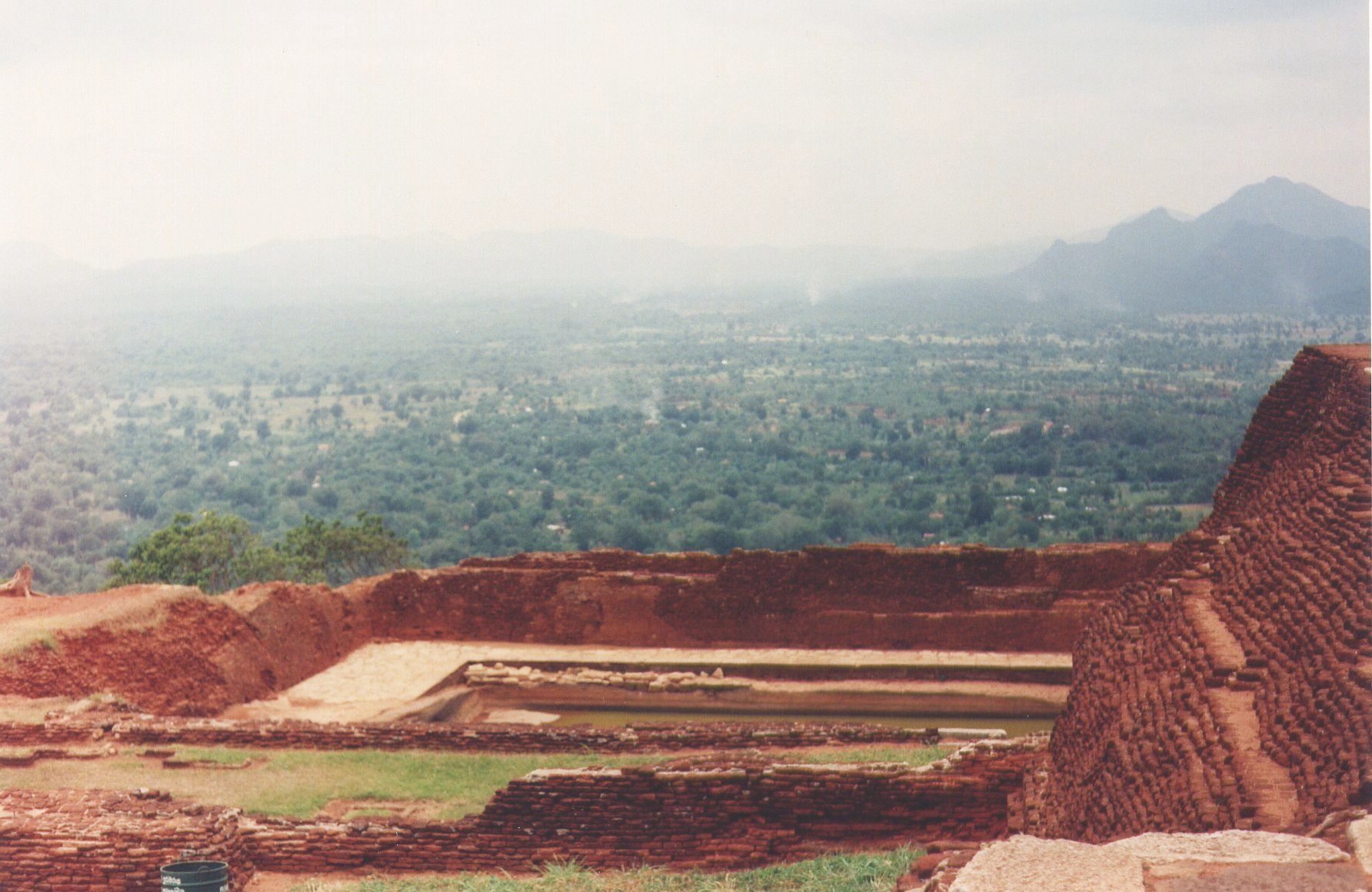
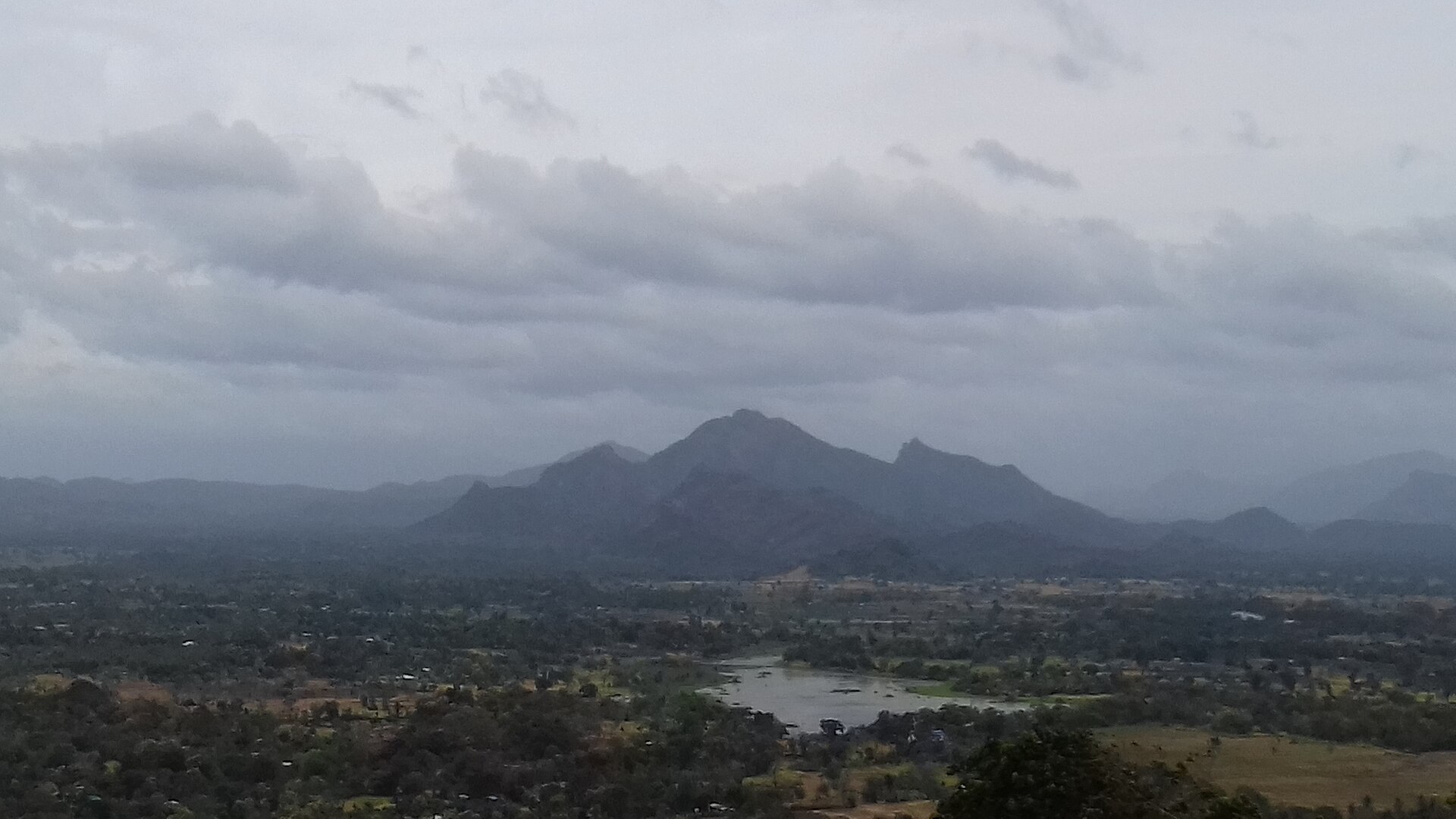
At the Lion Gate, the surviving giant paws turn an entrance into a statement. Beyond them, the ascent makes the rock’s steepness impossible to ignore. On the summit, the scene opens again: brick remains and water lie against a much larger horizon of trees. The gardens below acquire a clarity that was harder to grasp from the paths. The view is memorable, but so is this reversal of perspective, when the place just walked through becomes a plan.

A fragile inheritance, not a backdrop
Sigiriya demands practical respect as well as admiration. The climb involves steep stairs and exposed sections, so it is not an interchangeable outing for every traveller. Carrying water and avoiding the strongest heat are sensible preparations. Follow staff instructions and posted restrictions rather than treating a photograph as permission to cross a barrier. Current admission arrangements should be checked with the site before travelling, rather than inferred from an old travel account.

Behind the spectacle is an ongoing responsibility to keep fragile structures safe. UNESCO’s 2021 conservation-assistance record concerns repairs to staircases, a visitor platform, a bridge and rock slabs near the lion staircase. An earlier wall-painting conservation project received approval in 2011. These dated records are not announcements of present closures. They reveal, instead, the range of patient work on which a visit depends. The structures and paintings endure because people protect them, manage access and ask visitors to accept limits.

Within a wider journey through Sri Lanka, Sigiriya offers a striking contrast to the inhabited streets of Galle Fort or the coastal setting of Cape Weligama. Here, the essential encounter is with an ambition larger than its surviving buildings. The palace has vanished in much of its detail. The decision to place it on this rock remains almost startlingly legible.