
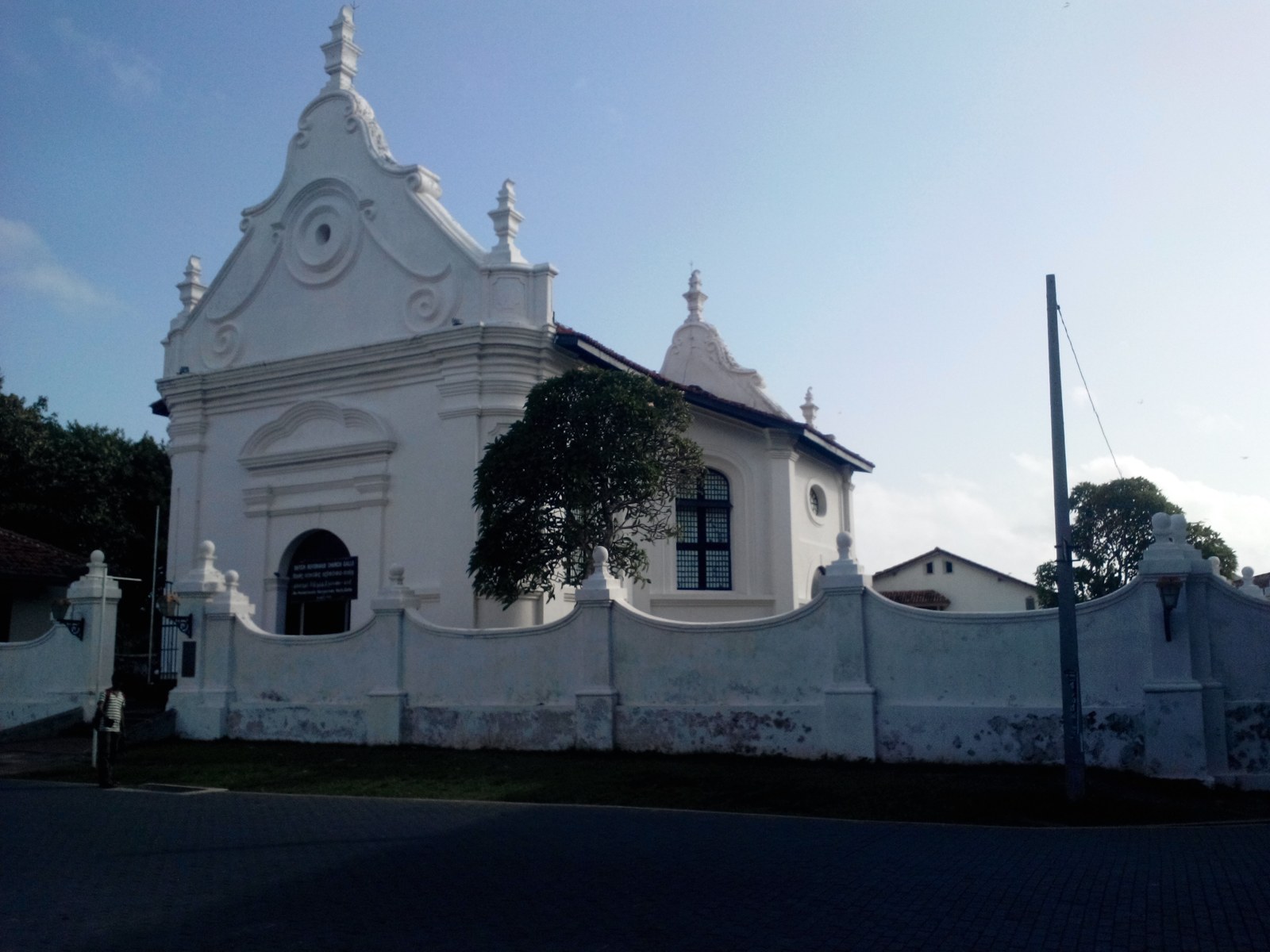
Galle Fort rewards a slower walk. On Sri Lanka’s south coast, defensive walls frame a town of verandas, places of worship and streets that still carry everyday life. The sea gives the visit its setting, but the most interesting contrasts are inside: a monumental gateway followed by a modest doorway, a church facade followed by a shaded colonnade.
Allow at least half a day as a practical starting point, rather than treating the fort as a quick lighthouse photograph. A full day gives you room for an interpretive gallery, lunch and a second walk in softer light. If Galle is part of a longer trip, our Sri Lanka itinerary guide by region helps place this coastal stop alongside the island’s inland heritage.
Understand Galle Fort before walking its walls
The UNESCO description of the Old Town of Galle and its Fortifications traces its origins to the Portuguese in the sixteenth century and its greatest development to the eighteenth century, before British rule. Its significance lies in the meeting of European architectural ideas and South Asian traditions, not simply in the survival of a colonial facade.
That distinction changes how to look around. Pay attention to the way buildings meet the street, the depth of shaded thresholds and the relationship between the town and its fortifications. The walls tell a military story; the spaces behind them reveal a place adapted for living.
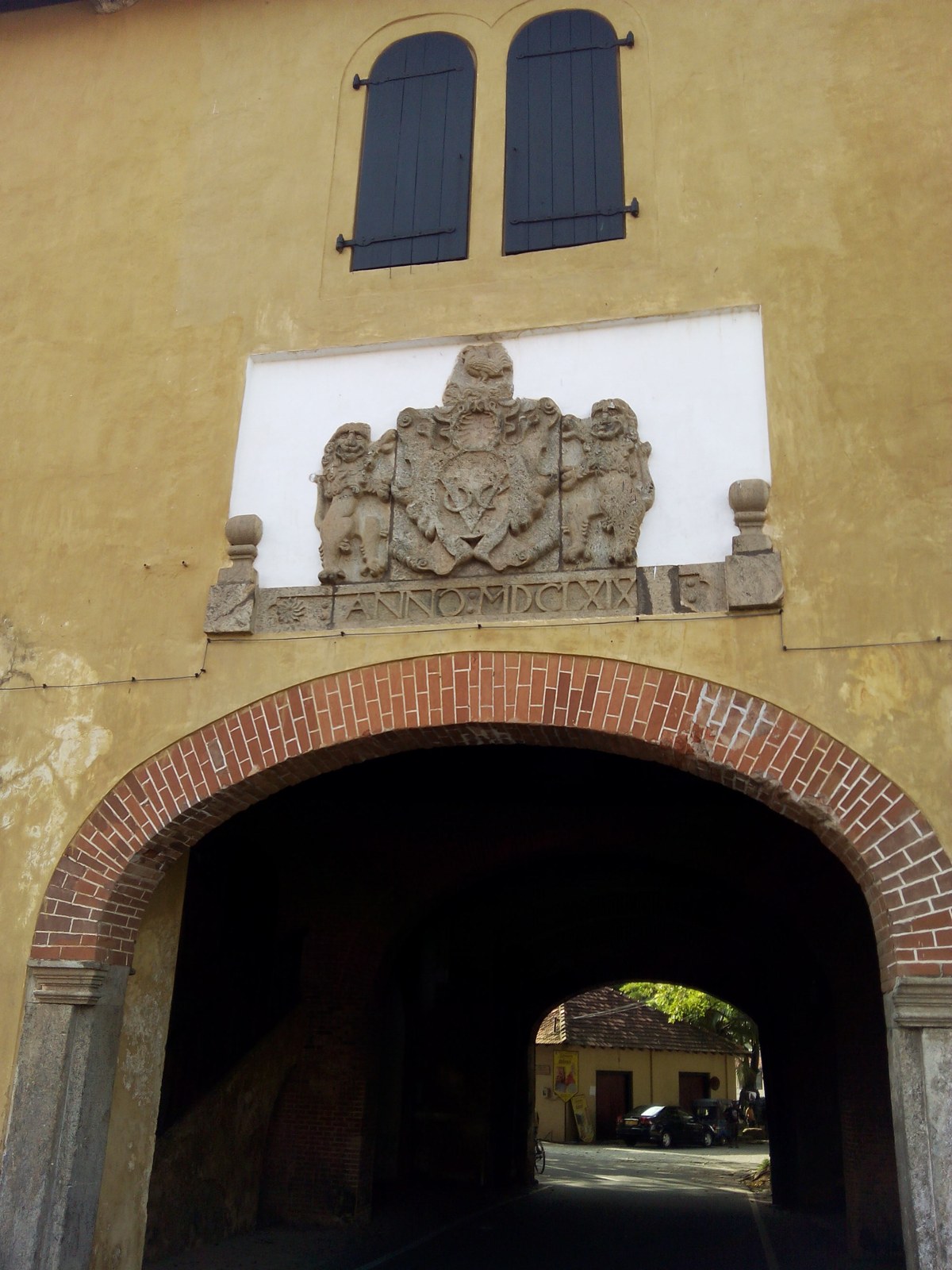
Start with the gates and the inland-facing ramparts
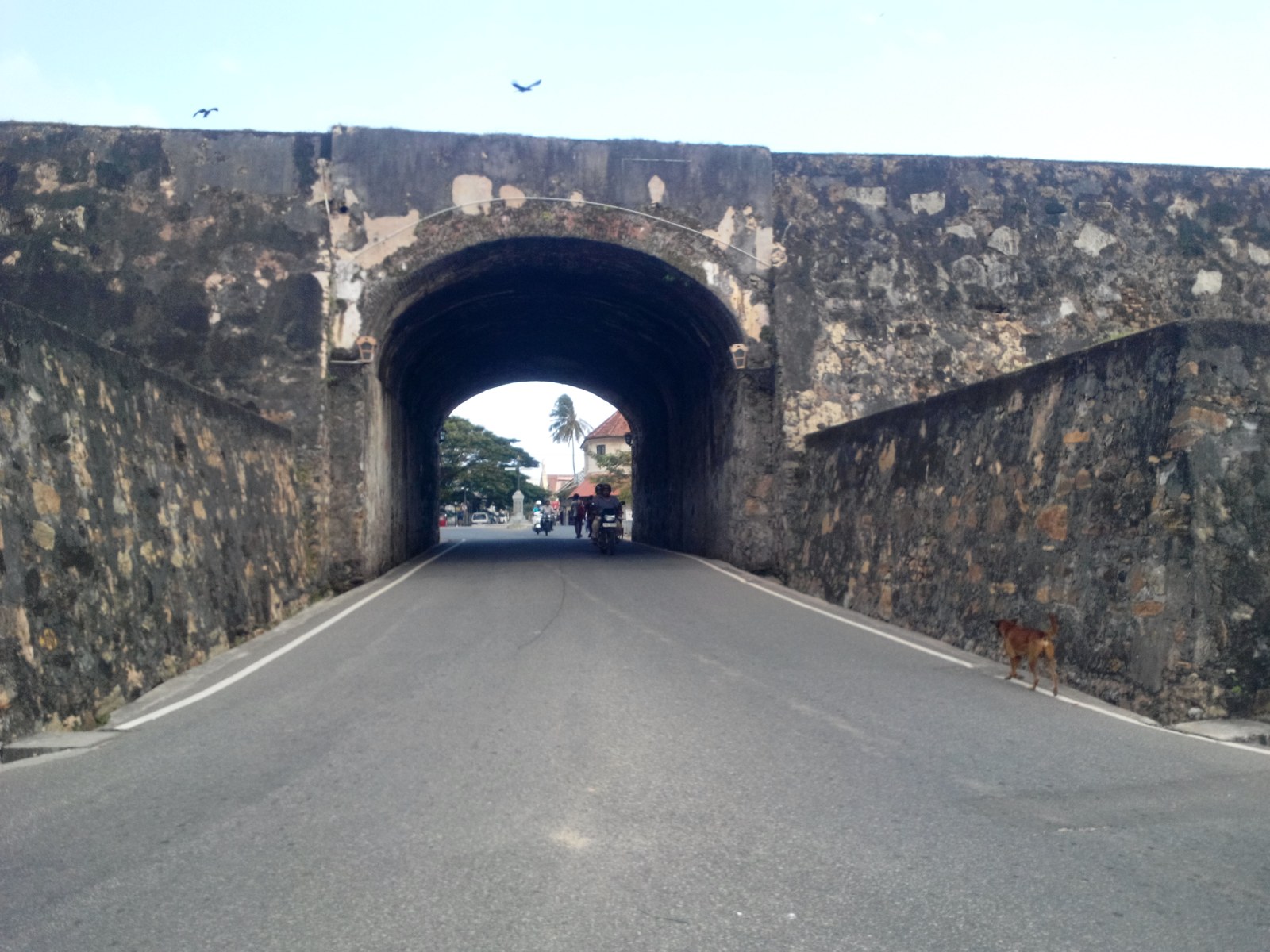
Begin by getting your bearings at the approaches to the fort. The Old Gate and the road through the New Gate offer different perspectives on the boundary between the enclosed town and modern Galle. These are working streets, so keep clear of traffic while looking at the masonry or taking photographs.
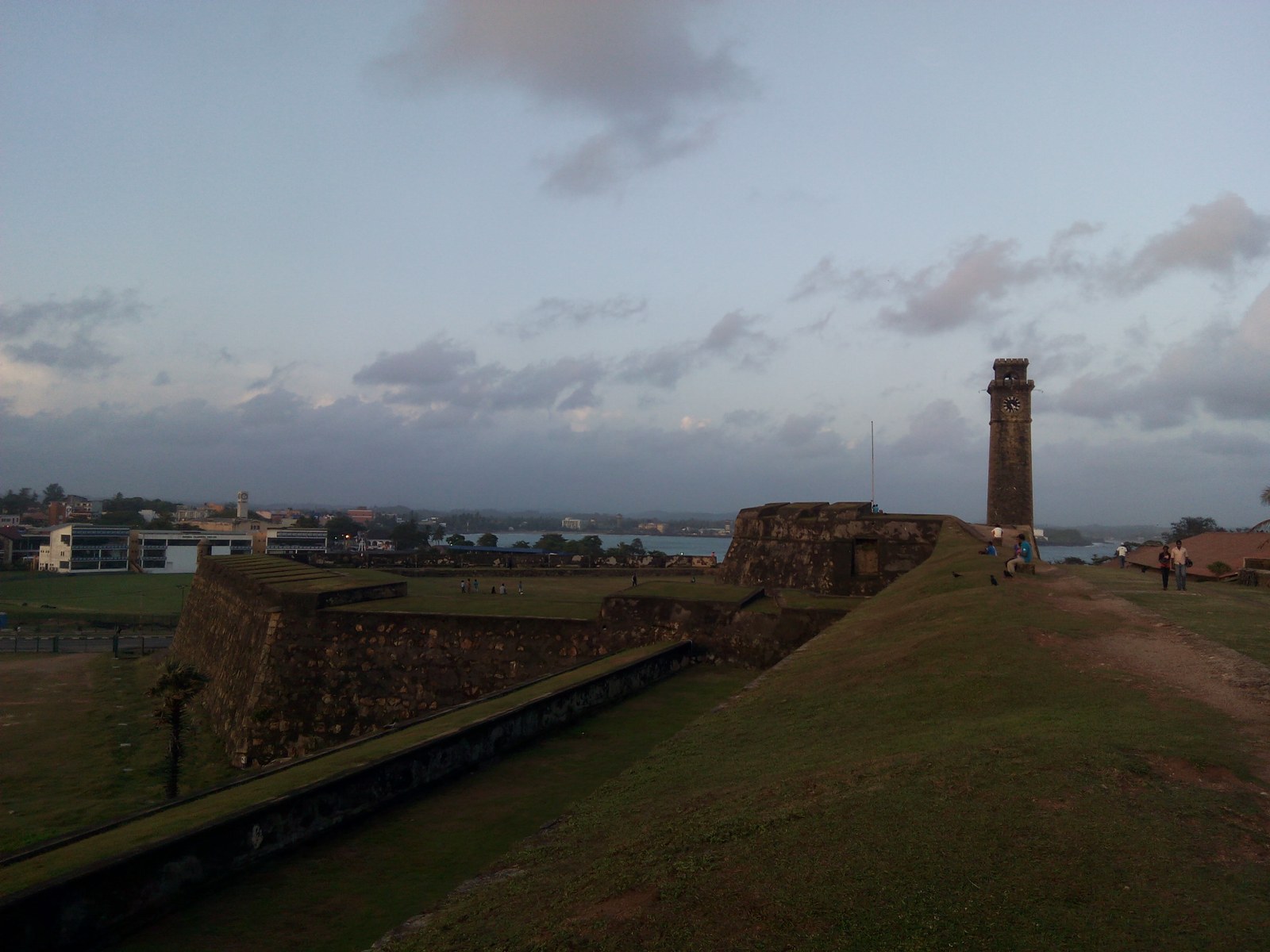
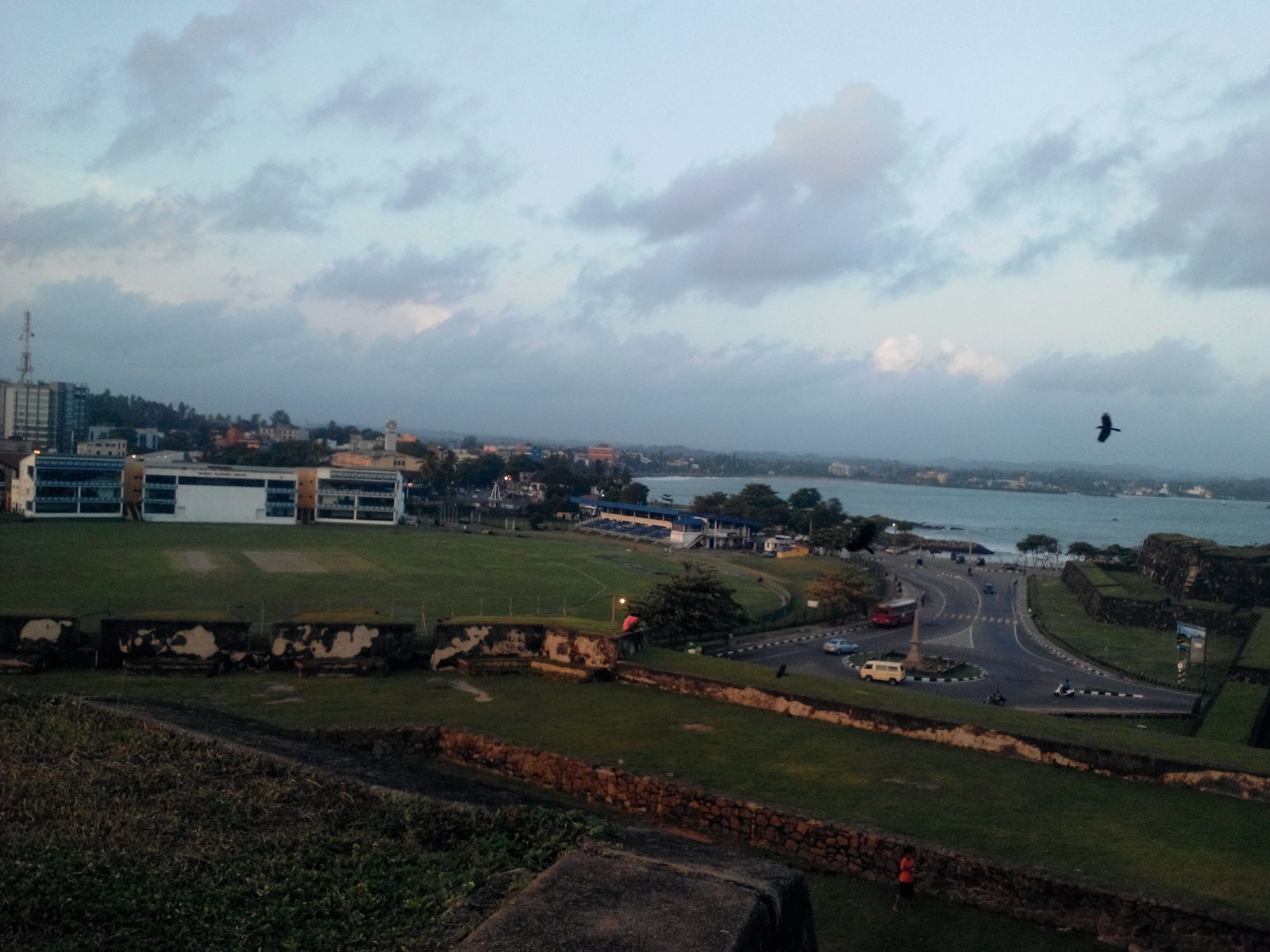
From the ramparts, the clock tower is a useful landmark. Do not confuse it with the lighthouse: their shapes and locations tell different parts of the waterfront story. The view back towards the city is worth as much attention as the view out to sea.
Make time for the streets inside
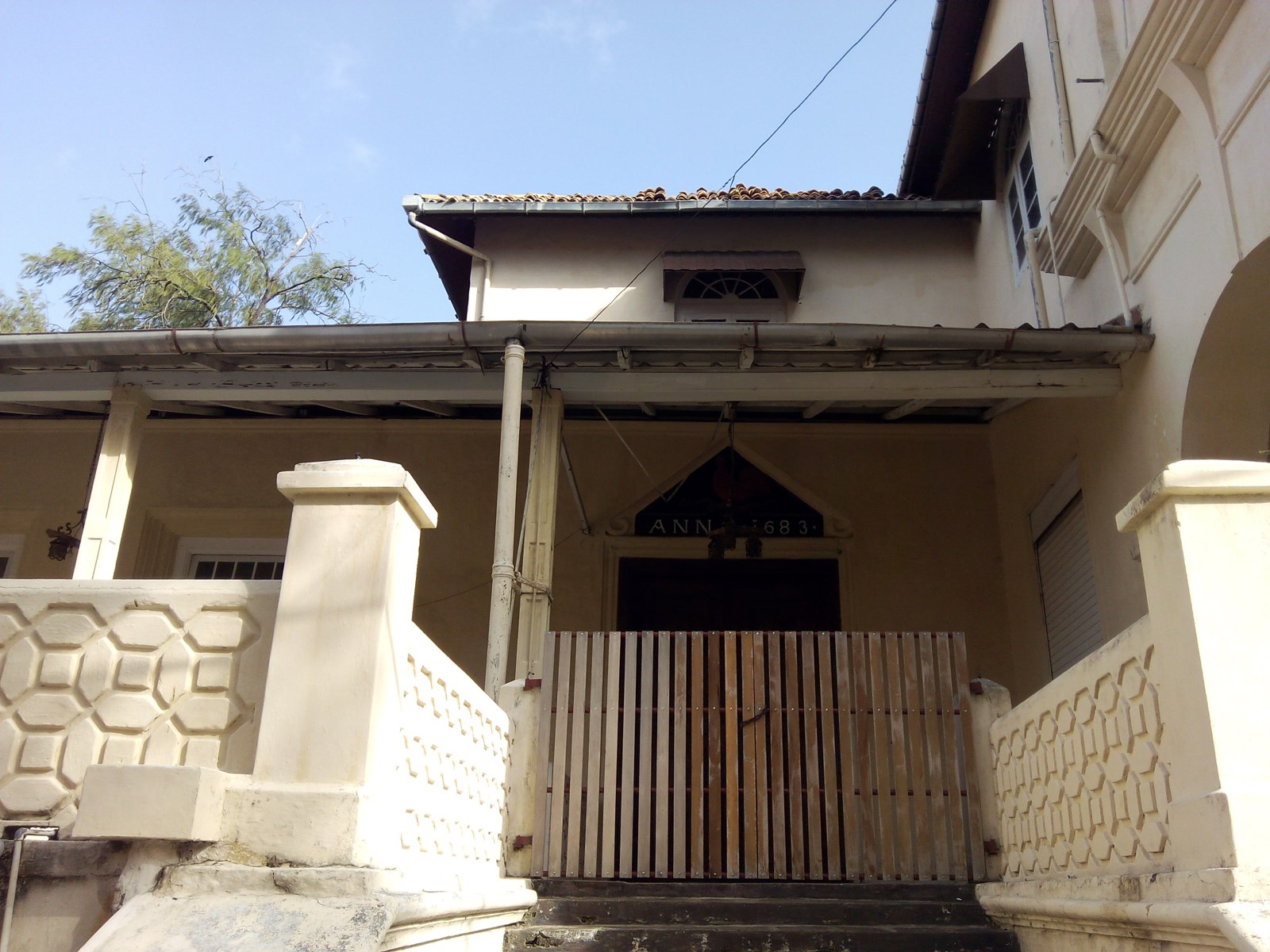
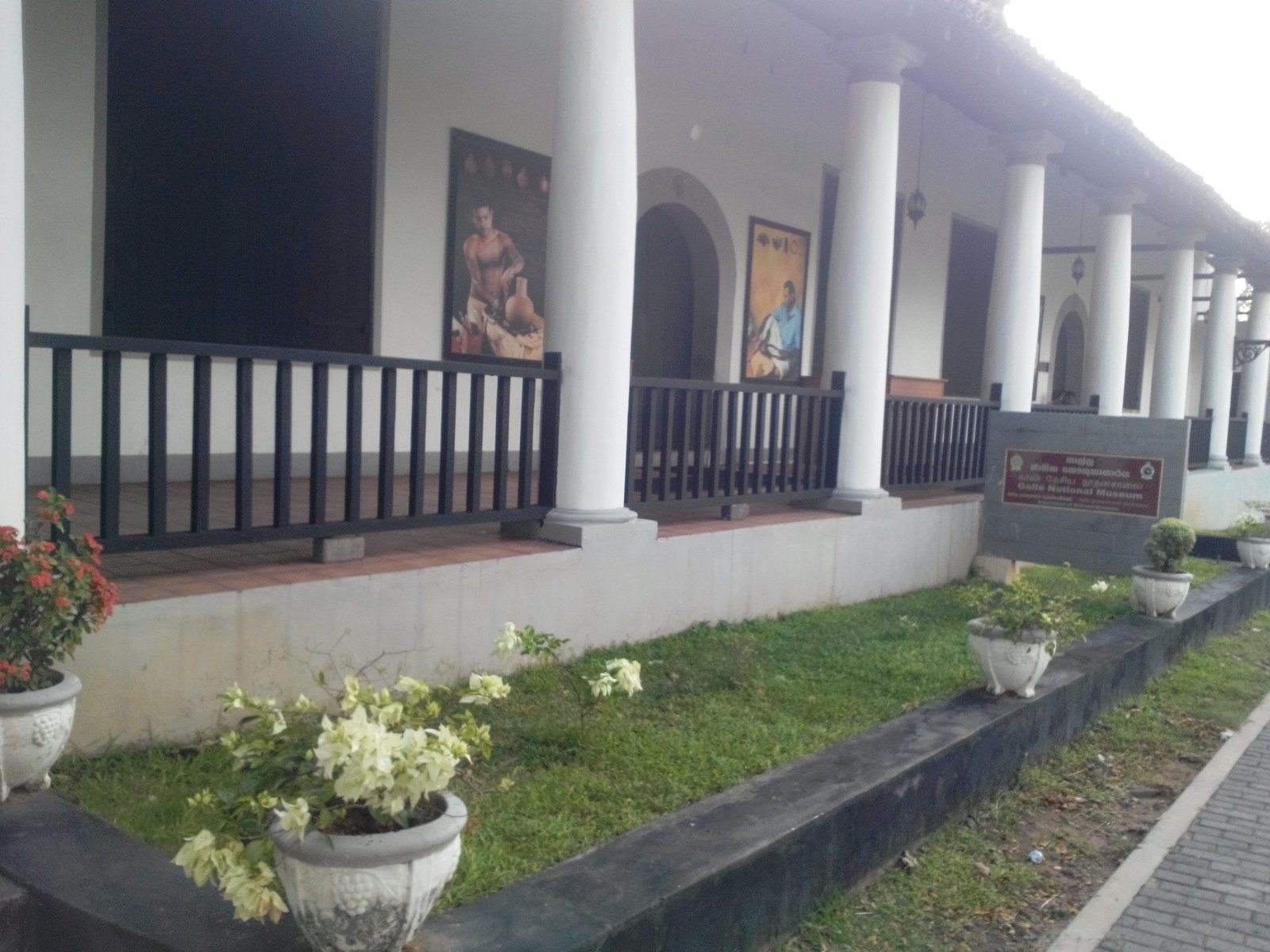
Leave the exposed perimeter for the streets and their verandas. A worthwhile walk alternates between larger landmarks and quieter architectural details: timber railings, columns, pitched roofs and the space between a doorway and the road. Resist the urge to turn every attractive entrance into a photo stop. Some buildings are homes or workplaces, and a visible veranda is not an invitation to enter.
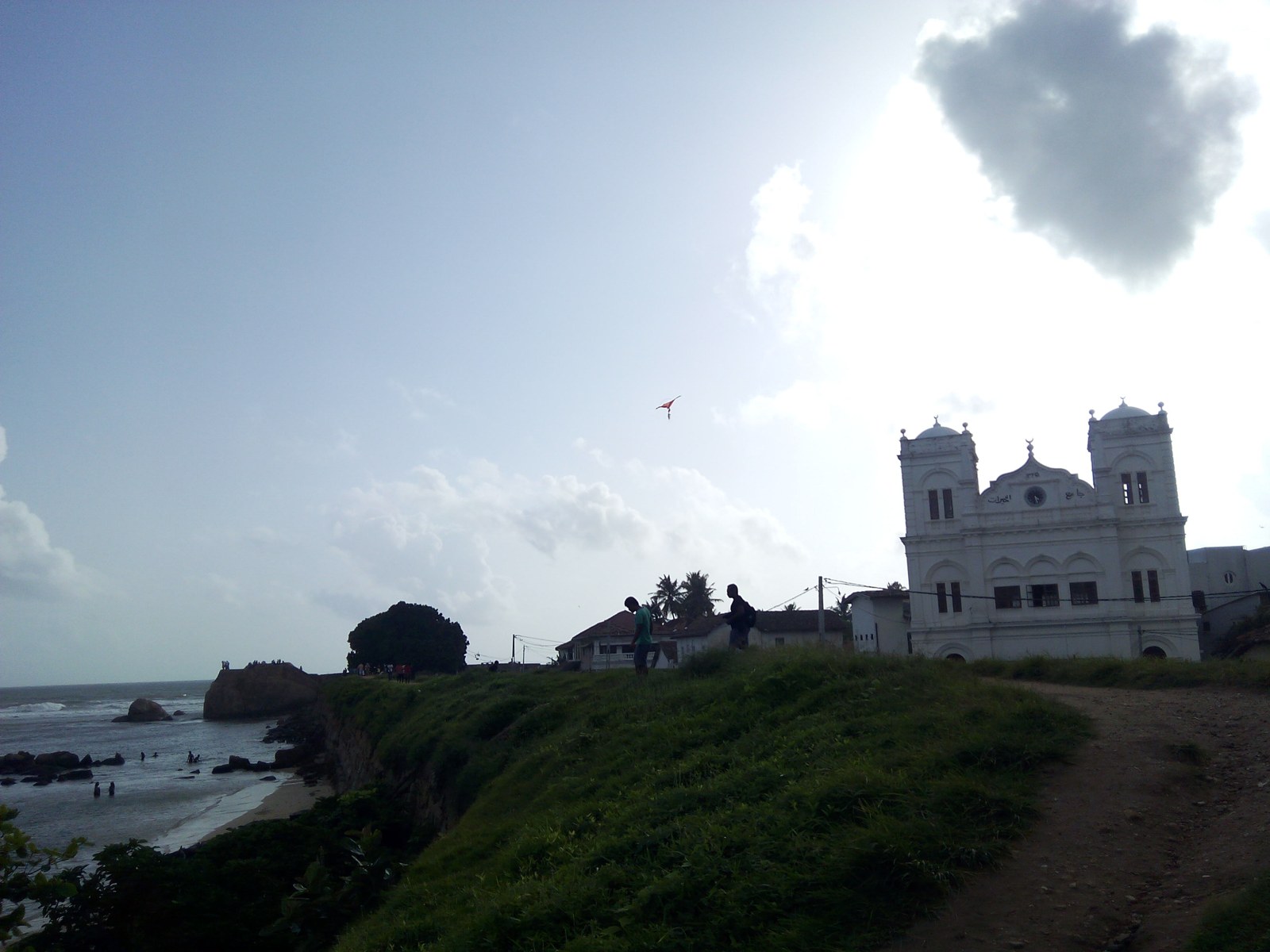
The Dutch Reformed Church provides one recognisable architectural stop. Elsewhere, the coastal mosque is another reminder that this is more than a collection of defensive structures. Follow the instructions at each religious building, dress respectfully and ask before photographing people or worship. Access to an interior should never be assumed from an open street.
Add context at the heritage centre and galleries
The Galle Heritage Foundation’s information centre is on Baladaksha Mawatha. It offers models, illustrations and audiovisual interpretation, with guidebooks and brochures available. The Foundation also says that guiding can be arranged on request. Its published opening hours are 9am to 4.30pm on weekdays, excluding government holidays, so a weekend visitor should not build the whole plan around it.
For the military side of the story, the Foundation’s display galleries in former magazines and bunkers distinguish Portuguese, Dutch and British phases. Black Fort, Star Bastion and Moon Bastion each have their own interpretive emphasis. The galleries use replicas, models and illustrations; they are not a promise of original weapons in every display.
The published gallery hours are 8.30am to 5.30pm daily, including public holidays, with tickets sold at the individual counters. Check the current arrangements before your visit. Some additional underground spaces are described as accessible on request, so do not assume that every bunker is open to walk-in visitors.
Walk the coast without rushing the light
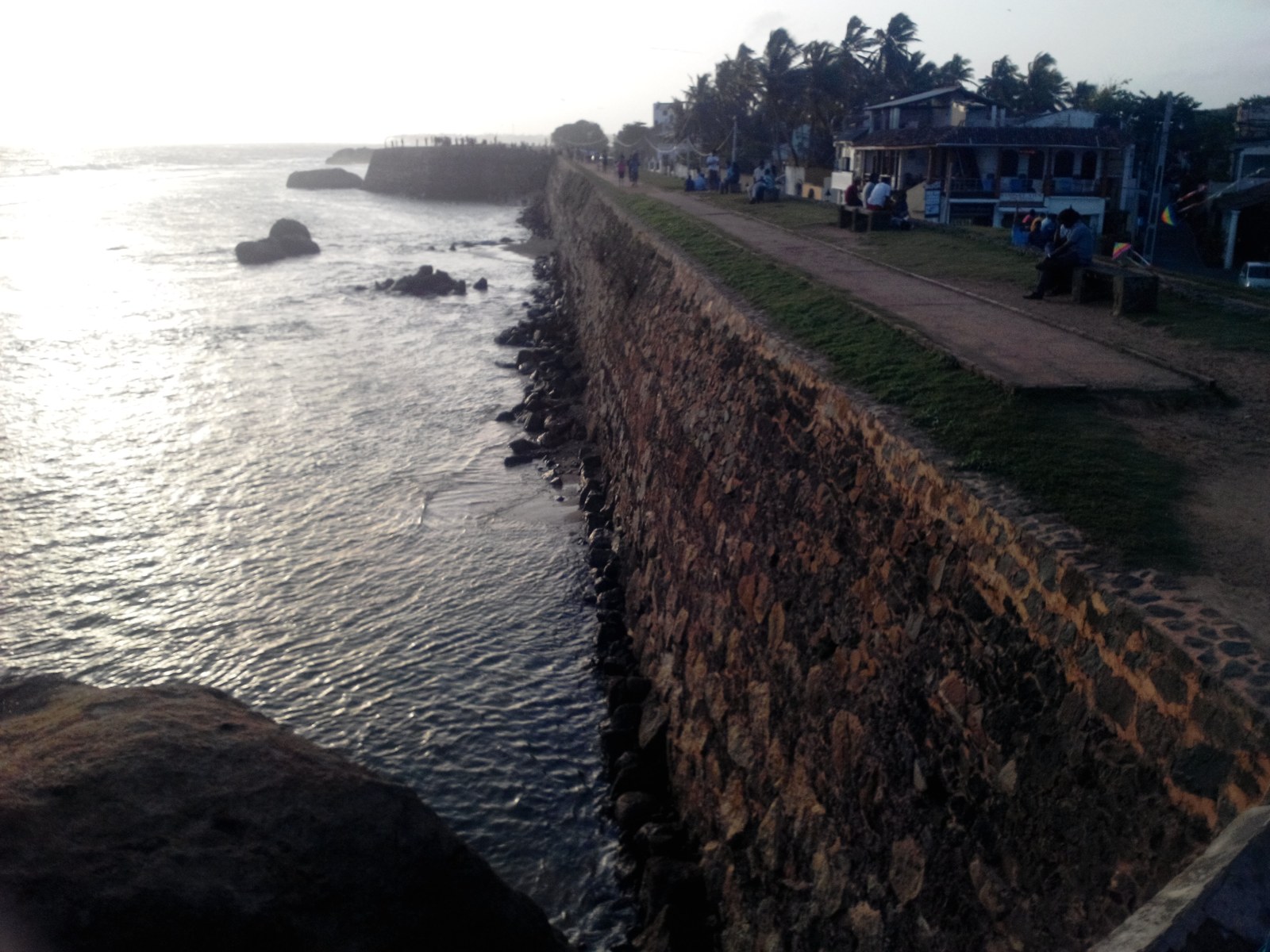
The ocean-facing walls make an appealing second chapter after the streets. Keep this part flexible: a breezy evening, a hot afternoon and a rain shower create very different walking conditions. Carry drinking water and sun protection, wear shoes with grip, and stay back from exposed edges. A wall-top photograph is not worth climbing onto unstable masonry.
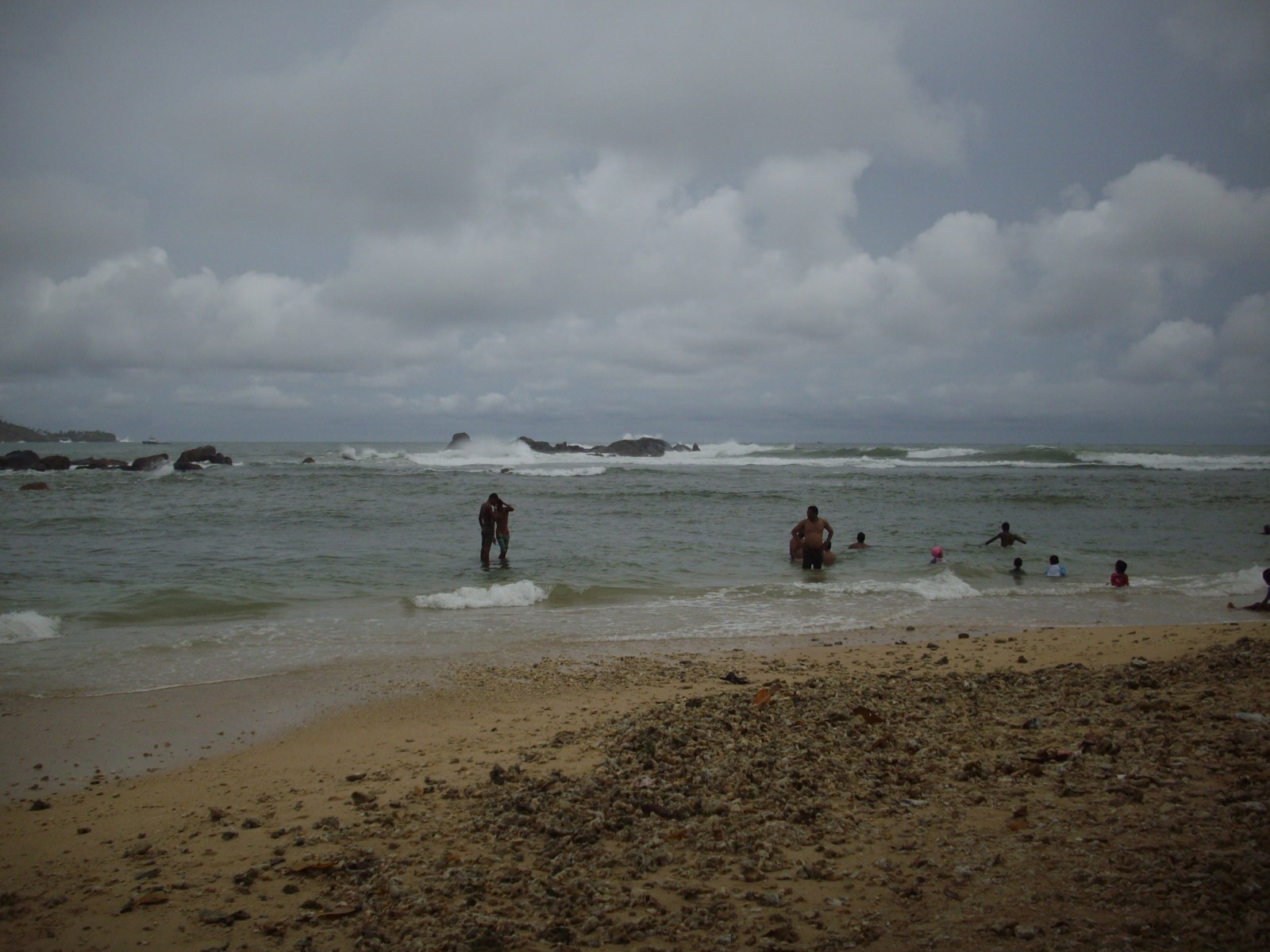
The small stretches of shore below the fort are part of the landscape, not evidence of a supervised swimming area. Watch the sea from a safe position and do not infer safe bathing conditions from other people being in the water. If sunset is important to you, leave time to find a comfortable viewing position without blocking paths.
Plan transport and photography sensibly
For arrival by train, consult Sri Lanka Railways’ timetable information for your travel date rather than copying a departure from an old itinerary. Confirm the return journey before settling into an evening walk. Allow a buffer between the fort visit and any onward transport, especially when travelling with luggage.
There is also a difference between ordinary holiday photographs and an organised shoot. The Foundation’s photography and filming guidance says that general visitors’ non-commercial photography carries no charge, while conditions still apply. Commercial filming and photography require permission; drone filming involves additional aviation approval. Check the appropriate rules before bringing a crew or flying equipment.
Choose a base that fits the visit
Staying inside the fort makes early and late walks easier, while a coastal resort creates a separate transfer. Our Cape Weligama profile covers one south-coast option, but it is not accommodation inside Galle Fort. Choose between town access and resort time deliberately.
For travellers interested in Asian heritage beyond this trip, Ayutthaya Historical Park offers a useful contrast: a different historic landscape that also rewards context before sightseeing. In Galle, the strongest plan is simple. See the fortifications, give the streets equal attention, and leave enough room in the day to notice the life between the landmarks.