
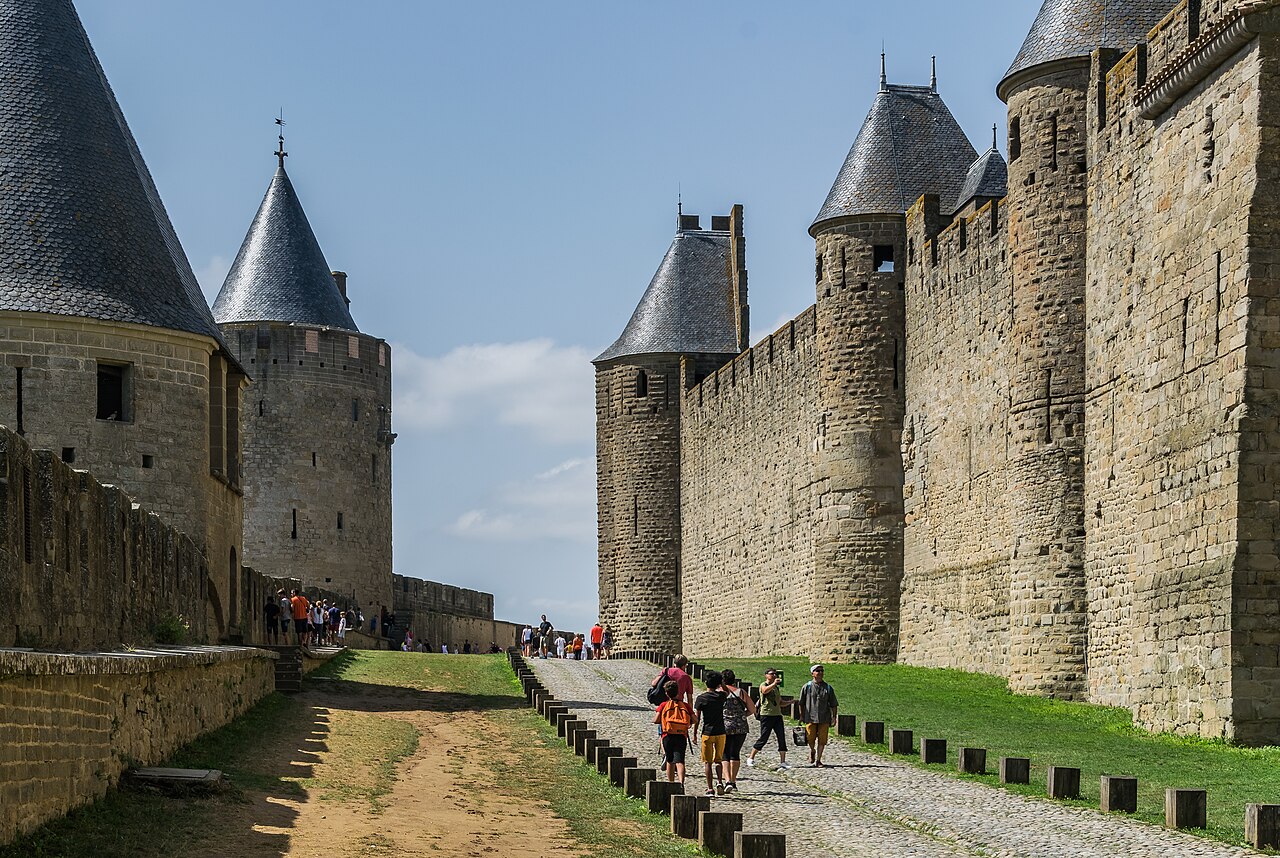

Carcassonne’s towers announce themselves long before you reach the old streets, but the most useful planning distinction is less dramatic: wandering the inhabited Cité and entering the castle with its ramparts are separate experiences. You can enjoy the lanes without a castle ticket. For the higher viewpoints and the fortified residence, book the monument visit and leave room around it for the rest of the town.
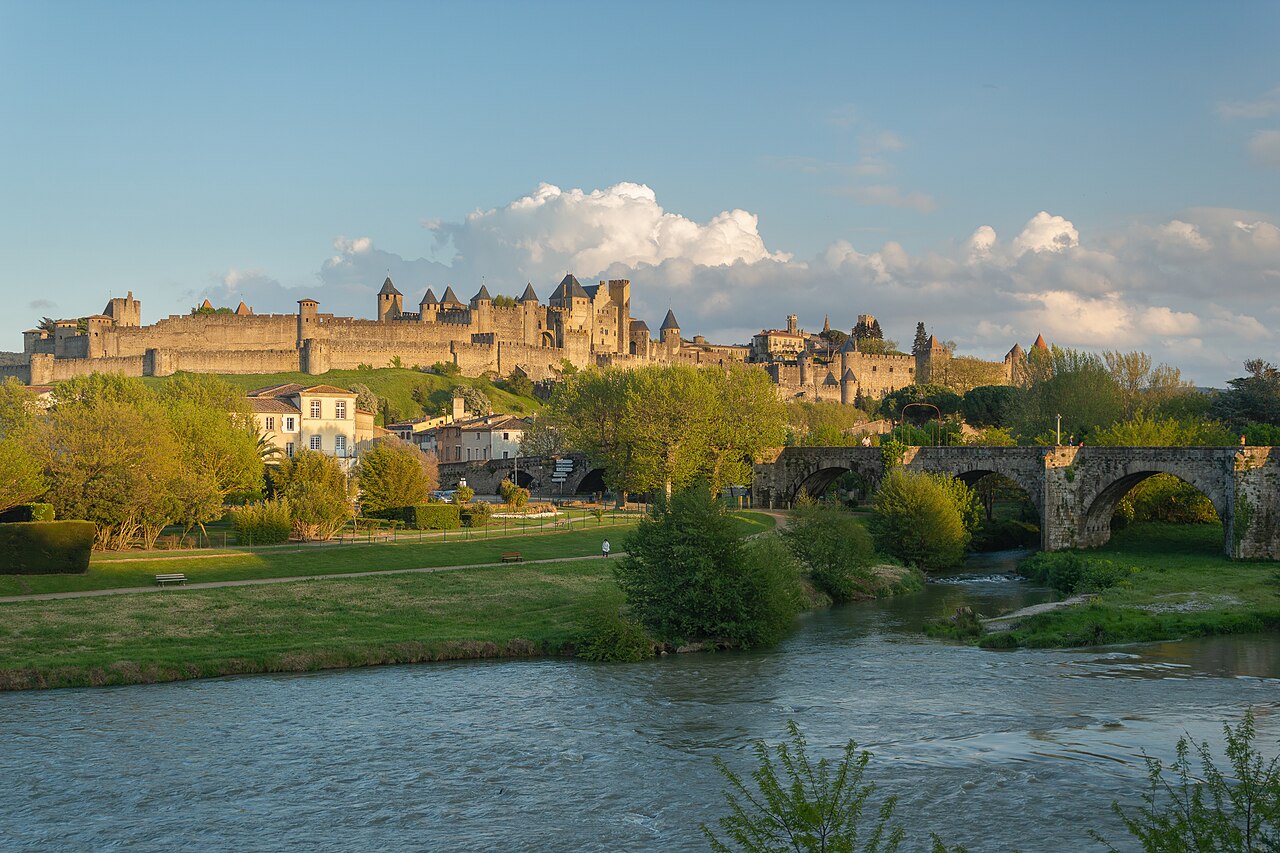
A first visit works well as a full, unhurried day. Start with the castle, take a proper lunch break, then explore the lanes and the view back from the River Aude. Families combining several bases can use our South of France with children guide to avoid overloading the day with another distant stop.
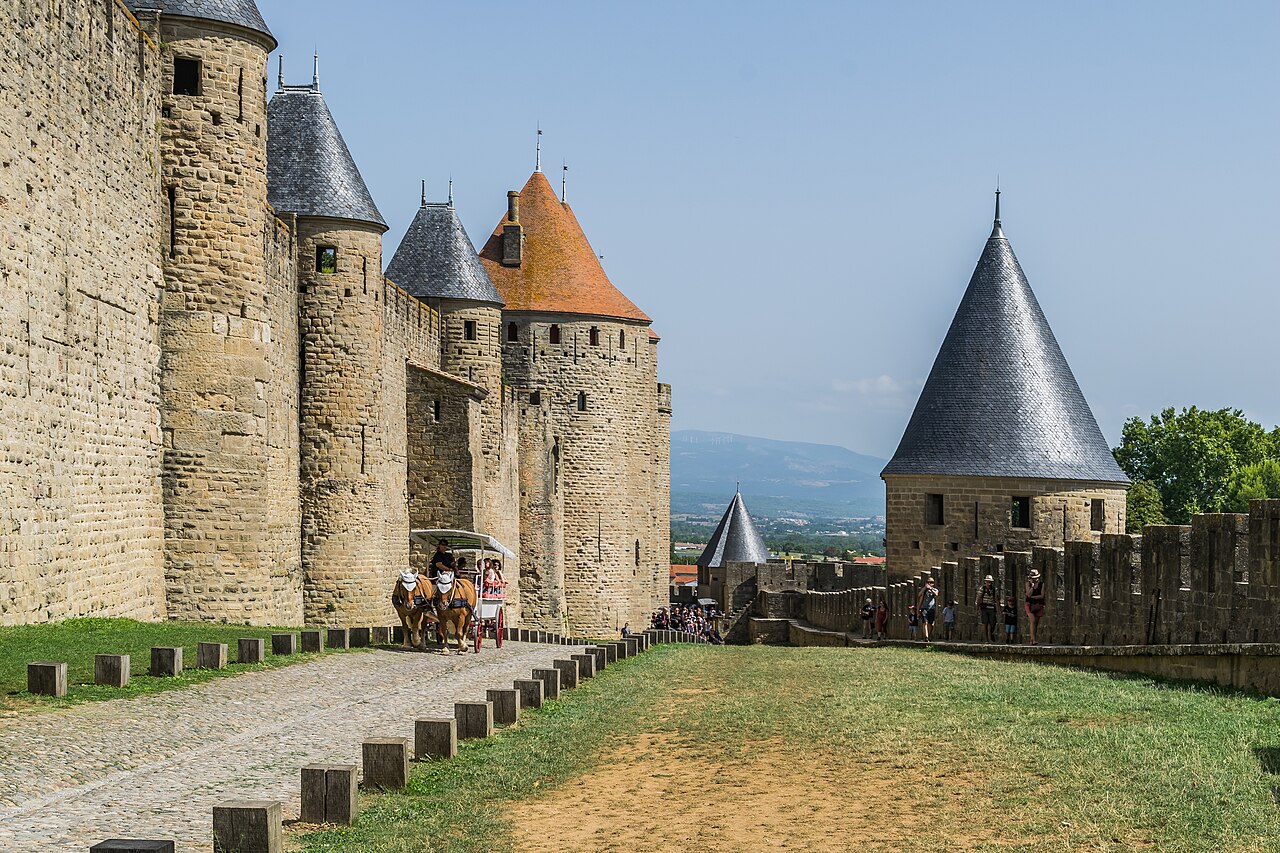

Carcassonne visit: the key decisions
- Choose your access: the inhabited Cité is free to enter; the Château Comtal and adjoining ramparts require monument admission.
- Plan the day: combine the castle with a lunch break, the old streets and views from the River Aude, rather than treating them as one ticketed route.
- Check mobility needs: the fuller route includes steps and spiral stairs. Consult the official access guidance before choosing your visit.
Separate the Cité from the ticketed monument
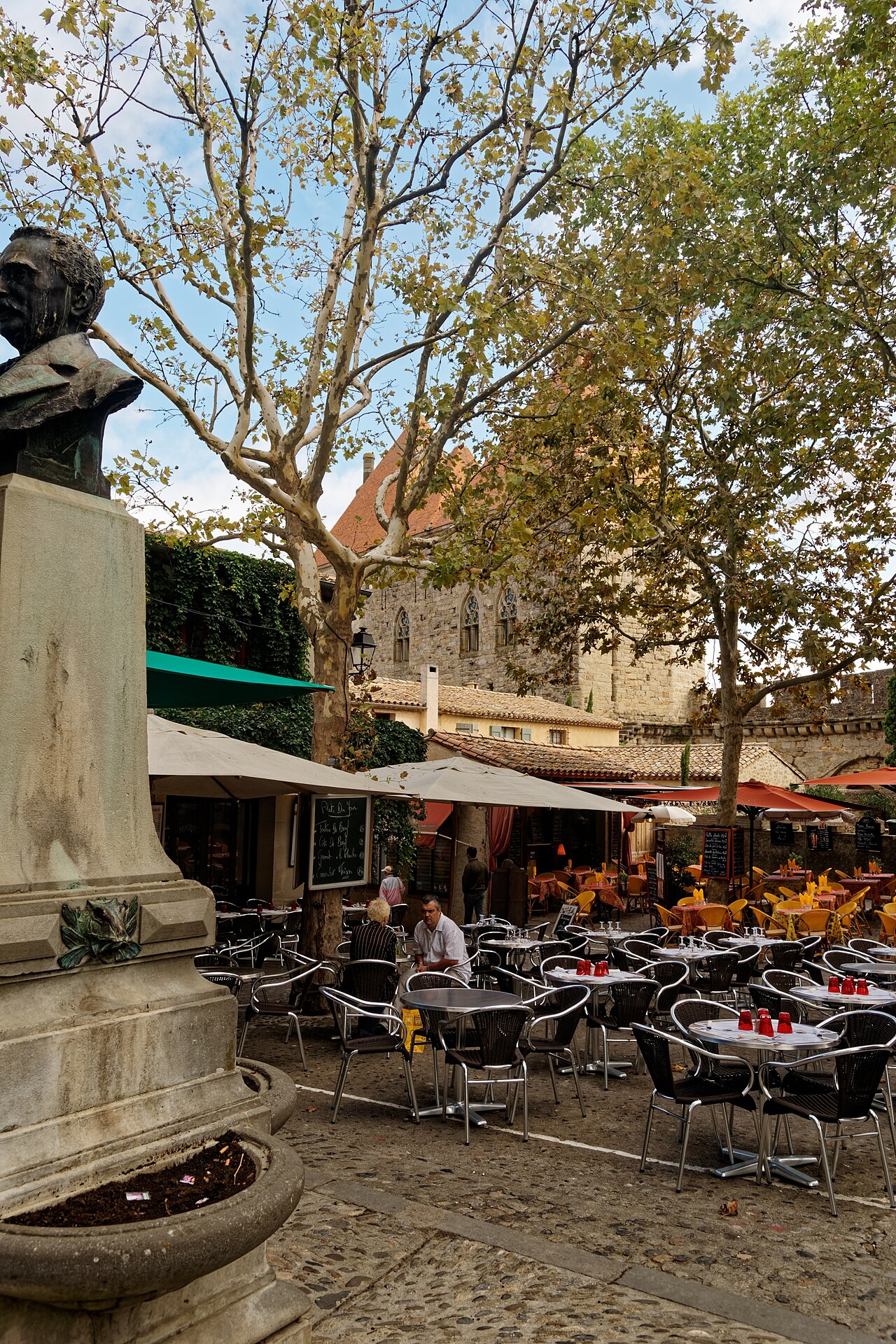
The local tourist office’s Carcassonne visitor questions explain that access to the medieval Cité itself is free, while the Château Comtal and adjoining ramparts are paid attractions. Shops, restaurants and homes occupy the streets. Passing through a town gate is not the same as entering the castle route.
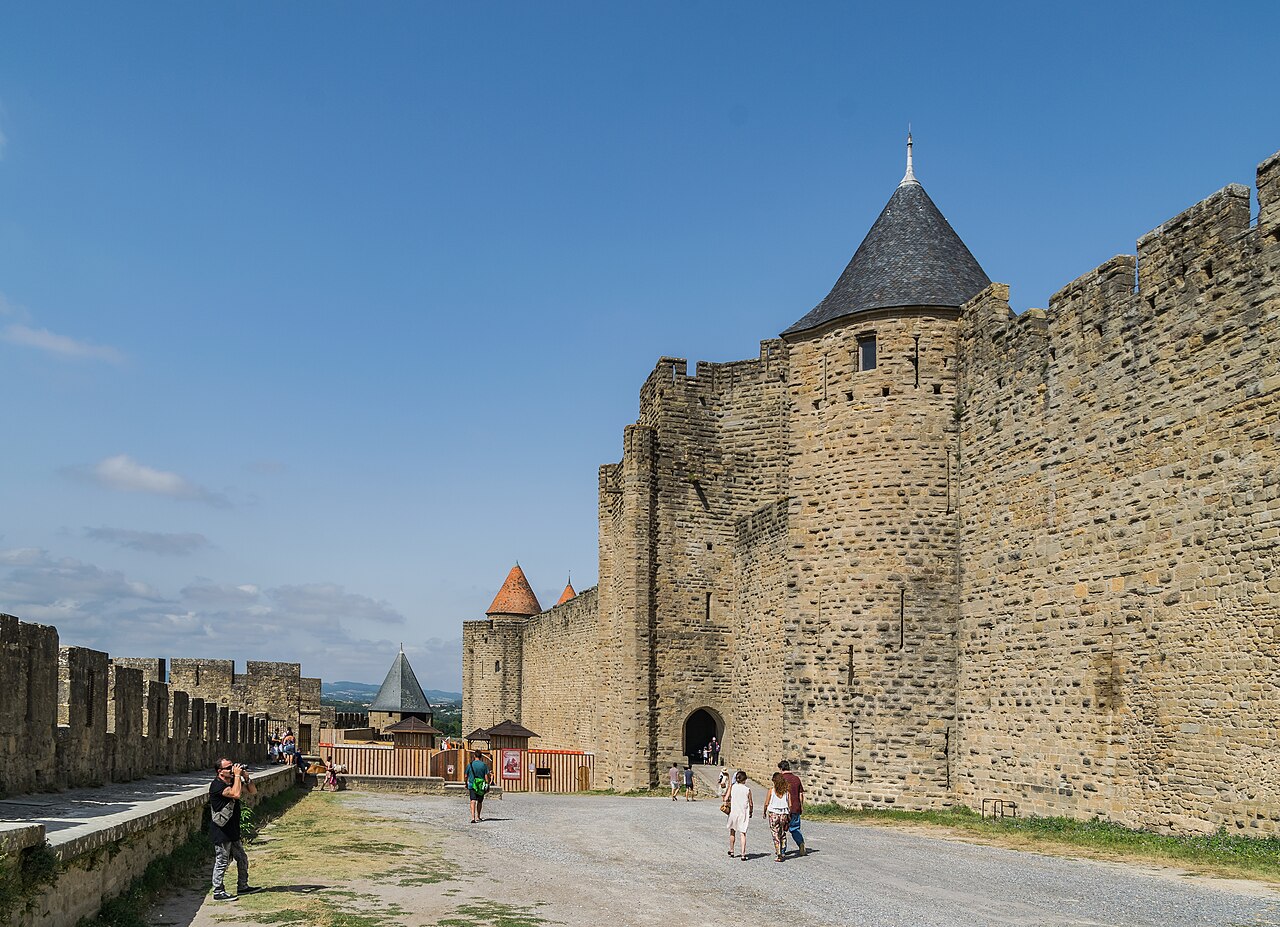

Check the monument’s practical information for the date you intend to visit. Opening times and prices differ between the warmer and cooler parts of the year, and advance booking is recommended. Free admission has eligibility conditions, so carry the relevant evidence rather than relying on a general statement about age or residency.


Start with the castle’s changing purpose
The castle’s history begins with a seigneurial residence associated with the Trencavel family in the twelfth century. Later fortification and royal administration changed both its appearance and its role. Keep those stages in mind as you move between courtyards, enclosed spaces and the defensive circuit.
The building becomes more interesting when you ask what each feature was intended to do. A wall could protect a ruler from enemies outside the city, but it could also separate power from the people living nearby. Carcassonne rewards that practical way of looking more than a simple search for a fairy-tale photograph.

Read the walls from the walkway
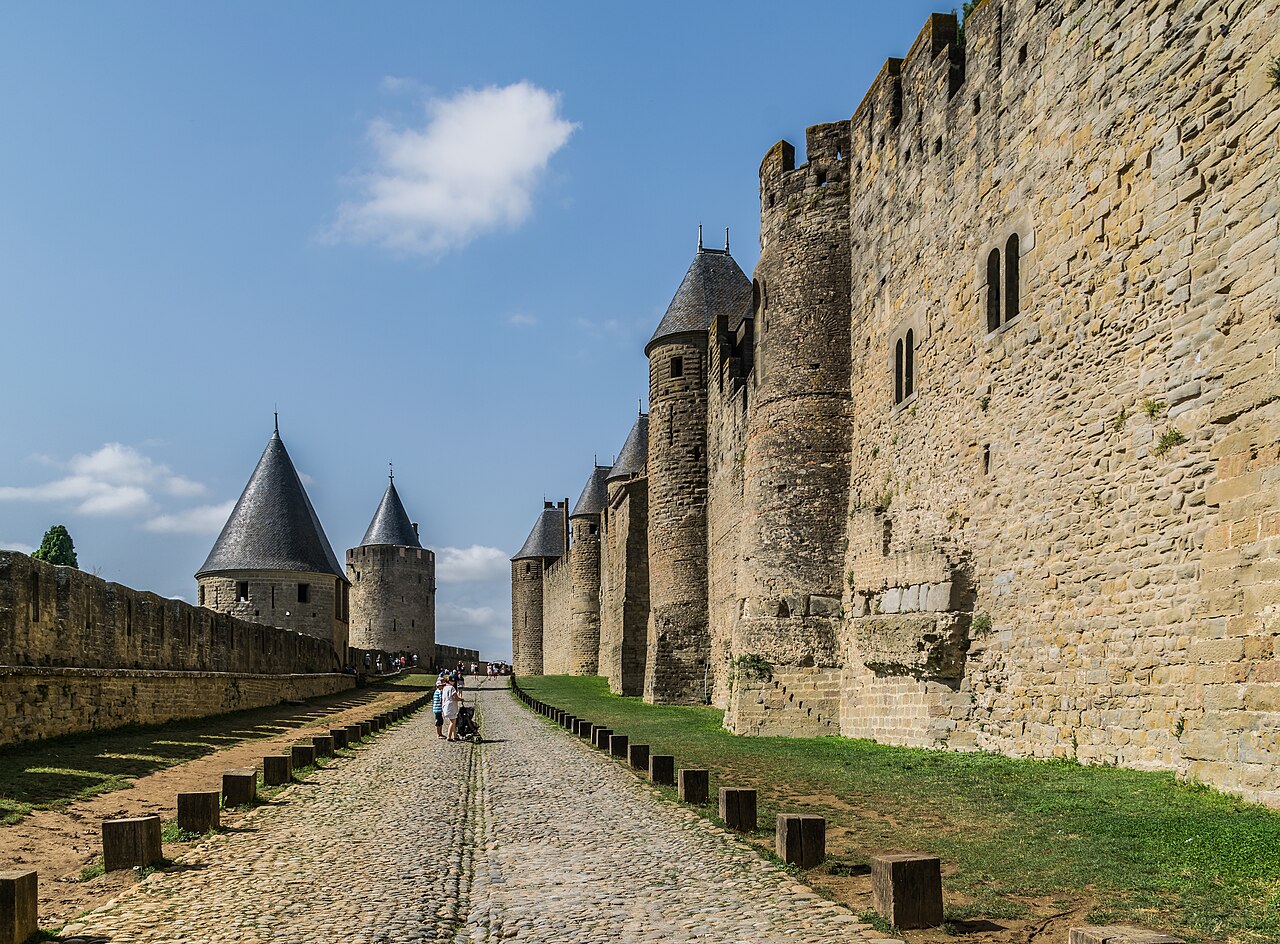
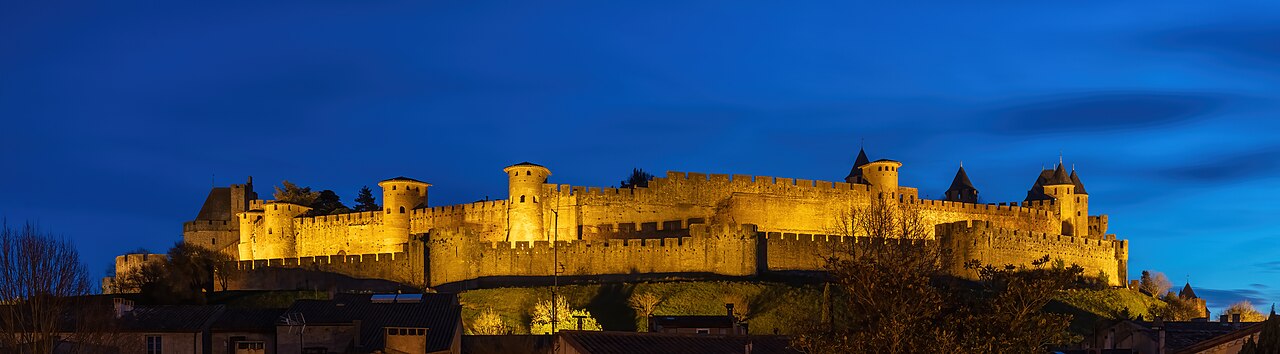
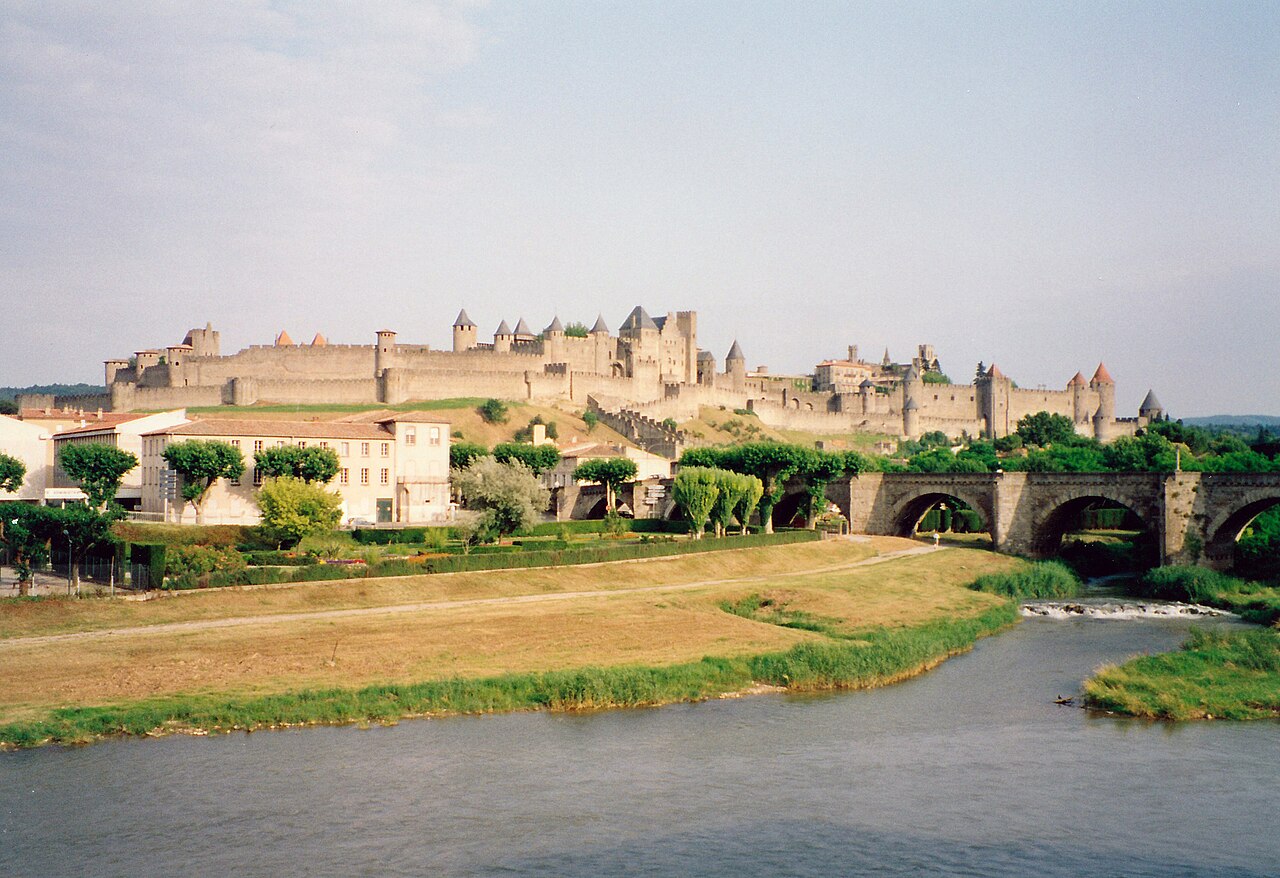
The double enclosure is the town’s defining feature. The monument’s rampart guide distinguishes surviving Gallo-Roman elements from later medieval work and explains the different prospects from the circuit. Look out towards the lower town and the surrounding plain, then back at the streets contained by the walls.
Do not expect every section to feel the same. Towers, stairs and changes of direction make the route more involved than a level promenade. Wear shoes with a secure sole and keep hands free where you need a handrail. Stop for views without blocking narrow passages, particularly when groups arrive behind you.

Notice the restoration, not only the Middle Ages
The skyline also tells a nineteenth-century story. The UNESCO description of Carcassonne gives special importance to the long restoration campaign associated with Eugène Viollet-le-Duc. The site is valuable both for its fortified form and for what that restoration reveals about the history of conservation.
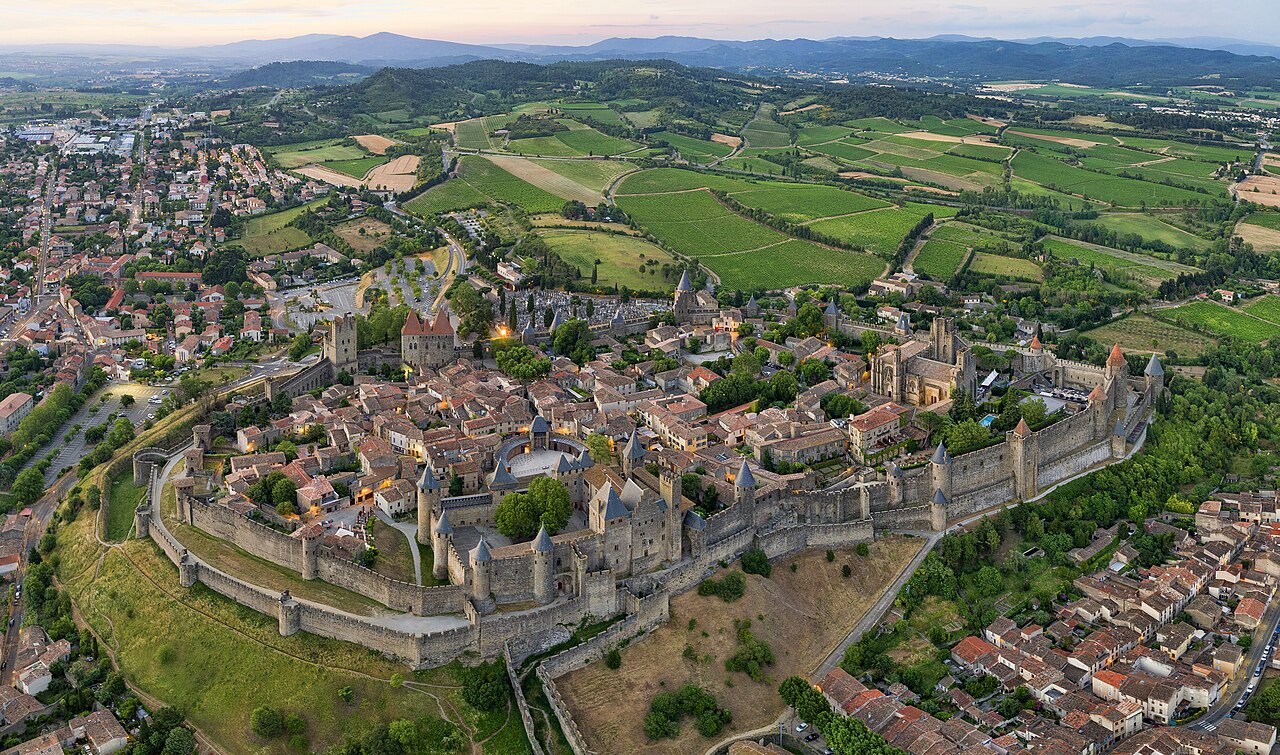

That is worth remembering when the town looks almost too complete. Instead of imagining that every surface has survived untouched, look for interpretation about rebuilding and repair. The visit can hold both ideas at once: a powerful medieval setting and a later effort to decide how that setting should be preserved.

Be realistic about steps and access
For wheelchair users and visitors with limited stamina, the official reduced-mobility guidance is essential. It identifies the barbican and main courtyard as accessible while describing numerous steps and spiral stairs on the fuller route. Contact the monument about your needs before buying a particular visit or arranging transport.
The surrounding Cité also has slopes and uneven paving. A shorter visit centred on the courtyard, streets and external views may be more enjoyable than attempting a route that does not suit the group. Build in seated breaks and agree where to reunite if only some people continue onto the ramparts.

Let the town fill the rest of the day
Once outside the castle, resist treating every lane as a route to another ticket desk. Make time to look at the Basilica of Saint-Nazaire from the surrounding streets and to walk away from the busiest restaurant corners. The lower town offers a change of pace and a different perspective on the hilltop fortifications.
For an overnight base, our Cerise Carcassonne Sud article provides one accommodation lead; confirm its current facilities and terms directly before booking. Staying locally also removes the pressure to catch the best exterior view during the busiest part of a day trip.

Continue the regional history on another day with our Narbonne museums guide, where the Roman story offers a useful contrast. Carcassonne is memorable enough to deserve its own day, with the castle, its repaired walls and the living town given time to make sense together.