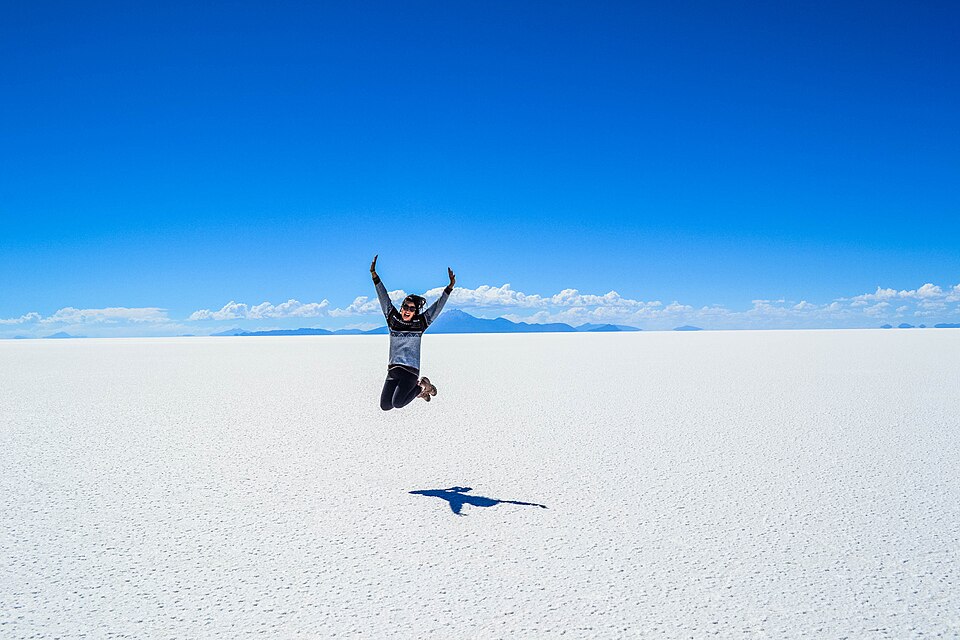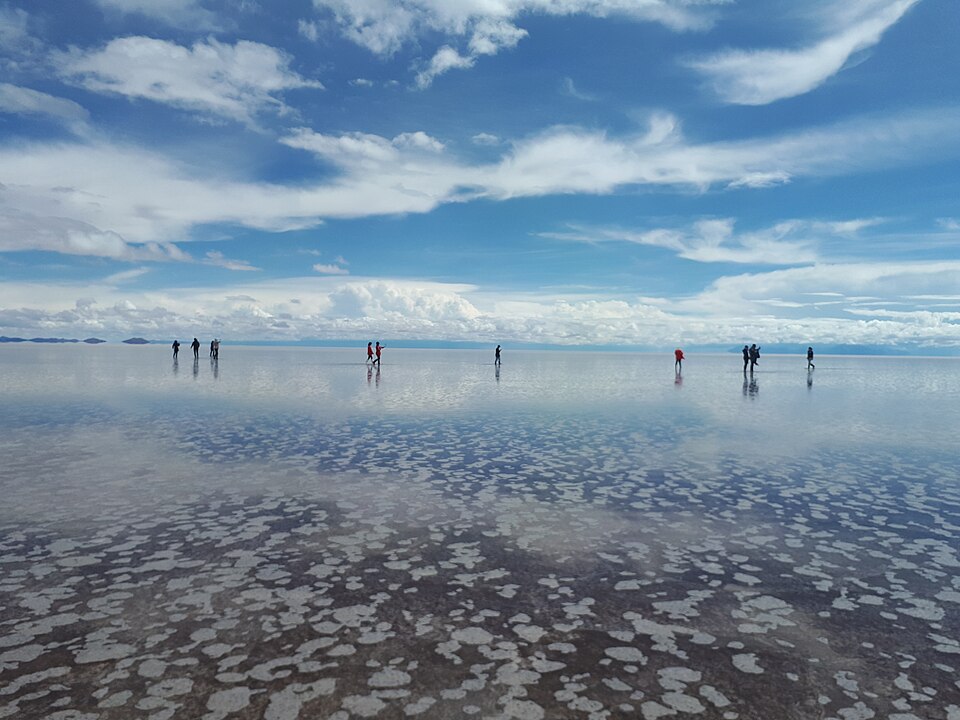
Salar de Uyuni rewards a decision made before you reach Bolivia: do you want a white salt landscape or a sheet of water reflecting the sky? Both belong to the same extraordinary place, but they call for different expectations. Rain can create the famous mirror while making parts of the salt flat inaccessible. A rewarding visit starts with choosing the experience, then accepting that the route must follow conditions rather than a photograph saved on your phone.
Before booking: check the latest Bolivia travel advice and your own government’s guidance. On 8 November 2026, the UK advice reported a State of Emergency and warned against crossing roadblocks. Its specific restriction on non-essential travel concerned Chapare in Cochabamba, not the whole country. Transport disruption can nevertheless affect a wider itinerary, so leave room to change plans.
Understand the landscape before choosing a tour
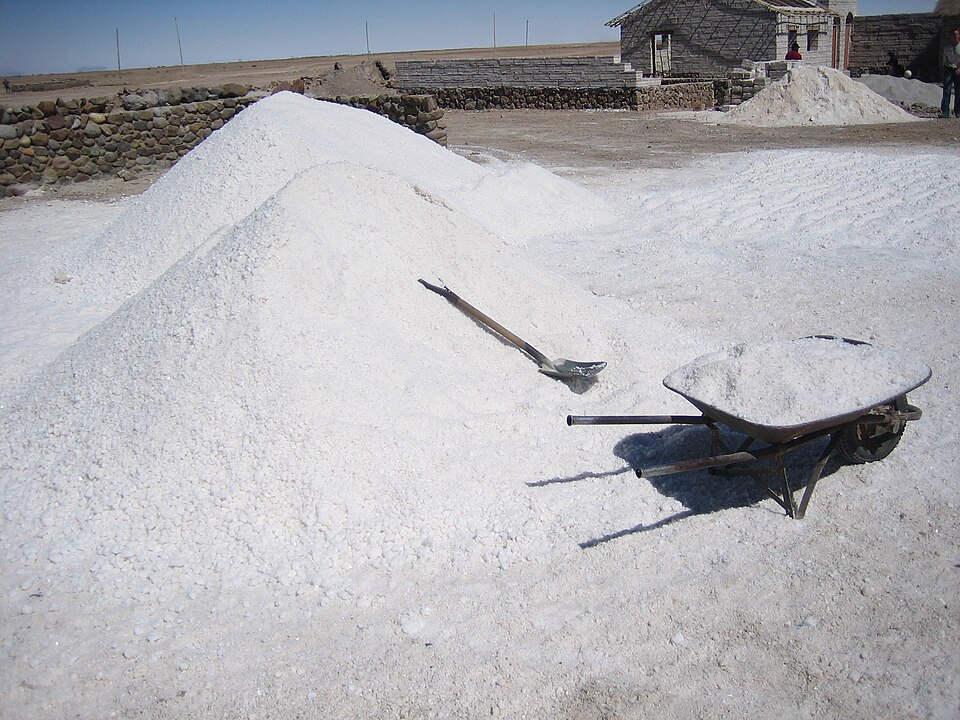
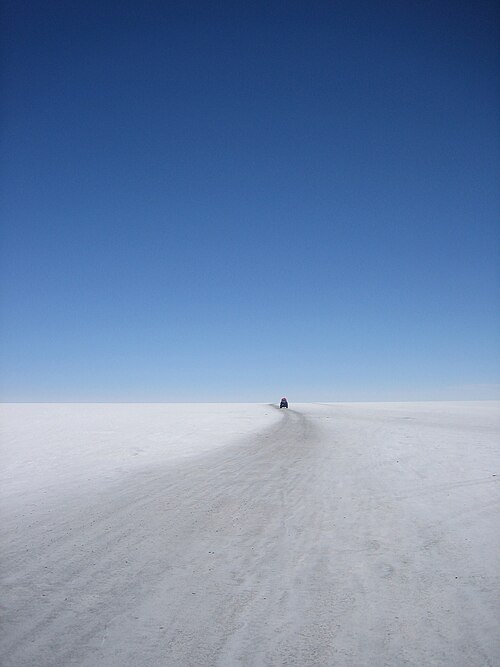
Uyuni is a salt flat on Bolivia’s Altiplano, not a beach or a conventional desert of dunes. NASA’s geological account describes the world’s largest salar, covering about 10,582 square kilometres, formed through the evaporation of prehistoric lakes. The white surface contains halite and gypsum. That scale explains why a distant vehicle can appear almost motionless and why a seemingly simple excursion requires a dependable driver.
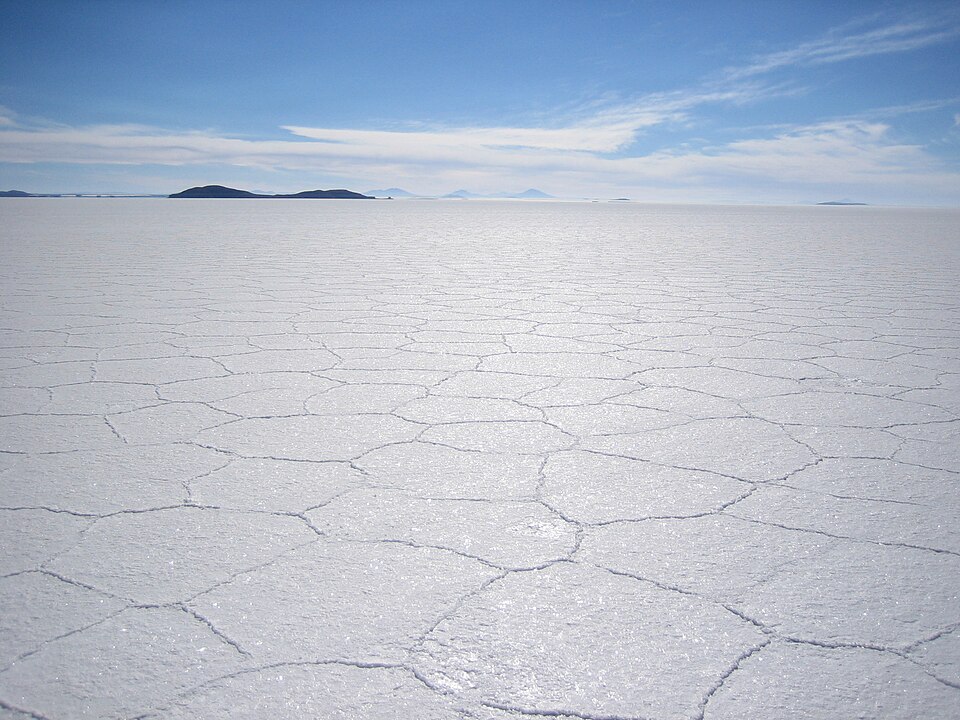
Do not equate an uninterrupted horizon with an unrestricted driving surface. Ask your operator which route is usable on your date, where vehicles can stop and whether water has changed the programme. A shorter safe route is preferable to a promise that every advertised stop will be delivered.
Dry salt or mirror season?
The drier part of the year generally offers the classic white crust and broader overland access. The wetter months can produce reflections when a shallow layer of water covers the surface. NASA’s explanation of flooding at Uyuni shows why the mirror is a weather-dependent phenomenon rather than a permanent attraction.
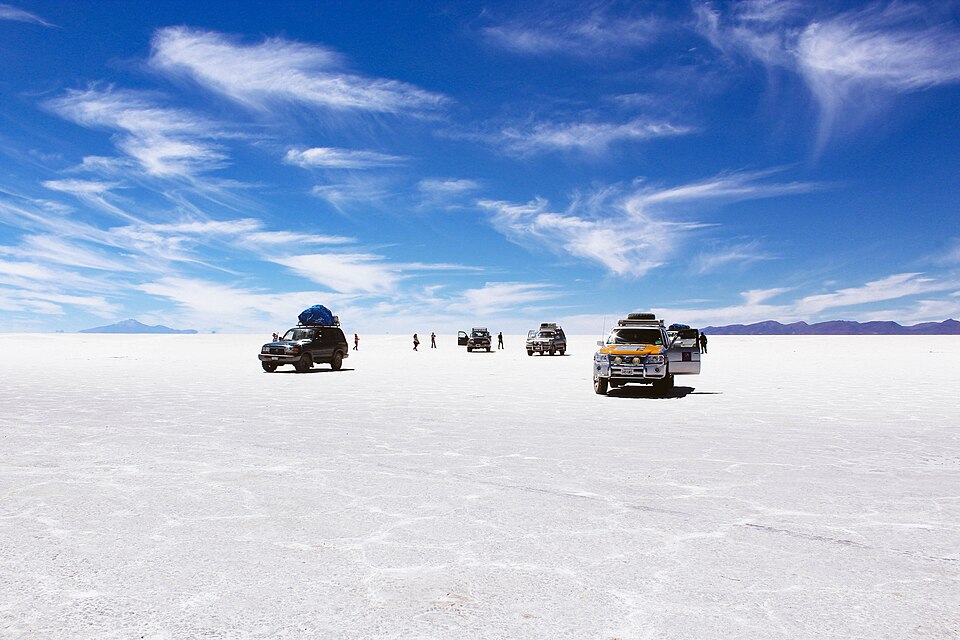
Local businesses describe the seasons slightly differently. Palacio de Sal’s planning advice places the main wet period roughly from late December into April. Uyuni Expeditions publishes separate seasonal routes, with January-to-April trips adjusted for flooding and May-to-December routes designed around drier access. Treat those calendars as planning guides, not guarantees. Ask about recent conditions, not simply the month printed on your booking.
Keep Incahuasi conditional
The cactus-covered rise of Incahuasi offers a contrast to the salt around it, but it should not be treated as an automatic inclusion. The operator’s rainy-season programme excludes the island when water restricts access. If this stop is your priority, make the seasonal question explicit before paying and ask what replaces it if conditions change.
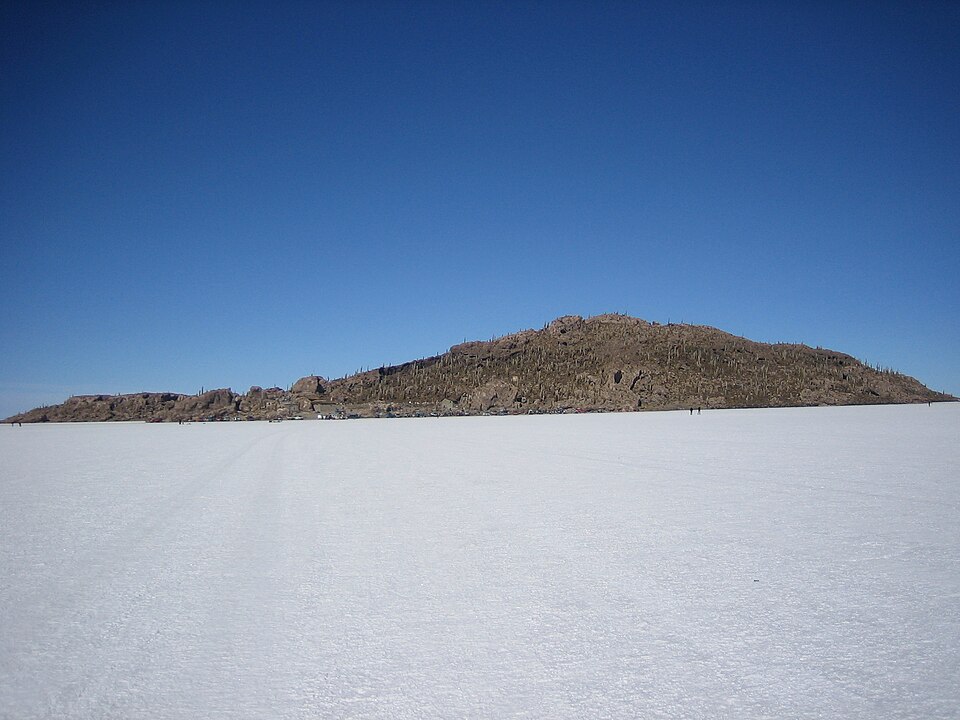
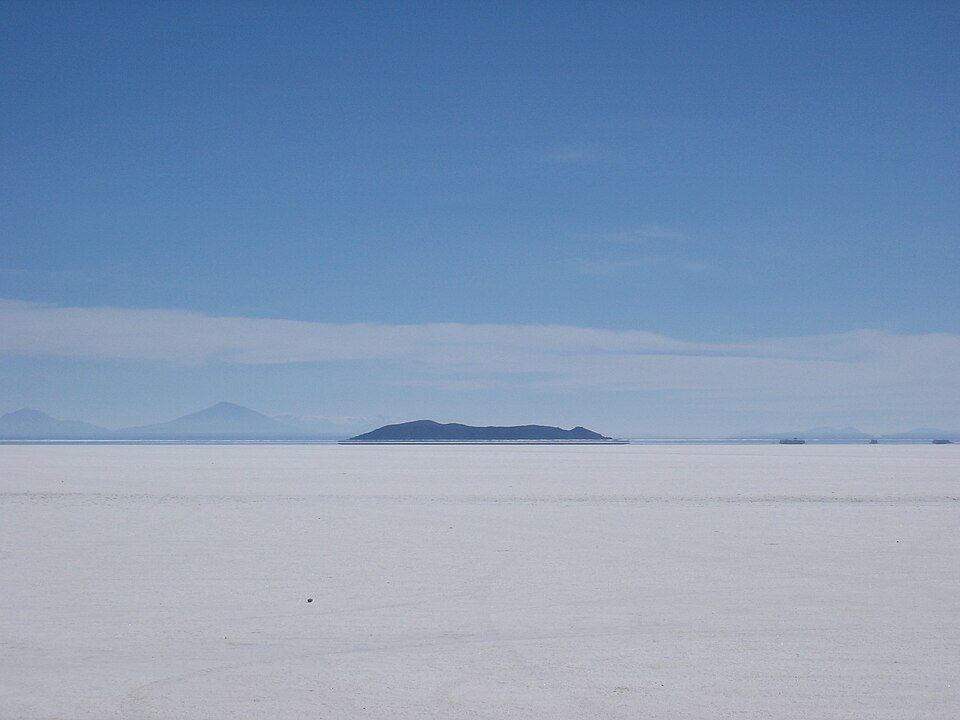
For a photography-focused trip, decide which matters more: island views and salt texture, or reflections. Trying to demand both on one fixed day can create unrealistic expectations. A useful guide should explain the trade-off clearly, rather than selling a universal “best season”.
Choose the operator, not just the photograph
The FCDO’s safety guidance notes the absence of official minimum safety standards for adventure activities including salt-flat tours. Price alone is therefore a poor selection method. Request written details of the vehicle, seat belts, passenger numbers, guide language, emergency arrangements and what happens if the road closes. Confirm that your insurance covers the actual itinerary and activities.
A quote should identify meals, drinking water, entrance charges, accommodation where relevant and the final drop-off point. Check cancellation terms and whether a private vehicle really means your own party. Avoid booking an onward connection so tightly that a delayed return becomes an expensive problem.
Allow for altitude, cold and glare
This is high-altitude travel even when the ground looks flat. The Bolivia health guidance specifically identifies Salar de Uyuni among places where altitude sickness is a risk. Seek appropriate medical advice before travelling, allow time to acclimatise and do not ignore symptoms simply because the day’s activity is mostly by vehicle.
Pack warm layers, sun protection, sunglasses, water and footwear suited to the day’s surface. Ask whether boots are provided for a wet-season outing. Keep essentials with you rather than in luggage you cannot access during stops. A comfortable hotel does not remove the exposure or remoteness of the excursion itself.
Make the overnight stay a separate decision
Sleeping near the salar can make sense if you want time around the excursion rather than a rushed arrival and departure. Compare the exact location, transfer arrangements and heating before choosing a salt hotel. Our Luna Salada planning guide considers that accommodation decision separately. A photograph of a salt-built structure is not a promise about your booked room or the facilities available today.
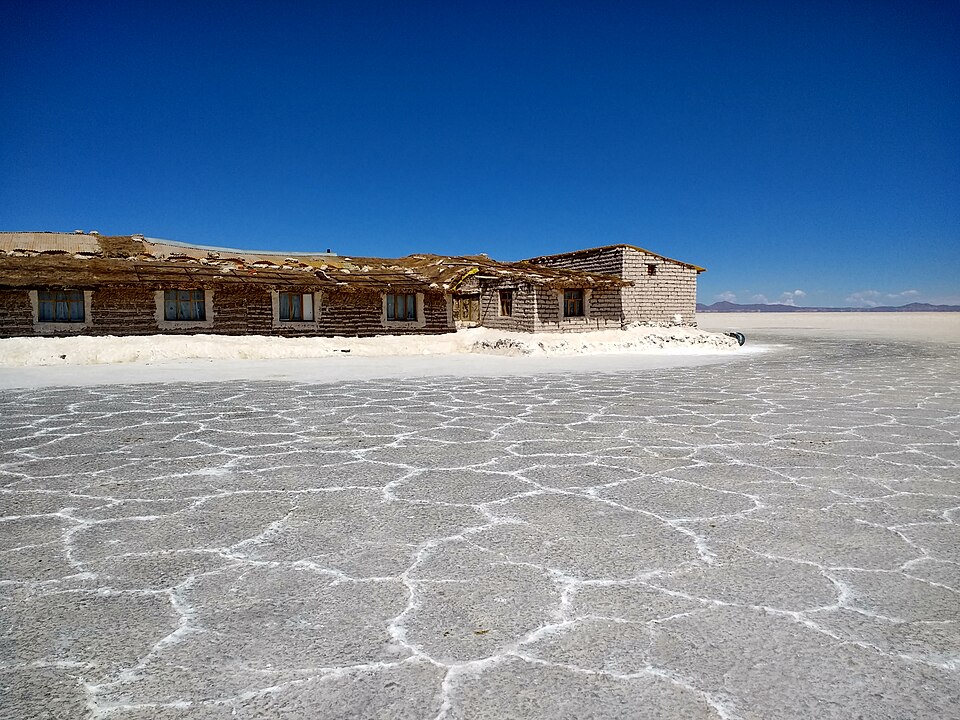
Give the salar enough space in a wider itinerary
A salt-flat visit and a longer southwest Bolivia circuit are not interchangeable. Ask for a day-by-day route showing overnight locations and travel time; do not assume that every coloured lagoon in a Bolivia gallery is on the salar. For a different Andean experience elsewhere in the country, Tiwanaku’s archaeological landscape deserves its own travel day, not a casual add-on to Uyuni.
If you are comparing active ways to explore the country, our guide to cycling in Bolivia sets out the importance of realistic route planning. The same principle applies here: altitude, weather and distances matter more than the number of pins on a map.
Leave with photographs, not an impossible checklist
Keep photography stops within your driver’s agreed safe area, protect equipment from salt and water, and leave the surface and surroundings undisturbed. The strongest memory may be a quiet horizon rather than a staged perspective trick. Choose a well-run trip, keep the route flexible and let the conditions determine which version of Uyuni you meet.