
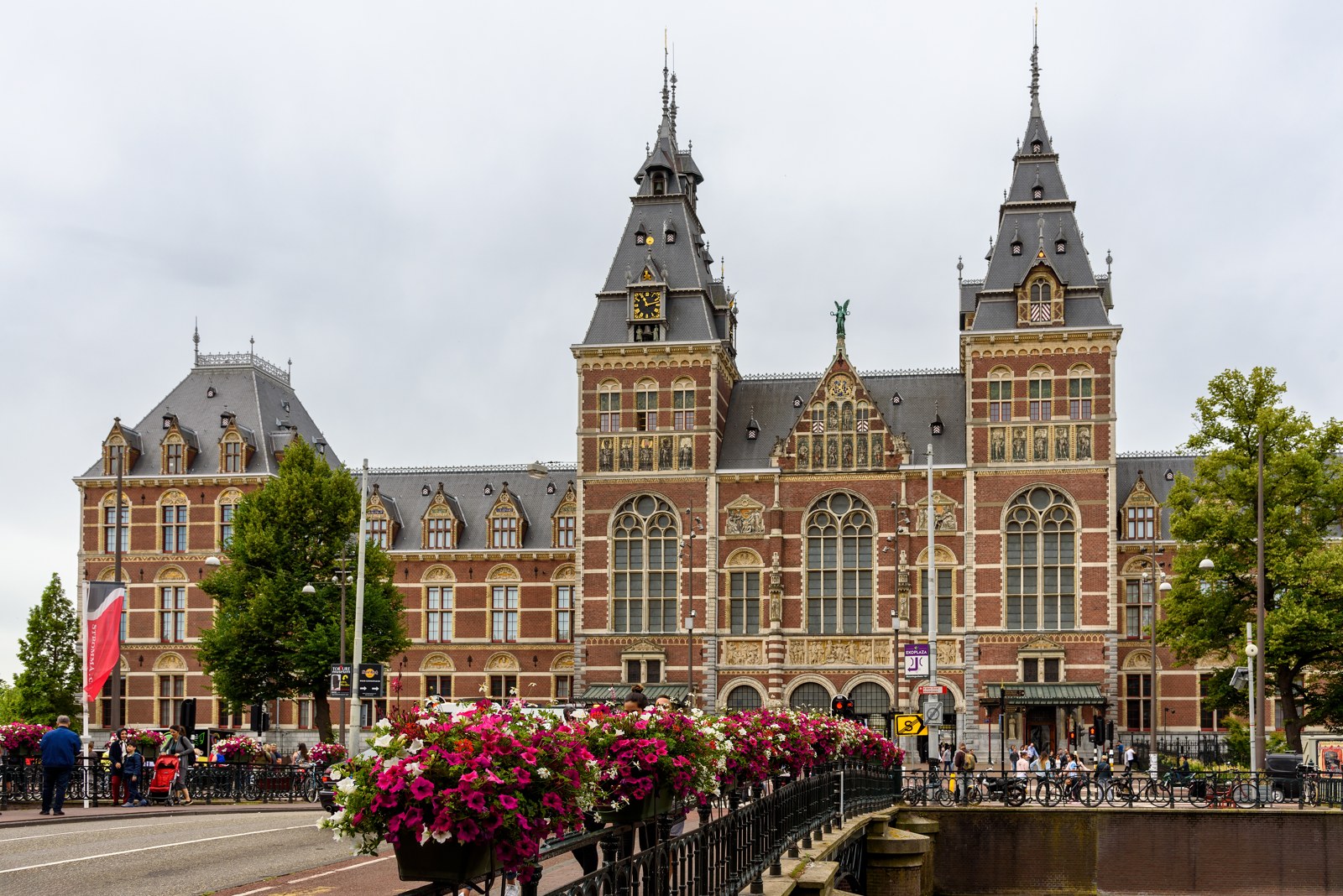
The Rijksmuseum is easier to enjoy when you decide what kind of visit you want before entering. A first encounter with the national collection, a return visit built around a particular period, and a family morning are different outings. Trying to make all three happen at once can turn a remarkable museum into an exhausting sequence of rooms.
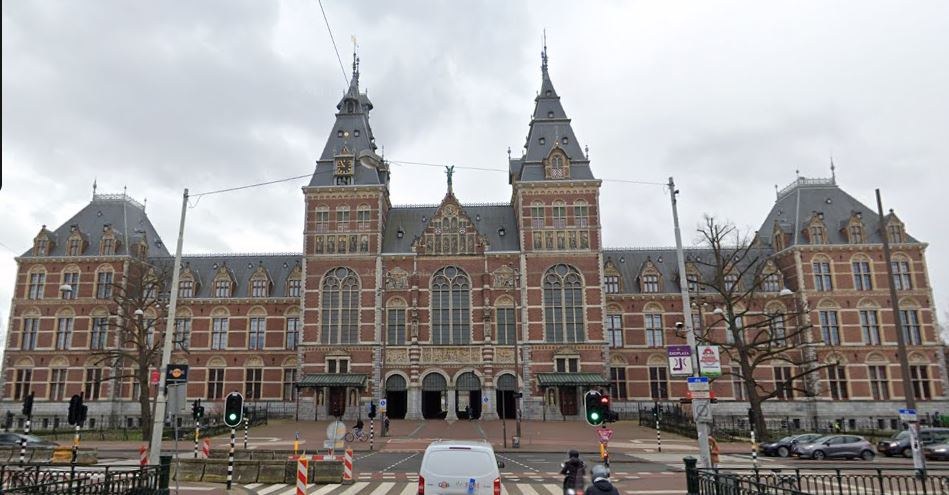
The museum’s official visitor page is the starting point for planning. Its collection and historic building deserve attention, but so does the practical choice of how much time and concentration you can realistically give them. Our recommendation is to select a small number of priorities and leave room for unexpected discoveries.
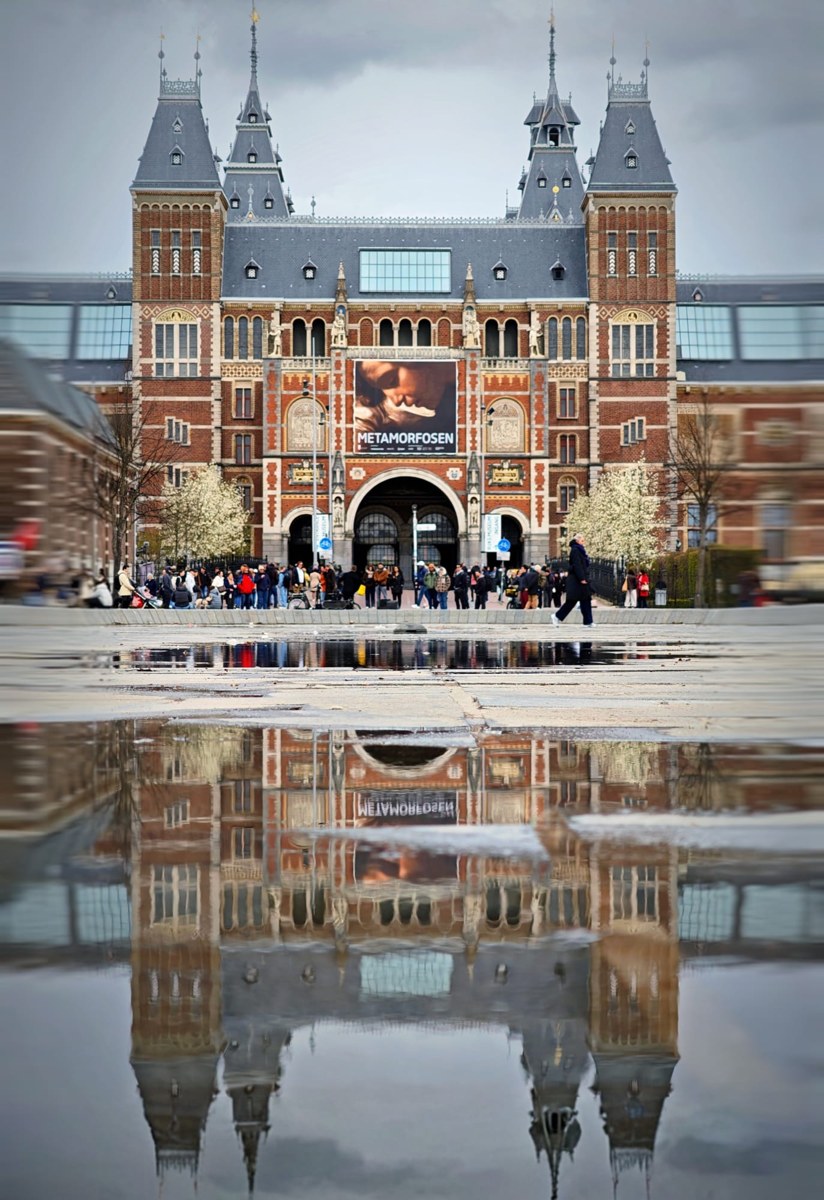
Choose a route before choosing a second museum
Start by asking what you most want from the collection: a first introduction to Dutch art, a close look at familiar paintings, or a wider encounter with objects and history. Use the museum’s current visitor material rather than assuming that every object or gallery is always available. Temporary work, loans and exhibition arrangements can change the route.
A short visit should not be treated as a failed full-day visit. It can be more satisfying to look carefully at a few works than to walk through every room without remembering anything. Give each person in your group one priority, then agree on a stopping point. Families can make the visit manageable by discussing a small selection together rather than expecting children to follow an adult’s complete wish list.
Three anchors for a first visit
The Gallery of Honour gives a first visit a clear centre of gravity. Its long architectural axis leads towards the Night Watch Gallery, with major Dutch paintings along the way. Look at the rooms as well as the pictures: the building frames the collection rather than acting as an anonymous container. Rembrandt, Vermeer and Frans Hals are useful starting points, not a checklist that obliges you to rush past everything else.
Rembrandt’s The Night Watch remains a principal reason to come. Before your visit, check the museum’s current information about Operation Night Watch and what visitors can see. Conservation activity can be part of the encounter, rather than a reason to expect the painting to look exactly as it did in an old photograph. Choose a few details to study instead of treating the room only as a crowded photo stop.
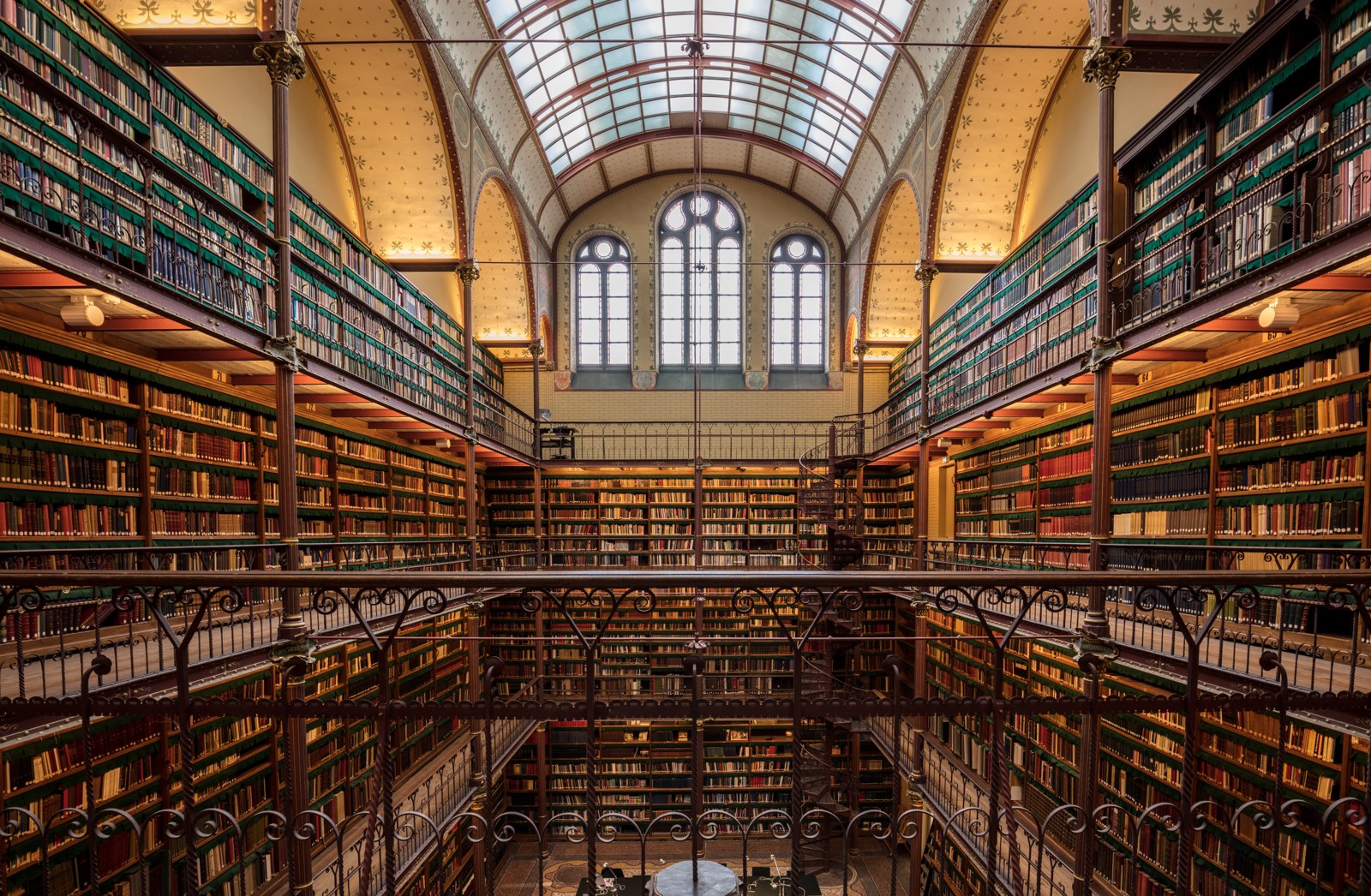
The Cuypers Library offers a different atmosphere. Museum visitors can see it from the balcony in room 2.16; using the library to study the collection requires an appointment. Keep those two kinds of access distinct. The rows of books and the height of the space make it an architectural highlight even for visitors who have not come to research.
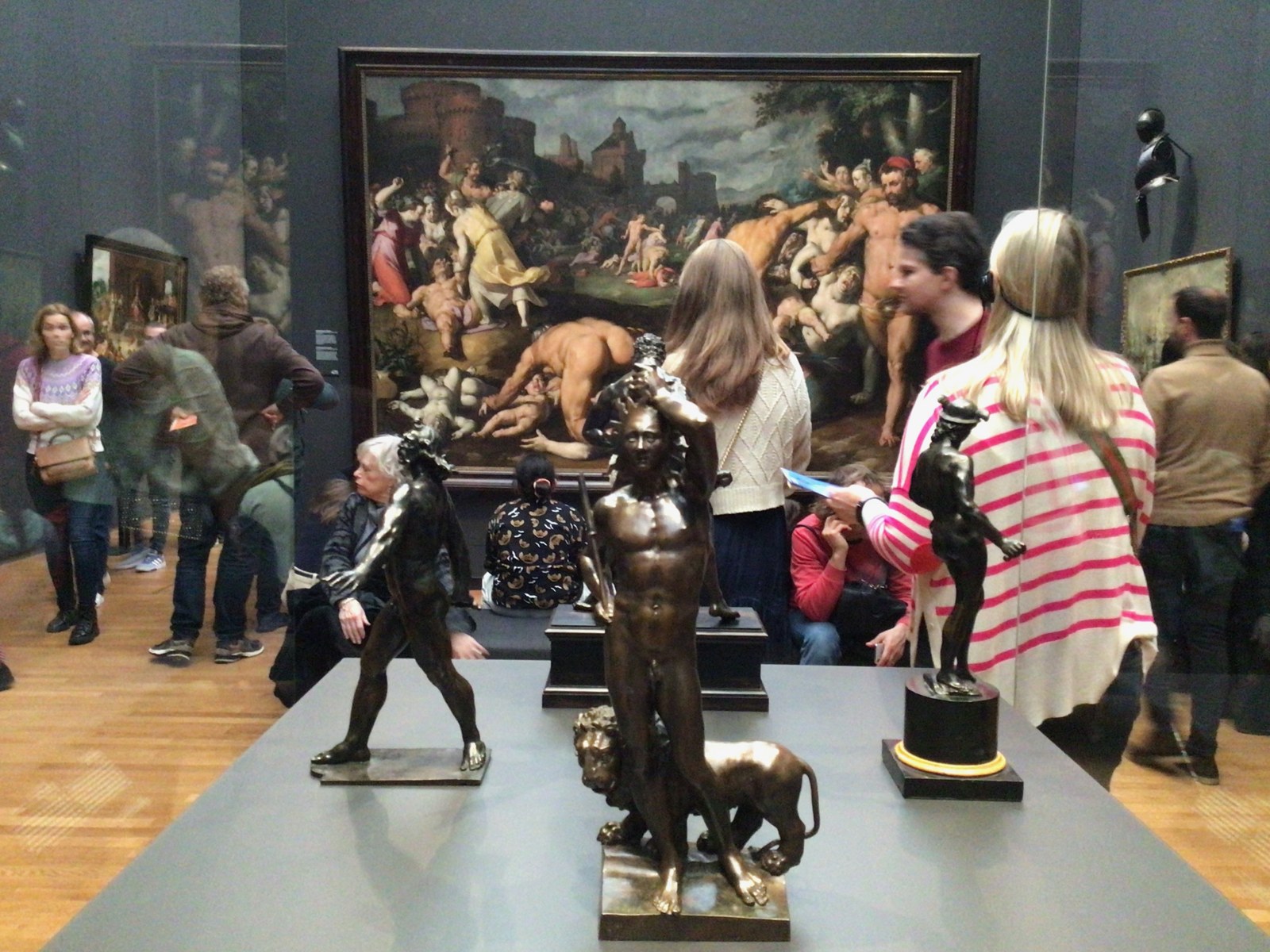
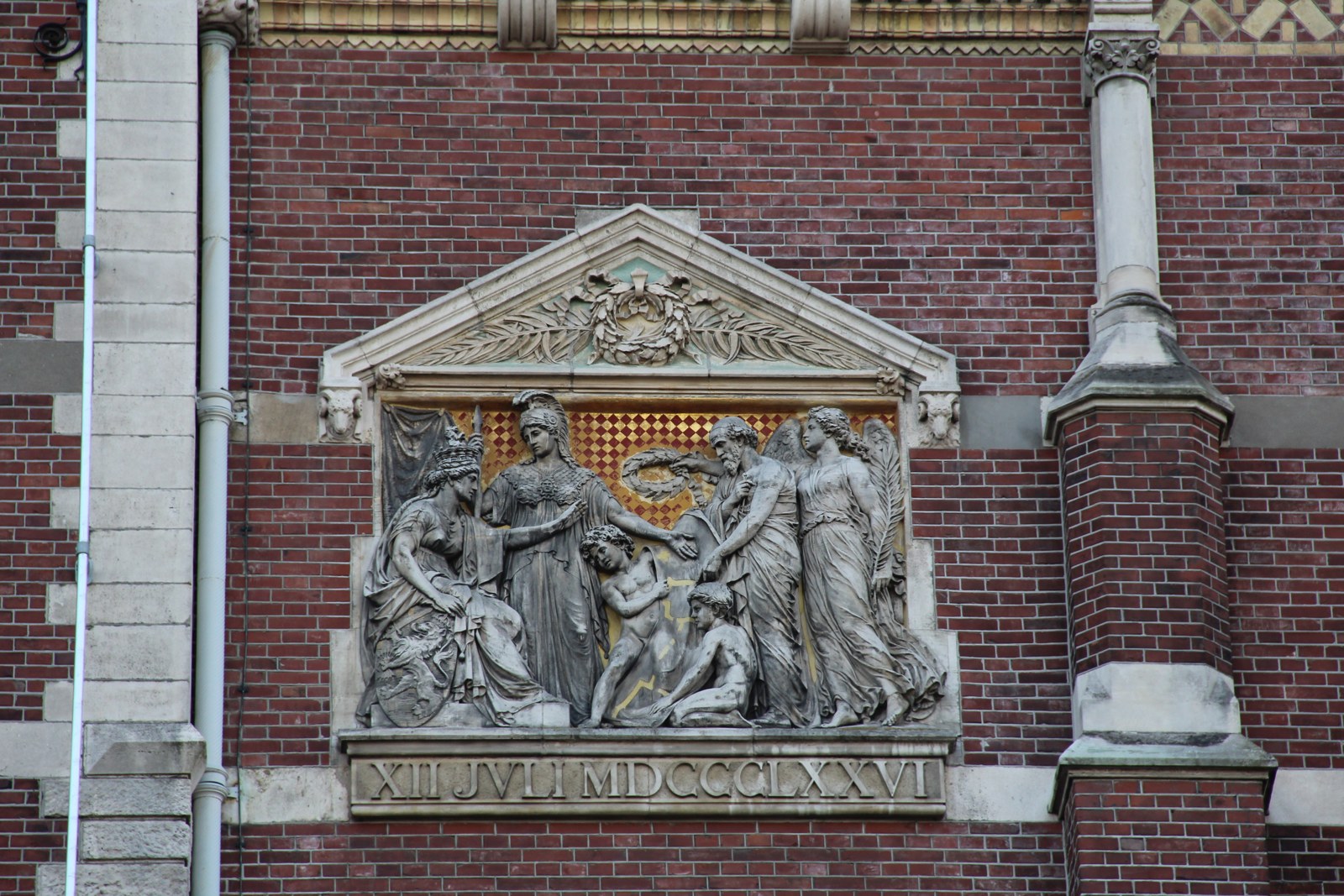
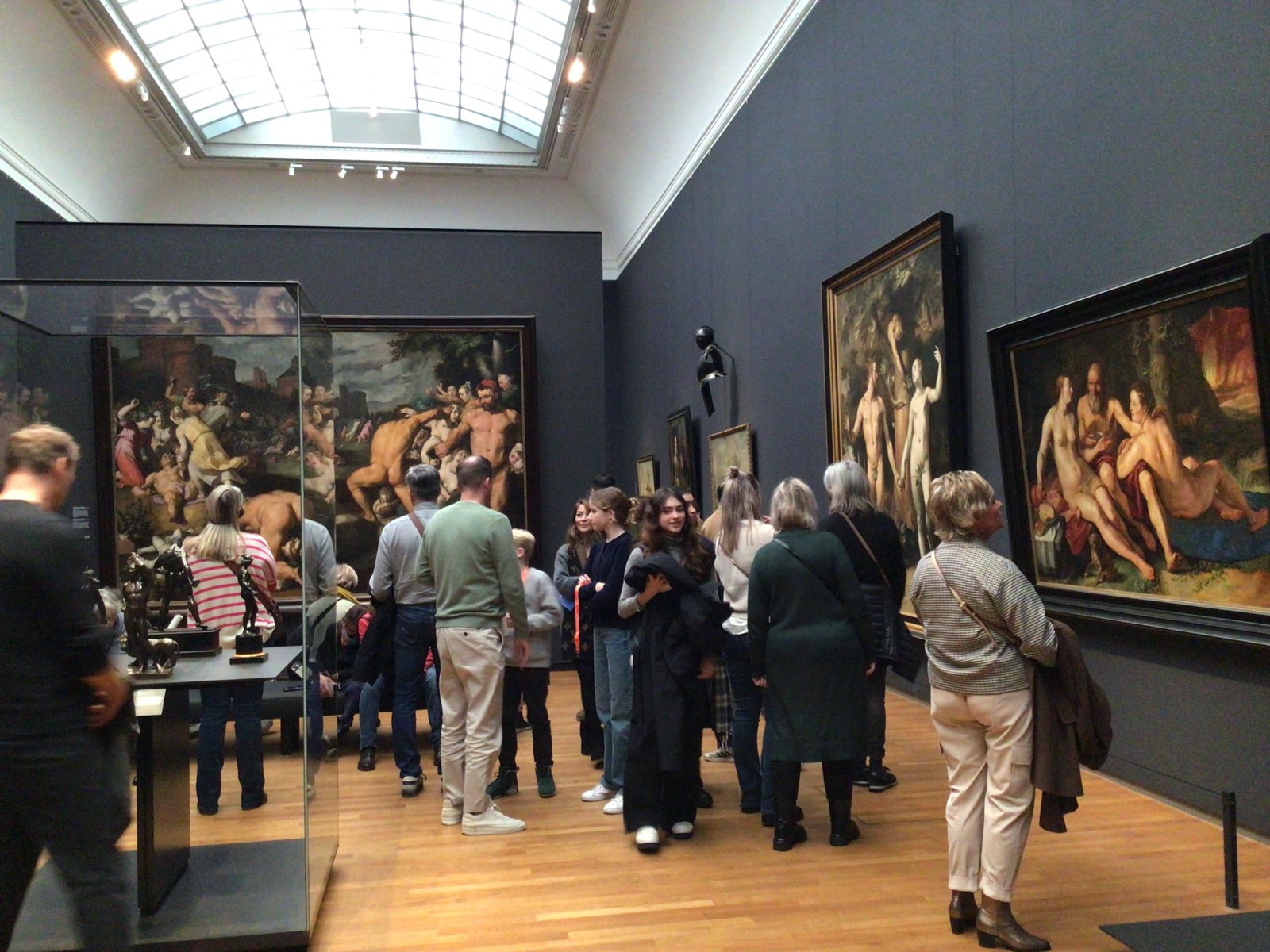
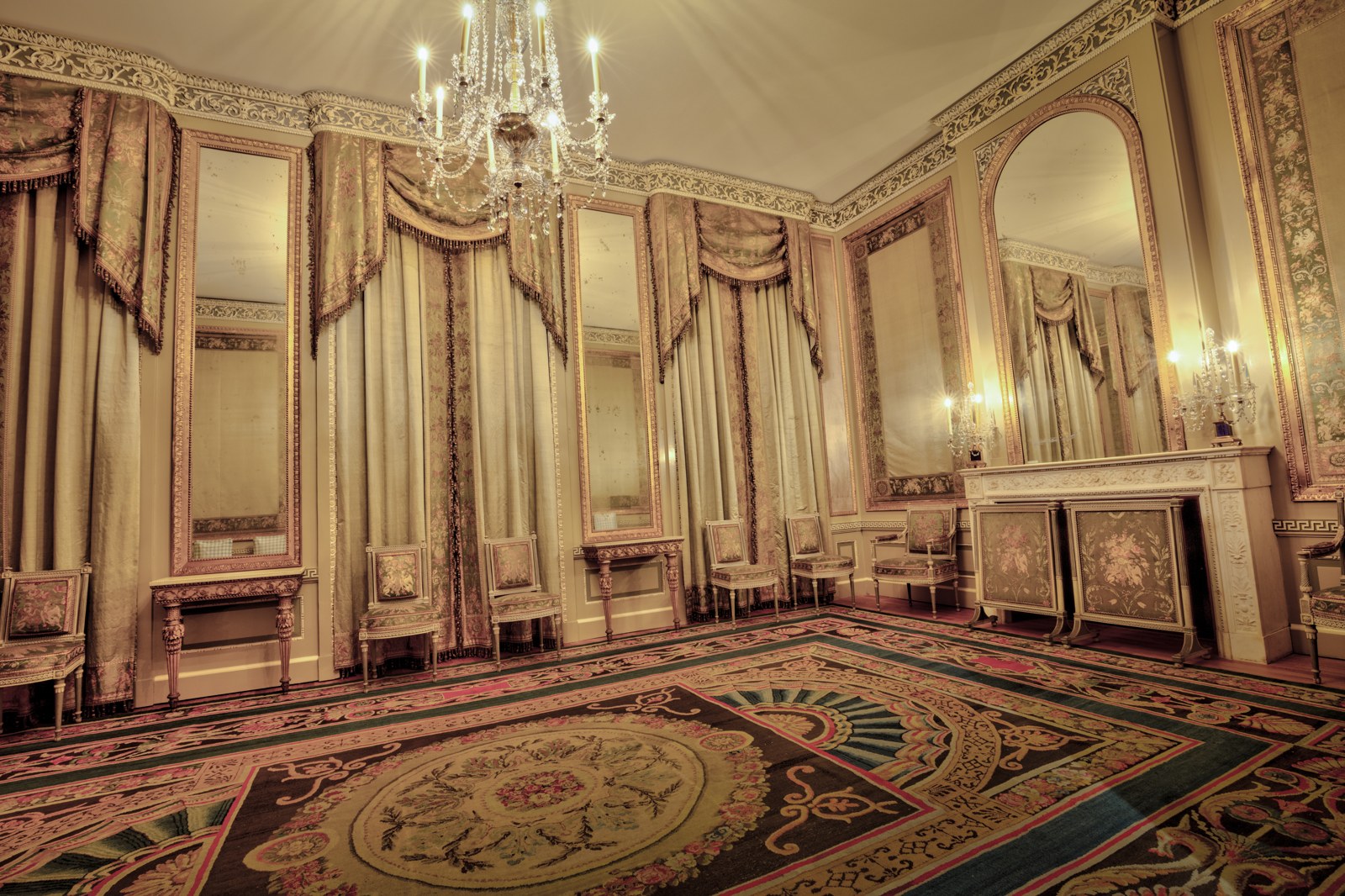
The photographs in this guide show the building and collection spaces at different dates. Gallery arrangements can change, so use the current floor plan for navigation rather than treating an illustrated room number as a guaranteed display location.
Understand the ticket you are booking
At the time of checking, the official opening information lists daily opening from 9am to 5pm, including public holidays. Recheck your chosen date before travel and book the appropriate entry. Do not assume that a pass or discount removes every reservation requirement.
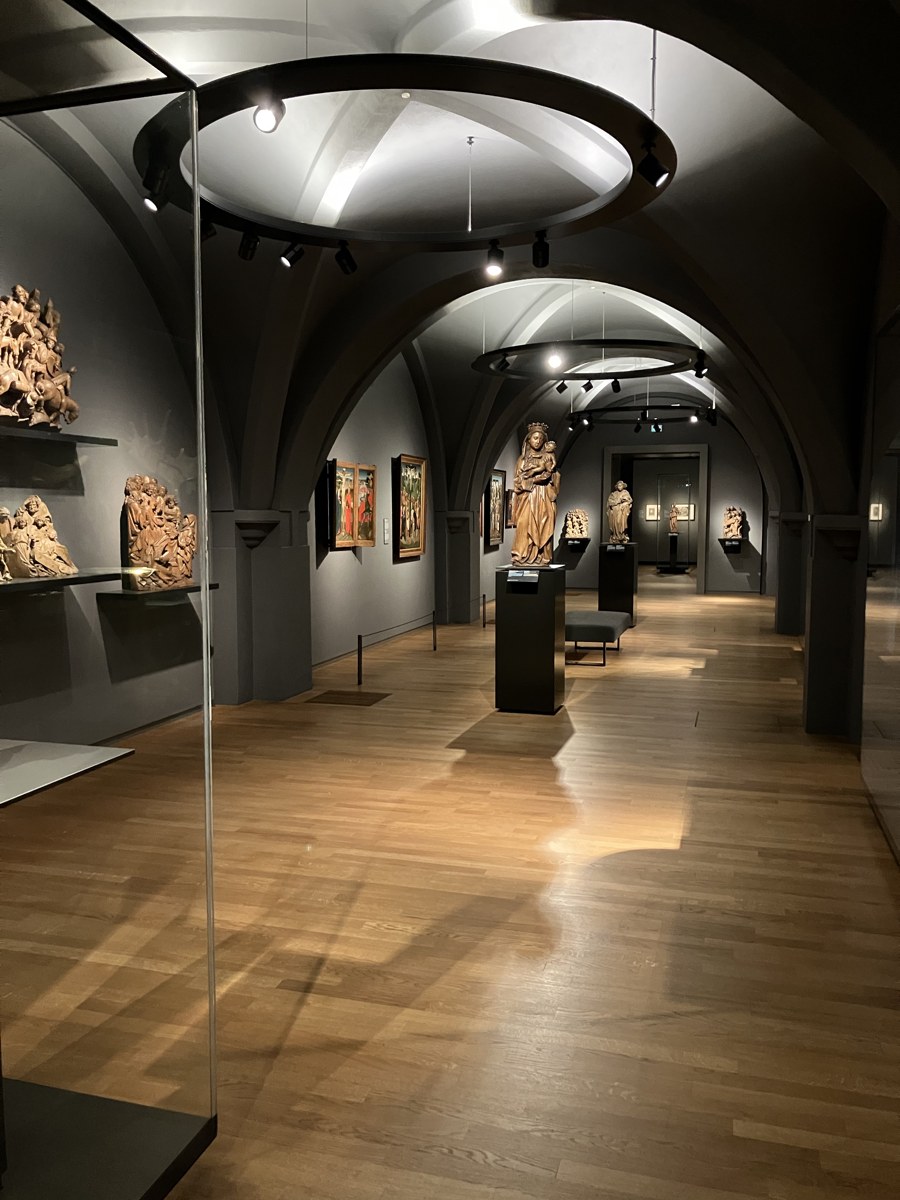
The ticket guidance distinguishes the permanent collection from temporary exhibitions. A reservation for one is not automatically permission to enter every separately ticketed event. Check the exact wording of your ticket, especially if a temporary exhibition is the main reason for travelling.
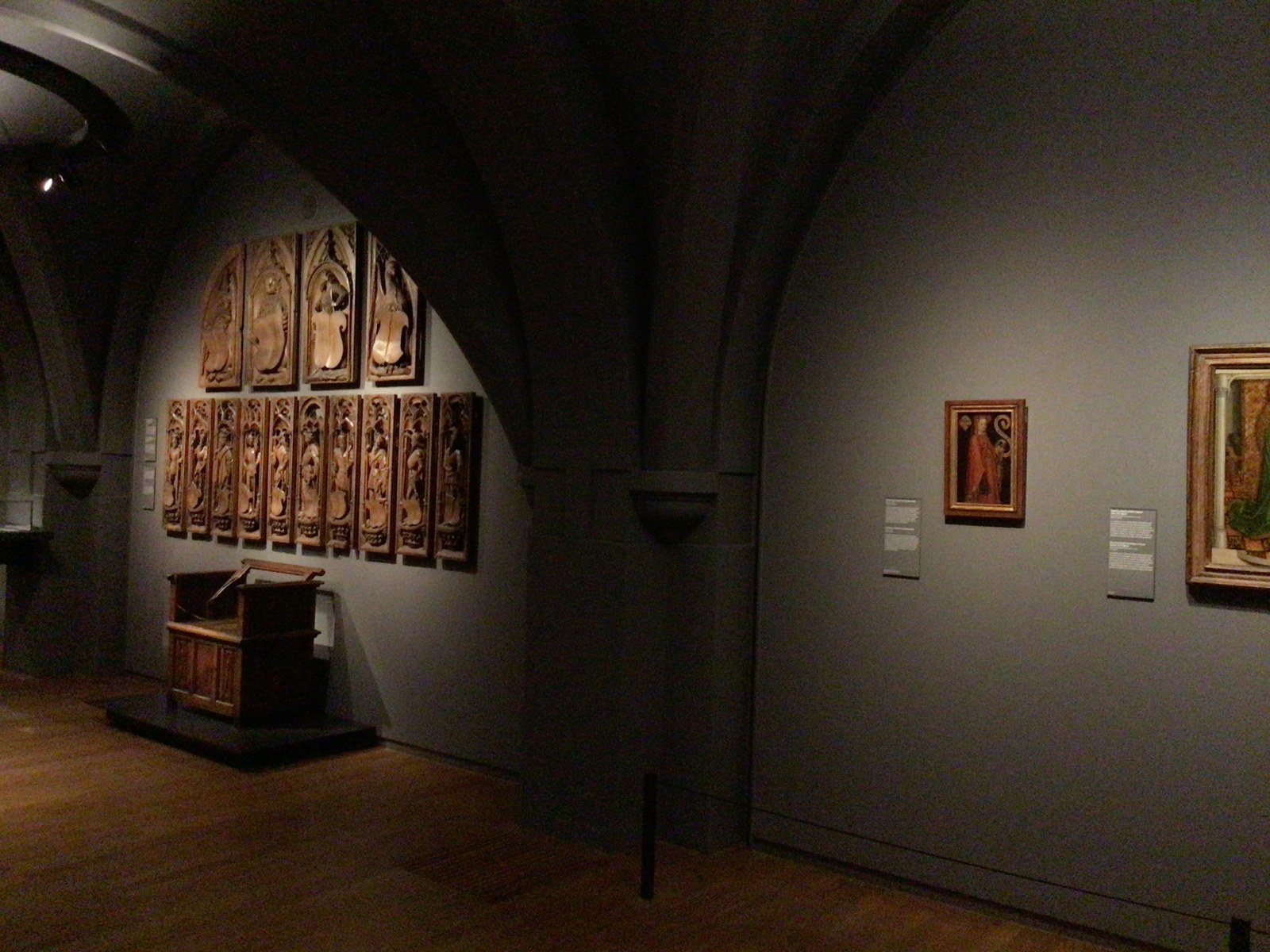
Build a realistic arrival margin into the day. Amsterdam is compact, but arriving from an airport, railway station or another timed attraction still introduces uncertainty. One fixed museum appointment is easier to protect than a chain of tightly spaced reservations.
Make comfort and accessibility part of the plan
Gallery fatigue is real even when the art is outstanding. Wear shoes suitable for standing as well as walking, carry only what you need and check the museum’s current bag rules. Plan a break before concentration disappears rather than after everybody becomes tired.
The museum publishes accessibility information, including guidance on lifts, seating and accessible facilities. Its practical accessibility page also explains arrangements for visitors with assistance needs. Use that information to plan a route that works for the actual people travelling, not an imaginary visitor who can walk and stand indefinitely.
Leave space for Museumplein and the city
A museum visit does not need to swallow the rest of Amsterdam. After a concentrated session, an unhurried walk and a meal can help the collection settle into memory. Resist booking another large museum immediately afterwards simply because it is close. Physical proximity does not create unlimited attention.
Our Amsterdam museums guide is useful for comparing the wider cultural choices. For accommodation with a very different scale from the museum, Hotel The Craftsmen offers a canal-house perspective. Travellers extending an art-focused Dutch trip can also consider the Mauritshuis in The Hague, as a separate city visit rather than an extra Amsterdam stop.
Three questions to settle before departure
Can I visit without seeing everything?
Absolutely. A focused route is often the most rewarding first encounter. Treat the rest of the collection as a reason to return.
Does my ticket include every exhibition?
Not necessarily. Read the conditions for your specific ticket and any temporary exhibition before booking.
Should I reserve another major museum for the same day?
Only if that suits your interests and stamina. For most visitors, one main museum and time outside make a more balanced day.