
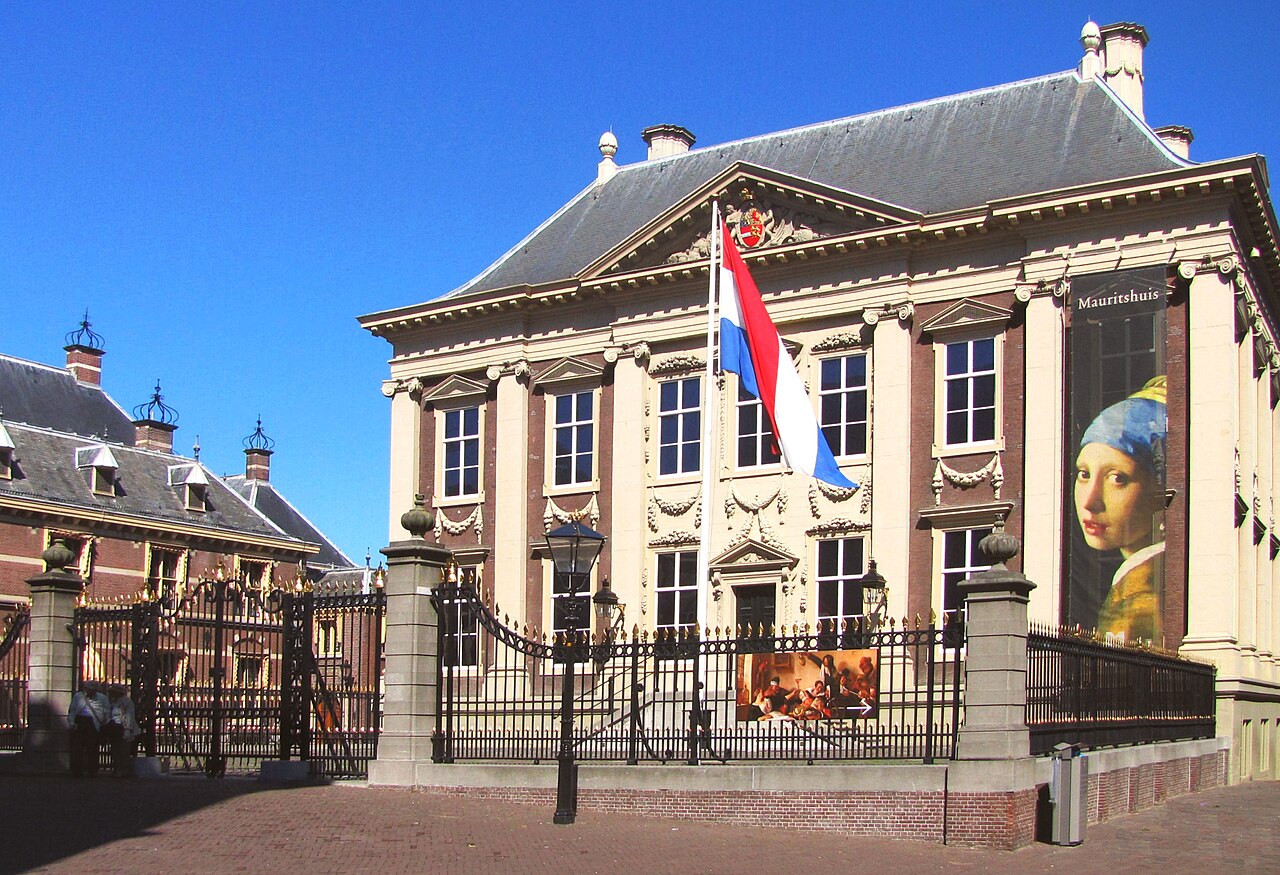

The Mauritshuis suits a kind of museum visit that is easy to lose in a busy itinerary: looking carefully at a small number of paintings. Its city-palace setting in The Hague is intimate enough to encourage that approach, even when the room around Vermeer’s best-known work is busy. Reserve a time slot, leave a generous gap before lunch, and give the quieter galleries as much attention as the famous face on the posters.
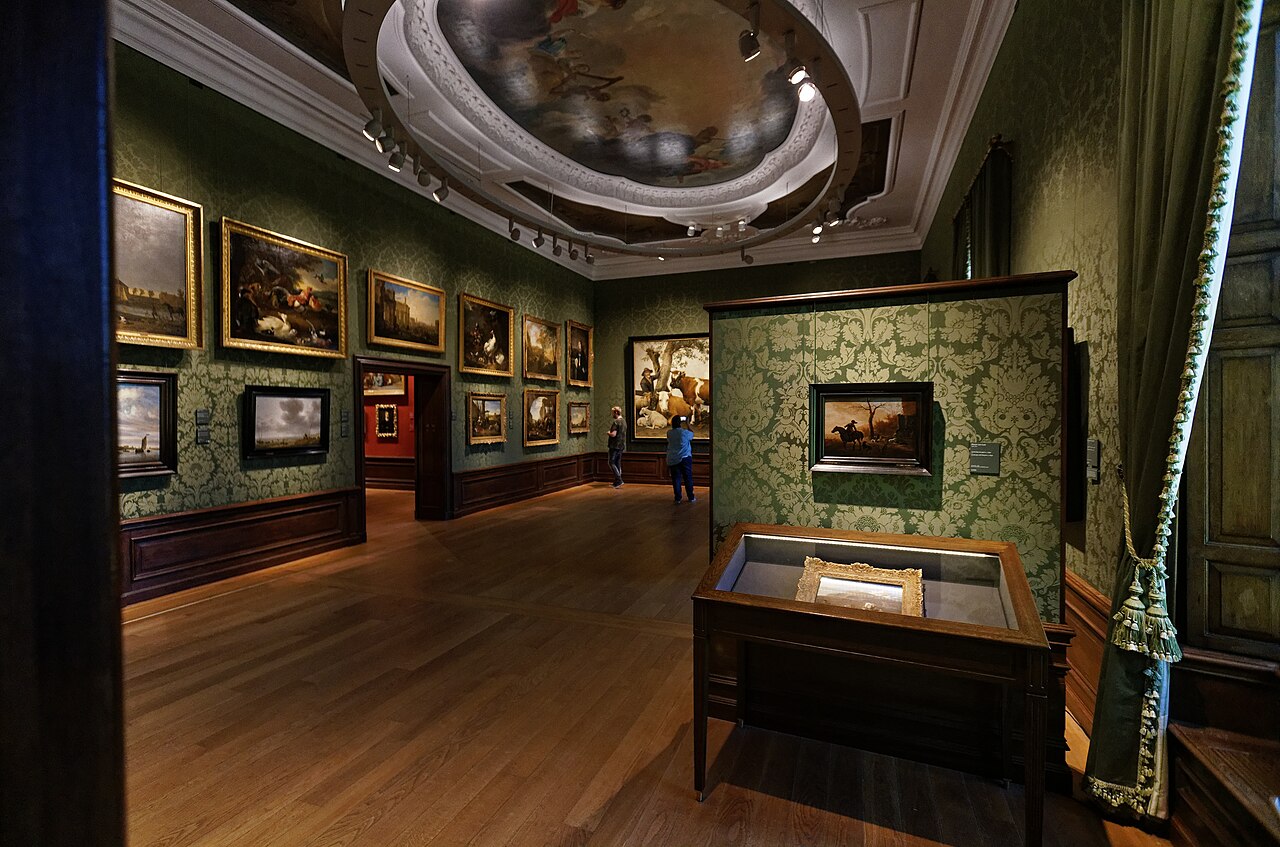

For a first visit, allow roughly two hours as a planning choice, with longer if you like reading labels or using audio commentary. Combine it with a walk rather than another demanding museum immediately afterwards. Our wider guide to things to do in The Hague helps put that slower museum morning into a city break.
Mauritshuis visit: a quick planning checklist
- Choose the ticket: the main Mauritshuis and Prince William V Gallery are in different buildings; check whether you want one or both.
- Reserve an entry slot: check booking requirements even with a discount or free-entry card, and pay particular attention to Monday opening.
- Set a viewing plan: give Vermeer time without overlooking The Goldfinch and quieter galleries. Roughly two hours is a suggested allowance, not a compulsory visit length.
- Arrange access: reserve loan equipment ahead and confirm lift dimensions if using a larger electric wheelchair.
Book the museum you actually want to see
The Mauritshuis visitor page separates admission to the main museum from the Prince William V Gallery and a combined ticket. The gallery is a different building, not an extra room upstairs. Check the choice carefully if you want both. The museum recommends booking an entry slot online, including for many free-entry or discount cards; once admitted, there is no fixed end time for your visit.

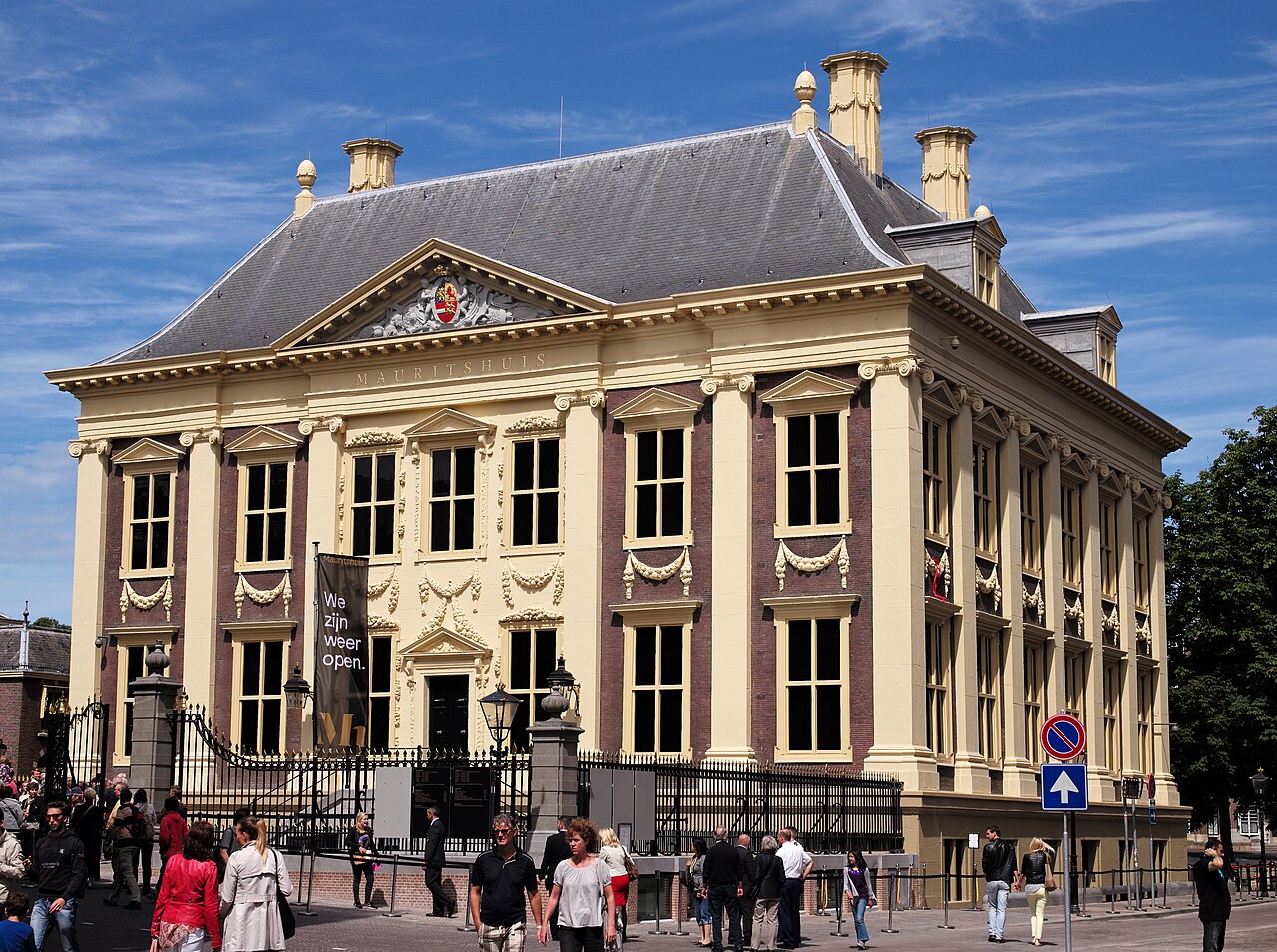
Monday needs particular attention because the main museum normally opens in the afternoon, while its usual Tuesday-to-Sunday opening starts in the morning. Public holidays can differ. Avoid building a rail connection or lunch reservation around the last admission time: that is a cutoff for entry, not a suggested length of visit.

Look at the girl, then look again
Girl with a Pearl Earring is described by the museum as a tronie, an imagined character study rather than an identified sitter’s portrait. Knowing that changes the questions you bring to it. Look at the turn of the head and the tiny touches of reflected light instead of searching for a biography that the painting does not provide.
Give others space to approach. If the viewing area is crowded, move through another room and return if your route allows. A photograph is a souvenir, but a moment without a screen makes the scale and paint surface much easier to notice. Check the work’s collection entry before travelling if it is your main reason for visiting, since loans can affect what is on view.
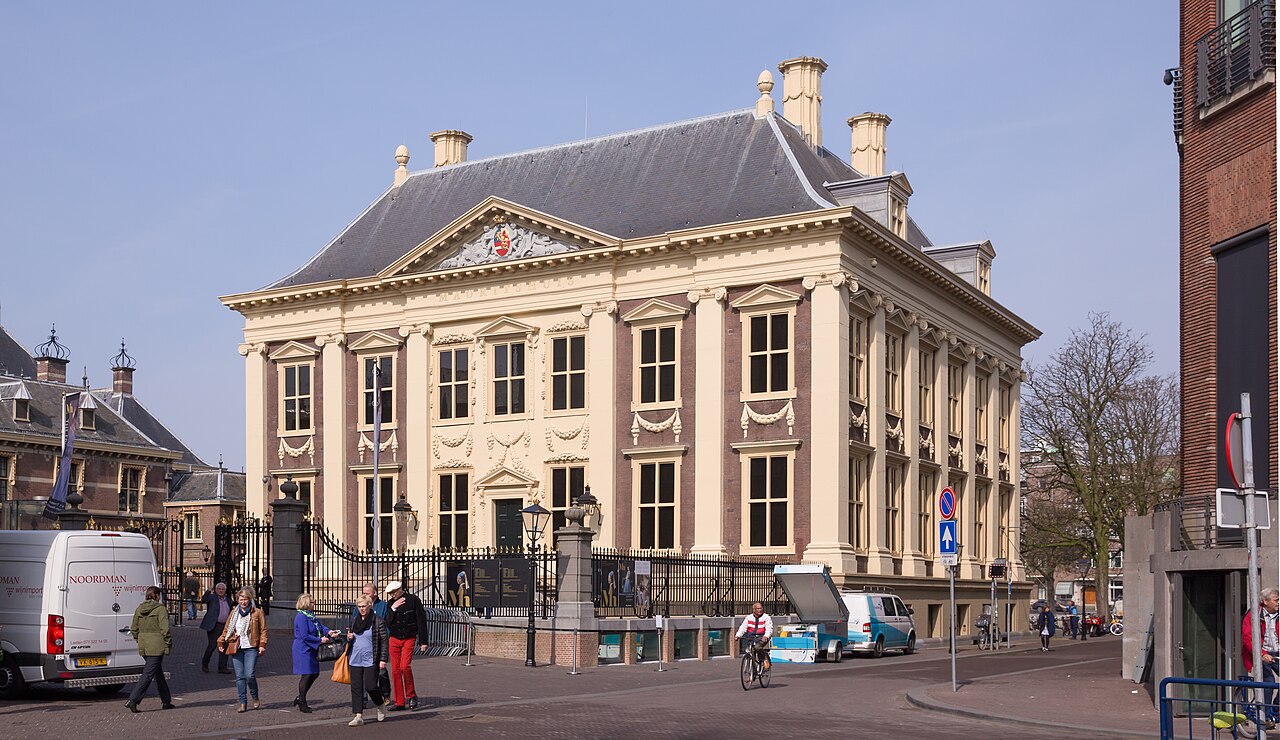

Small paintings deserve unhurried attention
Carel Fabritius’s The Goldfinch offers a different kind of encounter. The bird is chained to its perch, and the yellow in its wing is built from a few decisive touches of paint. Rather than treating it as another famous object to tick off, spend a minute with the contrast between the bird’s apparent liveliness and its restraint.
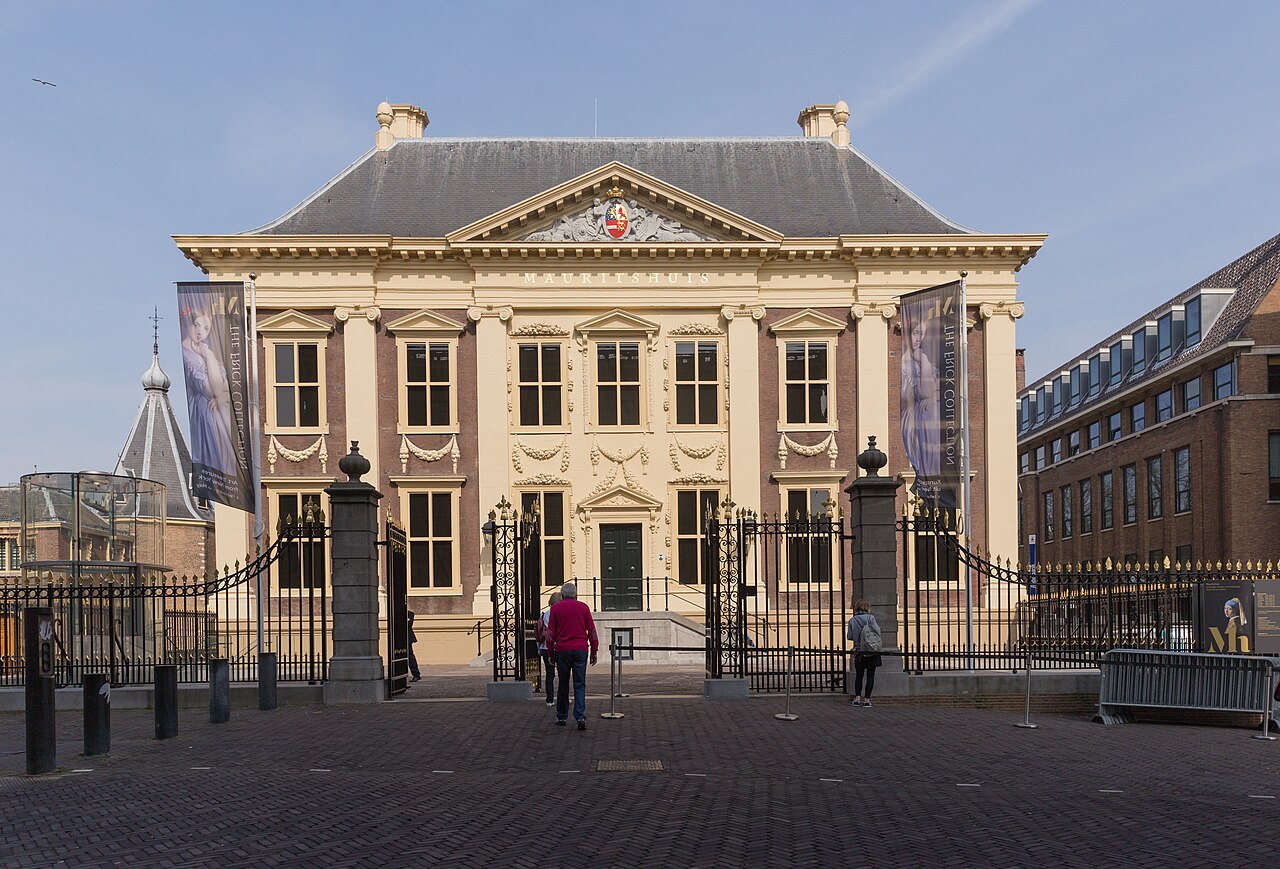

The collection catalogue is useful for choosing two or three further interests before arrival: a landscape, a still life and a portrait, for example. Vermeer’s View of Delft, Rembrandt’s The Anatomy Lesson of Dr Nicolaes Tulp and works by Clara Peeters offer very different ways of looking. Follow your interest rather than trying to give every room equal time.

Read the house as part of the collection
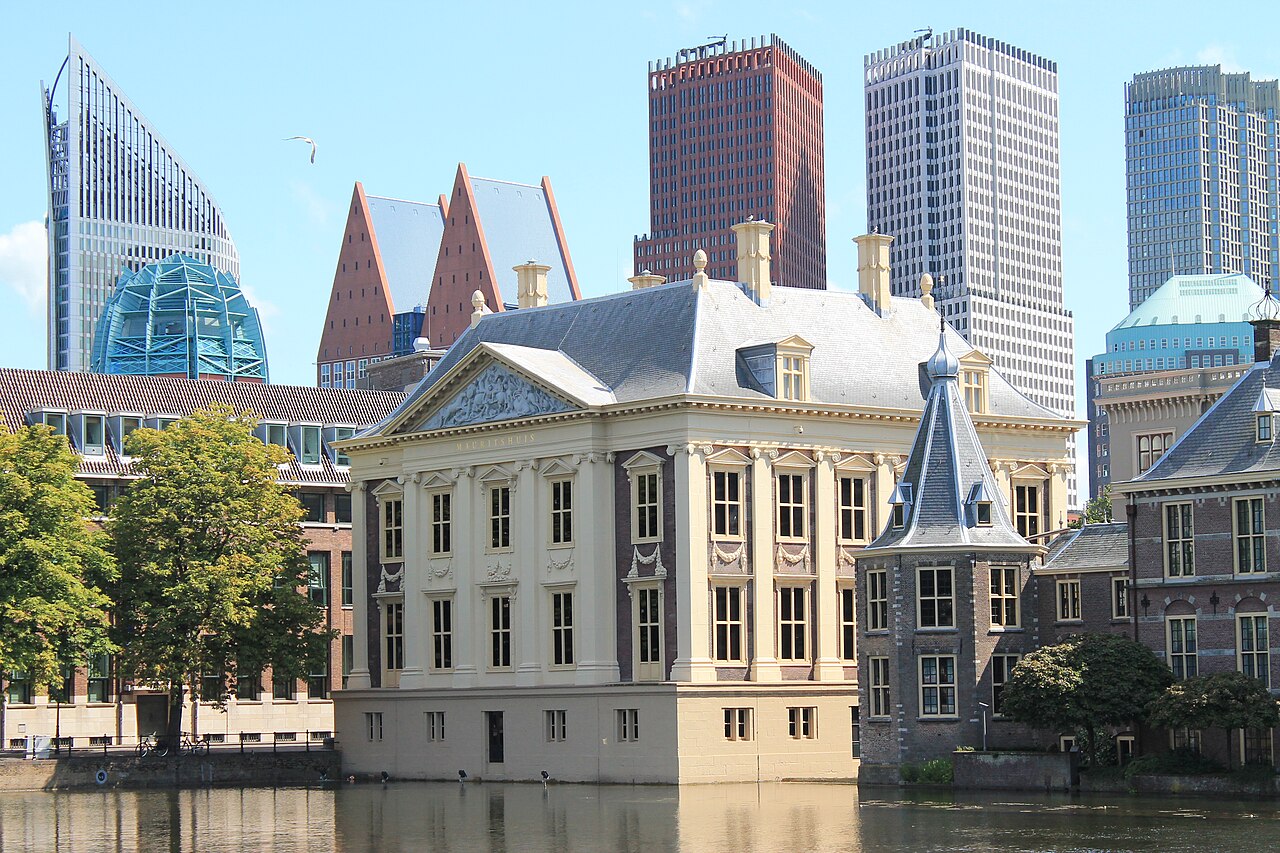
The elegant building has a history that belongs in the visit. It was made as a residence for Johan Maurits of Nassau-Siegen, whose career included governing Dutch Brazil. The museum’s account of Johan Maurits and colonial history connects the house and parts of its collection with colonial power and slavery. Make room for that context alongside the celebrated paintings.
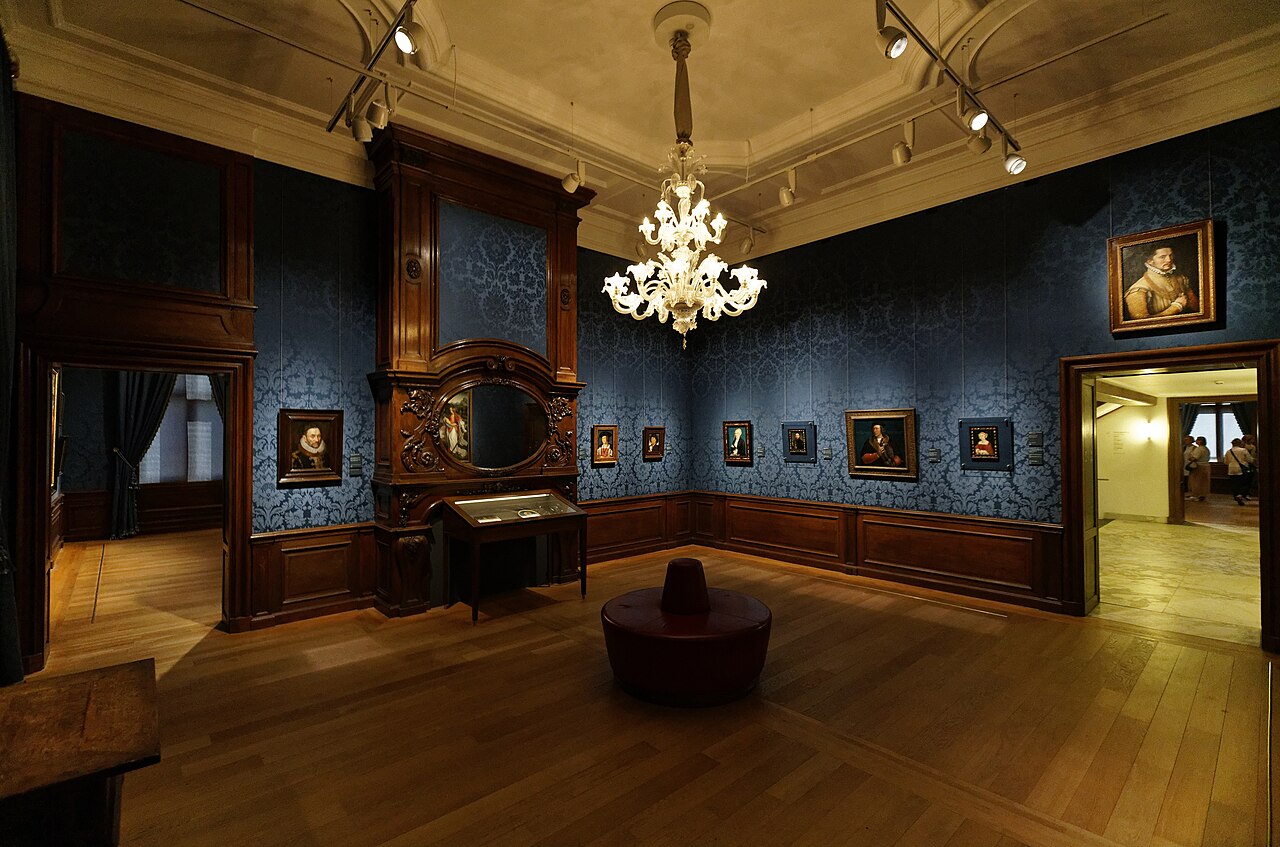
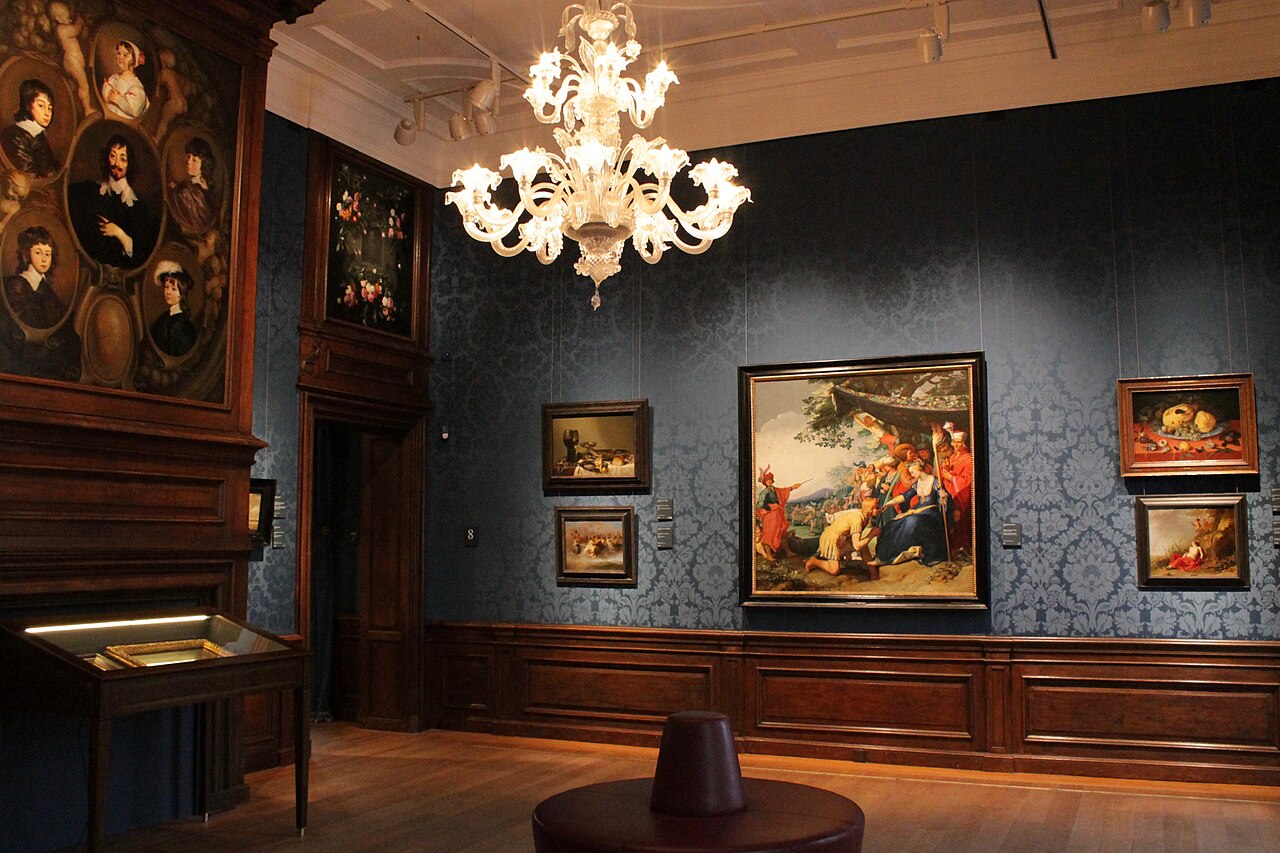
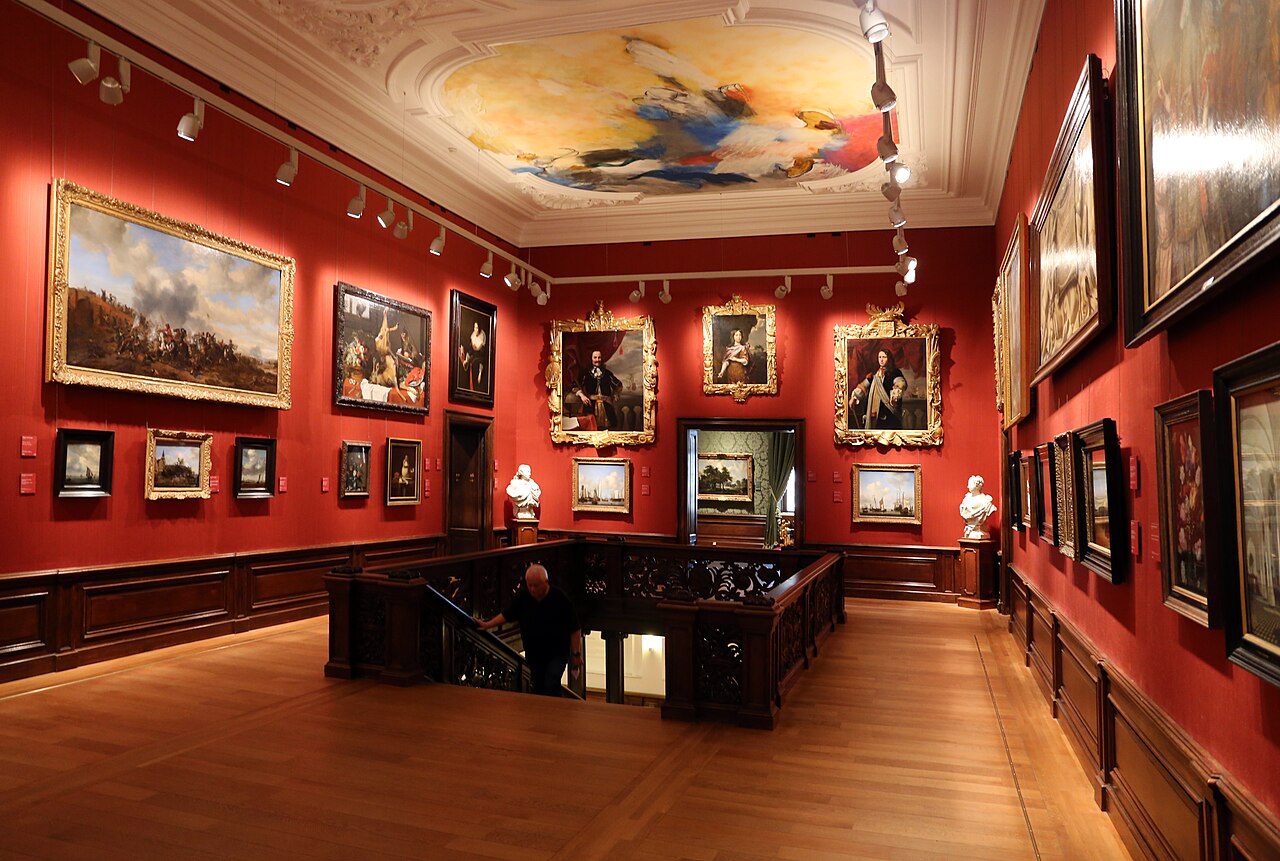
It is also worth looking up from individual frames to notice the scale of the rooms and the relationships between works. The pleasure of a small museum is being able to compare what you have just seen with a painting nearby, without an exhausting walk between departments.

Plan access before choosing a time
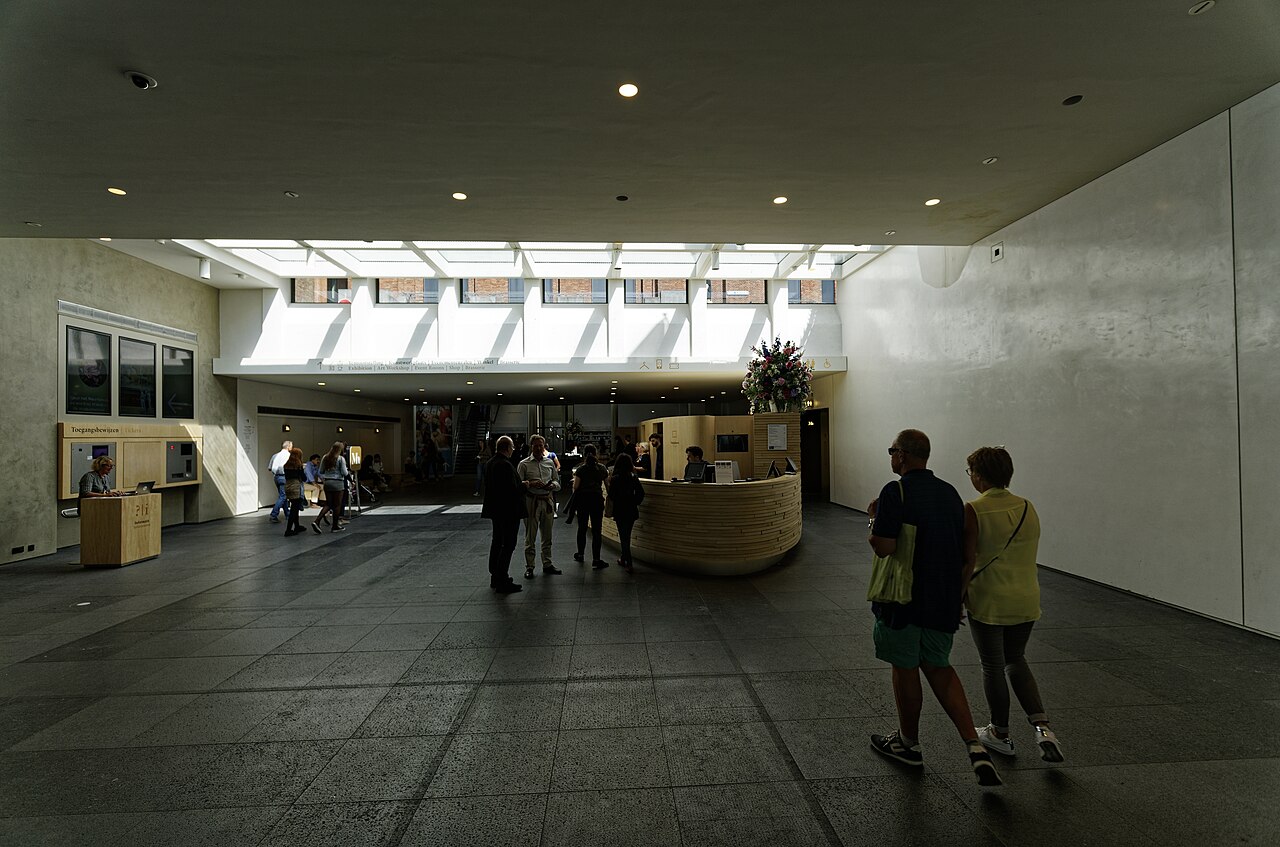
The museum’s accessibility information includes loan wheelchairs, walking aids and stools that should be reserved ahead. There is seating in the galleries. The lift in the historical section has limits for larger electric wheelchairs, so contact the museum with your chair’s dimensions rather than assuming every device will fit.

Visitors who prefer less busy conditions can ask the museum about quieter periods. Take only what you need into the galleries and check current bag and photography rules before arrival. For families, choosing a few animals, faces or food details to find is a more manageable plan than expecting children to follow a long sequence of masterpieces.
Leave space for The Hague
Afterwards, walk towards the Hofvijver for a different view of the building. The neighbouring political quarter is a natural continuation, but consult our Binnenhof guide and current local information before expecting access through every courtyard during restoration works.

If you have another half-day, the Peace Palace visitor guide offers a further strand of the city’s history. Keep it separate from the museum rather than turning the day into a race between opening times. The Mauritshuis works best when you leave with a few paintings clearly remembered.