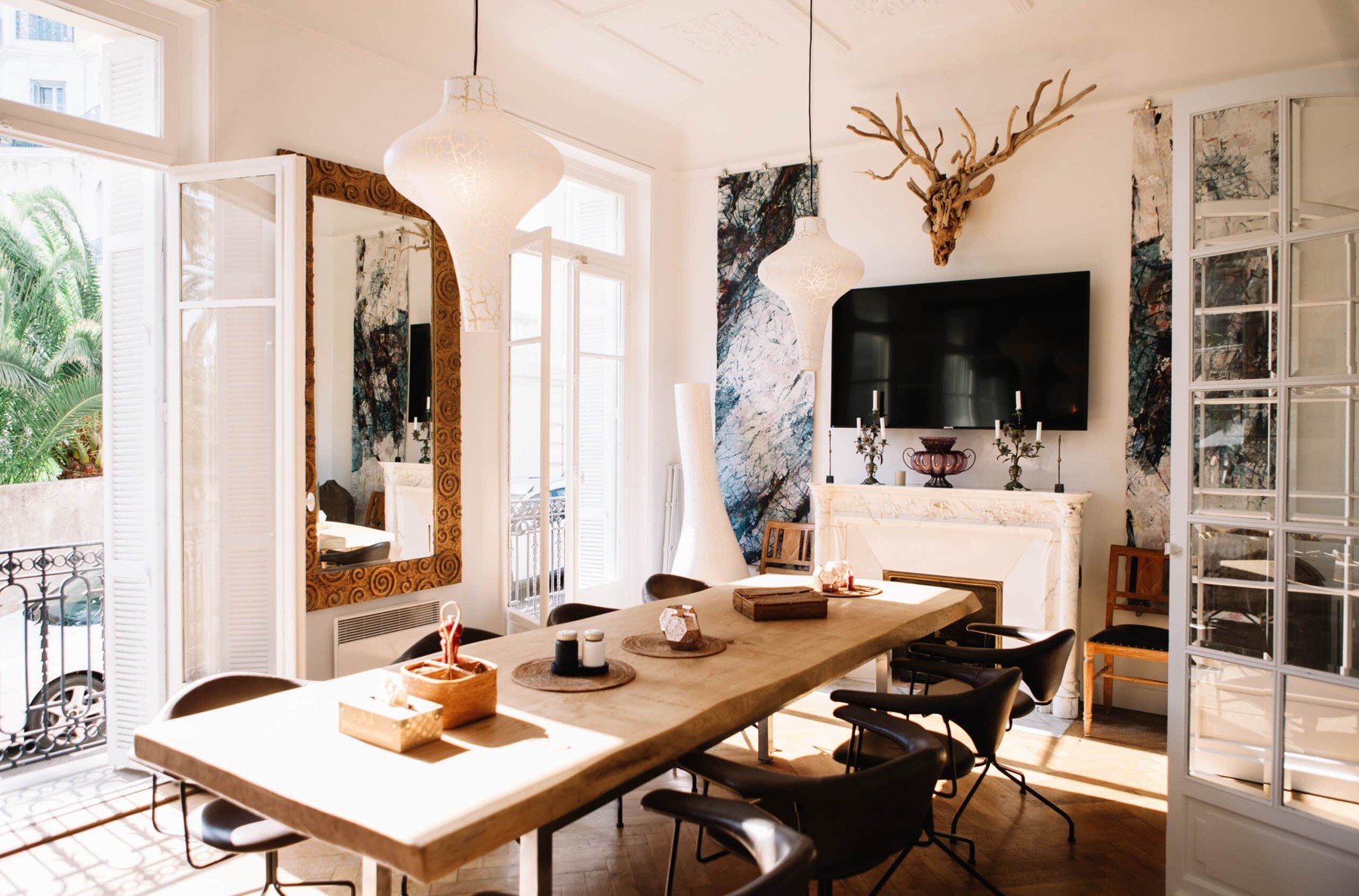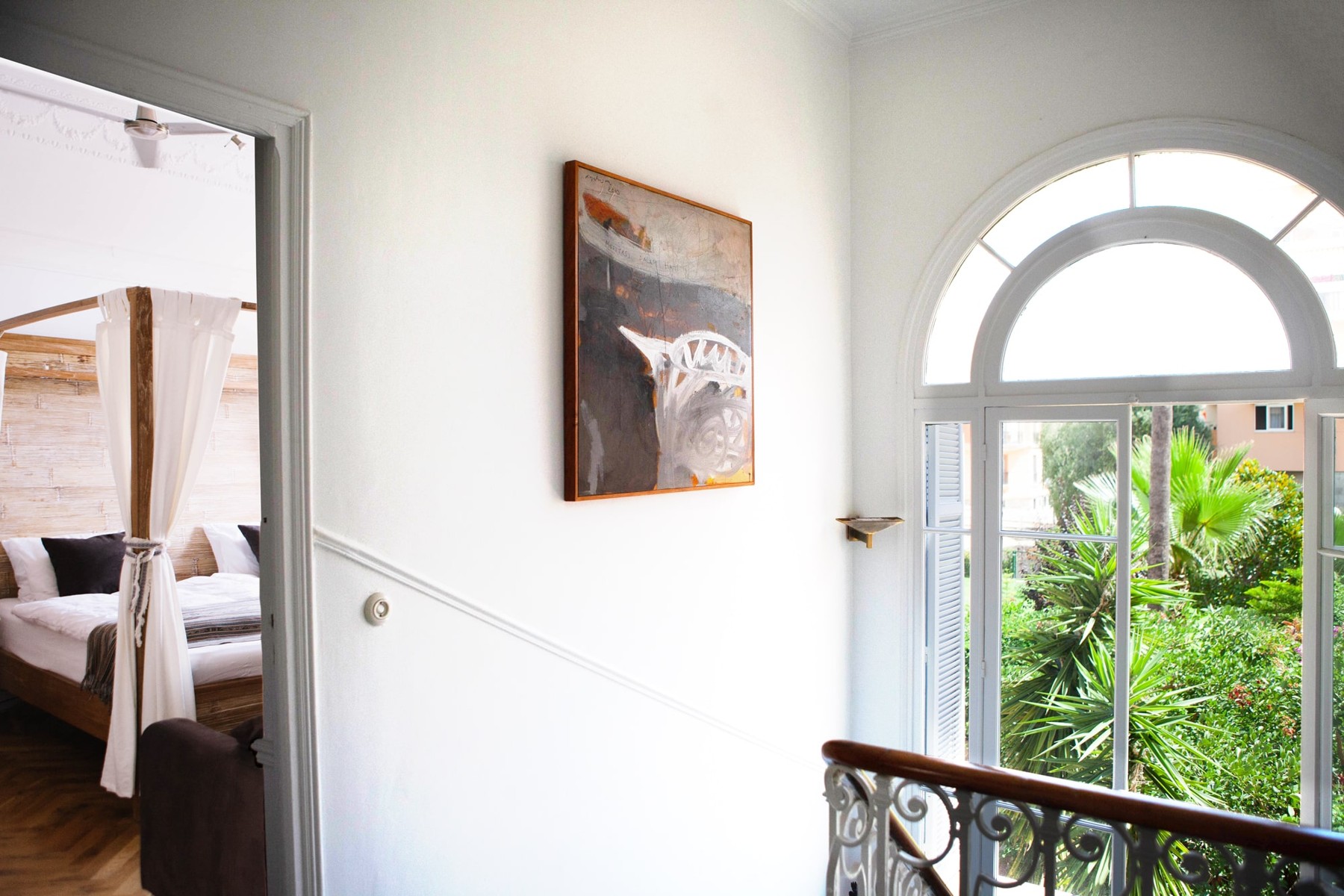
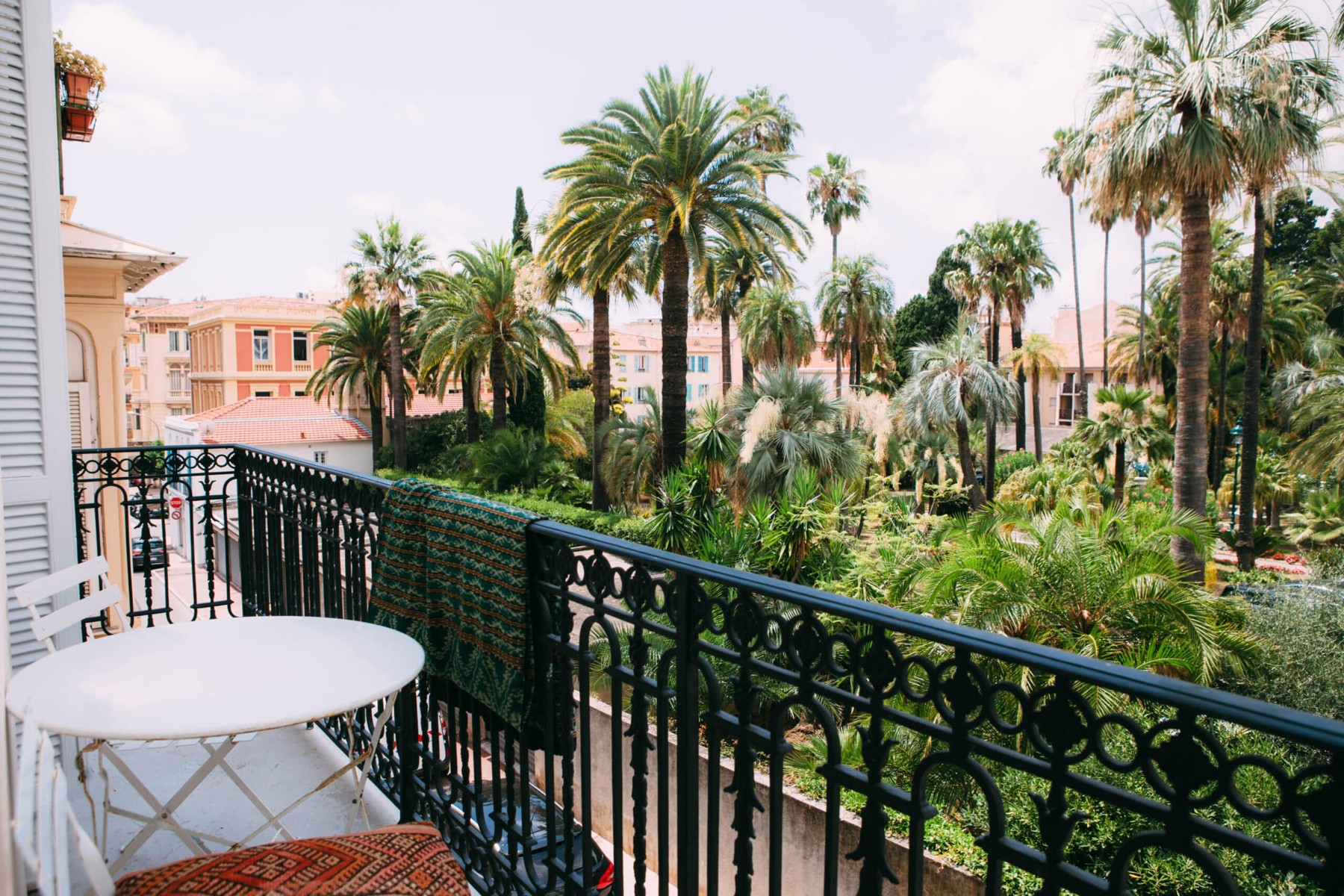
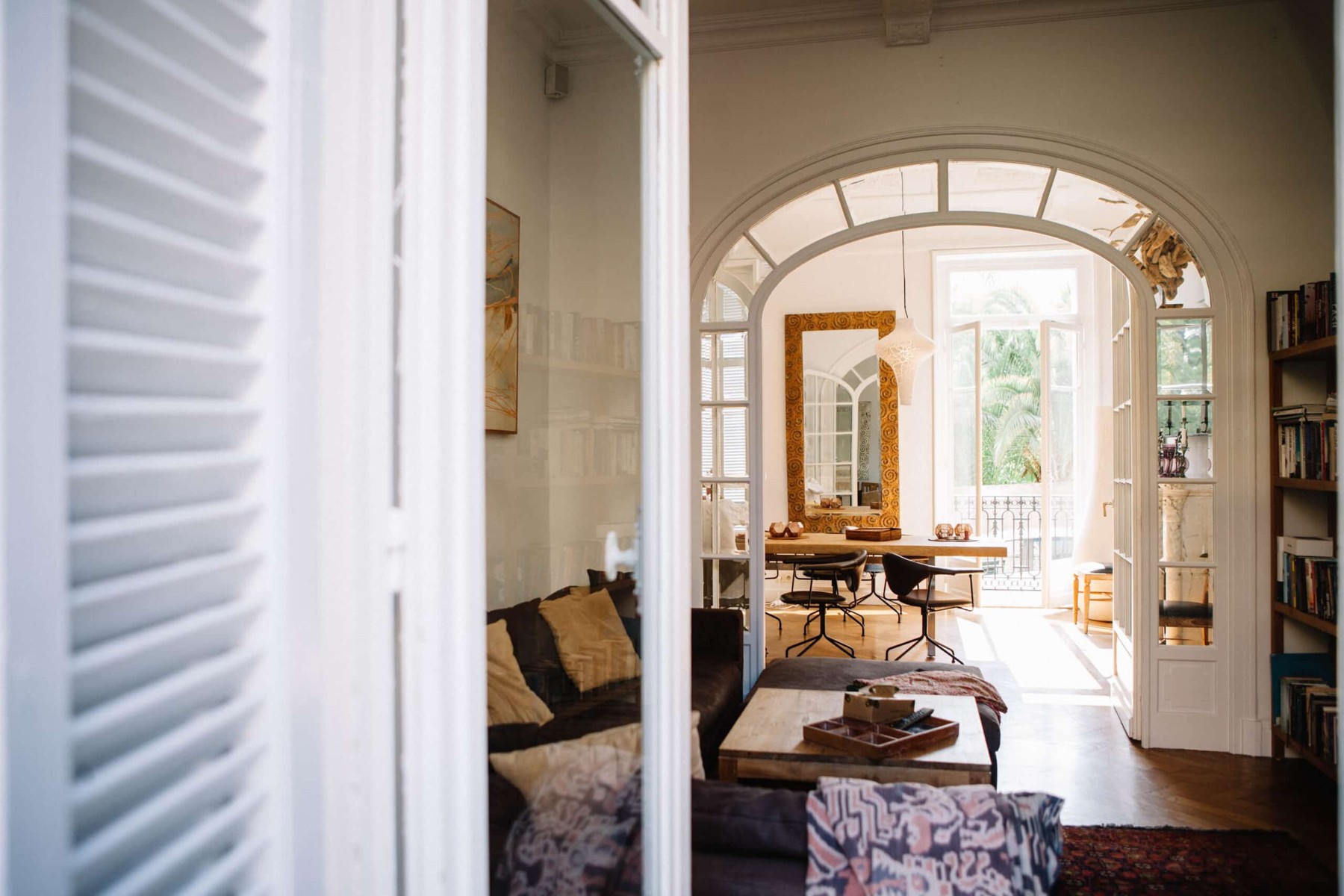
At Villa Libellule in Menton, the Riviera is framed by shutters, balcony rails and the furniture of a lived-in house. The published interiors show generous windows, pale walls and rooms connected by curved openings. Outside, palms rise above neighbouring gardens. This is not the Riviera of an anonymous resort corridor. It is a domestic version of the coast, organised around a group staying together rather than strangers passing through a lobby.
Guldsmeden’s Menton property is a whole-house rental, not a hotel selling its bedrooms individually. The operator lists six bedrooms and twelve beds, two living rooms and an indoor kitchen. Its stated booking format is for four to twelve guests, with a minimum seven-night stay and Saturday arrivals and departures. Those conditions give the address a different rhythm from a short city break: the house is the centre of a week, not simply somewhere to sleep between excursions.
A house with room for difference
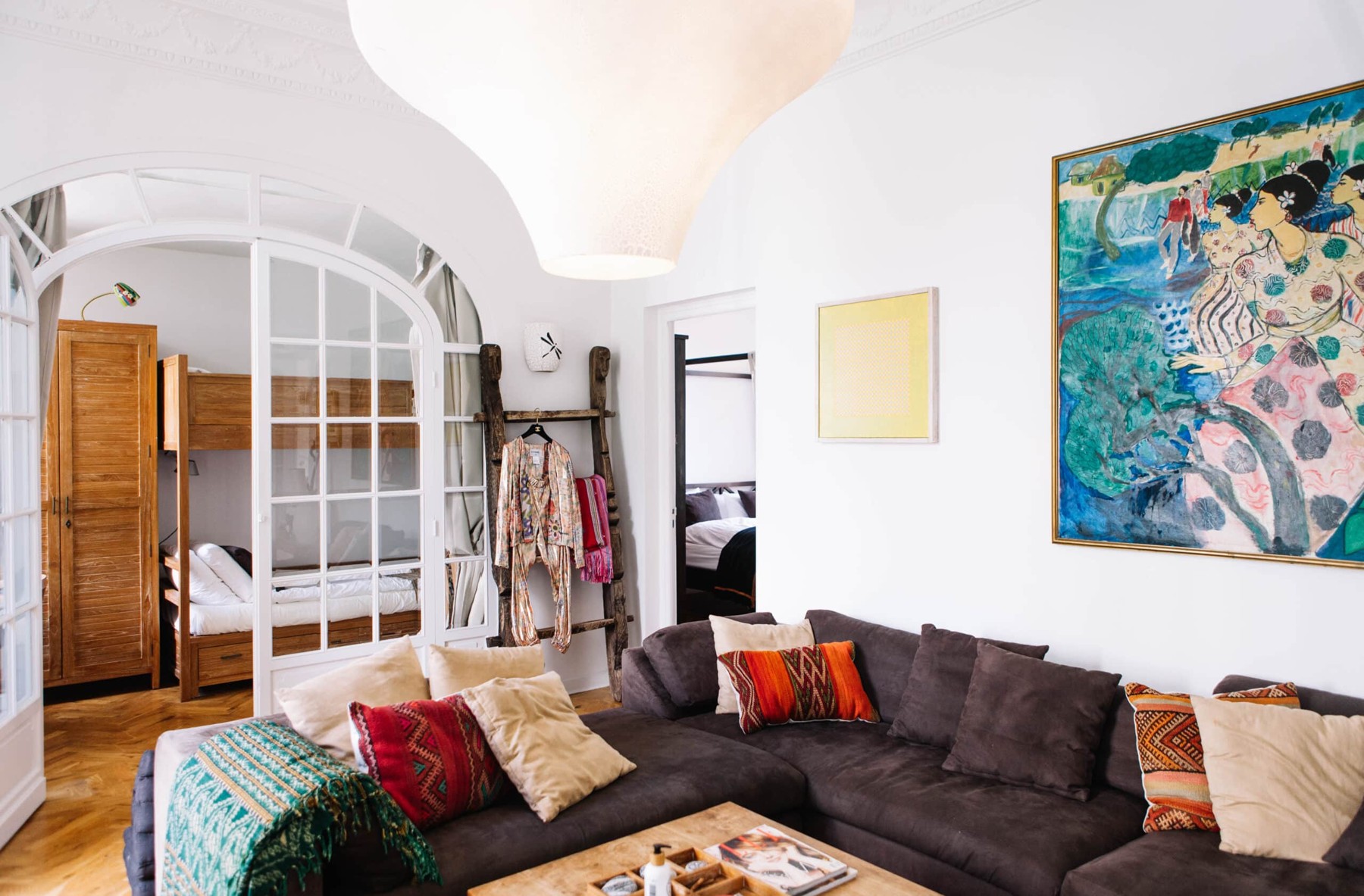
The official photographs reveal how that arrangement works visually. A sitting room combines a dark sofa with colourful artwork and cushions. A separate dining area gathers chairs around a timber table beneath a pendant light. The kitchen is narrow and practical, with shelves, cooking surfaces and a glazed door towards the exterior. The rooms look connected without being identical, allowing a gathering to break into smaller conversations.
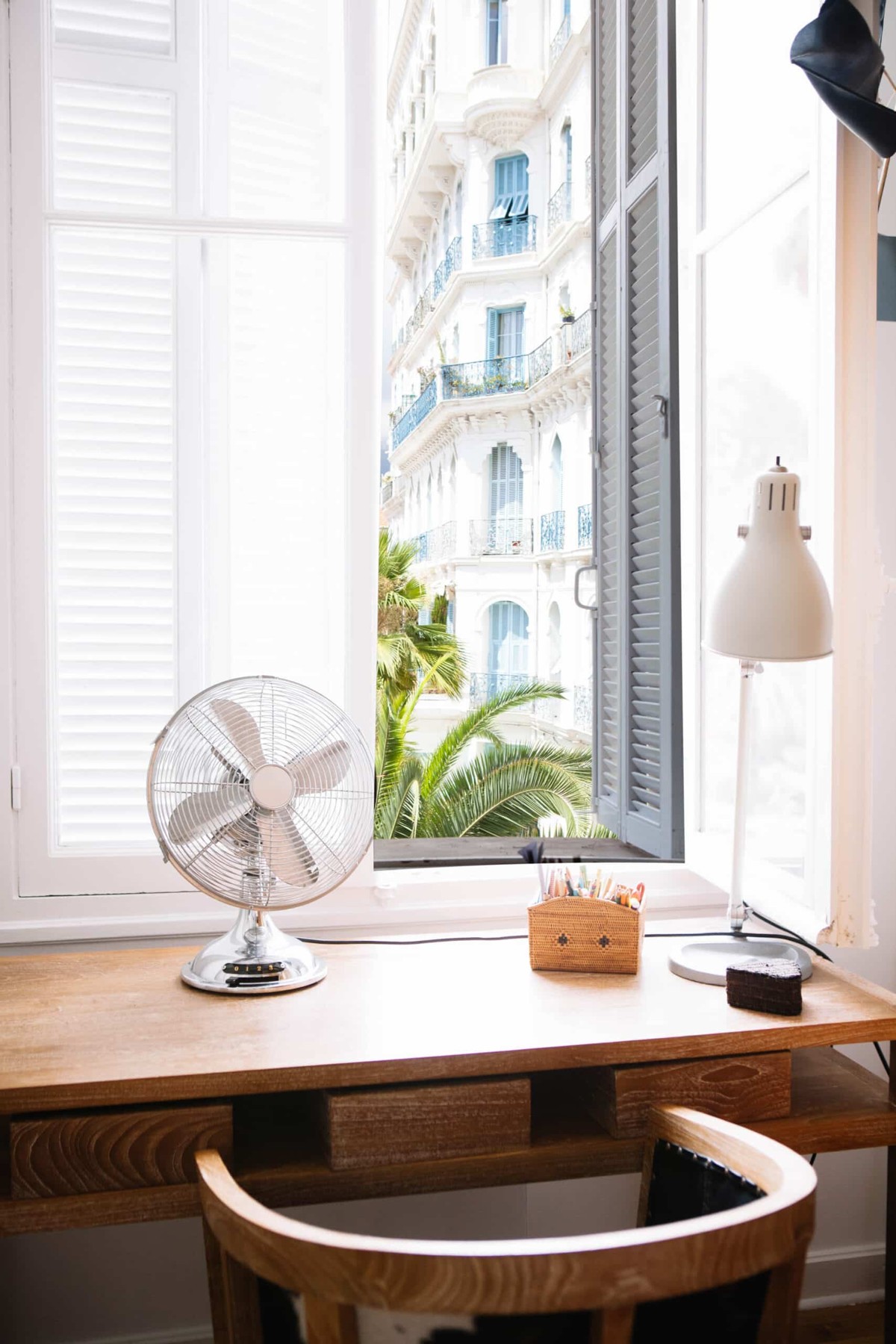
On a landing, an arched window draws the garden into the interior. Elsewhere, a desk has been positioned close to an open window, a small retreat from the larger communal rooms. These quieter corners are as important to the house’s character as its dining table. A shared holiday depends on the possibility of stepping away as much as on the pleasure of coming together.
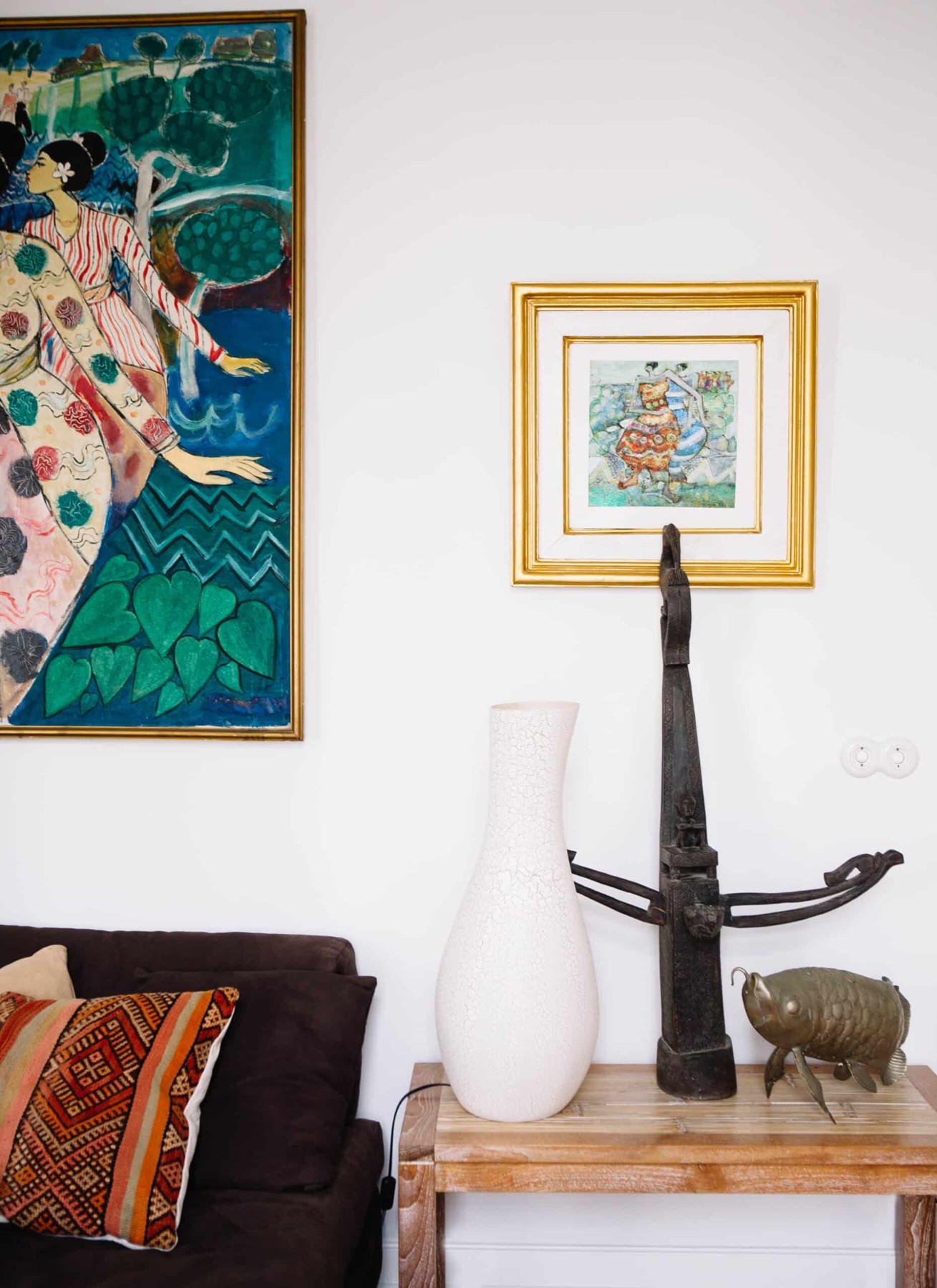
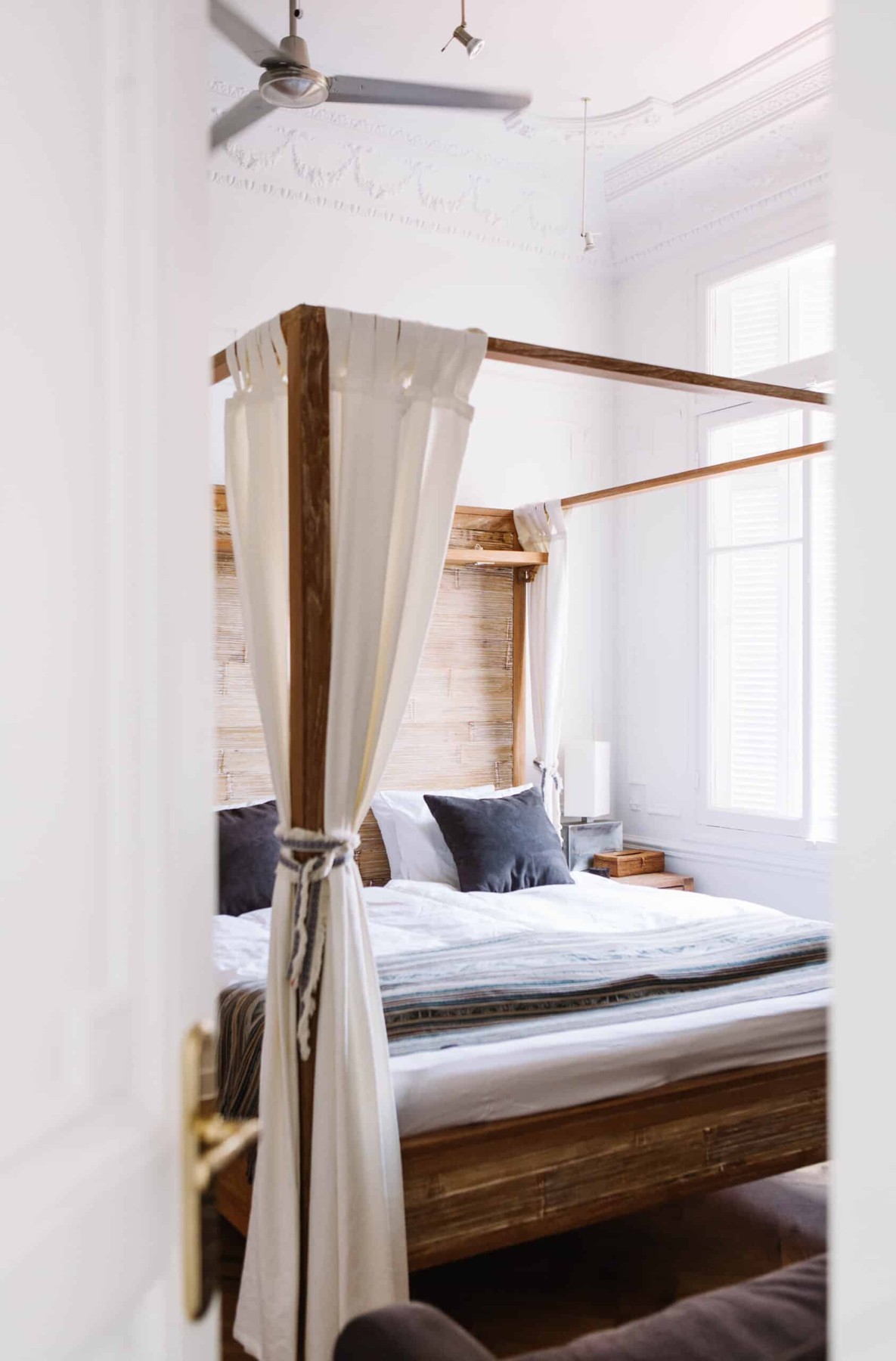
The operator describes the building as a Belle Époque residence. Its furnishings, however, do not attempt a strict period reconstruction. Four-poster beds, textured materials and decorative objects bring the familiar Guldsmeden vocabulary to a different architectural setting. Readers familiar with Babette Guldsmeden in Copenhagen will recognise the preference for warmth and layered surfaces, even though the light and the surrounding vegetation are markedly different.
Menton’s garden landscape
The house stands in a town whose identity is unusually bound to cultivation. The local tourist office’s account of Menton’s gardens traces their history back to the eighteenth century. Estates such as Serre de la Madone, Maria Serena and Val Rahmeh form part of a wider landscape shaped by collections of plants and by people attracted to this stretch of coast.
Citrus provides another strand of that story. According to the tourist office, the Menton lemon received Protected Geographical Indication status in 2015. The fruit is more than an ornamental emblem. It ties the town’s visual identity to cultivation, food and a particular local product, adding substance to the familiar postcard colours of sea, façades and foliage.
Villa Libellule’s own outdoor spaces continue that garden theme on a smaller scale. The operator lists a pool, citrus trees and bougainvillea, alongside an outdoor kitchen and lounge area. The available press photographs concentrate on the house and its balcony views rather than documenting every current facility. Their strongest impression is of an accommodation that maintains a relationship with the surrounding town rather than isolating itself from it.
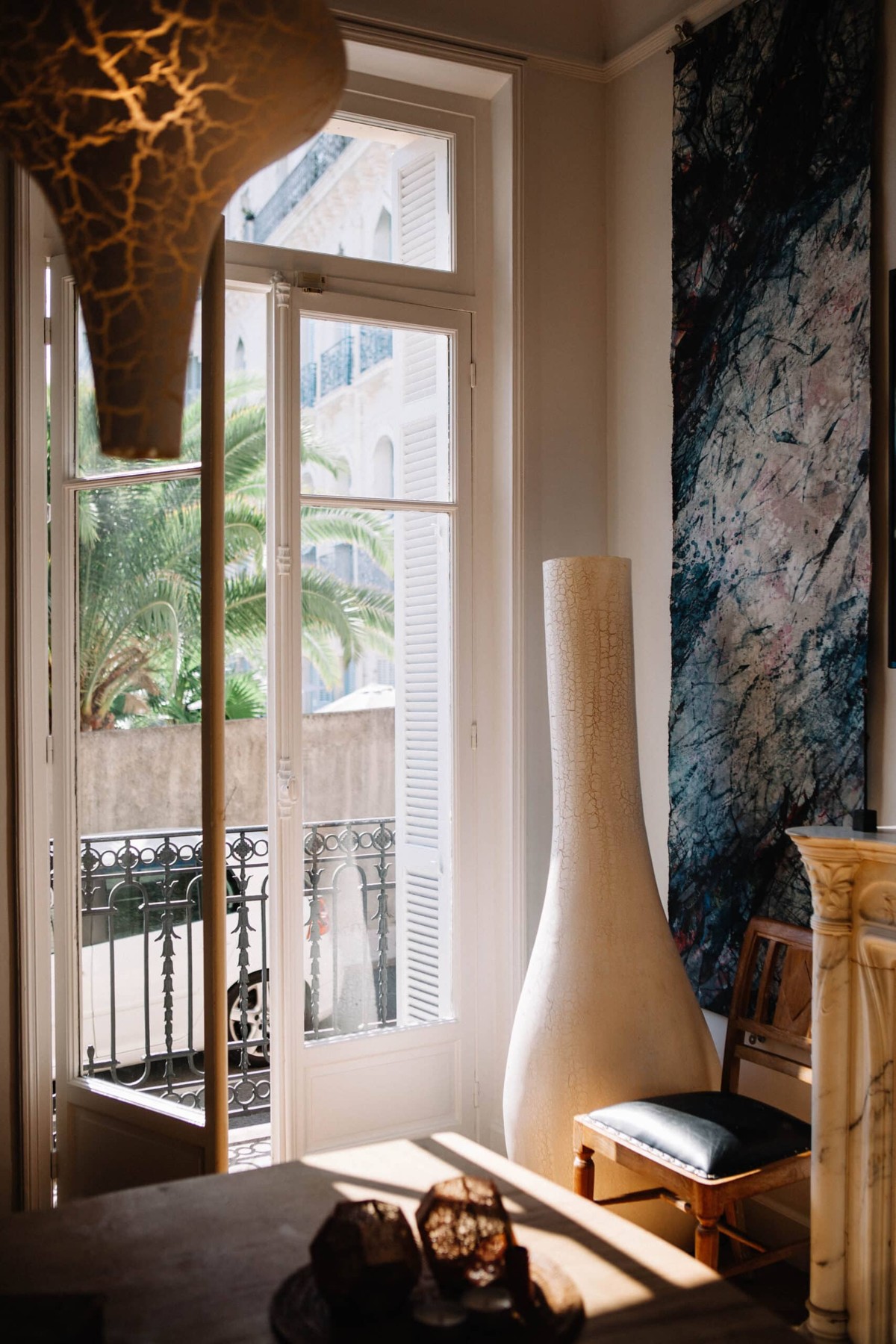
A different Riviera address
Menton’s architectural heritage includes grand former hotels and the legacy of the Belle Époque. Libellule offers a much smaller lens through which to encounter that world. It also differs from the individual-room model explored in our coverage of hotels in nearby Nice, and from the itinerant perspective of travelling the French Riviera by road.
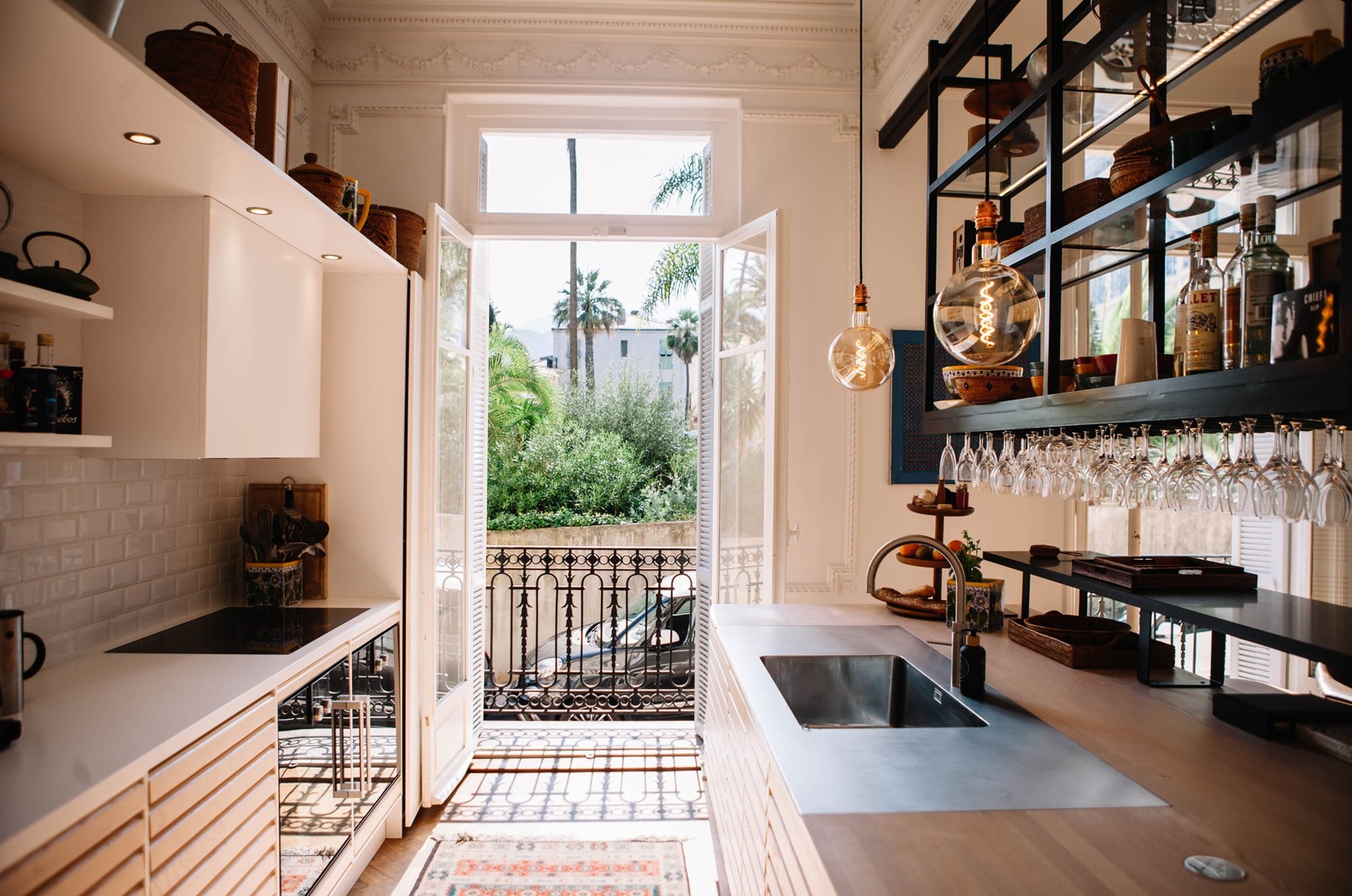
Here, continuity is the point. The same table can hold breakfast, an unfinished book and a later meal. A balcony becomes familiar over several mornings. Beyond the garden, Menton remains a town rather than a hotel amenity. The villa’s distinction lies in letting a group inhabit that setting together, with enough separate rooms for the experience to remain personal.