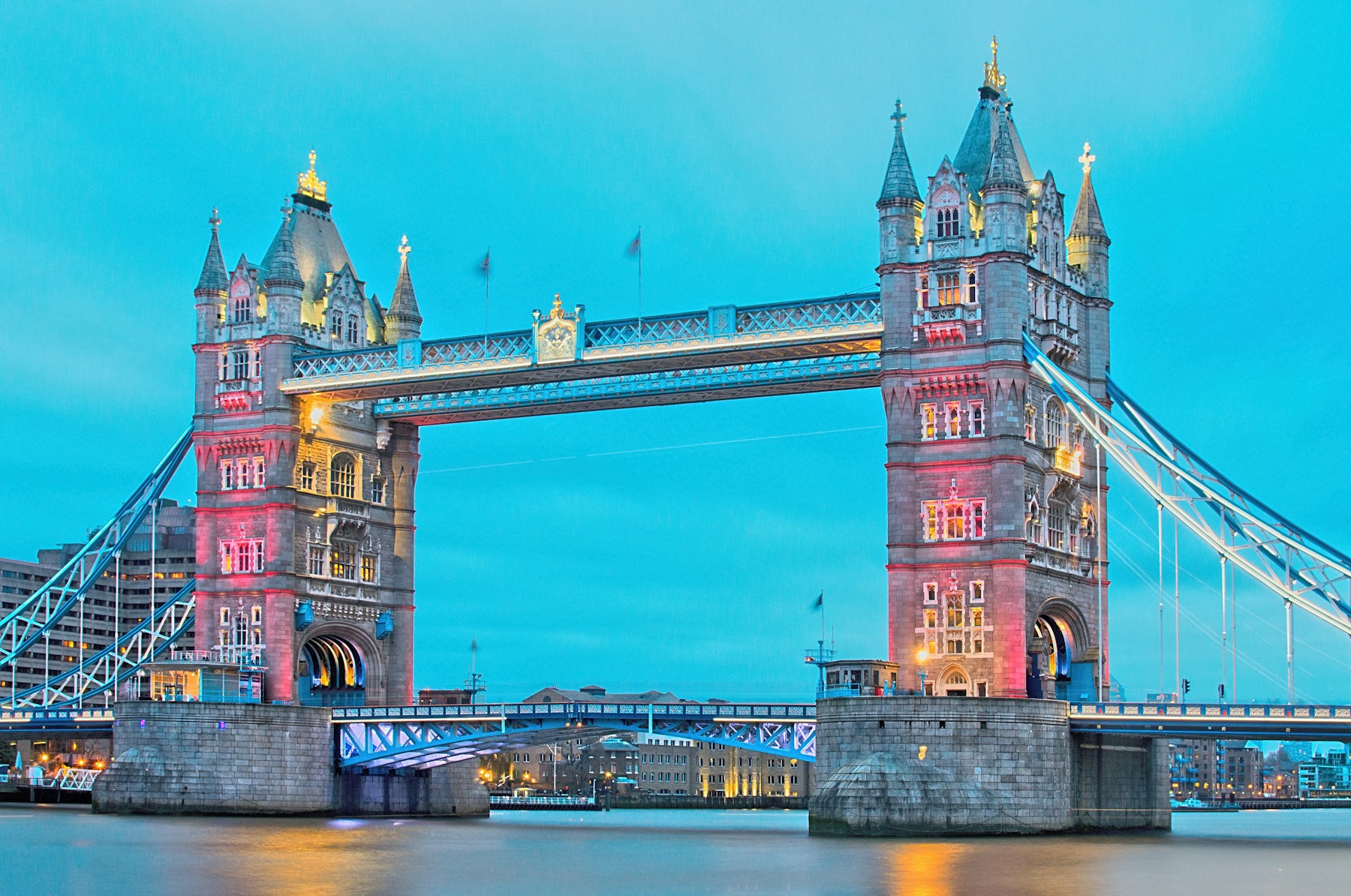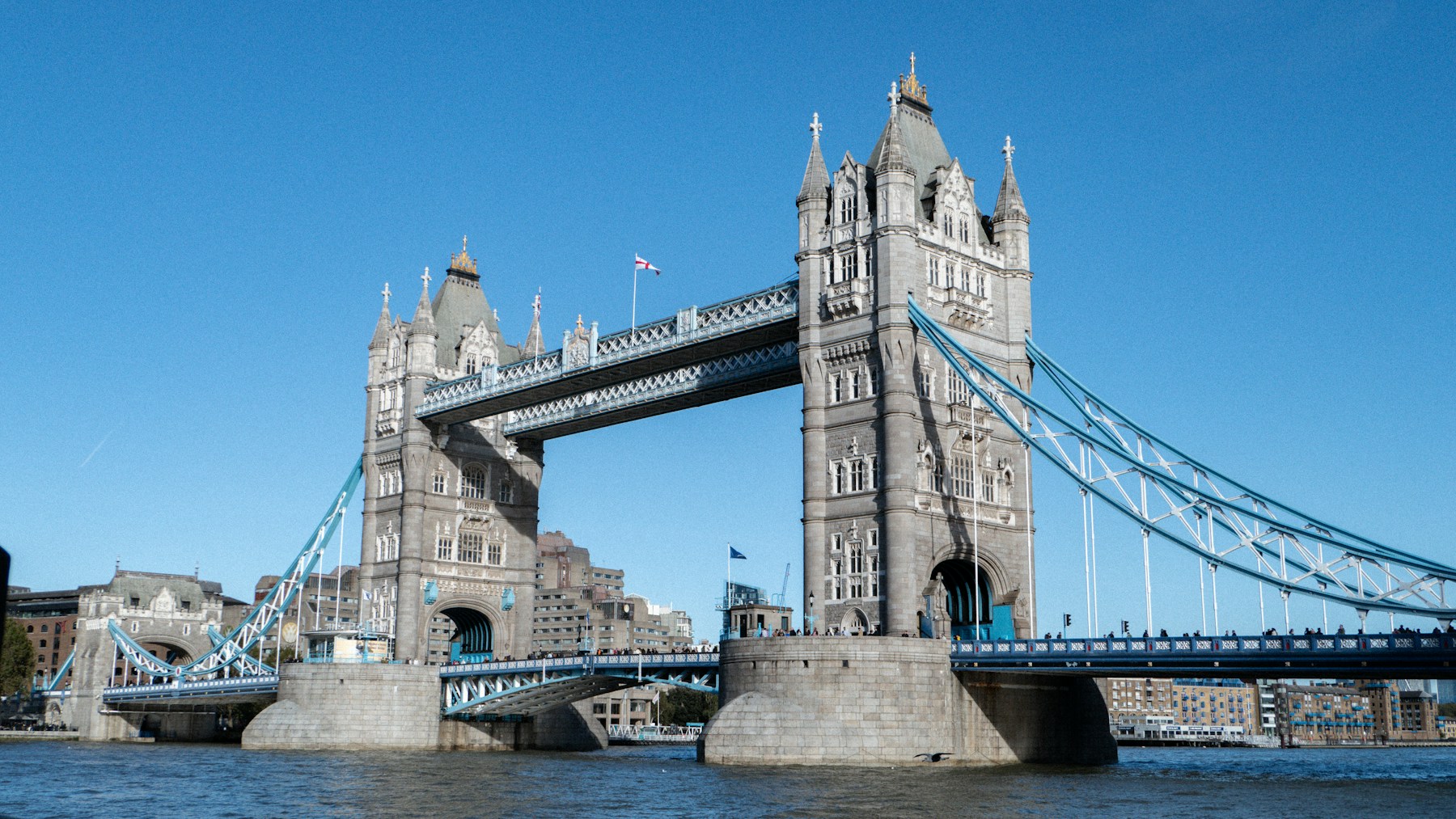
Tower Bridge rewards two different kinds of visit. From the riverside, it is a grand piece of London scenery, its pale towers and blue steelwork framing the Thames. Inside, the glass floors and Victorian machinery turn that familiar outline into something more interesting: a working crossing designed to keep both road traffic and shipping moving. Decide which experience you want before buying a ticket, then leave enough time to see the bridge from the riverbank as well.
Choose between the crossing and the attraction
Walking across the road-level pavements is free. The paid attraction takes you into the towers, along the high-level walkways and into the Engine Rooms. Those are different visits, and a photograph from the pavement does not give you the elevated views. Visit London’s Tower Bridge guide is a useful introduction to what the ticket includes. If your budget is tight, a riverside walk still gives the bridge plenty of presence.
For the wider trip, our London sightseeing guide helps put this stop alongside other major attractions. Avoid treating Tower Bridge and the nearby Tower of London as one booking: they are separate attractions with separate entrances, tickets and demands on your day.
Book a time that leaves room to linger
The official visitor page currently lists daily opening from 09:30 to 18:00, with last entry at 17:00. Check your chosen date before travel, especially around holidays or special opening sessions. Buy through the operator’s ticket links and compare the actual date, age bands and inclusions rather than assuming every online offer is equivalent.
As a planning allowance, reserve roughly two hours for the attraction and nearby photographs, longer if you like reading exhibitions. This is not a mandatory duration. An early slot makes it easier to keep the afternoon flexible; a late slot needs more discipline about arriving on time. The entrance queue is outdoors, so carry a rain layer even when most of your visit will be inside.
Look beyond the glass floor
The official route through the bridge starts in the North Tower, continues through the walkways and South Tower, then follows the Blue Line to the Engine Rooms. The upper walkways connect the two towers, with views in both directions. Do both sides rather than leaving as soon as you have taken the photograph looking down through the glass.
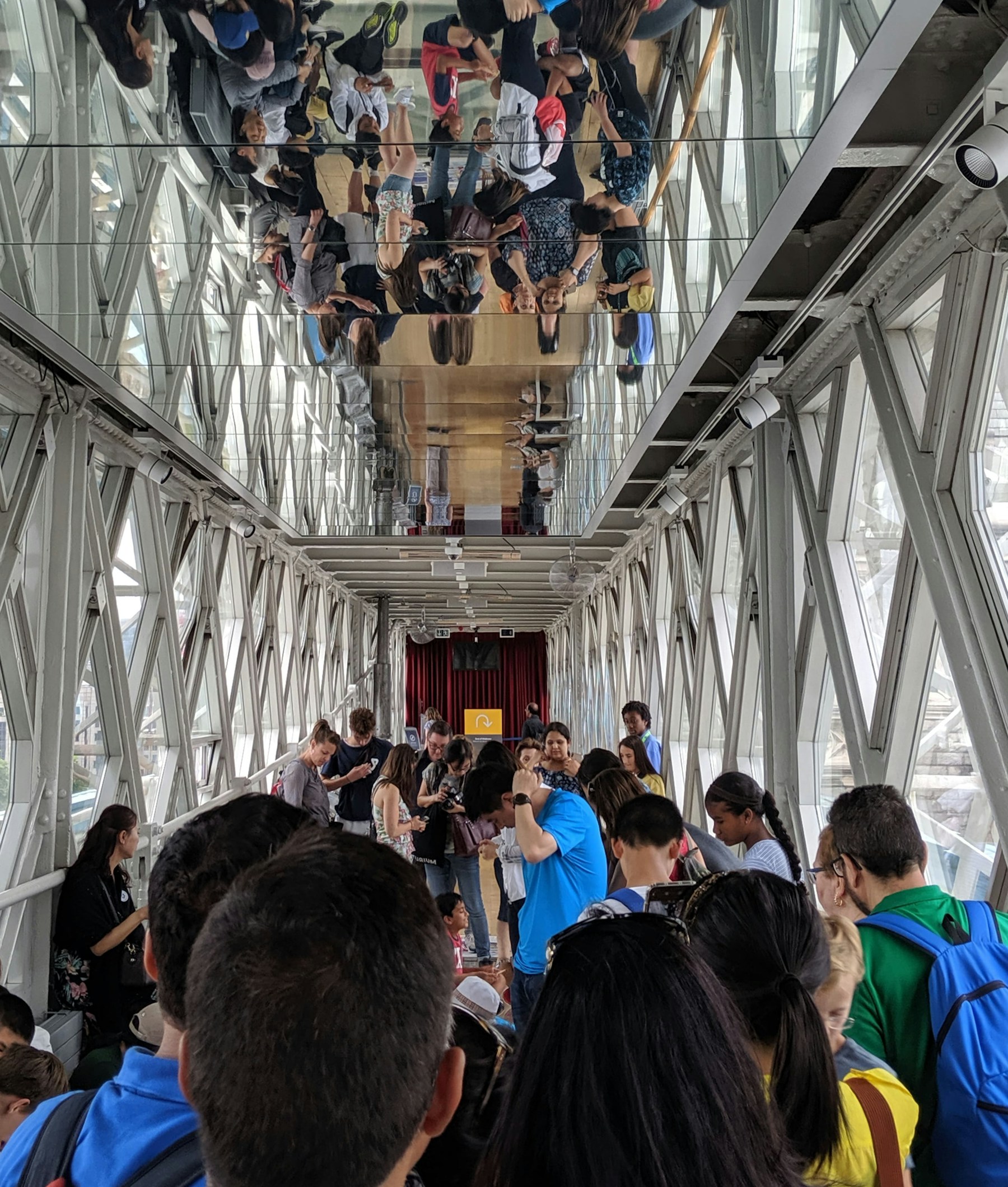
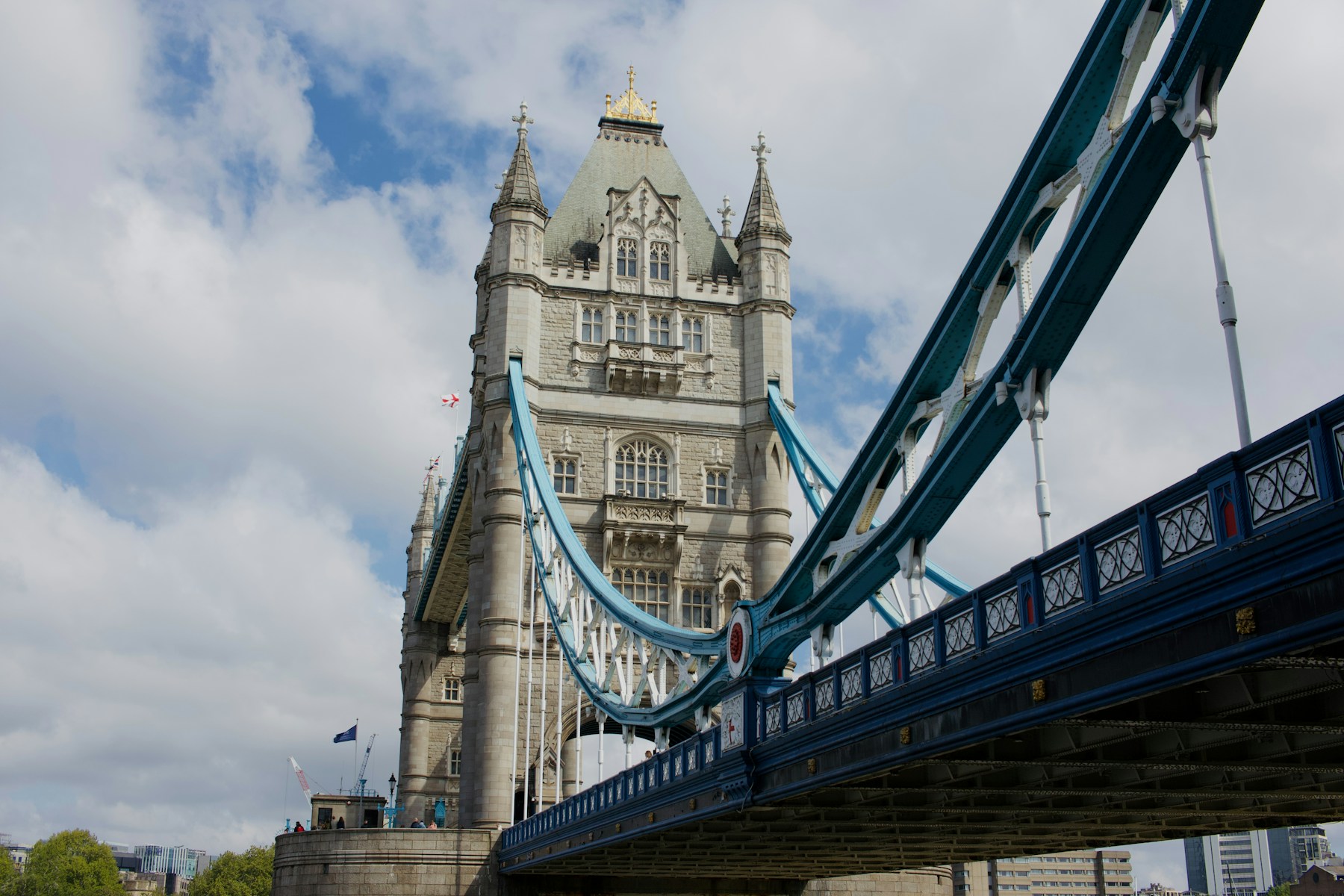
The interior makes the bridge’s steel skeleton more apparent than the castle-like exterior does. Pause at the construction displays, then look again at the structure surrounding you. In a busy walkway, step aside before stopping for photographs. Children may enjoy the unusual downward view, but nobody needs to turn it into a test of nerve.
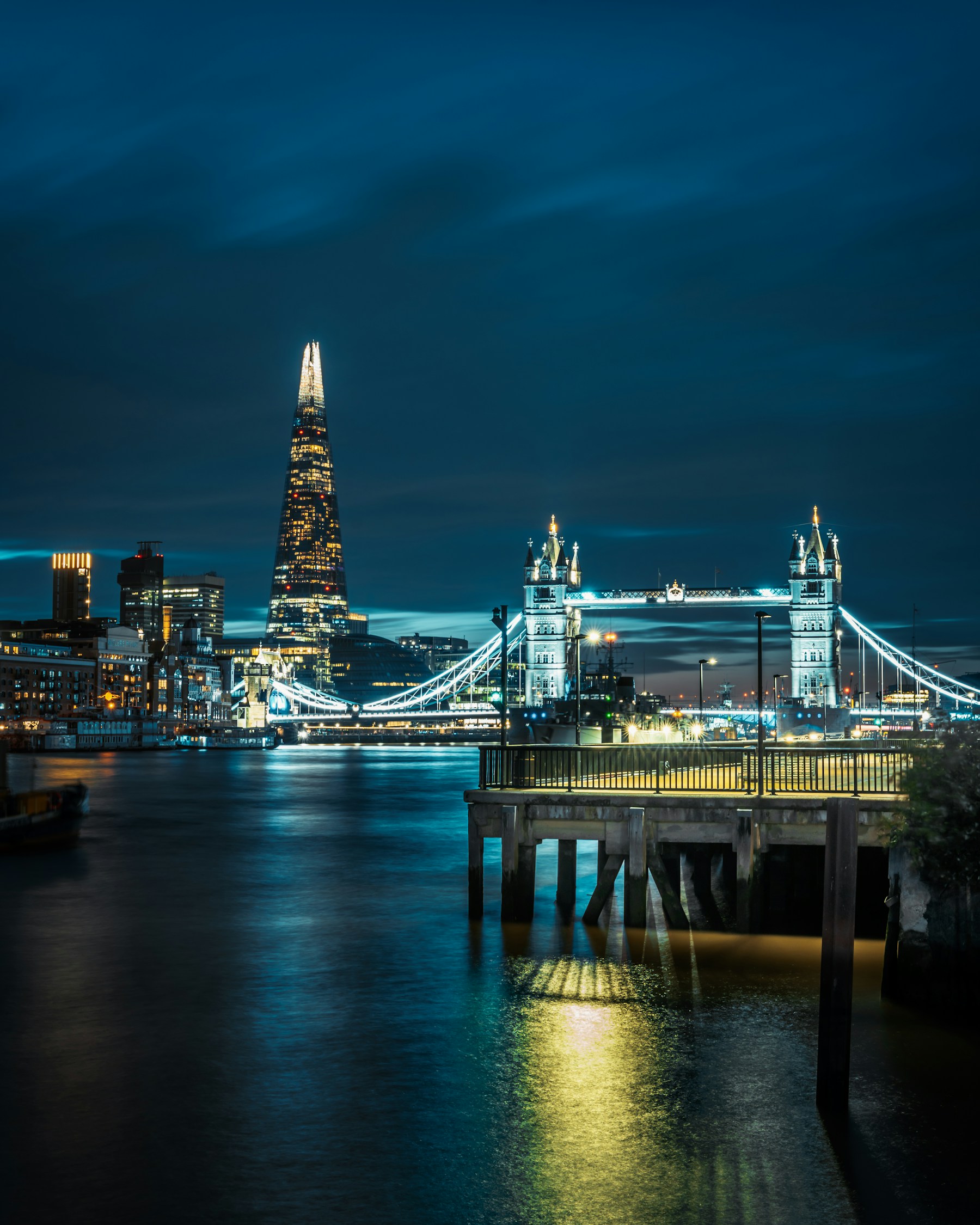
Finish with the machinery
Do not skip the Engine Rooms after descending. The machinery provides the explanation for the spectacle outside: this bridge was built to open for river traffic. Keep your ticket available and follow the signed route rather than assuming that leaving the tower means the visit is over. The outdoor connection also offers a welcome change of scale after the enclosed walkways.
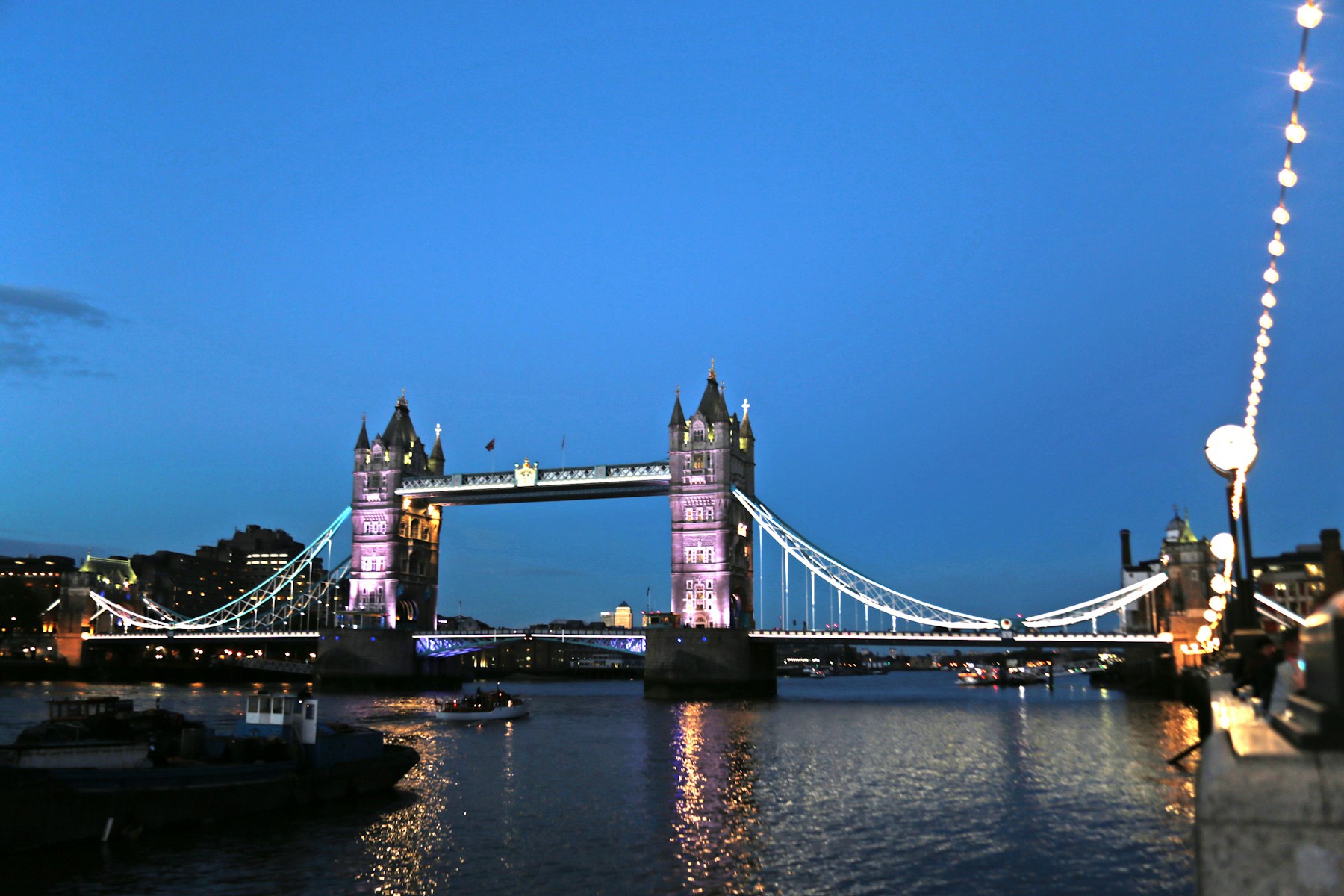
Watch a bridge lift if the timing works
Consult the operator’s scheduled bridge lifts shortly before your visit. The page lists vessels and directions, not a continuous performance timetable. A lift can be a memorable addition, but do not build a tightly connected day around one without allowing for changes. Choose a riverside position where you can see the central opening, and arrive before the listed time.
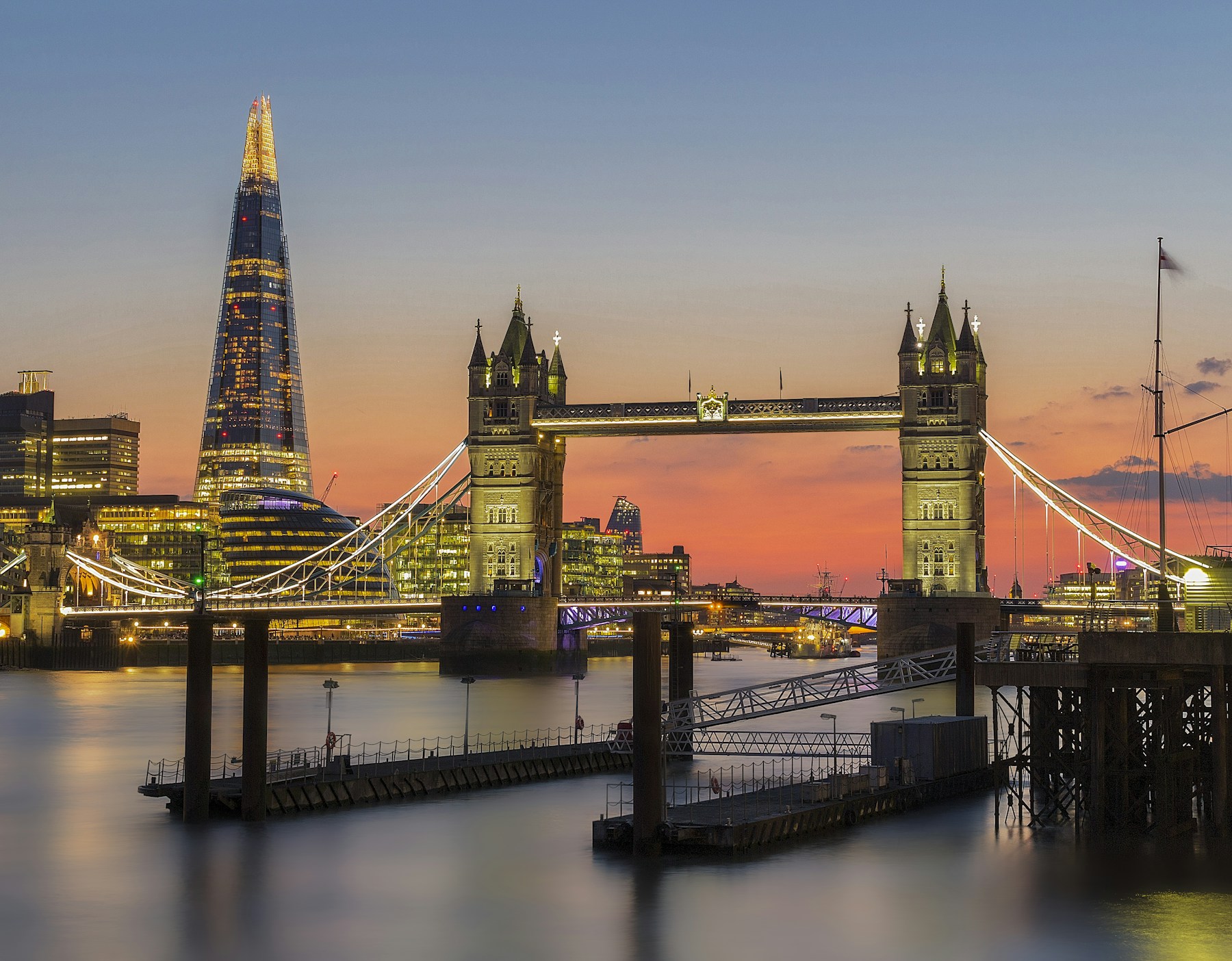
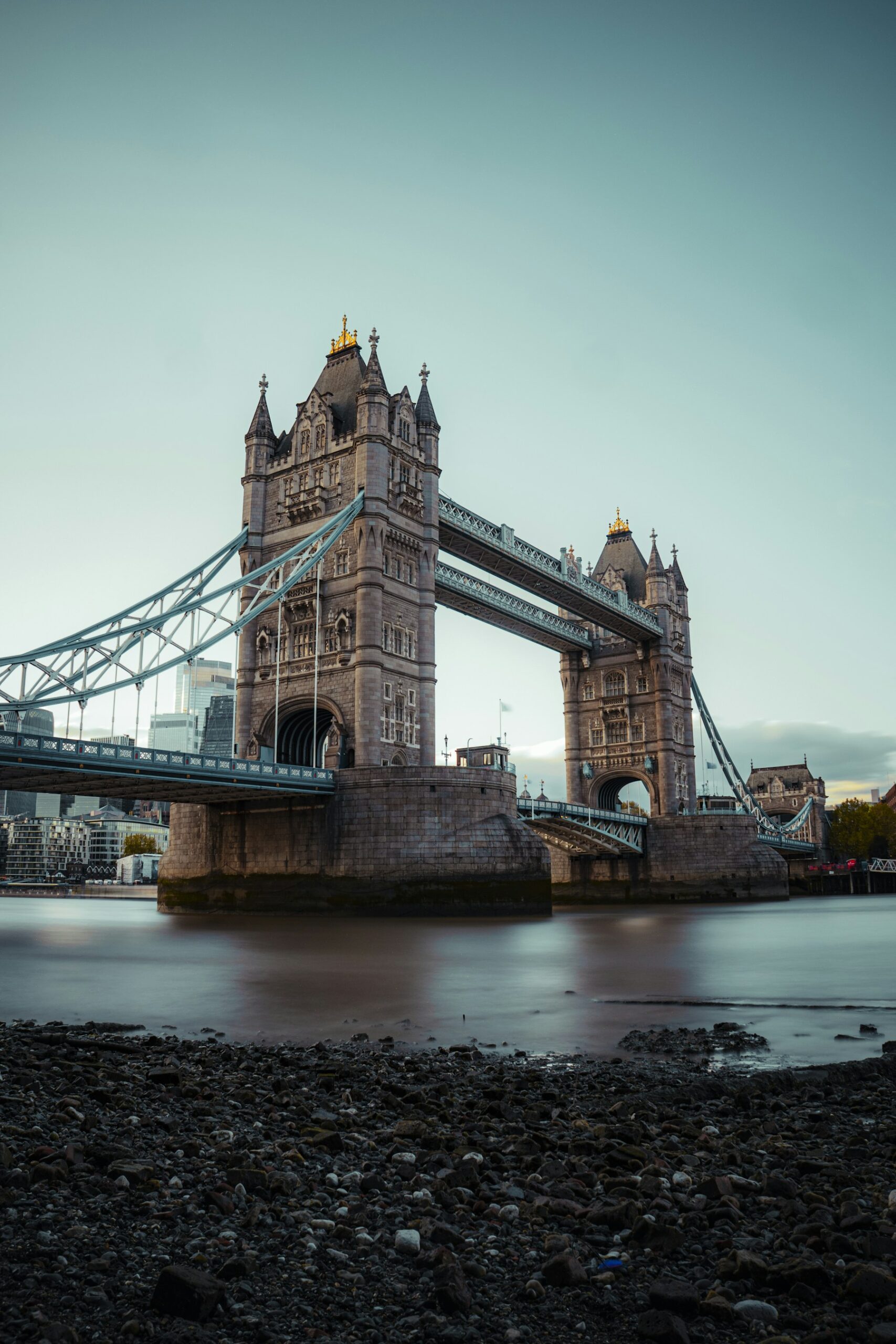
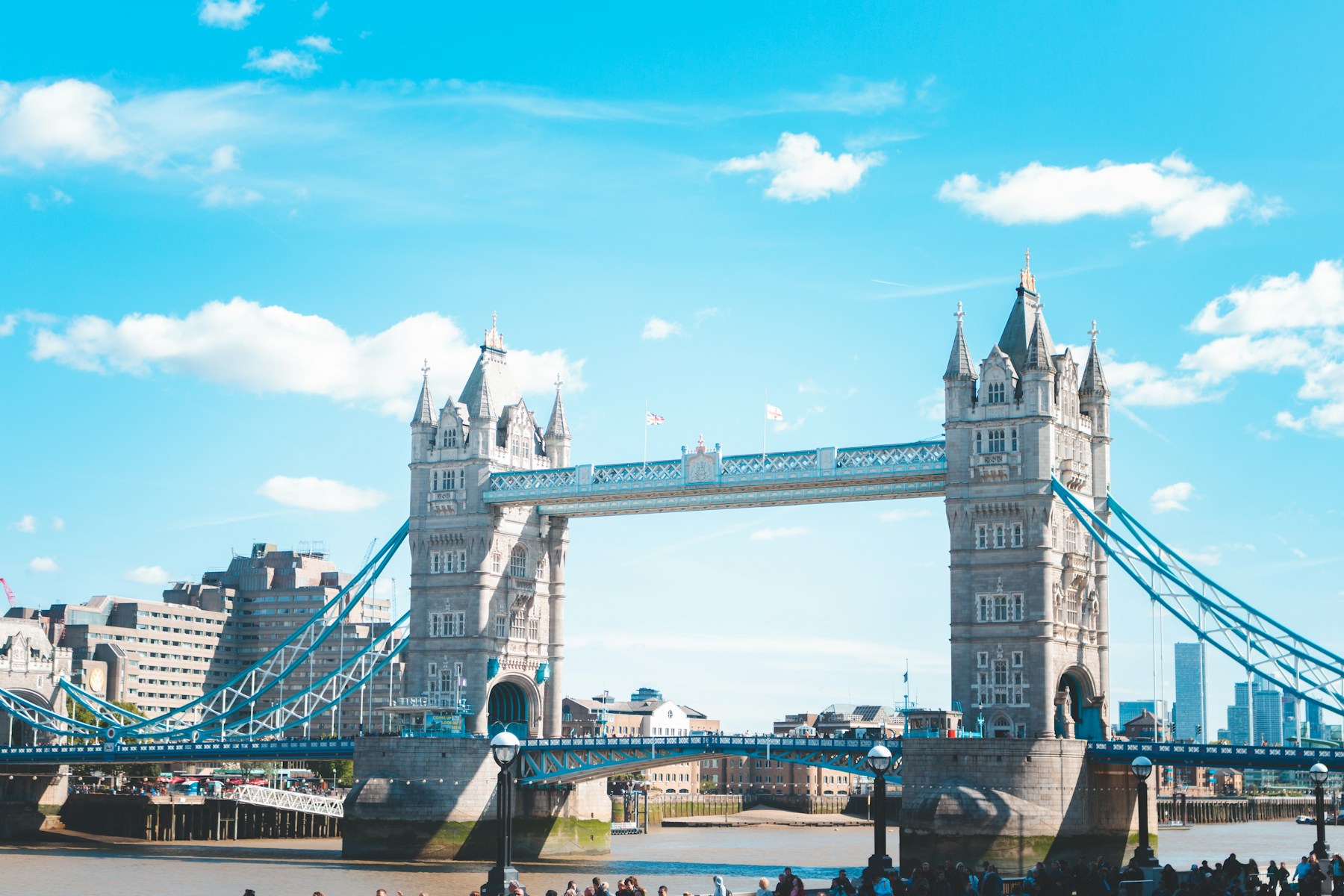
If you need to cross the bridge to reach another booking, a lift is also a reason to leave a buffer. Keep entrances and pavements clear while watching. From further along the bank, the towers read as a complete composition; close to the bridge, the blue steelwork becomes the stronger subject. Both views are worth making time for.
Plan access before arrival
The accessibility guide describes lifts in both towers and an external lift connecting bridge level with the Engine Rooms approach. It also warns that lifts can be unavailable at short notice. Travellers who depend on step-free access should check with the attraction before setting out. The visual story, accessible toilets and seating information help make the route less uncertain.
Keep the rest of the day geographically simple. A nearby river walk is easier to combine with this visit than another attraction across town. If cycling forms part of your wider plans, read our London bike-hire guide before choosing a rental arrangement, and separate riding time from the pedestrian sightseeing stops.
Give the riverbank the last word
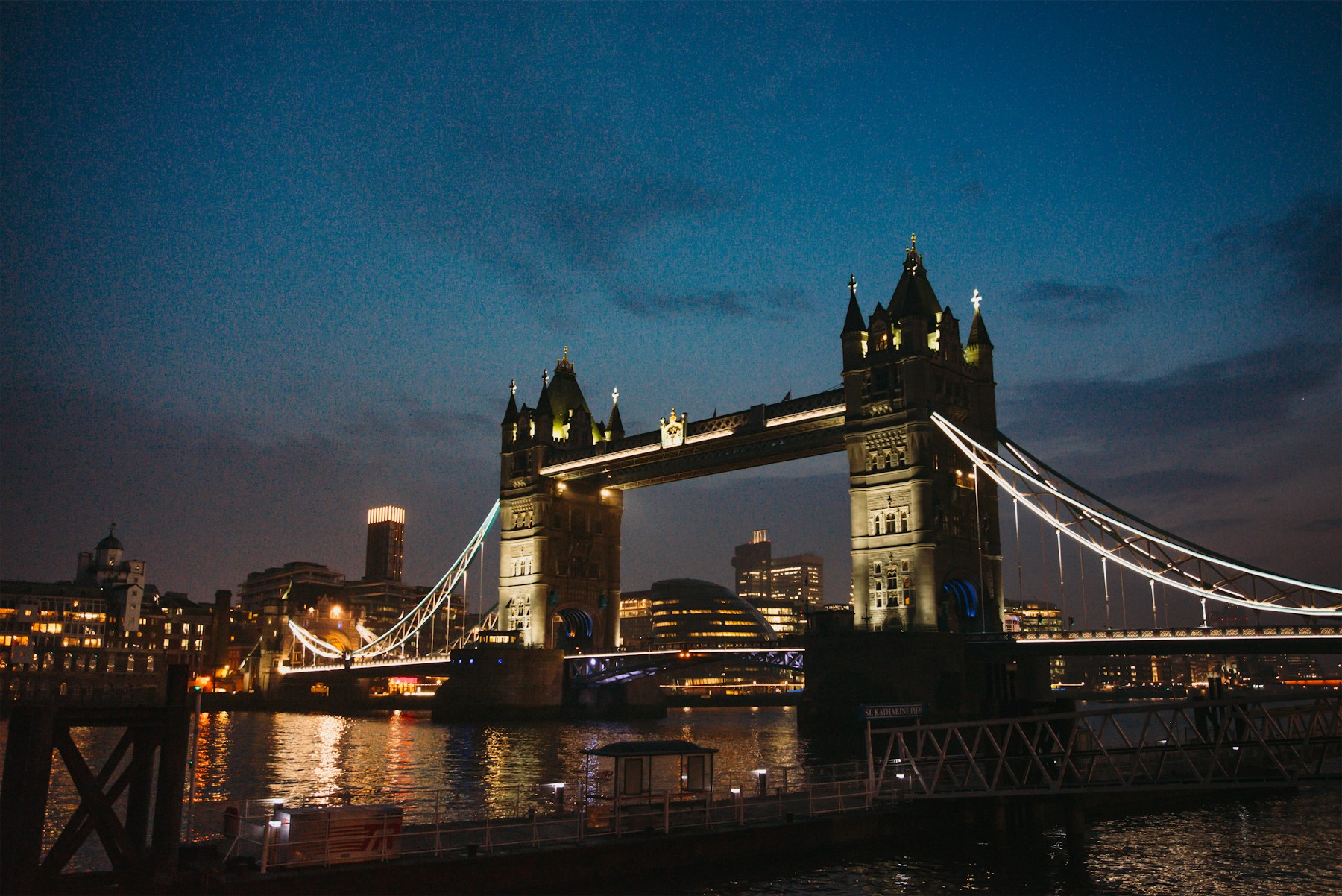
Return to the water after the indoor route. Changing light can make the same bridge feel very different, from crisp daytime stonework to an illuminated evening silhouette. You do not need to buy another experience to enjoy that change. Our London breakfast guide can help with the start of the day; leave the finish loose enough for an unhurried look across the Thames.