Pont du Gard: what needs booking or payment?
- Seeing the bridge: distinguish pedestrian access from car parking and paid visitor activities.
- Museum and discovery spaces: check their separate ticket inclusions and opening hours, especially when planning around the children’s Ludo area.
- Upper aqueduct: access is associated with guided visits, with steps and garrigue paths; it is not an unrestricted walk across every level.
- Before arrival: confirm current prices, meeting points, weather-related changes and the route appropriate to your mobility needs.
Start with the water, not just the arches
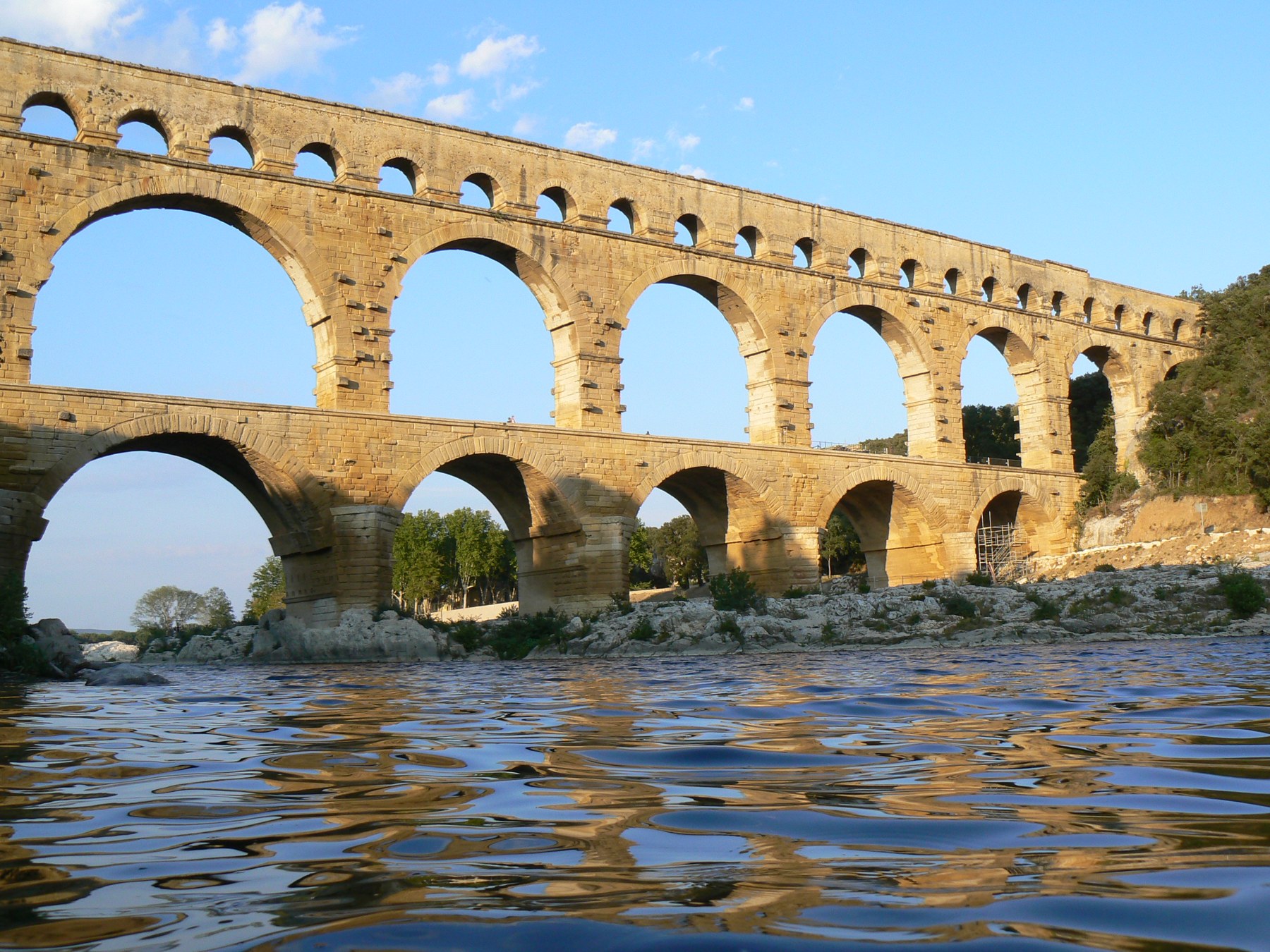
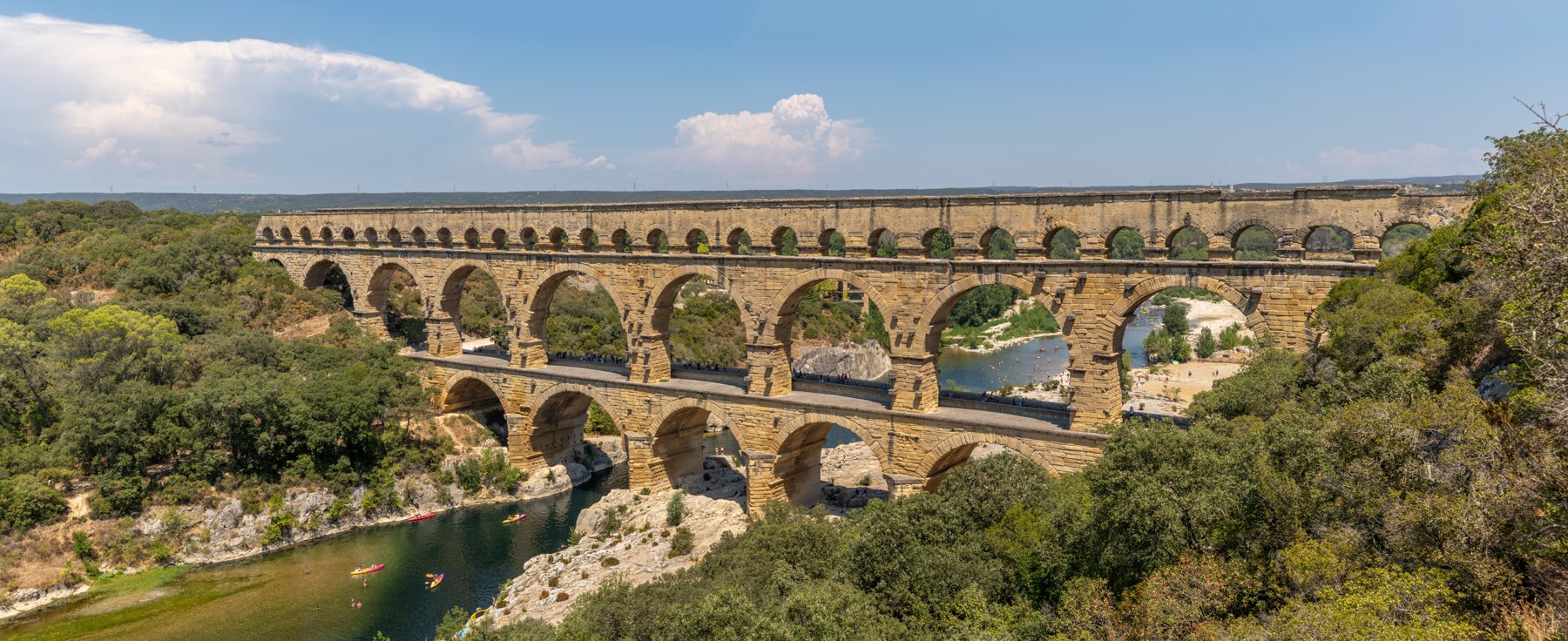
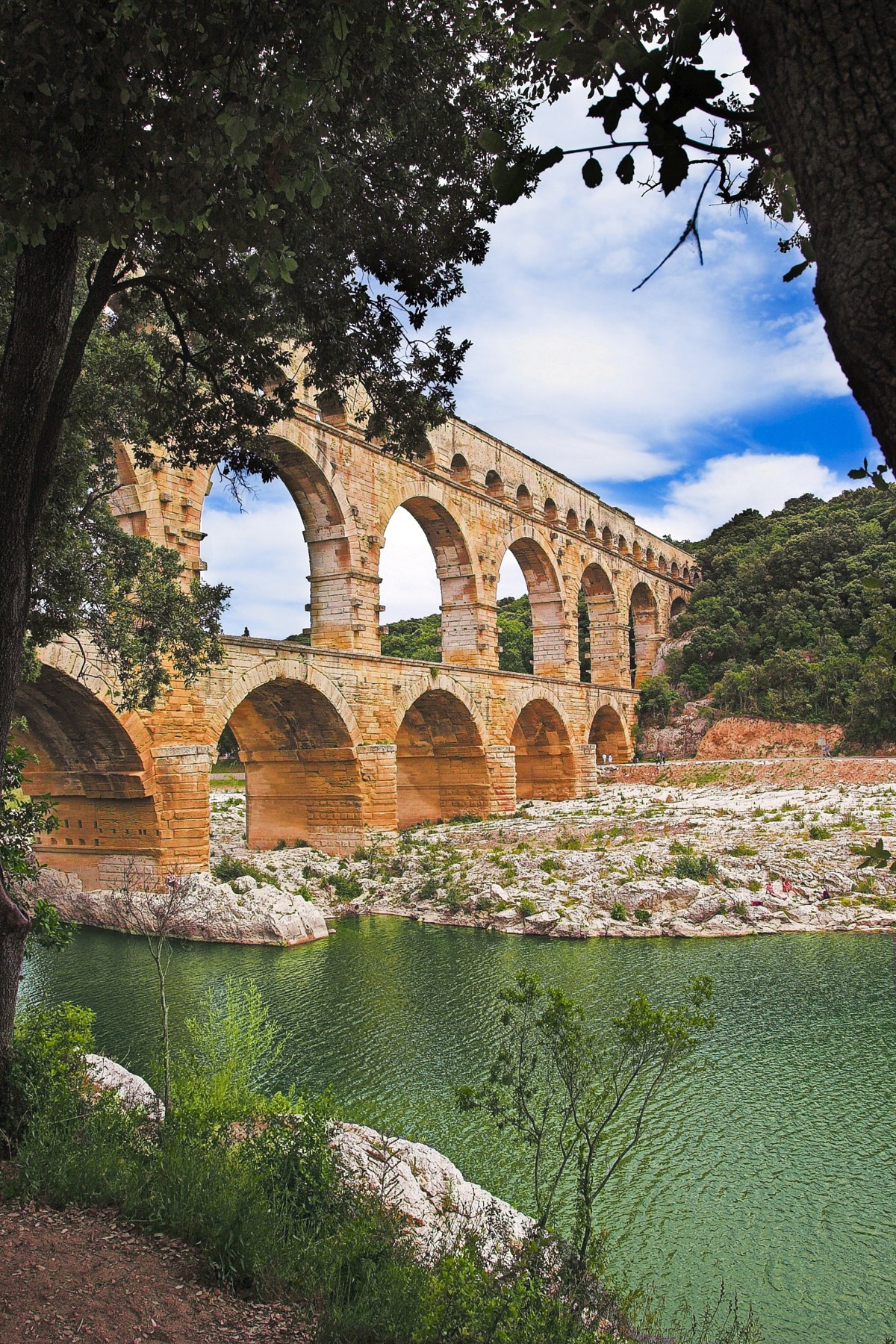
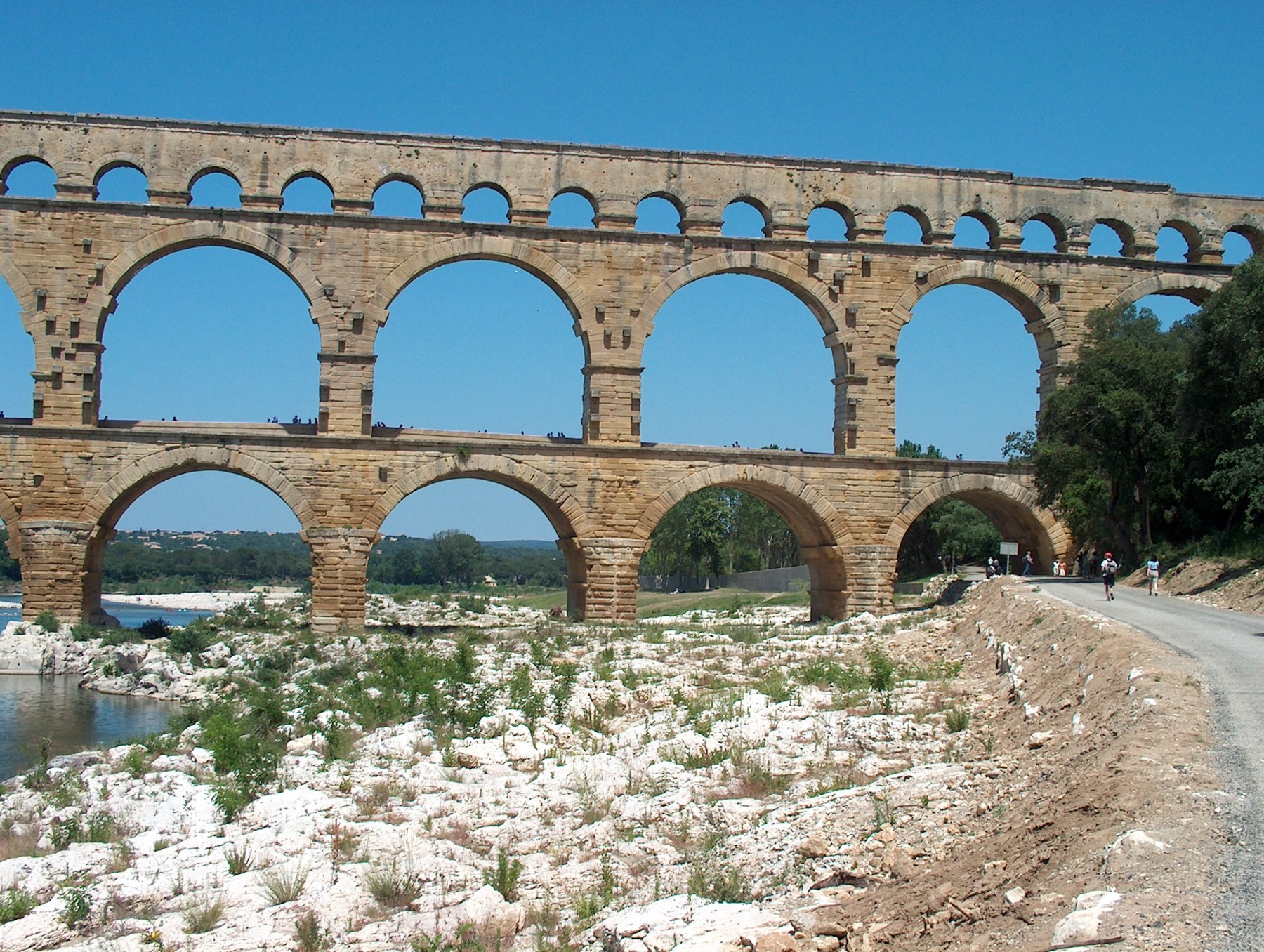
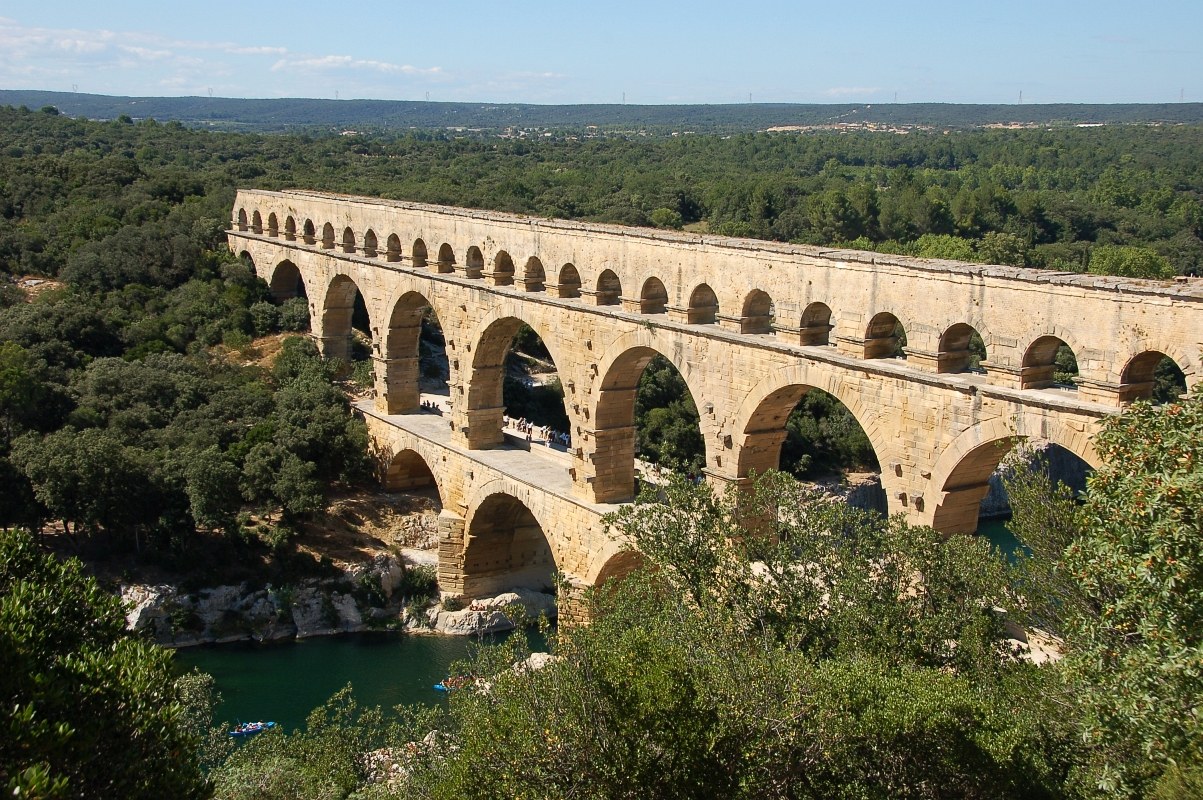
The Pont du Gard is the spectacular surviving bridge of an aqueduct that carried water towards Roman Nîmes from the area of Uzès. The complete aqueduct extended for about fifty kilometres. Seeing the monument as one part of a water-supply system changes the visit: the structure is not merely a monumental crossing, but a solution to the problem of maintaining a usable route across the landscape. Give yourself time to understand that engineering before moving on to the next photograph.
Use the museum to make the landscape legible
The site’s museum explores Roman engineering and the Nîmes aqueduct. It provides a useful counterpoint to walking outside, especially for visitors who want to understand construction rather than simply admire scale. The discovery areas also include a cinema and a children’s learning space. Check the current programme and opening arrangements rather than assuming every part keeps the same hours as the outdoor site. A visit becomes more coherent when indoor interpretation and the monument are treated as complementary experiences.
The upper aqueduct is a separate experience
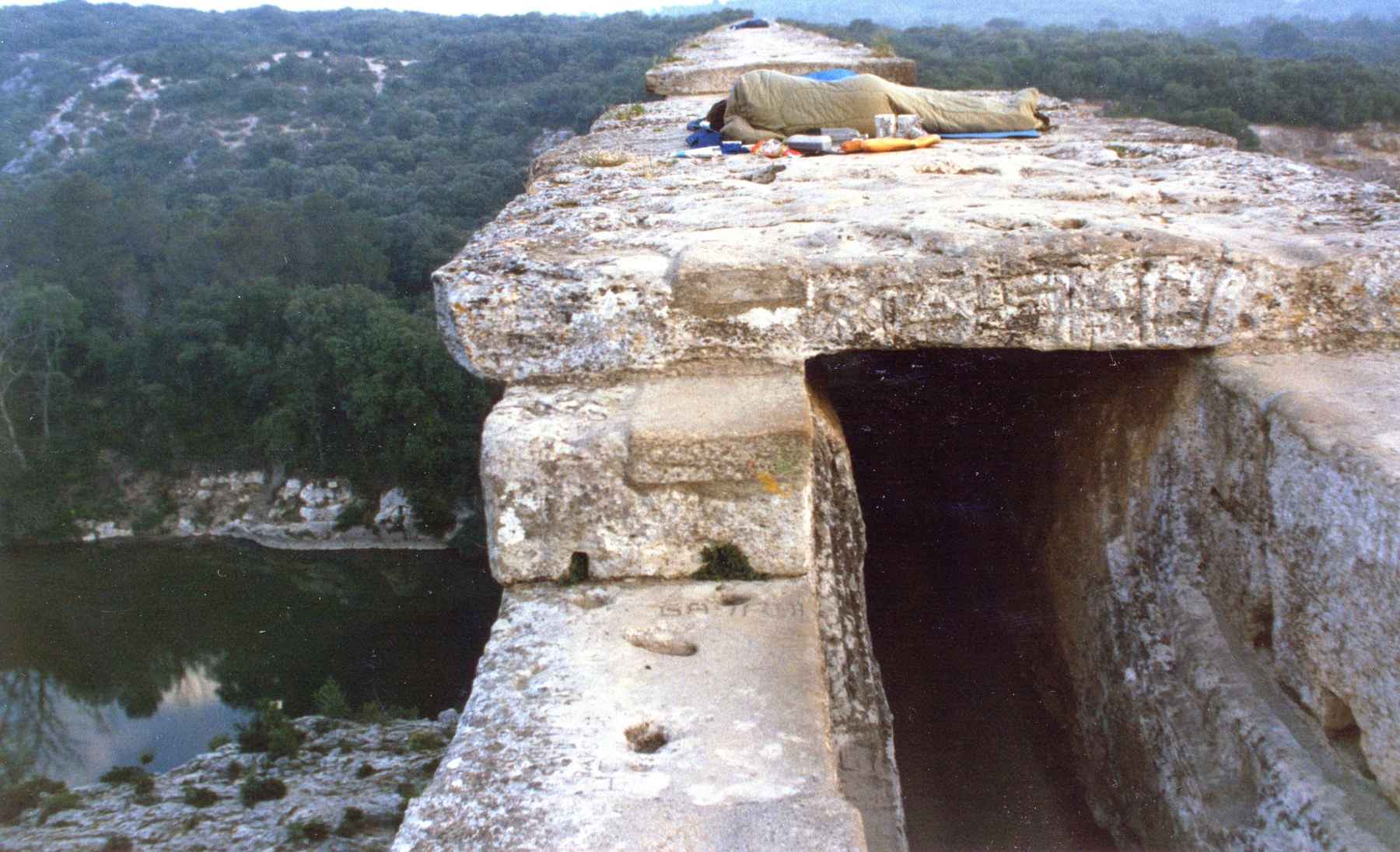
Access to the aqueduct’s third tier is associated with guided visits, not an unrestricted walk across every level. The official practical guidance notes steps and a return route through garrigue paths, making this different from the more accessible parts of the site. Book the appropriate tour if entering the aqueduct channel is important to you. Weather may change the programme, and the operator can substitute a museum visit. Read the specific booking conditions instead of assuming a ticket guarantees the same itinerary in all conditions.
Plan for the people in your group
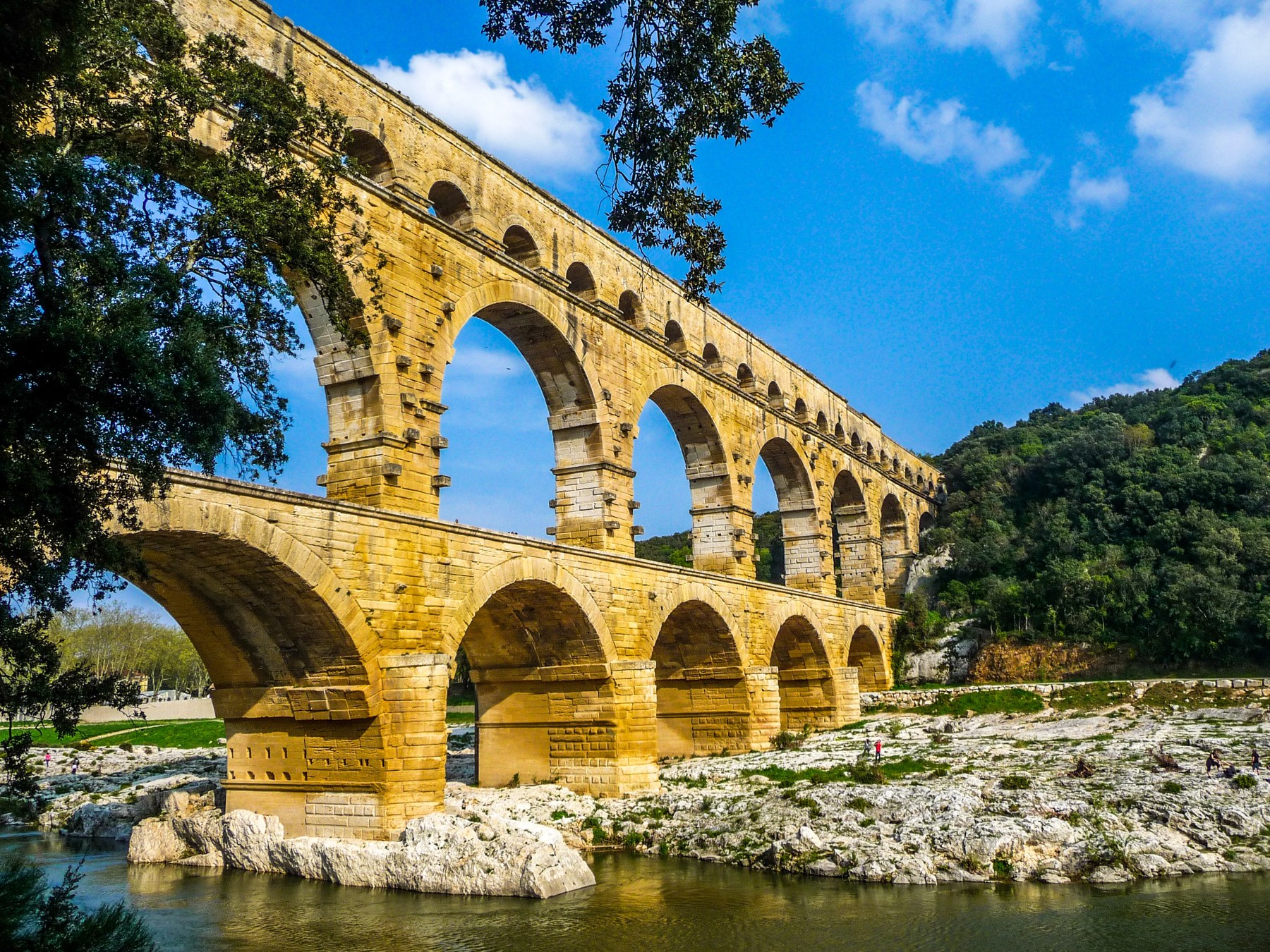
A family visit may work best with a shorter outdoor circuit and time in the discovery spaces. Visitors with reduced mobility should use the official accessibility information to distinguish the main site from the guided upper-level route. Those are not equivalent physical experiences. Wear footwear suited to the paths and check the weather before arrival. In hot conditions, pace the day around shade and breaks; in poor weather, confirm whether your chosen activity will operate.
Give southern France enough breathing room
Pont du Gard fits naturally into a journey through the Nîmes, Uzès and Avignon area, but adding it to an overloaded driving day diminishes the experience. Choose a base that works for the rest of the trip and reserve time for both the landscape and interpretation. Check current parking, ticketing and arrival guidance on the official site. The most rewarding visit is not the fastest stop at the best-known viewpoint, but one that explains why this extraordinary structure was built and how it served the city beyond it.
Bridge access, parking and paid visits are different things
The most useful budgeting distinction is between seeing the bridge and buying an activity. According to the official ticketing FAQ checked in November 2026, pedestrian access to the bridge is free. Arriving by car currently brings a €9 parking charge per vehicle, while the museum and other discovery spaces have separate admission arrangements. Guided tours are another choice. Compare the actual ticket inclusions before paying, especially if you are travelling with children or qualify for a reduced rate. Prices can change; use the operator’s ticket page for the final amount rather than treating an older price list as a promise.
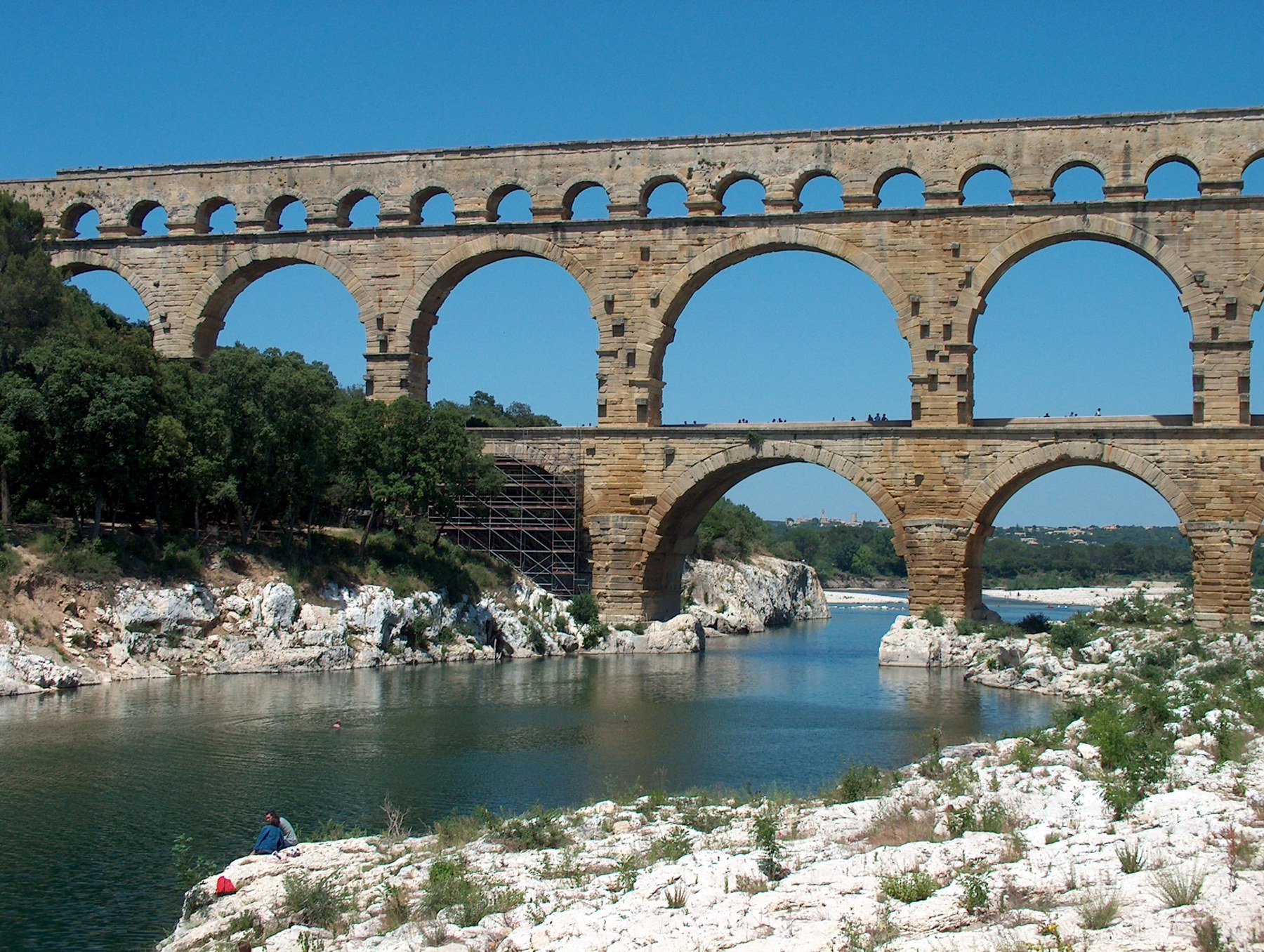
The left bank is particularly useful if your plan includes the discovery spaces. The museum, cinema, Ludo area and temporary exhibition are grouped there. The children’s Ludo space is aimed at ages five to twelve, so a family with toddlers may want a different balance between indoor activities and short walks. It is worth deciding on that balance before choosing where to park rather than driving to whichever entrance appears first.
A simple way to structure the visit
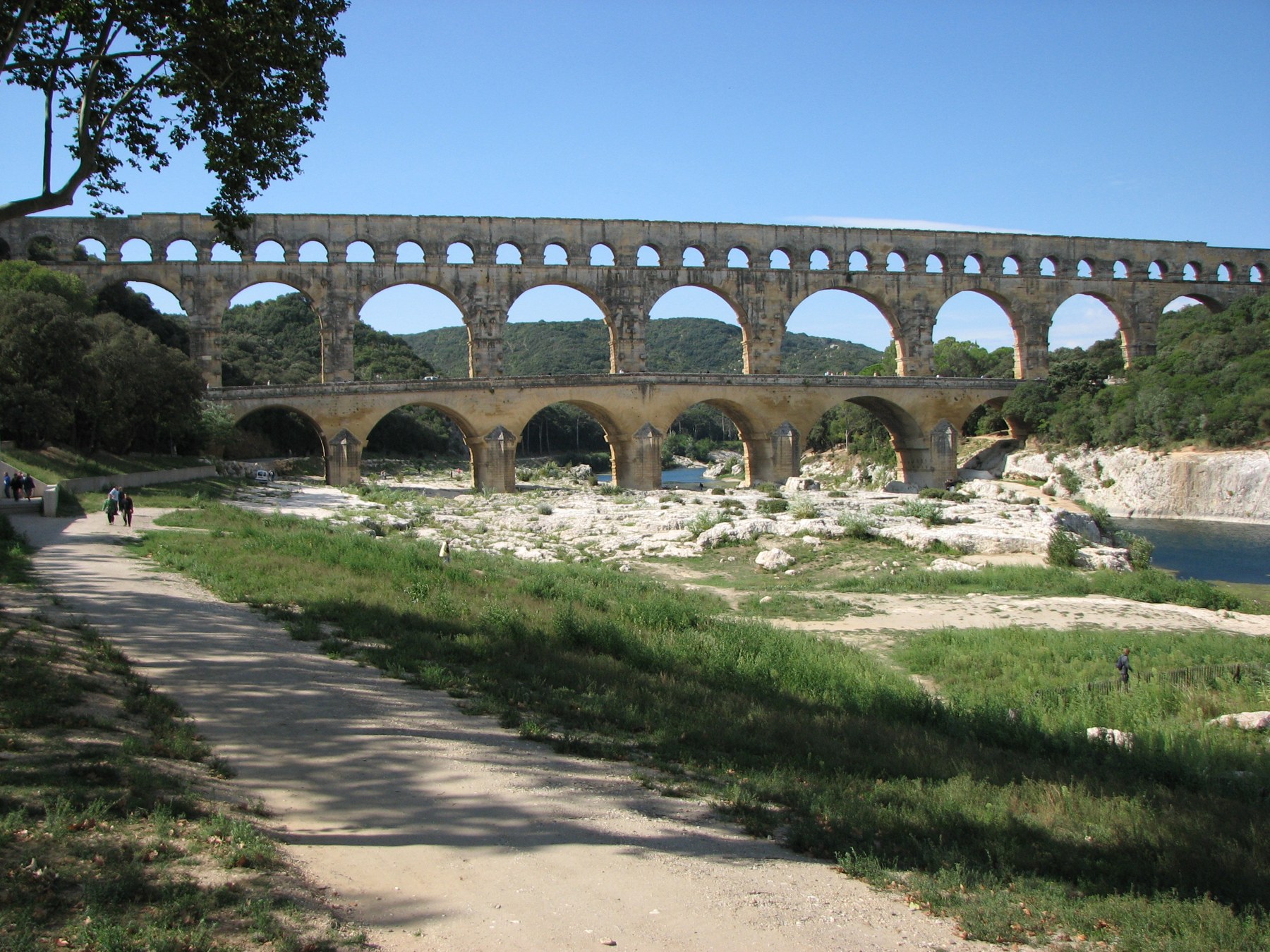
For a first visit, start by establishing your meeting point if you have booked a tour. See the bridge from ground level, then give the museum time to explain the water route and construction. Afterward, return outside with that context. This is a suggested sequence, not a timed official itinerary, and it can be reversed around a booked departure. Leave space for a break rather than running directly between activities.
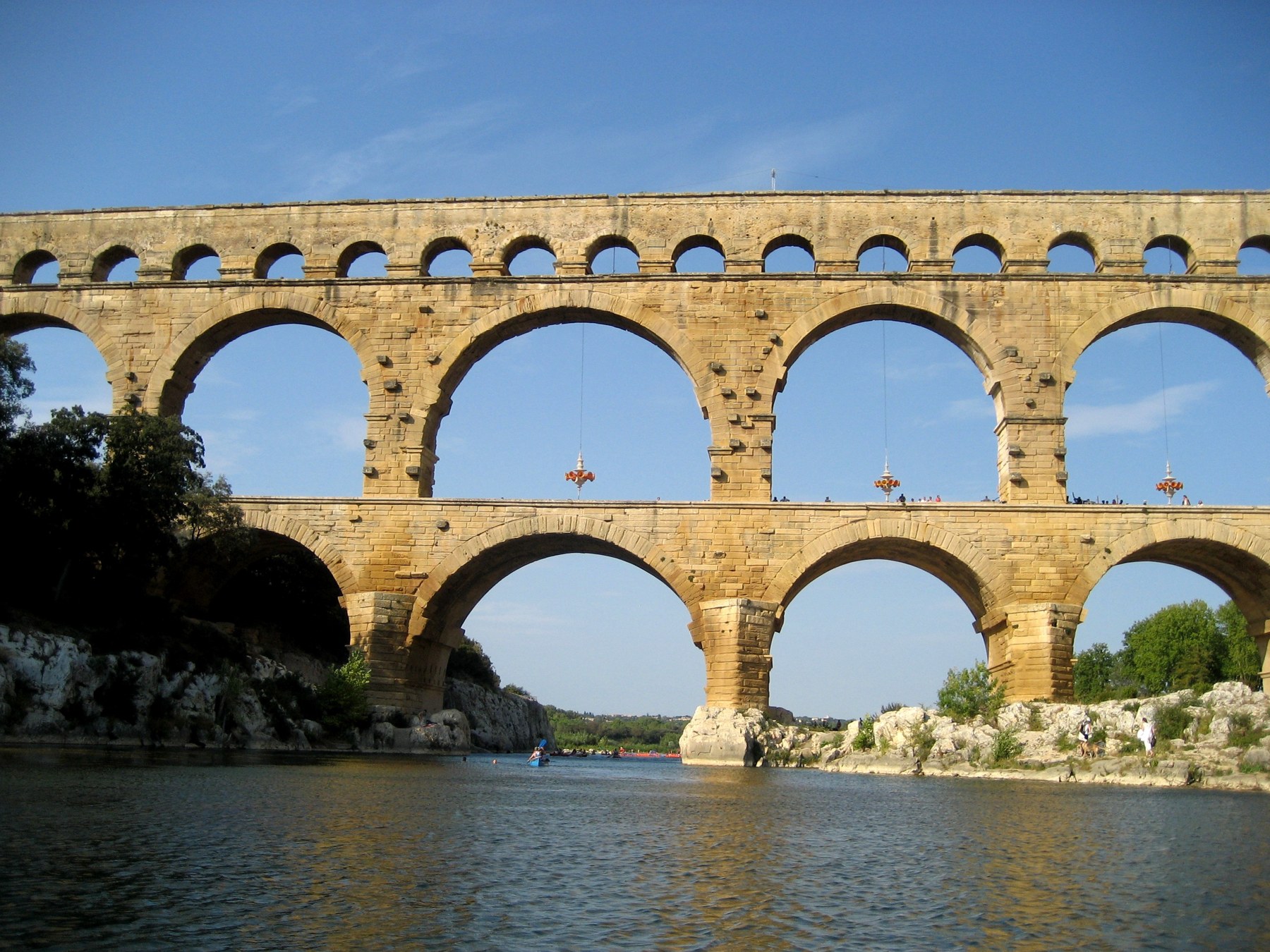
The operator lists picnic tables on both banks. That makes a pause possible without building the entire outing around a restaurant booking. Keep the outdoor visit responsive to the day’s conditions: the river landscape is part of the attraction, but a photograph is never a reason to ignore a closure or a barrier. Before leaving, check the separate site, parking and ticket-office hours; an open landscape does not mean every visitor facility remains open.
Official planning resources
Continue reading on Xtra Traveller
- Best Countryside Stays in Avignon France: Gardens, Villages and Slow Provence
- 5 Luxury Hotels in Provence: Compare Areas and Stays
- South of France With Children: Easy Bases and Bright Days