
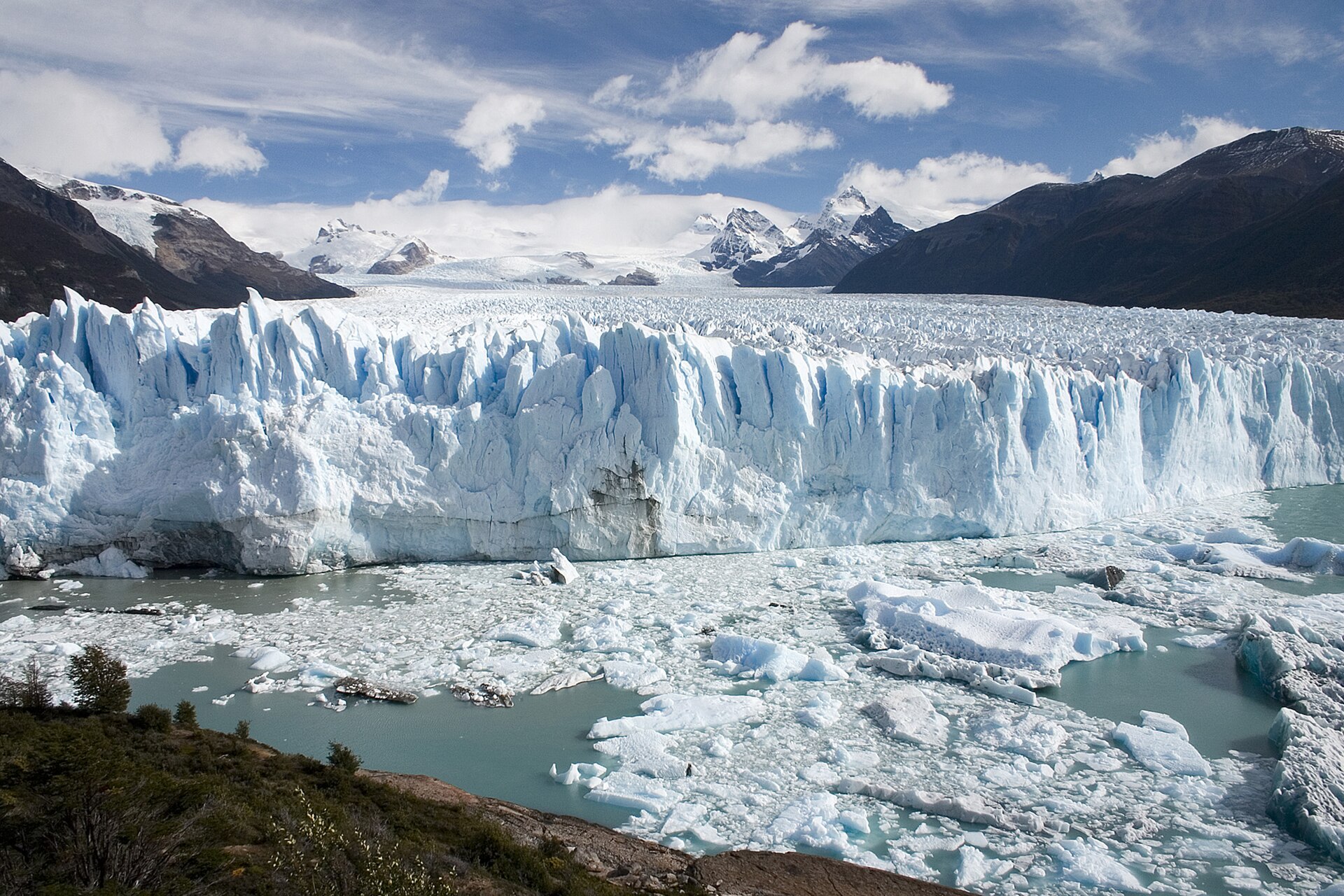
Perito Moreno has long offered travellers a reassuring contradiction: a glacier that appeared to hold its ground while so much ice elsewhere was retreating. That story now needs rewriting. The great blue-white front remains one of Patagonia’s defining sights, but research has challenged the idea that this particular ice giant stands outside the changes affecting the region.

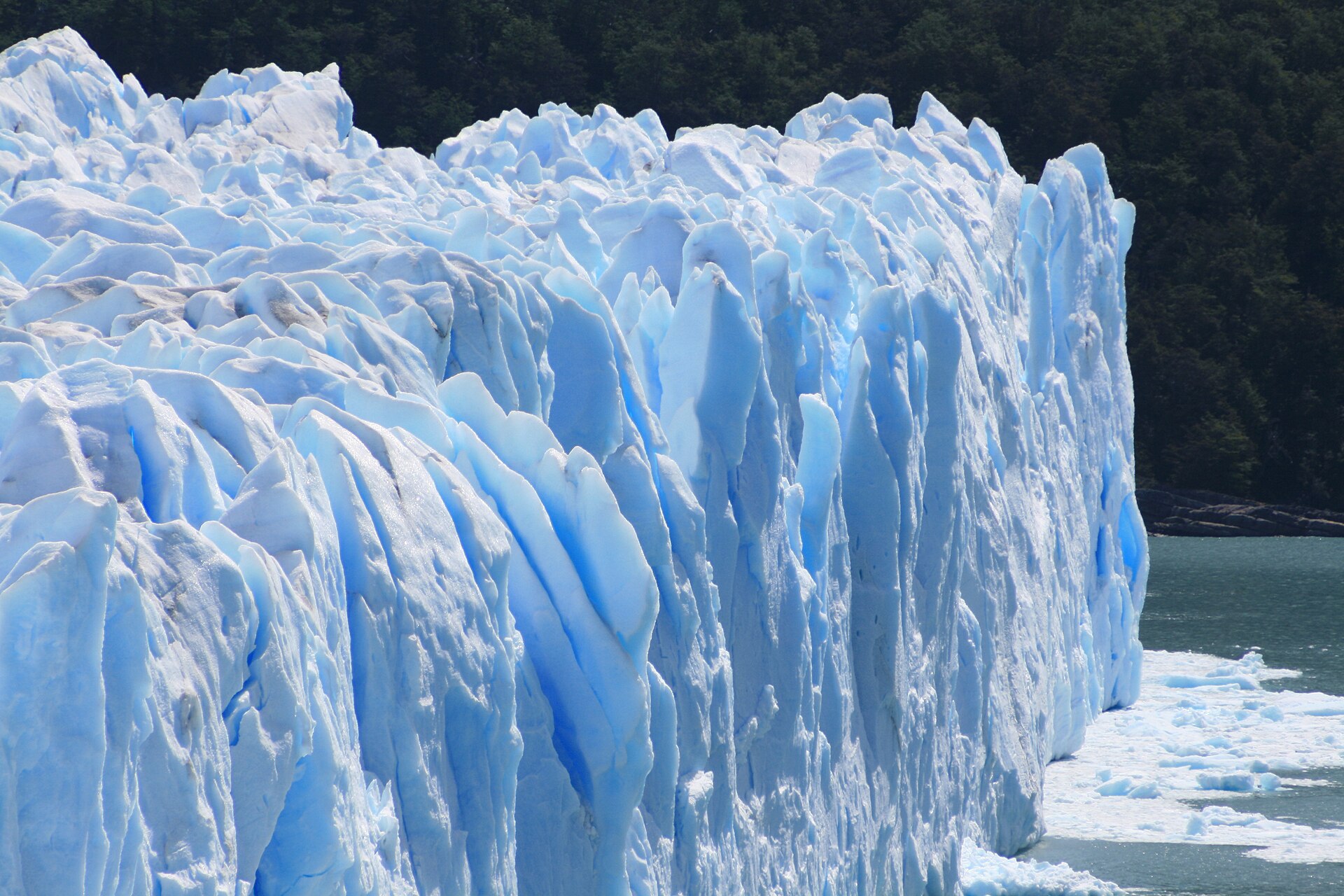
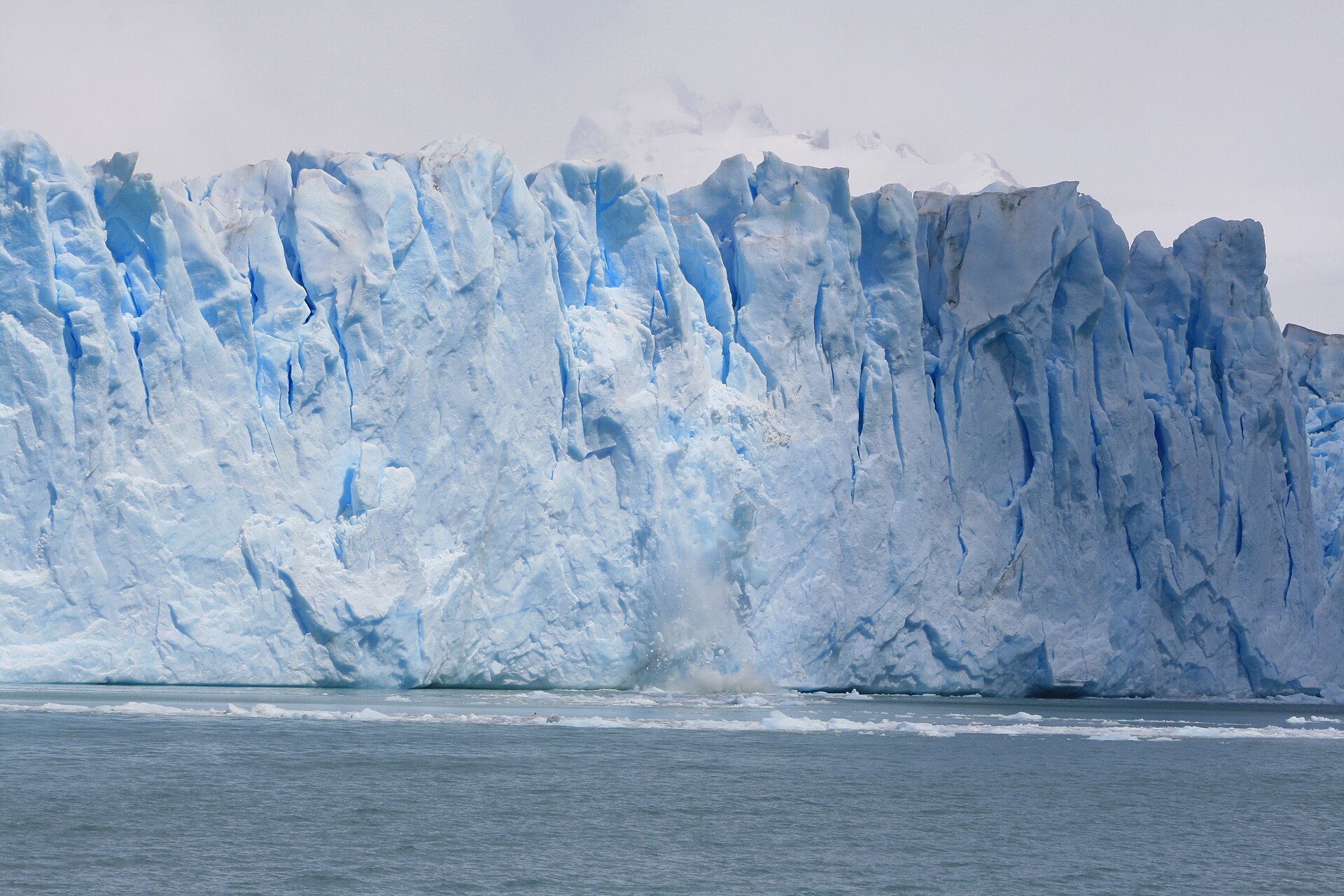
In Argentina’s Los Glaciares National Park, the encounter is still extraordinary. A fractured surface reaches towards Lake Argentino, its ridges and crevasses making the ice look less like a smooth frozen river than a landscape in its own right. The distance between a photograph and the real place is partly a matter of scale. It is also a matter of time: no image fixes a glacier in position.

The end of a familiar story
A research summary from Friedrich-Alexander-Universität Erlangen-Nürnberg, published in 2025, describes accelerated thinning and retreat after 2019. Its team combined radar measurements with satellite observations and identified a bedrock ridge that had helped anchor the glacier. As the ice thins and loses contact with that stabilising feature, its relationship with the lake changes.
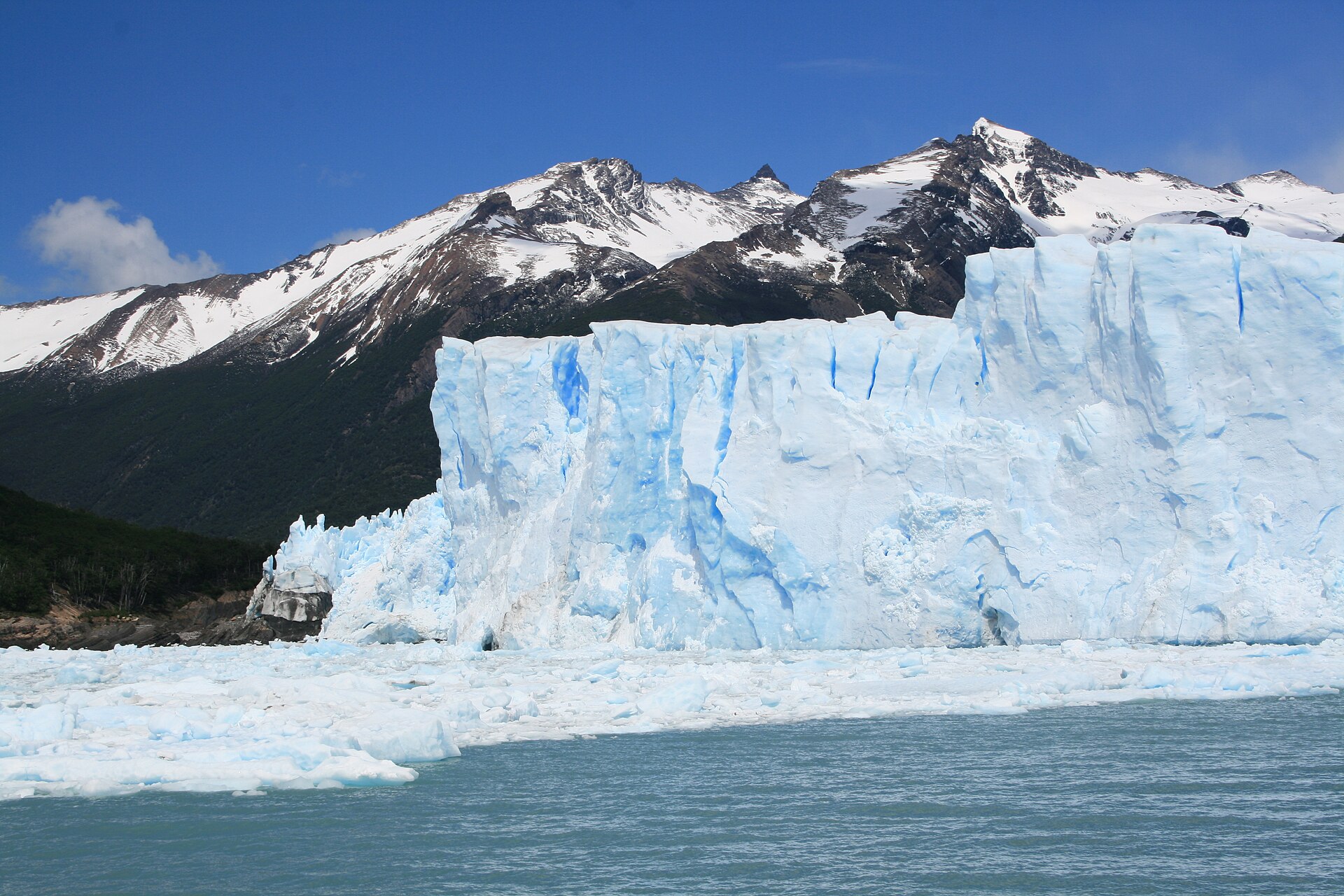

The findings do not mean that a visitor can diagnose the glacier’s future by watching a single piece of ice fall. Calving is part of the life of a lake-terminating glacier. The scientific concern comes from measurements over time, not from the drama of an isolated splash. Nor should the famous ice-dam ruptures of past decades be sold as a spectacle that a traveller can reliably schedule.
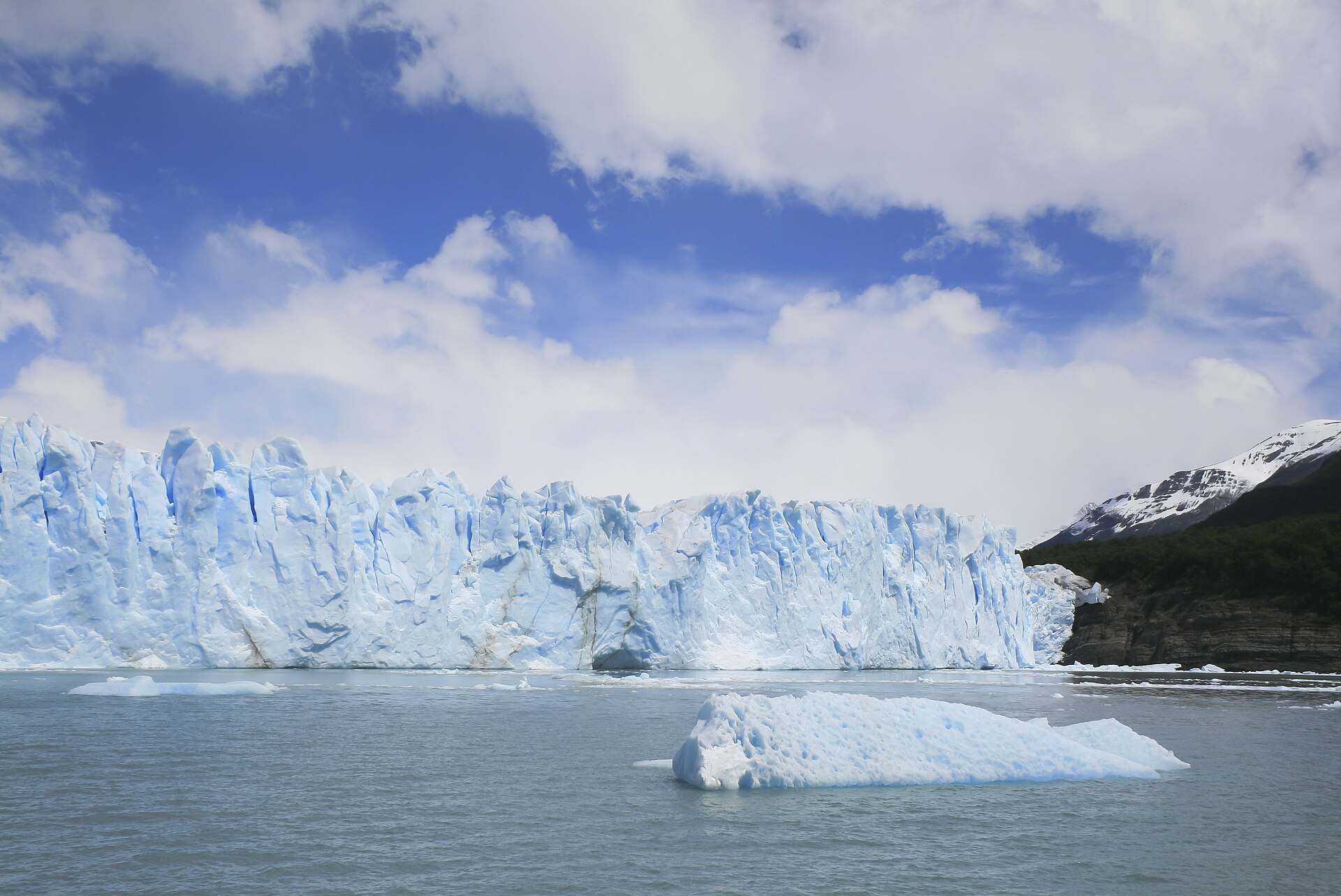

The underlying study in Communications Earth & Environment provides a more demanding frame than the old postcard description. Perito Moreno can be visually immense and physically vulnerable at the same time. Those ideas are not contradictory.

A view within a larger landscape
The glacier belongs to a much broader protected world. UNESCO’s account of Los Glaciares places it among mountains, lakes and glaciers fed by the Southern Patagonian Ice Field. The park is in the southwest of Santa Cruz province, where ice and water have shaped the landscape on a scale that exceeds any single viewpoint.
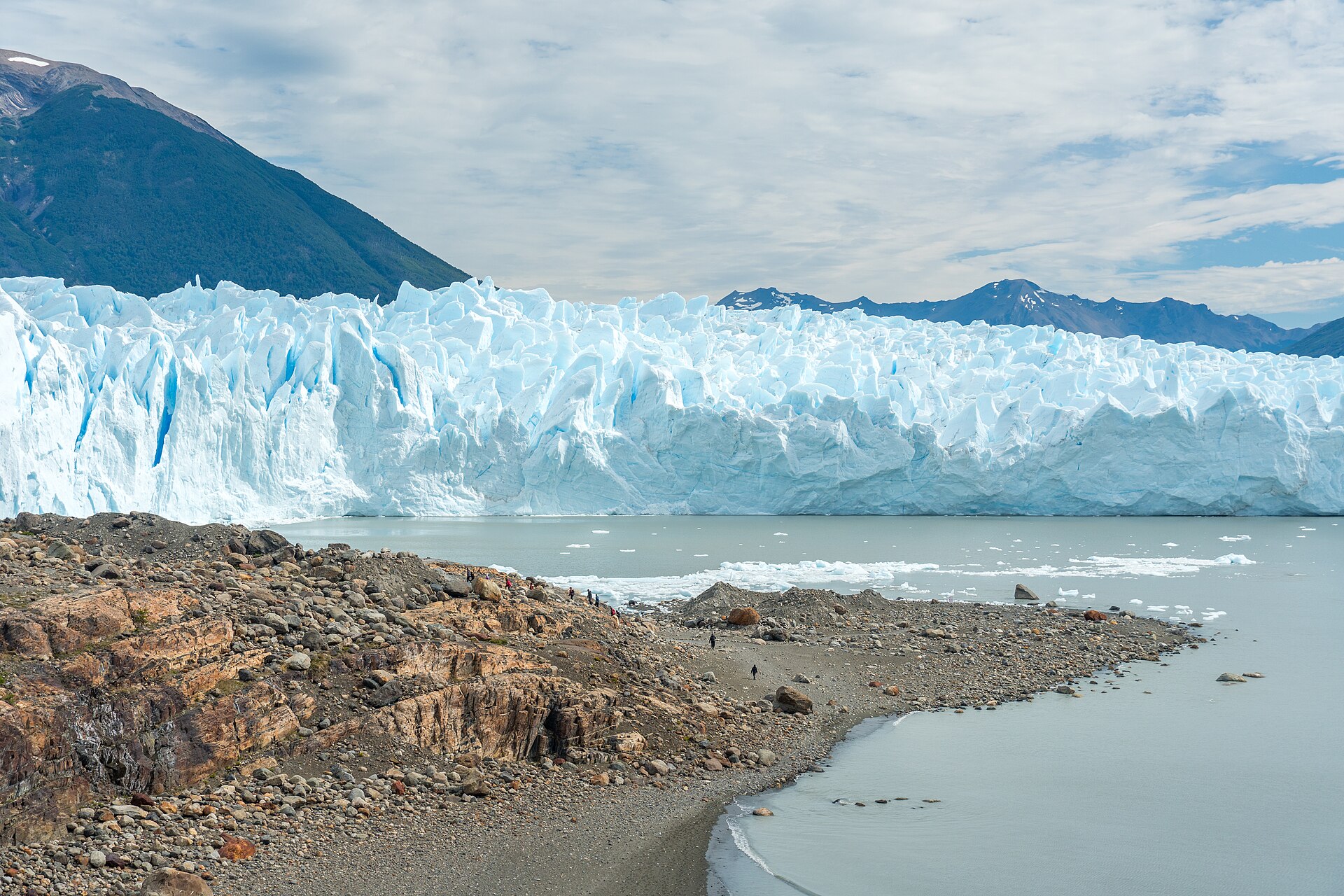

For travellers, the southern gateway is El Calafate. The park administration’s description of visitor activities traces a route towards the glacier through the transition from steppe to Andean-Patagonian forest. Boardwalks and viewing platforms then offer different relationships to the front, rather than a single definitive angle.
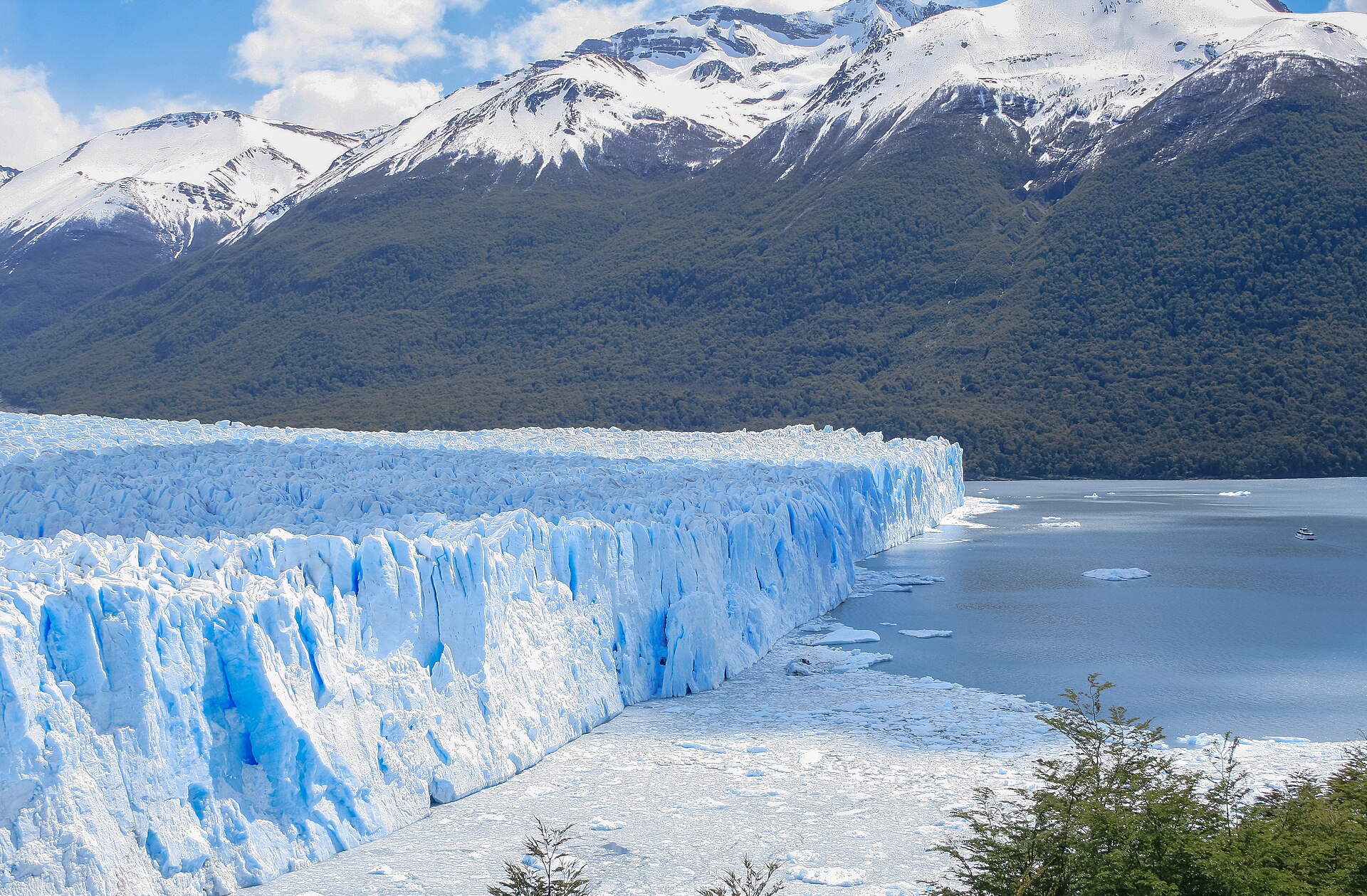

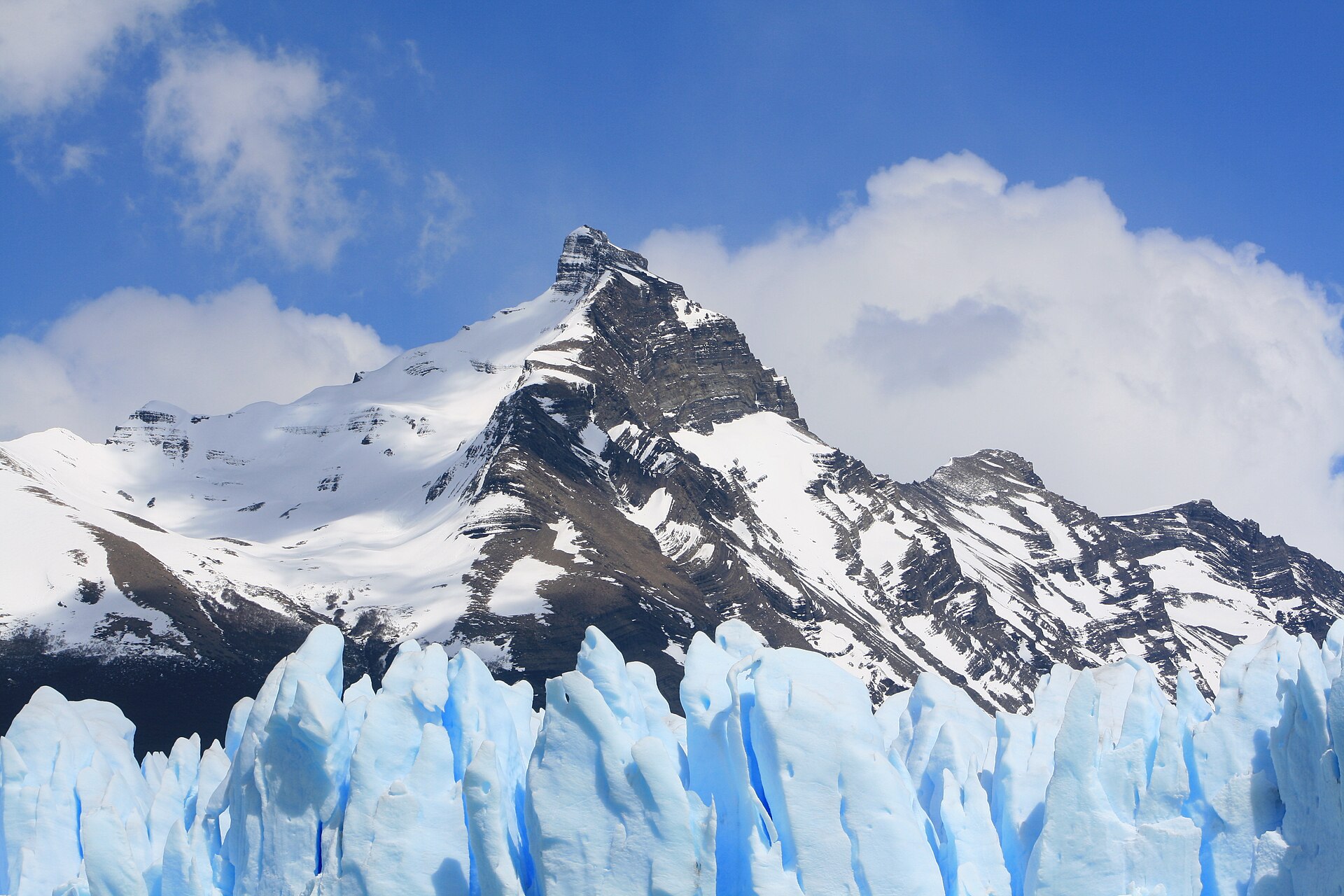
That is a reason to slow down. A wider view reveals the glacier’s setting; a closer one draws attention to the fractured ice. Forest, water and changing light prevent the scene from becoming merely a wall of white. The experience does not require a claim of personal conquest or an insistence that every visit must include walking on the ice.

Access without illusion
Ice trekking is a separate guided activity, not an extension of an ordinary walk along the viewing platforms. The park directs visitors towards specialised guides and different options suited to different physical capacities. Availability, eligibility and operating conditions need checking with the authorised provider rather than assuming that a photograph of crampons represents an activity open to everyone.
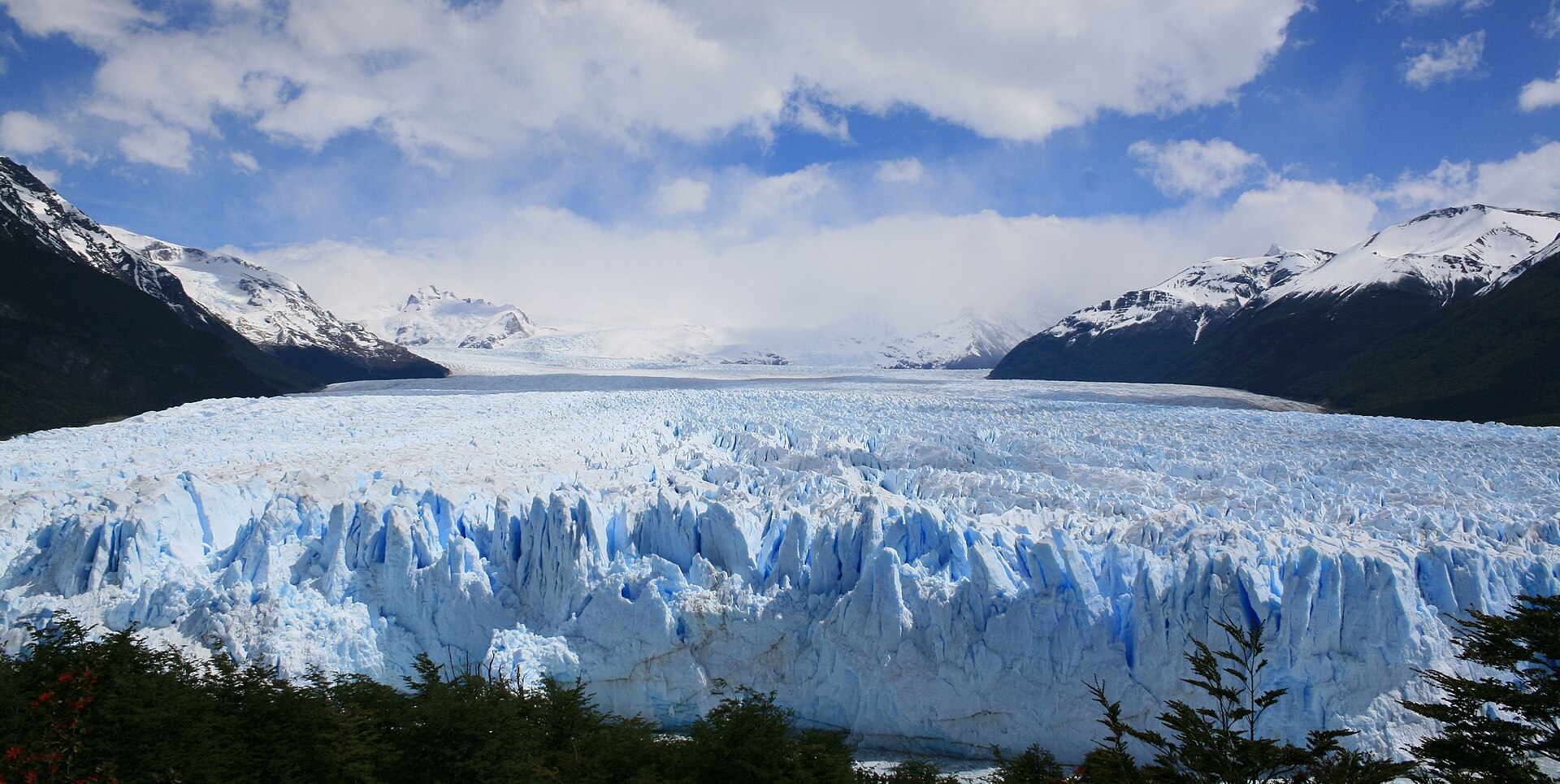

The official services information describes an accessible route and assistance arrangements in the glacier-viewing area. It also lists places to shelter and obtain refreshments. Travellers with specific access needs should confirm the appropriate route before arrival; a complex of platforms is not a promise that every section is step-free.
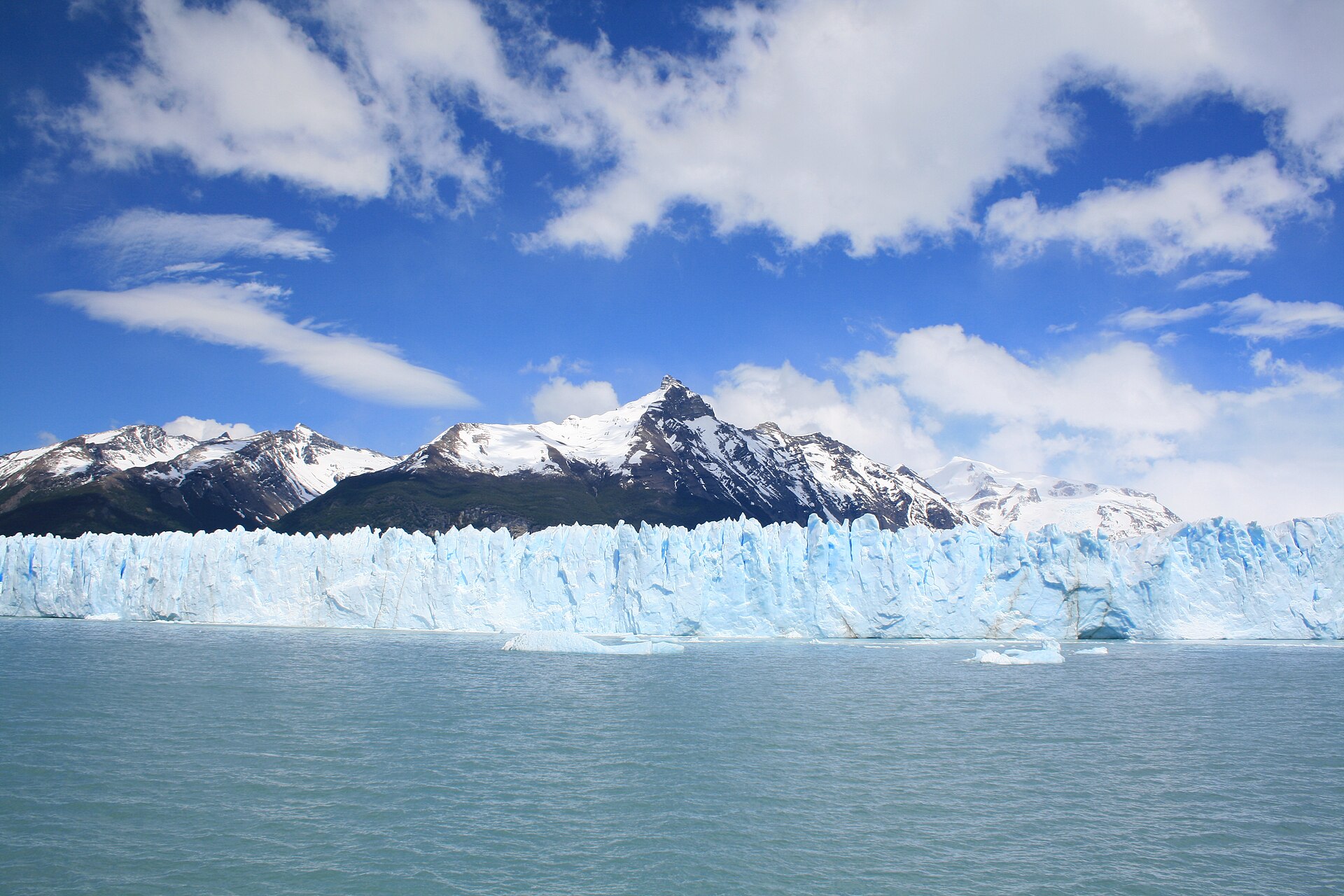

Weather remains part of the journey. In its visitor recommendations, the park stresses changing conditions, suitable footwear and respect for marked routes. It prohibits drones and feeding wildlife, and asks visitors to take their rubbish away. These are not decorative additions to the scenery: they are part of allowing a protected place to receive people without becoming a stage set.
A longer Argentine journey might connect this southern landscape with Buenos Aires or the vineyard setting of Awasi Mendoza. Across Patagonia, Tierra Patagonia offers another perspective on the relationship between accommodation and vast open country.
Perito Moreno deserves more than the reassuring label of a glacier that never changes. Its power as a destination now includes the responsibility to see it honestly: not as an exception frozen in time, but as a remarkable place whose story is still unfolding.
Photographs are archival and do not document the glacier’s present-day front. This feature is based on published research and official visitor information, not a reported field visit. Check current park and operator notices before travelling.