
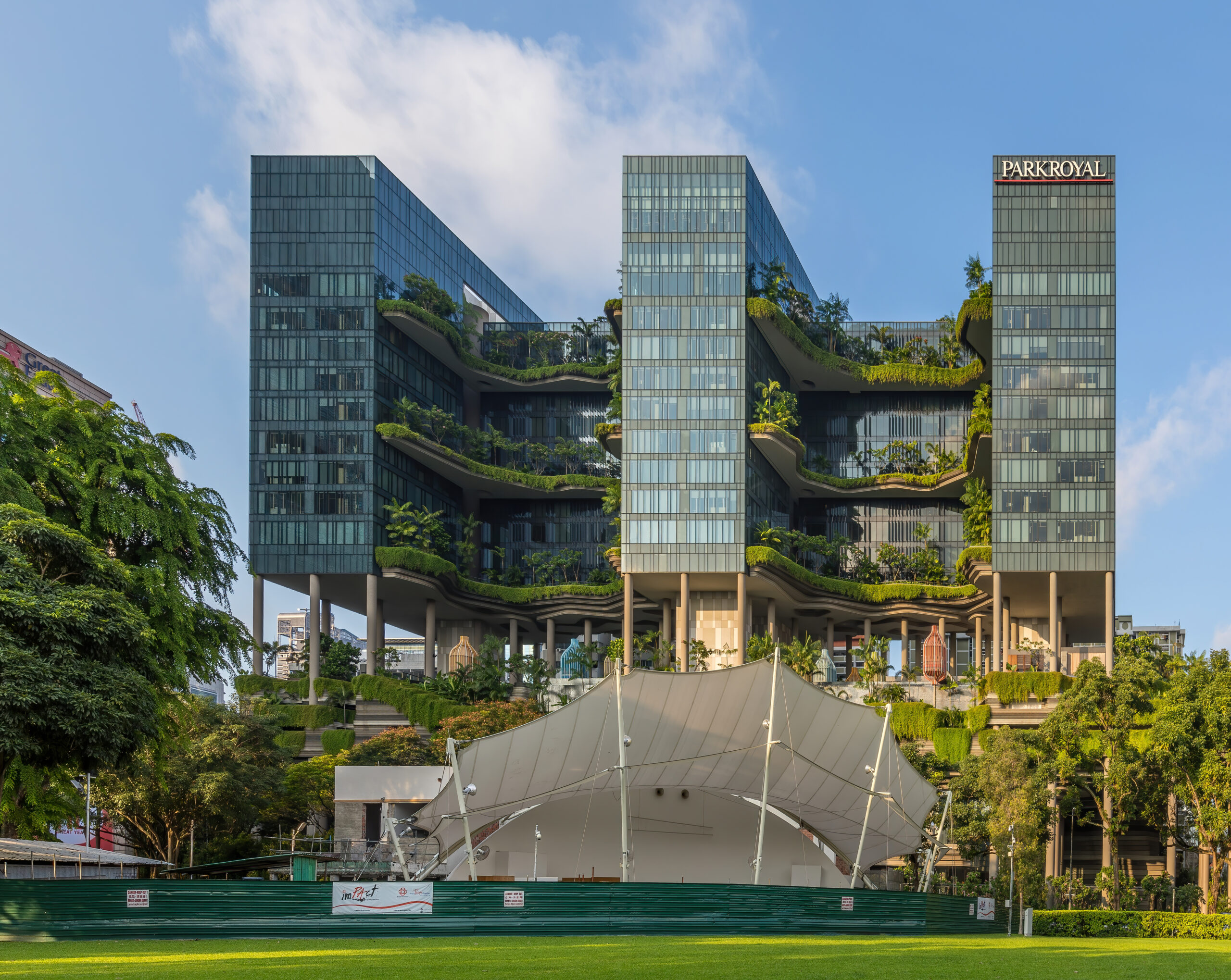
From Hong Lim Park, PARKROYAL COLLECTION Pickering looks less like a conventional hotel than a negotiation between a tower and a garden. Glass rises above layered curves of concrete; planting spills across the edges. Singapore’s ambition to make room for greenery in a dense city is not hidden in the landscaping here. It is written into the building’s silhouette.

The hotel stands at 3 Upper Pickering Street, near Chinatown, where the contrast between low-rise streets and the commercial skyline is part of everyday life. Its architecture does not erase that density. Instead, it turns the space between floors into a subject worth looking at.

A garden that changes the skyline
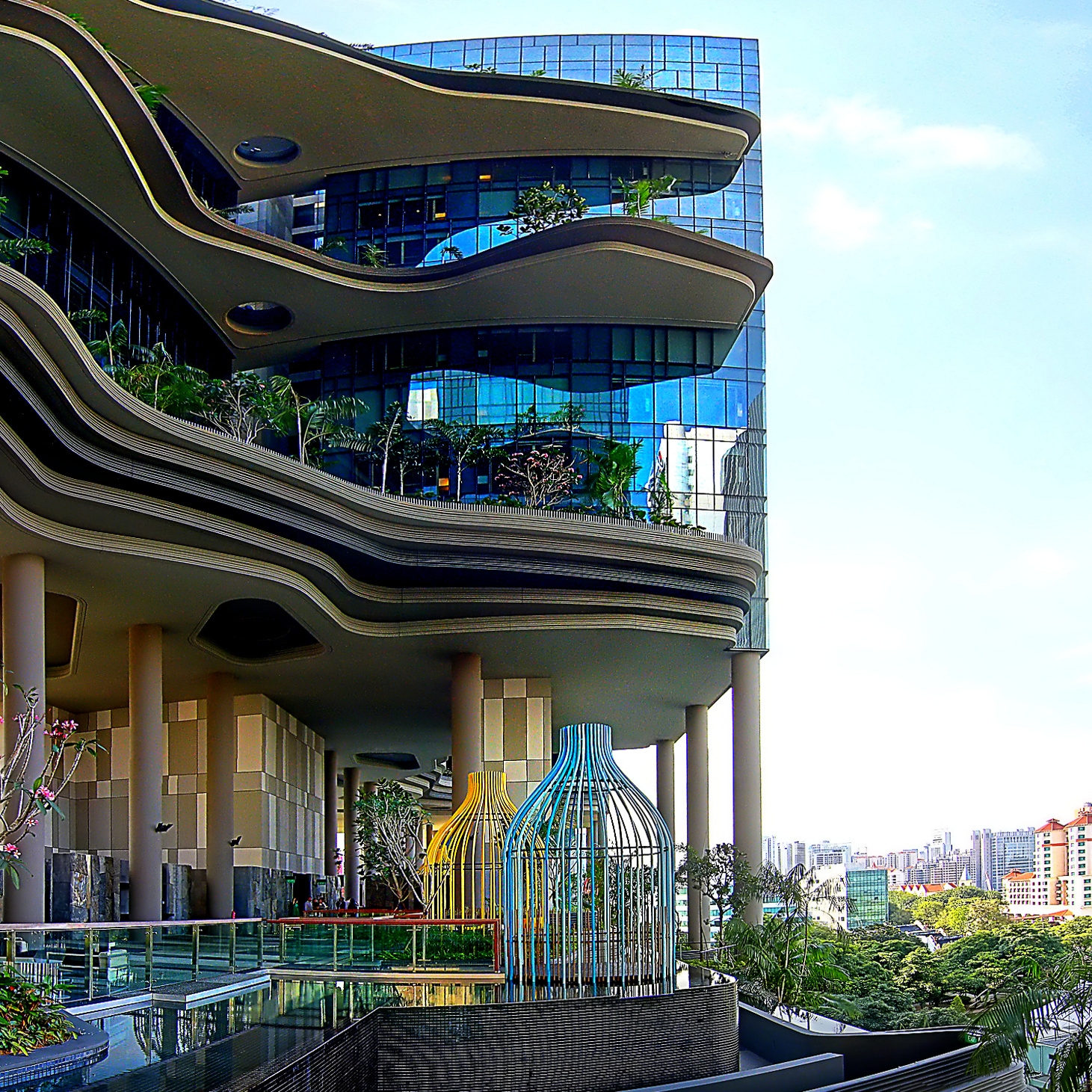
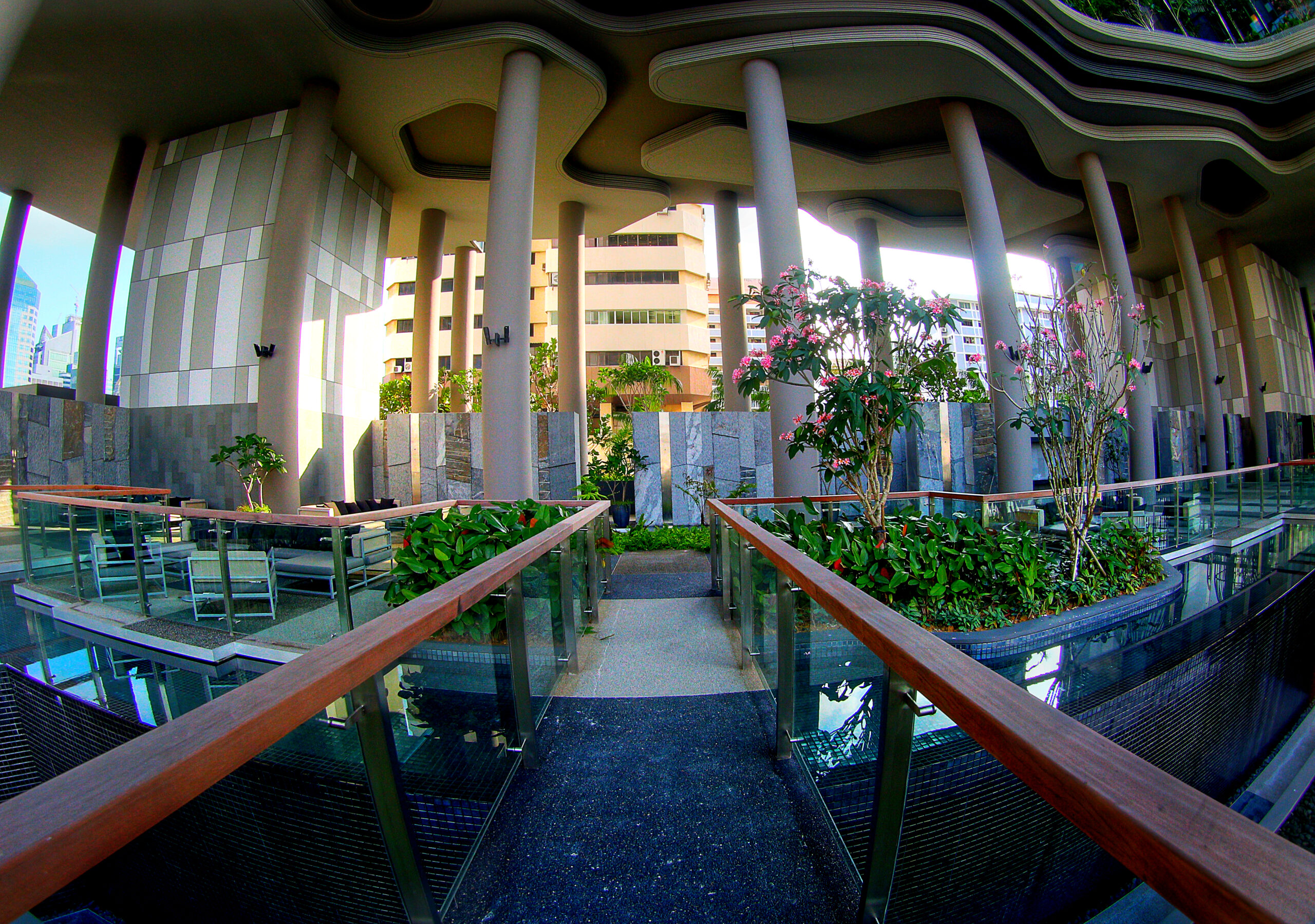
Designed by WOHA, the project received a President’s Design Award in 2013. The award citation describes a contoured podium, planted terraces and sky gardens that extend the presence of the neighbouring park upwards. The result is neither a park with bedrooms nor a tower decorated with a few potted plants. Landscape is part of the building’s structure and public identity.
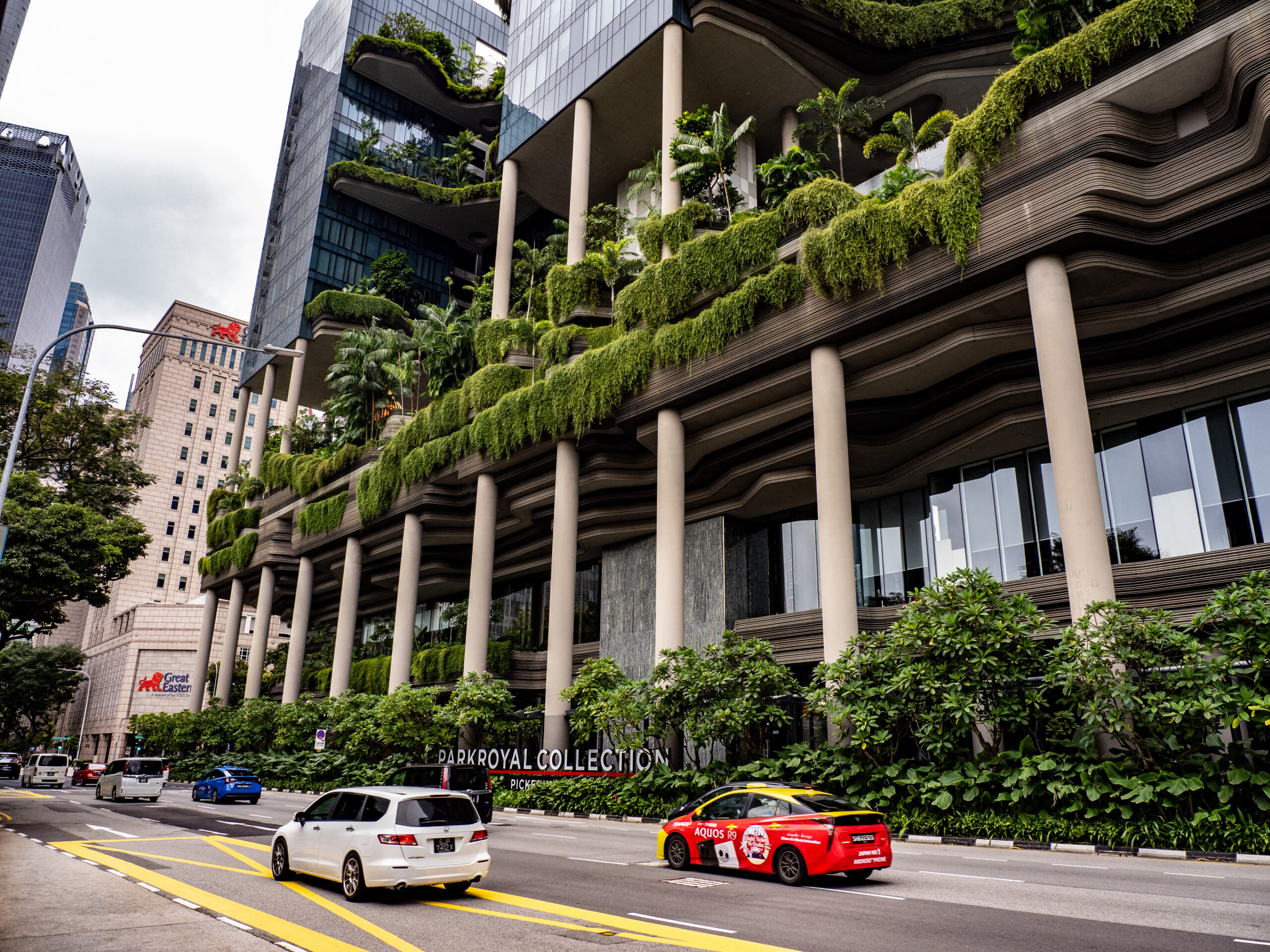

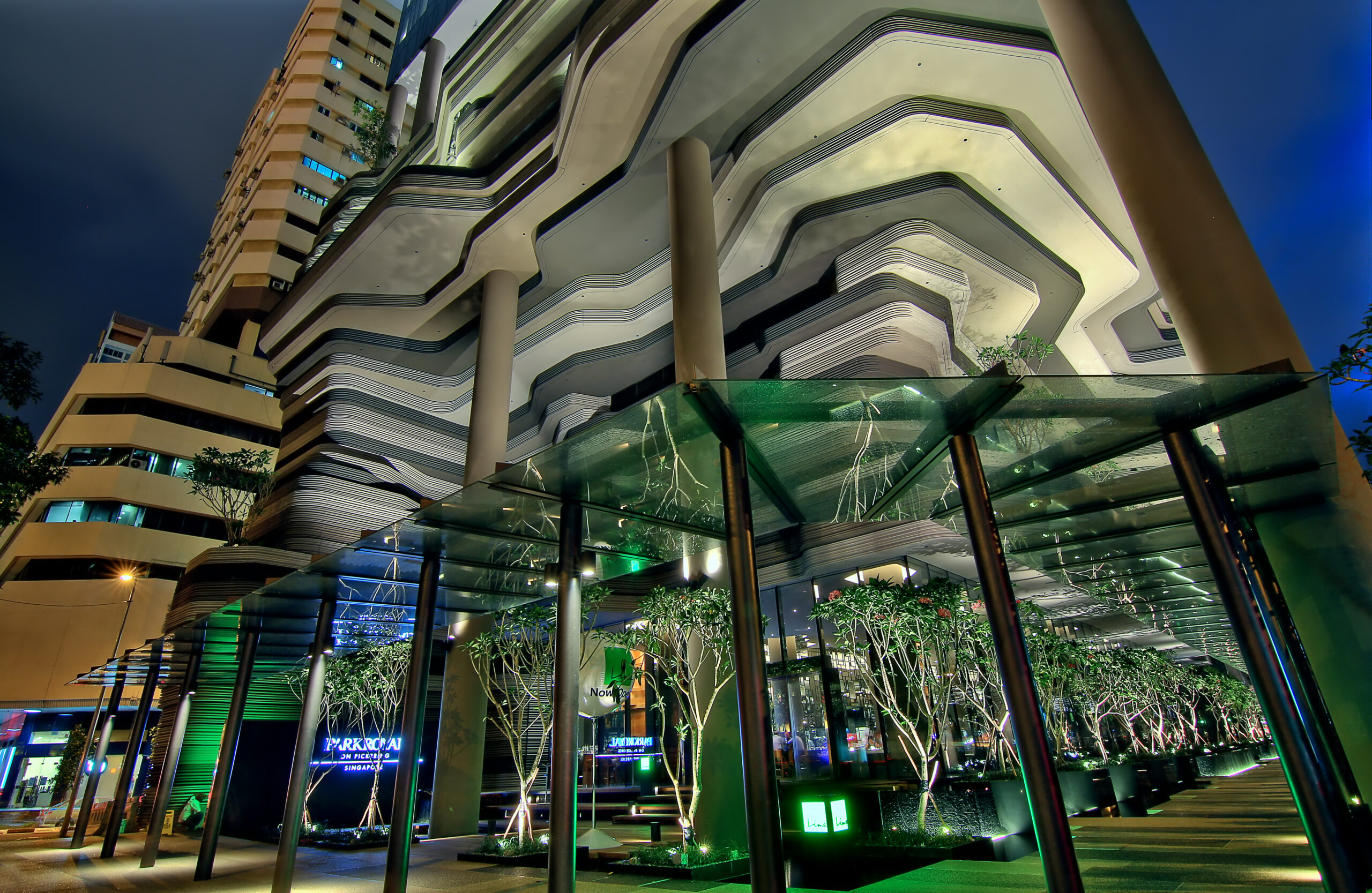
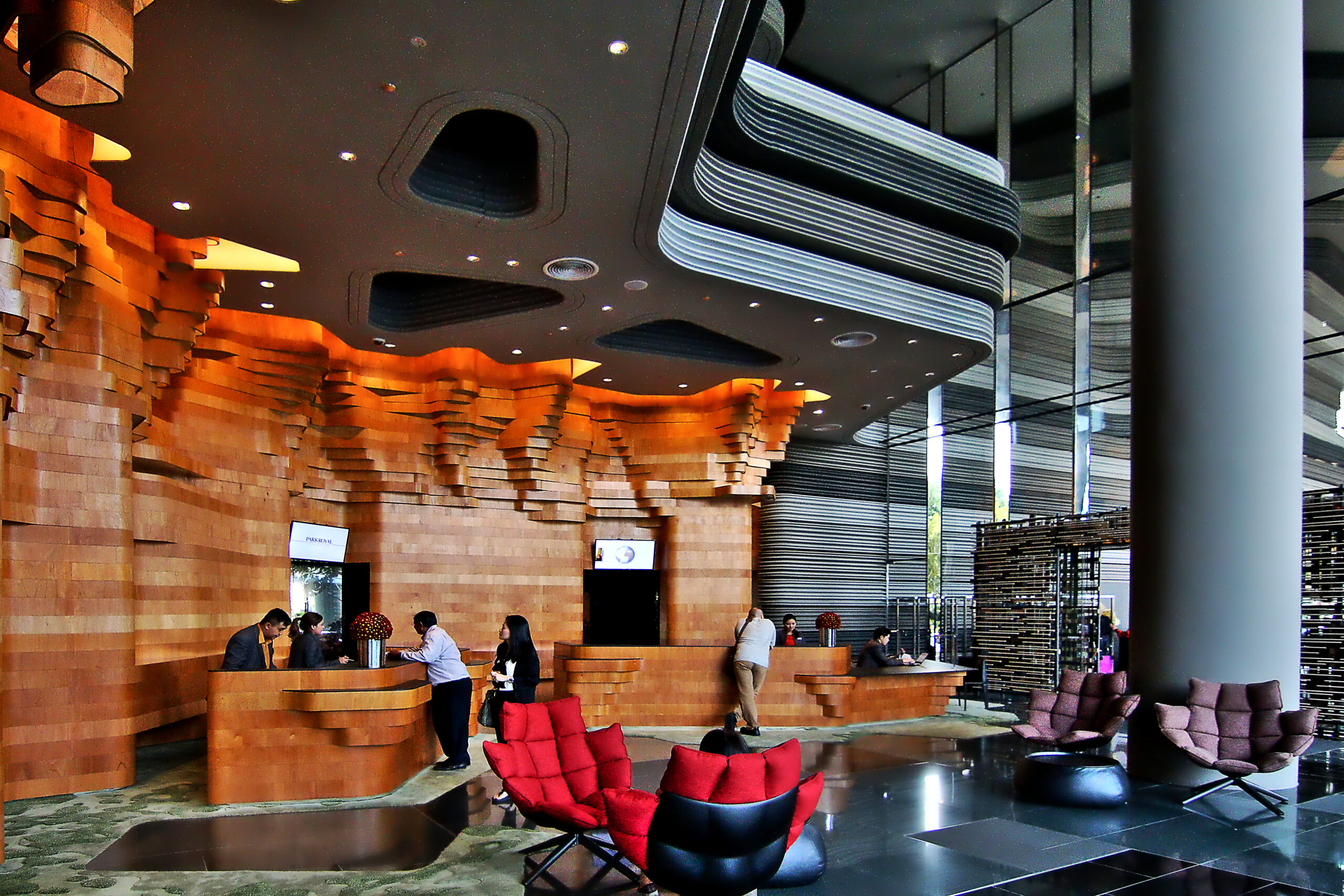
The lower levels are particularly expressive. From the street, the overlapping edges can suggest strata or contour lines. From within, the same architectural gestures frame views, create shade and set up a dialogue between open air and enclosure. The photographs show how differently the building reads at night, when light picks out the curves and the greenery becomes a darker layer.
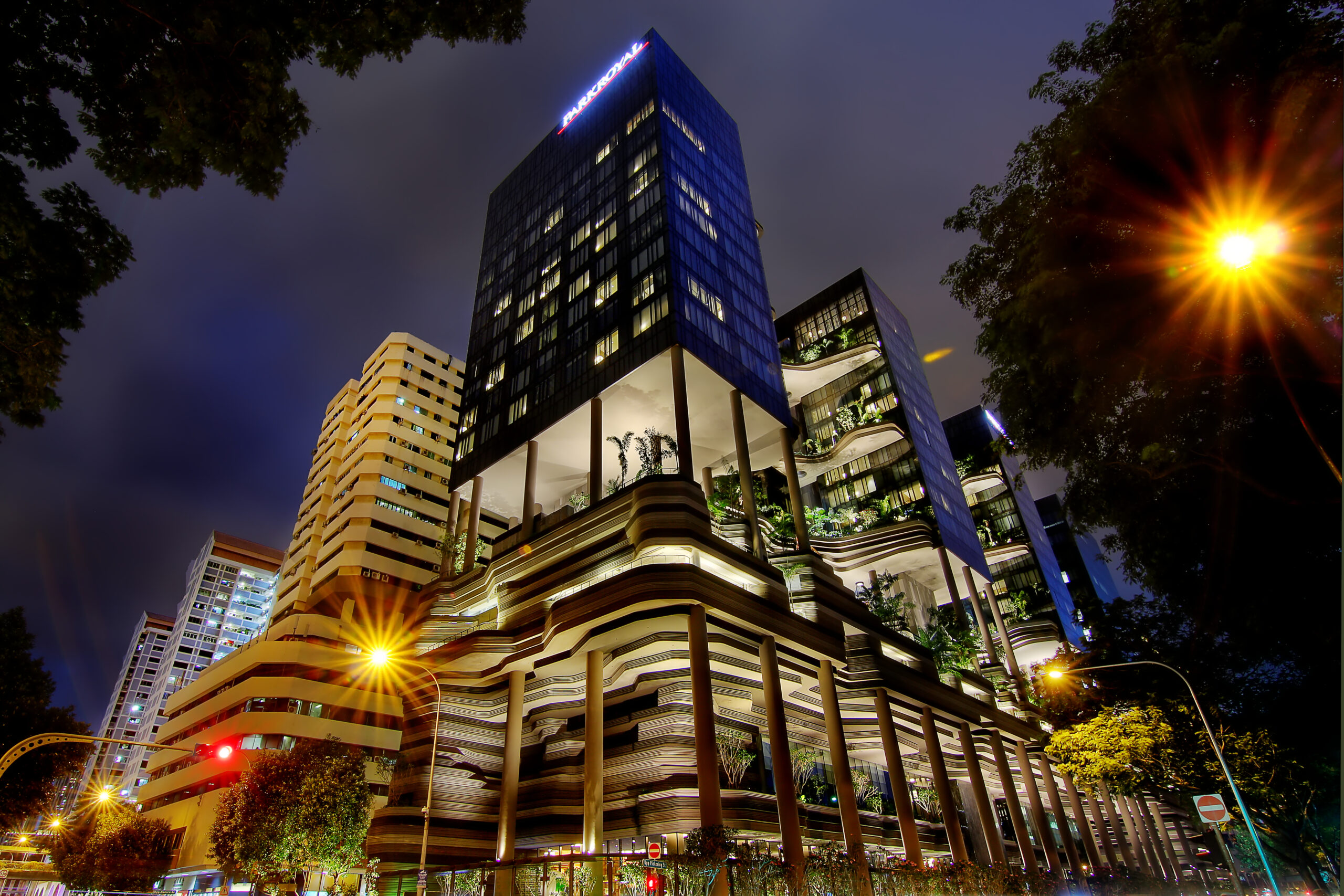

Those qualities explain why the hotel attracts attention beyond the question of where to sleep. Its significance is architectural as much as touristic. That does not make a stay environmentally impact-free: an award or an extensive planting scheme should not be confused with a complete assessment of an individual trip’s footprint.

The private room and the shared landscape
The current room collection ranges from Urban Deluxe rooms to larger suites and club categories. The hotel lists Urban Deluxe rooms at 28–32 square metres, while other categories offer different outlooks and layouts. The distinction matters. A photograph of greenery outside the building is not a guarantee that every bed faces the same view.
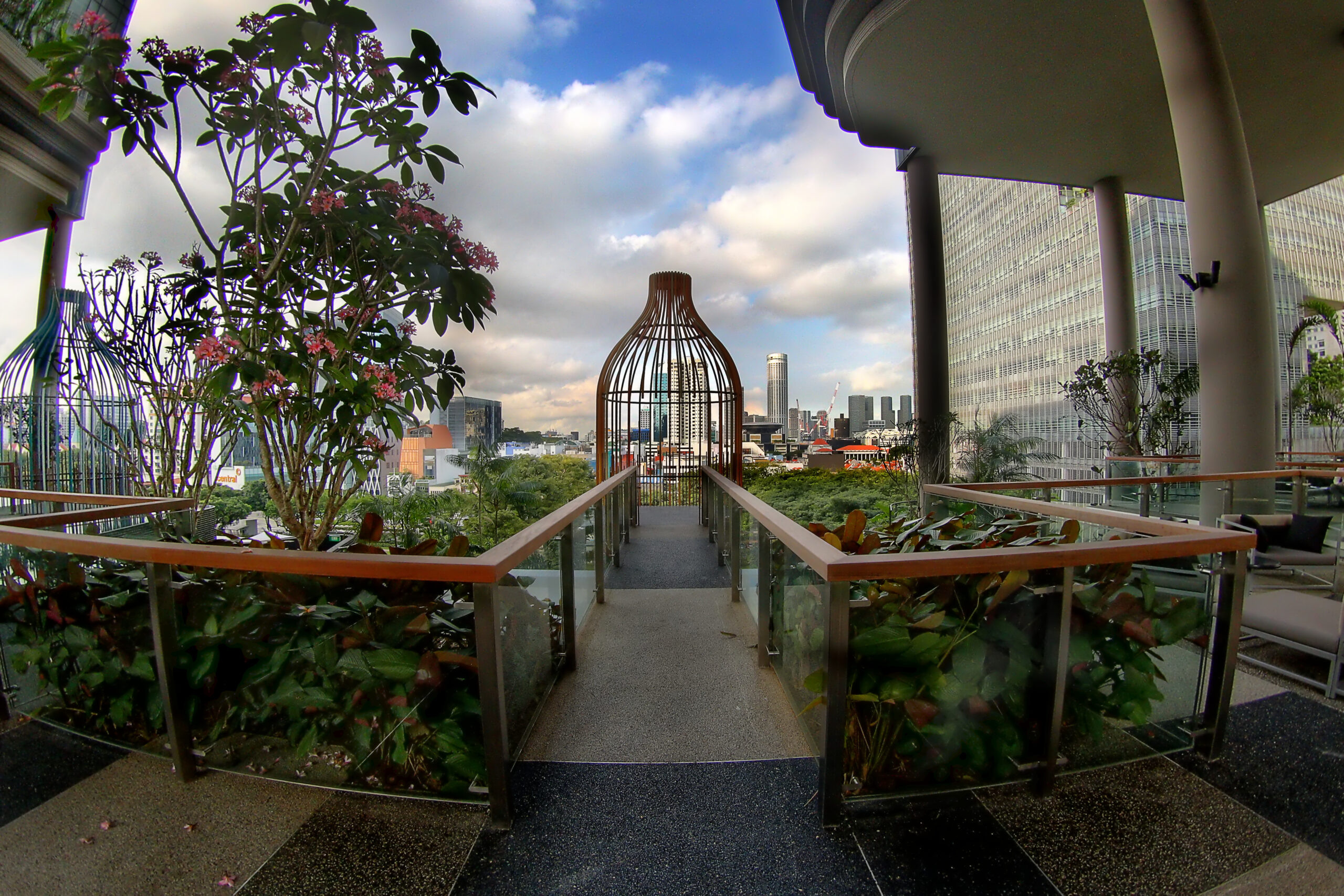

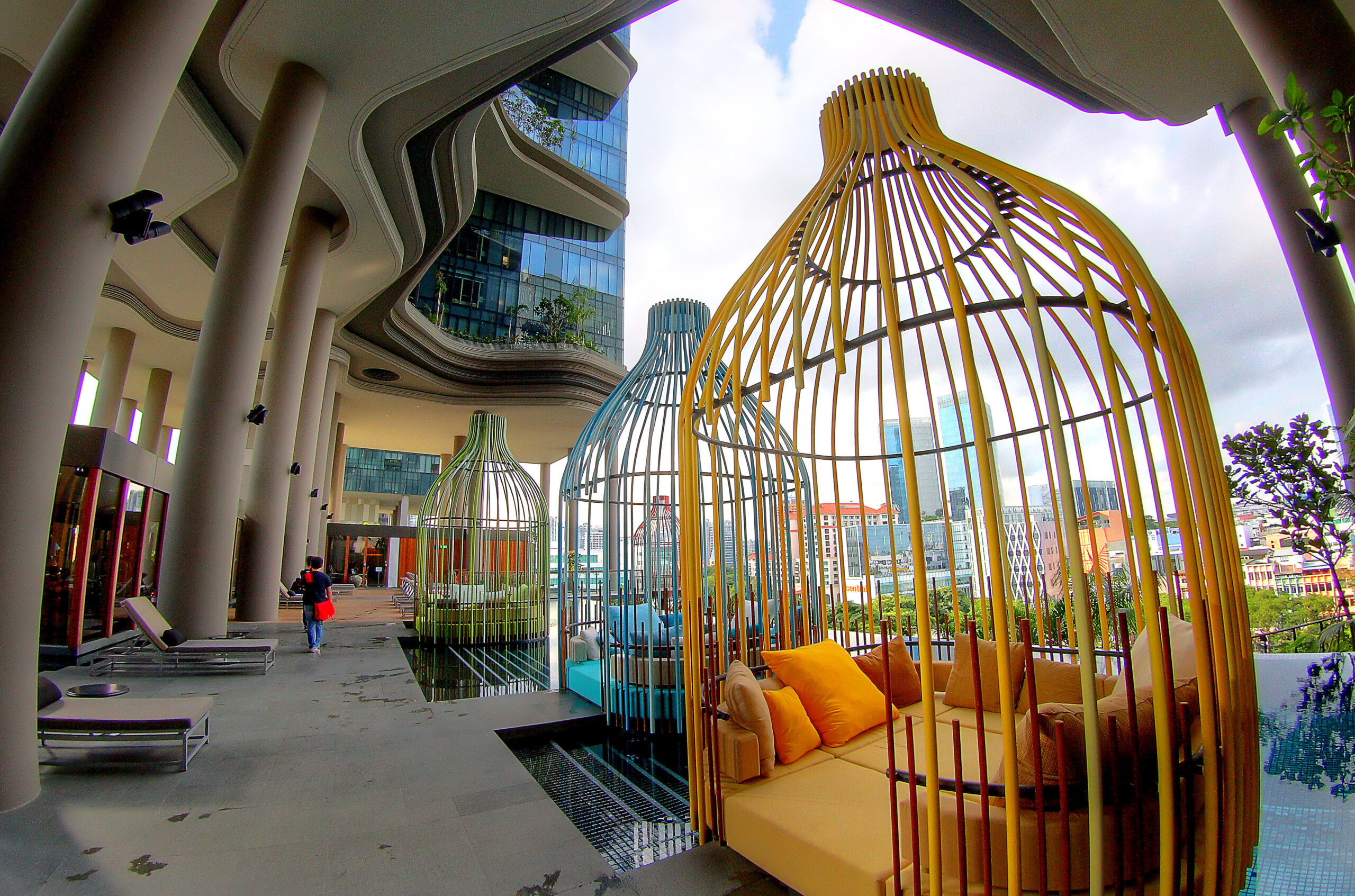
Shared space is central to the proposition. The facilities page places the fitness centre, steam room and a 300-metre garden walk on the dedicated fifth-floor wellness level. It also describes the outdoor infinity pool and the birdcage-inspired cabanas, sculptural shelters that have become among the property’s most recognisable visual details.
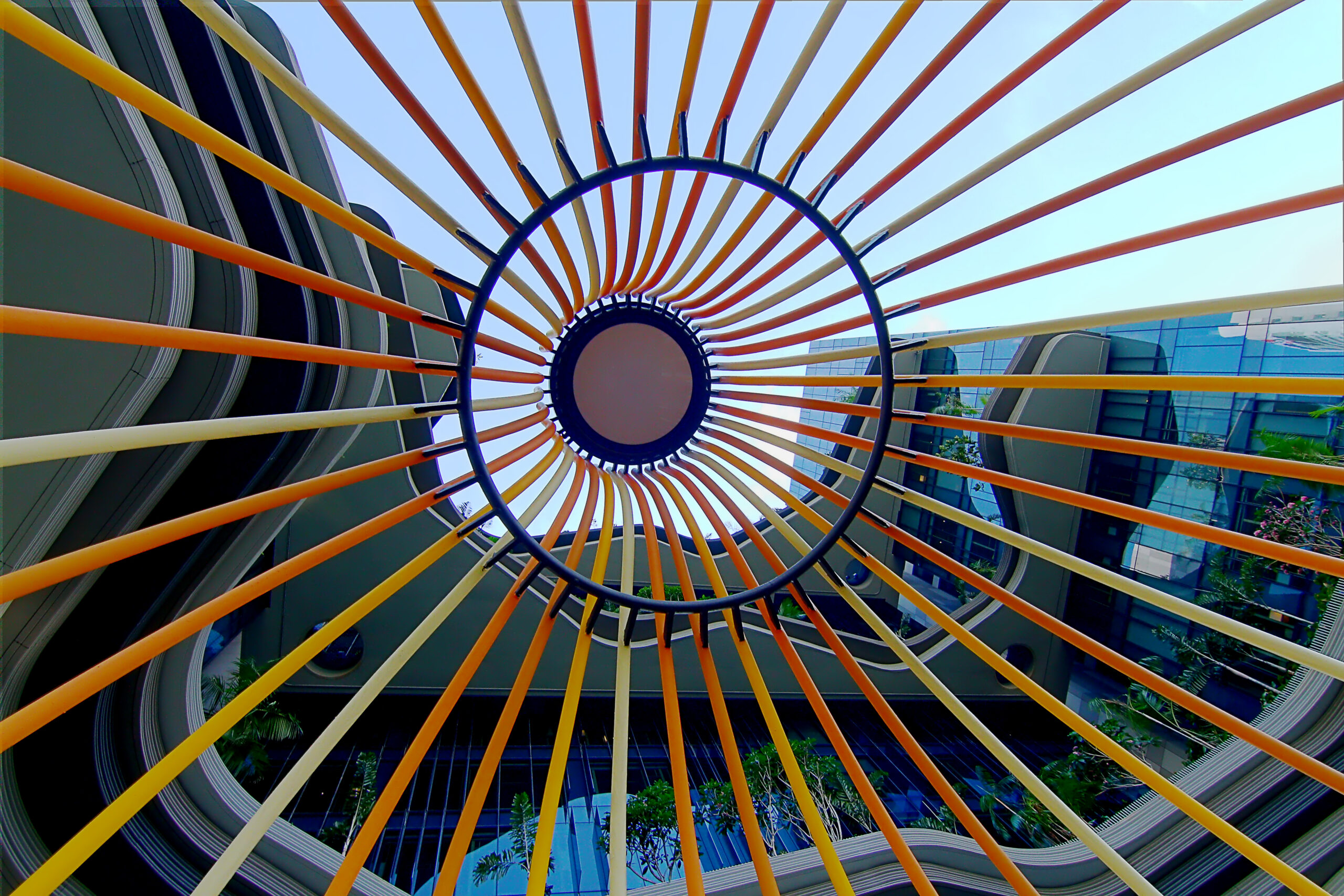

In these spaces, the hotel’s architectural idea becomes more personal. A curve seen from the pavement becomes a shaded place to sit; a distant band of planting becomes something encountered at walking pace. Access, maintenance schedules and the amenities included with a particular booking should still be checked directly before travel.

At the edge of Chinatown
The Upper Pickering Street address places the property in a different Singapore from a self-contained beachfront resort. Streets, offices and the wider city remain close. That urban setting is part of its appeal, not a detail to edit out of the story.

Inside, Lime Restaurant offers buffet and à-la-carte dining, with its published selection drawing on Asian, Peranakan and European influences. The menu provides one route into a meal; the surrounding city provides many others. There is little reason to treat a design hotel as an instruction to stay indoors.

For a wider stay, our Singapore itinerary connects neighbourhood exploration with gardens, art and food. Travellers comparing the city’s distinctive hotels will find a different architectural story at The Fullerton, where a historic public building frames the experience, and another at Marina Bay Sands, whose skyline presence operates at a much larger scale.
Pickering’s distinction lies in its layers. It allows the garden and the tower to remain visible at once, offering a city stay whose defining image is not simply a room, a pool or a view, but the relationship between them.
This feature draws on published sources rather than a hosted hotel stay. Photographs include archival views; furnishings, planting and access arrangements may change. Consult the hotel’s current information for the dates of travel.