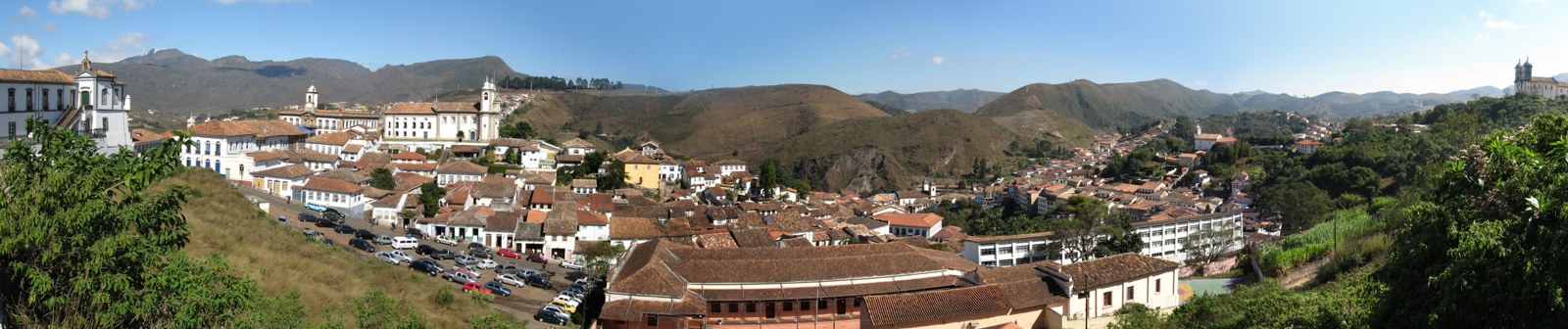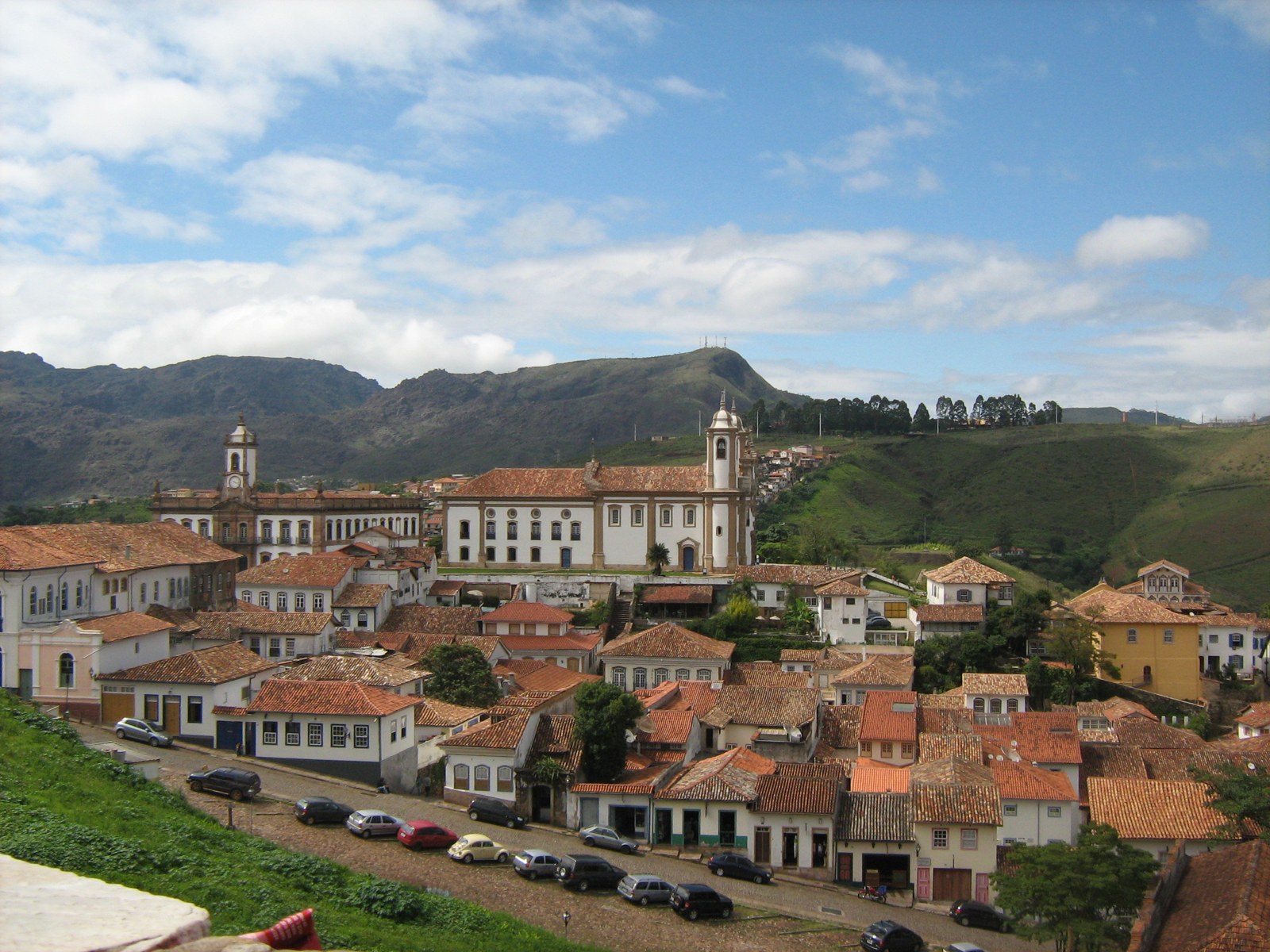
Ouro Preto rewards visitors who are willing to walk slowly and look beyond the decorative surface. Its hills, churches, civic buildings and irregular streets belong to a history of mining wealth, artistic achievement and unequal power. A useful visit connects those layers rather than treating the town as a collection of attractive façades.
The UNESCO World Heritage description explains why the town matters: its urban form follows the steep landscape, while its architecture records the importance of the colonial gold-mining economy. The result is a place best explored in short, connected sections, with time inside a museum as well as outside on the streets.
A town shaped by the gold rush
Founded at the end of the seventeenth century, Ouro Preto became a major focus of Brazil’s eighteenth-century gold rush. UNESCO inscribed the historic town in 1980. Its importance is not confined to a single monument: the streets, buildings and steep terrain form a coherent historic landscape. The contrast between restrained exteriors and richly worked church interiors is part of that character.
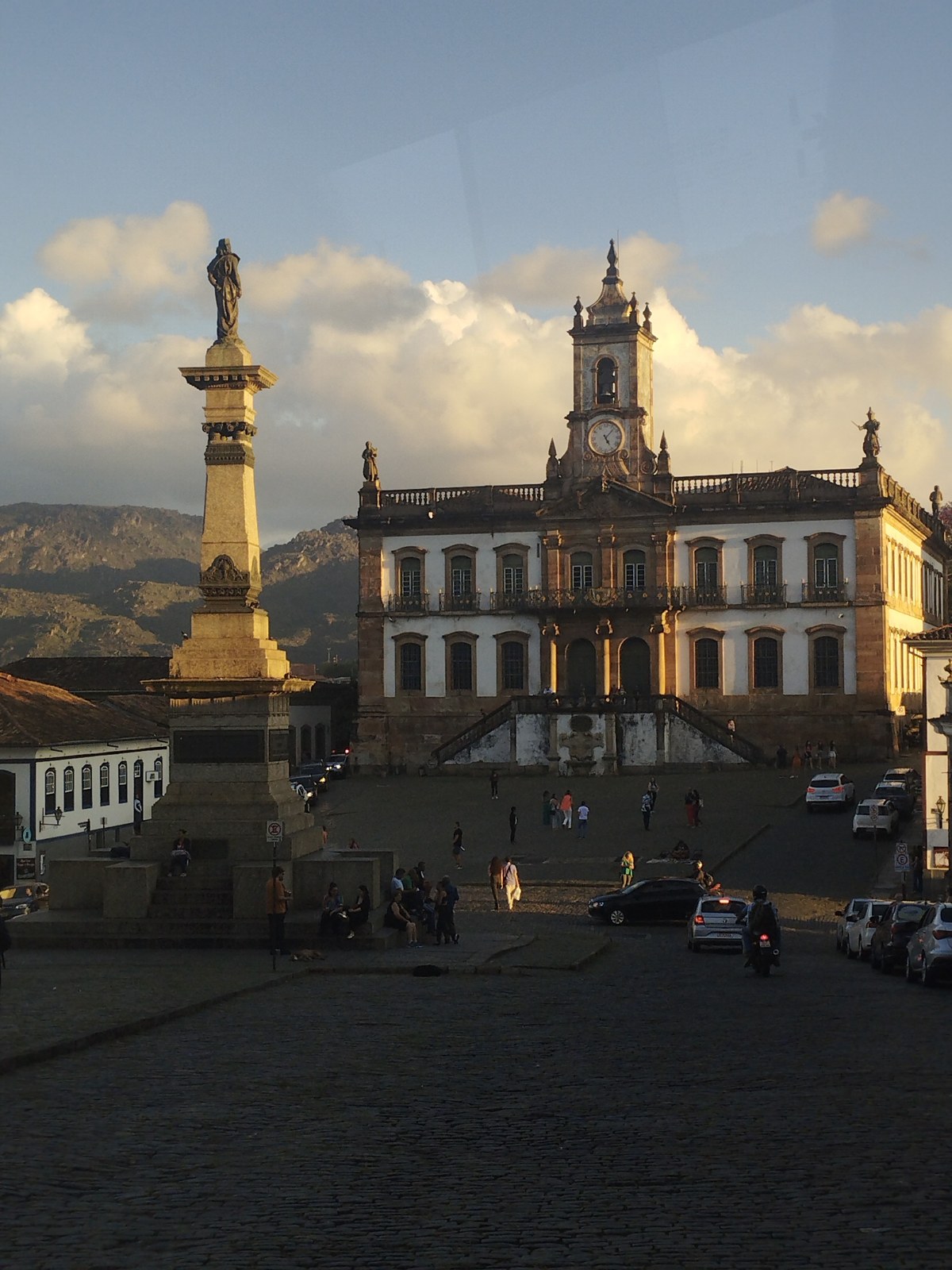
Praça Tiradentes makes a useful orientation point. The Museu da Inconfidência occupies one of its defining buildings, so the square and museum can be approached together before a more demanding walk. From there, choose a church and a stretch of streets you can explore without repeatedly retracing the same slope. The point is to understand how the civic and religious town fit together, not simply to accumulate façades.
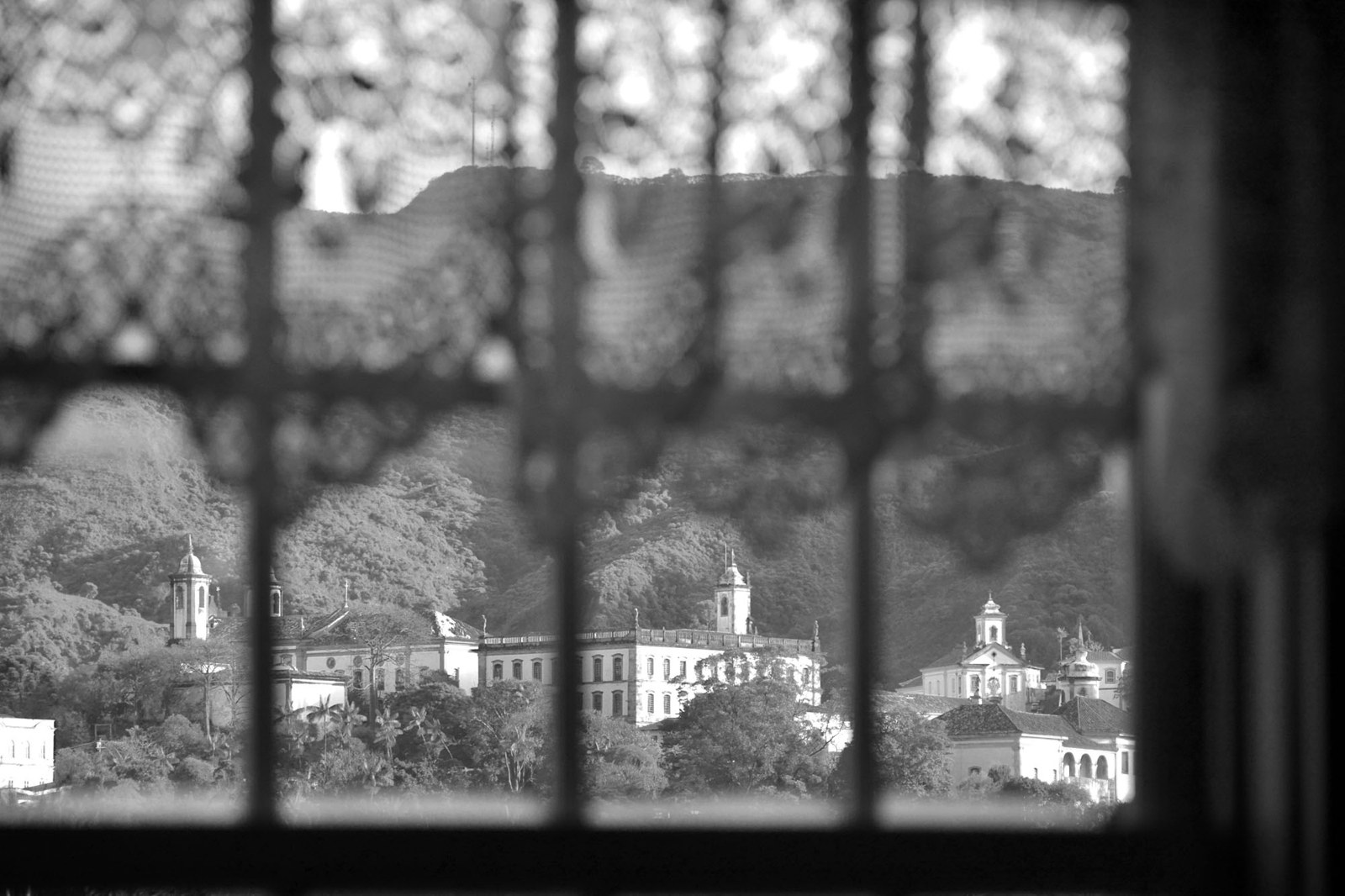
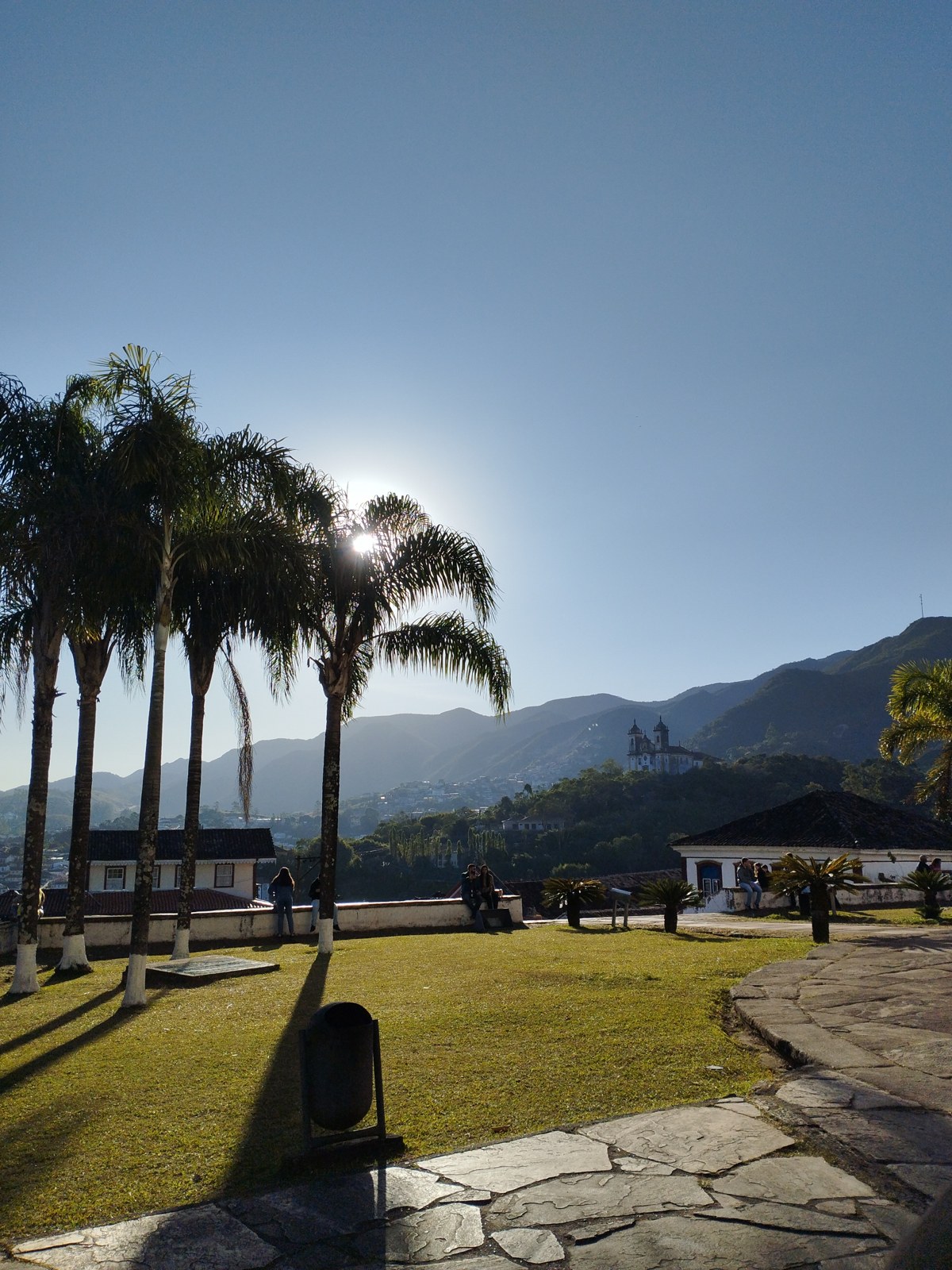
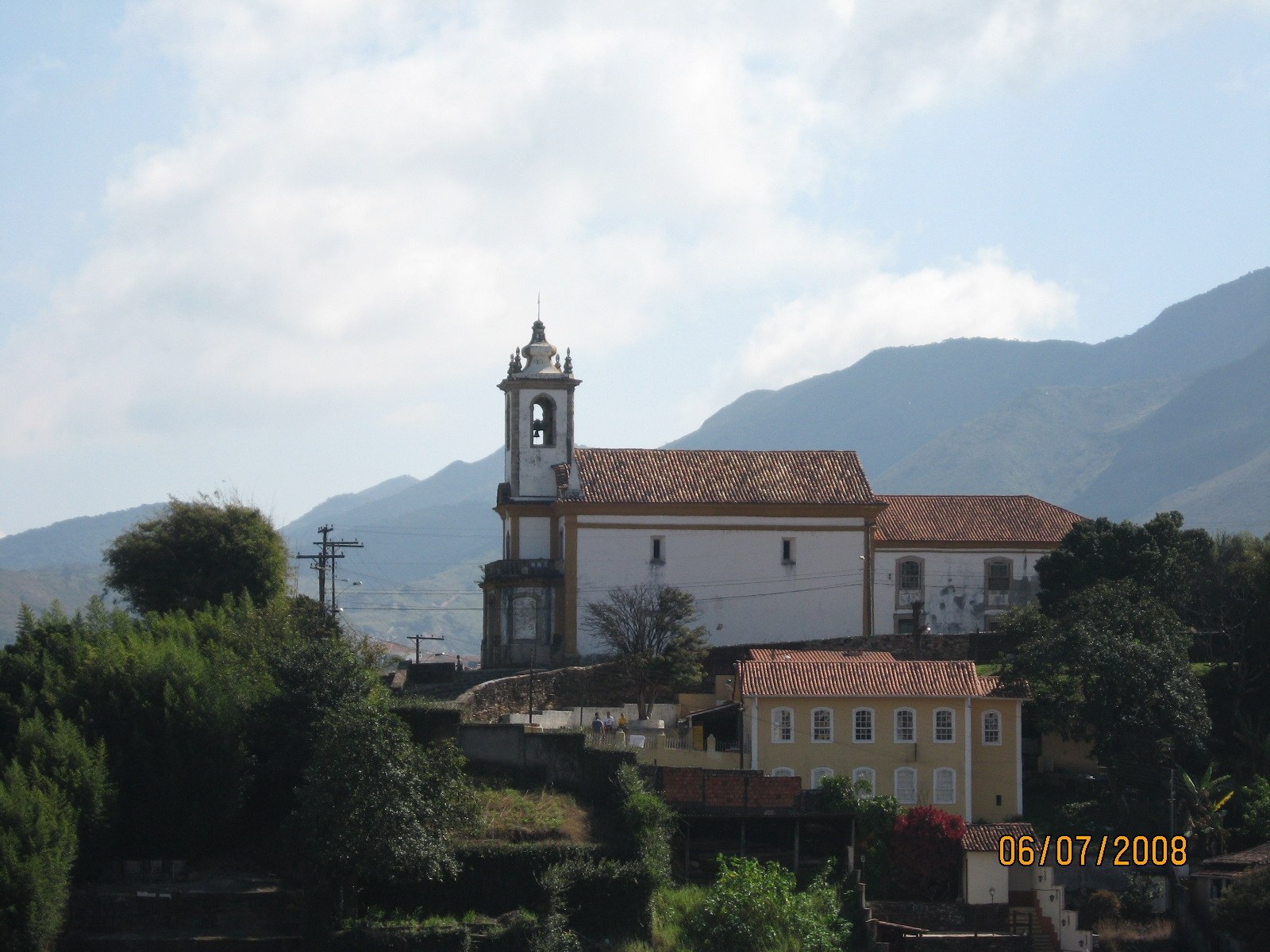
The Church of Nossa Senhora do Rosário and São José offer other perspectives on the skyline and religious architecture. The exterior views shown here are illustrations of the built heritage, not evidence of current interior access. For detailed routes and entry arrangements, use the municipal map and current local information. Some of the photographs are older views, valuable for the historic architecture rather than a claim that every detail is unchanged today.
Begin with geography, not a long checklist
Start with the historic centre and decide which cluster of sights you want to understand first. A short distance on a street map can involve a significant climb. Comfortable footwear, water and breaks are more useful than an ambitious list copied from a tour brochure.
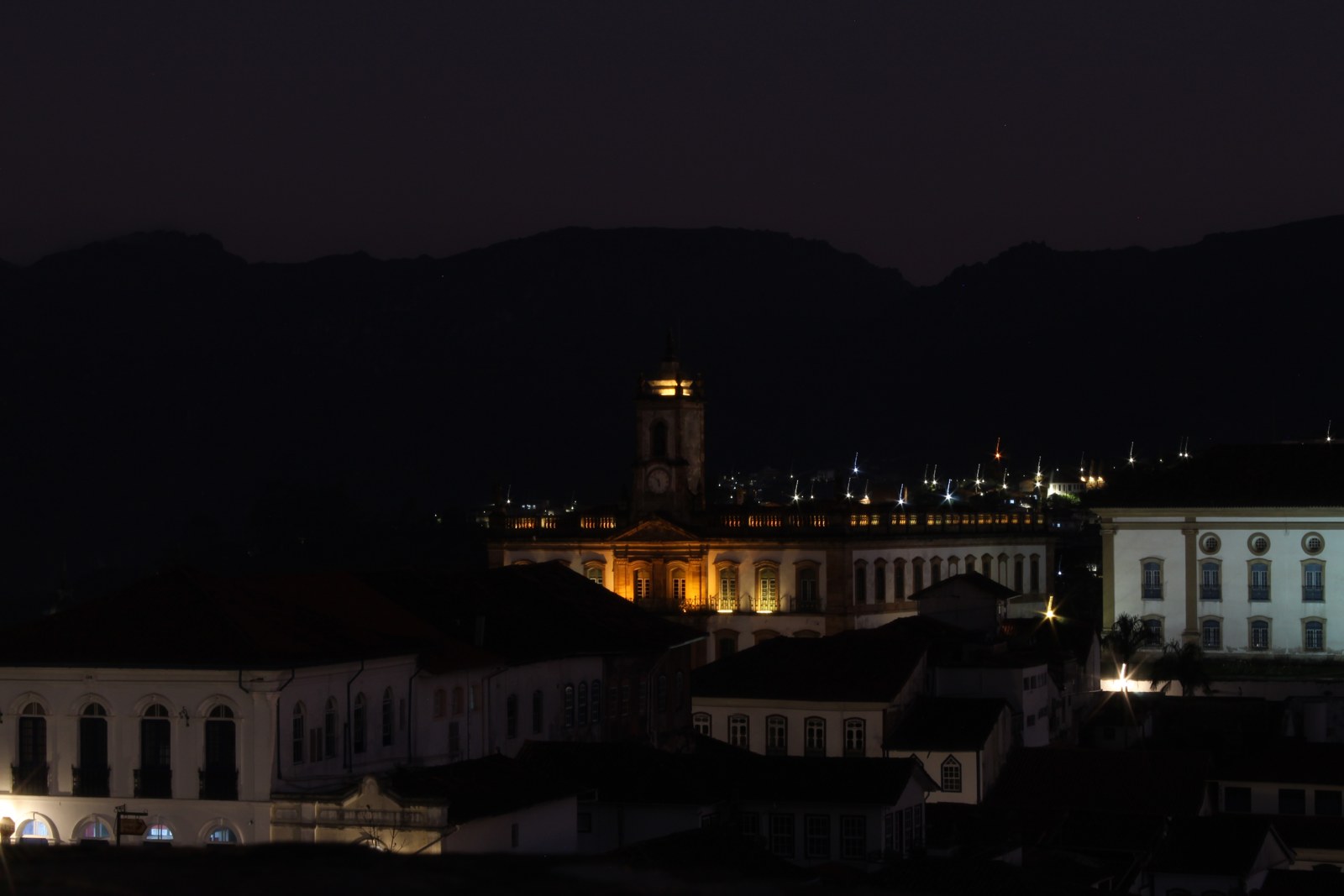
The municipal tourist map helps connect the principal landmarks. Use it to group nearby places rather than repeatedly crossing the centre. If anyone in your party has difficulty with slopes or uneven paving, discuss transport and individual entrances before committing to a walking route. A beautiful historic setting is not automatically an easy one to navigate.
Give the Museu da Inconfidência proper time
The Brazilian museum authority’s profile places the Museu da Inconfidência in the former town hall and prison. Its purpose is to preserve and interpret objects and documents associated with the Inconfidência Mineira. This is more useful context than simply recognising the building from the square.
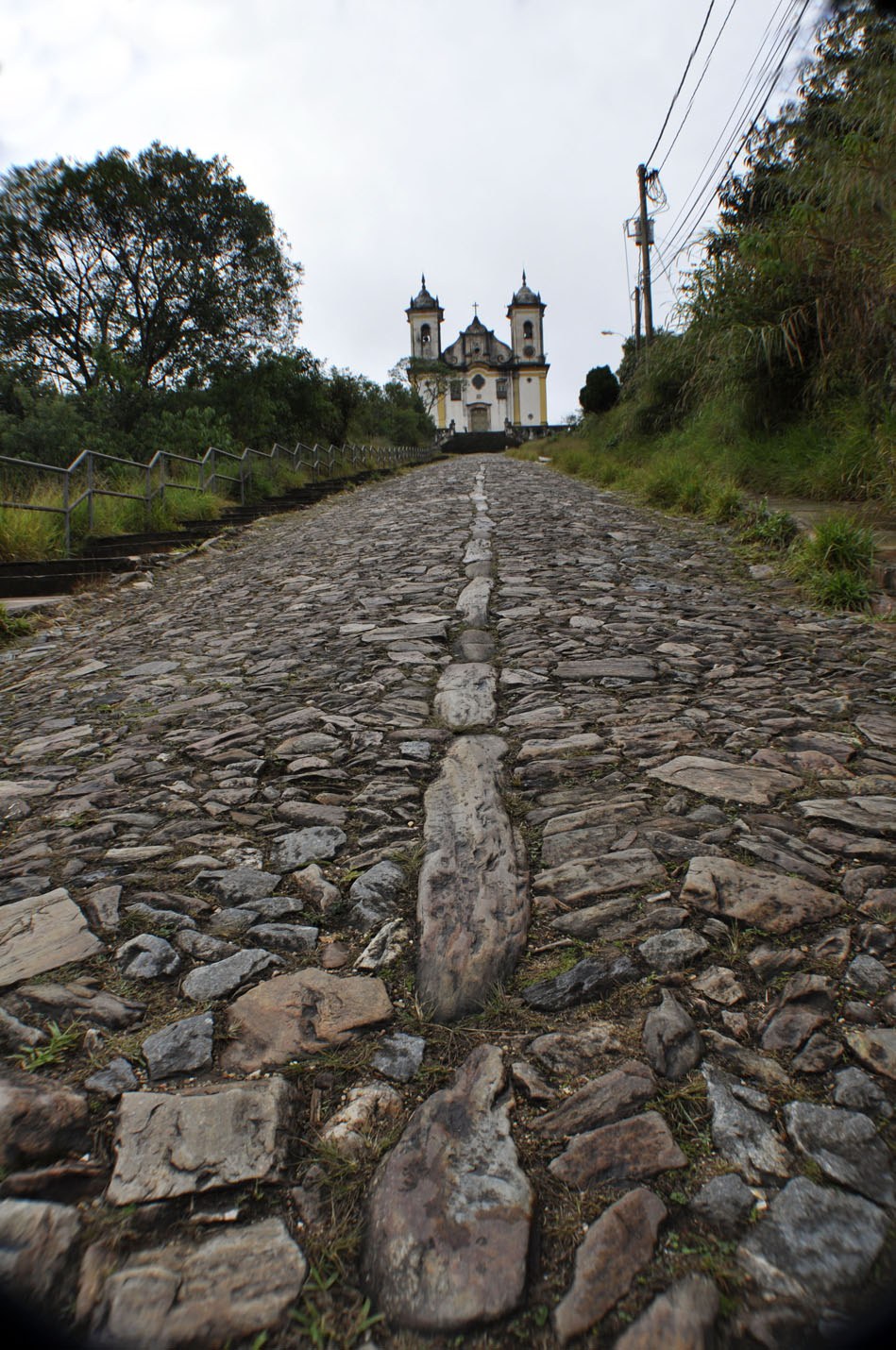
The municipal museum description explains that its displays connect the movement with aspects of eighteenth- and nineteenth-century life, including mining, transport, construction, art and religion. Allow enough time to follow those connections. Visitors unfamiliar with Brazilian history may find that a guide or some preparation makes the objects much easier to understand.
Check the museum’s current opening arrangements before building the day around it. A closed museum should not be discovered only after a difficult climb or a long transfer.
Look closely at São Francisco de Assis
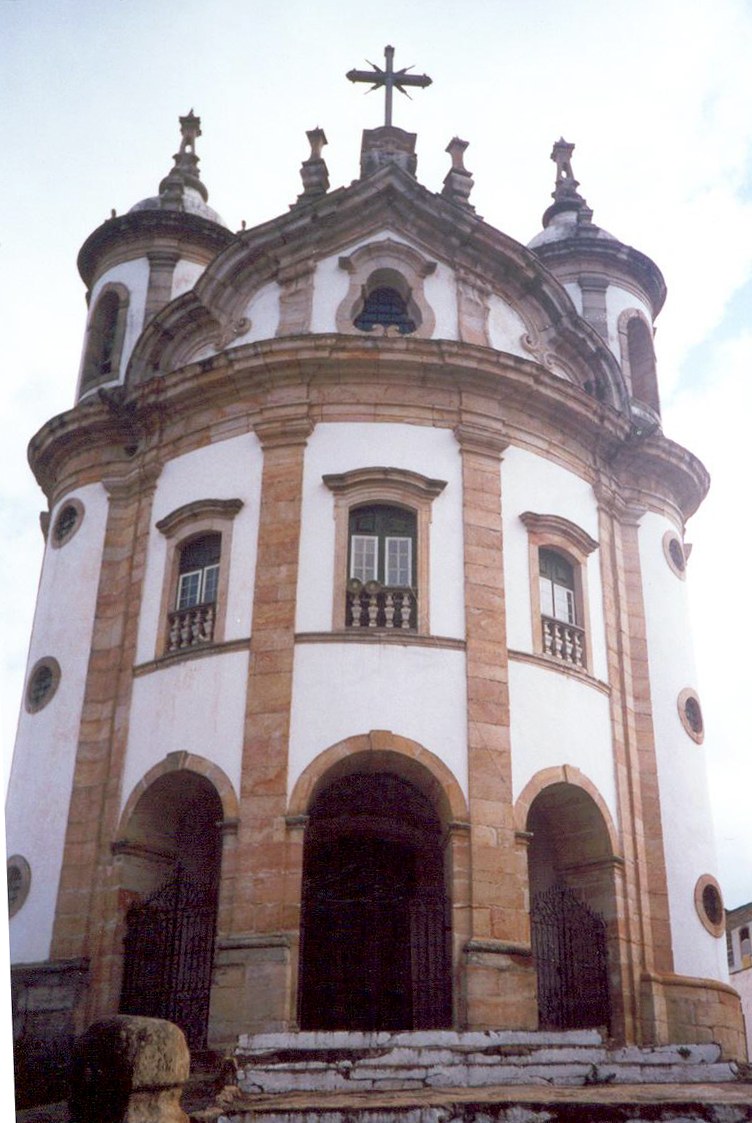
Brazil’s tourism ministry’s introduction to Ouro Preto highlights the Church of São Francisco de Assis, associated with Aleijadinho and the paintings of Mestre Ataíde. Make time to look carefully rather than moving straight from doorway to photograph.
Churches are places of worship as well as heritage attractions. Follow local directions on visiting, clothing and photography, and be prepared for access to change around religious use. Do not assume that one admission arrangement covers every church or museum in the town.
Read the town as a connected landscape
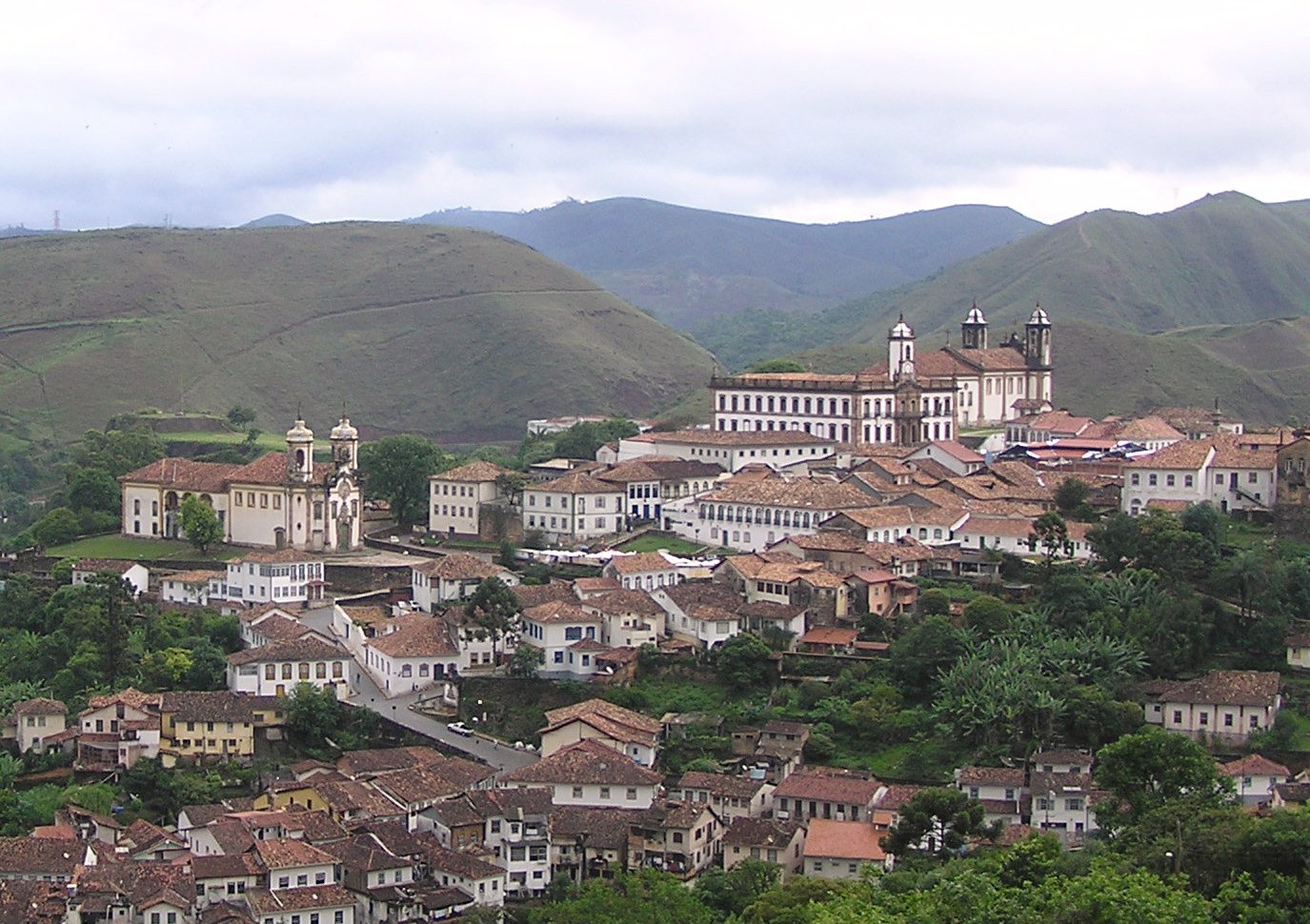
The streets between headline sights are part of the visit. Changes in level, views across roofs and the relationship between churches and residential buildings help explain the town’s structure. Choose pauses where you can observe without blocking a doorway or narrow pavement.
Gold-rush history should not be reduced to a story of wealth and beautiful craftsmanship. Ask how labour, colonial institutions and social hierarchy shaped what survives. Good interpretation makes room for difficult questions alongside admiration for artistic skill. A responsible guide can add far more than a list of dates.
Plan a stay that respects distance
Do not treat Ouro Preto as a nearby extension of every Brazilian destination. Brazil’s distances are substantial, and a workable route needs actual transfer planning. Our Rio de Janeiro guide, Copacabana Palace feature and Iguaçu Falls guide describe other, separate parts of a Brazilian journey, not local day trips.
For Ouro Preto itself, leave room for weather and rest rather than organising every hour around another interior. Two thoughtful visits, a proper lunch and a slow walk can reveal more than an exhausting circuit of unopened doors.
Before you go
Confirm the opening arrangements of the museum and church you most want to enter. Choose footwear for slopes and paving, not only for photographs. Keep the day’s route compact and seek historical interpretation that explains the society behind the architecture. Ouro Preto becomes more memorable when it is read, not merely collected.