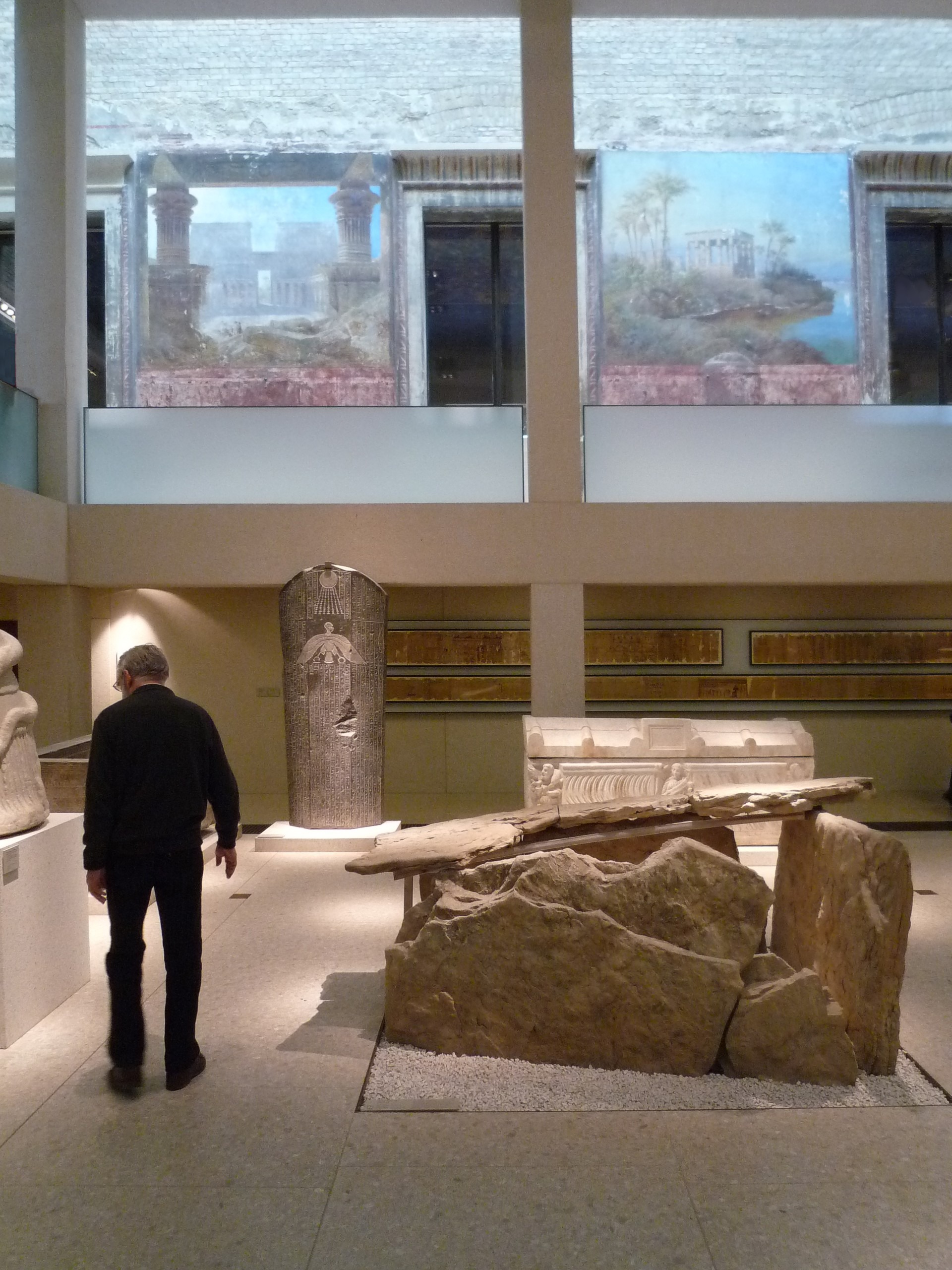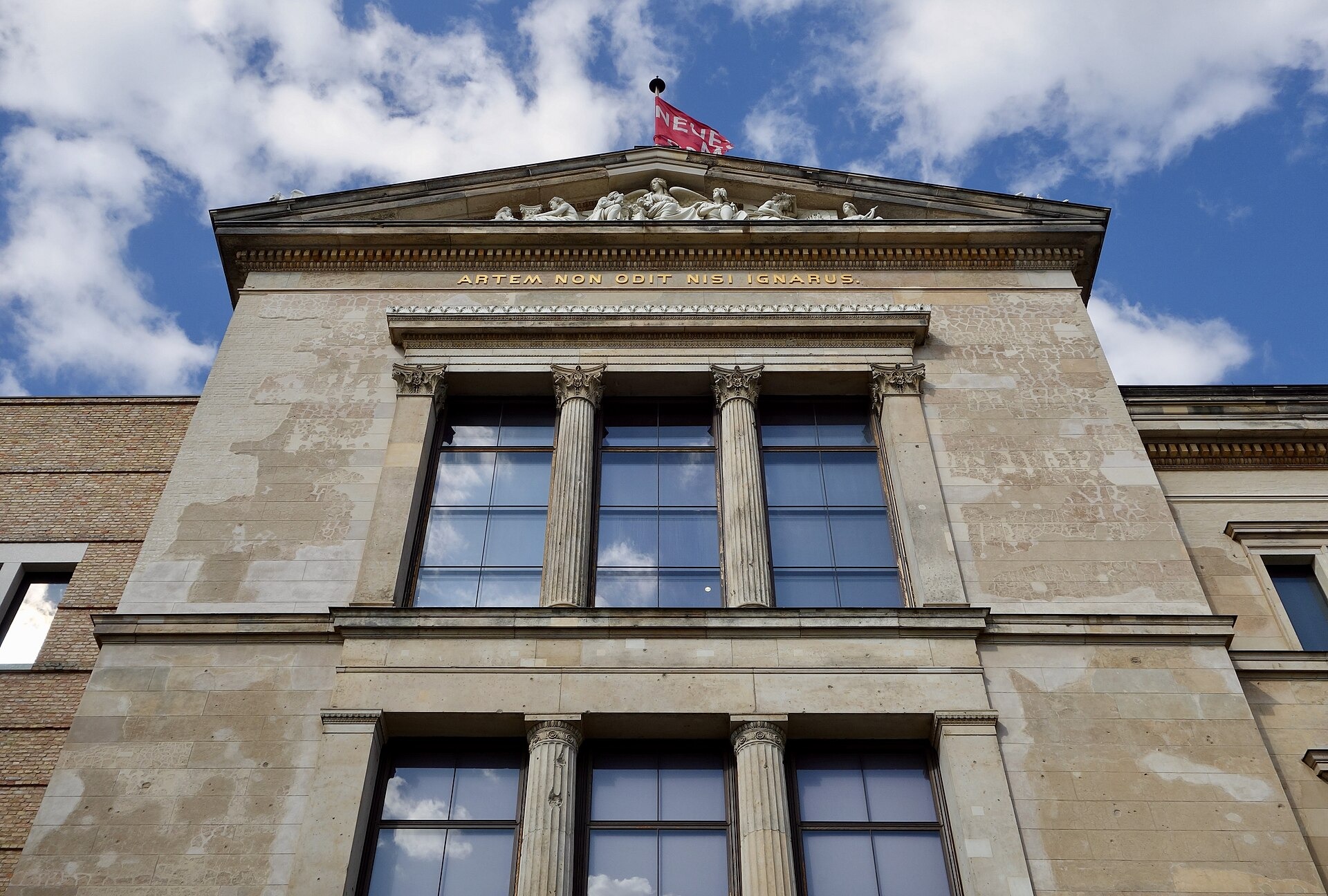
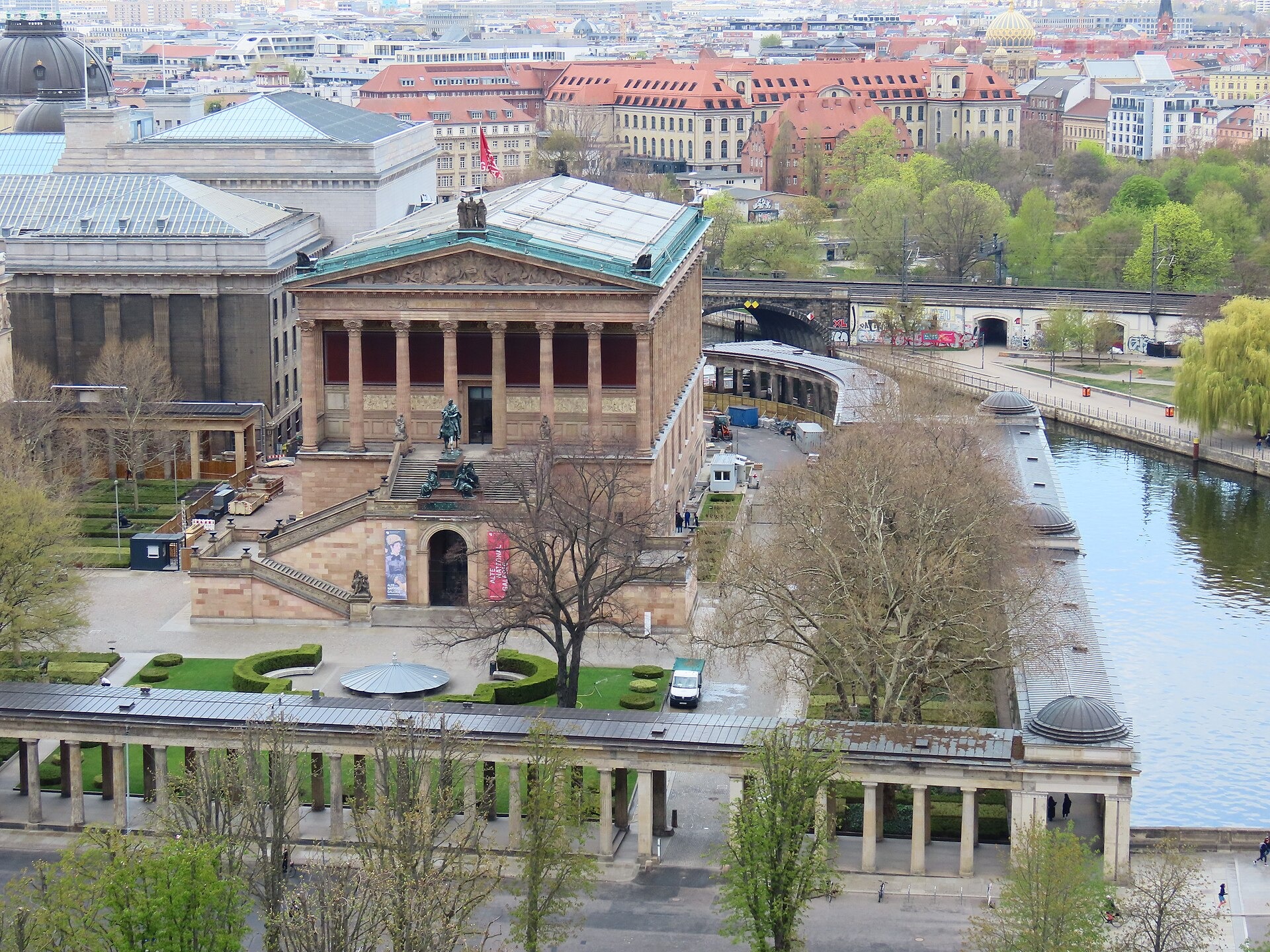
At Berlin’s Neues Museum, the building makes its argument before the collections do. Old masonry and new surfaces sit beside one another without pretending to belong to the same moment. This is a museum about what survives: ancient objects, certainly, but also the damaged nineteenth-century rooms in which they are shown. Nefertiti may be the name that brings visitors through the door. The encounter with the building gives them a reason to look up.

A museum that did not erase its past
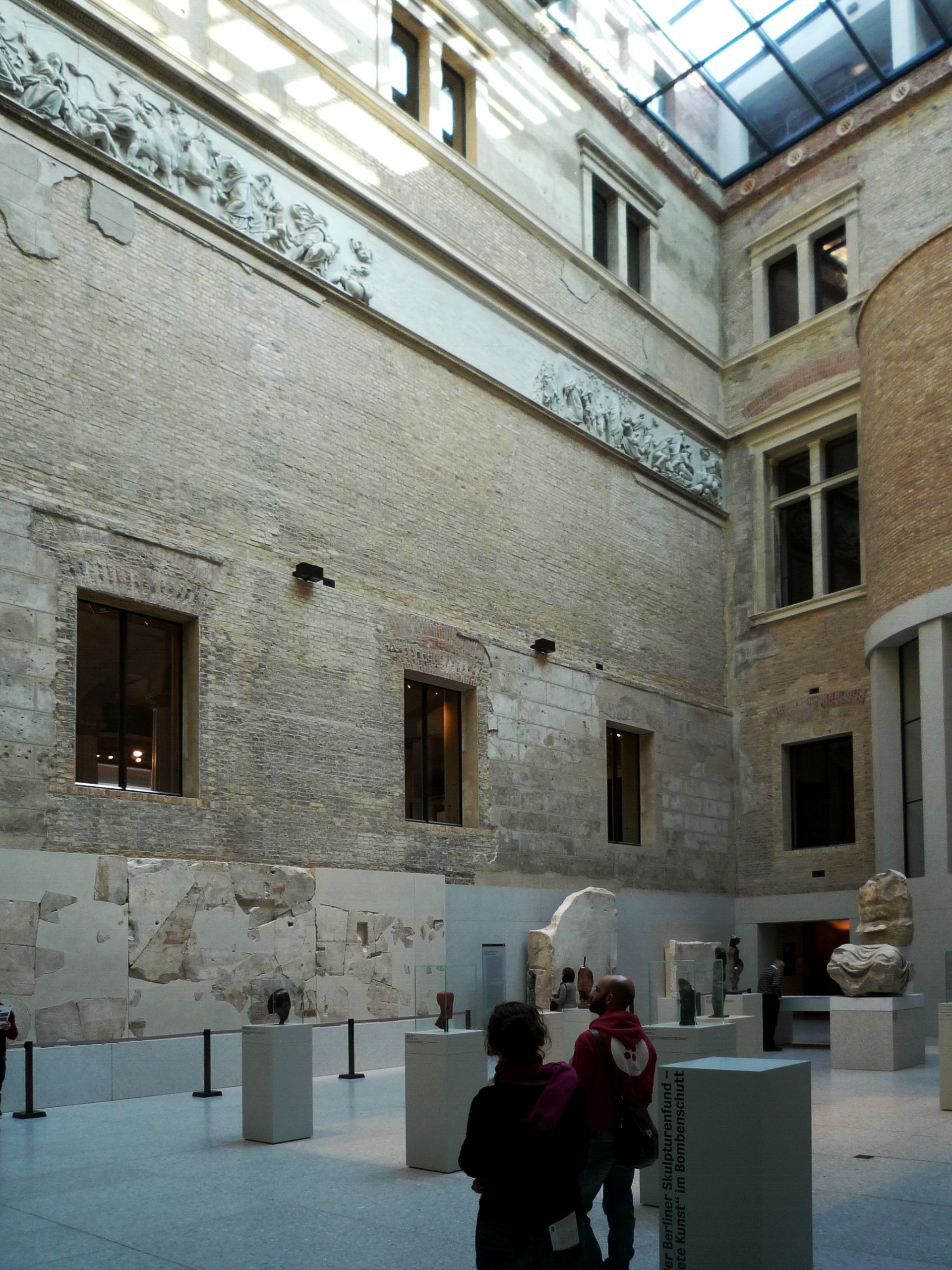
Designed by Friedrich August Stüler, the museum was badly damaged during the Second World War. It stood in a ruined state for decades before restoration returned it to public use in 2009. The museum’s own account of that recovery describes a deliberate decision to retain evidence of war rather than conceal it beneath a flawless replacement interior.

That decision becomes especially clear in the stair hall. David Chipperfield Architects’ restoration reinstated the staircase in a simplified form, using prefabricated concrete containing white cement and Saxonian marble chips. The surrounding brick volume remains stripped of its former ornament. New work restores the route through the building without passing itself off as an untouched inheritance.
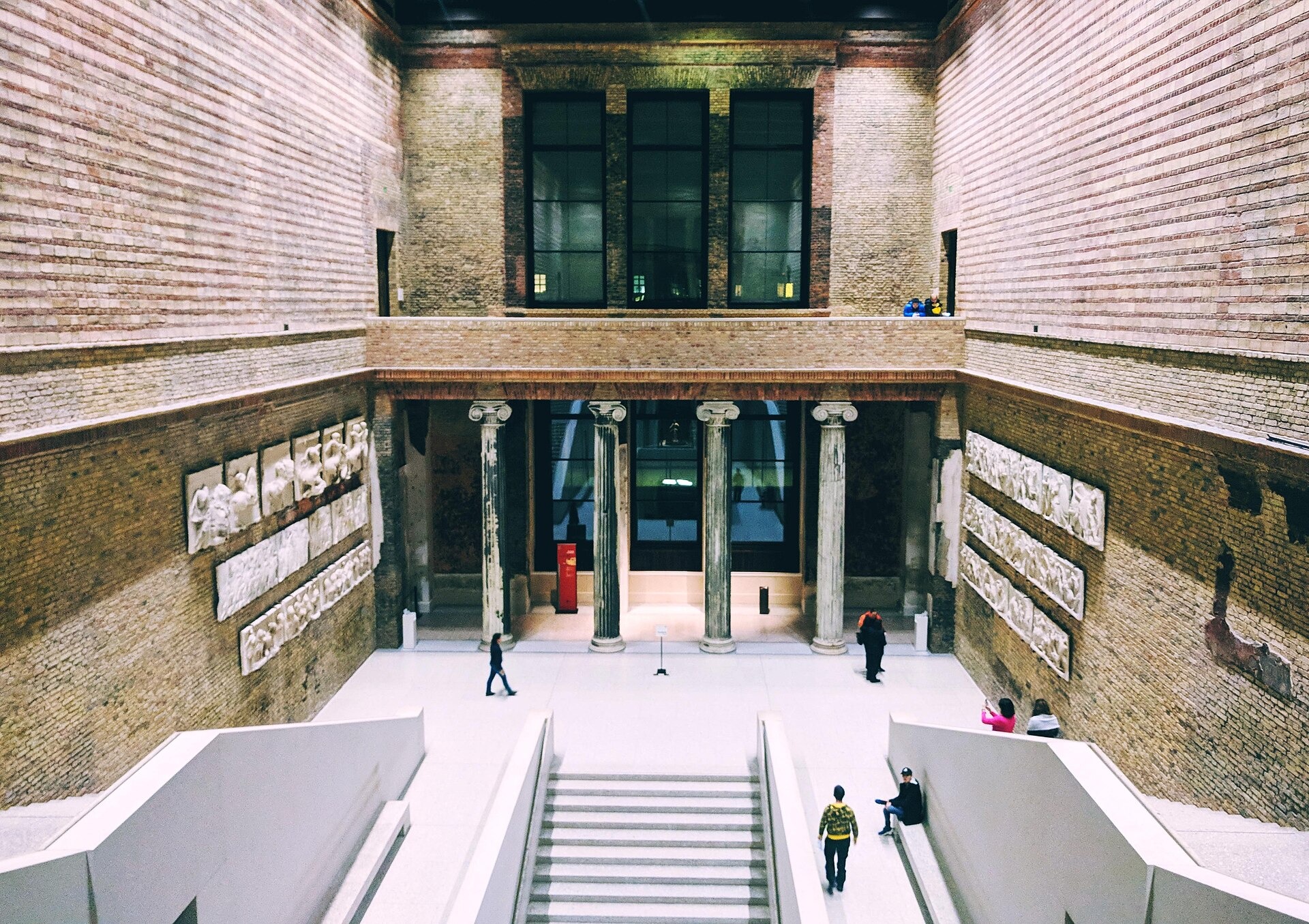

The result is more demanding, and more interesting, than a conventional period reconstruction. Visitors can read the junction between surviving fabric and intervention. The building asks the same question as the objects in its cases: how much of the past can be recovered, and how should the missing parts be acknowledged? That makes it a particularly revealing stop within Berlin’s wider cultural landscape.

Beyond the famous face
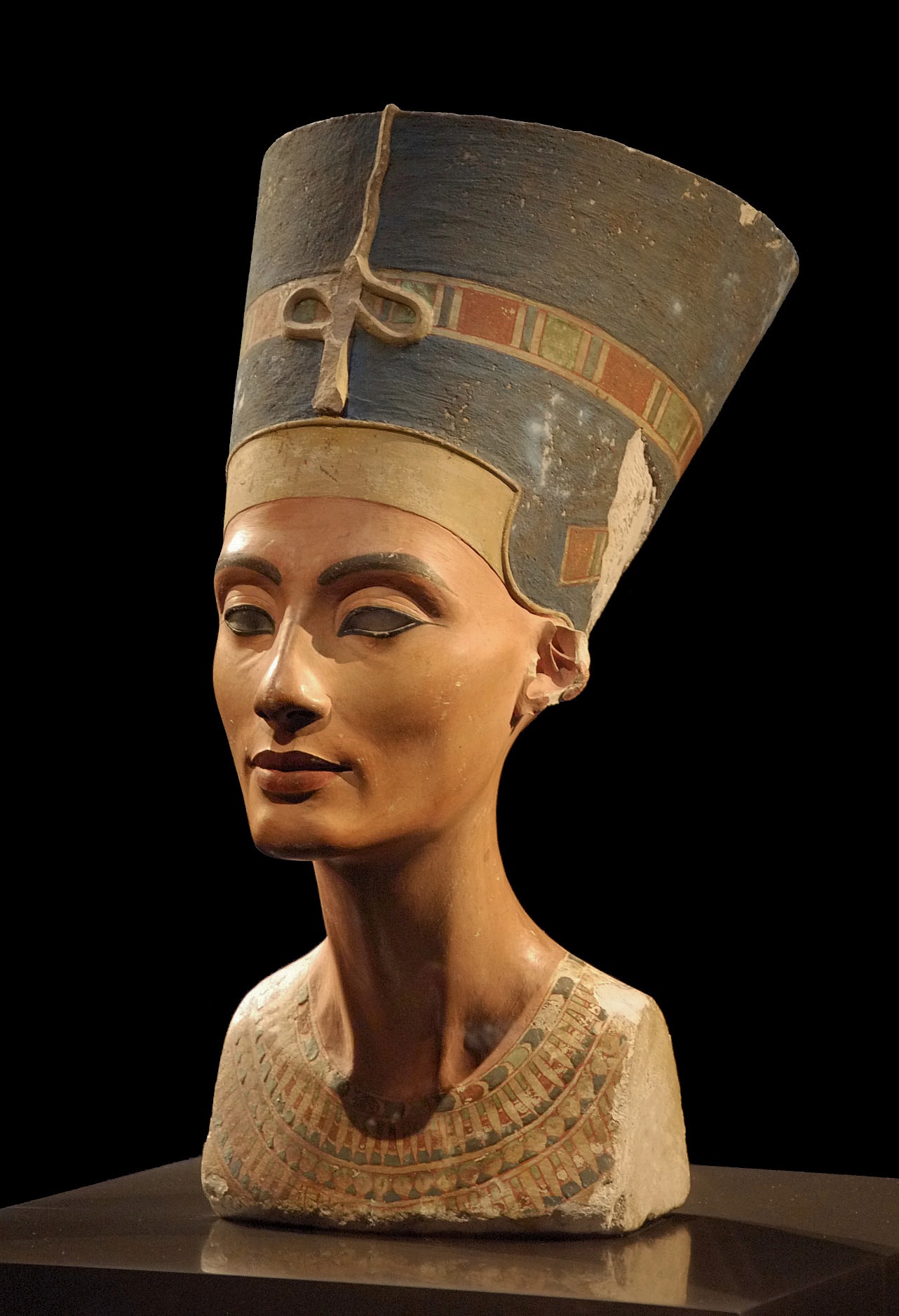
The painted bust of Nefertiti, dated by the museum to around 1340 BC, occupies the North Dome Room. Its fame can make the encounter feel prearranged: the recognisable profile, the tall crown, the expectation of a masterpiece. Yet seeing the object rather than its endlessly reproduced image brings attention back to the particularity of sculpture, to colour and the precision of a face.
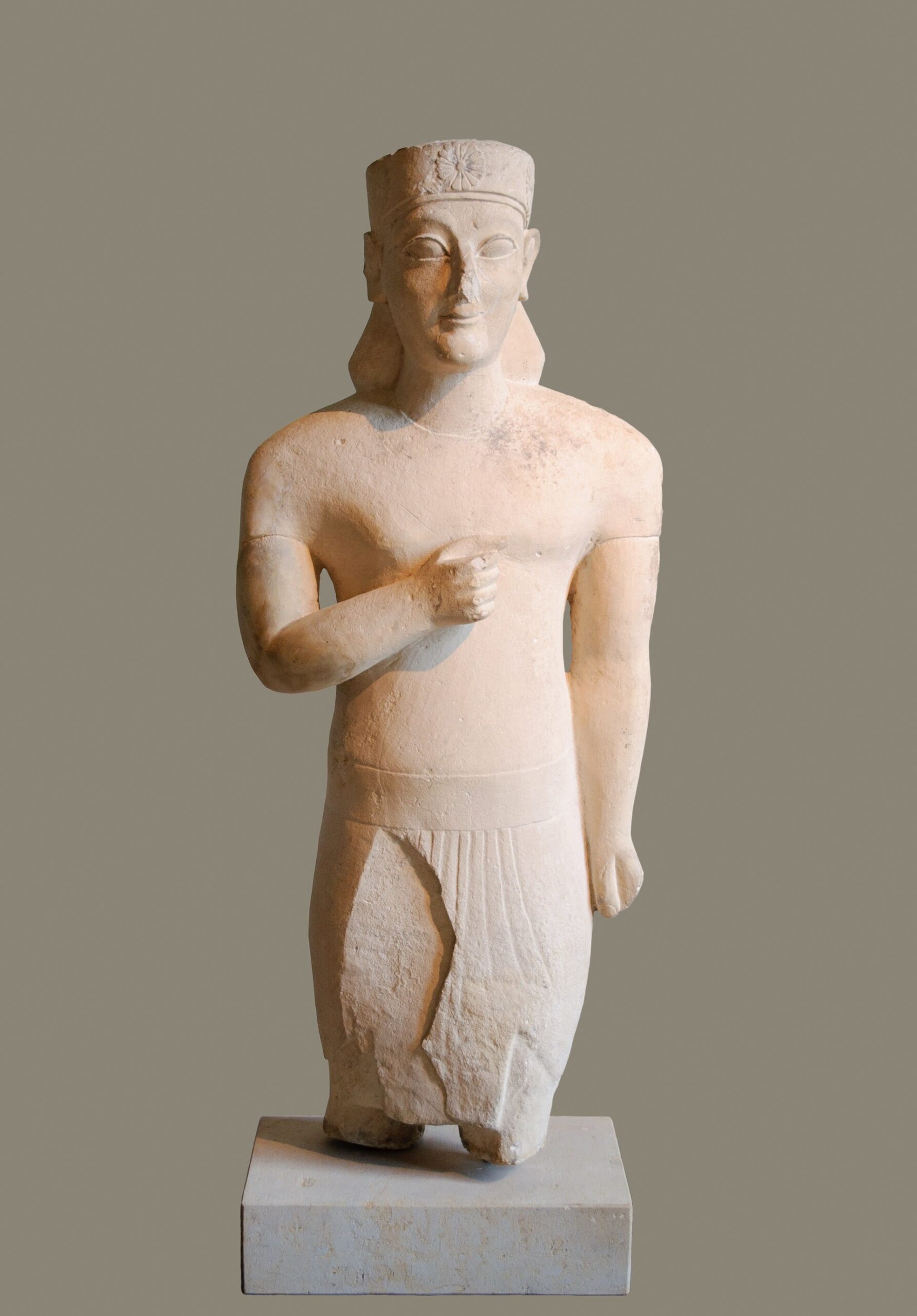

It is worth resisting the temptation to let that single room become the entire visit. The collections extend across Egyptian and Nubian cultures, European prehistory and classical antiquity. The Berlin Green Head offers another encounter with sculpted individuality. Offering chambers shift the emphasis towards tomb architecture, while papyri turn attention from the human image to the written word.
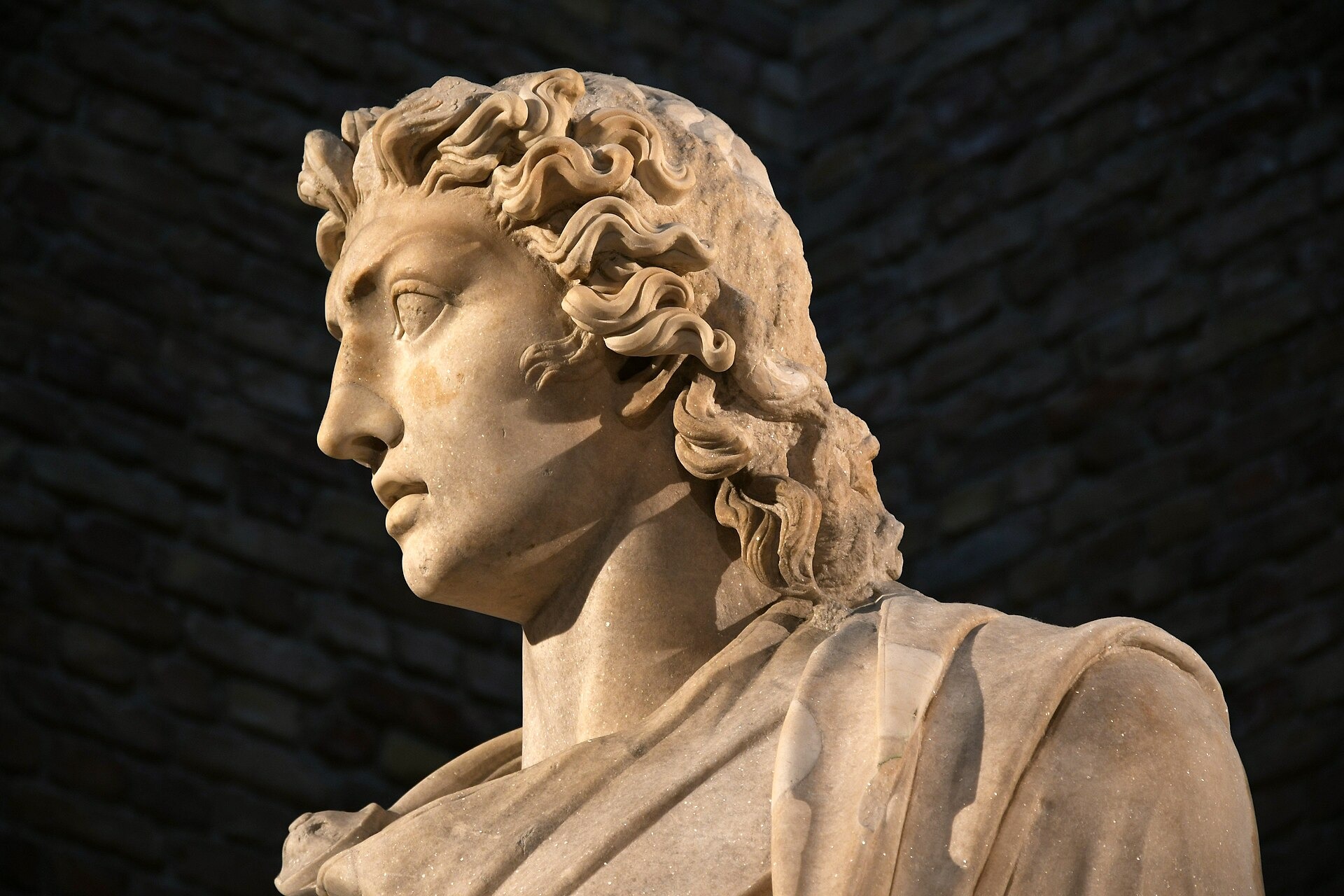
The museum also brings together material from the Museum of Prehistory and Early History and the Collection of Classical Antiquities. The Berlin Gold Hat belongs to a very different world from the Egyptian portraits. These changes in scale, material and purpose matter. They prevent the museum from becoming merely a procession of celebrated objects and invite the visitor to compare ways of making, remembering and representing human experience.

The pleasure of looking between objects
Here, the spaces between displays deserve attention too. A doorway frames the next room; a fragment of decoration interrupts a modern surface; a courtyard changes the light. The museum’s architectural restraint lets these contrasts remain visible. For travellers drawn to the relationship between a collection and its setting, it offers an illuminating counterpoint to the richly ornamented surroundings of Vienna’s Kunsthistorisches Museum and the domestic scale of Thorvaldsens Museum in Copenhagen.

The official Berlin tourism website places the museum within Museum Island, but proximity should not become an invitation to rush. A quieter, more selective visit allows the collection and the restoration to register together. Leave room to return to something that caught the eye rather than measuring success by the number of galleries passed.
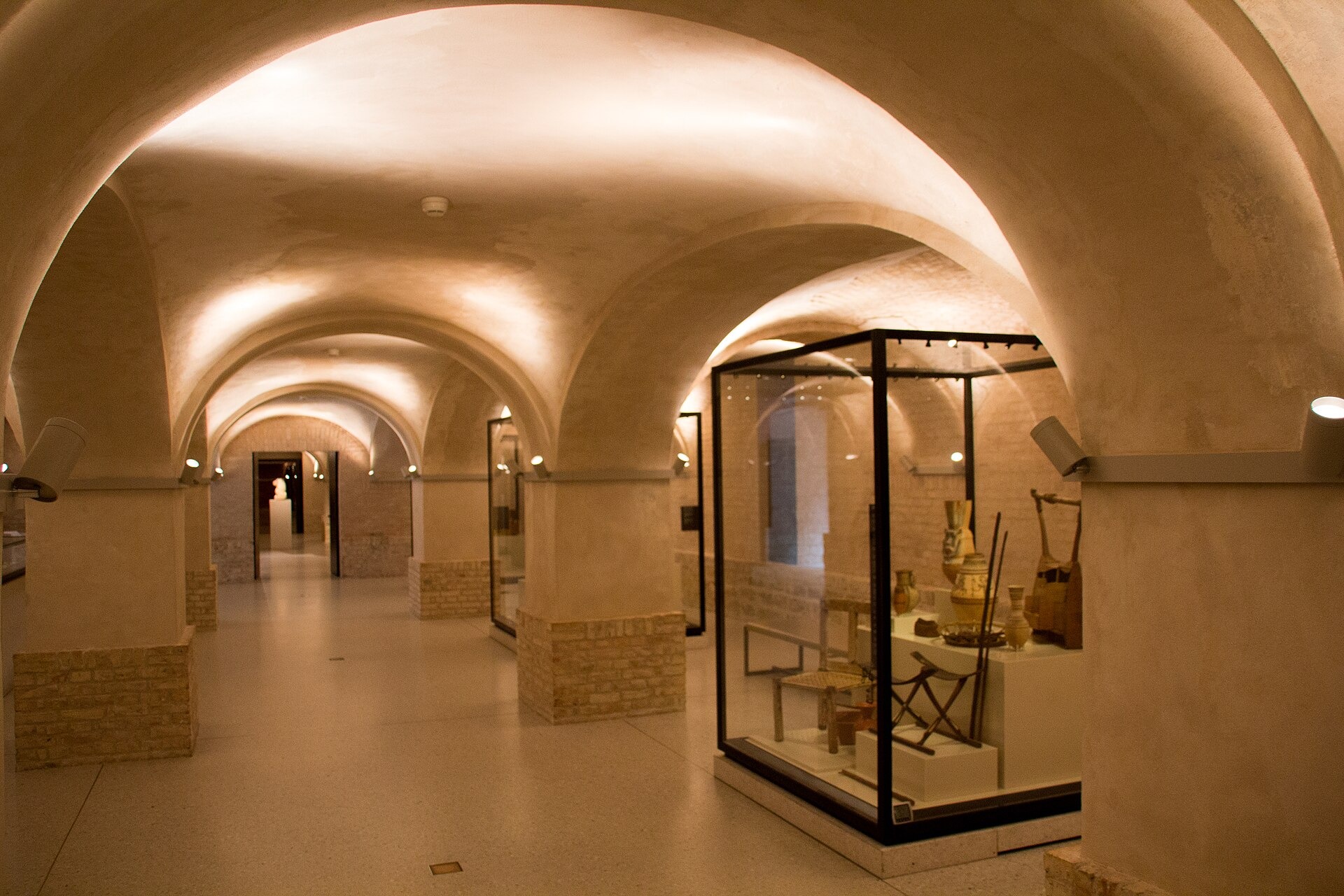

There is one practical point to check before travelling. At the time of this article’s preparation on 11 November 2026, the museum’s official website warned that broken lifts made some areas accessible only by stairs. Visitors who need step-free access should confirm the current situation directly before booking. Opening times, admission arrangements and temporary restrictions should likewise be checked with the museum rather than assumed from an older itinerary.
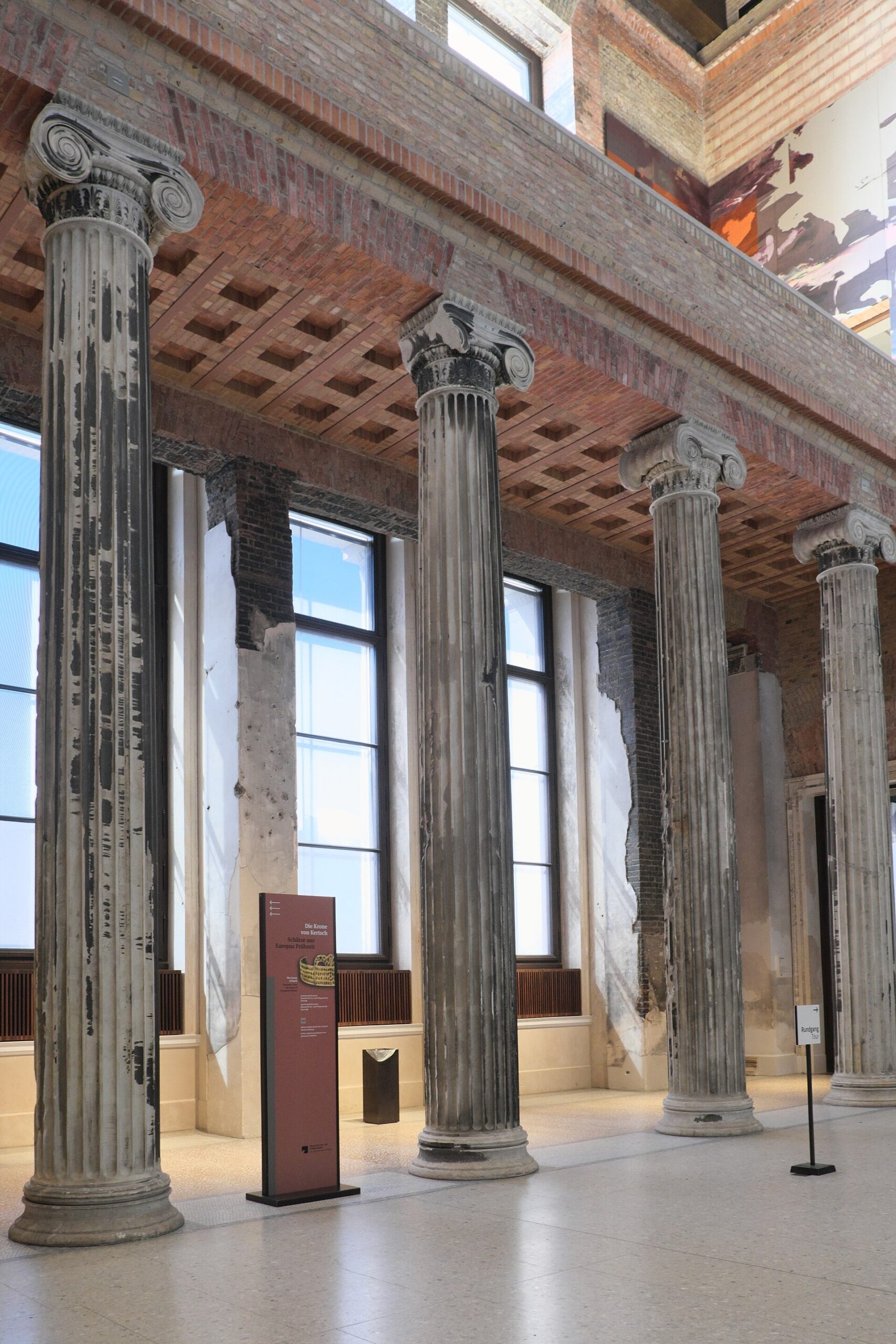

The Neues Museum rewards that kind of attention. Its most enduring impression is not simply that important things have survived. It is that survival has a visible history, and that a museum can make room for the breaks as well as the beauty.