
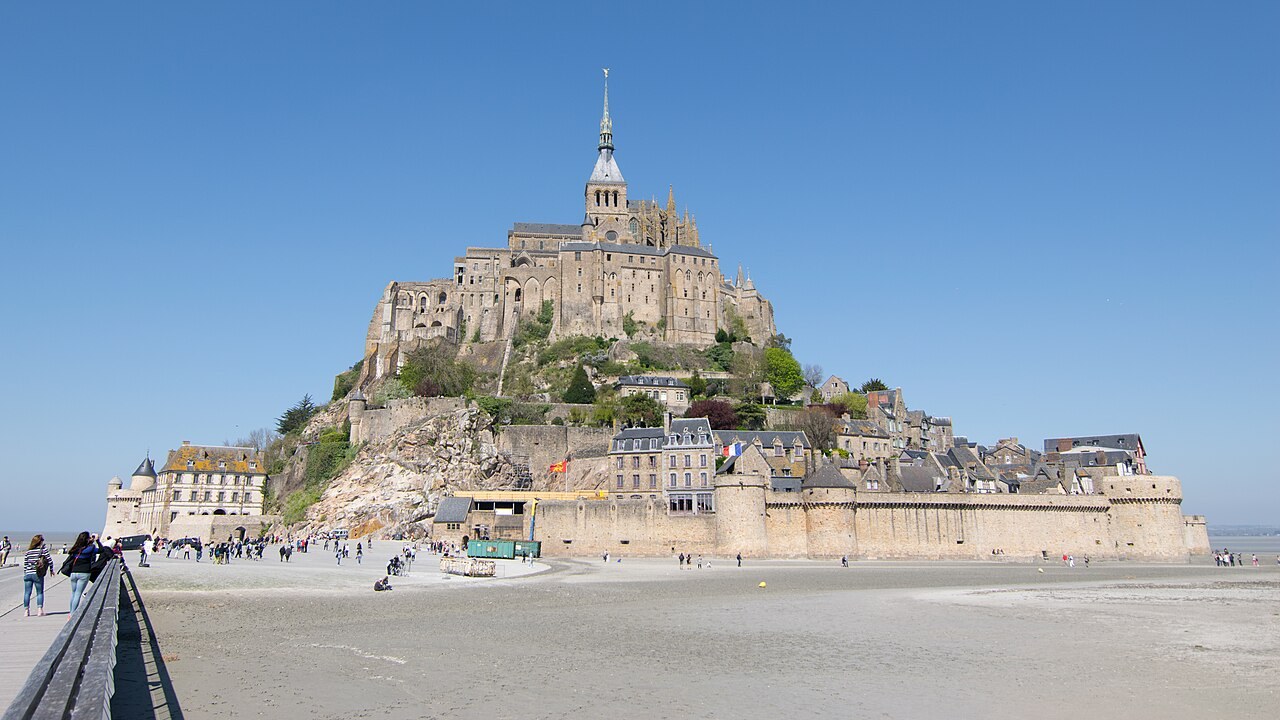
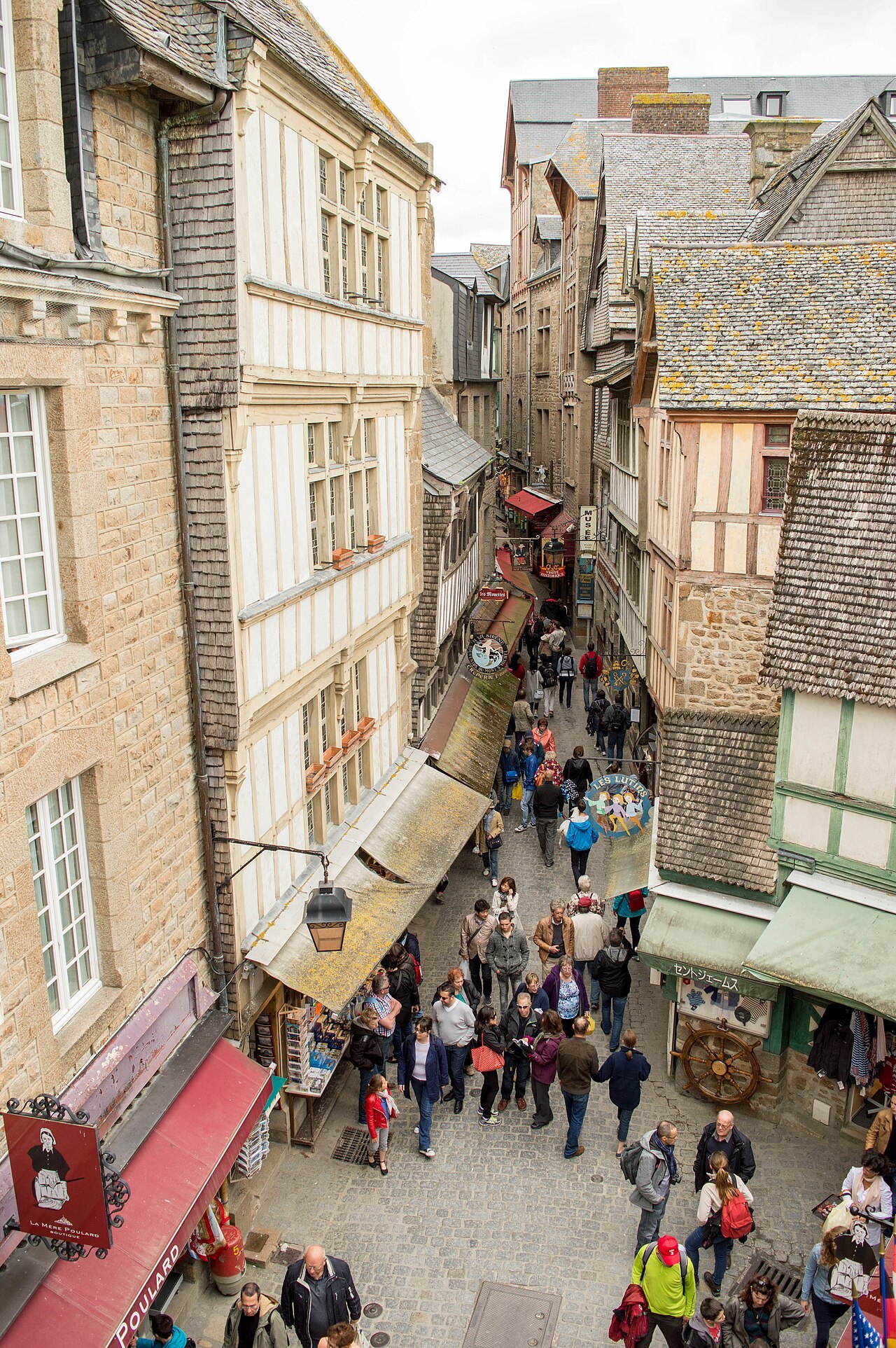
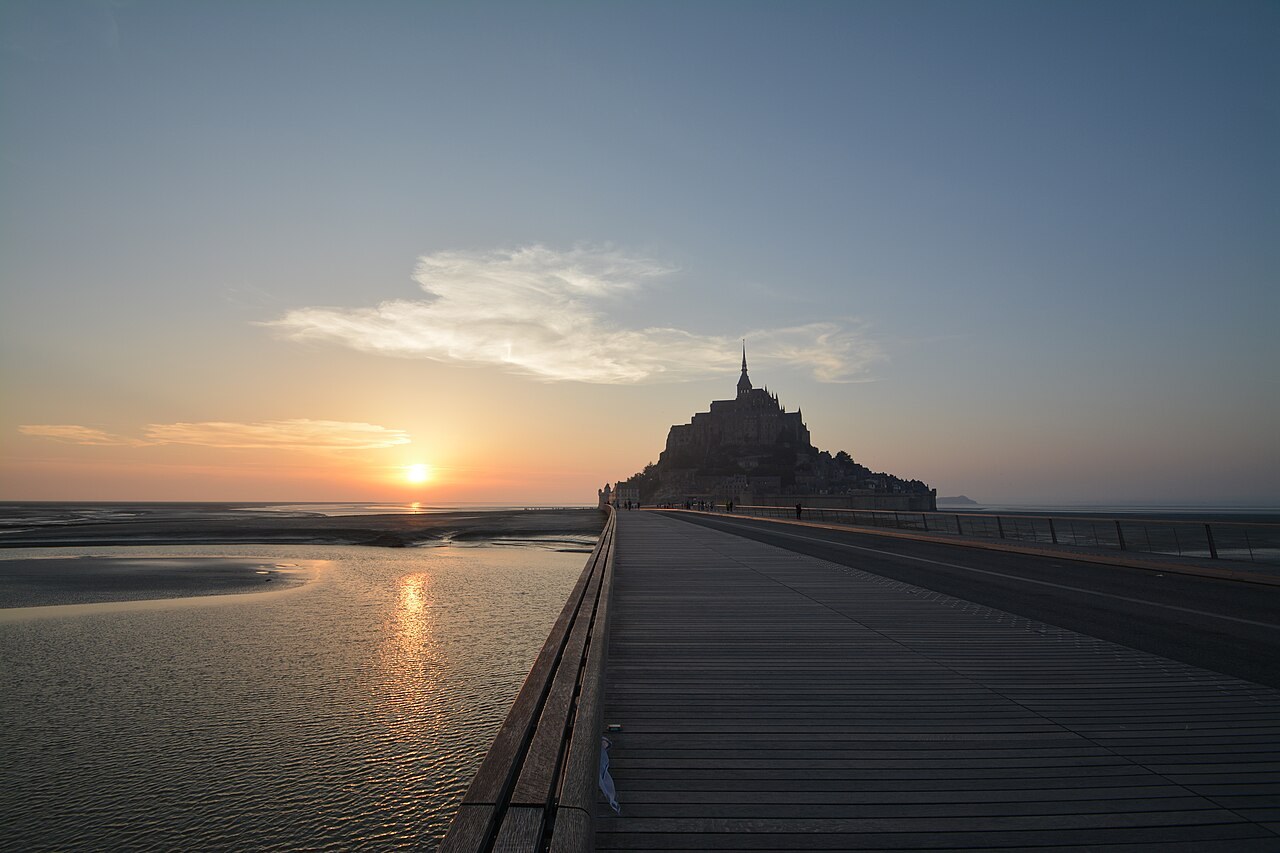
Mont-Saint-Michel is most striking before you reach its gate. From the approach, the village and abbey rise as one steep silhouette above a broad, changeable bay. Once inside, that distant shape breaks into narrow streets, stairways, stone walls and views caught between buildings. A satisfying visit needs time for both perspectives.
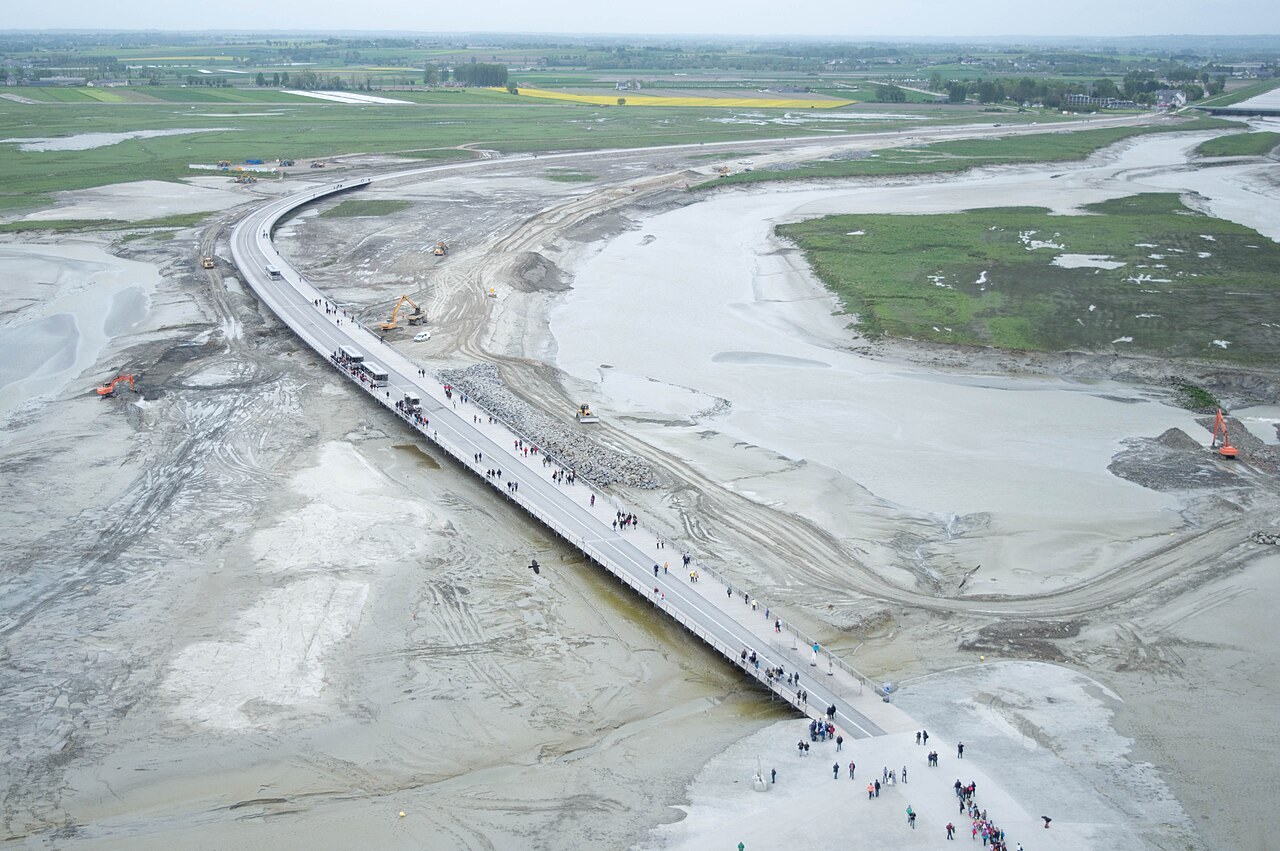

The essential distinction is simple: the village and the abbey are separate visits. The village is freely accessible, while the abbey has its own admission, hours and entrance arrangements. Plan those details first, then leave room to walk rather than spending the whole day moving towards the next booked moment.

The abbey above the village
The UNESCO-listed Mont-Saint-Michel and its Bay brings together a religious monument, a fortified settlement and a tidal landscape. The abbey’s position is inseparable from its architecture: rooms and supporting structures climb around the rock, solving practical problems that become part of the visual experience.
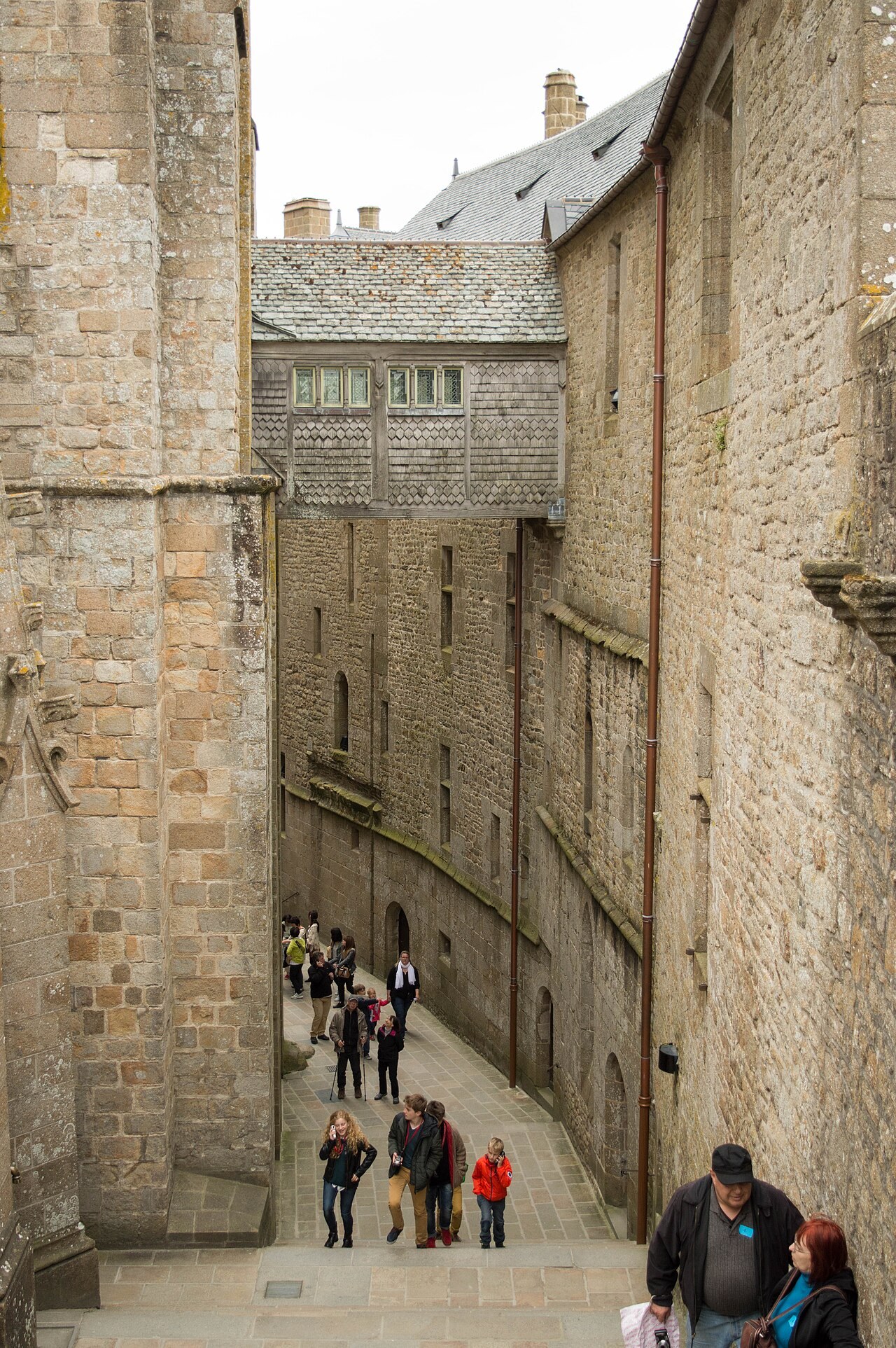

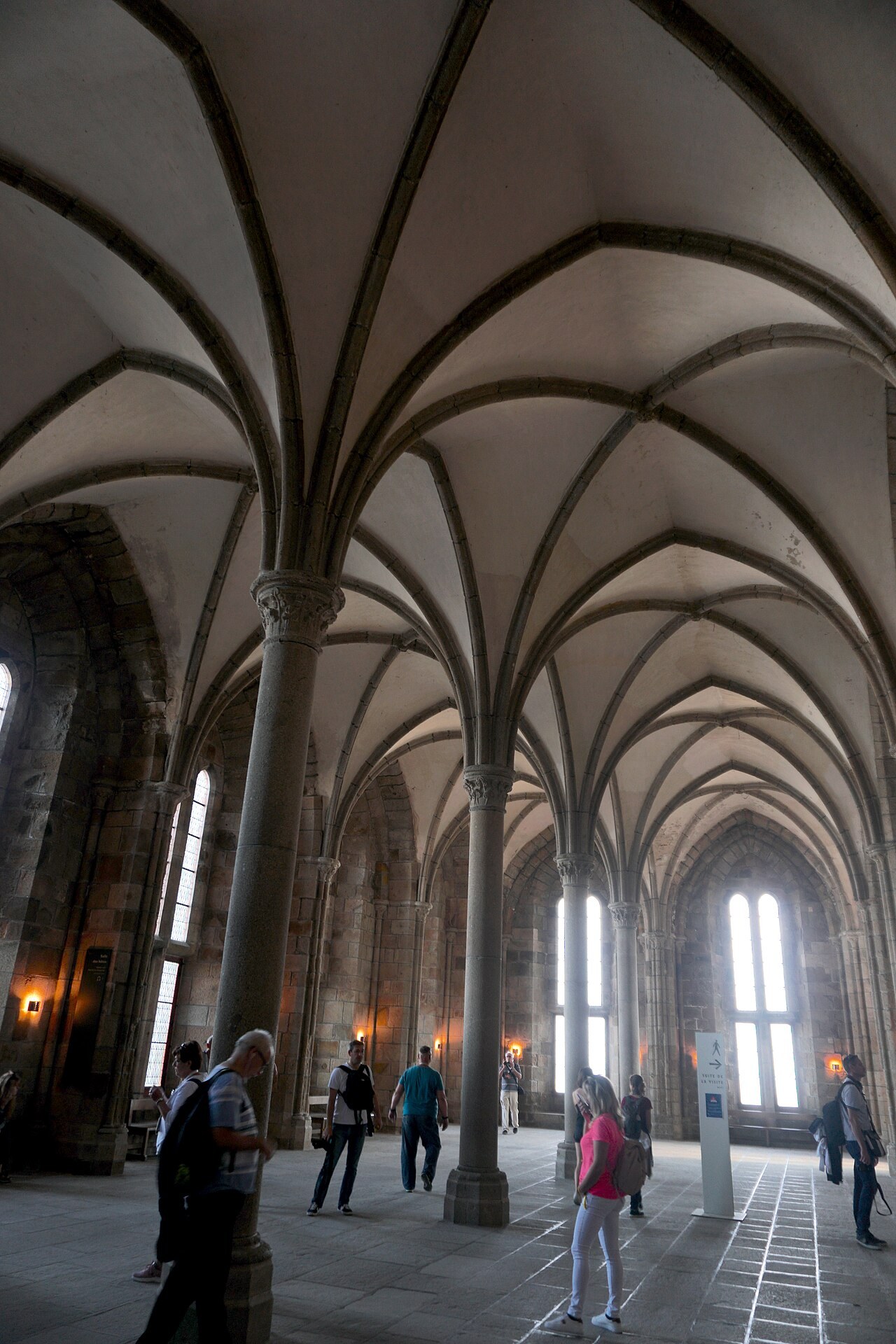
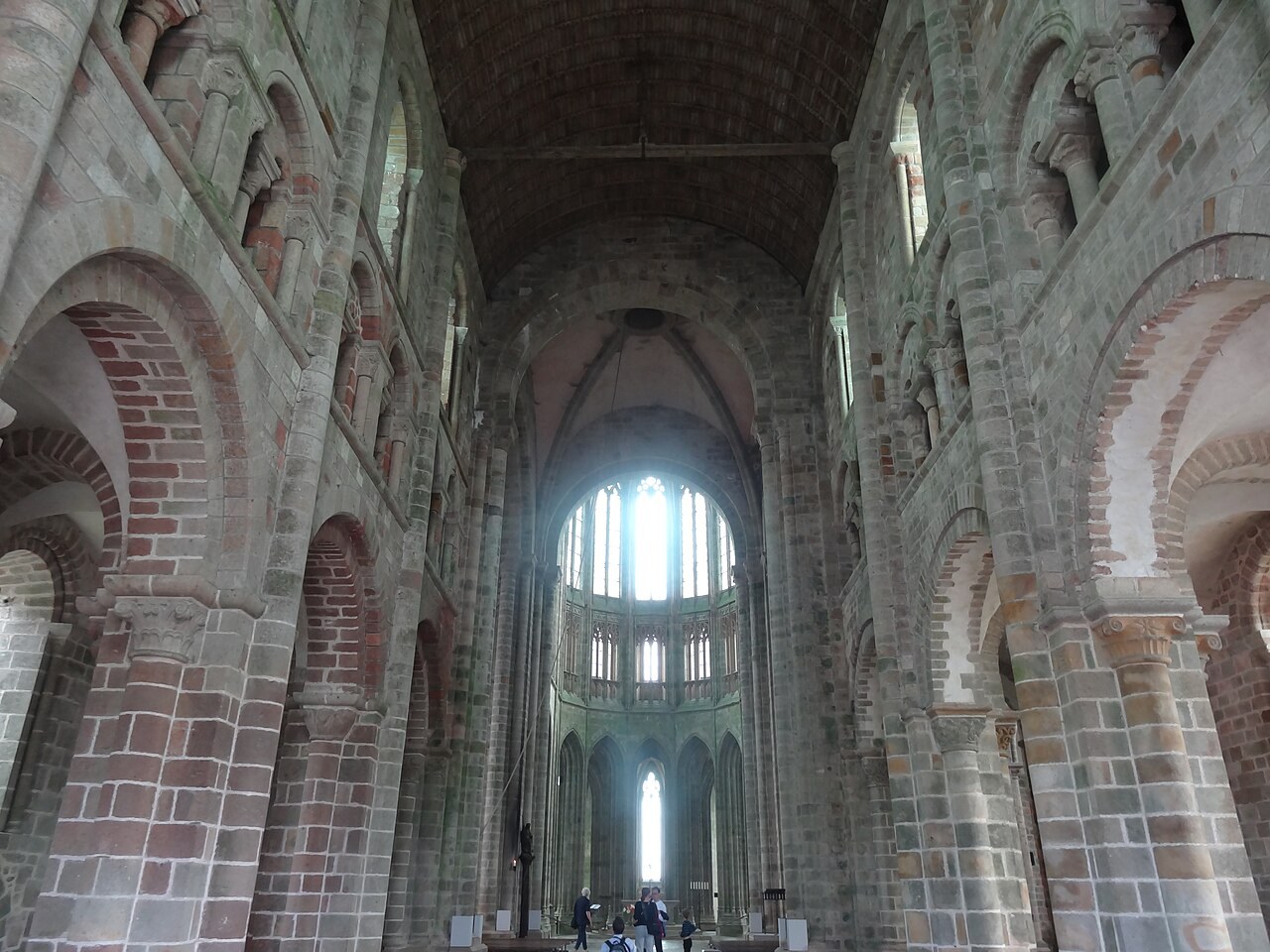
Inside, look for changes in scale and light. The church, cloister and great communal spaces do different things with the limited ground available. A room that feels heavy and enclosed may be followed by a much lighter space. Those contrasts are a reason to slow down, especially after the busy climb through the village.
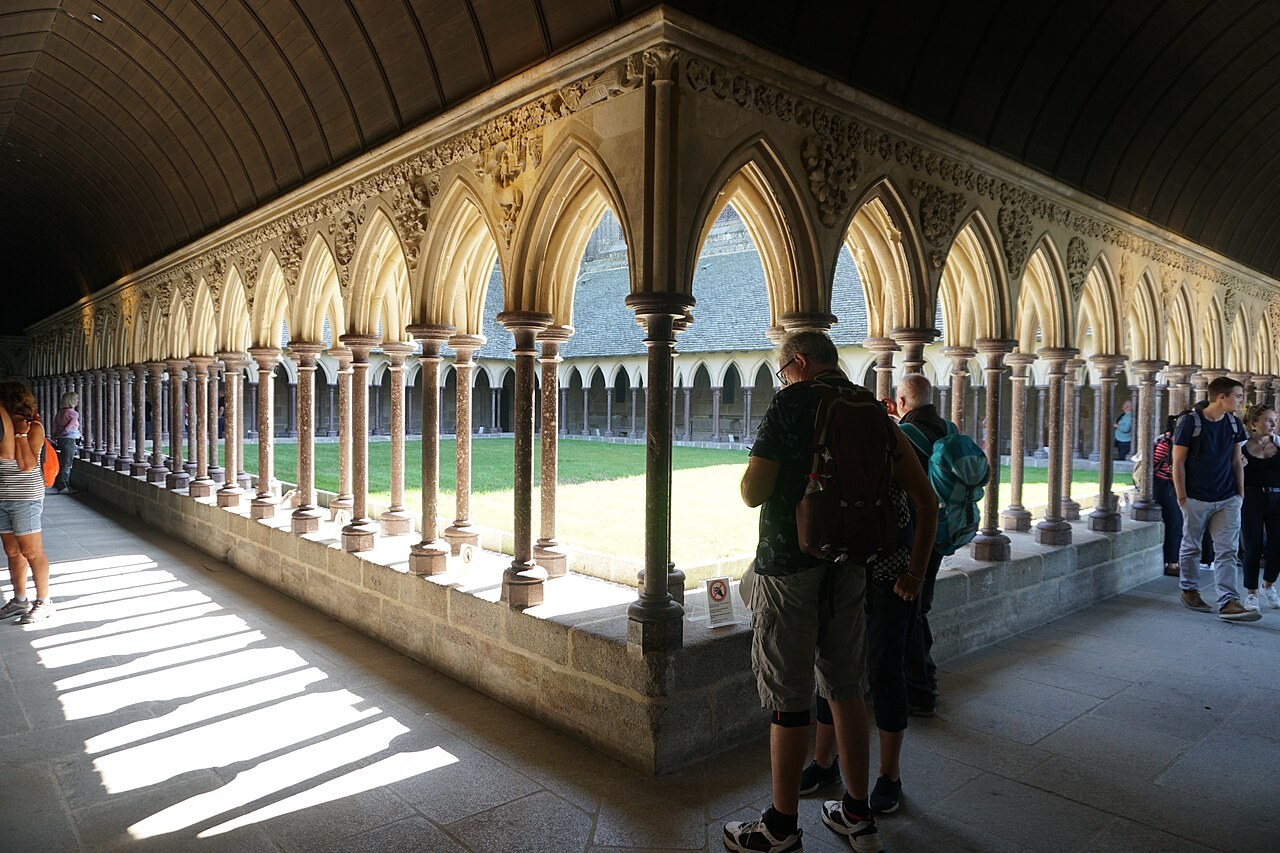

Allow roughly an hour and a half for the abbey as a planning guide, with longer if you enjoy architectural detail. The official visit options distinguish the regular route from guided experiences. Do not assume that a special space mentioned in a tour description is included with every ticket.

Tickets and the climb
Check the abbey’s practical information for your date. In the current winter schedule, from September to April, regular opening is 9.30am to 6pm, with last admission an hour before closing. Annual closure days include 1 January, 1 May and 25 December. Seasonal prices and concessions should be checked when booking, rather than taken from an old travel review.

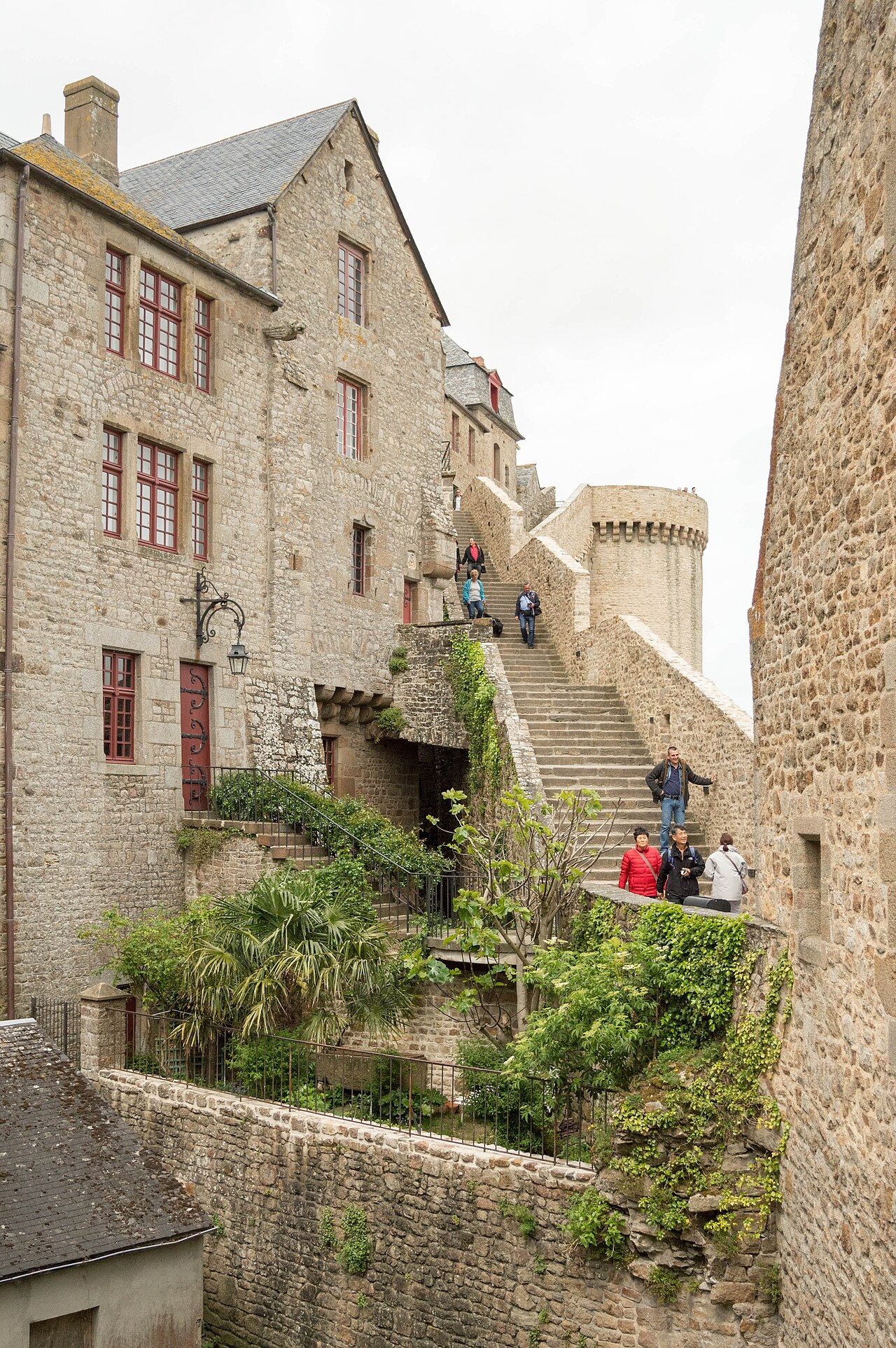
The ascent is a real part of the visit. There are numerous steps, uneven surfaces and slopes, so wear footwear that grips and leave enough time to stop. The tourist office estimates about 350 steps through the usual village-and-abbey route. If mobility is a concern, consult the accessibility guidance before reserving; a shuttle to the Mont does not remove the climb inside it.
With children, keep the first promise manageable: an abbey visit and a walk, rather than every museum, viewpoint and shop. A short pause outside the busiest stretch of the main street can restore everyone’s attention. The monument is more rewarding when the group still has energy on reaching the upper rooms.

Getting from the mainland to the gate
Cars remain on the mainland. From the visitor parking area, the dedicated shuttle and walking approach lead towards the Mont. The tourist office’s arrival advice puts the walk from the car park at around 40 minutes. Add time for parking, orientation, photographs and any queue instead of treating the abbey ticket time as the moment to arrive in the car park.
Walking gives the silhouette time to change as you approach. In poor weather, the shuttle may be the more comfortable choice. Either way, carry a layer for wind and keep essentials easy to reach. A heavy bag becomes less appealing once the village stairs begin.
For an extended trip through northern France, our northern France road-trip guide offers further coastal and cultural stops. They belong to a longer route, not a collection of day trips from the Mont. Keep driving days separate from days intended for careful visits.
Plan around the tides, safely
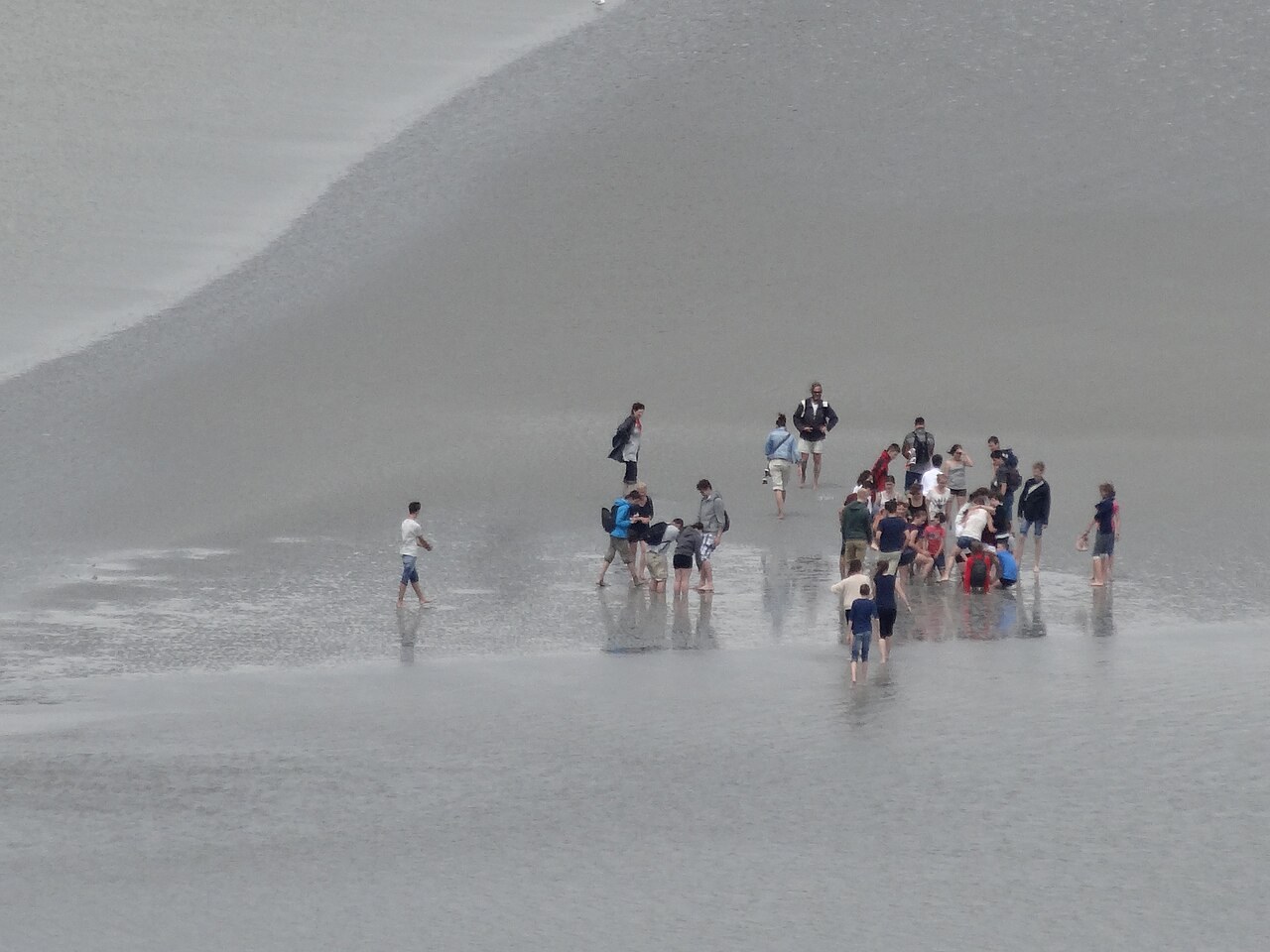
The bay is not a fixed backdrop. At some high tides, water briefly covers the entrance esplanade, interrupting access. Check the local tide timetable and access advice before choosing your arrival and departure times. The dates with the most dramatic tides can also attract more visitors.
Do not venture onto the tidal flats independently. Rapidly changing water, channels and unstable sand make the bay a place for an experienced local guide. Choose a guided outing suited to your fitness and follow its clothing and meeting instructions. Viewing the tide from an authorised, safe position is a worthwhile alternative if a crossing does not suit your group.

A day trip or an overnight stay?
A day is enough for the abbey, village and approach if transport is well organised. An overnight nearby gives more freedom to see the silhouette in changing light and avoid making every decision around the journey home. Staying within the village brings atmosphere, but luggage, steps and access arrangements deserve particular attention.
Give the village a second walk after the abbey. Look away from the souvenir displays towards the walls, roofs and the bay beyond. Travellers who enjoy seeing monumental architecture in a lived-in town may also appreciate Amiens and its cathedral. For a broader museum-led French journey, Narbonne’s Roman collections provide a different chapter, best planned as a separate regional stay.
The most useful thing to bring to Mont-Saint-Michel is time: enough for the approach, the climb, the abbey and a pause looking back across the bay. A carefully chosen ticket gets you inside; leaving space around it makes the visit memorable.

Featured photograph: Antoine Lamielle, CC BY-SA 4.0. Resized and JPEG recompressed; uncropped.
