
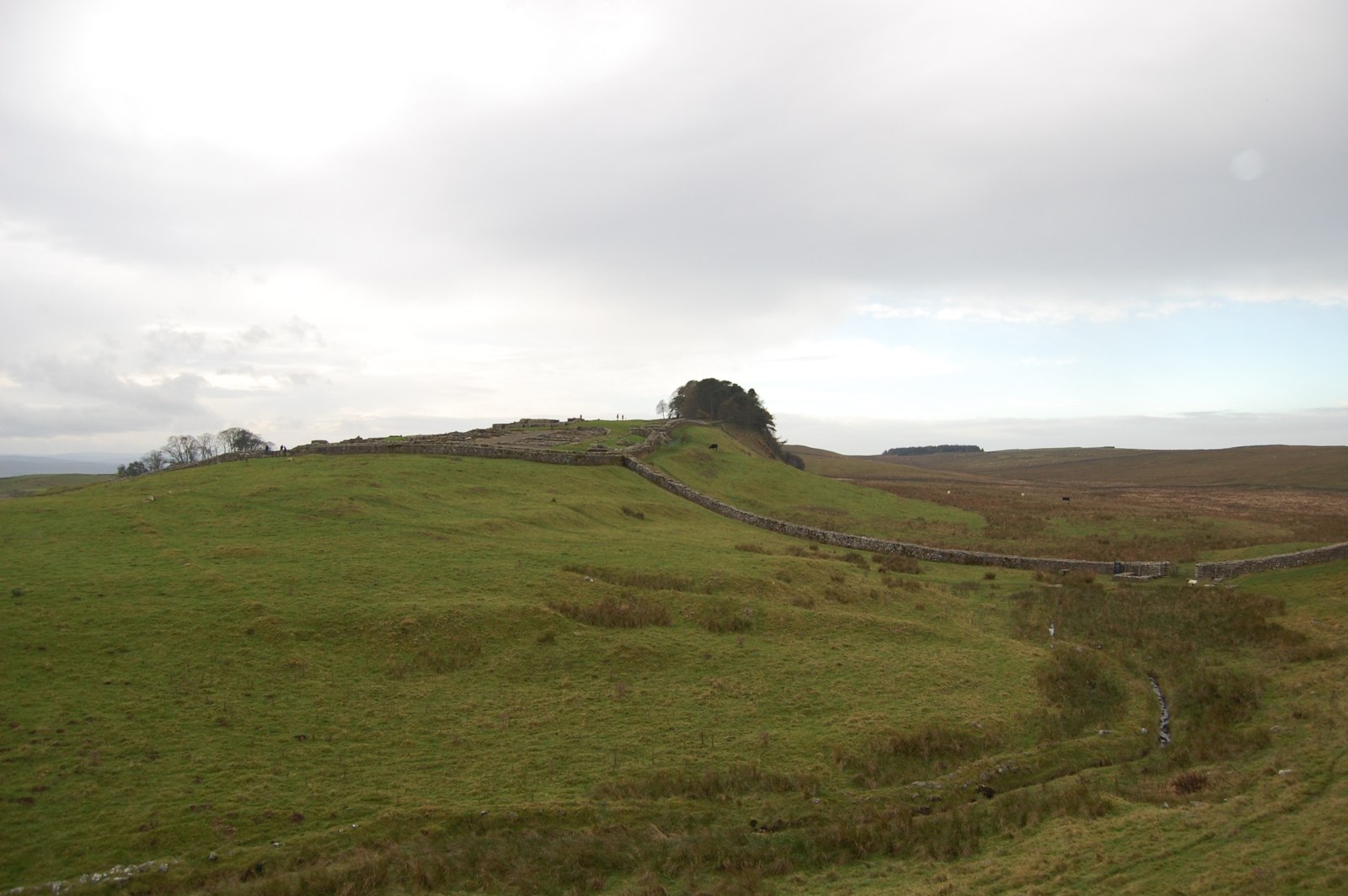
Housesteads Roman Fort makes Hadrian’s Wall feel like a lived-in frontier rather than a line on a map. High on Northumberland’s Whin Sill escarpment, the remains of barracks, granaries and communal facilities sit within a landscape that still gives the site its force. Come for the archaeology, but plan for an outdoor walk as well as a museum visit.
The most useful approach is to give the fort a substantial part of the day and keep any longer wall walk optional. Wind, rain and the uphill approach can change the pace, particularly if you are travelling with children or anyone with limited mobility.
Understand the fort before walking the ruins
Housesteads was part of Rome’s northern frontier in Britain. By the end of Hadrian’s reign, in AD 138, it was one of fifteen forts along the Wall. The layout you see today is the result of several periods of occupation and rebuilding, not a single moment preserved intact. The official history of Housesteads provides a useful introduction.
Start by identifying the outline of the fort, then look for the relationship between its principal buildings and the surrounding terrain. A low foundation becomes more interesting when you imagine the repeated routines it supported: sleeping, storing provisions, maintaining equipment and moving between duties.
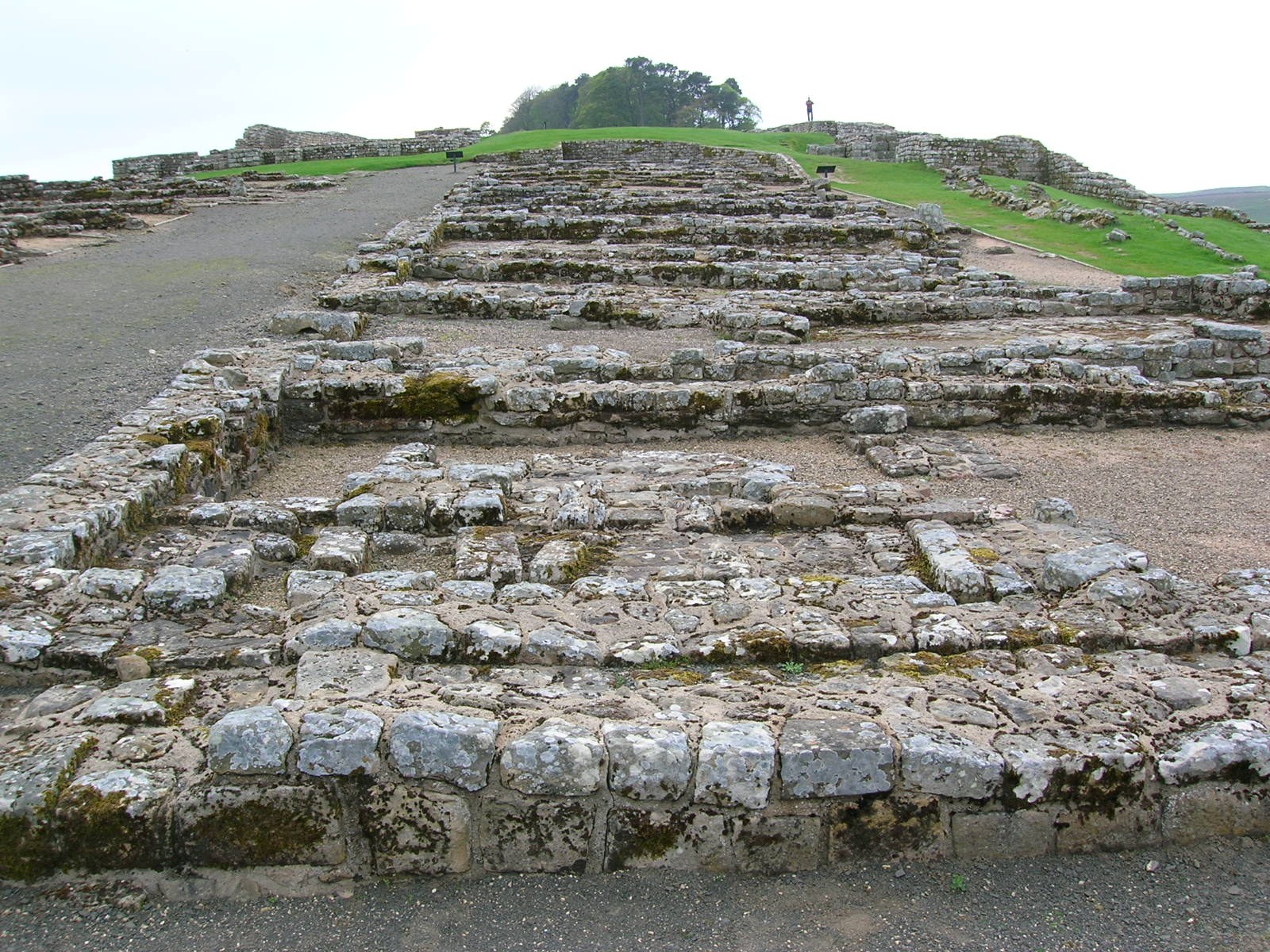
Look closely at everyday Roman life
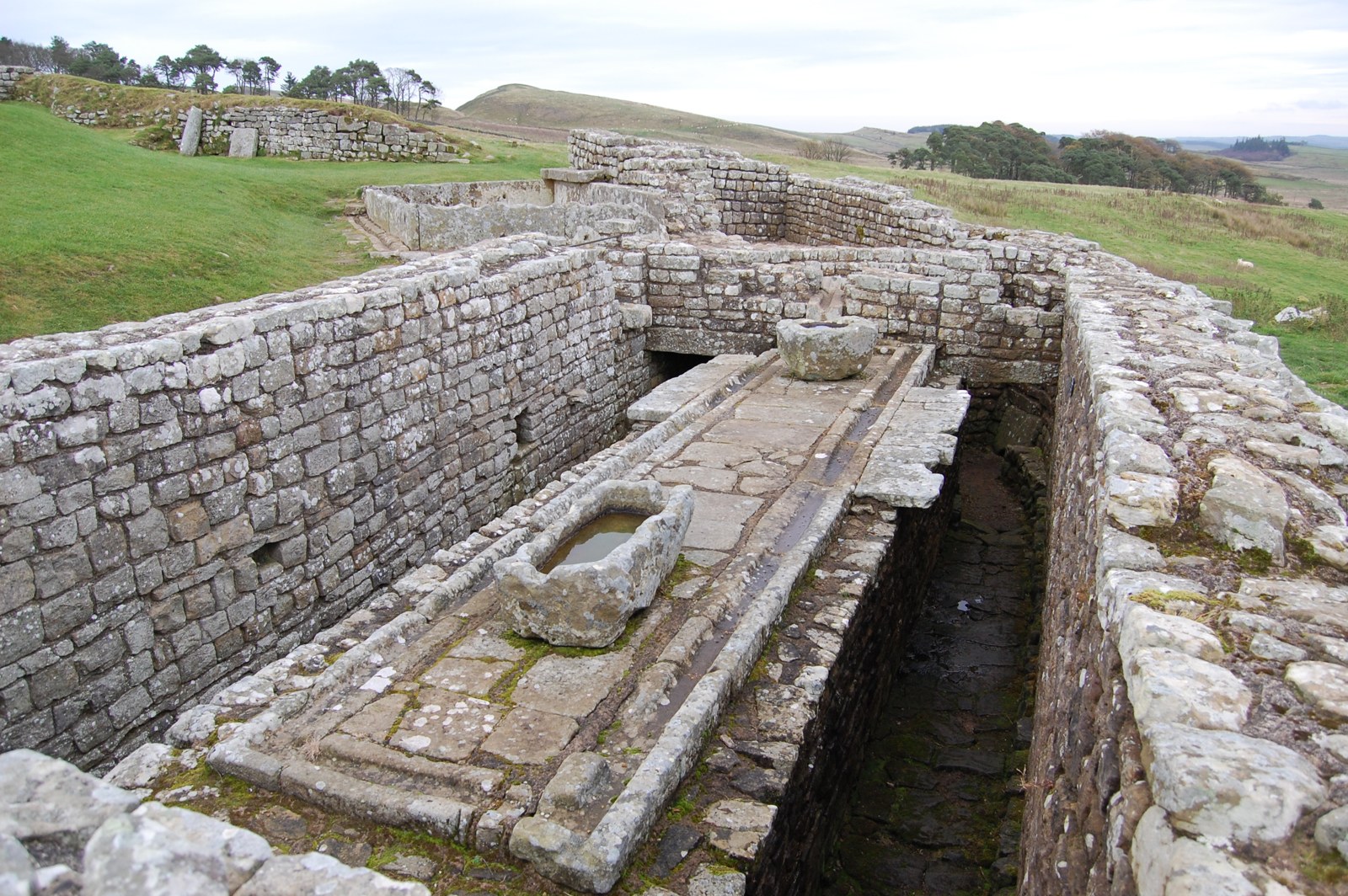
The granaries and latrines make good places to slow down. These are practical structures rather than monuments built simply to impress. Use the on-site interpretation to understand how the surviving stonework relates to the building above it; avoid treating every wall or column as belonging to the same phase.
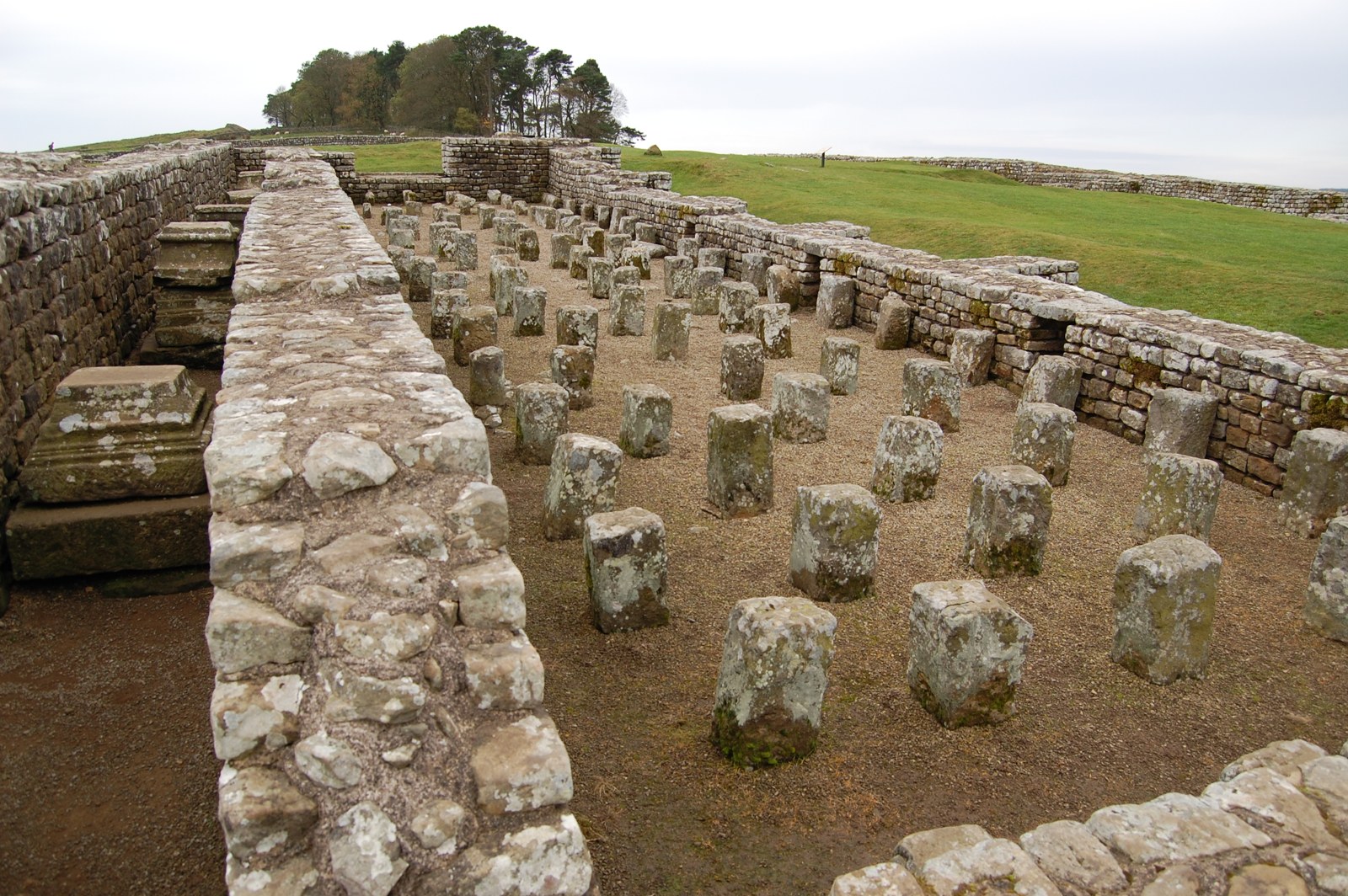
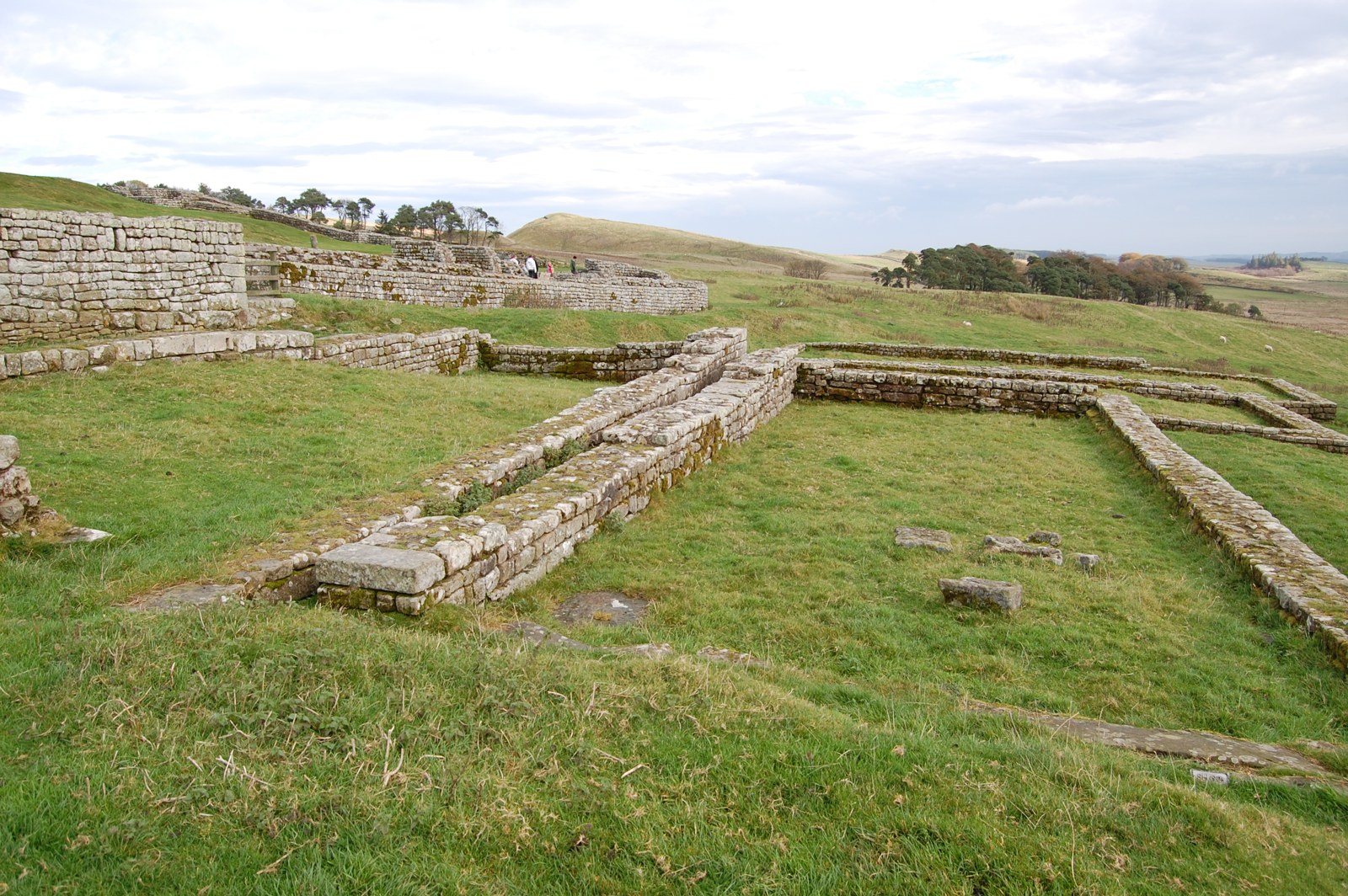
The civilian settlement outside the fort broadens the story beyond the soldiers. Look back towards the fort from the surrounding ruins and consider how military and civilian spaces met. This is one of the strengths of Housesteads: the setting helps connect individual remains to a larger working place.
Make the museum part of the visit
The museum adds objects to a landscape of foundations. English Heritage describes finds including altars, dedication stones, jewellery, tools and weapons. Seeing small objects alongside the scale of the fort helps bring the human story into focus. The facilities information explains the museum and services available.
Do not confuse the museum near the fort with the lower visitor centre. At the time of checking, the official site notice says the visitor centre is closed while refreshments and toilets remain available in the car park and at the fort. Recheck that notice before departure rather than assuming an older description of the facilities still applies.
Hadrian’s Wall walks from Housesteads
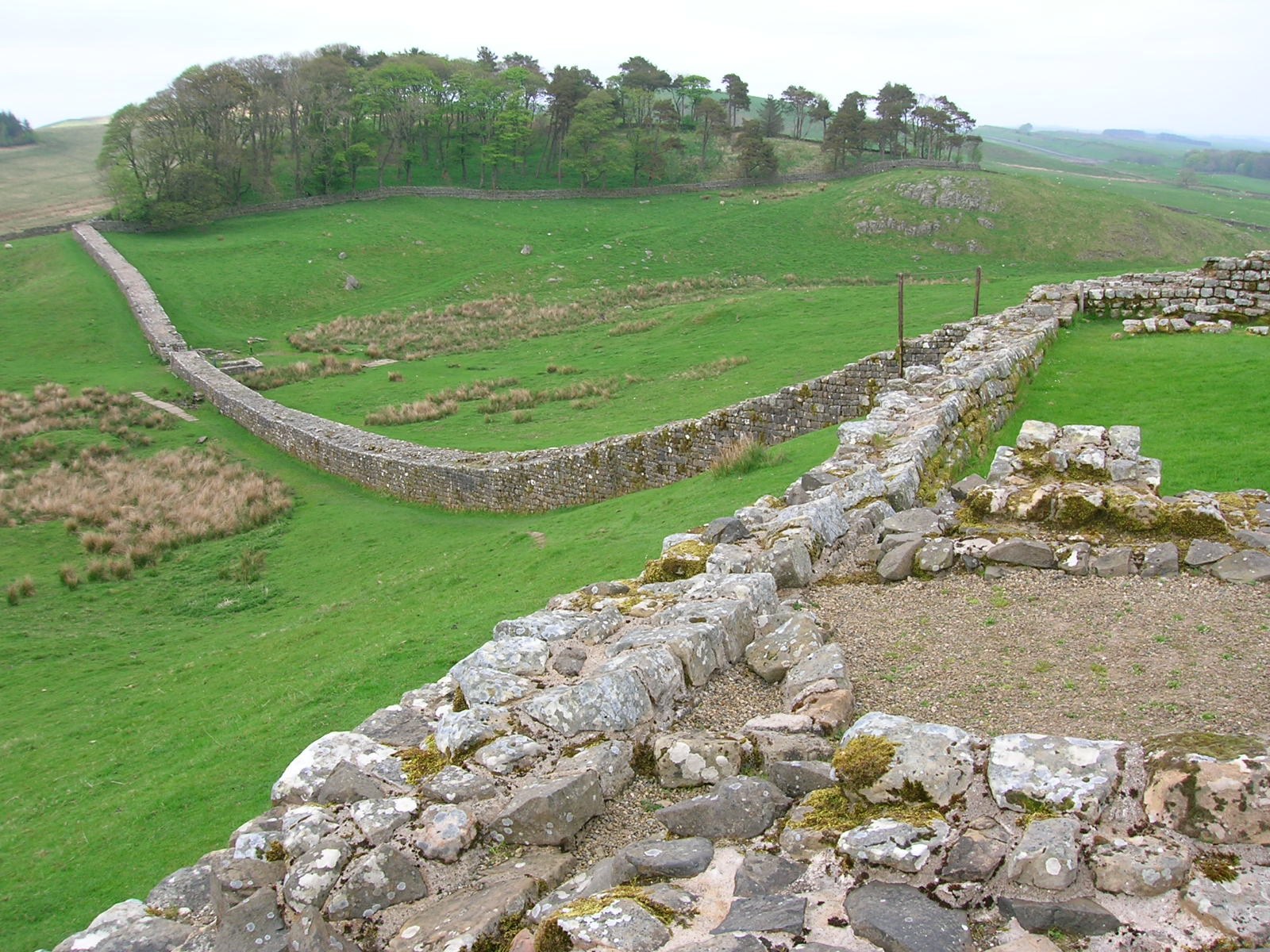
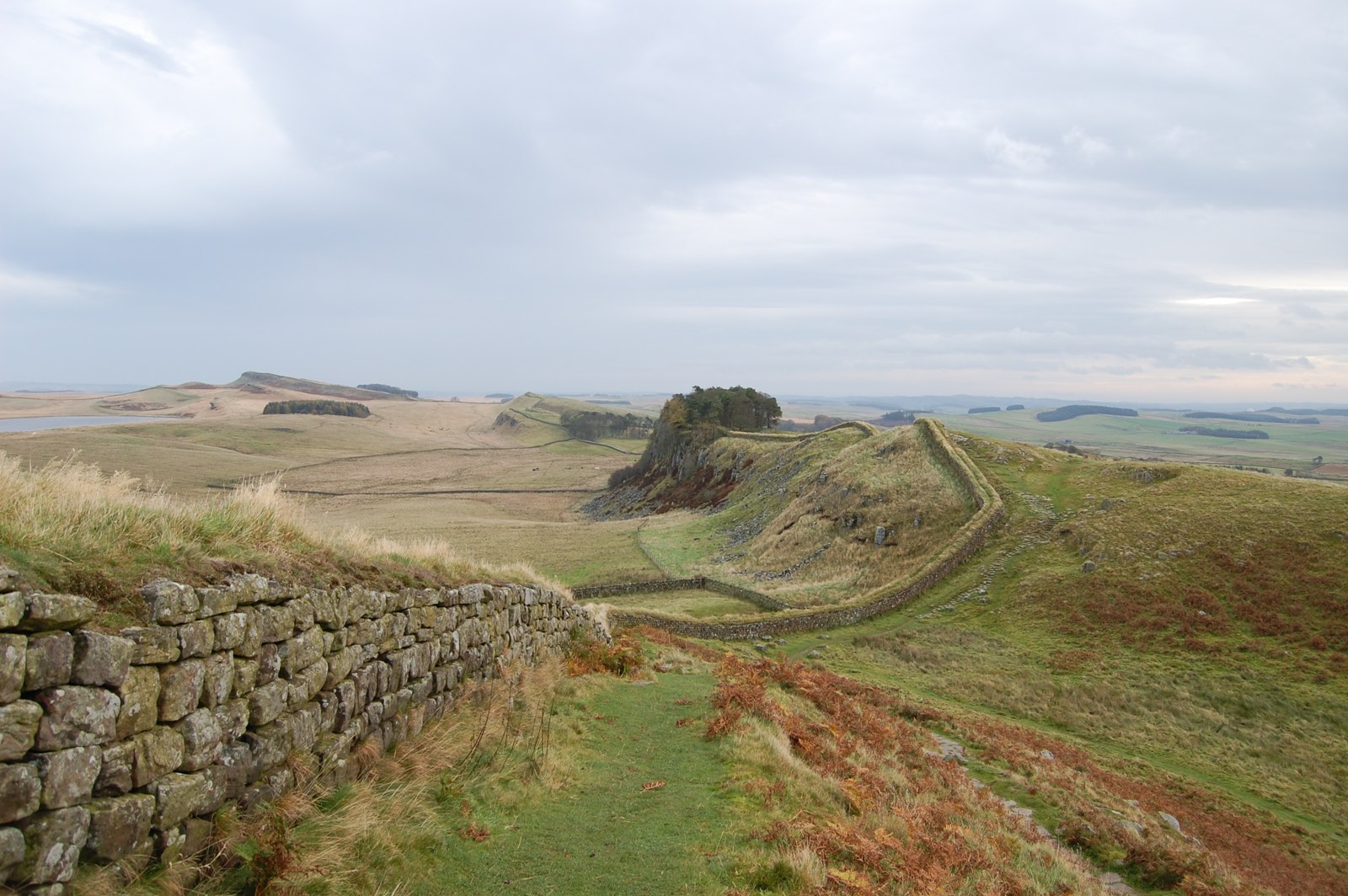
The Wall is integral to the visit, not merely a distant backdrop. Short views from around the fort already reveal how strongly the frontier follows the terrain. A longer outing westwards can extend the experience, but it should be a deliberate walking plan with suitable footwear, weather protection, water and enough daylight.
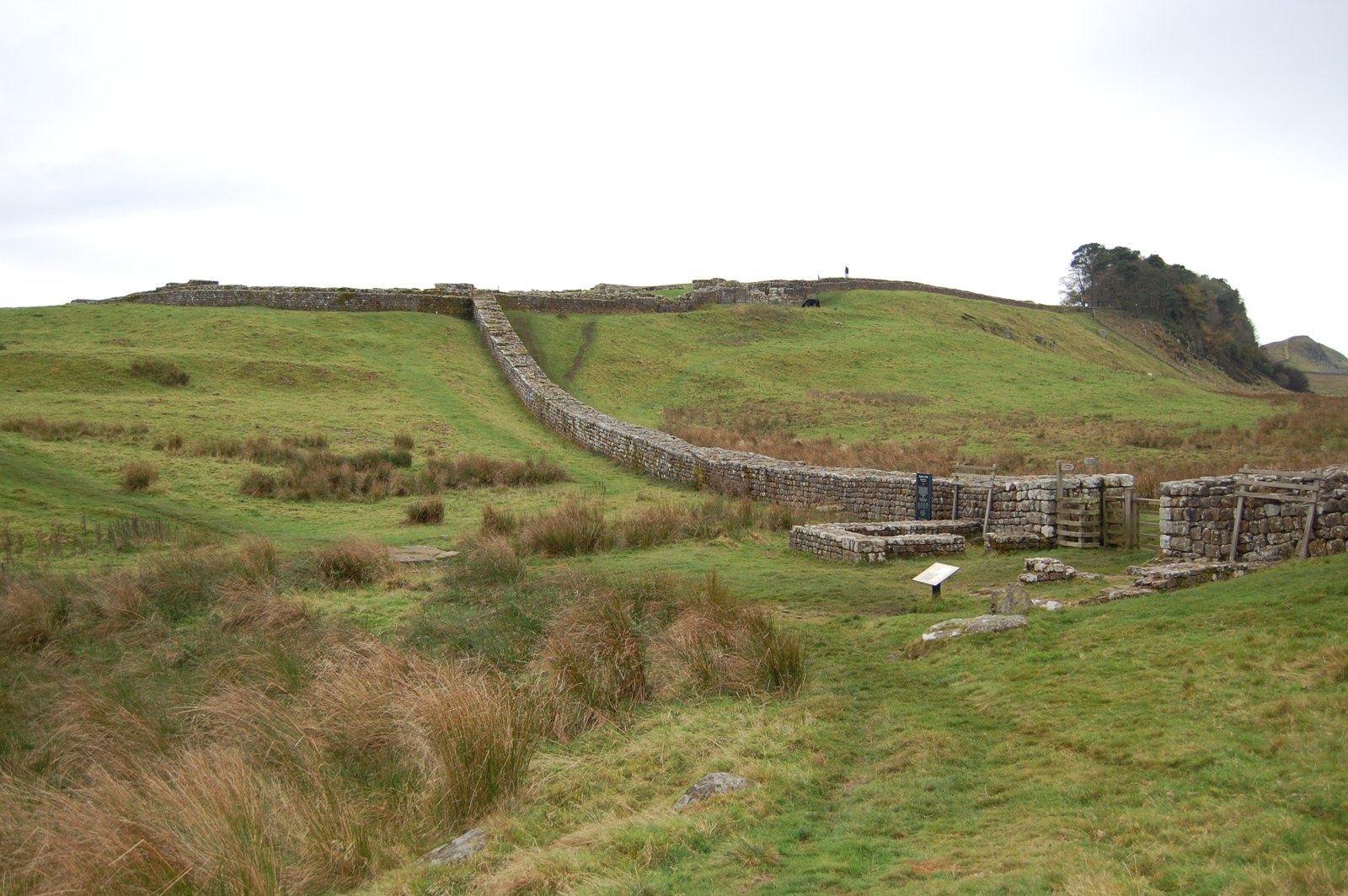
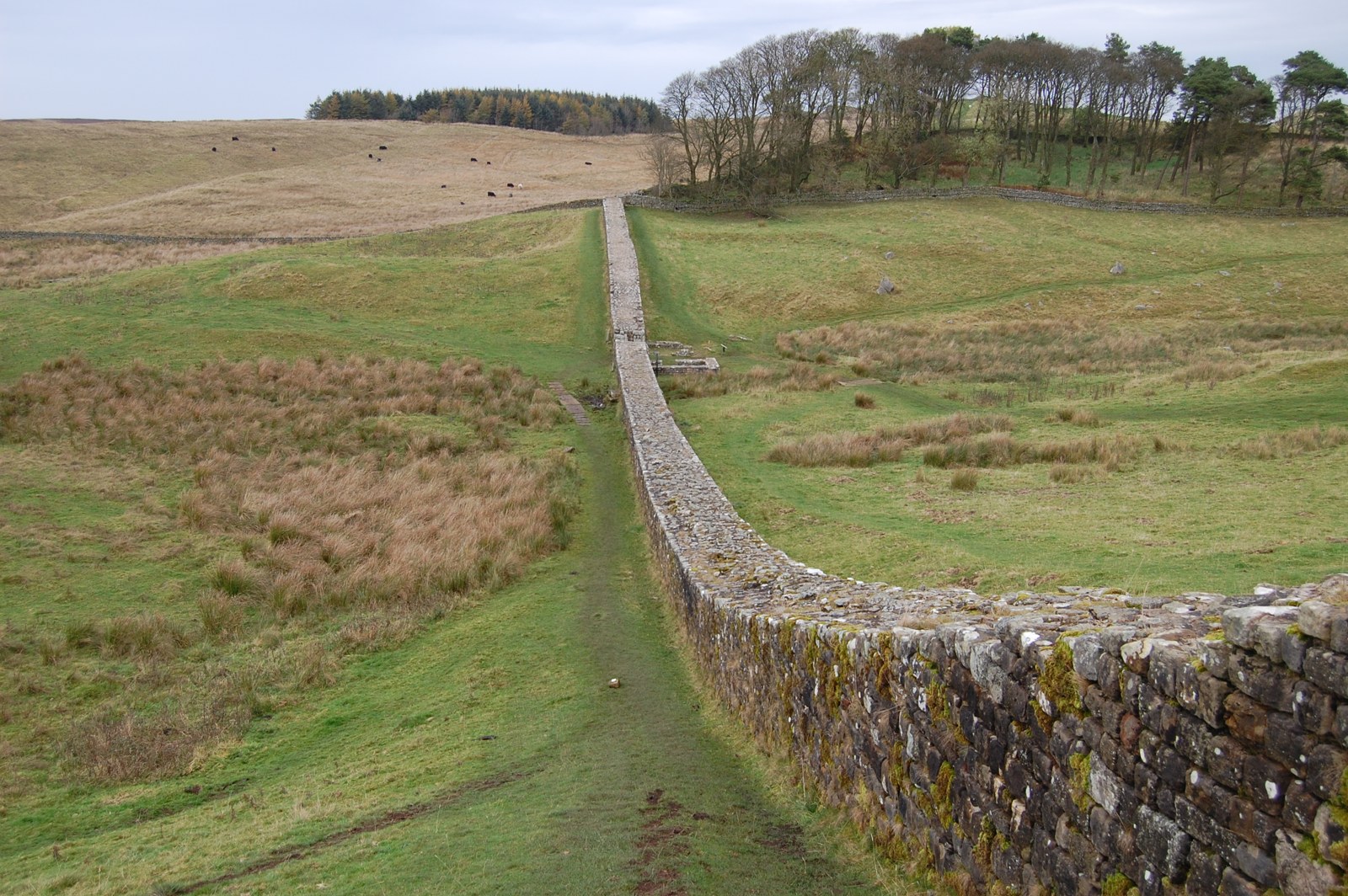
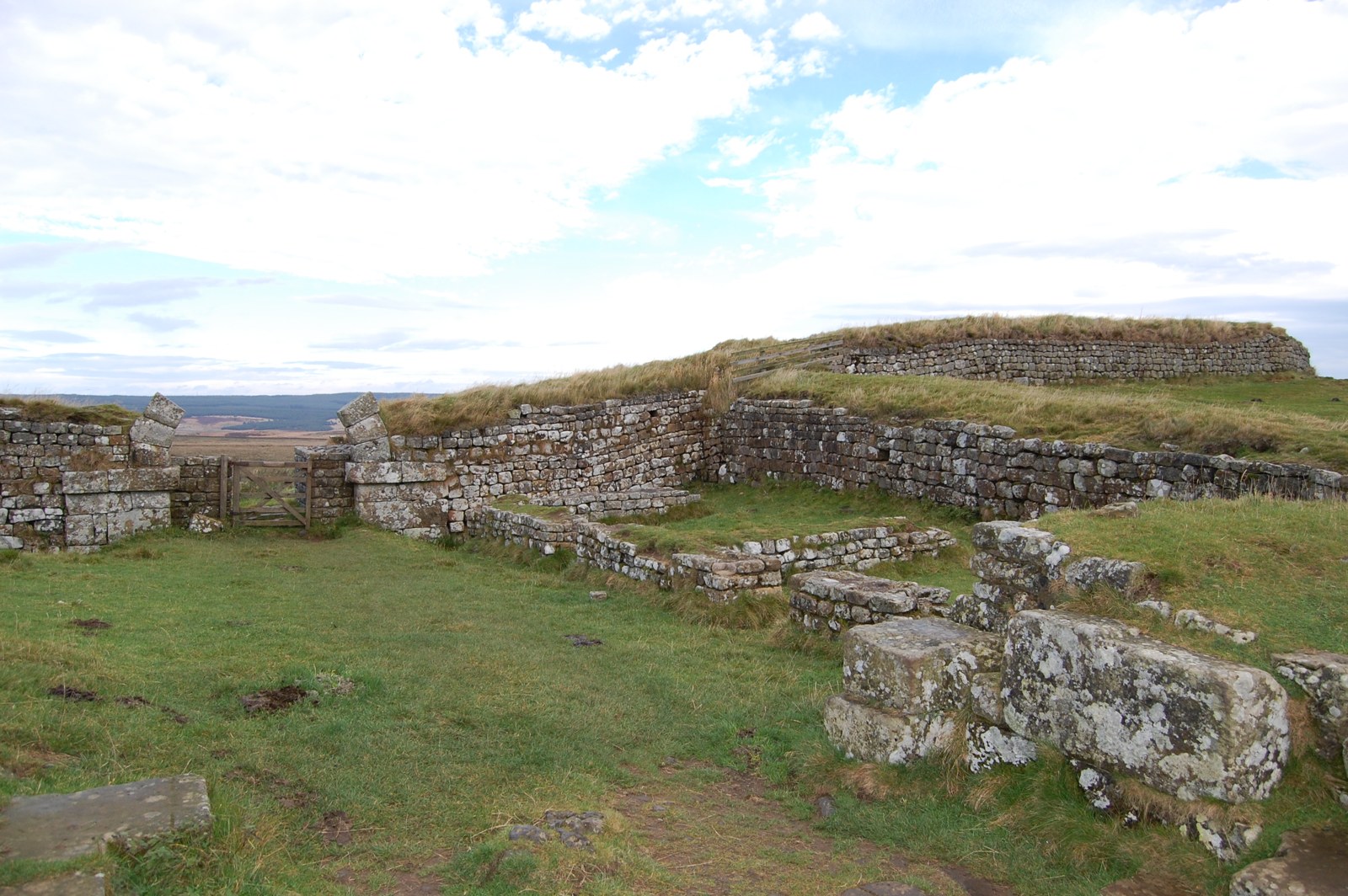
The photographs here include nearby stretches of the Wall and the remains of Milecastle 37 west of Housesteads; those are not all inside the fort enclosure. They are archival photographs of the archaeology and landscape, rather than a guide to current paths, signs or visitor facilities.
Arrival, tickets and access
Allow for the approach from the main car park: the access guide describes a steep, uneven walk of about 750 metres. The fort itself includes grass, gradients and uneven ground. The museum and shop are step-free, but that does not make the whole site wheelchair-accessible.
Limited accessible parking is available closer to the museum, allocated on arrival rather than reserved. Check the access guidance and ask staff for the current approach instructions if you need it. The setting also includes steep drops, so keep children close and follow marked routes.
Parking is separately managed and charged. Opening times, admissions and facilities should be checked for the date of travel. For a car-free option, consult the official visit-planning page, which links the bus service between Hexham and Haltwhistle. Check the actual timetable and return journey before setting out.
Fit Housesteads into a wider journey
Housesteads works best as its own stop, not a hurried diversion with an unrealistic onward drive. If your wider journey includes York, our National Railway Museum guide offers another way to explore the infrastructure that shaped Britain, this time through transport history.
For travellers continuing north, our Scotland road-trip itinerary helps frame a separate stage of the trip. Our Witchery Edinburgh feature introduces a distinctive city stay if Edinburgh is on that route. Neither should turn the fort into a rushed tick-box stop.
The reward at Housesteads Roman Fort is the connection between ordinary lives and an extraordinary frontier. Give the ruins time, use the museum to add context, and let conditions determine how far you walk beyond the fort.