
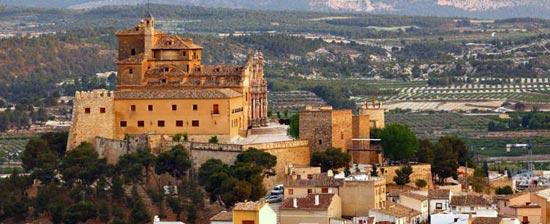
Planning a trip to Murcia starts with a distinction: Murcia is both a city and the name of the surrounding region in south-eastern Spain. Choose a city base for a cultural break, or plan separate stops if beaches, Cartagena and inland towns are part of your itinerary.
What to see in Murcia city
The regional capital is a good starting point for the cathedral and the Real Casino. The official regional tourism guide highlights the cathedral’s Baroque facade and the city’s food traditions, including marineras, meat pastries and paparajotes.
Build a manageable walking route rather than treating every attraction in the region as part of one city tour. Check individual opening hours and admission arrangements, especially around religious services and public holidays. Leave time for a meal instead of packing the day entirely with monuments.
Cartagena, Lorca and the coast
Cartagena offers the Roman Theatre and other archaeological sites, while Lorca is associated with its hilltop fortress and historic centre. These are separate destinations, not neighbourhoods of Murcia city. Decide whether each deserves a day trip or an overnight stop before booking accommodation.
The region also has coastal areas, but a hotel described as being in Murcia is not necessarily beside the sea. Check the exact address and onward transport if swimming or a beach stay is the main purpose of your visit.
Practical planning and costs
Confirm which airport your flight uses, then check the actual transfer to your accommodation. Compare public transport with car hire for your planned route; do not rely on a generic drive-time estimate without checking the start and end points.
For a rental car, include parking, fuel and insurance conditions in the budget. For accommodation, compare cancellation terms, location and the total room price rather than assuming the region always offers bargains. This guide is for travel planning, not a recommendation to buy property or retire here.