
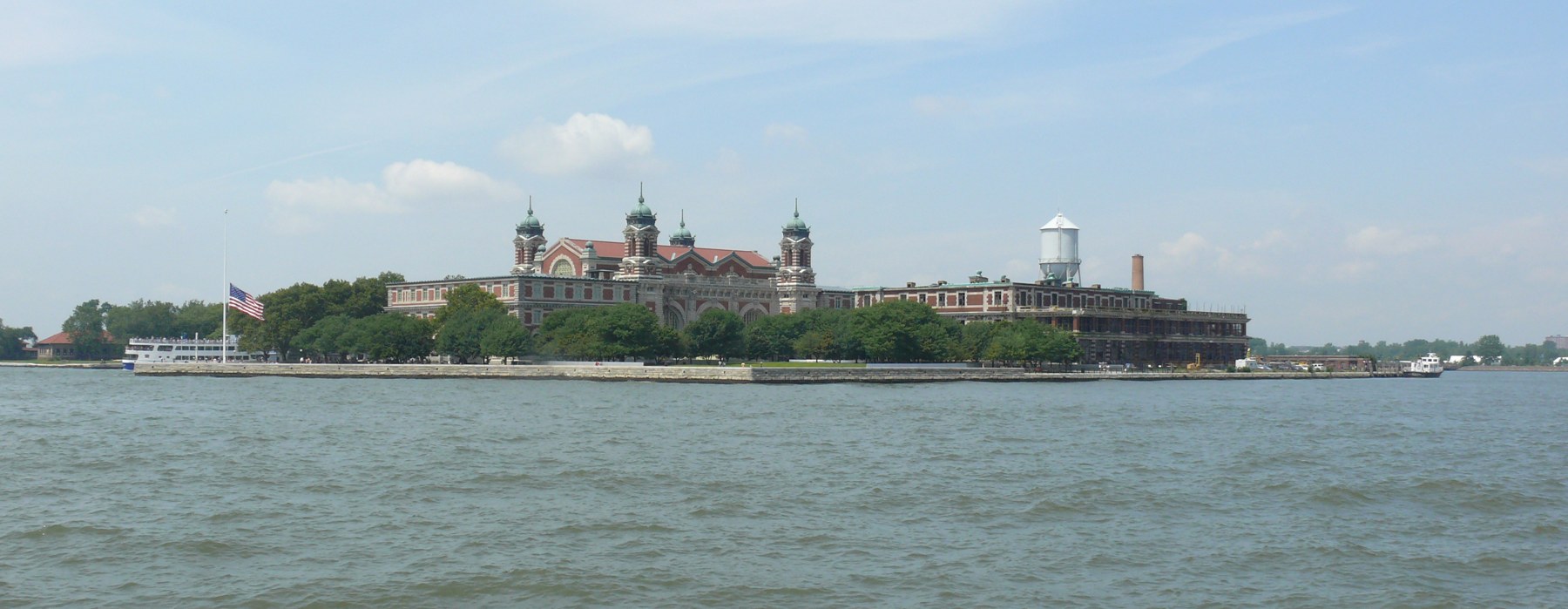
Ellis Island works best when it has room in the itinerary to become more than the second stop on a Statue of Liberty outing. The ferry crossing brings harbour views and familiar skyline photographs, but the museum asks visitors to slow down. Its subject is arrival: the practical examinations, uncertain waits and personal decisions that sat between a long journey and a possible new life.
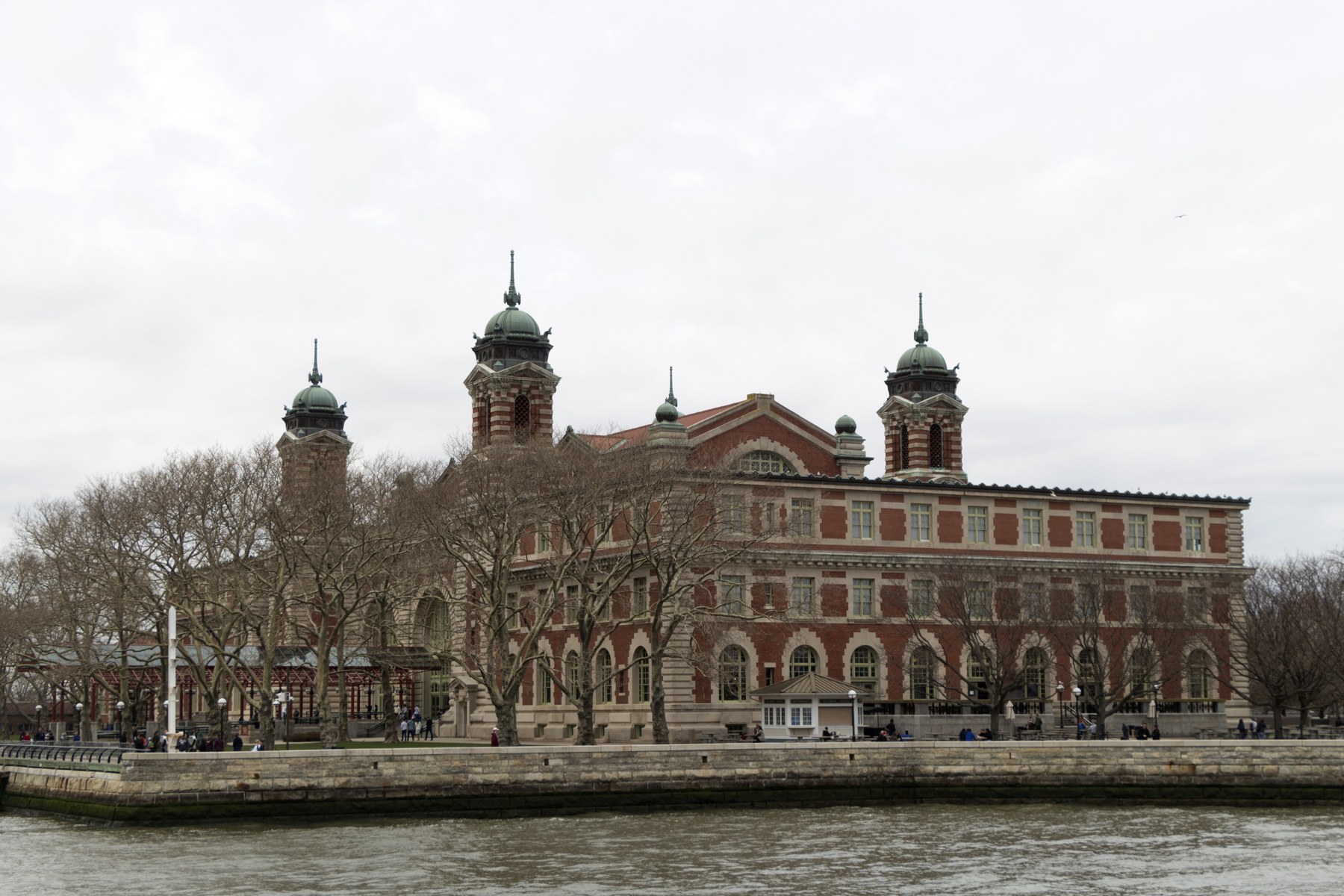

That makes Ellis Island a particularly worthwhile New York attraction for travellers interested in social history, family stories or the forces that shaped the city. It also changes how to plan the day. An ambitious checklist of island stops and evening reservations can leave too little time for the very things that make this museum moving.
Understand what happened here
The National Park Service’s history of Ellis Island identifies 1892–1924 as its busiest period as an immigration station, when more than 12 million immigrants were processed. Inspections commonly took several hours. Many people continued towards new opportunities; others faced detention, separation or refusal. Holding those different experiences together matters more than treating the island as a simple celebration of arrival.
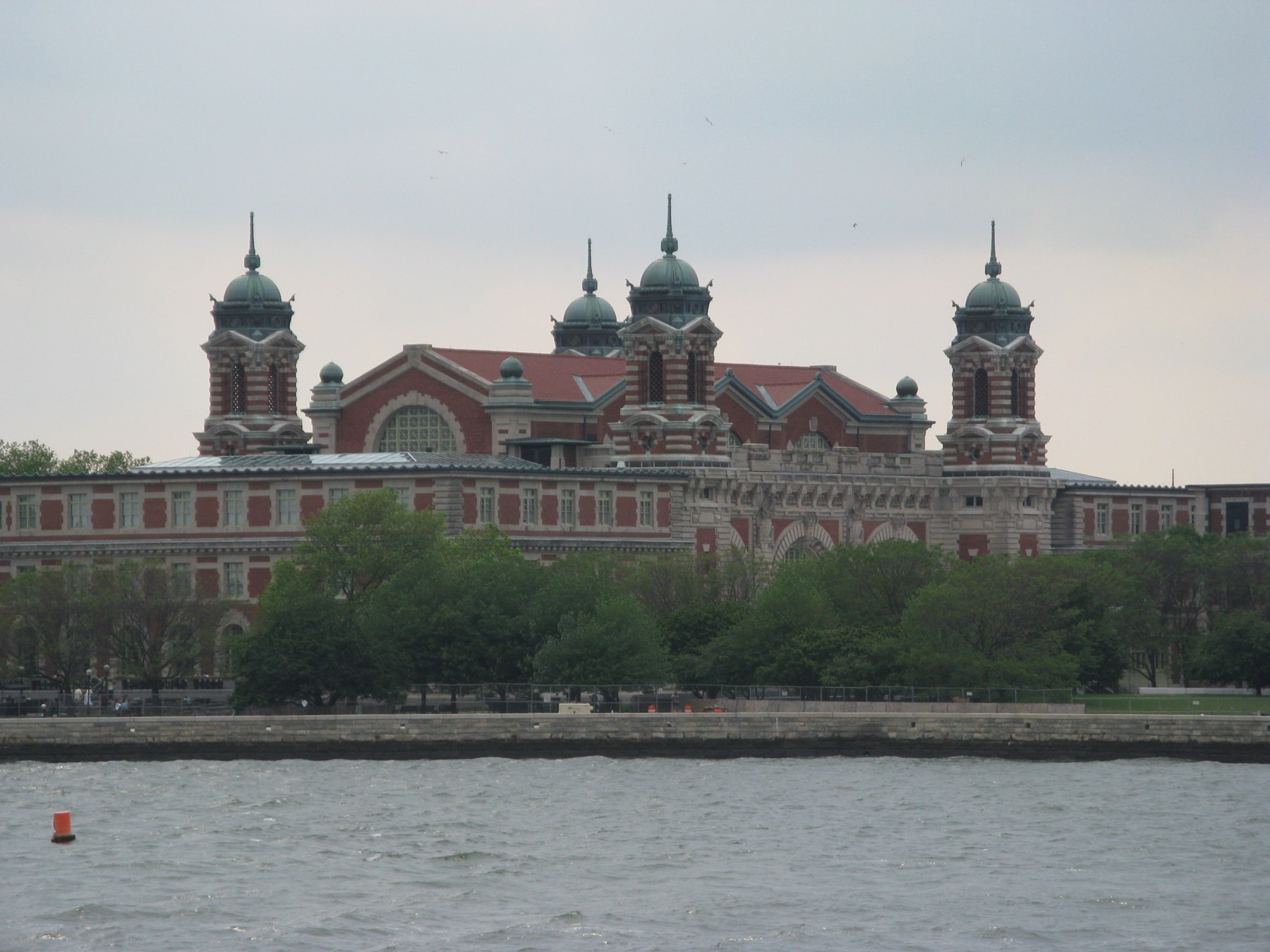

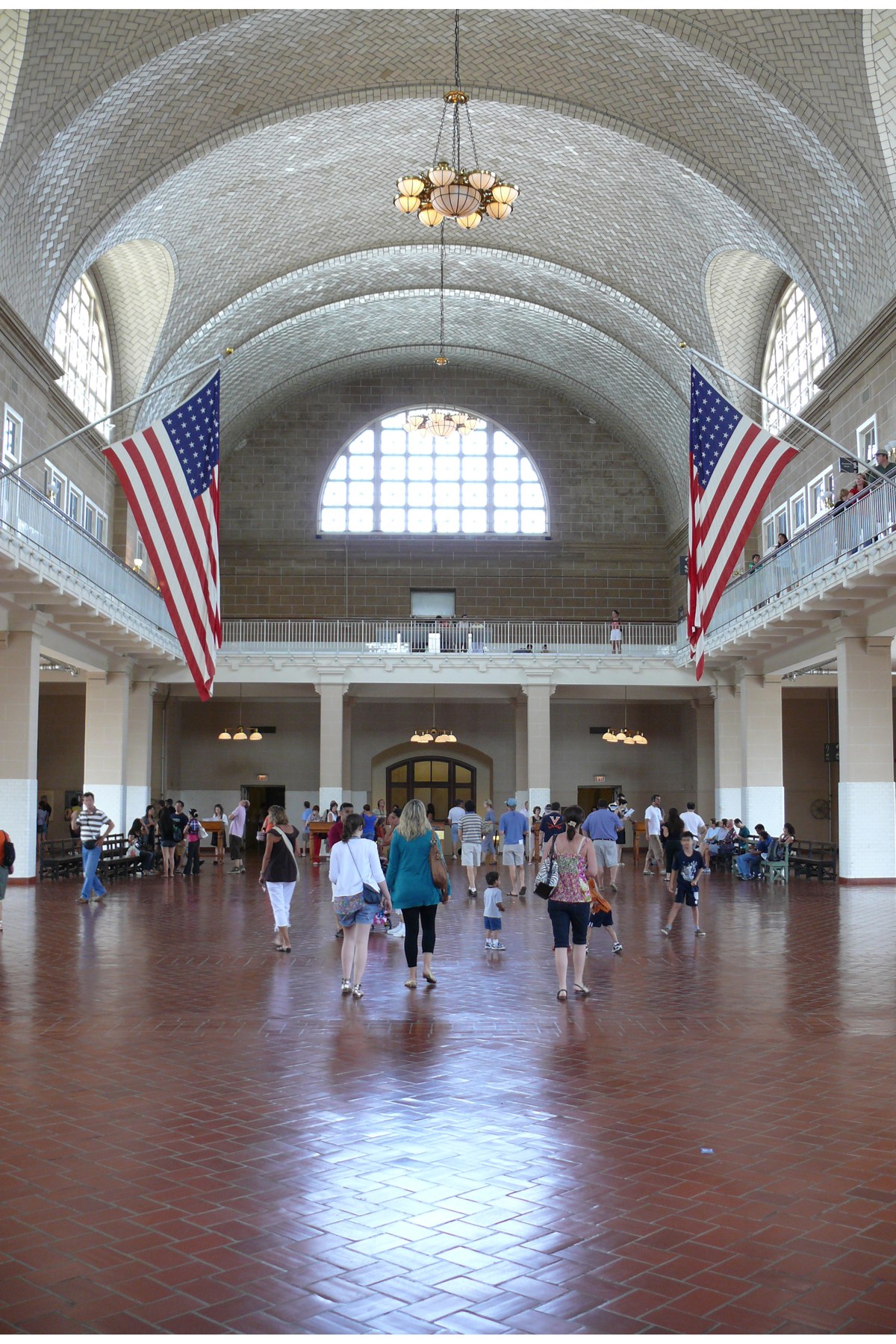
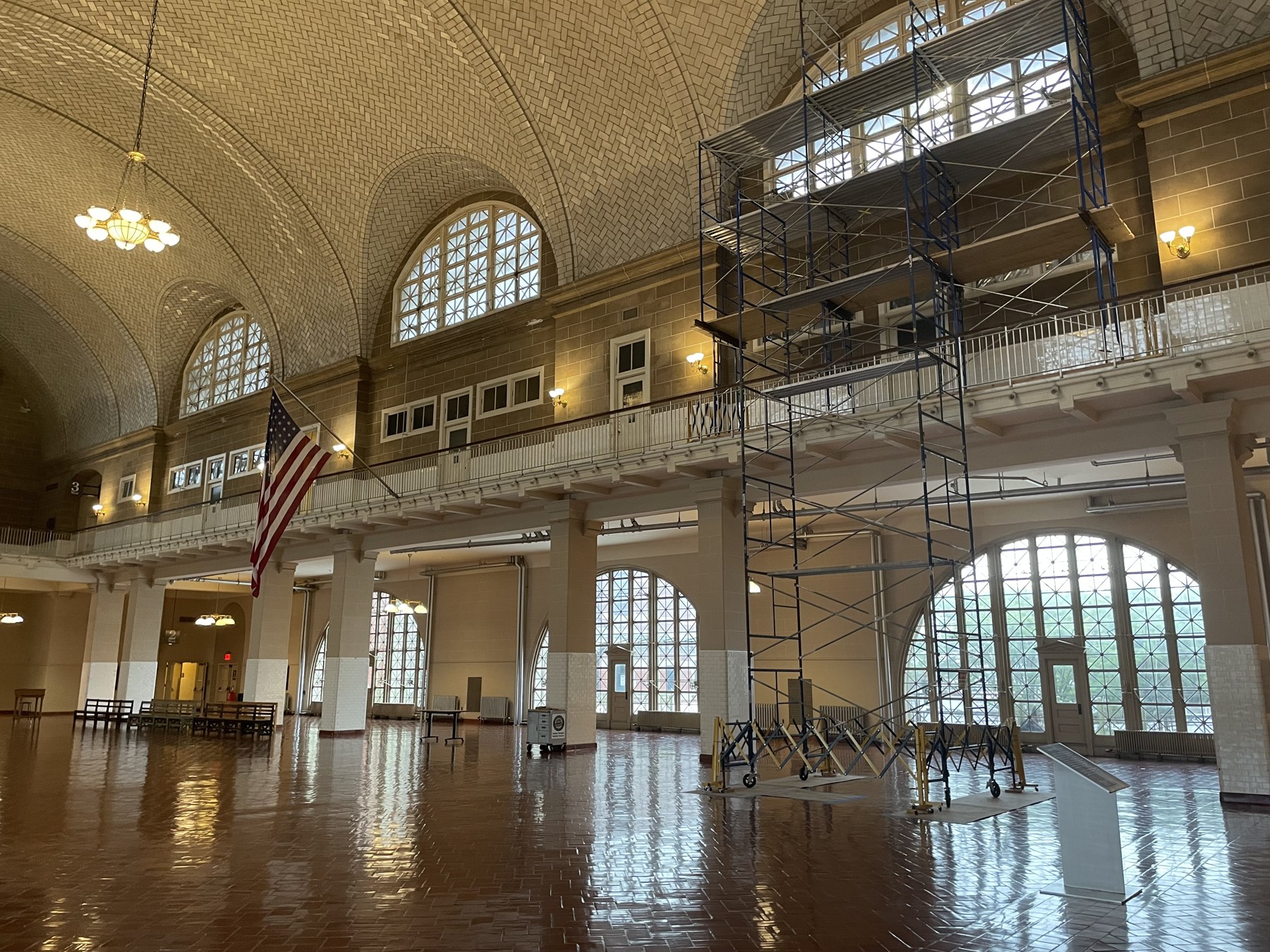
The building itself is part of the experience. In the Registry Room, also known as the Great Hall, scale helps explain how an administrative process could become an overwhelming personal event. Rather than moving straight through, take a moment to consider what it meant to enter a large unfamiliar room after a sea journey, with questions still unanswered about what would happen next.
Read a few individual accounts carefully instead of trying to absorb every label. One family’s route, an object’s history or an explanation of the inspection process can make a stronger impression than a hurried sweep of several galleries. For families visiting with children, a useful question is what they would pack if they had to begin again somewhere unfamiliar. Keep the conversation grounded in the people described by the museum.

What the renovation means for a visit
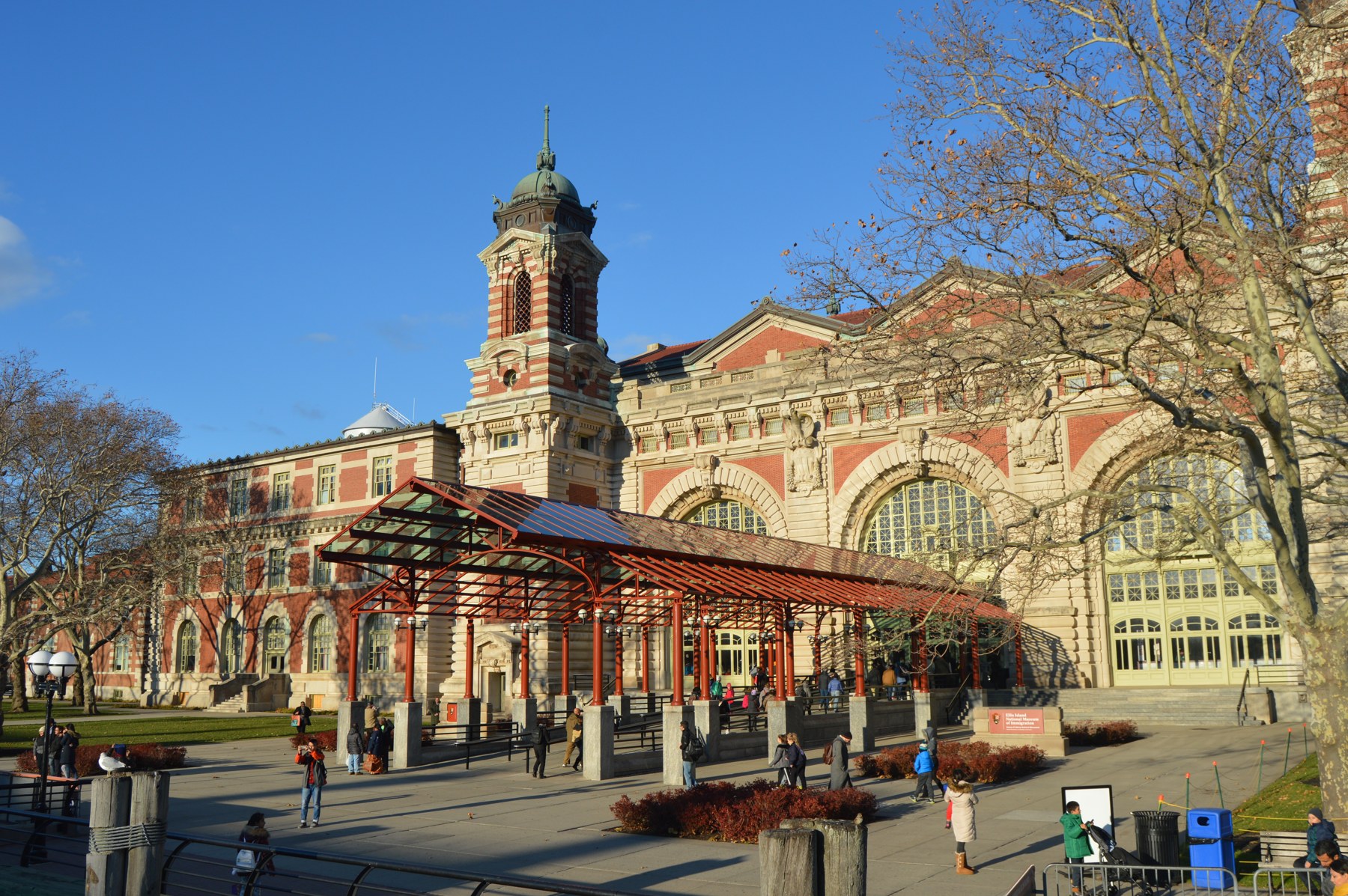
Ellis Island remains open, but exhibitions are being updated. The official Ellis Island Reimagined notice lists parts of Through America’s Gate, the Peak Immigration Years exhibition and the Changing Exhibit as closed. It lists all first-floor exhibitions as open. Check that page near your travel date, as the available route can change during the project.
This is a reason to arrive with realistic expectations rather than to dismiss the island altogether. Ask at the information desk which galleries and programmes are available that day, and build your visit around them. Older guidebooks and photographs may show displays that are temporarily inaccessible, so avoid planning around one particular installation without checking first.

Book the ferry that actually lands
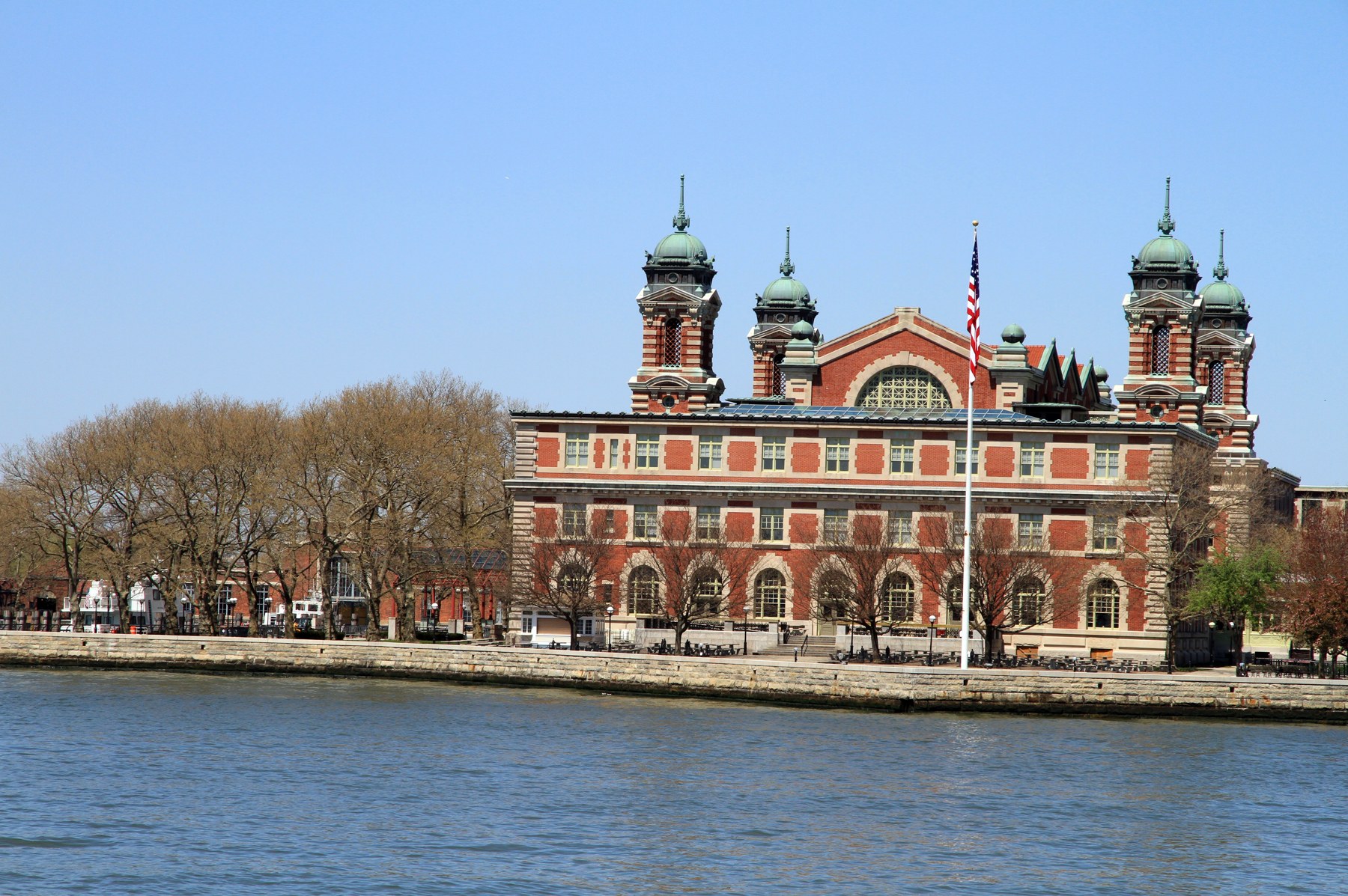
The most important booking detail is straightforward: Statue City Cruises is the National Park Service-authorised ferry operator permitted to bring visitors onto the islands. The NPS planning page explains that ferry tickets include access to the Ellis Island National Museum of Immigration and the Statue of Liberty Museum. A sightseeing cruise passing the islands is a different experience, even if its sales description prominently mentions the Statue of Liberty.
Decide whether to depart from The Battery in New York or Liberty State Park in New Jersey before buying. Choose the departure point that fits where you are staying, rather than assuming Manhattan is automatically easiest. The official directions explain both routes and identify the authorised ticket windows for same-day purchases. Use those instructions when navigating the waterfront.

Your ticket time is the time to join the security-screening queue, not a promise that the boat leaves at that moment. The NPS security guidance makes this distinction explicit. Build in time for screening, boarding and walking between the landing and the museum. Travel lightly and review the prohibited-items rules before leaving your accommodation.
Give the museum a generous share of the day
Reserve at least two hours on Ellis Island if immigration history is your main interest, plus time for ferry travel and queues. A combined Liberty Island and Ellis Island outing can comfortably occupy much of a day. The official operating-hours advice recommends a departure before 1pm for visitors who want ample time on both islands. Seasonal schedules still need checking.
A flexible lunch and an unhurried evening are better companions to this excursion than a tightly timed afternoon appointment. Before boarding the return ferry, check its destination with staff. If you are travelling with someone who tires easily, discuss which parts of the museum matter most and leave the rest optional. A satisfying visit need not involve reading every room.

Access, comfort and the rest of New York
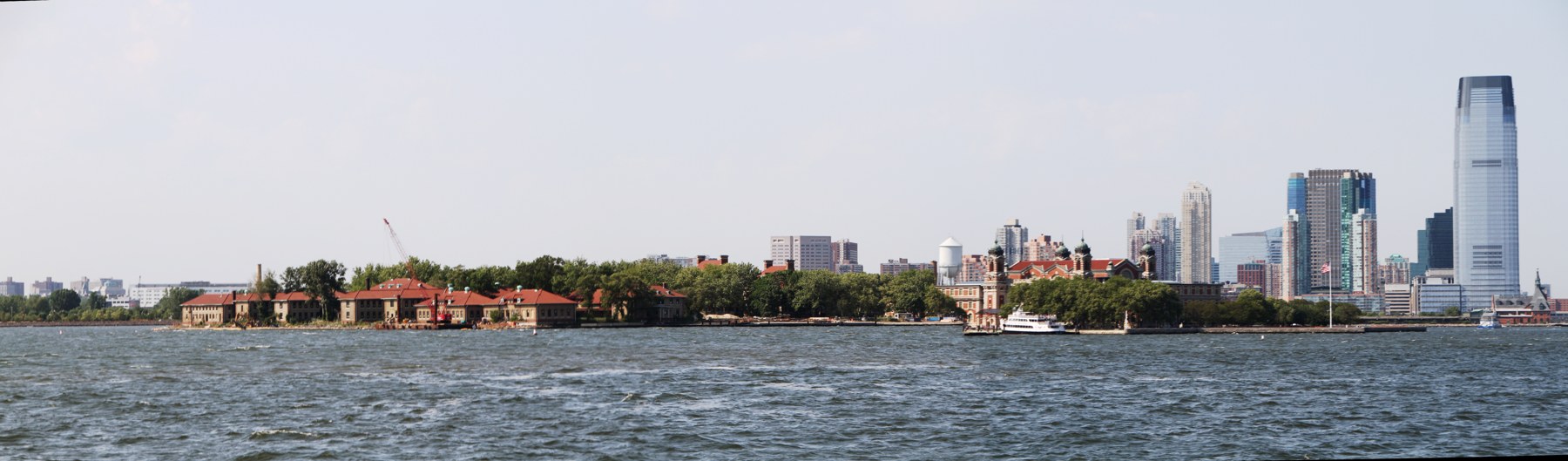
Accessibility planning should include the whole journey, not just the museum interior. Consult the NPS accessibility information for mobility, hearing, vision and other visitor needs. Waterfront walking distances, security queues and ferry boarding can be as important as the galleries. Contact the park or ferry operator about any individual requirements before purchasing tickets.
Dress for an exposed harbour crossing as well as indoor museum time. A light additional layer is useful when the wind makes the waterfront feel cooler than the streets. Keep essential medication and other necessities with you, and charge your phone before setting off. Simple preparation leaves more attention available for the museum.
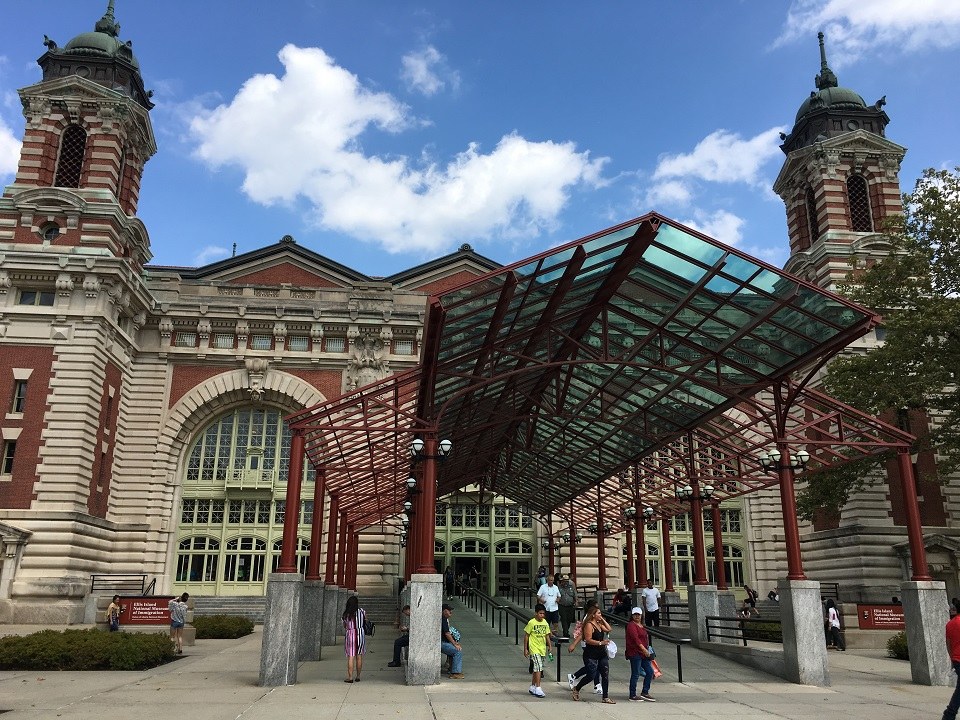
For a wider itinerary, our guide to things to do in New York City helps put the harbour day in context. Accommodation research can start with New York’s boutique hotels, while these quieter New York discoveries offer ideas for a less scheduled following day.
The strongest reason to visit Ellis Island is the chance to connect a famous national story with individual lives. Let the ferry provide the skyline photographs, then give the museum your attention. The result is a New York experience with more depth than its position on a standard sightseeing circuit might suggest.
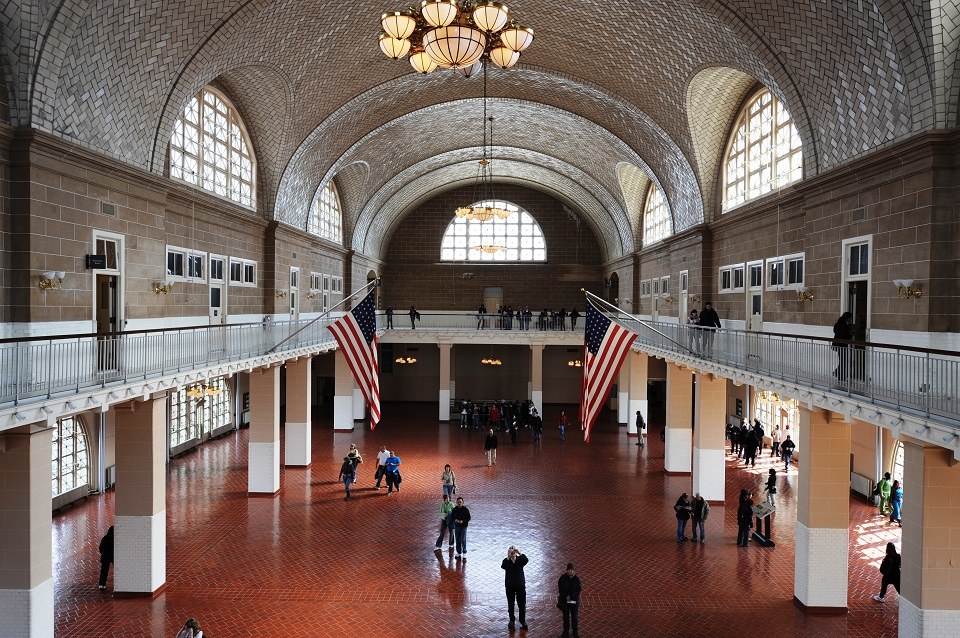
Featured photograph: Ad Meskens, CC BY-SA 3.0. Resized and JPEG recompressed; uncropped.
