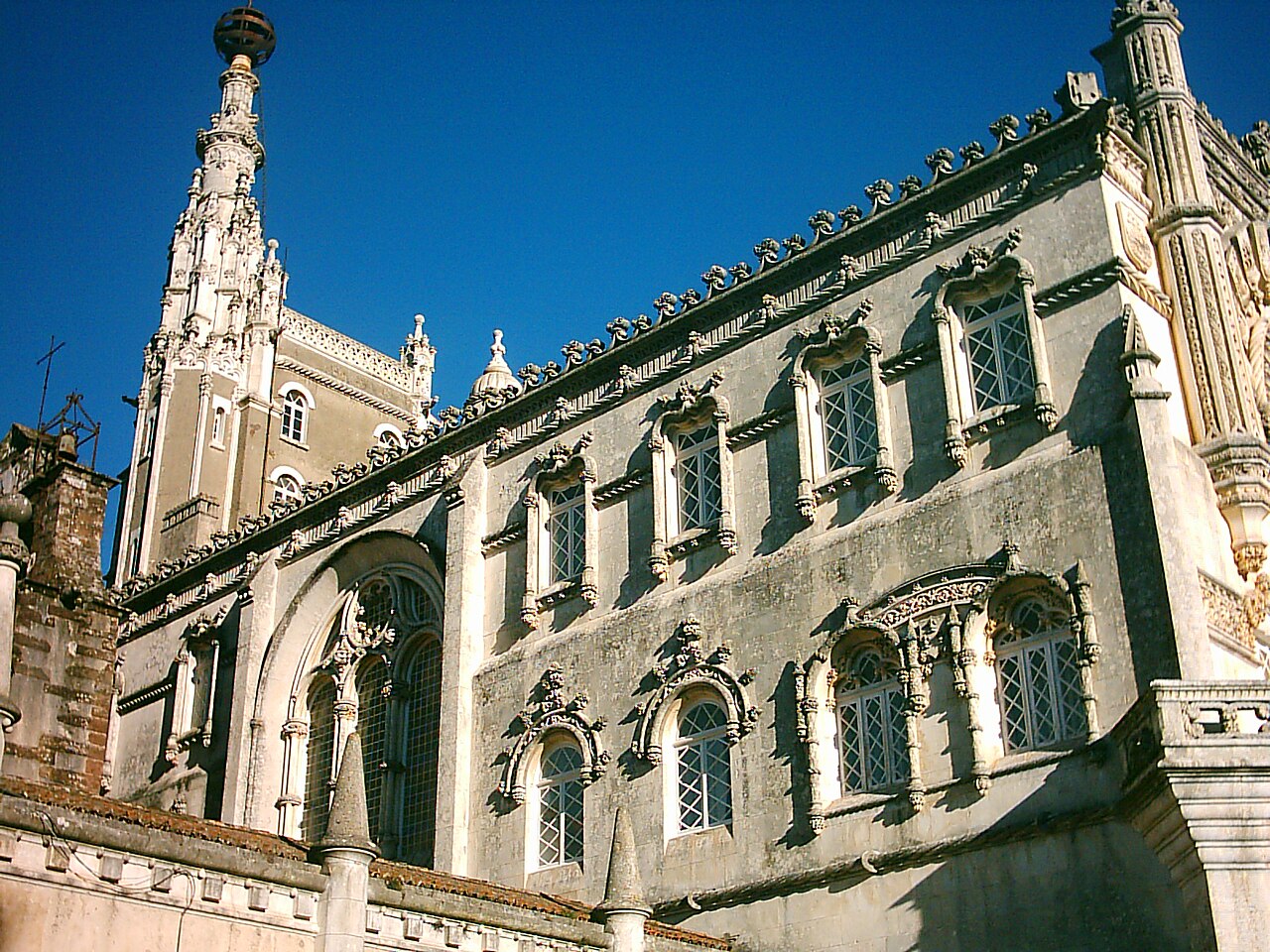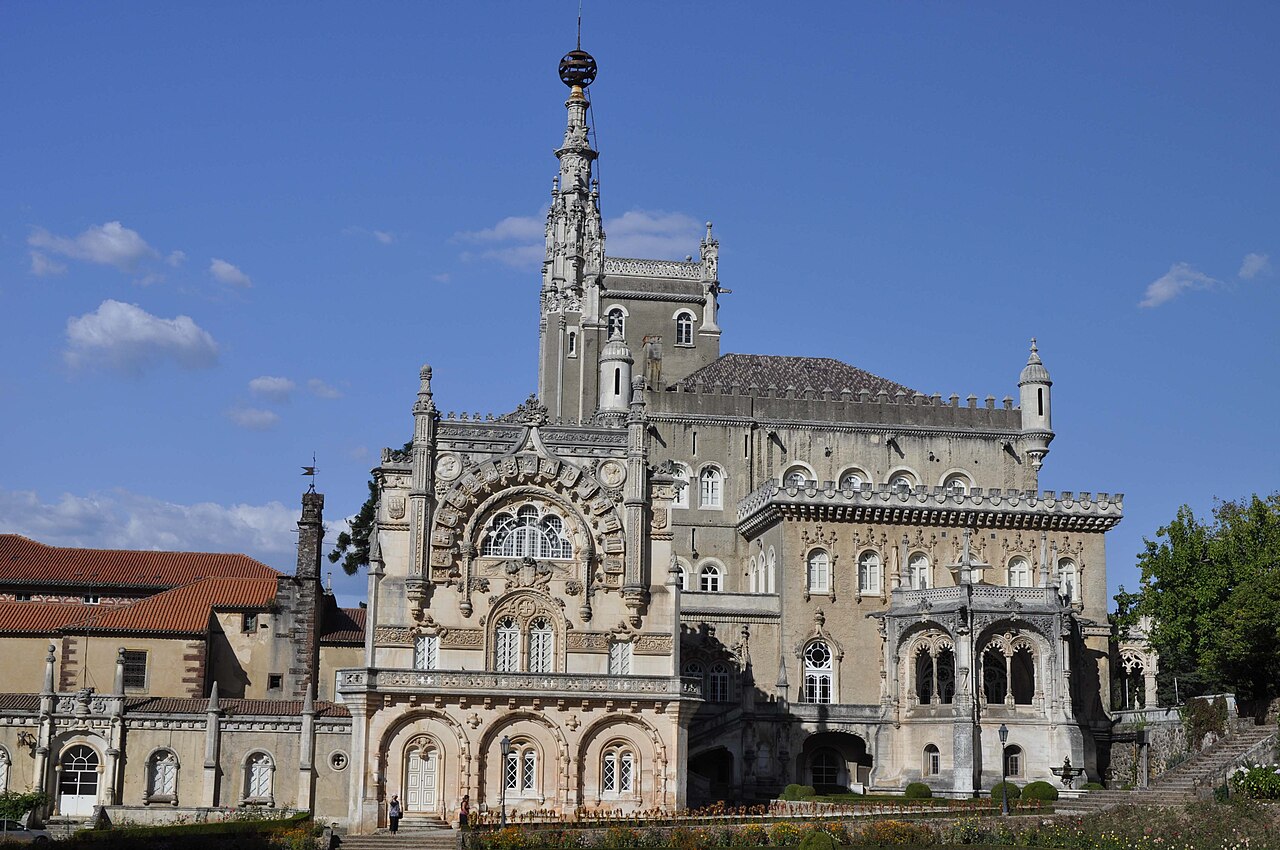
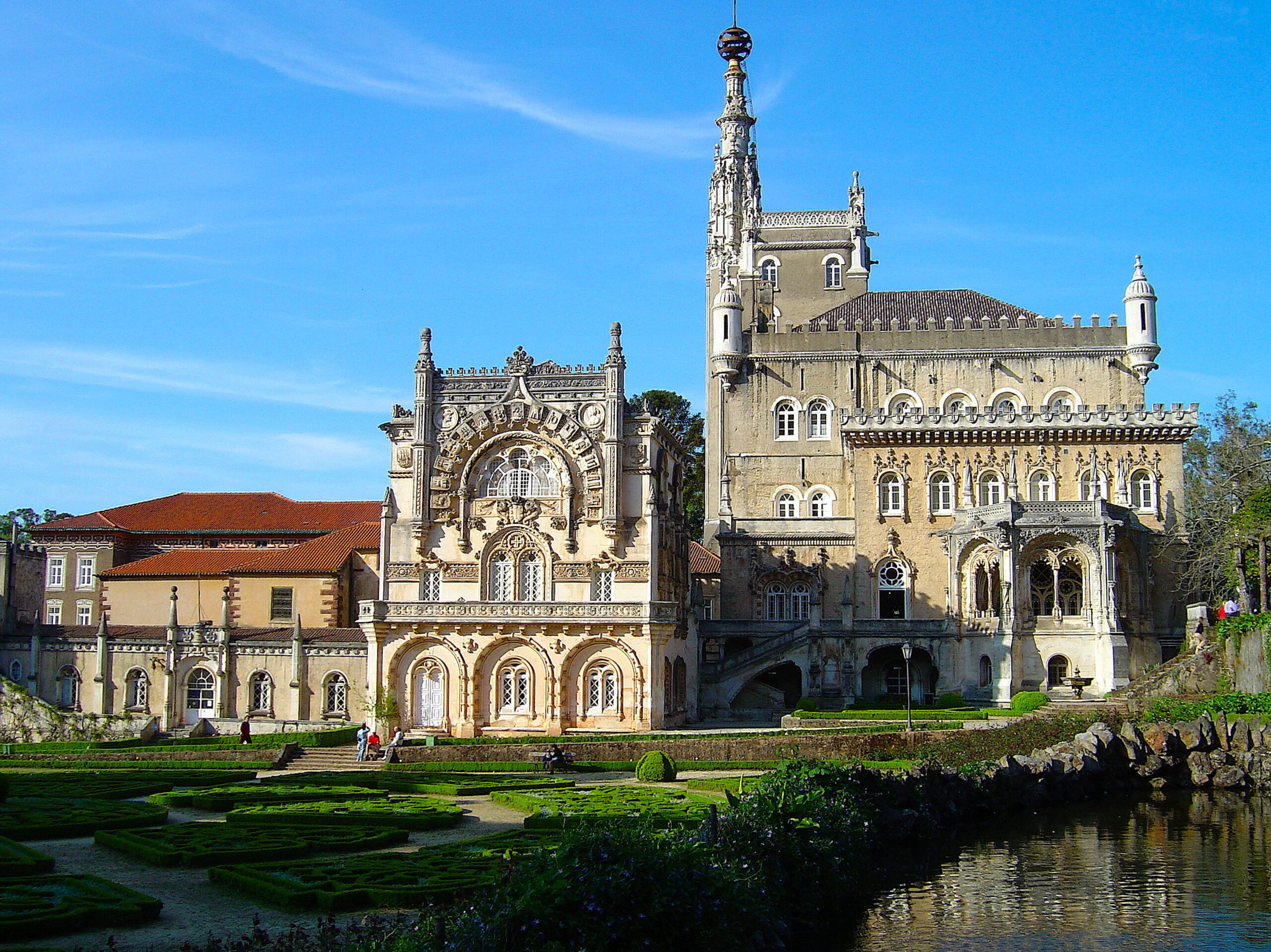

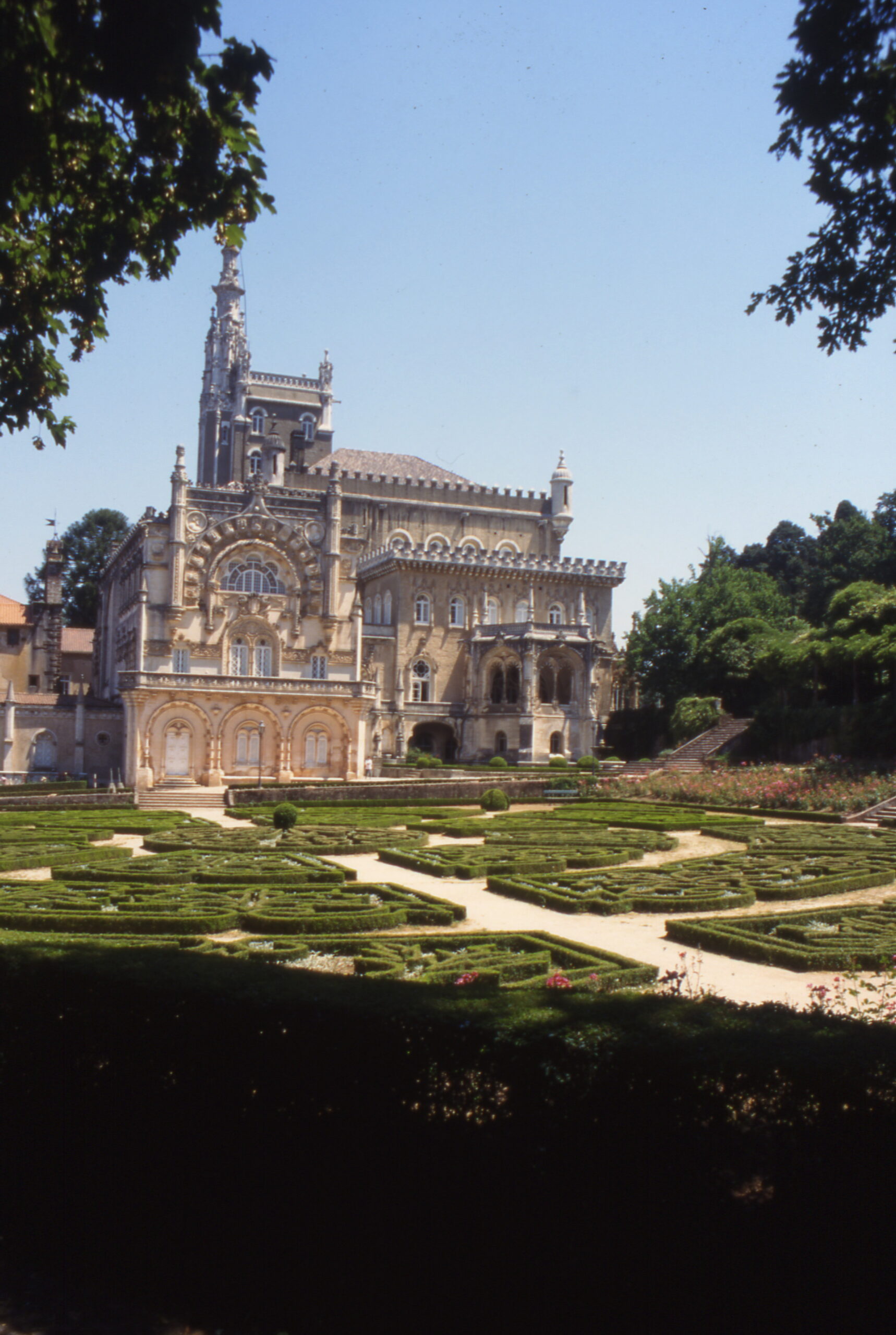
Bussaco Palace Hotel makes most sense when the forest is part of the booking. Its elaborate stonework is an obvious reason to stop, but staying overnight creates room for something less hurried: a walk beneath mature trees, time to look at the building from different sides, and an evening without another drive. Near Luso, north of Coimbra, this is a distinctive stop for travellers who enjoy architecture and woodland more than a long list of resort facilities.
The hotel’s official overview presents a palace-shaped country retreat with an unusually theatrical setting. Photographs explain the appeal, but they cannot establish how a particular room feels today. Book for the combination of building and landscape, then check the practical details that matter to your stay rather than assuming that a grand exterior guarantees uniform modern luxury inside.
A building that rewards a closer look
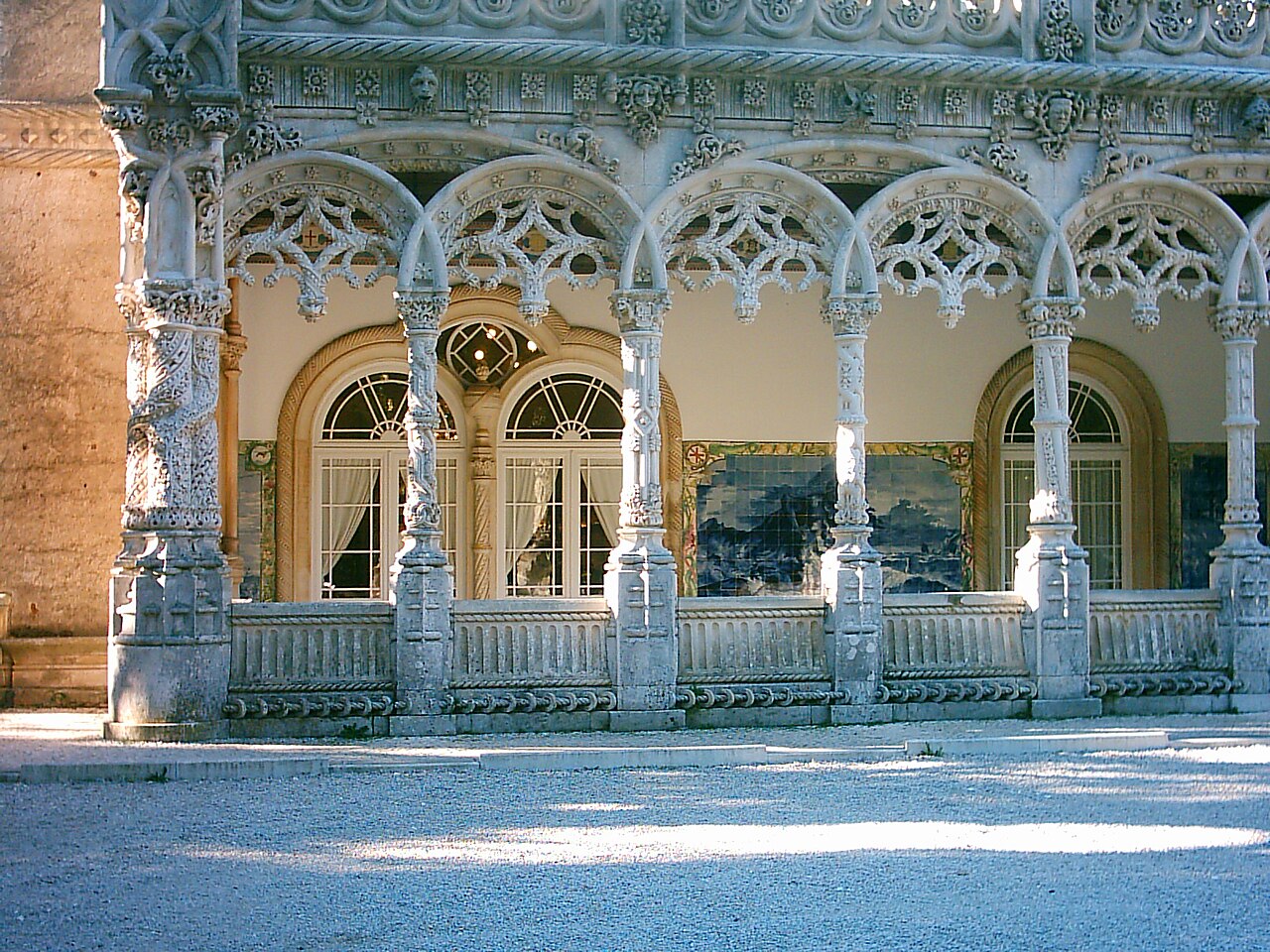
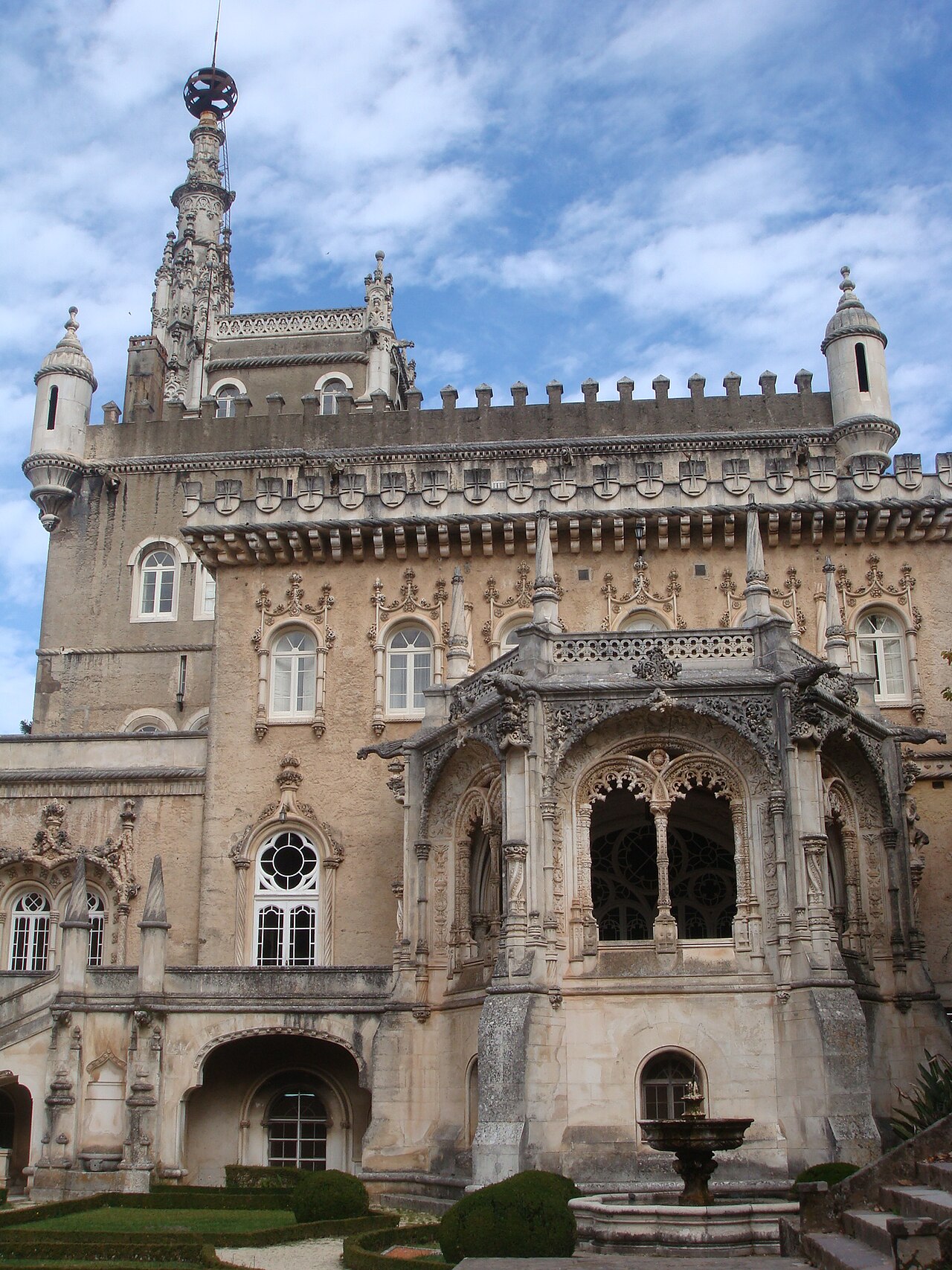
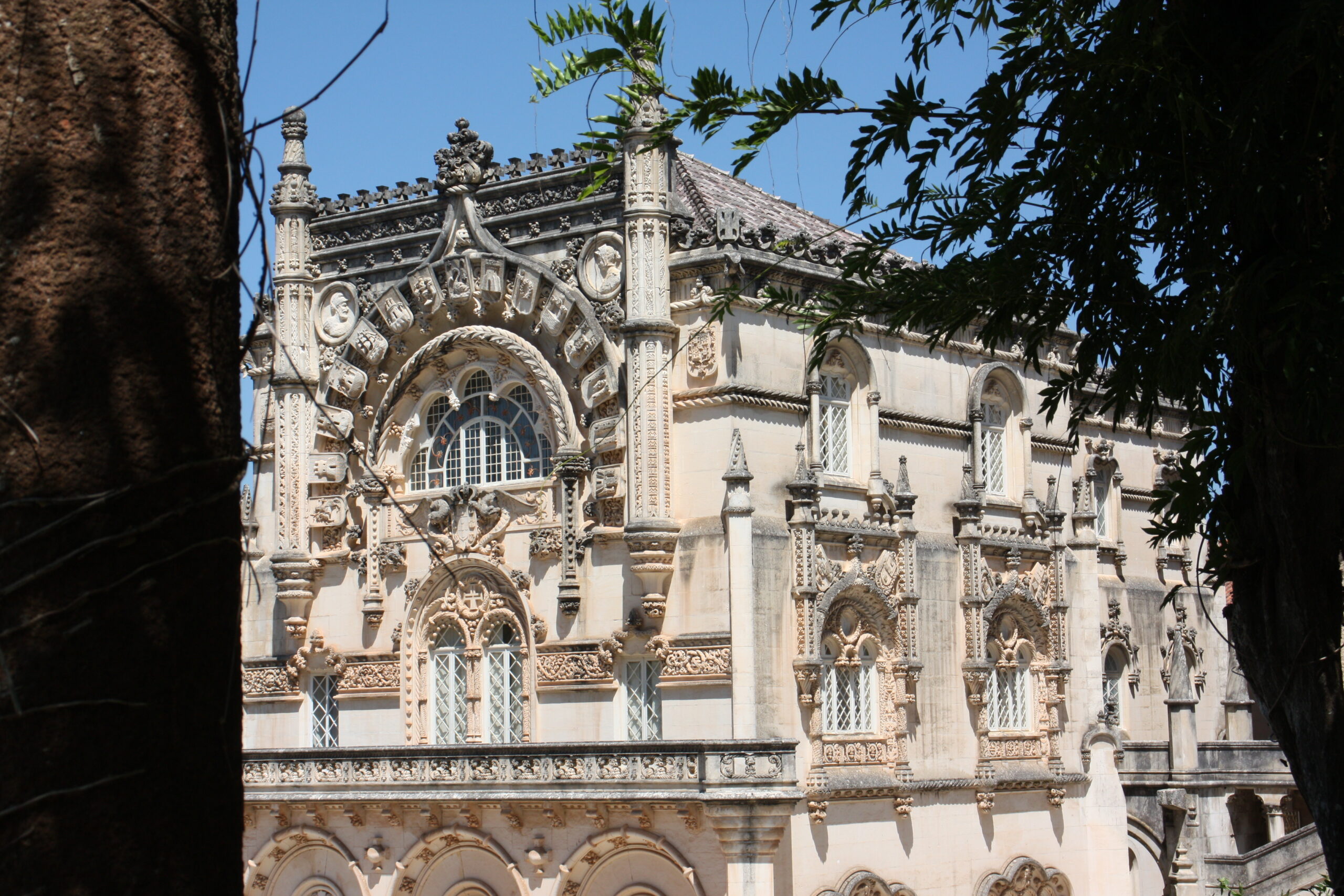
Buçaco and Bussaco are alternative spellings you will encounter when researching the same place. The architecture is commonly described as neo-Manueline: a revival of the richly ornamental Portuguese style associated with the age of maritime expansion. Look for the carved arches, balconies and decorative flourishes rather than treating the façade as a single photograph. The national tourism listing also draws attention to antique furnishings, paintings and historical azulejos.
The palace belongs to a much larger landscape. UNESCO’s tentative-list description explains the connection with the Discalced Carmelites, whose enclosed retreat took shape in the seventeenth century. Tentative-list status is not World Heritage inscription, a distinction worth keeping clear. The forest’s religious history gives its paths, chapels and walls a meaning that a quick hotel photograph misses.
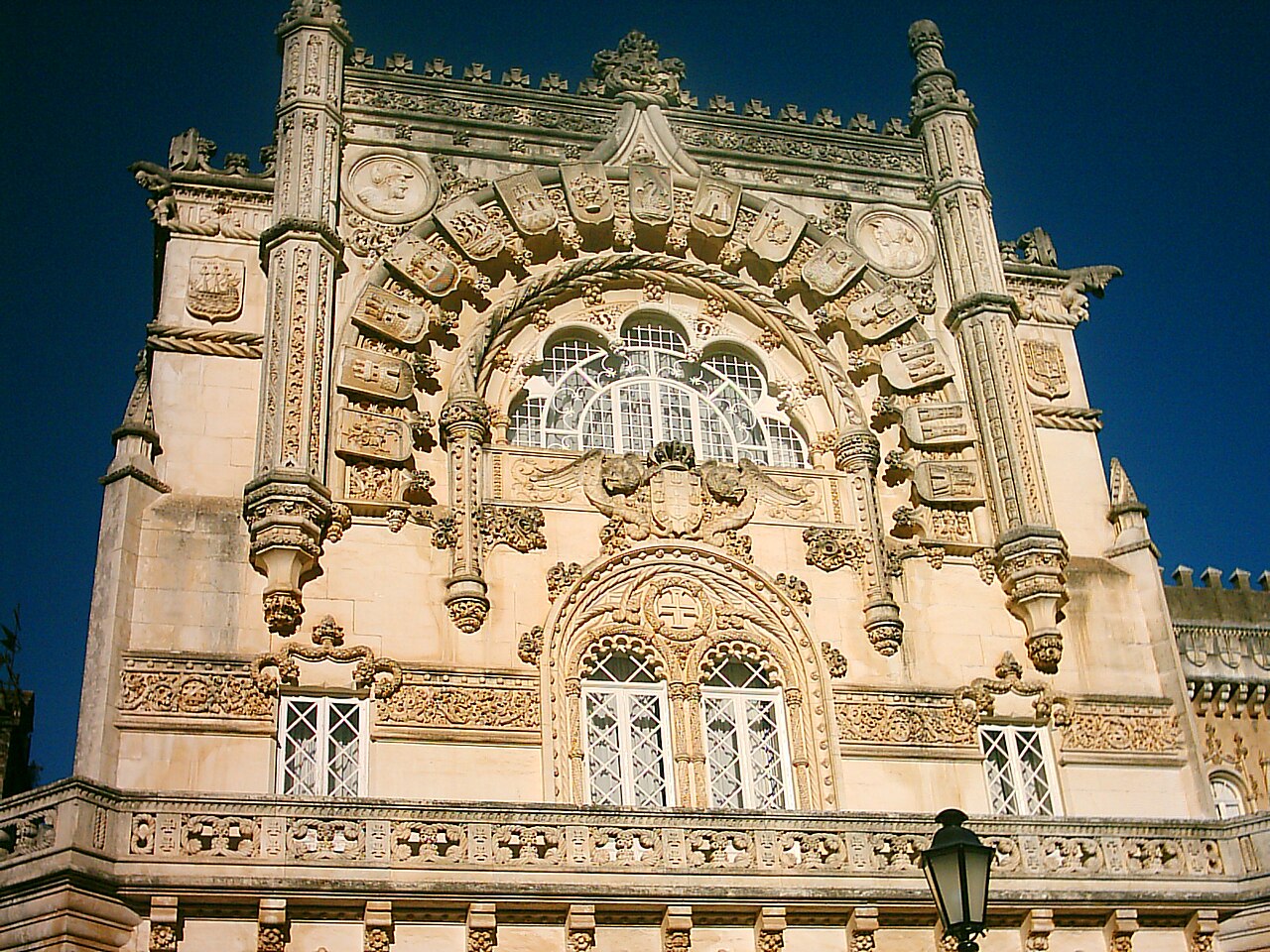
Hotel histories sometimes compress royal ambition, construction and hotel operation into a neat founding date. For trip planning, the important point is simpler: this is a historic building adapted for guests, and the experience depends partly on enjoying its particular character. Allow time to look, rather than arriving late and leaving immediately after breakfast.
Choose the room as carefully as the setting
The official room descriptions distinguish accommodation categories and mention garden or forest outlooks. The hotel itself cautions that some rooms retain historic features rather than modern comforts. Treat that warning seriously if contemporary bathrooms or recently renovated interiors are a priority. Use those descriptions as the start of a conversation. If a view, bed arrangement, walk-in shower or easy lift access matters, request confirmation for the actual category you intend to reserve. A photograph of a special suite is not a promise about an entry-level room.
Ask what the quoted price includes, whether breakfast is covered, and which cancellation deadline applies. Compare the total stay cost rather than the headline nightly rate. Historic hotels can be especially rewarding when expectations are precise: a traveller seeking decorative public rooms and a memorable location may value different things from someone looking for a large spa or contemporary room design.

Dinner deserves its own decision. Confirm restaurant opening arrangements and reserve if eating at the hotel is central to the evening. Having a plan avoids discovering after a long woodland walk that the meal you imagined requires a separate reservation. For a wine-focused extension elsewhere in Portugal, Quinta do Vallado in the Douro offers a different kind of landscape-led stay.
Leave enough daylight for the forest
The Fundação Mata do Bussaco is the useful starting point for current forest information, access arrangements and notices. Check conditions shortly before travelling, particularly after severe weather. Bring shoes with grip and a layer that works in damp woodland; palace photographs do not show the practical demands of every path.
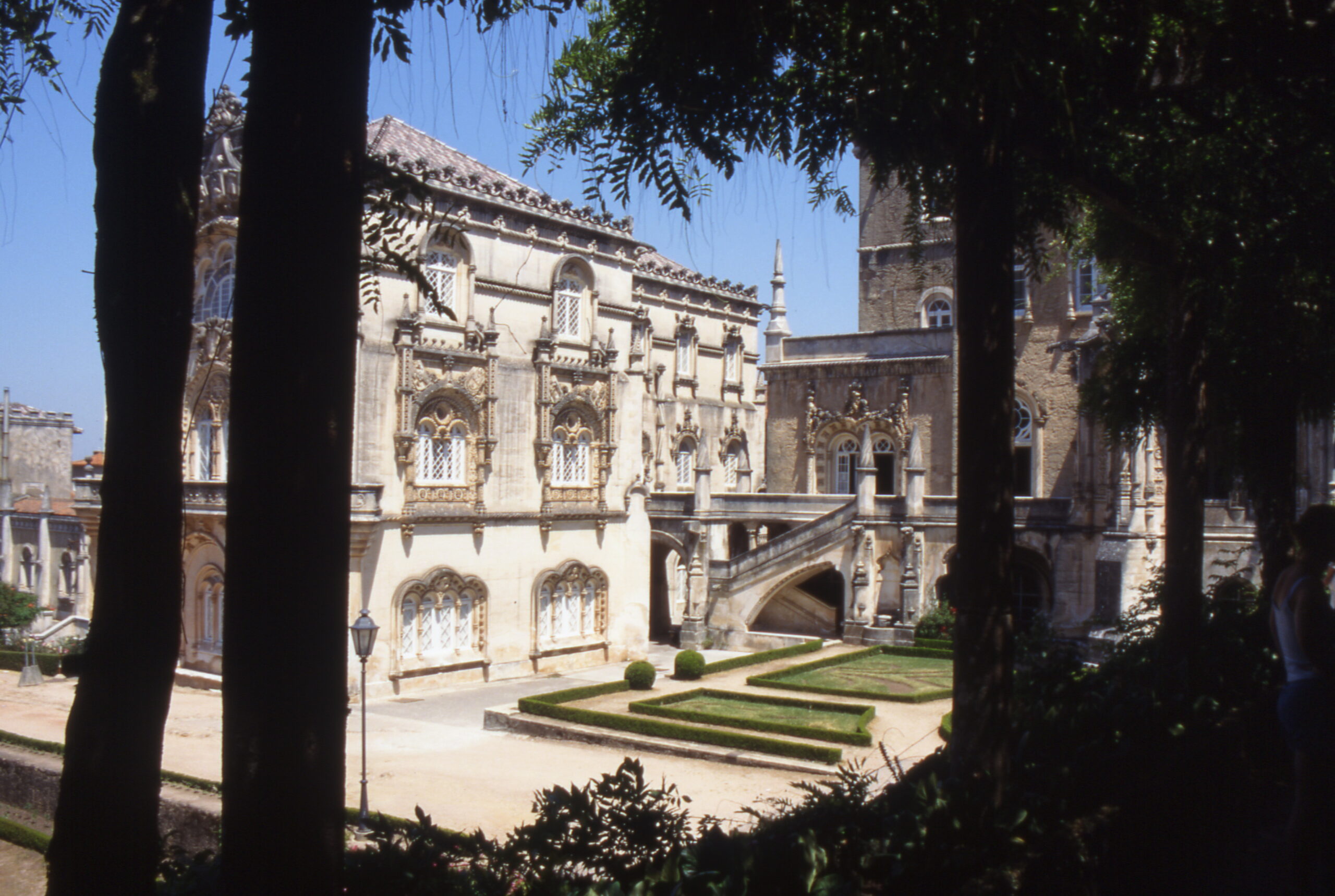

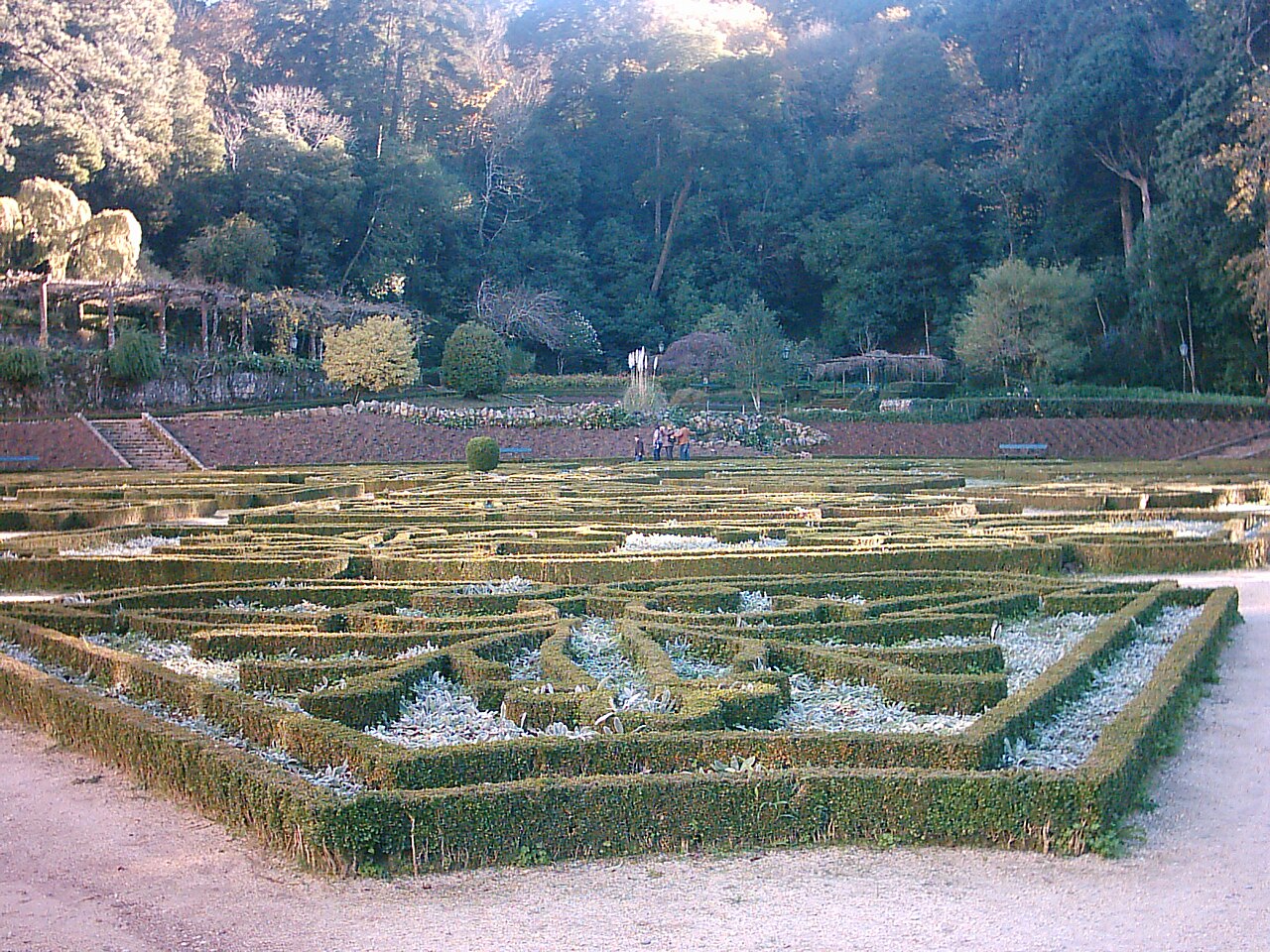
Portugal’s cultural heritage description of the forest identifies features including Fonte Fria, the convent and the Cruz Alta viewpoint. Choose a route that matches your mobility and available daylight. A viewpoint should be an option, not an obligation, and a shorter walk with time to stop can be the better choice after a travel day.

Visitors with limited mobility should ask separately about the hotel route from arrival to bedroom and about outdoor paths. An accessible entrance does not establish that the entire woodland is manageable. Families should similarly plan the walk around the youngest person’s stamina rather than the distance that looks small on a map.
Make it a pause between cities
The hotel’s location page gives the property address and arrival context. Confirm the correct forest entrance, vehicle access and parking before departure. If travelling without a car, arrange the final transfer rather than assuming a railway arrival delivers you to the hotel door.
Bussaco fits naturally into a journey that also gives proper time to Porto’s riverfront and historic streets. Travellers continuing south can balance its woodland quiet with Lisbon’s neighbourhoods and viewpoints. Resist adding it as a rushed detour merely to photograph the façade. The strongest reason to sleep here is the chance to let the building and its forest occupy more than a brief stop.